
 IN
High-Speed Printing Rollers
17 products available
What are High-Speed Printing Rollers?
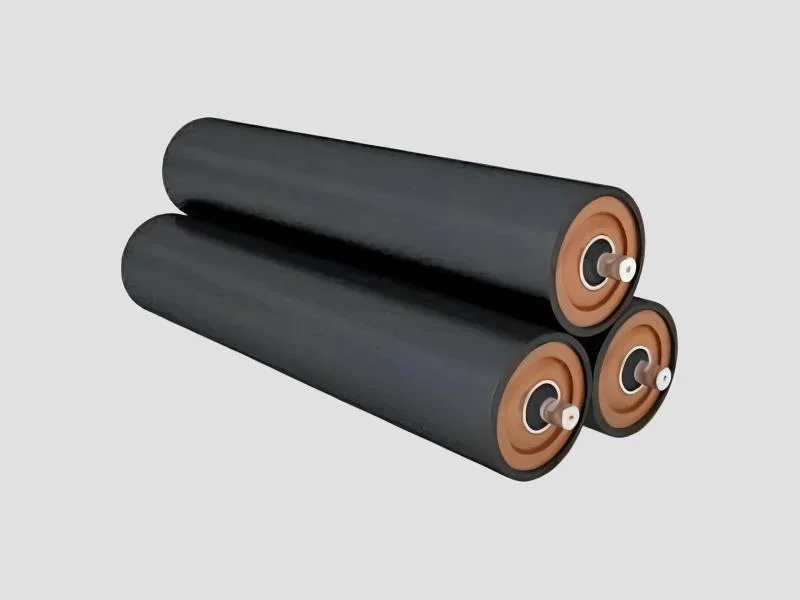
High-speed printing rollers are specialized components used in various printing machines to enhance the speed and efficiency of the printing process. These rollers are engineered to maintain precise pressure and alignment, facilitating quick and high-quality ink transfer onto various substrates. The design and material of high-speed printing rollers play a crucial role in ensuring optimal performance, durability, and reliability in high-volume production environments.
These rollers are primarily utilized in industries such as packaging, textiles, and commercial printing. They support a wide range of applications, including flexographic printing, gravure printing, and digital printing. As businesses strive for faster turnaround times and higher print quality, the demand for high-speed printing rollers continues to grow. This trend is particularly evident in sectors where large quantities of printed materials are required on tight schedules, making these rollers an indispensable part of modern printing operations.
In the current market landscape, high-speed printing rollers are vital for maintaining competitiveness in the printing industry. Companies that invest in high-quality rollers can achieve better product quality and operational efficiency, which ultimately translates to cost savings and improved customer satisfaction.
Key Features and Specifications
High-speed printing rollers come with several distinct features and specifications that make them suitable for demanding printing environments. Understanding these specifications is essential for selecting the right rollers for specific applications.
Key specifications include:
1. Material Composition
- Typically made from rubber, polyurethane, or other durable materials
- Offers resistance to wear and chemical exposure
2. Roller Diameter
- Common diameters range from 30 mm to 250 mm
- The diameter impacts the printing pressure and ink transfer efficiency
3. Surface Texture
- Available in smooth or patterned surfaces
- Affects ink adhesion and transfer quality
4. Operating Temperature Range
- Designed to withstand varying temperature conditions
- Specific ranges are not available but should be considered based on application
5. Hardness Rating
- Measured in Shore A or Shore D scales
- Hardness affects the flexibility and imprint quality of the roller
6. Compliance with Industry Standards
- Must meet regulations like CE for safety and quality assurance
- Ensures reliability and performance in industrial settings
7. Customization Options
- Many manufacturers offer tailored solutions based on client needs
- Custom designs can enhance compatibility with specific printing equipment
8. Lead Time for Production
- Standard lead times may vary based on order size and specifications
- Important for planning and supply chain management
In summary, these features and specifications are critical for optimizing printing efficiency and quality. Choosing the right high-speed printing rollers involves considering these attributes to meet specific operational needs.
Common Applications and Use Cases
High-speed printing rollers are versatile components applicable across various industries. Their design and functionality cater to different printing requirements.
1. Packaging Industry: High-speed printing rollers are essential for flexographic printing of packaging materials, providing high-quality graphics and text for products while maintaining fast production speeds.
2. Textile Industry: These rollers are used in digital textile printing to ensure vibrant color transfer and precise patterns on fabrics, allowing for efficient production of custom and bulk textile products.
3. Commercial Printing: In commercial printing operations, high-speed rollers facilitate the rapid printing of brochures, magazines, and flyers, enabling businesses to meet tight deadlines without compromising quality.
4. Label Printing: High-speed printing rollers are crucial for producing labels in bulk, allowing for quick turnaround times and high-resolution printing on various materials.
5. Newspaper Printing: These rollers support high-volume printing required in newspaper production, ensuring consistency and quality across multiple pages.
6. Graphic Arts: In the graphic arts sector, high-speed rollers enhance the quality of fine art prints and professional photography, enabling detailed reproduction of images.
7. Security Printing: Used in producing banknotes and sensitive documents, high-speed rollers help achieve high-quality prints with added security features.
Product Variants and Subcategories
High-speed printing rollers come in various designs and specifications to meet diverse industry needs. While specific subcategories are not available, several variants exist based on application requirements.
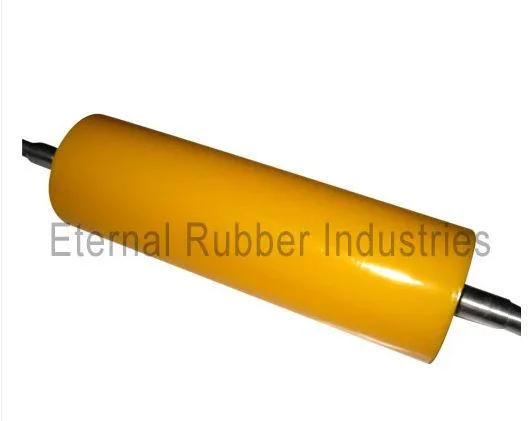
Polyurethane High-Speed Rollers: These rollers are known for their durability and resistance to wear. They are ideal for high-speed printing applications where longevity is critical.
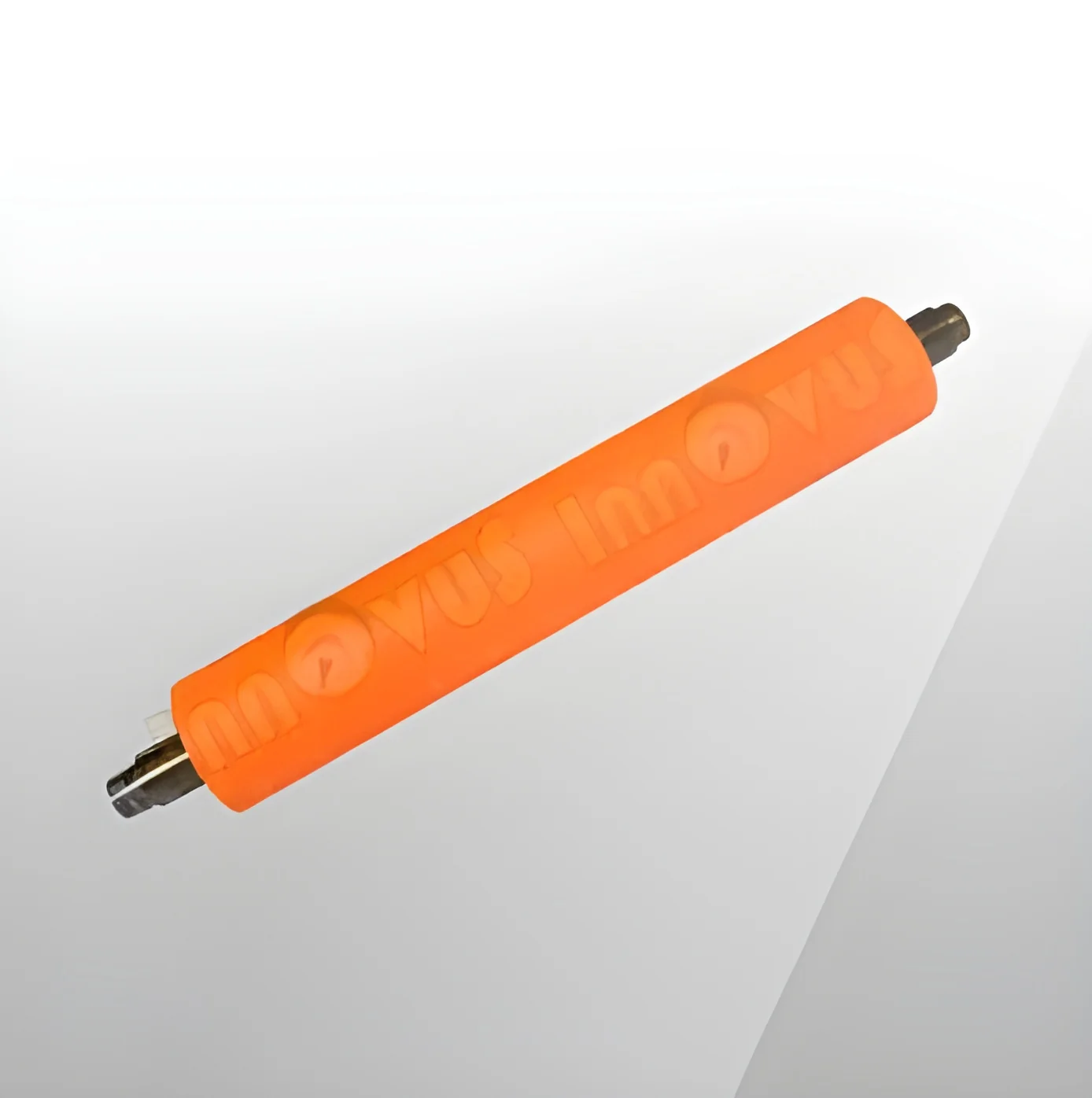
Rubber High-Speed Rollers: Typically used in flexographic printing, rubber rollers provide excellent grip and ink transfer capabilities, making them suitable for various substrates.
Custom-Made High-Speed Rollers: Many manufacturers offer custom solutions tailored to specific printing machines and operational needs. These rollers can be designed based on precise dimensions and material requirements.
Benefits and Advantages
High-speed printing rollers offer numerous benefits that can significantly enhance printing operations.
1. Increased Efficiency: These rollers allow for faster printing speeds, helping businesses meet tight deadlines and increasing overall productivity.
2. Improved Print Quality: High-speed rollers ensure consistent pressure and alignment, resulting in high-quality prints with sharp details and accurate colors.
3. Versatility: Suitable for different printing technologies, high-speed rollers can accommodate a wide range of substrates and ink types, making them adaptable to various applications.
4. Cost-Effectiveness: By optimizing the printing process, these rollers can reduce waste and lower operational costs, providing a better return on investment.
5. Enhanced Durability: Made from robust materials, high-speed printing rollers are designed to withstand the rigors of high-speed production, leading to longer service life and reduced downtime.
6. Customization Options: The ability to tailor rollers to specific requirements allows businesses to achieve optimal performance for their unique printing needs.
Buying Guide for B2B Buyers
When sourcing high-speed printing rollers, it's essential to consider several factors to ensure you select the best option for your business needs.
1. Quality Assessment: Evaluate the quality of materials and construction. Look for suppliers that adhere to industry standards and have a reputation for producing reliable products.
2. Supplier Verification: Vet suppliers by checking their credentials, customer reviews, and certifications. A trustworthy supplier should have a proven track record in the industry.
3. Pricing and MOQ: Understand the pricing structure and minimum order quantities. This will help you align your budget with your operational needs and avoid excess inventory.
4. Delivery and Lead Times: Inquire about lead times for production and delivery. Timely receipt of rollers is crucial for maintaining smooth operations.
5. Compliance Requirements: Ensure that the rollers comply with relevant regulations and safety standards. This is vital for avoiding legal issues and ensuring product quality.
Compliance and Certifications
High-speed printing rollers must meet specific compliance and certification standards to ensure safety and quality in manufacturing.
Common relevant quality standards include ISO 9001, which emphasizes quality management systems, ensuring that manufacturers consistently meet customer expectations and regulatory requirements.
Industry certifications such as CE signify that the products conform to European safety and health standards, providing assurance to buyers about the reliability of the rollers.
Safety and testing requirements are essential to guarantee that the rollers perform effectively under various operational conditions. Manufacturers should conduct thorough testing to validate durability, performance, and safety.
Regional compliance considerations may vary, so it is crucial for buyers to understand the specific regulations applicable in their operational regions to ensure compliance and avoid penalties.
Why Source High-Speed Printing Rollers from Pepagora?
Pepagora provides a trusted platform for sourcing high-speed printing rollers with several key advantages that benefit B2B buyers.
Verified Supplier Network: Pepagora connects buyers with a network of verified suppliers, ensuring that businesses can source high-quality products from reputable manufacturers. This network helps reduce risks associated with substandard products.
Streamlined RFQ Process: The platform features a streamlined request for quotation (RFQ) process, allowing buyers to easily compare options and receive competitive pricing from multiple suppliers. This efficiency saves time and enhances decision-making.
Trade Assurance and Support: Pepagora offers trade assurance measures to protect buyers during transactions. This includes support for quality disputes and delivery issues, providing peace of mind when sourcing critical components.
Regional Coverage: With extensive geographic reach in India, the GCC, and Southeast Asia, Pepagora ensures that businesses can find the right high-speed printing rollers to match their local operational needs while benefiting from a diverse supplier base.
In summary, Pepagora is a valuable resource for B2B buyers looking to procure high-speed printing rollers, offering a comprehensive solution that enhances purchasing efficiency and product quality.


 India
 India

 India
 India
 India
 India
 India

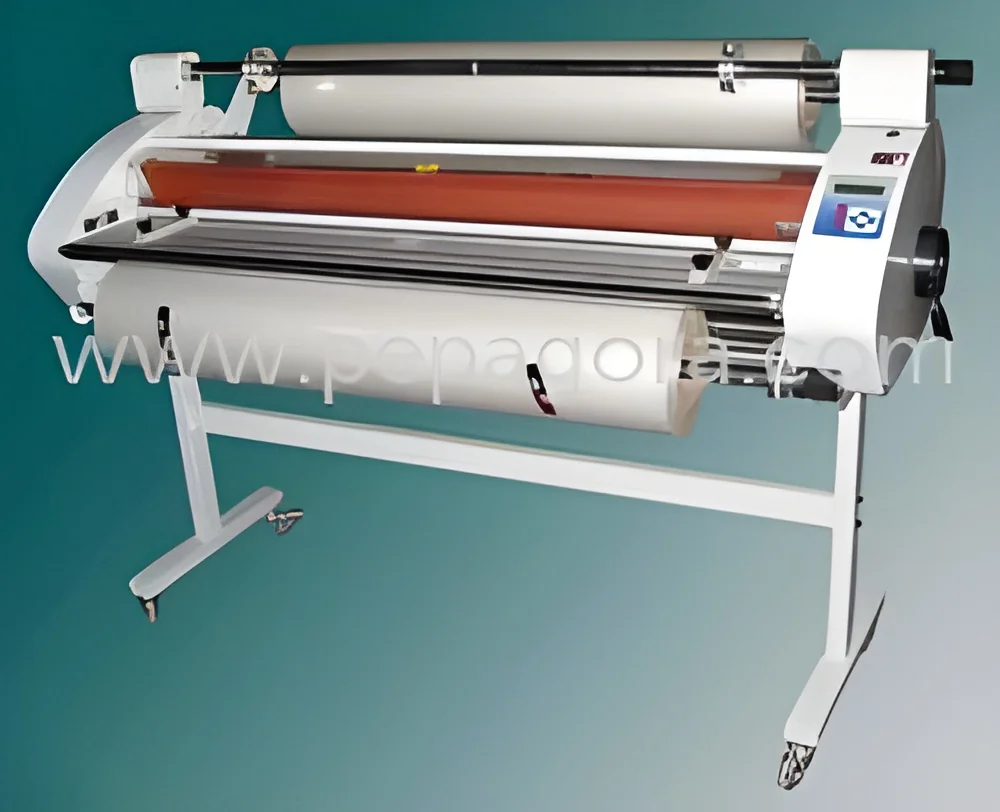 India
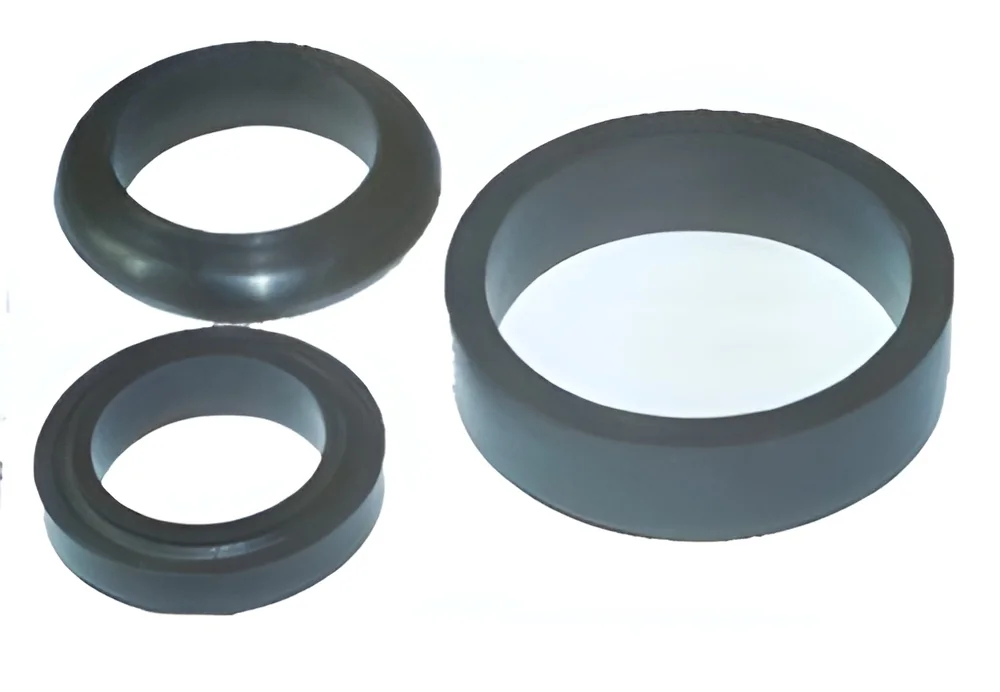 India
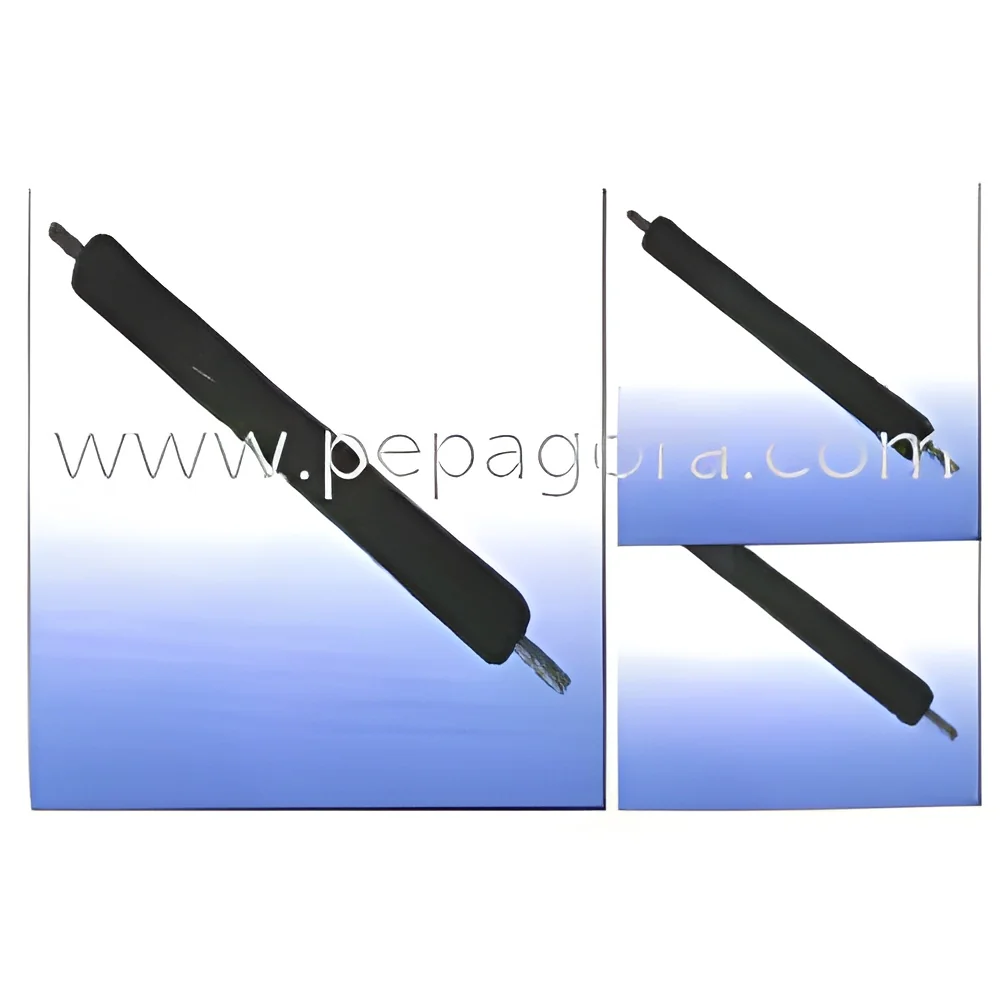 India
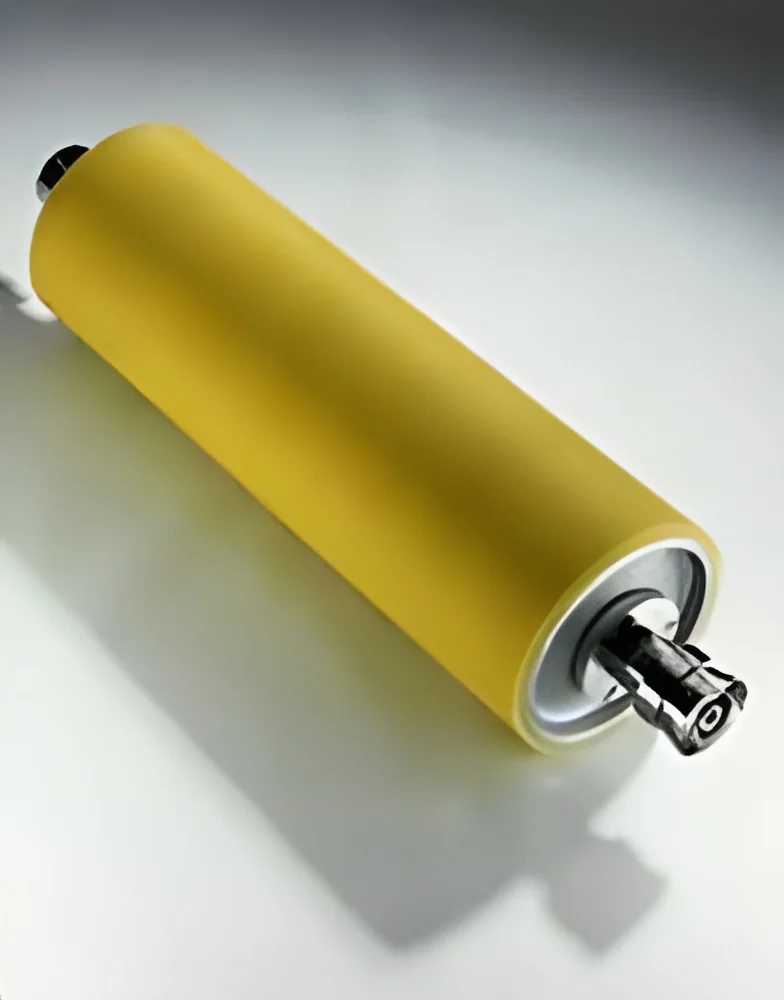
 India
 India
 India

Frequently Asked Questions
What are High-Speed Printing Rollers?
High-Speed Printing Rollers are specialized components used in various printing machines to facilitate rapid ink transfer and paper movement. These rollers are designed to withstand high-speed operations while ensuring consistent print quality.
What are the different types of High-Speed Printing Rollers?
There are several types of High-Speed Printing Rollers, including rubber rollers, silicone rollers, and anilox rollers. Each type serves a specific purpose in the printing process, depending on the material being printed and the technology used.
How do I choose the right High-Speed Printing Rollers?
When selecting High-Speed Printing Rollers, consider factors such as the type of printing machine, the material of the roller, and the intended application. Consulting with manufacturers or suppliers can also provide insights into which rollers best suit your specific printing needs.
What are the standard specifications for High-Speed Printing Rollers?
Standard specifications for High-Speed Printing Rollers typically include dimensions, material composition, hardness, and temperature tolerance. It's essential to refer to the manufacturer's guidelines to ensure compatibility with your printing equipment.
What is the price range for High-Speed Printing Rollers?
The price of High-Speed Printing Rollers can vary widely based on factors such as material, size, and manufacturer. Generally, prices can range from a few hundred to several thousand Indian Rupees per roller.
What quality standards apply to High-Speed Printing Rollers?
High-Speed Printing Rollers should meet industry standards such as ISO 9001 for quality management. Additionally, rollers may be tested for durability and performance to ensure they meet the specific requirements of high-speed printing.
Where can I find High-Speed Printing Rollers suppliers in India?
High-Speed Printing Rollers suppliers can be found through B2B marketplaces like Pepagora, trade shows, and industry-specific directories. It's advisable to research and compare multiple suppliers to find the best options.
Can High-Speed Printing Rollers be customized?
Yes, many manufacturers offer customization options for High-Speed Printing Rollers based on specific requirements such as size, material, and design. Custom rollers can help optimize performance for particular printing applications.
What is the typical minimum order quantity for High-Speed Printing Rollers?
The typical minimum order quantity (MOQ) for High-Speed Printing Rollers varies by manufacturer but usually ranges from 10 to 50 units. It's important to check with individual suppliers for their specific MOQ policies.
What is the typical lead time for High-Speed Printing Rollers?
The lead time for High-Speed Printing Rollers can vary based on factors such as supplier location and order size. Generally, lead times can range from 2 to 6 weeks, depending on whether the rollers are in stock or require customization.
Why Businesses Trust Pepagora
Thousands of companies trust Pepagora to source smarter and sell faster
Expand Your Sales Globally

Source Smarter,Grow Faster
