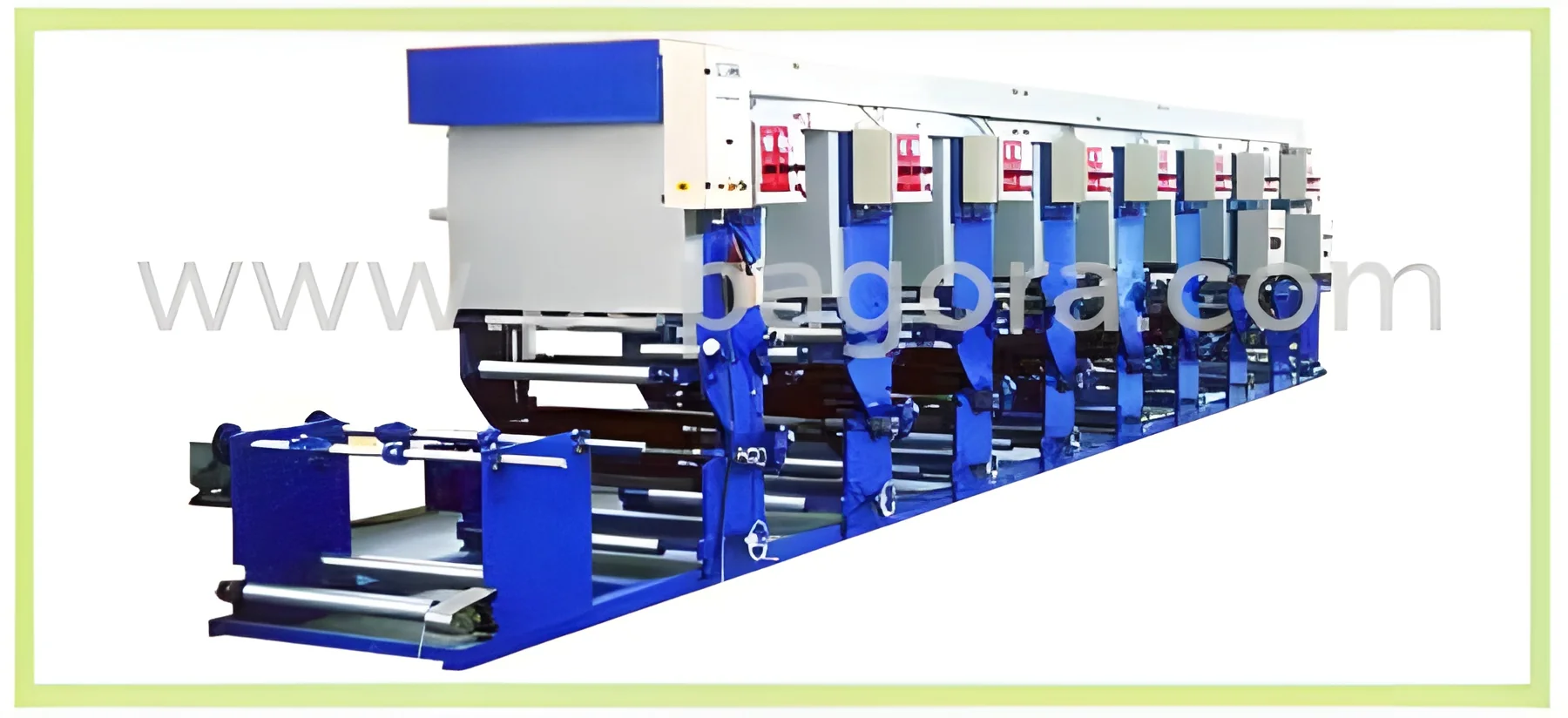
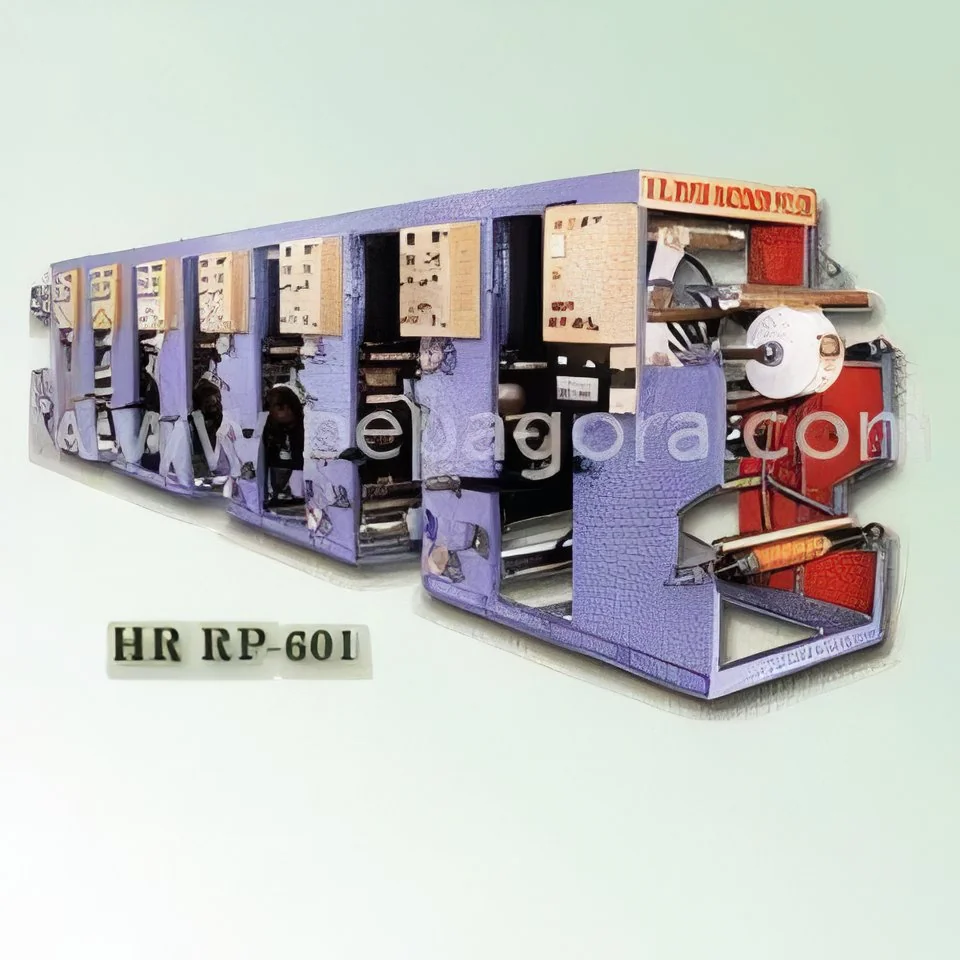
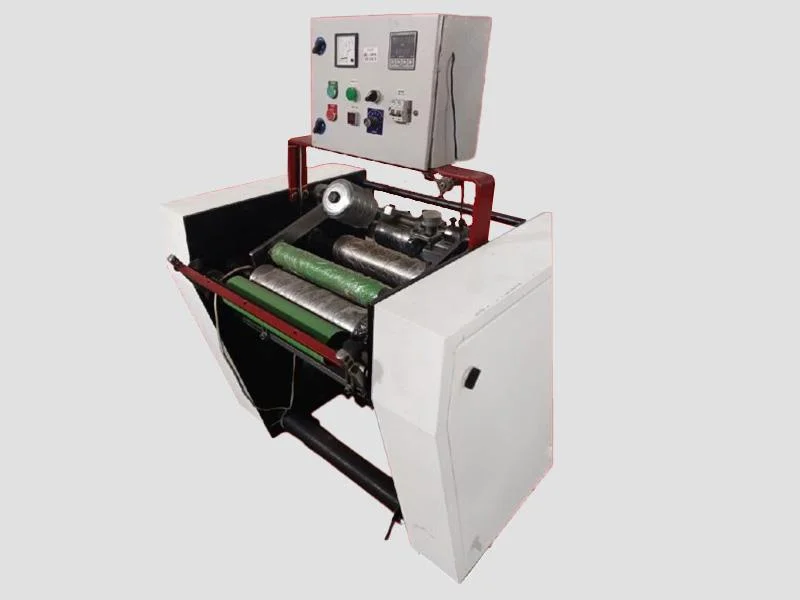
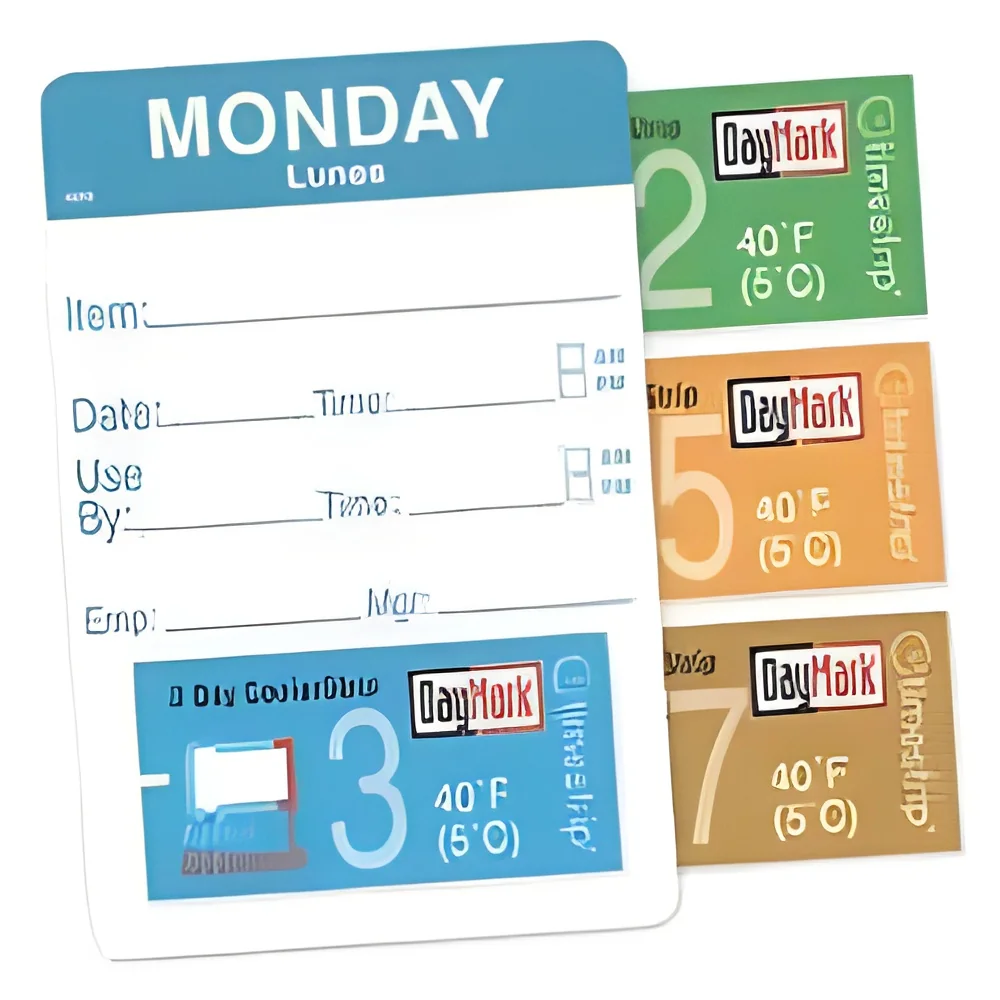
𝗪𝗵𝗮𝘁 𝗮𝗿𝗲 𝗙𝗹𝗲𝘅𝗼𝗴𝗿𝗮𝗽𝗵𝗶𝗰 & 𝗚𝗿𝗮𝘃𝘂𝗿𝗲 𝗣𝗿𝗶𝗻𝘁𝗶𝗻𝗴?
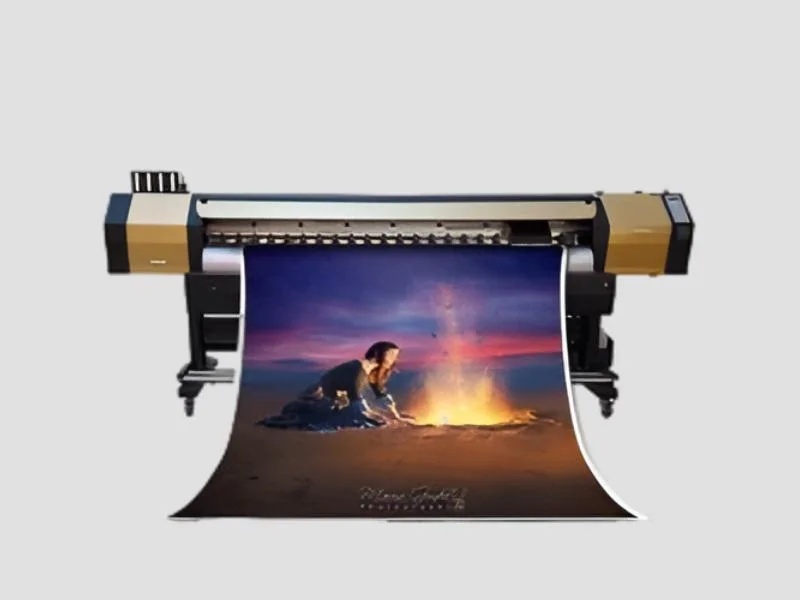
Flexographic printing and gravure printing are two advanced printing techniques widely used in various industries. Flexographic printing, often referred to as flexo, utilizes flexible relief plates to transfer ink onto a substrate. It is particularly well-suited for printing on non-porous materials, making it a popular choice for packaging, labels, and newspapers. Gravure printing, on the other hand, employs an engraved cylinder to apply ink to the substrate. This method is known for its high-quality, continuous-tone images and is typically used for long-run printing applications such as magazines, catalogues, and high-end packaging.
Both printing methods serve vital roles in the production of consumer goods, enabling businesses to create eye-catching designs and reliable product information. The versatility of flexographic printing allows it to handle a wide array of substrates, from plastic films to paper, while gravure printing excels in producing consistent quality over large volumes. Together, these technologies form a critical part of the printing industry, addressing diverse market demands and enhancing brand visibility.
As the market for printed materials continues to evolve, both flexographic and gravure printing remain relevant due to advancements in technology and materials. Industries are increasingly adopting these printing methods to meet consumer preferences for high-quality packaging and labels, while also focusing on sustainability and cost-efficiency in production processes.
𝗞𝗲𝘆 𝗙𝗲𝗮𝘁𝘂𝗿𝗲𝘀 𝗮𝗻𝗱 𝗦𝗽𝗲𝗰𝗶𝗳𝗶𝗰𝗮𝘁𝗶𝗼𝗻𝘀
Flexographic and gravure printing offer a range of features that cater to different business needs. Understanding these specifications helps buyers choose the right printing solution for their applications.
Key specifications include:
1. Printing Speed
- Flexographic printing can achieve speeds of up to 1,000 feet per minute.
- Gravure printing typically operates at speeds ranging from 300 to 600 feet per minute.
2. Substrate Compatibility
- Flexographic printing can print on various substrates, including plastic, paper, and film.
- Gravure printing is best suited for smooth and flat surfaces, primarily paper and plastic.
3. Ink Types
- Flexo uses water-based, solvent-based, and UV-curable inks.
- Gravure primarily uses solvent-based inks for optimal color reproduction.
4. Image Quality
- Flexographic printing is suitable for high-volume, lower-quality jobs with crisp lines.
- Gravure excels in producing high-quality, continuous-tone images with exceptional detail.
5. Plate Costs
- Flexographic plates are less expensive and quicker to produce than gravure cylinders.
- Gravure cylinders have higher initial costs but provide longer print runs.
6. Setup Time
- Flexographic printing generally has a shorter setup time, making it efficient for shorter runs.
- Gravure printing requires more time and investment in cylinder preparation.
7. Environmental Impact
- Flexographic printing is increasingly adopting eco-friendly inks and processes.
- Gravure printing is working towards more sustainable practices, though it traditionally uses solvent-based inks.
8. Market Applications
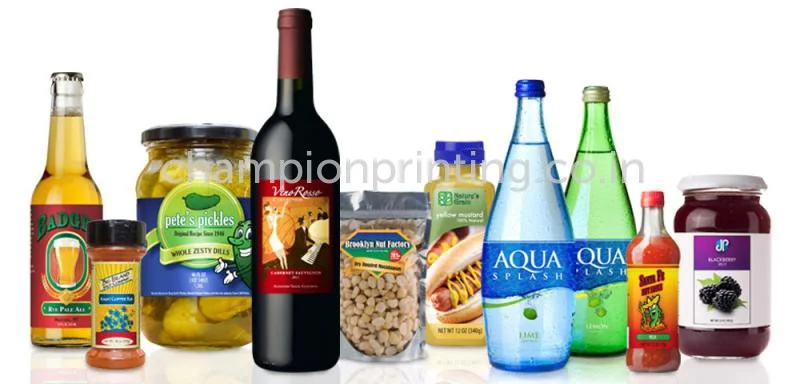
- Flexographic printing is widely used in food packaging, labels, and flexible packaging.
- Gravure printing is commonly found in high-end packaging, publishing, and decorative prints.
These specifications help businesses identify the appropriate printing technology that aligns with their production goals and quality requirements.
𝗖𝗼𝗺𝗺𝗼𝗻 𝗔𝗽𝗽𝗹𝗶𝗰𝗮𝘁𝗶𝗼𝗻𝘀 𝗮𝗻𝗱 𝗨𝘀𝗲 𝗖𝗮𝘀𝗲𝘀
Flexographic and gravure printing technologies are utilized across various industries due to their unique capabilities.
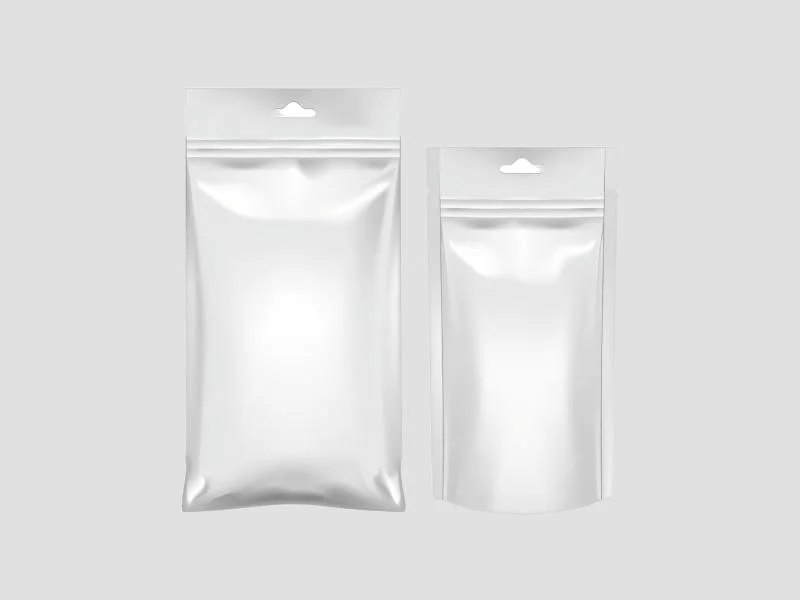
1. Food and Beverage Industry: Flexo is extensively used for packaging food products, labels, and flexible pouches to ensure freshness and compliance with regulations.
2. Consumer Goods: Gravure printing is favored for producing high-quality packaging for cosmetics and household products, enhancing brand image and shelf appeal.
3. Pharmaceuticals: Flexographic printing provides reliable labeling solutions that ensure correct dosage and product information for medicines.
4. Textile Industry: Both printing methods are employed for printed textiles, allowing for vibrant designs and intricate patterns on various fabric types.
5. Publishing: Gravure printing is commonly used for magazines and catalogues, providing high-quality images and text reproduction for readers.
6. Electronics: Flexographic printing is utilized for labels and packaging in the electronics sector, offering durability and clarity.
7. Retail: Gravure printing is key in producing high-quality promotional materials and packaging that attract consumers in retail settings.
These applications highlight the versatility and importance of flexographic and gravure printing in meeting diverse industry needs.
𝗣𝗿𝗼𝗱𝘂𝗰𝘁 𝗩𝗮𝗿𝗶𝗮𝗻𝘁𝘀 𝗮𝗻𝗱 𝗦𝘂𝗯𝗰𝗮𝘁𝗲𝗴𝗼𝗿𝗶𝗲𝘀
Flexographic and gravure printing encompass a variety of product types that cater to specific requirements.
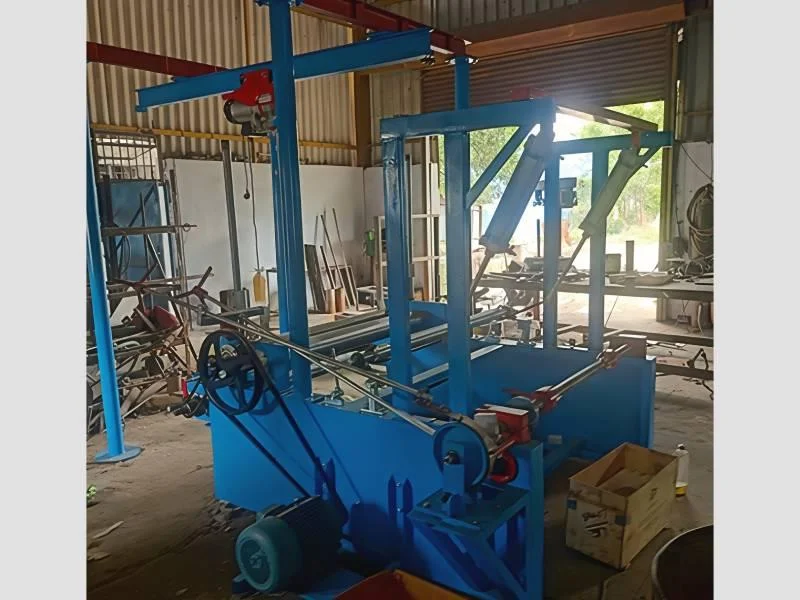
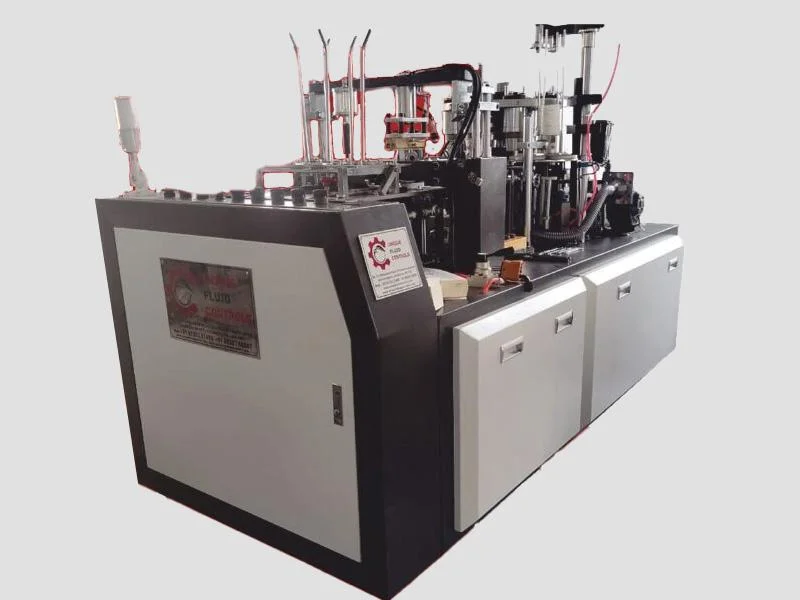
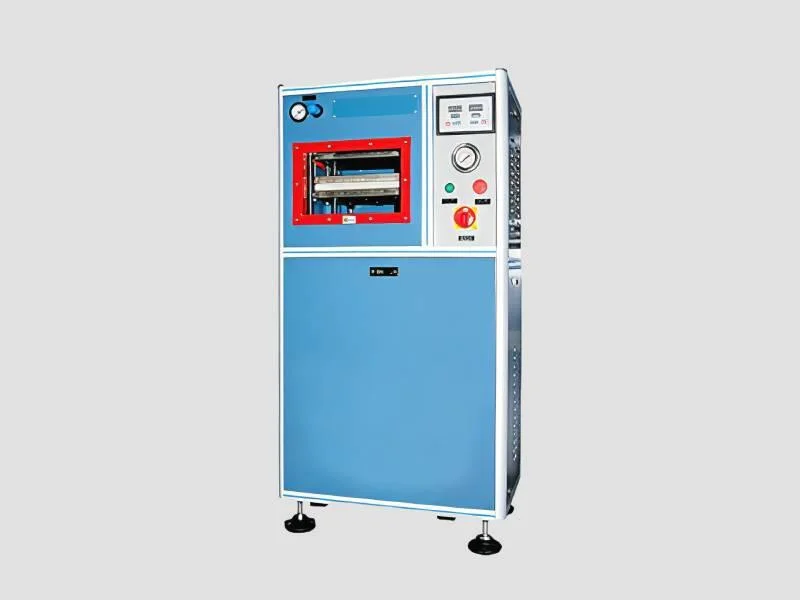
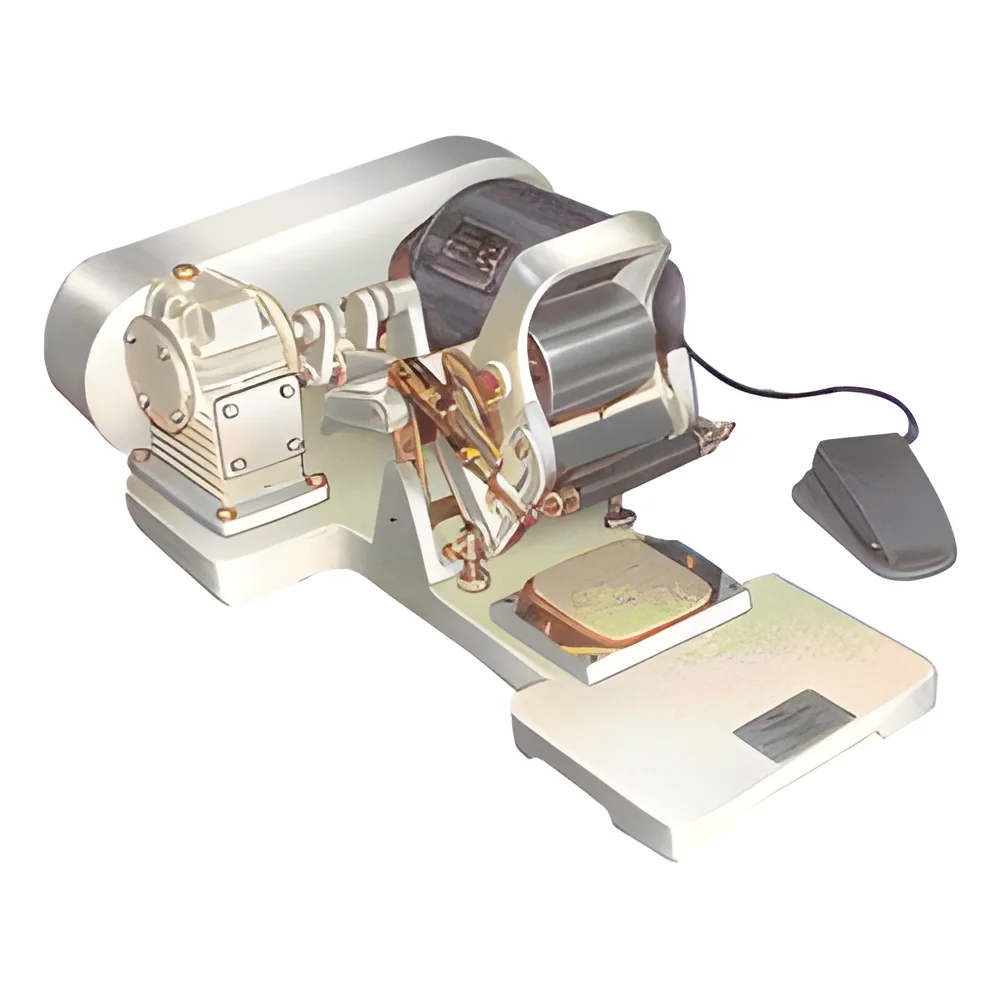
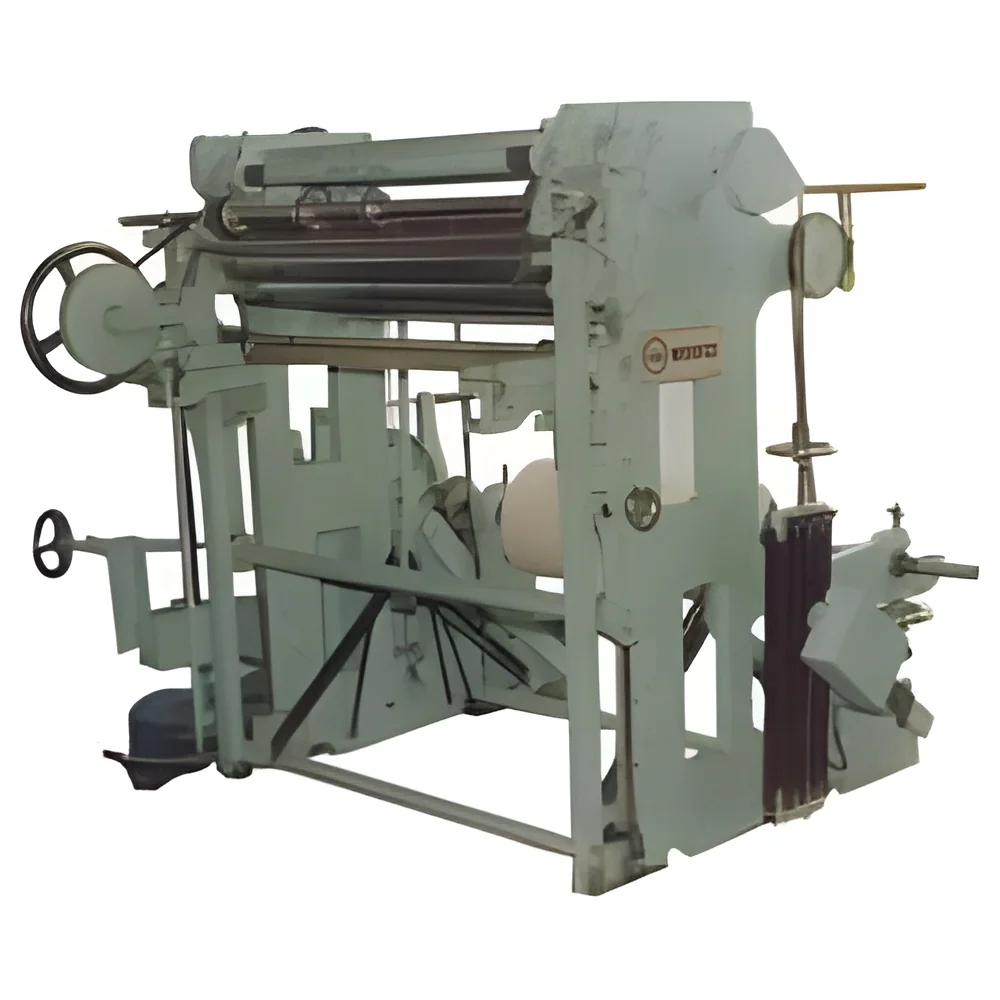
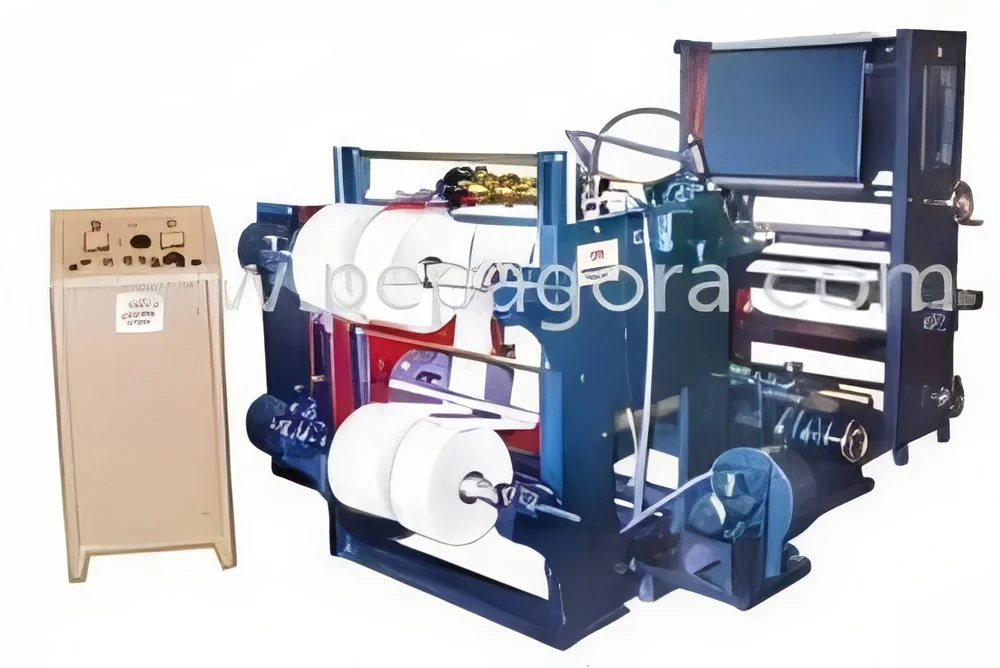
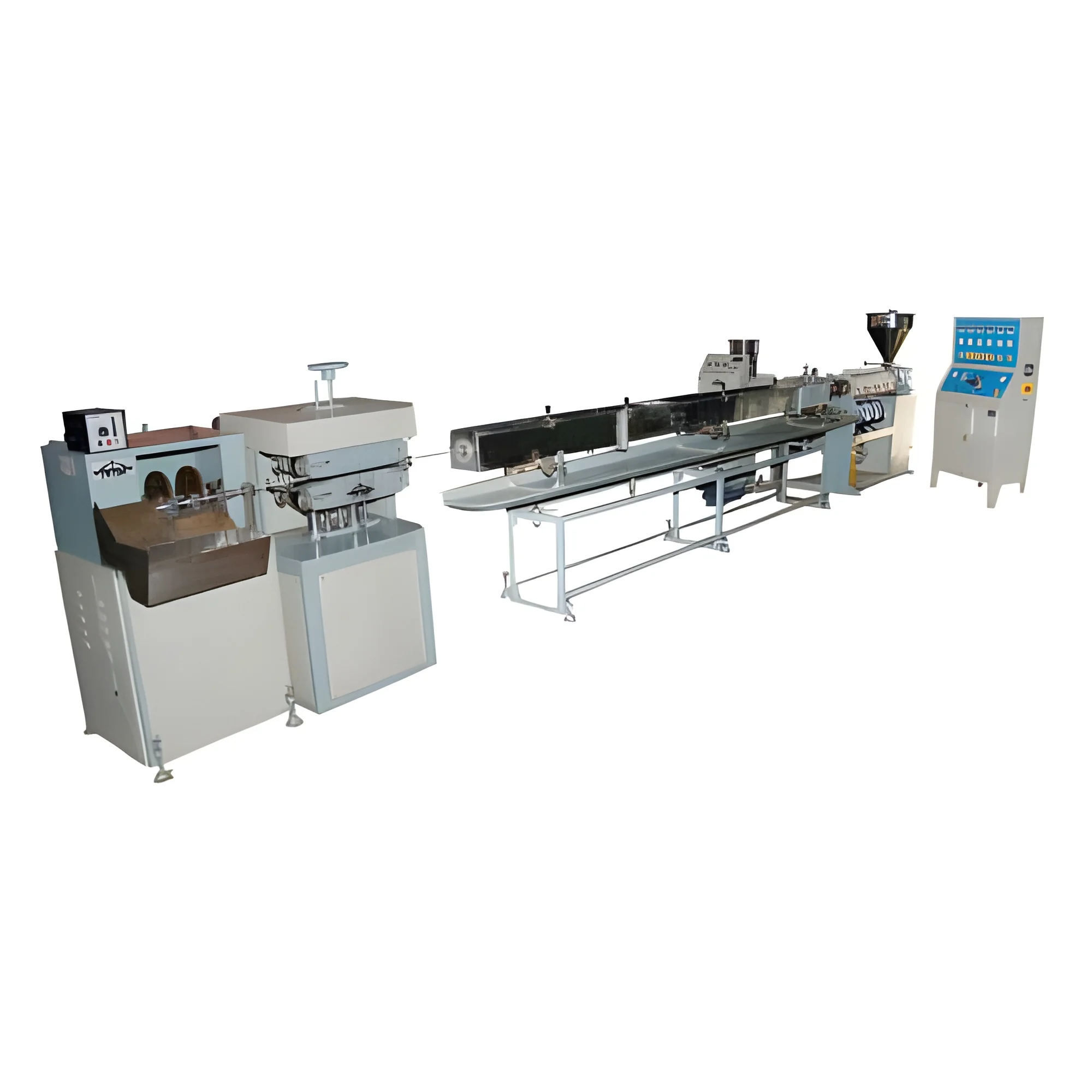
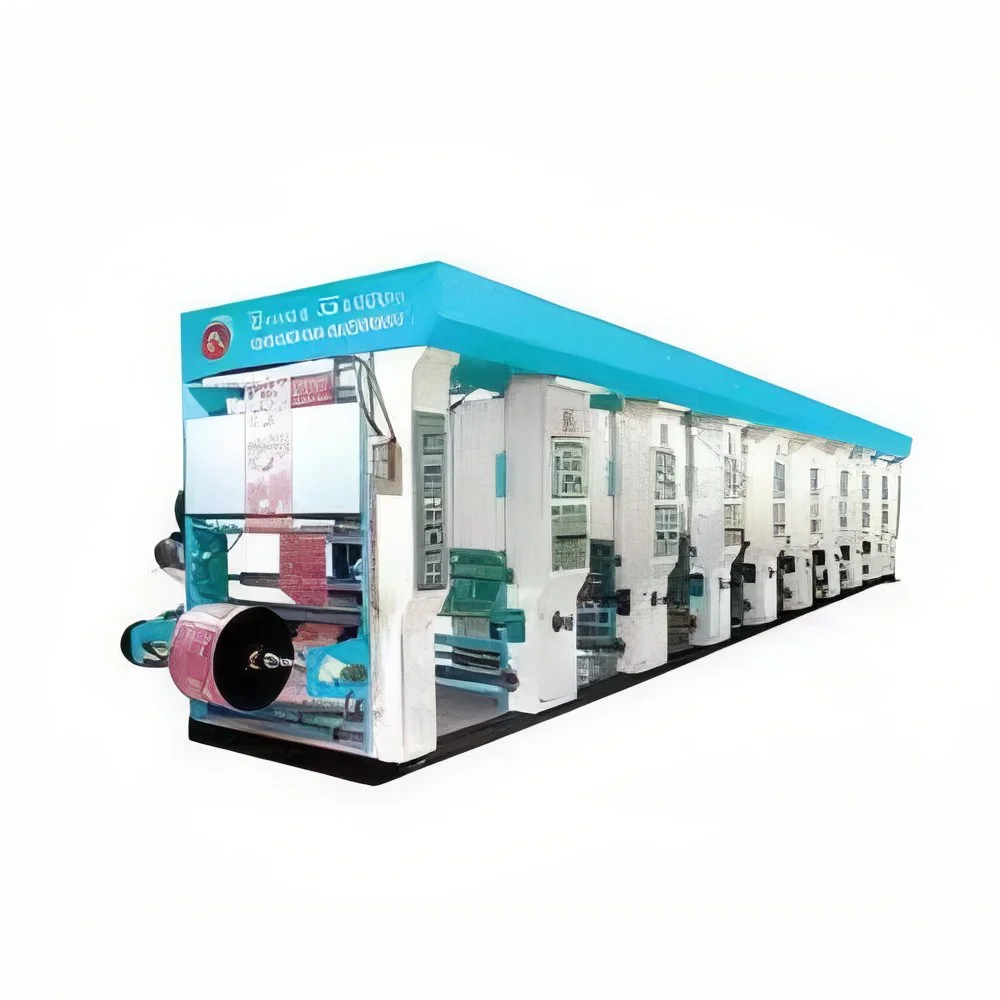
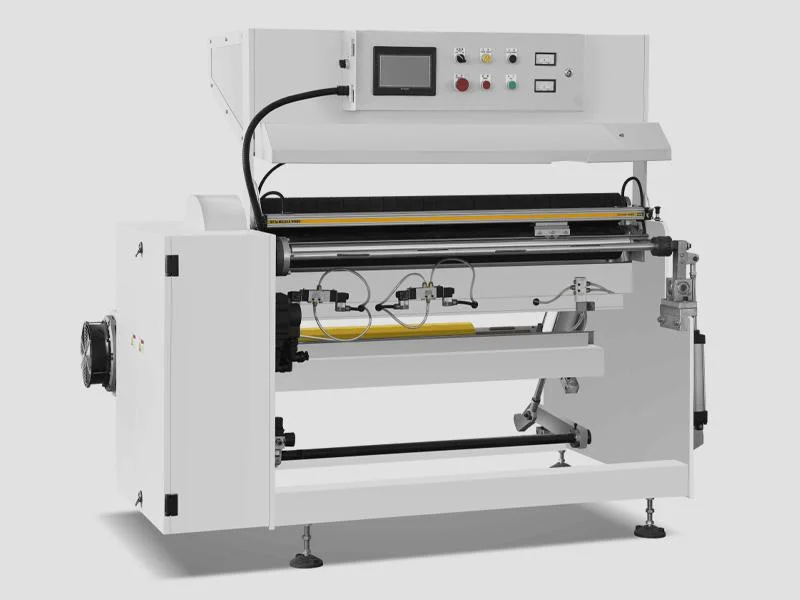
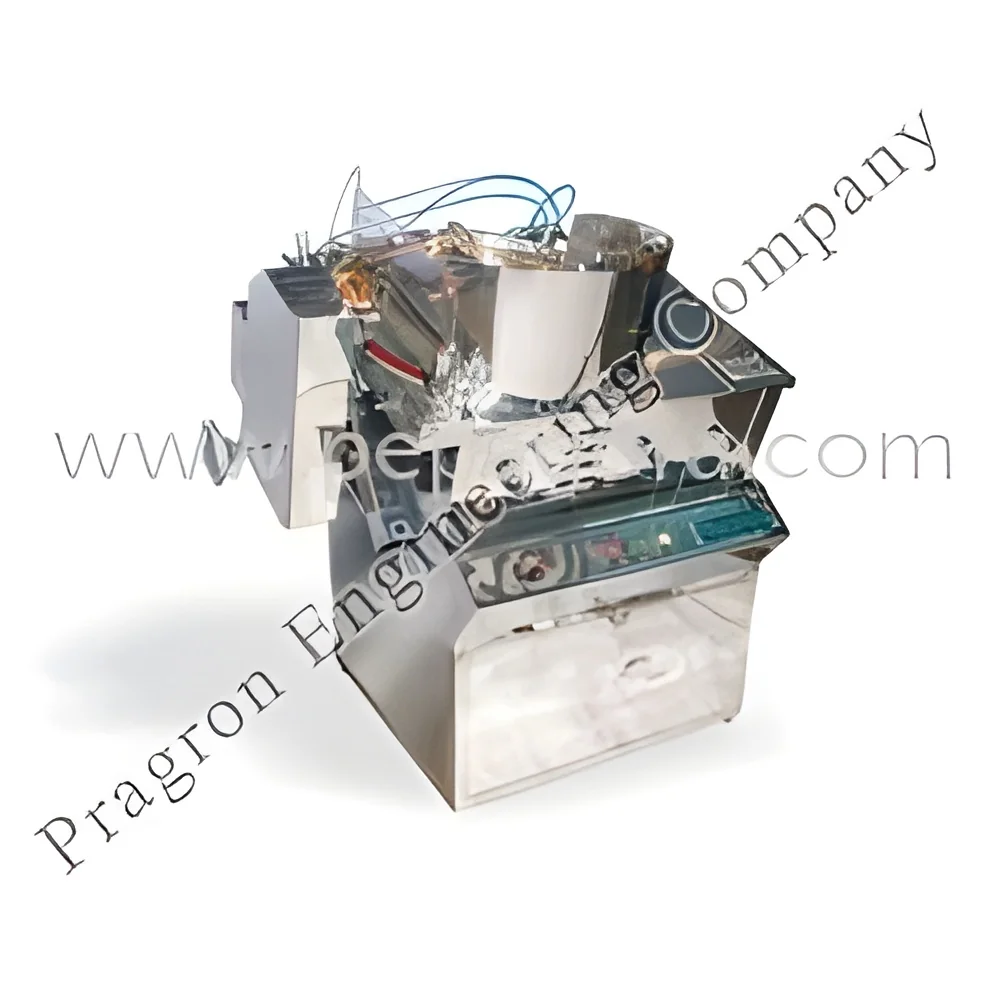
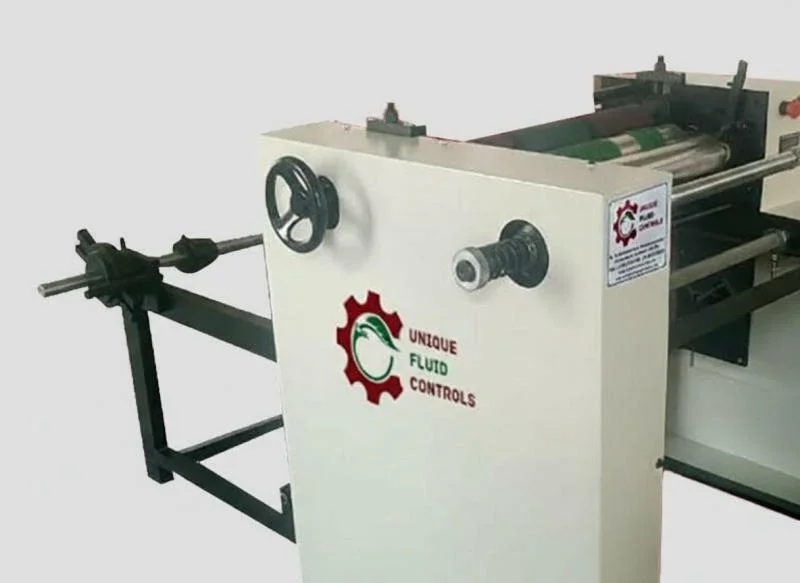
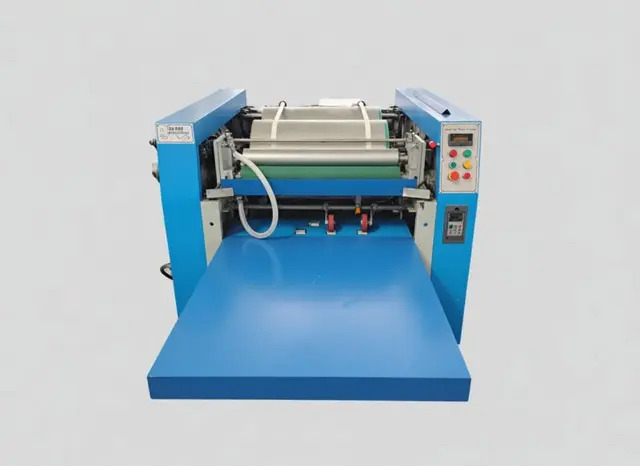
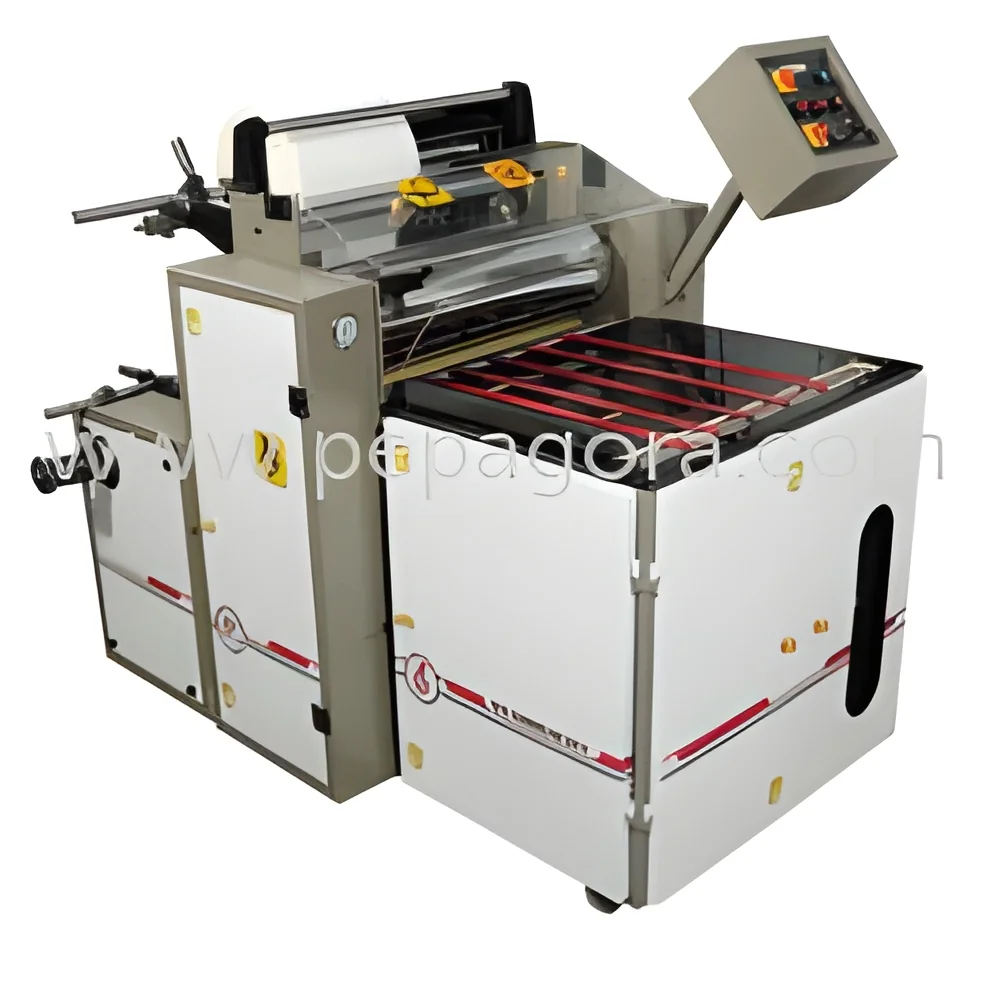
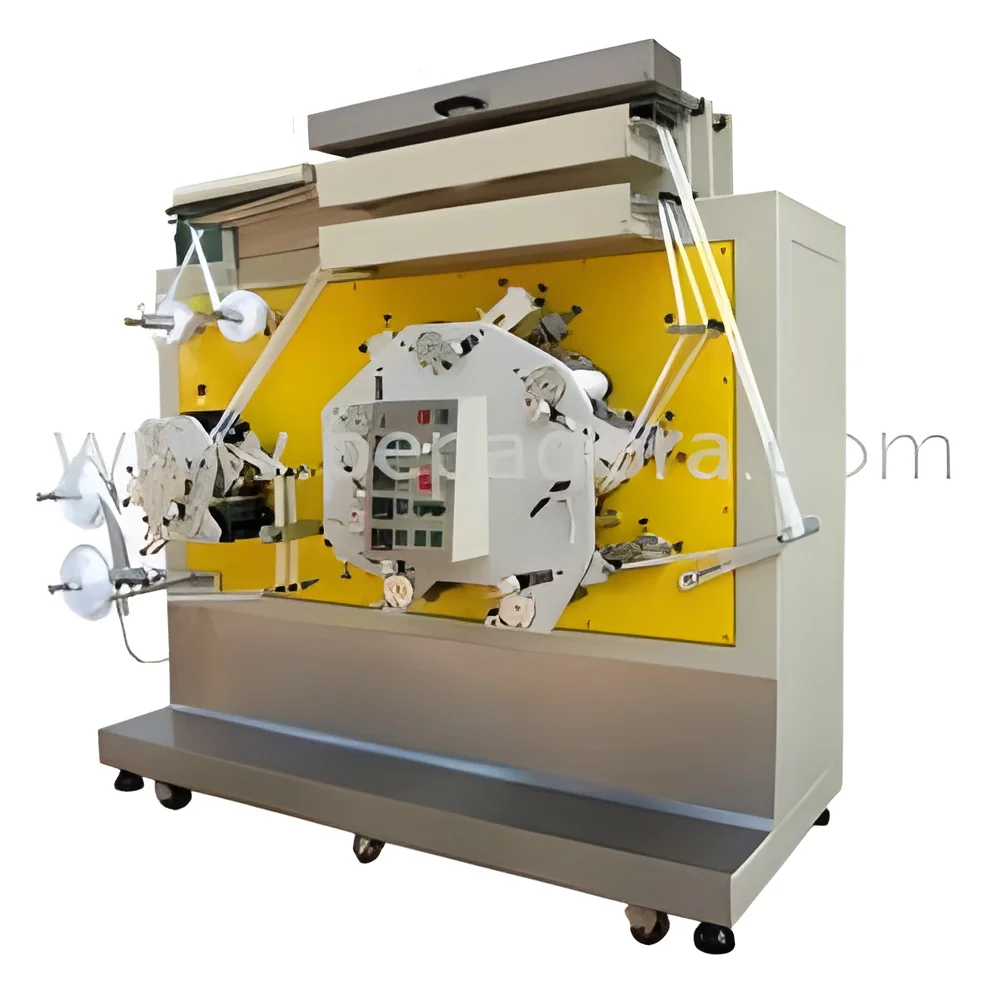
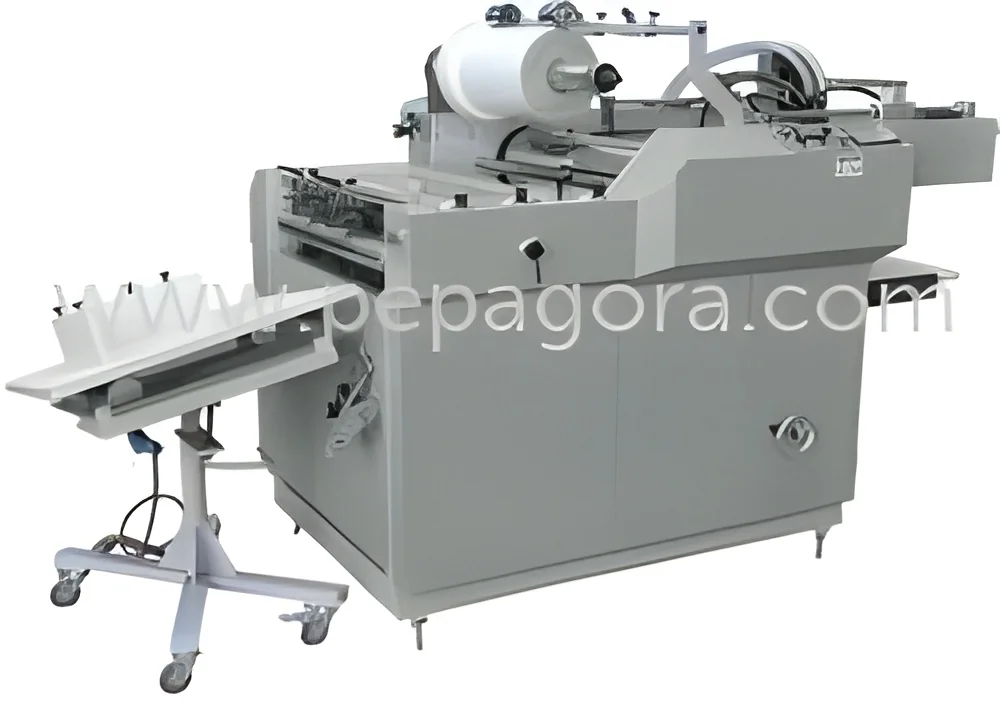
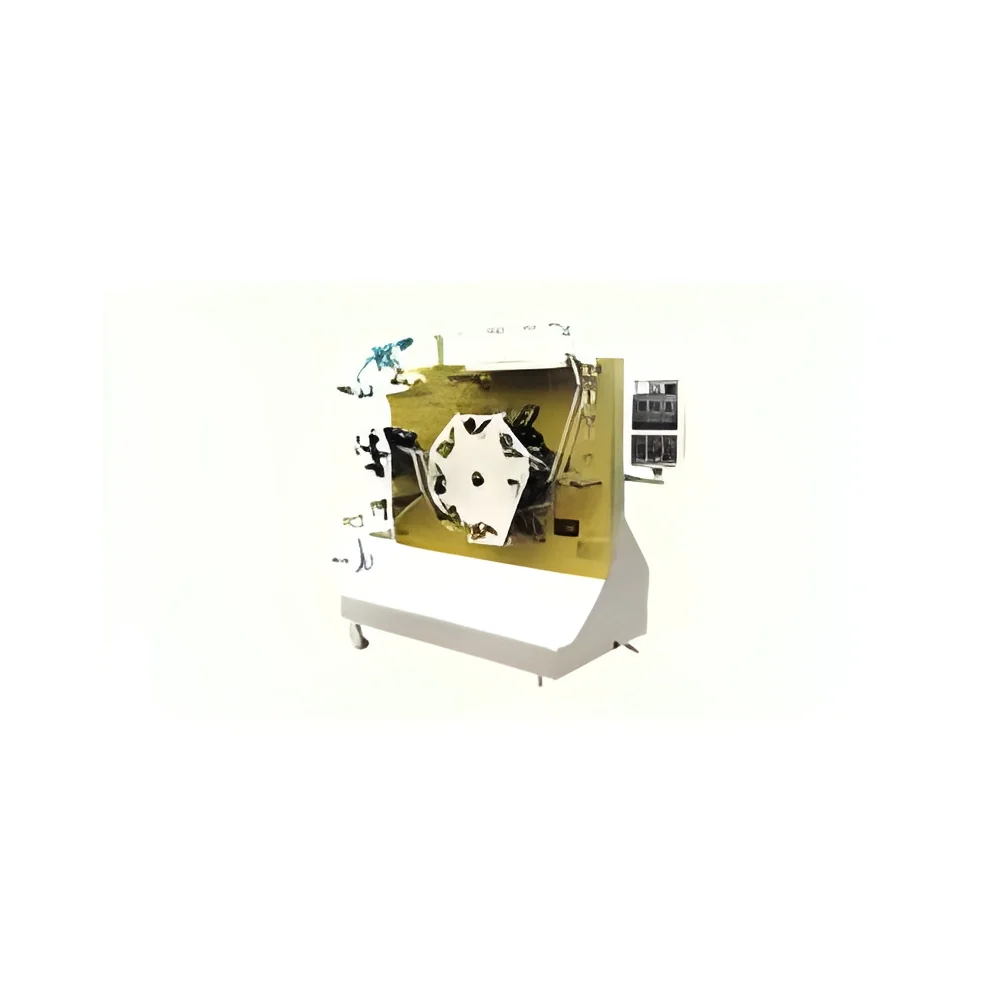
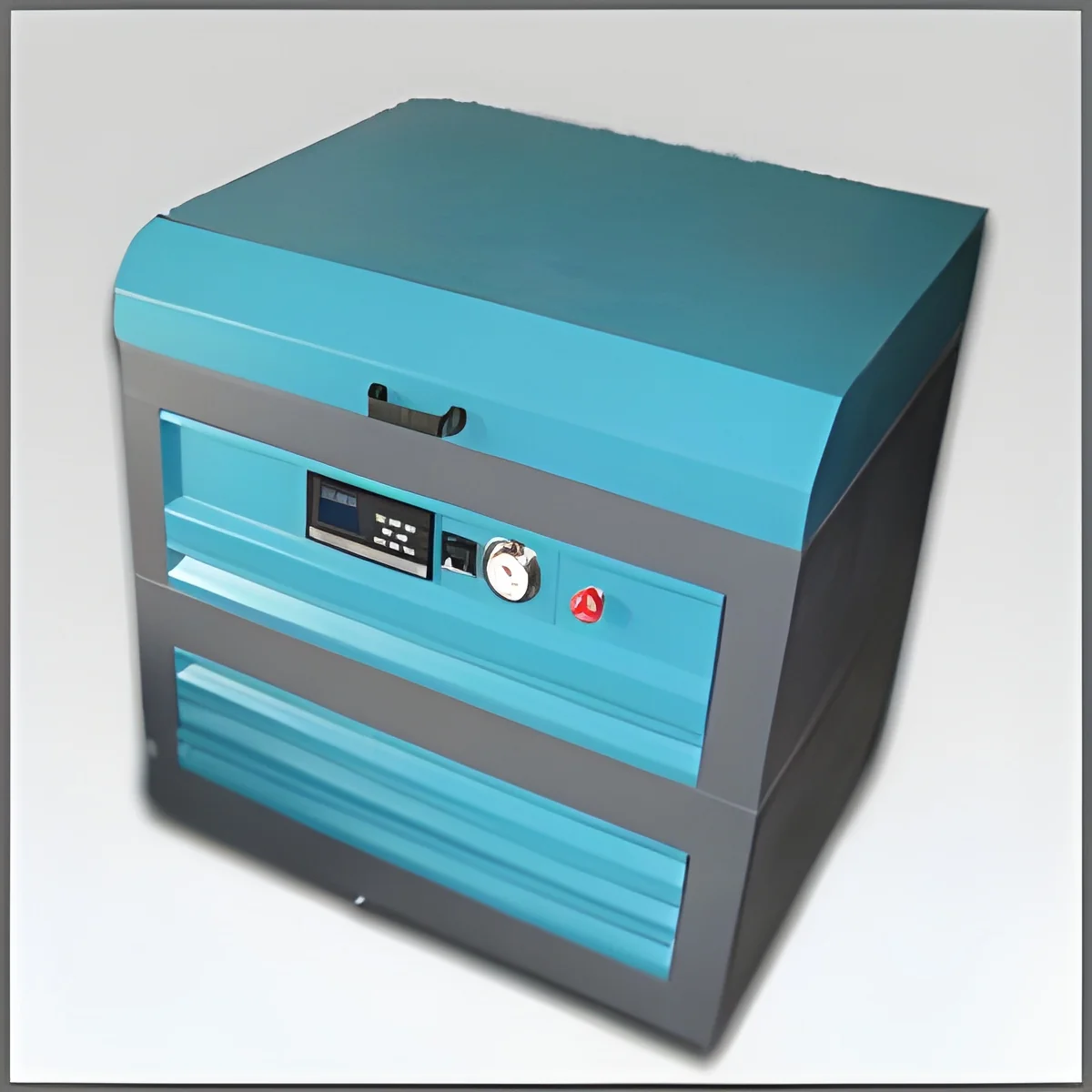
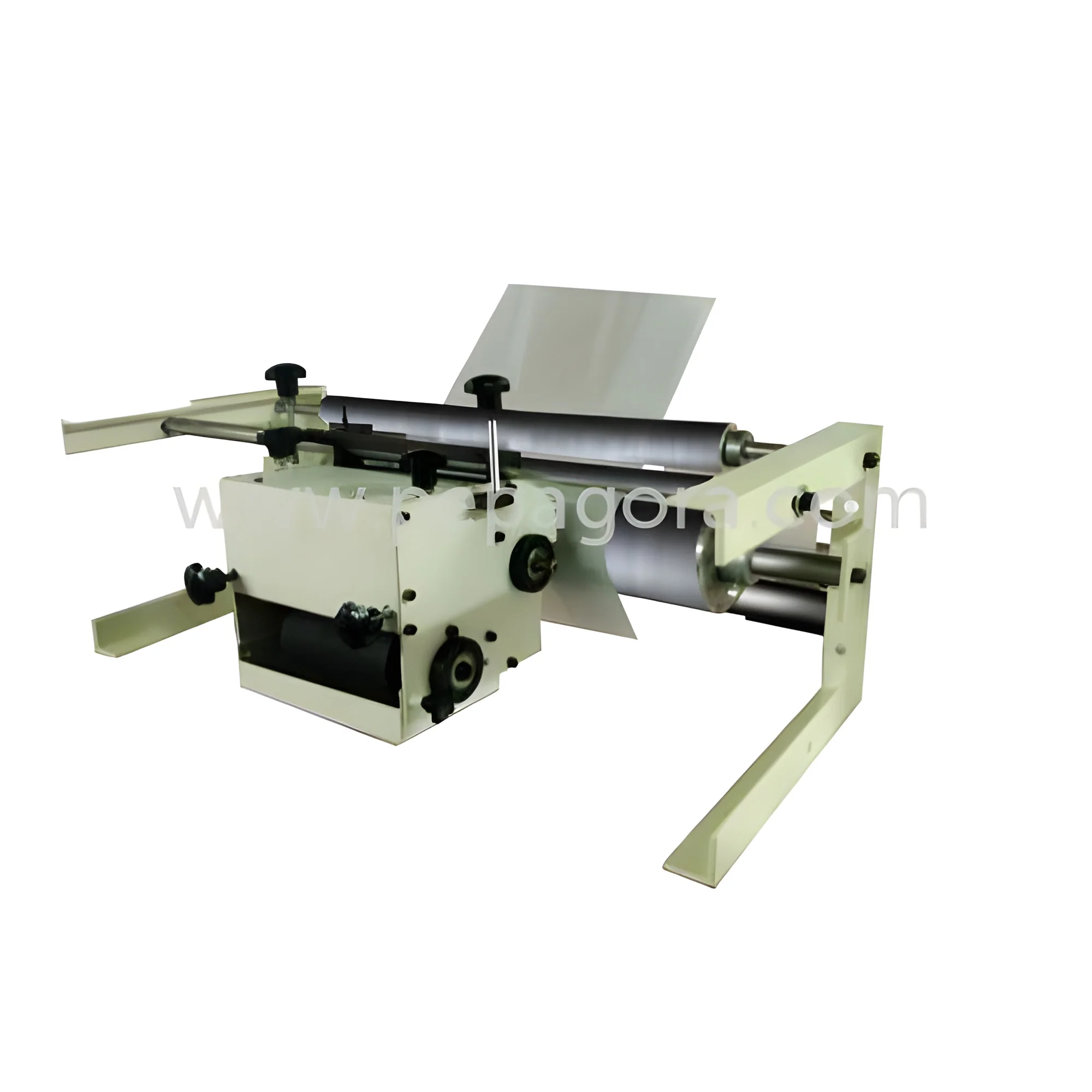
Flexographic Printing Presses: These machines are designed for flexibility and speed, allowing for quick changeovers and high-volume production. They are ideal for short to medium runs and are widely used in packaging and label printing.
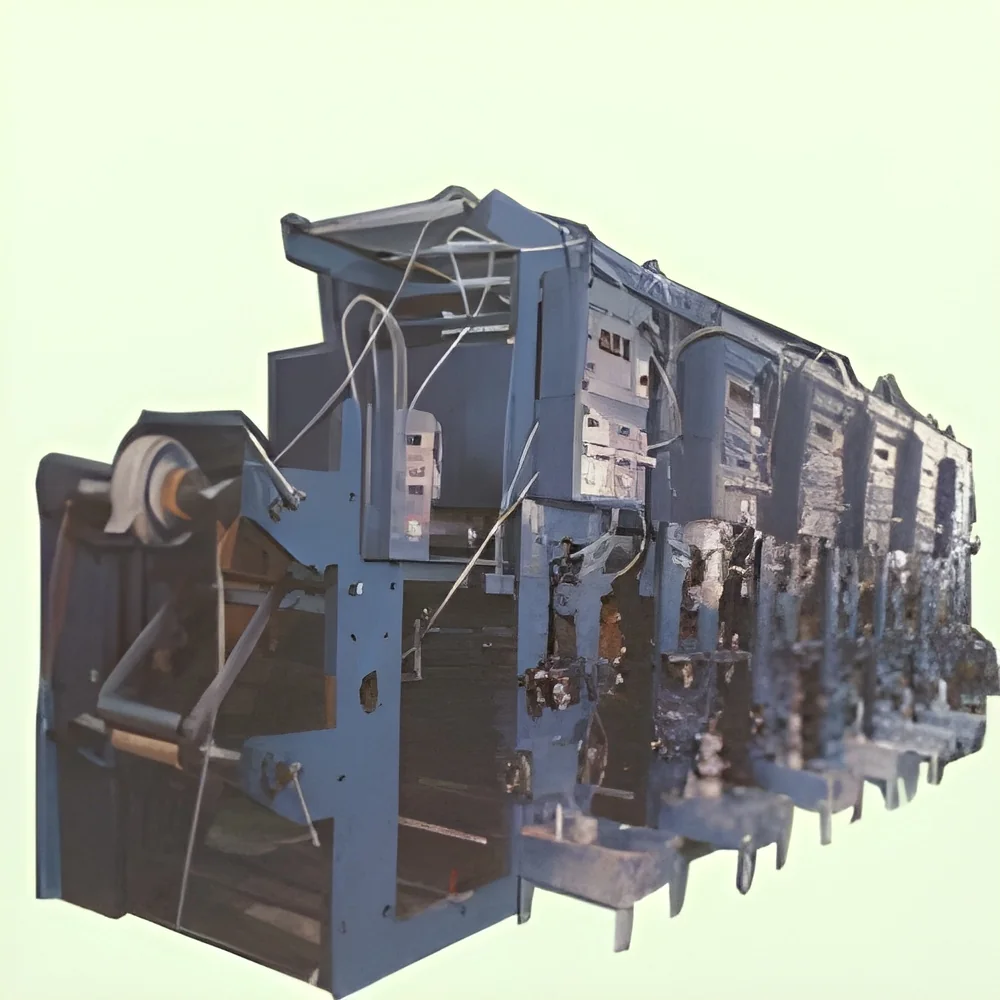
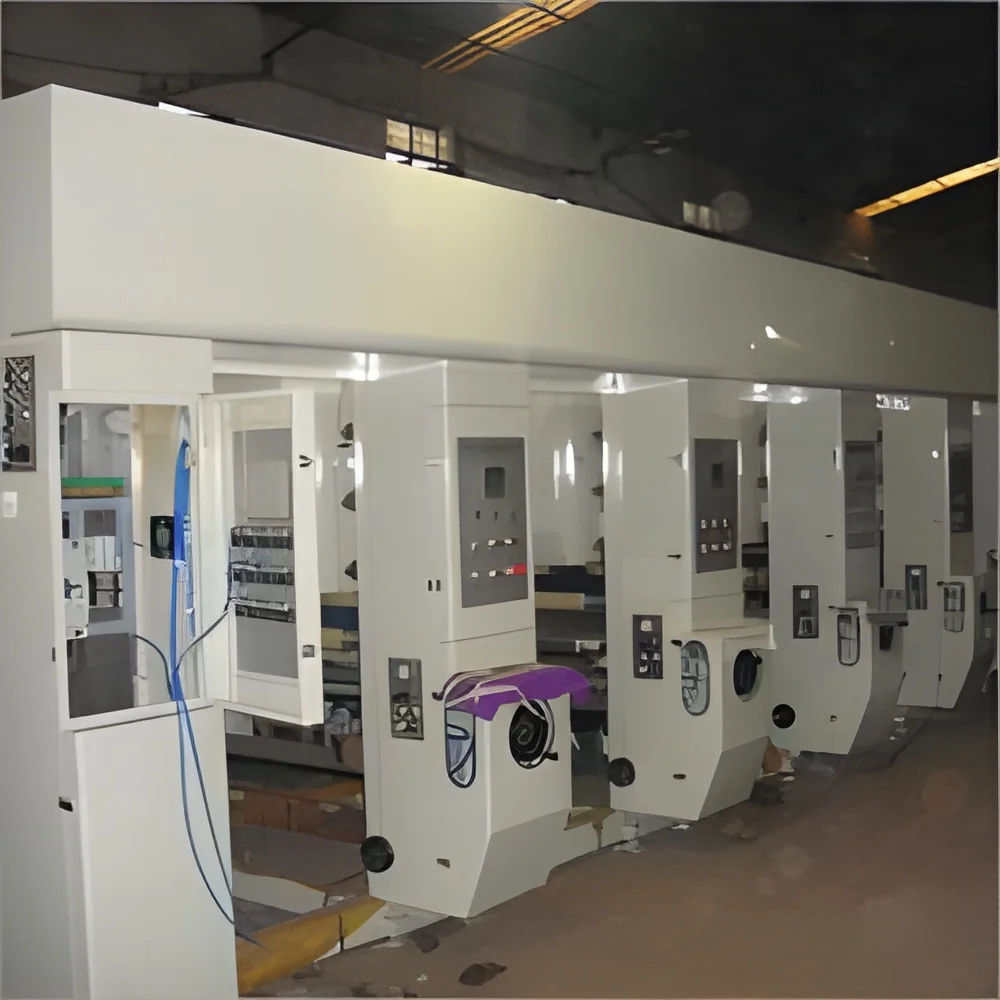
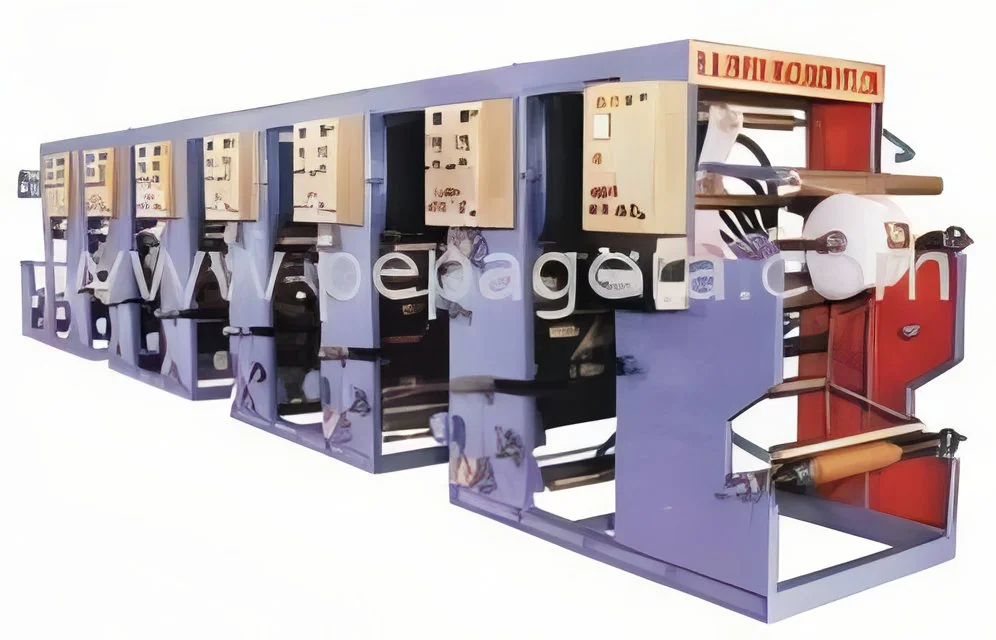
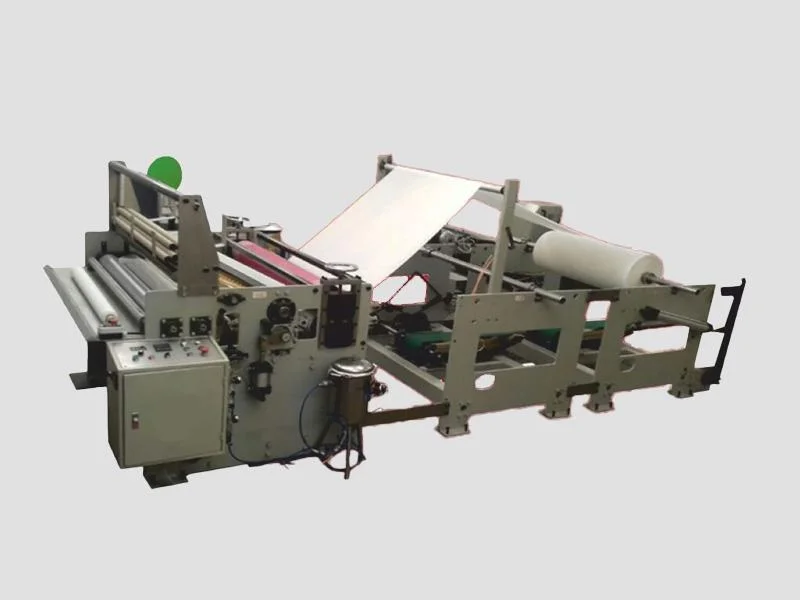
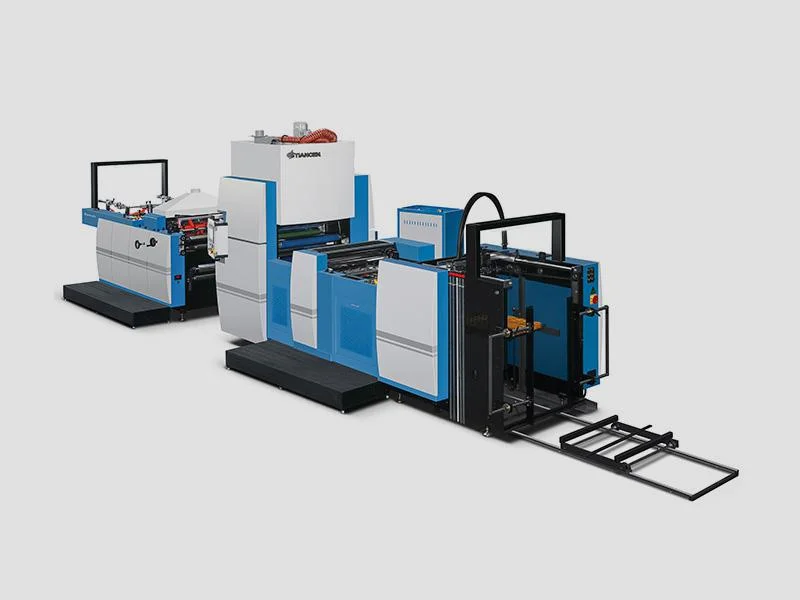
Gravure Printing Presses: Known for their ability to produce high-quality images, these presses are used for long-run applications. They are particularly effective for printing on flexible packaging and magazines, where image fidelity is crucial.
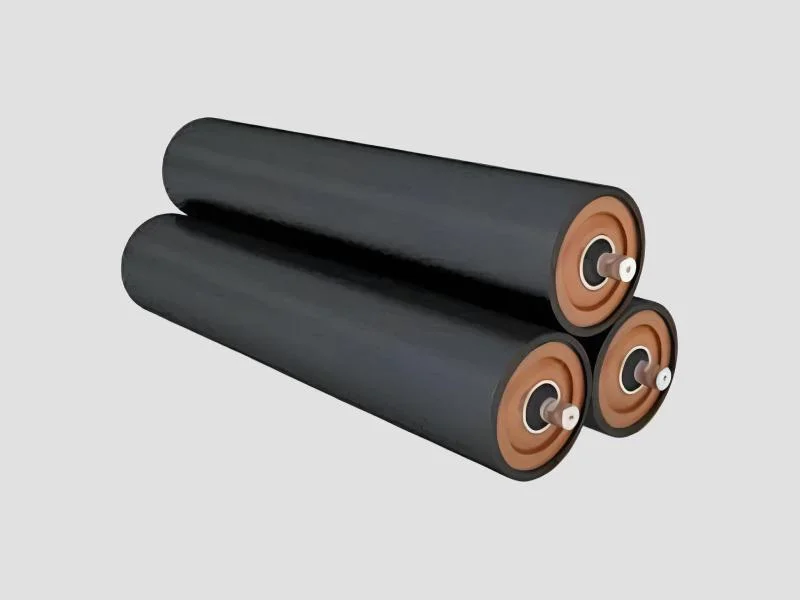
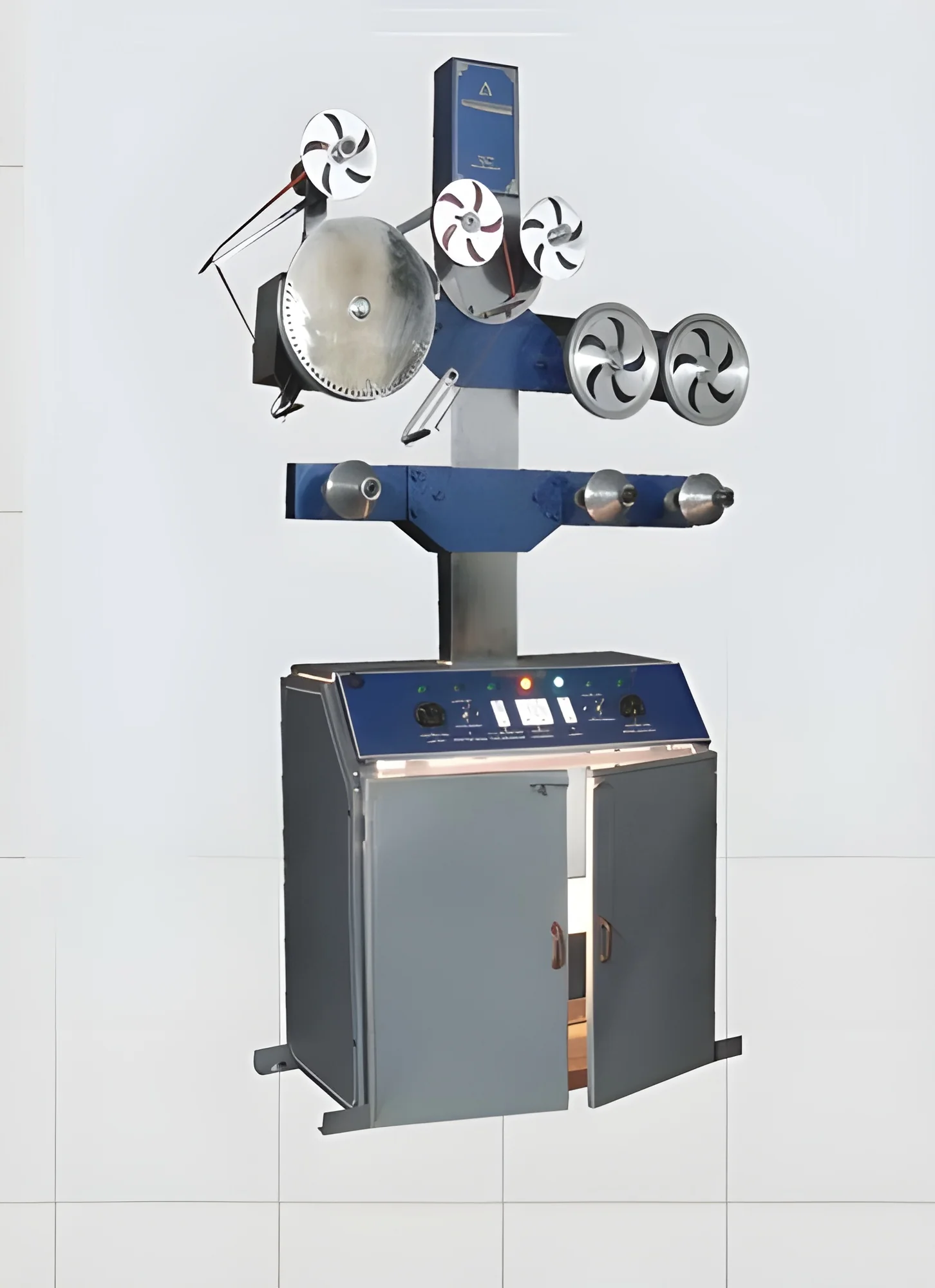
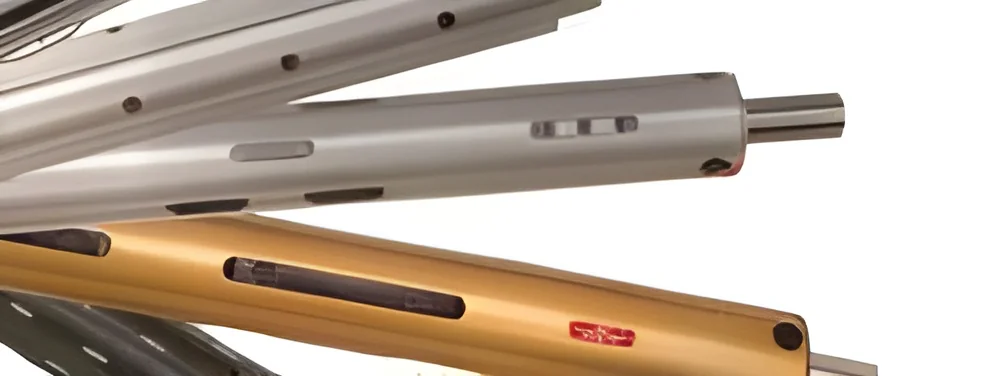
Flexo Plates and Gravure Cylinders: Both printing methods utilize specialized plates or cylinders for ink transfer. Flexo plates are easier to produce and replace, while gravure cylinders offer longer print runs but come with higher initial costs.
Ink Systems: The choice of inks varies between the two printing methods, with flexo using a wider range of environmentally friendly options, while gravure is typically associated with solvent-based inks.
𝗕𝗲𝗻𝗲𝗳𝗶𝘁𝘀 𝗮𝗻𝗱 𝗔𝗱𝘃𝗮𝗻𝘁𝗮𝗴𝗲𝘀
Flexographic and gravure printing technologies offer numerous advantages to businesses seeking high-quality printing solutions.
Key benefits include:
1. High Speed: Flexographic printing provides fast production rates, making it ideal for large runs and tight deadlines.
2. Versatile Substrate Options: Both methods can print on a wide variety of substrates, catering to different product needs.
3. Excellent Image Quality: Gravure printing delivers exceptional image clarity and detail, making it suitable for high-end applications.
4. Cost-Effective for Large Volumes: Gravure printing becomes more economical as production volumes increase, reducing the cost per unit.
5. Customization: Both technologies allow for customization in design, catering to specific branding and consumer preferences.
6. Eco-Friendly Practices: Flexographic printing is increasingly adopting sustainable practices, appealing to environmentally conscious consumers.
𝗕𝘂𝘆𝗶𝗻𝗴 𝗚𝘂𝗶𝗱𝗲 𝗳𝗼𝗿 𝗕𝟮𝗕 𝗕𝘂𝘆𝗲𝗿𝘀
When sourcing flexographic and gravure printing solutions, B2B buyers should consider several critical factors.
1. Quality Assessment: Evaluate the quality of previous work samples, paying attention to color accuracy, image clarity, and substrate compatibility.
2. Supplier Verification: Research suppliers’ credentials and market reputation to ensure reliability and capability in meeting your printing needs.
3. Pricing and MOQ: Understand the cost structure, including minimum order quantities, to ensure it aligns with your budget and production requirements.
4. Delivery and Lead Times: Confirm suppliers' capabilities regarding delivery timelines to avoid production delays and ensure timely project completion.
5. Compliance Requirements: Ensure that suppliers adhere to relevant industry regulations and standards, particularly in sectors like food and pharmaceuticals.
𝗖𝗼𝗺𝗽𝗹𝗶𝗮𝗻𝗰𝗲 𝗮𝗻𝗱 𝗖𝗲𝗿𝘁𝗶𝗳𝗶𝗰𝗮𝘁𝗶𝗼𝗻𝘀
Compliance and certification are crucial for ensuring product quality and safety in flexographic and gravure printing. Key standards include ISO 9001, which focuses on quality management systems, and HACCP, which is essential for food safety. Compliance with Good Distribution Practices (GDP) ensures that printed materials maintain their integrity throughout the supply chain.
Additionally, obtaining industry certifications such as CE indicates that the products meet European safety, health, and environmental requirements. Safety and testing requirements are paramount, especially in industries like pharmaceuticals and food packaging, where product safety is critical.
Regional compliance considerations should also be taken into account, particularly when exporting products. Different regions may have varying standards and regulations, making it essential for businesses to stay informed about compliance requirements in their target markets.
𝗪𝗵𝘆 𝗦𝗼𝘂𝗿𝗰𝗲 𝗙𝗹𝗲𝘅𝗼𝗴𝗿𝗮𝗽𝗵𝗶𝗰 & 𝗚𝗿𝗮𝘃𝘂𝗿𝗲 𝗣𝗿𝗶𝗻𝘁𝗶𝗻𝗴 𝗳𝗿𝗼𝗺 𝗣𝗲𝗽𝗮𝗴𝗼𝗿𝗮?
Pepagora provides a trusted platform for sourcing flexographic and gravure printing solutions with several key advantages.
Verified Supplier Network: Pepagora ensures that all suppliers are thoroughly vetted, providing buyers with confidence in the quality and reliability of their printing partners. This network of verified suppliers allows businesses to connect with reputable manufacturers and service providers.
Streamlined RFQ Process: The request for quotation process on Pepagora is designed to be efficient, allowing buyers to easily compare offers from multiple suppliers. This transparency helps businesses make informed decisions based on price and quality.
Trade Assurance and Support: Pepagora offers trade assurance, which protects buyers against potential issues during the procurement process. This support helps ensure that transactions are secure and that buyers receive the products they need.
Regional Coverage: With a focus on India, the Gulf Cooperation Council (GCC), and Southeast Asia, Pepagora provides extensive geographic reach. This allows businesses to connect with local suppliers and access a wide range of printing solutions tailored to regional demands.
Overall, Pepagora simplifies the sourcing process for flexographic and gravure printing, making it easier for businesses to find the right solutions for their packaging and printing needs.

 IN
IN