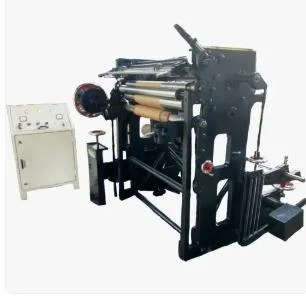
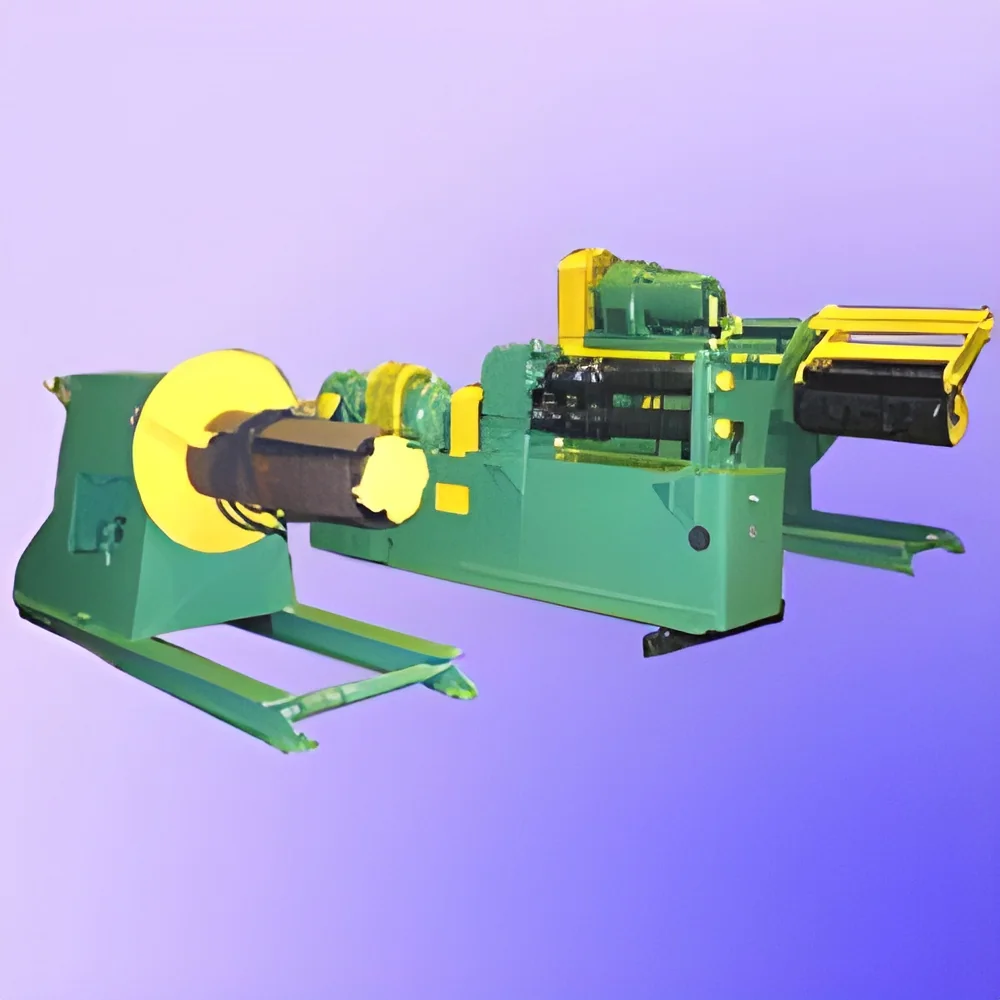
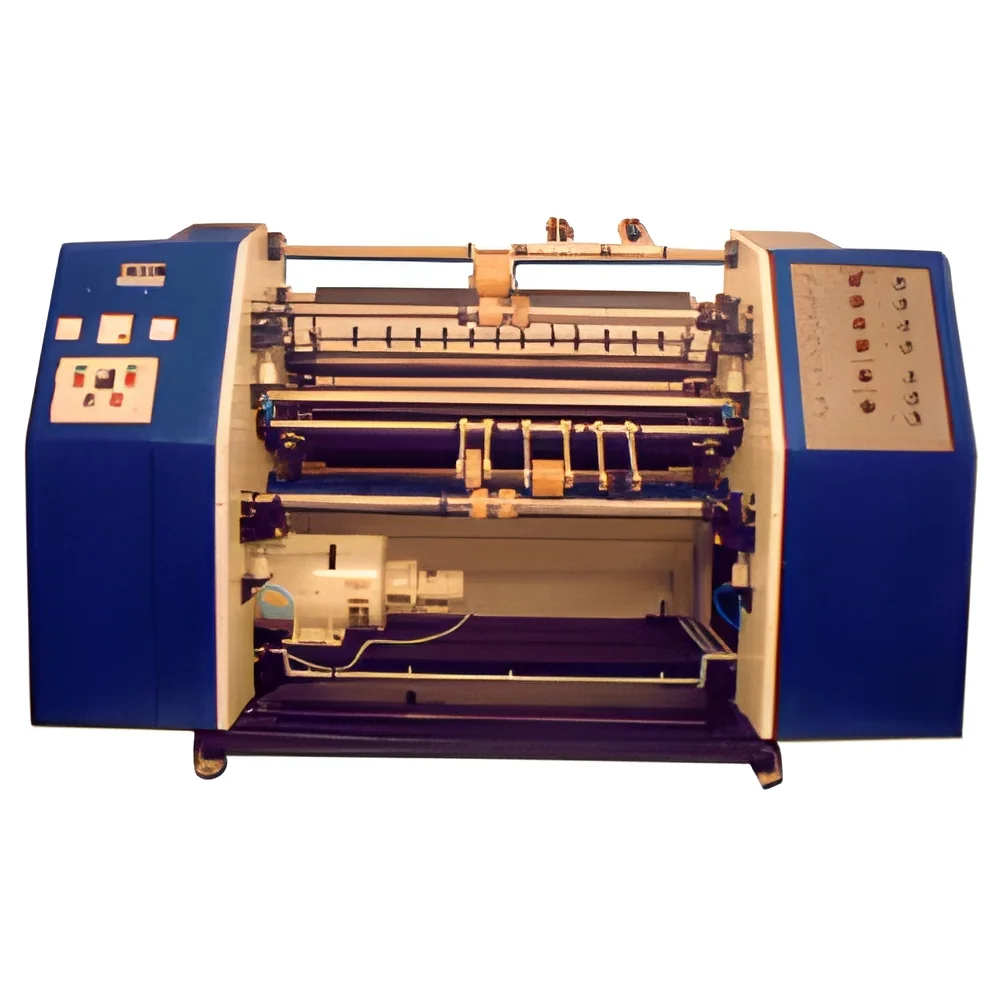
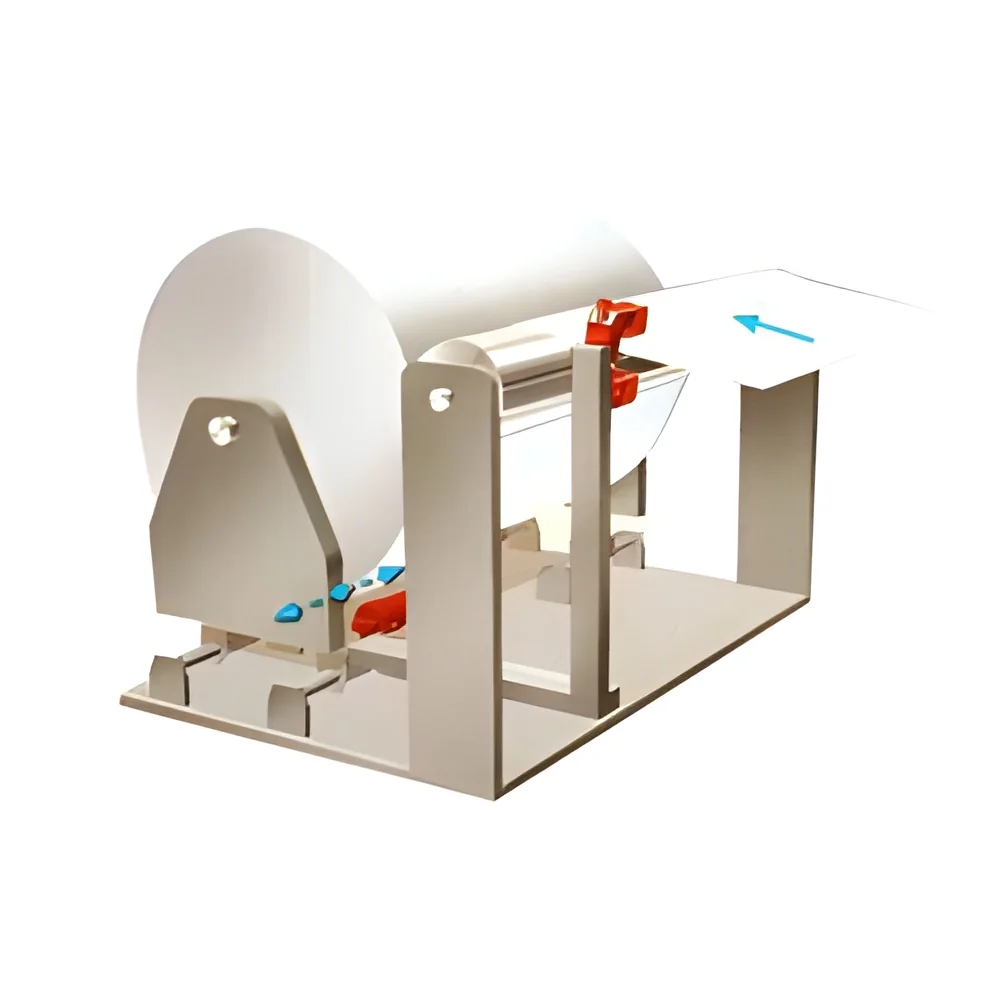
What are Slitting & Rewinding Machines?
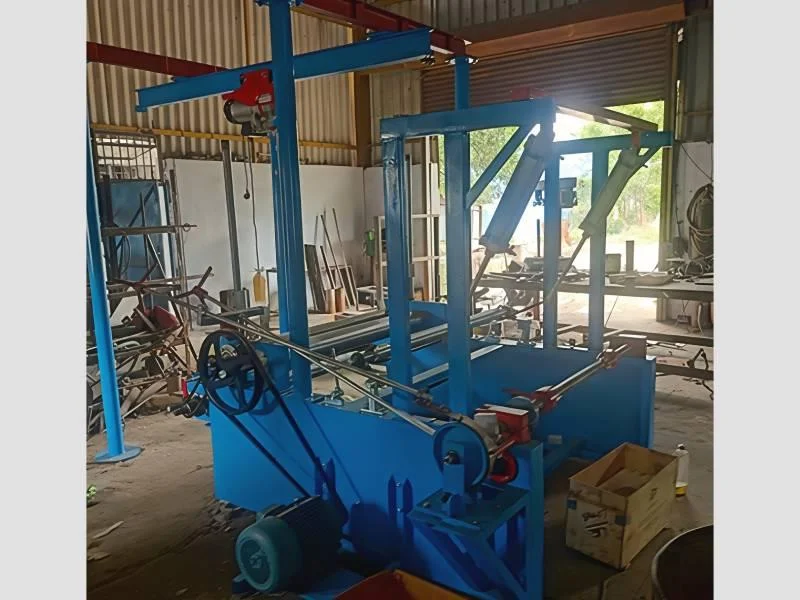
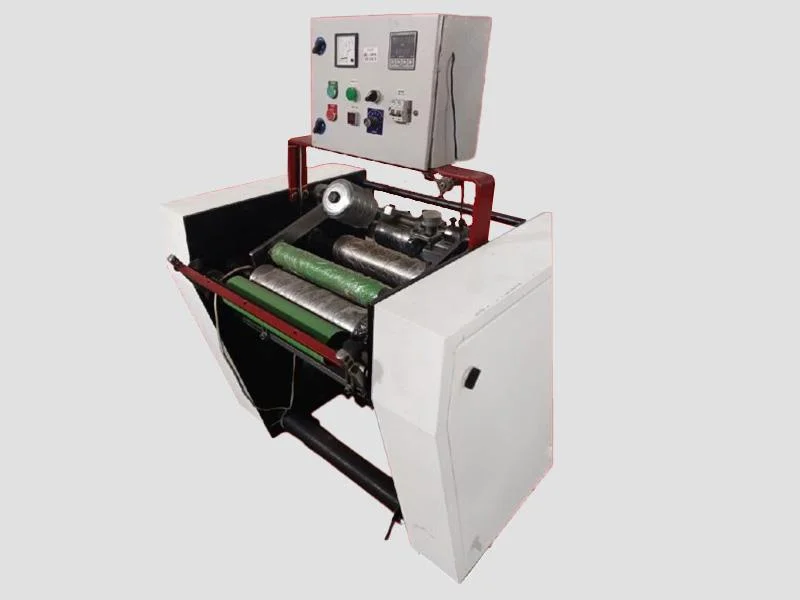
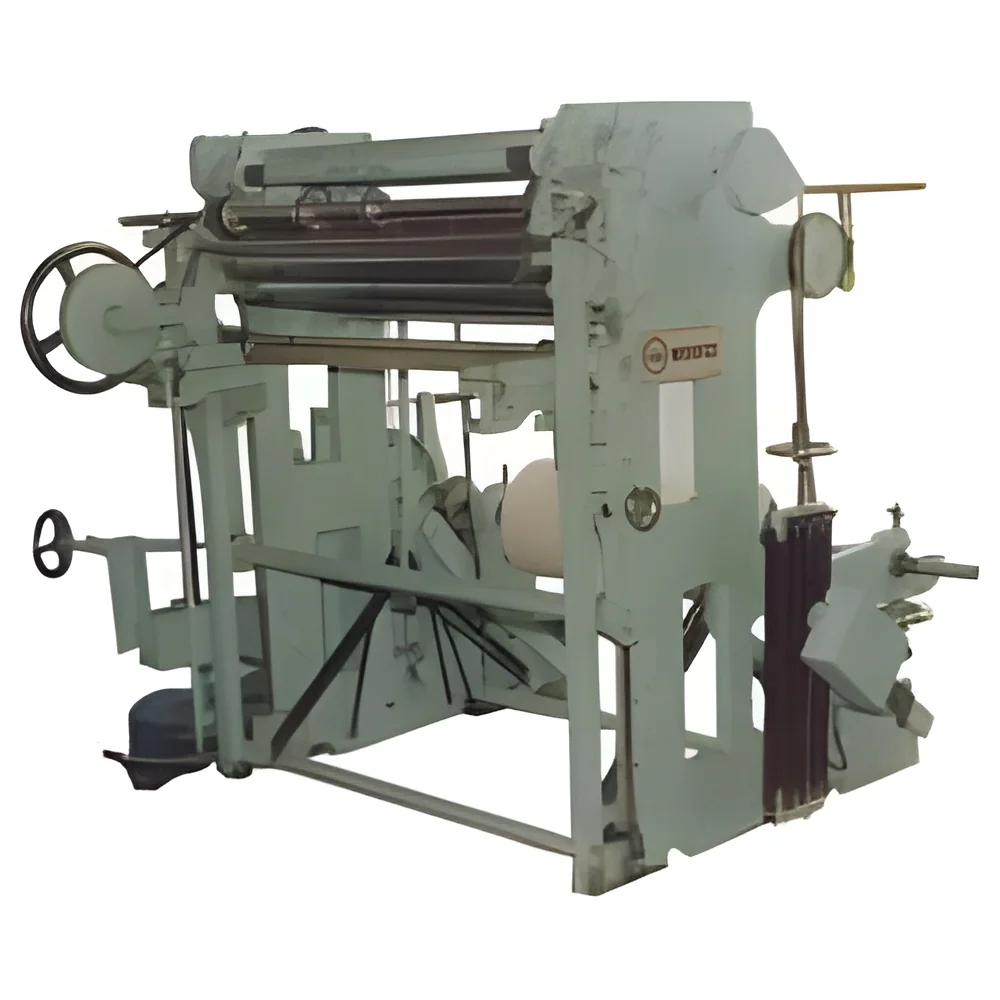
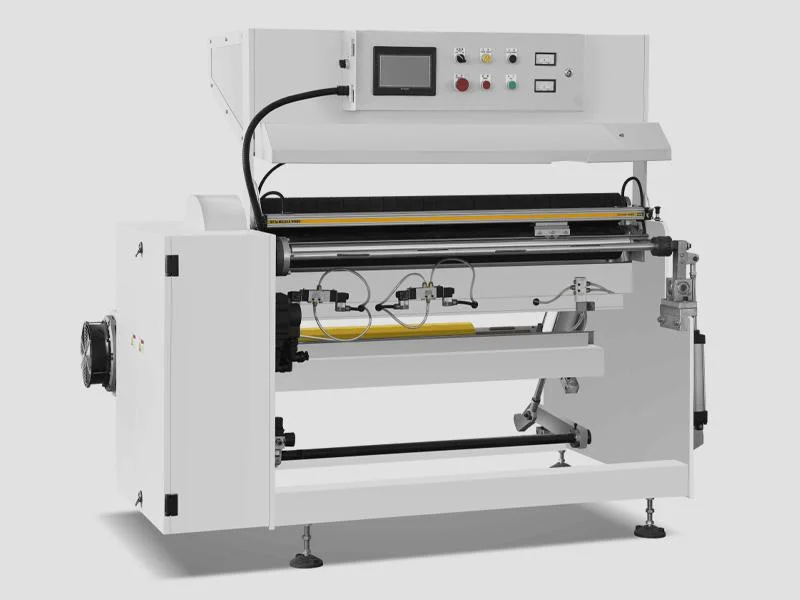
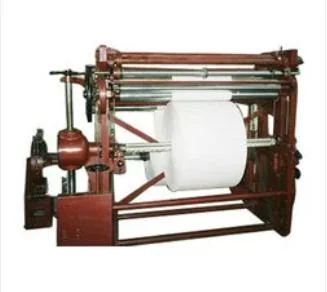
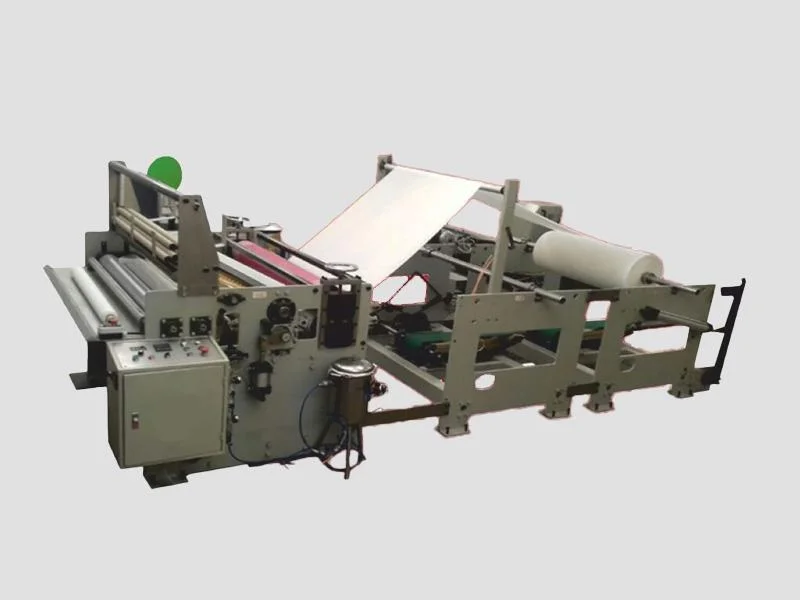
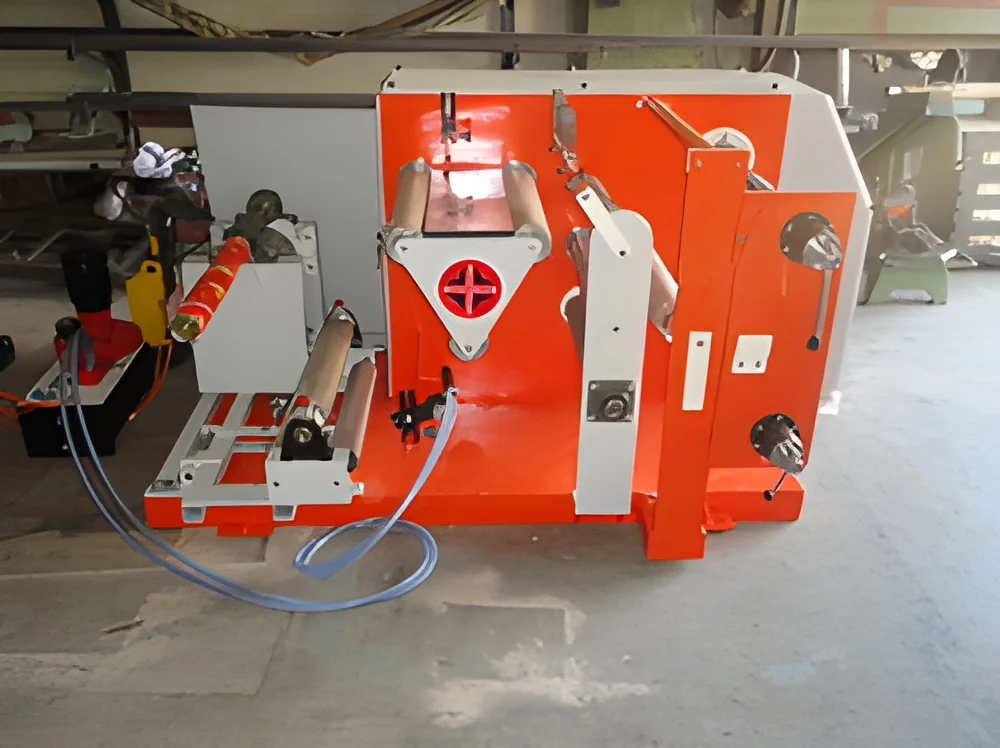
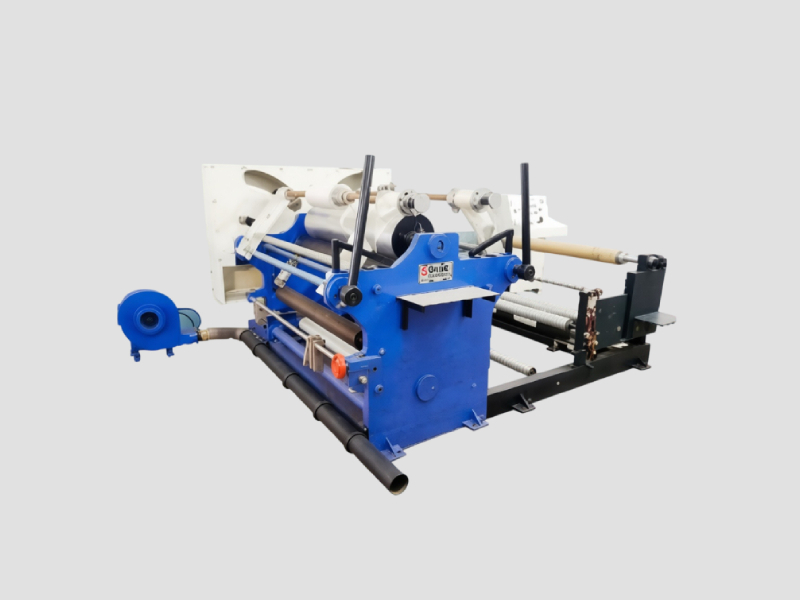
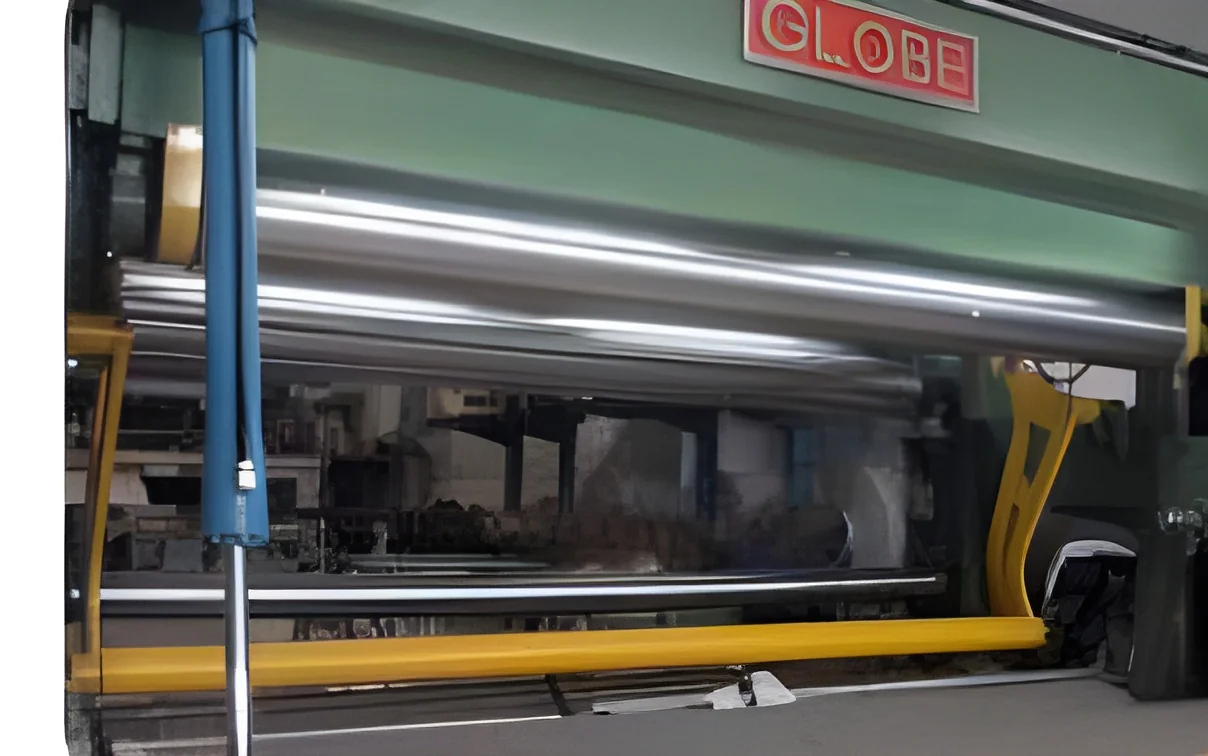
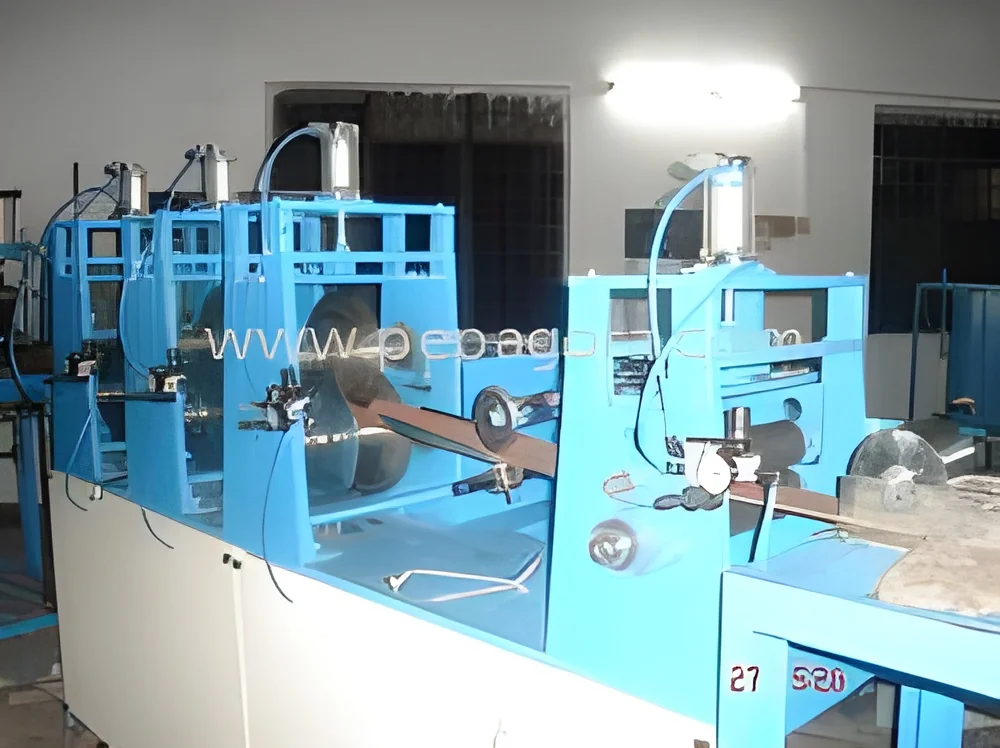
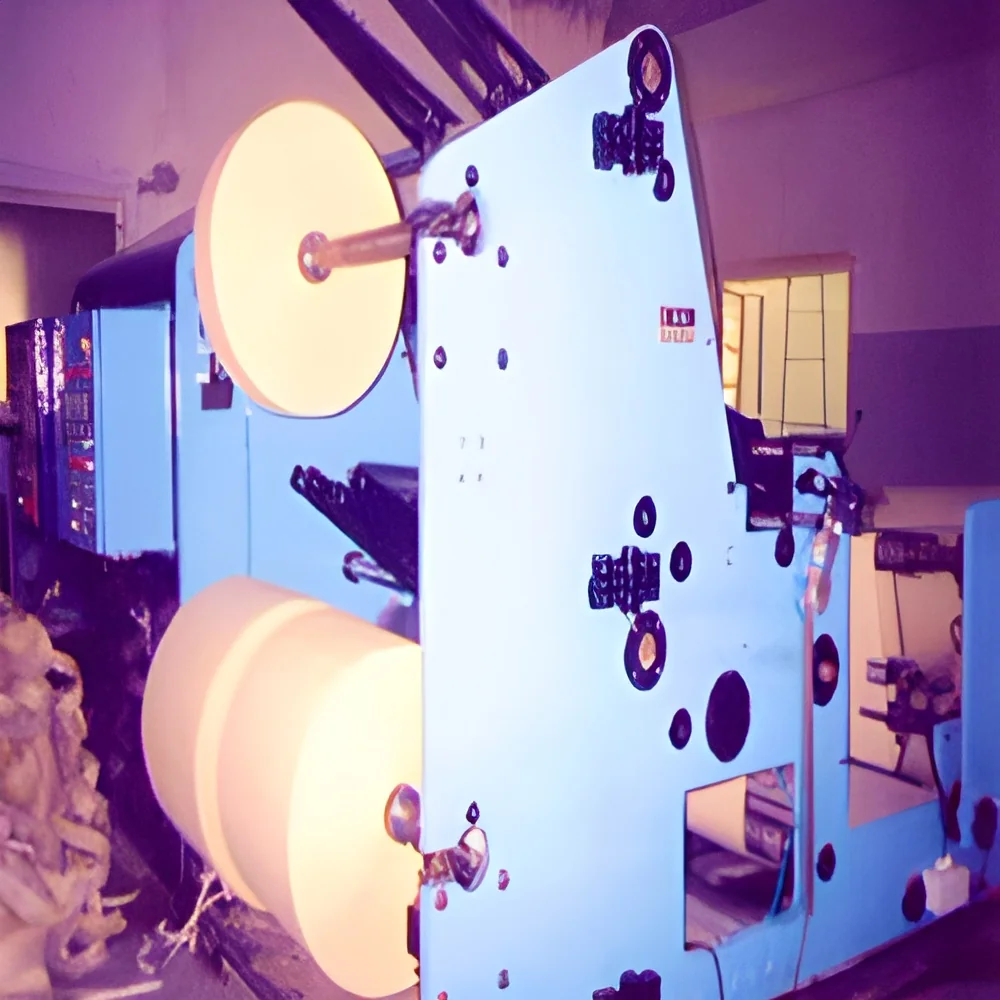
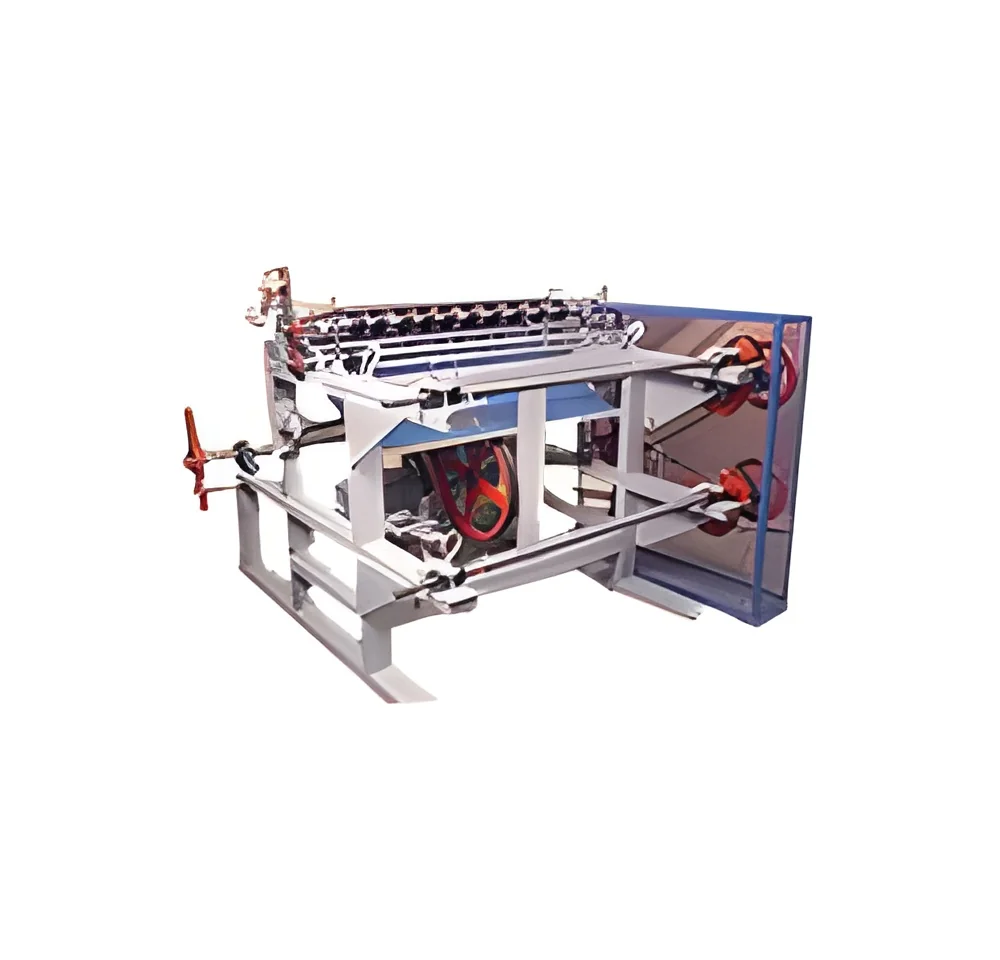
Slitting and rewinding machines are specialized equipment used in the manufacturing and processing industries to cut large rolls of material into narrower widths and then rewind them into smaller rolls. These machines are crucial in converting operations, as they enhance the efficiency of material handling and processing. They can handle various types of materials, including paper, film, foil, and textile. The precision of these machines ensures that the slitting process maintains the integrity of the material while providing the desired dimensions.
These machines find their primary applications in industries such as packaging, printing, and textiles. They are essential for manufacturers who require materials to be cut to specific sizes for further processing or use. For instance, in the packaging industry, slitting and rewinding machines are used to prepare films and papers that will be converted into finished products. The relevance of these machines in the market continues to grow as manufacturers seek to optimize production processes and reduce waste.
Key Features and Specifications
Slitting and rewinding machines come with a range of features designed to improve efficiency and output quality. They typically include advanced controls and automation systems that facilitate ease of operation. Understanding key specifications is vital for selecting the right machine for specific needs.
Key specifications include:
1. Cutting Width
- The maximum width of the material that can be processed.
- Ranges typically from 200 mm to 2000 mm.
2. Slitting Speed
- The operational speed of the machine during slitting.
- Speeds can vary from 100 m/min to 600 m/min depending on the model.
3. Rewind Diameter
- The maximum diameter of the rewound rolls.
- Common diameters range from 300 mm to 800 mm.
4. Material Type
- The compatible materials that can be processed.
- Options include paper, plastic film, foil, and textiles.
5. Control System
- The type of controls available (manual or automated).
- Many modern machines feature PLC (Programmable Logic Controller) systems.
6. Blade Type
- The type of slitting blades used (rotary or shear).
- Blade choice impacts the quality of the cut and the type of material suited for use.
7. Power Supply
- The required electrical specifications for operation.
- Usually operates on a three-phase power supply.
8. Dimensions
- Overall machine dimensions which affect installation space.
- Varies significantly by model and manufacturer.
In summary, understanding these specifications helps buyers make informed decisions about the right machine for their operational needs.
Common Applications and Use Cases
Slitting and rewinding machines are versatile and find applications across various industries. They serve crucial roles in enhancing production efficiency and ensuring quality.
1. Packaging Industry: These machines are extensively used to prepare films and papers for packaging, ensuring precise cuts for various packaging needs.
2. Printing Industry: In printing, slitting and rewinding machines are used to process printed materials into manageable sizes for distribution or further printing.
3. Textile Industry: They are employed to cut and rewind fabrics and textiles into smaller rolls, making them ready for garment manufacturing.
4. Electrical Insulation: These machines cut insulating materials into the required widths for electrical applications, ensuring safety and functionality in electrical devices.
5. Food Industry: Used to process food packaging films, these machines ensure that materials are cut to specifications for various food products.
6. Automotive Sector: Slitting and rewinding machines are used for cutting materials like rubber and plastics used in automotive components.
7. Film Manufacturing: In film production, these machines cut and rewind polymer films, enhancing the efficiency of film processing.
Product Variants and Subcategories
Slitting and rewinding machines come in various configurations to meet different industrial requirements. Each variant is designed with specific features to cater to distinct applications.
High-Speed Slitting Machines: These machines are designed for rapid processing and are ideal for high-volume production environments. They typically offer advanced automation and control features to enhance efficiency.
Laser Slitting Machines: Utilizing laser technology, these machines provide precise cutting capabilities. They are suitable for delicate materials and applications requiring high accuracy.
Rotary Slitting Machines: These machines employ rotary blades for cutting, making them ideal for continuous operation. They are commonly used in industries where large rolls of materials need to be processed quickly.
Semi-Automatic Slitting Machines: These variants offer a balance between manual and fully automated systems. They are suitable for smaller operations that require flexibility and cost-effectiveness.
Benefits and Advantages
Slitting and rewinding machines provide numerous benefits that enhance operational efficiency and product quality. Understanding these advantages can help businesses make informed purchasing decisions.
1. Increased Efficiency: These machines streamline the cutting and rewinding process, reducing downtime and increasing production rates.
2. Precision Cutting: They offer high levels of accuracy, ensuring that materials are cut to exact specifications without wastage.
3. Versatility: Capable of handling various materials, slitting and rewinding machines can be adapted for multiple applications across industries.
4. Reduced Labor Costs: Automation features reduce the need for manual intervention, allowing businesses to save on labor costs while improving safety.
5. Improved Product Quality: The precision of these machines leads to higher quality finished products, enhancing customer satisfaction.
6. Space-Saving Designs: Many modern machines are designed to occupy less floor space while maintaining high performance, making them suitable for facilities with limited space.
Buying Guide for B2B Buyers
When sourcing slitting and rewinding machines, several factors should be considered to ensure the best fit for specific business needs.
1. Quality Assessment: Evaluate machines based on build quality, performance reliability, and manufacturer reputation. Look for machines that meet industry standards.
2. Supplier Verification: Vet suppliers to ensure they are reputable and have a track record of delivering quality machinery. Check for reviews and testimonials.
3. Pricing and MOQ: Consider the cost of the machines and the minimum order quantity (MOQ). Ensure that the pricing aligns with your budget while meeting quality expectations.
4. Delivery and Lead Times: Discuss logistics with suppliers and understand the expected lead times for delivery. Ensure they can meet your delivery schedules.
5. Compliance Requirements: Verify that the machines comply with relevant industry regulations and standards, including safety and operational certifications.
Compliance and Certifications
Compliance with industry standards and regulations is crucial for the safe and efficient operation of slitting and rewinding machines.
ISO 9001 is a quality management standard that ensures manufacturing processes meet international quality benchmarks. Compliance indicates that a manufacturer maintains high-quality production practices.
CE certification signifies that the equipment meets European safety, health, and environmental protection standards. This certification is essential for machines sold in European markets.
In addition to these certifications, machines must adhere to safety and testing requirements that ensure safe operation in industrial settings. This includes compliance with local regulations which may vary by region.
Regional compliance considerations also play a vital role. Different countries may have specific standards that must be met, which can affect the choice of machinery based on geographic location and market requirements.
Why Source Slitting & Rewinding Machines from Pepagora?
Pepagora provides a trusted platform for sourcing slitting and rewinding machines, offering various key advantages that benefit B2B buyers.
Verified Supplier Network: Pepagora ensures that all suppliers on the platform are thoroughly vetted for quality and reliability. This helps buyers find trusted manufacturers who meet their specific needs.
Streamlined RFQ Process: The platform simplifies the request-for-quotation (RFQ) process, allowing buyers to easily compare offers from multiple suppliers. This efficiency saves time and effort in sourcing.
Trade Assurance and Support: Pepagora offers trade assurance to protect buyer investments. This includes support throughout the purchasing process, ensuring that buyers receive quality products as promised.
Regional Coverage: With a strong presence in India, the GCC, and Southeast Asia, Pepagora connects buyers with suppliers across these regions. This extensive network enhances accessibility to a wide range of slitting and rewinding machines tailored to diverse industrial applications.

 IN
IN