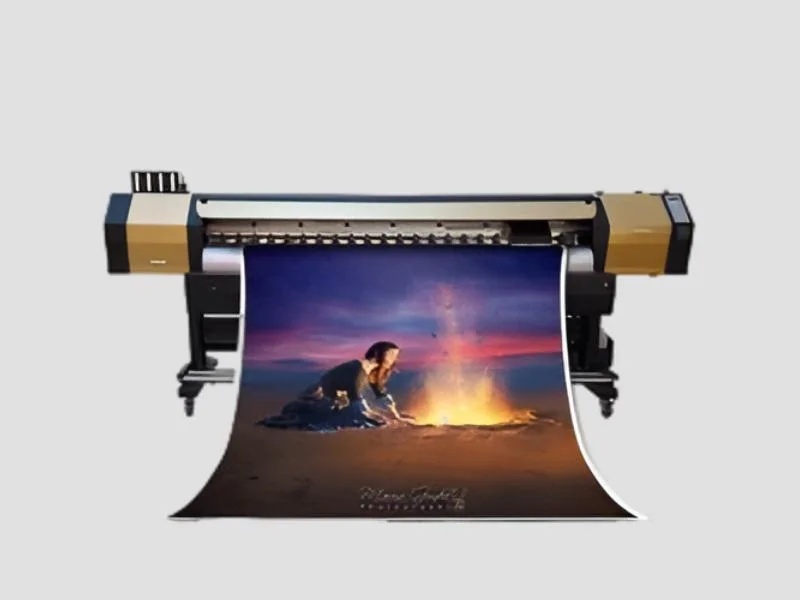
What are Flexographic Printing Plates?
Flexographic printing plates are essential components in the flexographic printing process, widely used for packaging, labels, and other printed materials. They are typically made from photopolymer materials, which allow for the transfer of ink onto various substrates. The plates are created using a light-sensitive process that exposes the polymer to UV light, forming raised images that are then used for printing. This technology has evolved significantly, enabling high-quality and efficient printing solutions for various applications.
The primary uses of flexographic printing plates span multiple industries, including food packaging, textiles, and consumer goods. Businesses utilize these plates to produce vibrant and high-resolution prints on a variety of materials, such as plastic films, paper, and cardboard. Flexographic printing is particularly valued for its speed and versatility, allowing for continuous printing processes that meet the demands of modern manufacturing. In today’s competitive market, the ability to produce quality prints quickly and cost-effectively is critical for maintaining a competitive edge.
The relevance of flexographic printing plates in the industry cannot be overstated. As brands seek to enhance their packaging solutions, the demand for high-quality printing continues to grow. Flexographic printing technology is recognized for its eco-friendly attributes, as it often uses water-based inks and sustainable materials. This trend aligns with the increasing emphasis on sustainability in manufacturing, making flexographic printing plates a vital consideration for businesses aiming to meet environmental standards while delivering exceptional print quality.
Key Features and Specifications
Flexographic printing plates come with several key features that enhance their performance and usability. Their specifications are crucial for ensuring compatibility with various printing equipment and substrates.
Key specifications include:
1. Material Type
- Typically made from photopolymer or rubber.
- Provides flexibility and durability suitable for high-speed printing.
2. Plate Thickness
- Common thickness ranges from 0.7 mm to 3.0 mm.
- Thicker plates are often used for rough surfaces, while thinner plates are ideal for smooth applications.
3. Shore Hardness
- Generally measured between 40 to 70 degrees.
- Affects the plate's ability to hold ink and transfer it effectively.
4. Image Resolution
- Capable of achieving resolutions up to 2400 dpi.
- Higher resolutions provide finer detail and improved print quality.
5. UV Sensitivity
- Plates are sensitive to UV light for exposure processes.
- Ensures accurate image reproduction during plate making.
6. Ink Compatibility
- Compatible with water-based, solvent-based, and UV inks.
- Flexibility in ink choice allows for diverse applications.
7. Durability
- Designed for extended use with minimal wear.
- Provides consistent performance over long printing runs.
8. Storage Conditions
- Recommended to be stored in a controlled environment to maintain quality.
- Humidity and temperature control are essential for longevity.
In summary, understanding the key features and specifications of flexographic printing plates is vital for selecting the right products for various applications. These specifications ensure that businesses can achieve optimal print results while maintaining efficiency in their production processes.
Common Applications and Use Cases
Flexographic printing plates serve a wide range of industries due to their versatility and efficiency.
1. Packaging Industry: Flexographic printing is extensively used in packaging for food products, beverages, and consumer goods. The ability to print on various substrates, such as plastic films and cardboard, makes it ideal for labels and flexible packaging.
2. Label Printing: Companies in the label printing sector utilize flexographic printing plates to produce high-quality labels for products ranging from cosmetics to household items. The rapid production capabilities allow for quick turnaround times for businesses.
3. Textile Industry: In the textile industry, flexographic plates are used to print intricate designs on fabrics. This application allows for vibrant colors and detailed patterns, enhancing the aesthetic appeal of textile products.
4. Corrugated Cardboard: Flexographic printing plates are essential in producing printed corrugated boxes. This application is vital for shipping and storage solutions, providing branding opportunities and product information directly on packaging.
5. Newspaper and Magazine Printing: The printing of newspapers and magazines benefits from the fast production speeds of flexographic printing plates. This technology allows for high-quality images and text to be printed efficiently.
6. Promotional Materials: Businesses use flexographic plates to create promotional items such as banners, posters, and flyers. The versatility of flexographic printing makes it suitable for various marketing materials.
7. Plastic Packaging: Flexographic printing is effective for plastic packaging solutions, allowing for colorful prints that attract consumer attention. This application is increasingly relevant as e-commerce continues to grow.
Product Variants and Subcategories
Flexographic printing plates come in various types and configurations to meet different printing needs.
Standard Photopolymer Plates: These plates are the most commonly used in the industry. They provide excellent print quality and are suitable for a wide range of applications, including packaging and labels. The photopolymer material allows for precise image reproduction.
Rubber Plates: While less common than photopolymer plates, rubber plates are still used in specific applications. They are known for their durability and ability to print on uneven surfaces, making them ideal for certain packaging types.
Digital Flexo Plates: This variant utilizes digital technologies for plate production, allowing for quicker setup times and reduced waste. Digital flexo plates are gaining popularity, especially for short-run printing jobs.
Benefits and Advantages
Flexographic printing plates offer multiple advantages that contribute to their popularity in various industries.
Key benefits include:
1. High-Speed Printing: Flexographic printing plates enable fast printing speeds, which is essential for high-volume production. This efficiency helps businesses meet tight deadlines.
2. Versatility: The ability to print on a wide range of substrates allows for diverse applications. Businesses can use the same plates for various materials, enhancing flexibility.
3. Cost-Effectiveness: Flexographic printing plates are economically viable for long print runs, making them an attractive choice for companies looking to reduce production costs.
4. Eco-Friendly Options: Many flexographic plates are designed to work with water-based inks, which are more environmentally friendly than solvent-based alternatives. This aligns with modern sustainability goals.
5. Superior Print Quality: Flexographic printing allows for high-resolution prints, ensuring that colors and details are vibrant and accurate. This quality enhances brand visibility.
6. Quick Turnaround: The efficient production process of flexographic plates allows for rapid setup and printing, benefiting businesses with urgent needs for printed materials.
Buying Guide for B2B Buyers
When sourcing flexographic printing plates, it is important for B2B buyers to consider several key factors to ensure they make informed decisions.
1. Quality Assessment: Buyers should evaluate the quality of the plates by checking for certifications and testing results. High-quality plates yield better print results and longer durability.
2. Supplier Verification: Vetting suppliers is crucial for ensuring reliability. Buyers should look for established companies with a proven track record in providing high-quality flexographic printing plates.
3. Pricing and MOQ: Understanding the pricing structure and minimum order quantities is essential. Buyers should compare quotes from different suppliers to ensure they get the best value for their investment.
4. Delivery and Lead Times: Logistics play a significant role in the supply chain. Buyers should inquire about delivery schedules to ensure that they receive their orders on time to meet production deadlines.
5. Compliance Requirements: Buyers must be aware of any regulatory compliance standards that apply to flexographic printing plates. This includes safety and environmental considerations relevant to their region.
Compliance and Certifications
Flexographic printing plates must adhere to specific quality standards and certifications that ensure their safety and effectiveness.
Relevant quality standards include ISO 9001, which focuses on maintaining consistent quality management systems. This ensures that manufacturers produce reliable and high-quality printing plates.
Industry certifications, such as CE marking, indicate compliance with European safety standards. This certification is often a requirement for products sold in the European market, reflecting a commitment to safety and quality.
Safety and testing requirements are essential to ensure that flexographic printing plates do not pose health risks during production or use. Manufacturers should conduct thorough testing to meet industry standards.
Finally, regional compliance considerations may vary based on the geographical market. Businesses should familiarize themselves with local regulations to ensure compliance when sourcing flexographic printing plates.
Why Source Flexographic Printing Plates from Pepagora?
Pepagora provides a trusted platform for sourcing flexographic printing plates, offering several key advantages for businesses.
Verified Supplier Network: Pepagora connects buyers with a network of verified suppliers, ensuring that they can trust the quality and reliability of the products they purchase. This network streamlines the sourcing process, providing peace of mind to B2B buyers.
Streamlined RFQ Process: The request for quotation (RFQ) process on Pepagora is designed to be user-friendly, allowing businesses to submit their requirements easily. This system facilitates quick responses from suppliers, helping buyers make timely decisions.
Trade Assurance and Support: Pepagora offers trade assurance that protects buyers throughout the purchasing process. This includes support for resolving disputes and ensuring that the products meet the agreed-upon specifications.
Regional Coverage: With a broad geographic reach spanning India, the GCC, and Southeast Asia, Pepagora enables businesses to access flexographic printing plates from various suppliers across these regions. This extensive coverage helps buyers find the right products to suit their specific needs.

 IN
IN