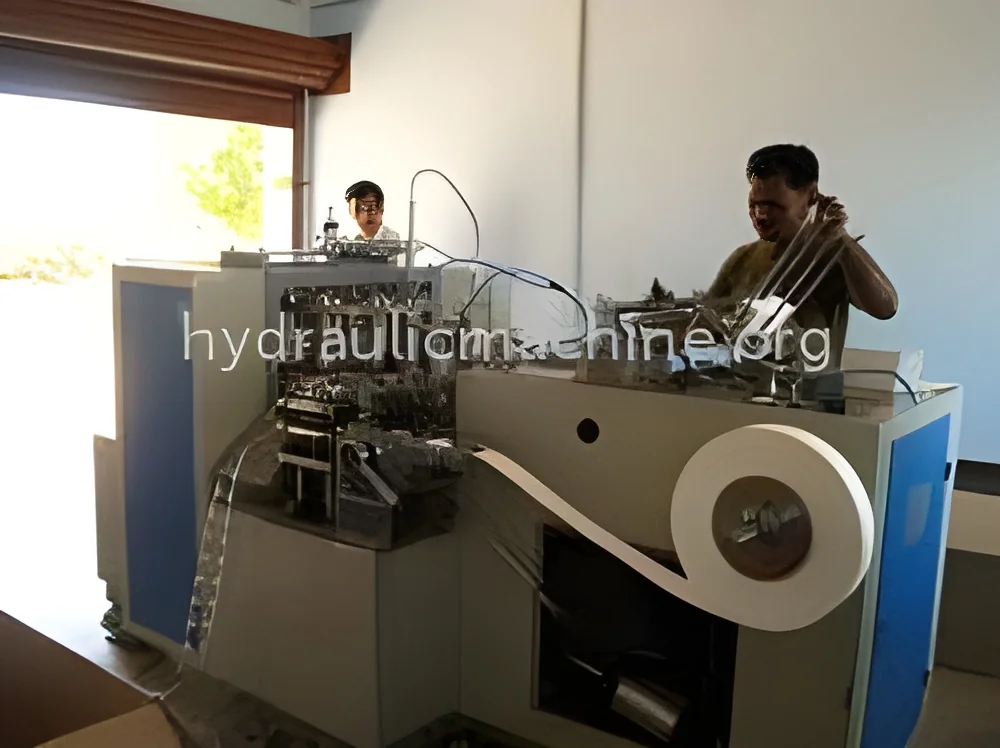
What are OEM Printing Machine Manufacturing?
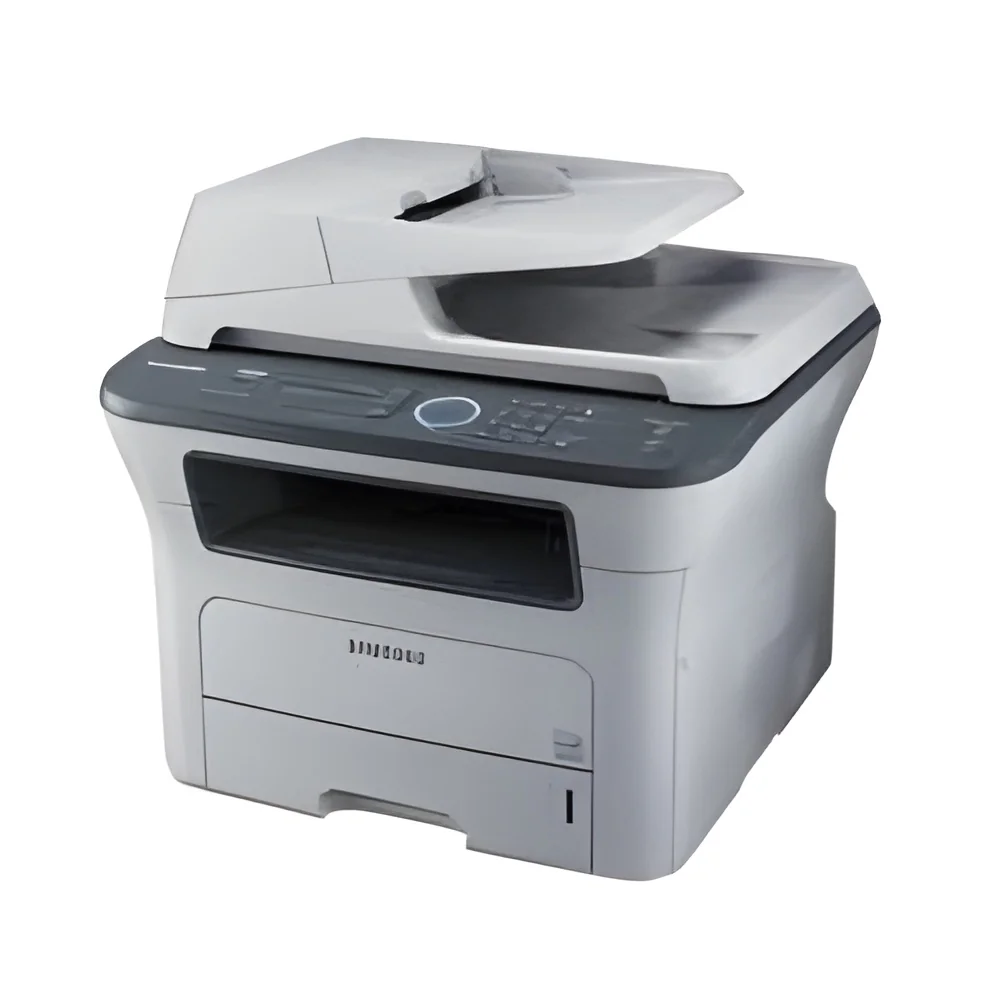
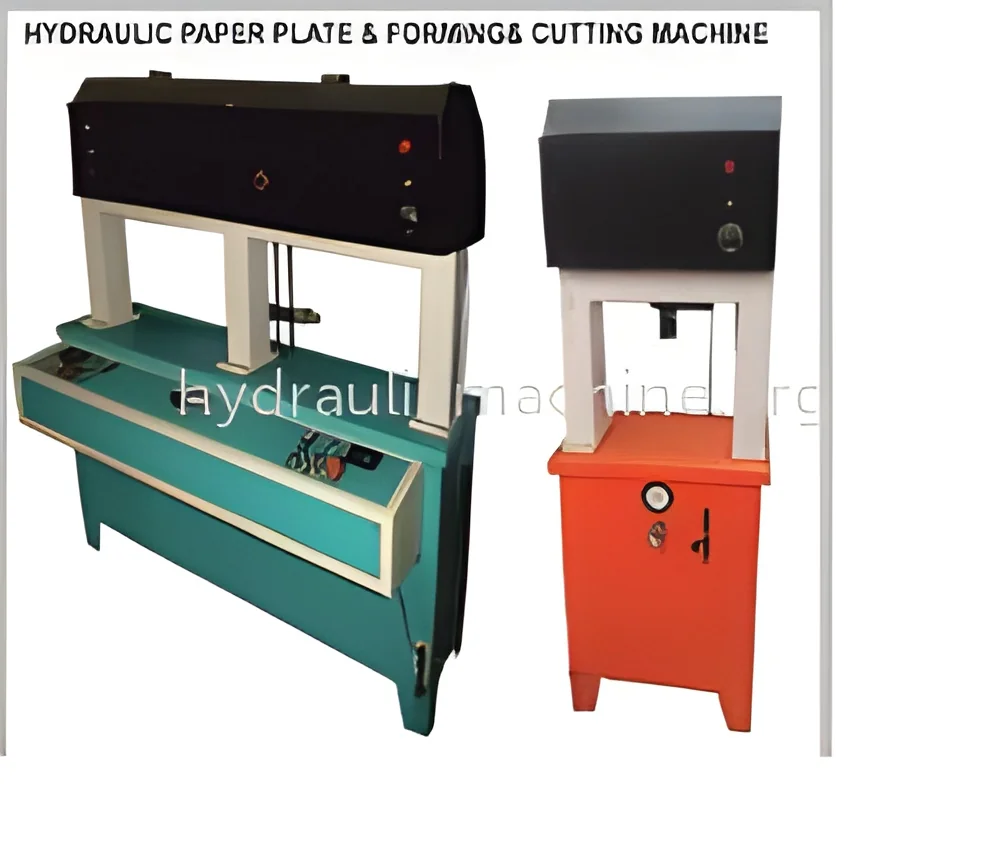
OEM Printing Machine Manufacturing refers to the production of printing machines by original equipment manufacturers that design and create high-quality printing solutions tailored to the specific needs of various industries. These manufacturers typically collaborate with businesses to produce custom machines that meet unique specifications, enhancing efficiency and productivity in printing operations. OEMs leverage advanced technologies and engineering expertise to deliver innovative printing solutions that accommodate diverse materials and applications.
In practice, OEM printing machines are widely used across multiple sectors, including packaging, textiles, and electronics. They serve critical roles in producing labels, packaging materials, and printed circuit boards, among other items. Businesses involved in these industries often require specialized printing capabilities to meet their operational demands and to comply with industry standards. The relevance of OEM printing machines in today's market is underscored by the increasing demand for customized printing solutions, driven by trends such as digitalization and sustainability. As companies seek to enhance their production processes, the role of OEM manufacturers becomes vital in providing the necessary equipment.
Key Features and Specifications
When considering OEM Printing Machine Manufacturing, several key features and specifications are essential to understand. These features determine the machine's performance, versatility, and suitability for specific applications.
Key specifications include:
1. Print Speed
- Refers to the number of pages or items printed per minute.
- Typically ranges from 30 to 150 pages per minute depending on the model.
2. Print Quality
- Measured in dots per inch (DPI), affecting clarity and detail.
- Standard DPI ranges from 600 to 2400 DPI for high-resolution applications.
3. Media Compatibility
- Types of materials the machine can handle, such as paper, fabric, or plastics.
- Machines may support a variety of thicknesses and textures.
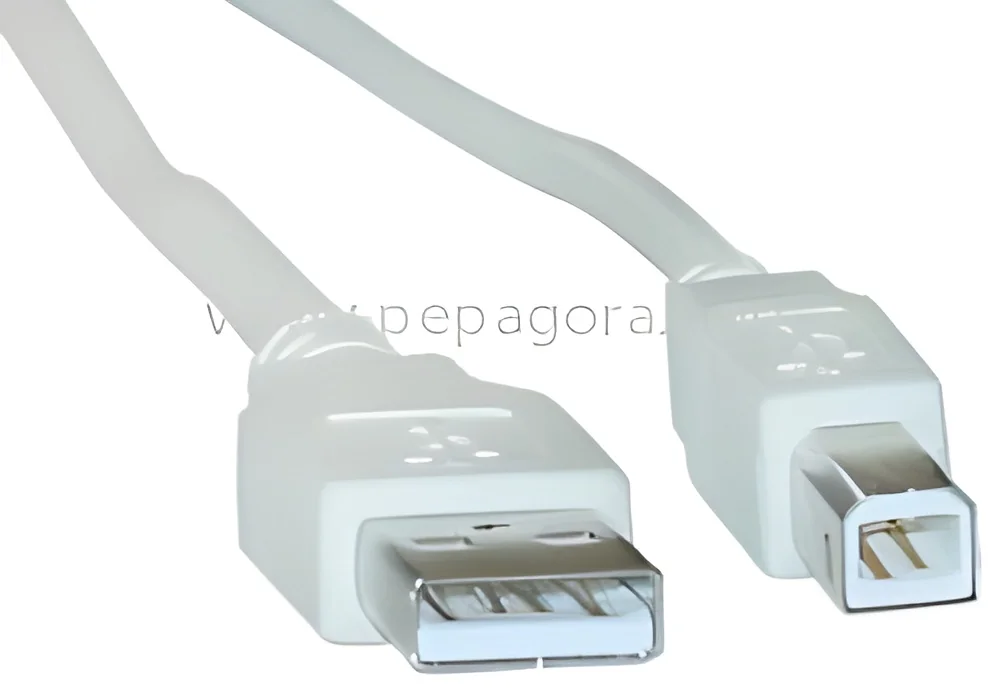
4. Connectivity Options
- Various means by which the machine connects to other devices, including USB, Ethernet, and wireless.
- Compatibility with different operating systems is also essential.
5. Maintenance Requirements
- Frequency and type of maintenance needed to ensure optimal performance.
- Some machines come with self-cleaning features to reduce downtime.
6. Software and Control Features
- User interface and software capabilities that enhance control over printing processes.
- May include built-in design software or compatibility with third-party applications.
7. Energy Efficiency
- Assessment of power consumption during operation.
- Many modern machines are designed to minimize energy use.
8. Safety Features
- Includes emergency shut-off systems and protective housing.
- Compliance with industry safety standards is crucial.
In summary, understanding these features and specifications is vital for businesses to select the right OEM printing machines that align with their operational needs.
Common Applications and Use Cases
OEM printing machines find application in diverse industries, each benefiting from tailored printing solutions.
1. Packaging Industry: These machines are essential for producing high-quality labels and packaging materials, ensuring that products stand out on shelves and meet regulatory requirements.
2. Textile Industry: OEM printing solutions are used for fabric printing, allowing for intricate designs and patterns on various textile types, from fashion to home decor.
3. Electronics Sector: In this industry, printing machines are crucial for creating printed circuit boards and other electronic components, requiring precise and reliable printing capabilities.
4. Publishing Industry: OEM printing machines facilitate the mass production of books, magazines, and other printed materials, emphasizing speed and quality.
5. Advertising and Marketing: These machines are used to produce promotional materials, signage, and banners, helping businesses effectively communicate their messages.
6. Automotive Industry: OEM printing solutions are employed for printing labels and parts documentation, ensuring compliance with safety and regulatory standards.
7. Food and Beverage Industry: Printing machines are used for labeling packaging, providing critical information about ingredients and expiration dates to consumers.
Product Variants and Subcategories
OEM printing machines come in various types to cater to specific industry needs and applications.
Digital Printing Machines
These machines are known for their flexibility and efficiency, enabling on-demand printing with minimal setup time. They are ideal for small to medium print runs and customization.
Flexographic Printing Machines
Primarily used in packaging, these machines are designed for high-volume production, printing on various substrates and offering fast drying times.
Offset Printing Machines
These are traditional printing machines that deliver high-quality prints at a low cost for large runs. They are widely used in commercial printing.
Benefits and Advantages
Investing in OEM Printing Machine Manufacturing brings several advantages to businesses looking to enhance their printing capabilities.
1. Customization: OEM manufacturers can tailor machines to meet specific requirements, ensuring that businesses receive equipment that fits their needs perfectly.
2. Advanced Technology: OEM machines often incorporate the latest technologies, improving print quality and efficiency through innovations.
3. Cost Efficiency: By producing high volumes of prints quickly, these machines can reduce overall production costs and increase profit margins.
4. Reliability: OEM suppliers typically provide robust machines designed for durability, minimizing downtime and maintenance costs.
5. Technical Support: Many OEM manufacturers offer ongoing support and training, ensuring that businesses can maximize their equipment's potential.
6. Scalability: As businesses grow, OEM printing machines can often be upgraded or modified to meet increasing production demands.
Buying Guide for B2B Buyers
When sourcing OEM Printing Machine Manufacturing, several critical factors should be taken into consideration.
1. Quality Assessment: Buyers should evaluate the quality of the machines by reviewing specifications, certifications, and customer testimonials. Ensuring that the equipment meets industry standards is vital for long-term satisfaction.
2. Supplier Verification: It is essential to vet potential suppliers by checking their reputation, customer service, and the reliability of their products. Engaging with established manufacturers can lead to better outcomes.
3. Pricing and MOQ: Understanding the pricing structure and minimum order quantities is crucial for budget planning. Buyers should compare quotes and consider long-term costs, including maintenance and operation.
4. Delivery and Lead Times: Timely delivery is critical for business operations. Assess suppliers' lead times to ensure that machines can be deployed when needed.
5. Compliance Requirements: Buyers must ensure that the OEM printing machines comply with relevant regulations and standards in their industry. Understanding local and international compliance is necessary to avoid future issues.
Compliance and Certifications
Compliance and certifications play a crucial role in the manufacturing of OEM printing machines. Quality standards such as ISO 9001 ensure that manufacturers adhere to international quality management principles, which can enhance the reliability and performance of their products. Additionally, certifications like CE demonstrate that the equipment meets the essential health, safety, and environmental protection requirements set forth by the European Union.
Safety and testing requirements are also vital in the manufacturing process. OEM printing machines should undergo rigorous testing to ensure they operate safely and effectively. Manufacturers must consider regional compliance as well, as different markets may have specific regulations regarding machinery operation and safety. Adhering to these standards not only protects users but also enhances the credibility of OEM manufacturers in the global market.
Why Source OEM Printing Machine Manufacturing from Pepagora?
Pepagora offers a reliable platform for sourcing OEM Printing Machine Manufacturing, providing several key advantages for businesses.
Verified Supplier Network: Pepagora connects buyers with a network of verified suppliers, ensuring that they can source high-quality printing machines from reputable manufacturers. This verification process builds trust and confidence in purchasing decisions.
Streamlined RFQ Process: The Request for Quotation (RFQ) system simplifies the procurement process, allowing buyers to submit their requirements and receive tailored quotes from multiple suppliers. This efficiency helps businesses make informed decisions quickly.
Trade Assurance and Support: Pepagora provides trade assurance, protecting buyers against potential risks associated with transactions. The platform offers support throughout the purchasing journey, enhancing the overall experience.
Regional Coverage: With a strong presence in regions such as India, the Gulf Cooperation Council (GCC), and Southeast Asia, Pepagora enables businesses to connect with local suppliers. This regional focus helps facilitate communication and logistics, making sourcing easier for companies operating in these markets.

 IN
IN