
 IN
Flexo Printing for Packaging Films
6 products available
What are Flexo Printing for Packaging Films?
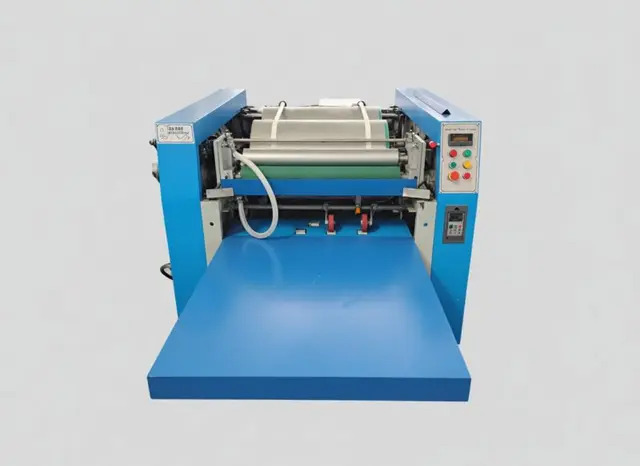
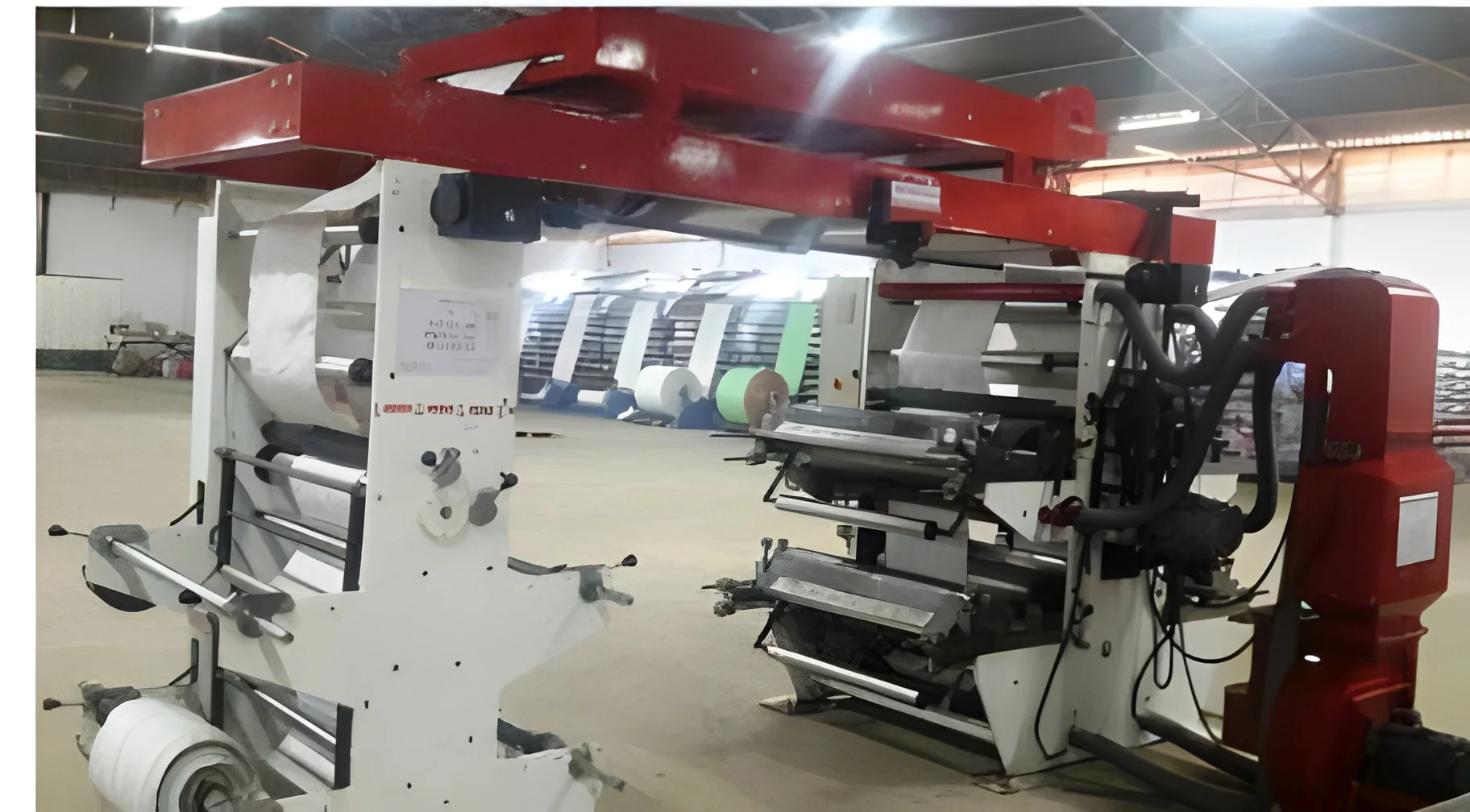
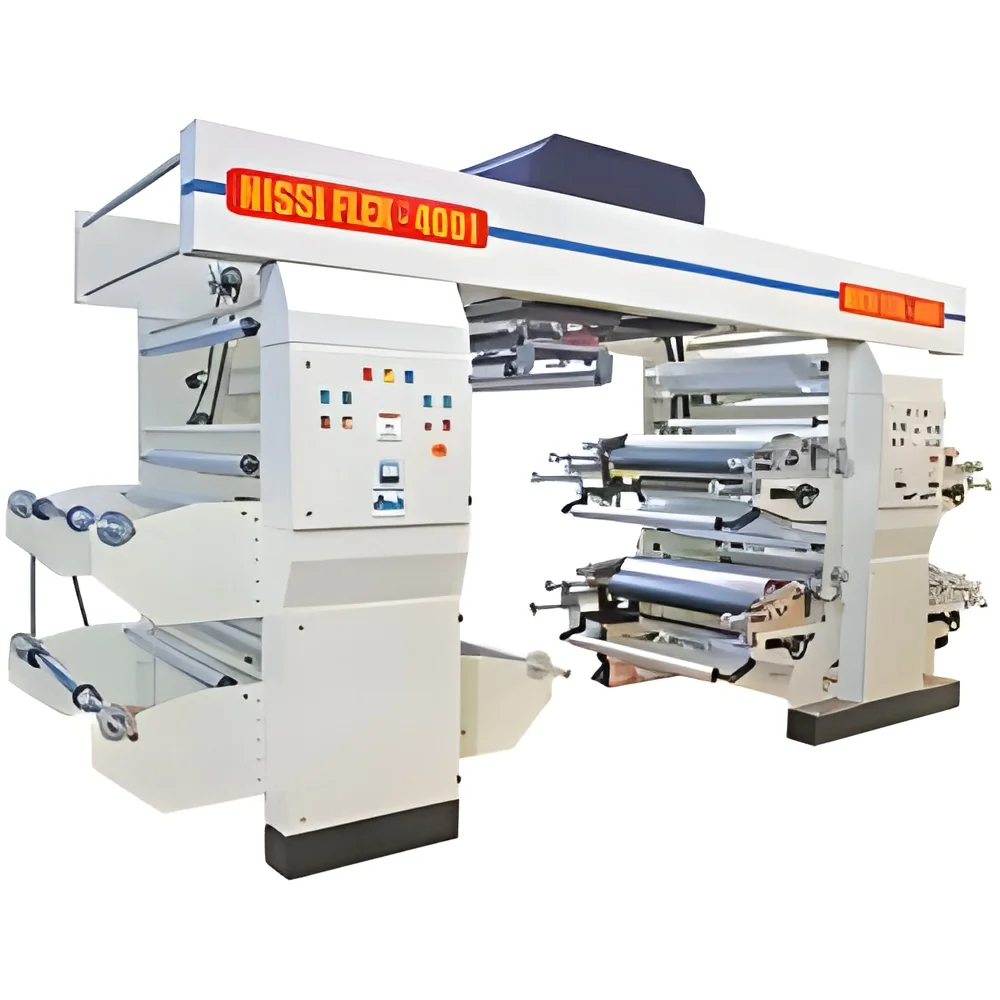
Flexo printing for packaging films is a modern printing technique widely used in the packaging industry. This method involves the use of flexible relief plates that transfer ink onto various substrates, such as plastic films, paper, and cardboard. Flexo printing is known for its ability to produce high-quality images and vibrant colors, making it a popular choice for packaging applications. It is particularly effective for large volume runs and can accommodate a variety of ink types, including water-based, solvent-based, and UV inks.
The primary applications of flexo printing for packaging films include food packaging, consumer goods, and industrial packaging. Businesses utilize this technology to create attractive labels, flexible packaging, and promotional materials. The versatility of flexo printing makes it suitable for various industries, including food and beverage, pharmaceuticals, and personal care products. As the demand for customized packaging solutions continues to grow, flexo printing remains a vital component of the packaging supply chain.
In the context of the packaging market, flexo printing is relevant due to its efficiency and cost-effectiveness. The ability to produce high-quality prints at high speeds ensures that manufacturers can meet market demands effectively. As sustainability becomes more important in packaging, flexo printing also supports the use of eco-friendly inks and materials, aligning with industry trends toward greener solutions.
Key Features and Specifications
Flexo printing for packaging films offers several key features that enhance its functionality and effectiveness. Understanding these specifications is crucial when selecting a printing solution for your business needs.
Key specifications include:
1. Ink Types
- Flexo printing accommodates a variety of ink types.
- Options include water-based, solvent-based, and UV inks.
2. Substrate Compatibility
- Flexo printing can be used on various substrates.
- Common materials include plastic films, paper, and cardboard.
3. Print Resolution
- Flexo printing provides high print resolutions.
- Typical resolutions range from 300 to 600 dpi.
4. Print Speed
- Flexo printing is known for its fast production capabilities.
- Print speeds can reach up to 1000 feet per minute.
5. Plate Material
- Flexible relief plates are used in the printing process.
- Common materials include rubber and photopolymer.
6. Color Capability
- Flexo printing can produce vibrant colors.
- Multi-color printing is standard, often accommodating up to 10 colors.
7. Environmental Impact
- Flexo printing supports eco-friendly practices.
- Many inks are low VOC and water-based.
In summary, the flexibility and efficiency of flexo printing for packaging films make it a preferred choice for businesses looking for high-quality, customizable packaging solutions.
Common Applications and Use Cases
Flexo printing for packaging films serves a wide range of industries, making it a versatile choice for various applications.
1. Food and Beverage Industry: Flexo printing is widely used for food packaging, including wrappers, labels, and cartons. It ensures compliance with safety standards while providing attractive graphics to enhance product visibility.
2. Pharmaceutical Industry: This printing method is essential for pharmaceutical packaging, where clear labeling and barcoding are crucial for compliance and safety. Flexo printing allows for high-quality prints that can withstand environmental factors.
3. Personal Care Products: Flexo printing is ideal for personal care packaging, such as cosmetics and hygiene products. The ability to produce vibrant colors and complex designs helps brands stand out on retail shelves.
4. Household Goods: Many household product packages, such as detergents and cleaning supplies, utilize flexo printing. The technique allows for durable and eye-catching packaging that appeals to consumers.
5. Industrial Packaging: Flexo printing is also used for industrial applications, including packaging for machinery and parts. It helps in creating functional and informative labels that enhance user experience.
6. Retail Packaging: Retailers often use flexo printing for shopping bags, boxes, and promotional materials. The flexibility of the technology allows for quick adaptations to marketing needs.
7. Custom Packaging Solutions: Many businesses seek unique packaging solutions, and flexo printing offers the customization needed to meet these demands efficiently.
Product Variants and Subcategories
Flexo printing for packaging films comes with a variety of options tailored to meet specific needs in different industries.
Standard Flexo Printing
This is the most commonly used variant, featuring flexible plates that are perfect for high-speed printing on various substrates. Its versatility makes it suitable for a broad range of products.
Digital Flexo Printing
This variant combines the benefits of digital printing with traditional flexo. It allows for shorter runs and quicker turnarounds while maintaining high-quality prints.
Inline Flexo Printing
This method integrates flexo printing with other processes like laminating and die-cutting, providing a streamlined production line that enhances efficiency and reduces costs.
Benefits and Advantages
Flexo printing for packaging films offers numerous benefits that can enhance business operations.
Key benefits include:
1. High-Quality Prints: Flexo printing produces sharp images and vibrant colors, which are crucial for appealing packaging.
2. Cost Efficiency: The technology is cost-effective for large production runs, reducing per-unit costs significantly.
3. Versatility: Flexo printing can handle various substrates and ink types, accommodating diverse packaging needs.
4. Fast Production Speed: This method allows for high-speed printing, enabling companies to meet tight deadlines and increase throughput.
5. Eco-Friendly Options: Many flexo inks are water-based and low VOC, supporting sustainability initiatives.
6. Customization: Flexo printing allows for easy customization, making it suitable for unique branding requirements.
Buying Guide for B2B Buyers
When sourcing flexo printing for packaging films, B2B buyers should consider several critical factors to ensure they make informed decisions.
1. Quality Assessment: Buyers should evaluate the quality of prints produced by the supplier. This includes reviewing samples and checking for consistency in color and resolution.
2. Supplier Verification: It is essential to vet suppliers for reliability and experience. Look for references and reviews from previous clients to assess their credibility.
3. Pricing and MOQ: Buyers must inquire about pricing structures and minimum order quantities. Understanding cost implications helps in budgeting and planning.
4. Delivery and Lead Times: Ensure that suppliers can meet delivery expectations. Discuss lead times and any potential delays upfront to avoid disruptions.
5. Compliance Requirements: Check for compliance with industry standards and regulations. This includes certifications and safety requirements relevant to specific markets.
Compliance and Certifications
Flexo printing for packaging films must adhere to various compliance standards and certifications to ensure product safety and quality.
Relevant quality standards include ISO 9001, which ensures consistent quality management systems. Adhering to such standards guarantees that products meet customer requirements and regulatory demands.
Industry certifications like CE indicate compliance with European health, safety, and environmental protection standards. This certification is crucial for businesses looking to sell products internationally.
Safety and testing requirements are also paramount. Manufacturers must conduct tests to ensure that packaging materials do not compromise product safety, especially in the food and pharmaceutical sectors.
Regional compliance considerations vary by market. Businesses should be aware of local regulations that govern packaging materials and printing processes to ensure full compliance.
Why Source Flexo Printing for Packaging Films from Pepagora?
Pepagora provides a trusted platform for sourcing flexo printing for packaging films, offering several key advantages for businesses.
Verified Supplier Network: Pepagora maintains a robust network of verified suppliers that ensures buyers can connect with reputable manufacturers. This verification process instills confidence in the sourcing process.
Streamlined RFQ Process: The platform features a streamlined request for quotation (RFQ) process, allowing buyers to easily compare quotes from multiple suppliers. This efficiency helps businesses make informed purchasing decisions.
Trade Assurance and Support: Pepagora offers trade assurance, protecting buyers from potential risks. Their support team is available to assist with any questions or concerns during the sourcing process.
Regional Coverage: With a strong presence in India, the GCC, and Southeast Asia, Pepagora provides access to a wide range of suppliers and solutions tailored to these markets. This geographic reach ensures businesses can find the right flexo printing solutions to meet their needs.


Frequently Asked Questions
What are Flexo Printing for Packaging Films?
Flexo Printing for Packaging Films refers to a relief printing process that uses flexible photopolymer plates to transfer ink onto various substrates, primarily films used in packaging. This method is widely utilized due to its efficiency, high speed, and ability to produce high-quality images and graphics.
What are the different types of Flexo Printing for Packaging Films?
There are several types of Flexo Printing for Packaging Films, including water-based, solvent-based, and UV flexo printing. Each type is suited to different substrates and applications, allowing for versatile printing options across various packaging materials.
How do I choose the right Flexo Printing for Packaging Films?
Choosing the right Flexo Printing for Packaging Films involves considering factors such as the type of substrate, the intended use of the packaging, and the design complexity. It’s also important to evaluate the printing technology and the capabilities of the manufacturer to ensure they can meet your specific requirements.
What are the standard specifications for Flexo Printing for Packaging Films?
Standard specifications for Flexo Printing for Packaging Films include ink adhesion, resolution, color accuracy, and drying time. Additionally, the thickness of the film and the type of ink used are important specifications that can affect the final product's quality and performance.
What is the price range for Flexo Printing for Packaging Films?
The price range for Flexo Printing for Packaging Films can vary widely based on factors such as the type of material, print volume, and complexity of the design. Typically, prices can start from a few thousand rupees for smaller quantities and can go up significantly for larger orders with more intricate designs.
What quality standards apply to Flexo Printing for Packaging Films?
Quality standards for Flexo Printing for Packaging Films often include ISO 9001 for quality management systems, as well as specific industry standards related to food safety and packaging durability. Ensuring compliance with these standards is crucial for maintaining product integrity and safety.
Where can I find Flexo Printing for Packaging Films suppliers in India?
You can find Flexo Printing for Packaging Films suppliers in India through B2B marketplaces like Pepagora, trade shows, and industry directories. Conducting online searches and networking within the packaging industry can also help you identify reliable manufacturers and suppliers.
Can Flexo Printing for Packaging Films be customized?
Yes, Flexo Printing for Packaging Films can be customized to meet specific design needs, including color, graphics, and dimensions. Many manufacturers offer tailored solutions to accommodate unique branding requirements and product specifications.
What is the typical minimum order quantity for Flexo Printing for Packaging Films?
The typical minimum order quantity (MOQ) for Flexo Printing for Packaging Films can vary by supplier but generally ranges from 1,000 to 5,000 meters, depending on the complexity of the design and the type of film used. It's advisable to check with individual manufacturers for their specific MOQs.
What is the typical lead time for Flexo Printing for Packaging Films?
The typical lead time for Flexo Printing for Packaging Films can range from 2 to 4 weeks, depending on the order size and complexity. Factors such as design approval and material availability can also impact the overall lead time, so it’s best to discuss timelines with the supplier.
Why Businesses Trust Pepagora
Thousands of companies trust Pepagora to source smarter and sell faster
Expand Your Sales Globally

Source Smarter,Grow Faster
