
 IN
INLabel Printing Machines (Flexo/Gravure)
6 products available
Key Features and Specifications
Common Applications and Use Cases
Product Variants and Subcategories
Benefits and Advantages
Buying Guide for B2B Buyers
Compliance and Certifications

Frequently Asked Questions
What are Label Printing Machines (Flexo/Gravure)?
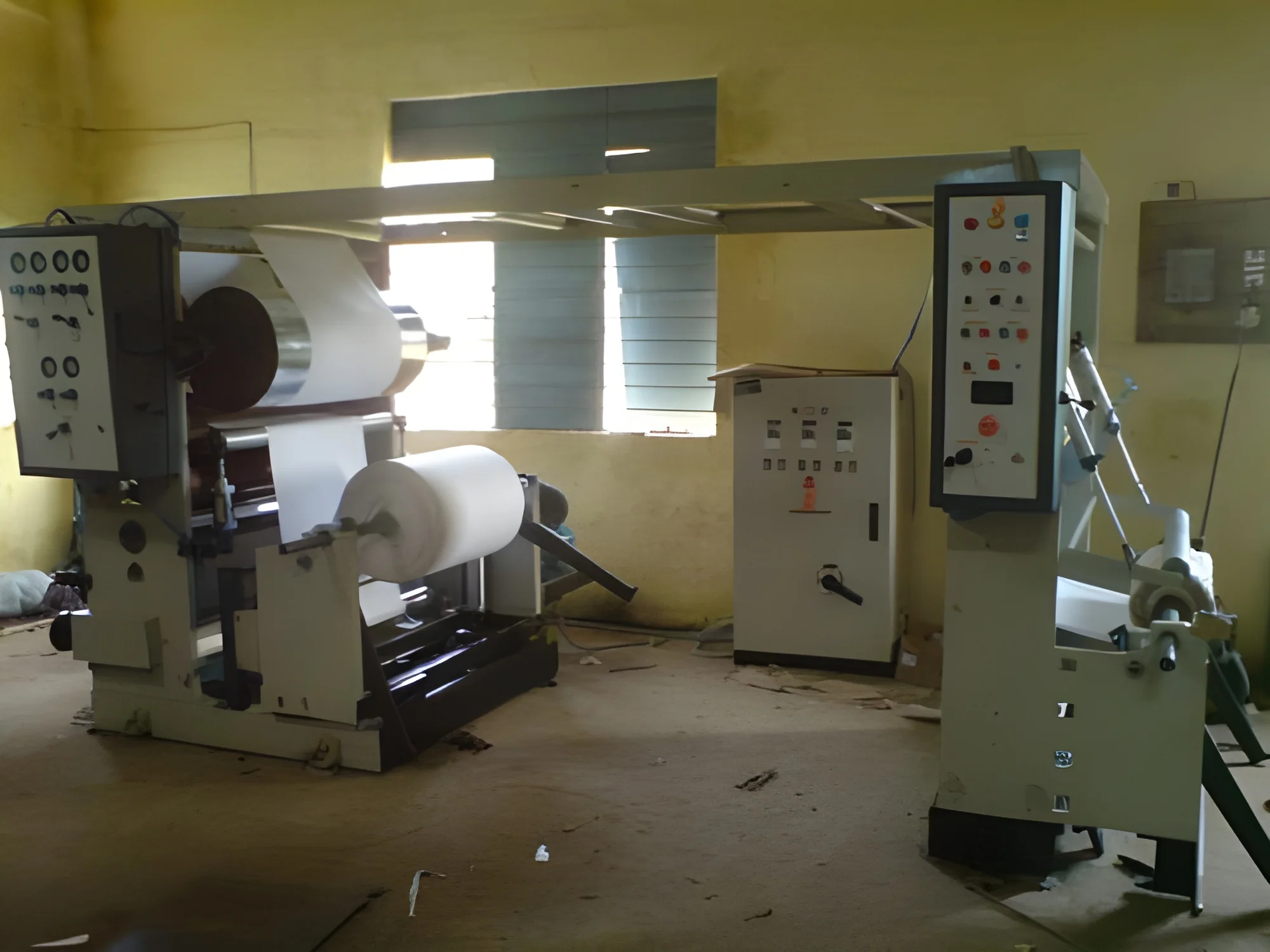
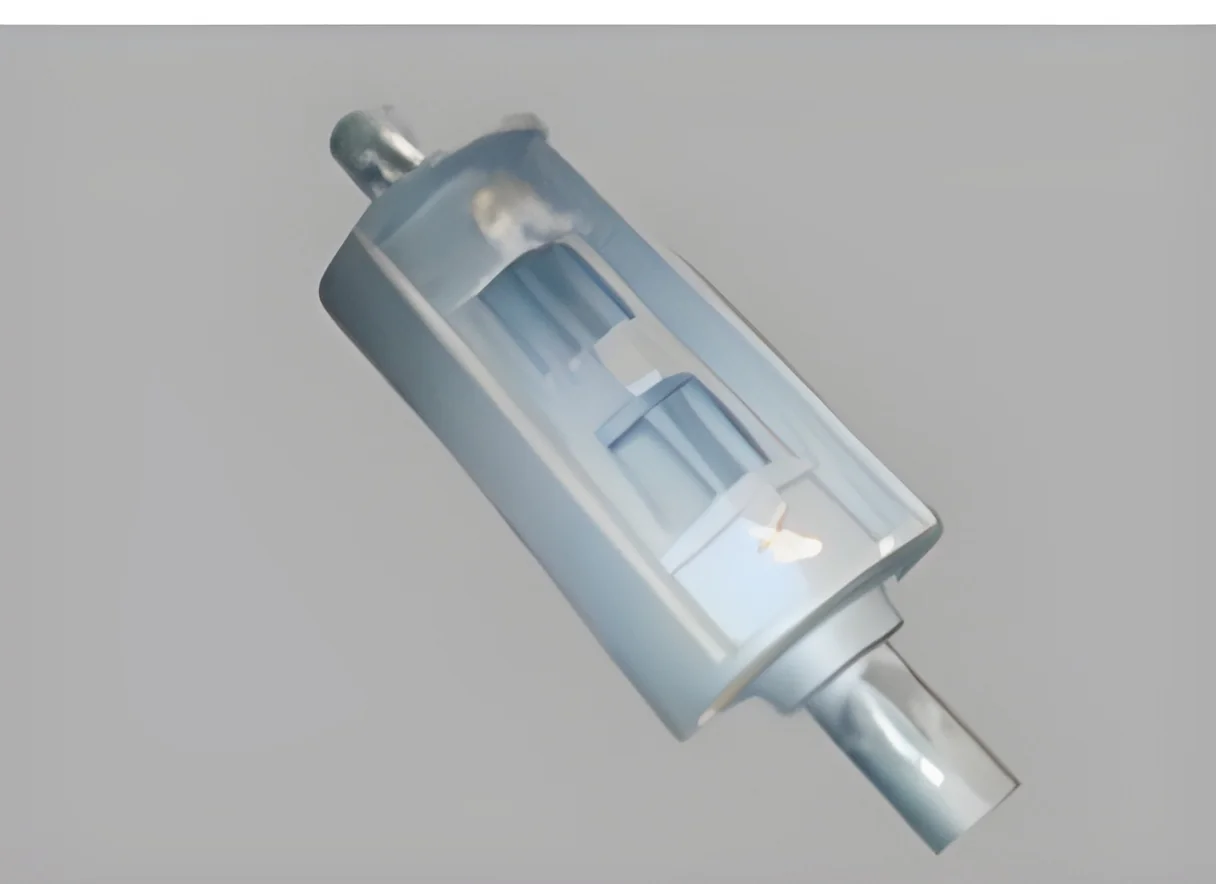
Label Printing Machines (Flexo/Gravure) are specialized equipment used for printing labels on various materials. Flexographic printing uses flexible relief plates, while gravure printing employs engraved cylinders. Both technologies are widely used in packaging and label industries due to their efficiency and quality.
What are the different types of Label Printing Machines (Flexo/Gravure)?
The main types of Label Printing Machines include Flexographic printers and Gravure printers. Flexographic machines are suitable for high-speed production and are commonly used for labels, while Gravure printers are ideal for high-quality prints on large volumes. Each type has its unique advantages depending on the specific printing requirements.
How do I choose the right Label Printing Machines (Flexo/Gravure)?
To choose the right Label Printing Machine, consider factors such as the type of labels you need to print, the volume of production, and the desired print quality. Additionally, evaluate the machine's speed, ease of use, and maintenance requirements. Consulting with manufacturers can also help in making an informed decision.
What are the standard specifications for Label Printing Machines (Flexo/Gravure)?
Standard specifications for Label Printing Machines include printing speed (measured in meters per minute), print width, and resolution. Other important specifications may include the type of inks used, drying methods, and the machine's capability to handle various substrates. It's essential to review the technical details before purchasing.
What is the price range for Label Printing Machines (Flexo/Gravure)?
The price of Label Printing Machines can vary significantly based on their type, features, and manufacturer. Generally, Flexo and Gravure printers can range from INR 5 lakhs to several crores. It's advisable to compare options from different suppliers to find a machine that fits your budget and needs.
What quality standards apply to Label Printing Machines (Flexo/Gravure)?
Label Printing Machines must comply with various quality standards, including ISO 9001 for quality management systems. Additionally, adherence to industry-specific standards such as GHS for labeling chemicals is important. Ensuring that machines meet these standards can help in maintaining print quality and regulatory compliance.
Where can I find Label Printing Machines (Flexo/Gravure) suppliers in India?
You can find Label Printing Machines suppliers in India through B2B marketplaces like Pepagora, industry trade shows, and online directories. It's beneficial to check for reviews and ratings of suppliers to ensure reliability. Additionally, networking within the industry can help uncover reputable manufacturers.
Can Label Printing Machines (Flexo/Gravure) be customized?
Yes, many manufacturers offer customization options for Label Printing Machines to meet specific production needs. Customizations can include modifications to print width, speed, and additional features such as multi-color printing. Discussing your requirements with suppliers can lead to tailored solutions.
What is the typical minimum order quantity for Label Printing Machines (Flexo/Gravure)?
The typical minimum order quantity (MOQ) for Label Printing Machines varies by supplier and machine type. Generally, MOQs can range from one machine for smaller suppliers to higher quantities for larger manufacturers. It's best to confirm with suppliers regarding their specific MOQs before placing an order.
What is the typical lead time for Label Printing Machines (Flexo/Gravure)?
The typical lead time for Label Printing Machines can range from a few weeks to several months, depending on the complexity and customization of the order. Standard machines may have shorter lead times, while customized models could take longer. It's advisable to discuss lead times with suppliers during the purchasing process.
Why Businesses Trust Pepagora
Thousands of companies trust Pepagora to source smarter and sell faster
Expand Your Sales Globally

Source Smarter,Grow Faster
