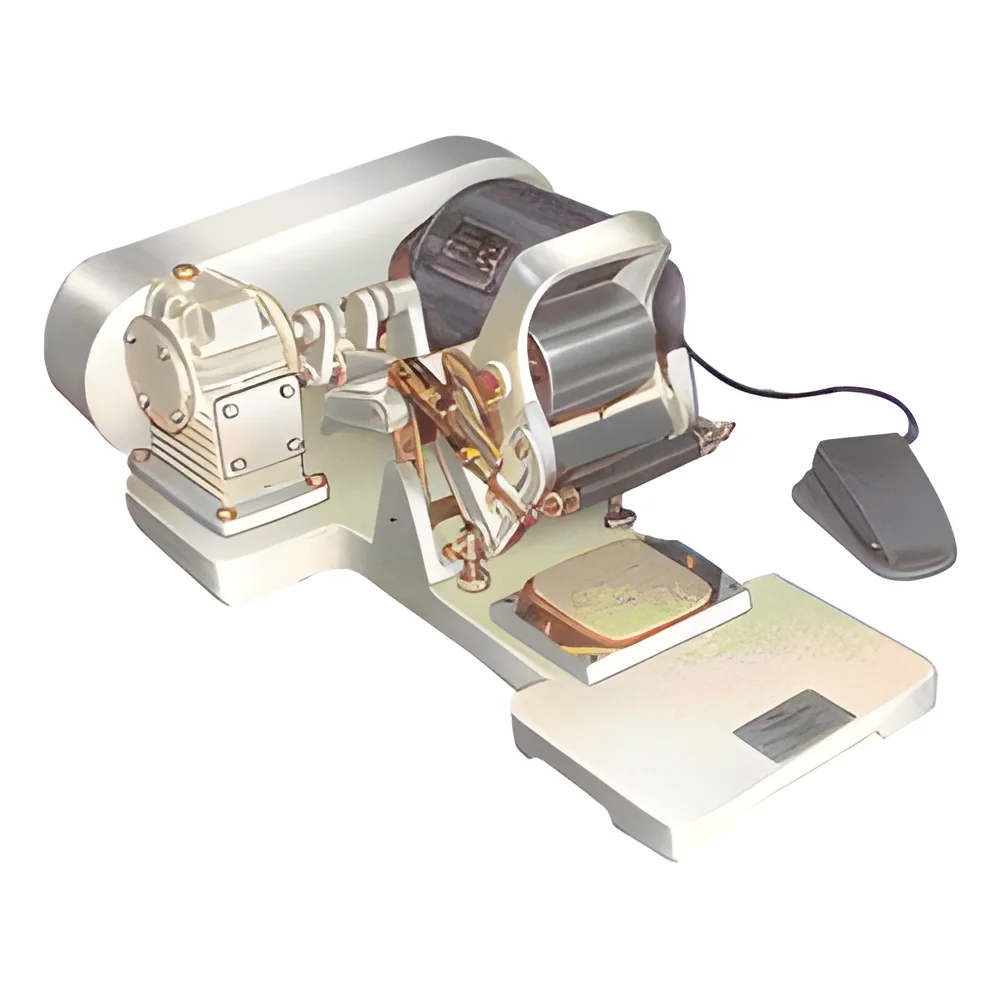
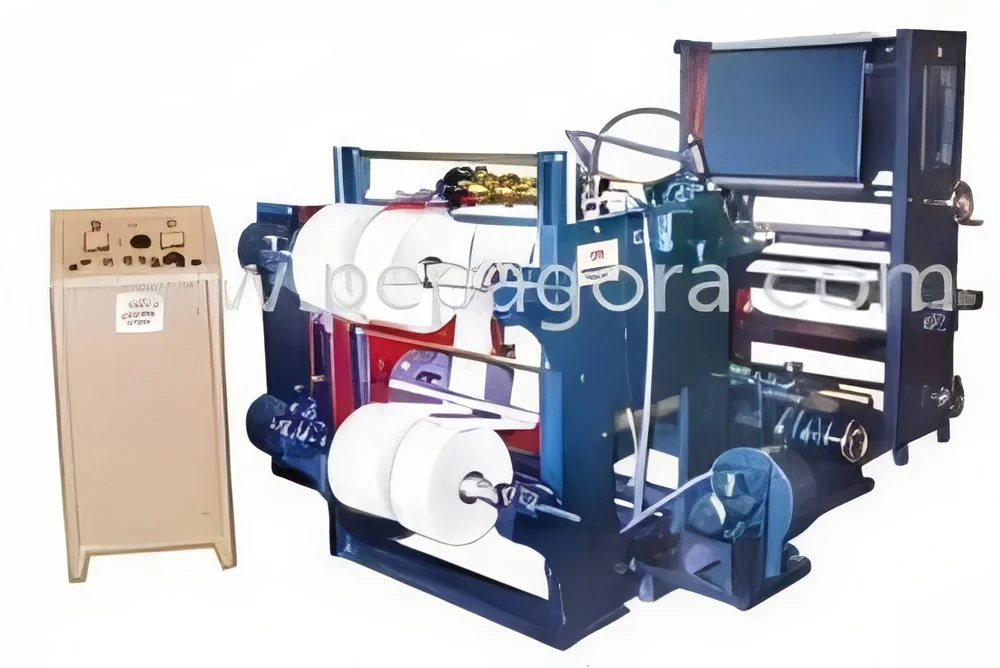
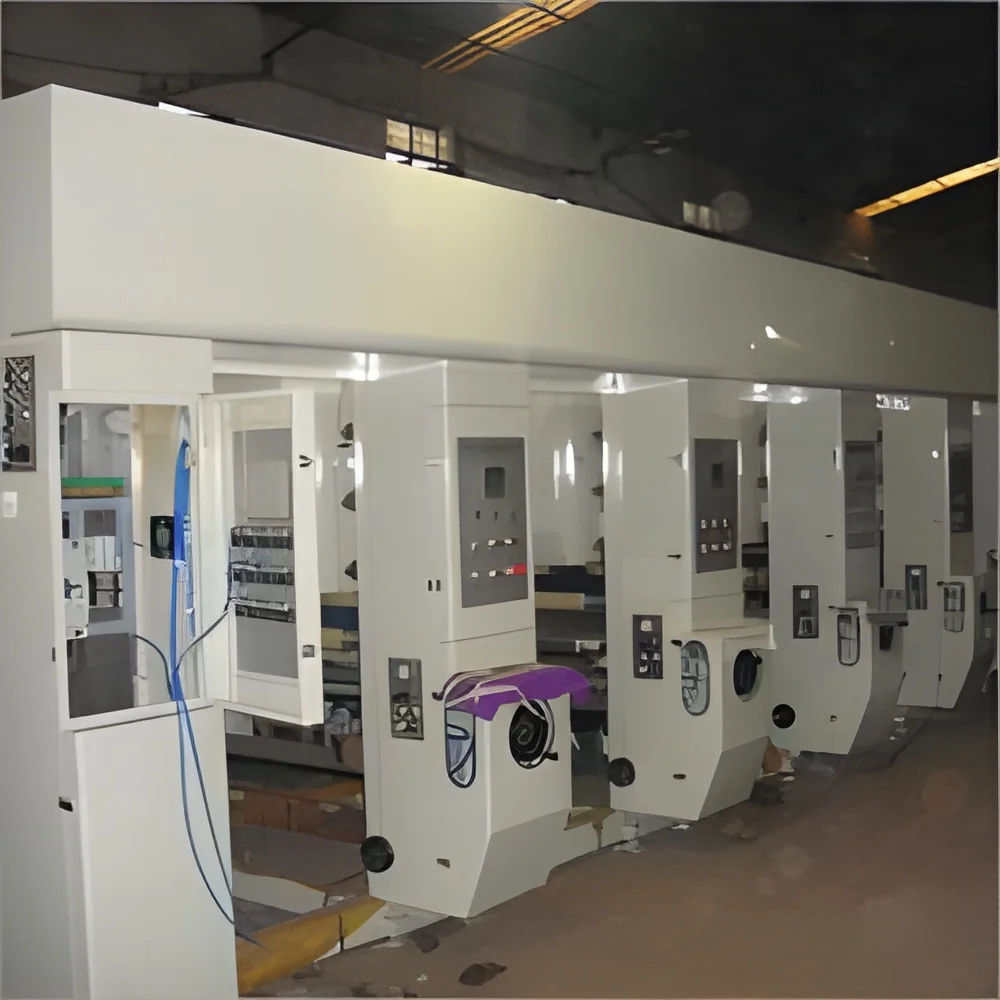
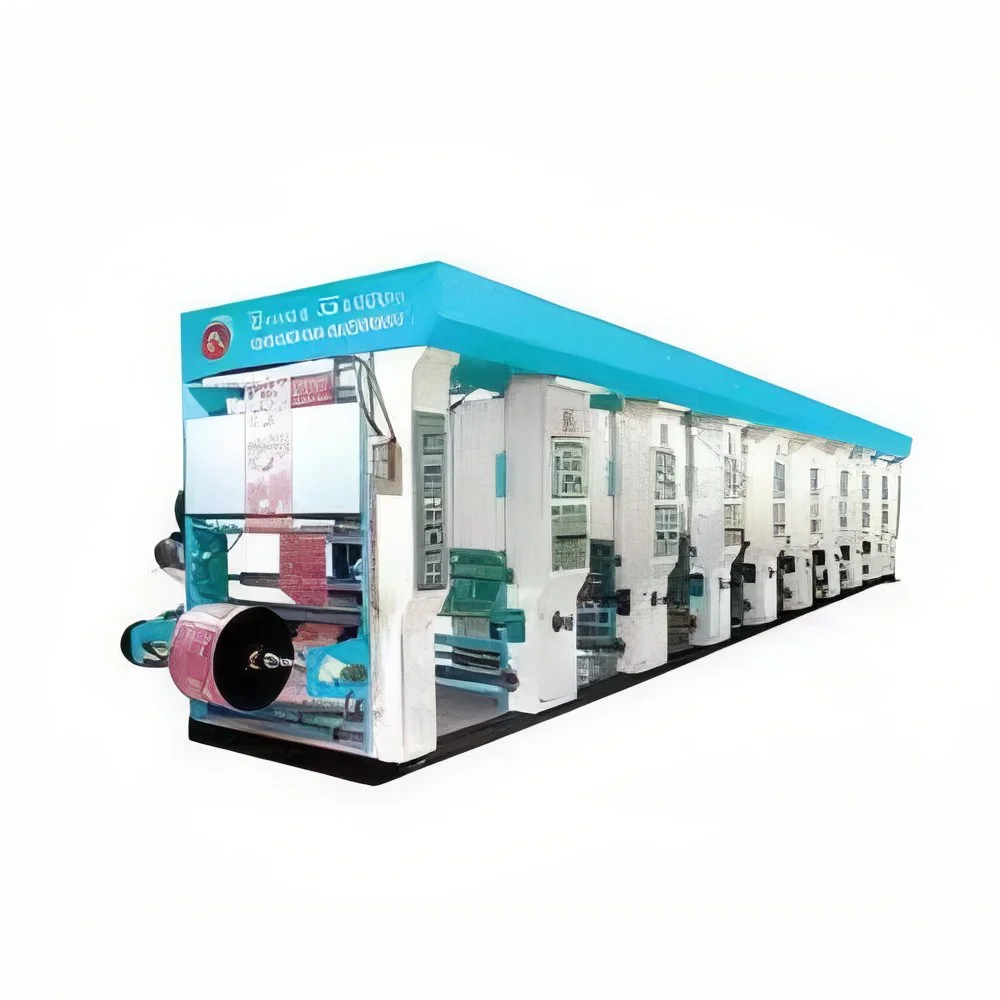
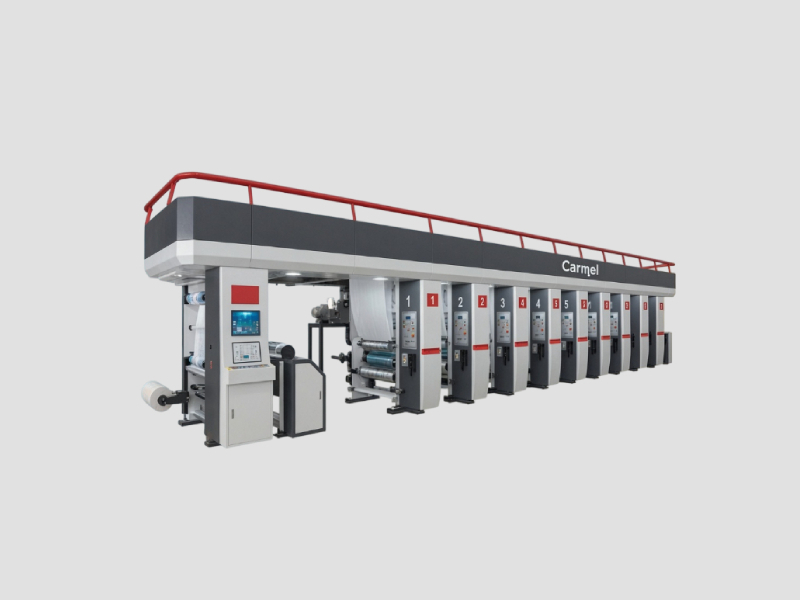
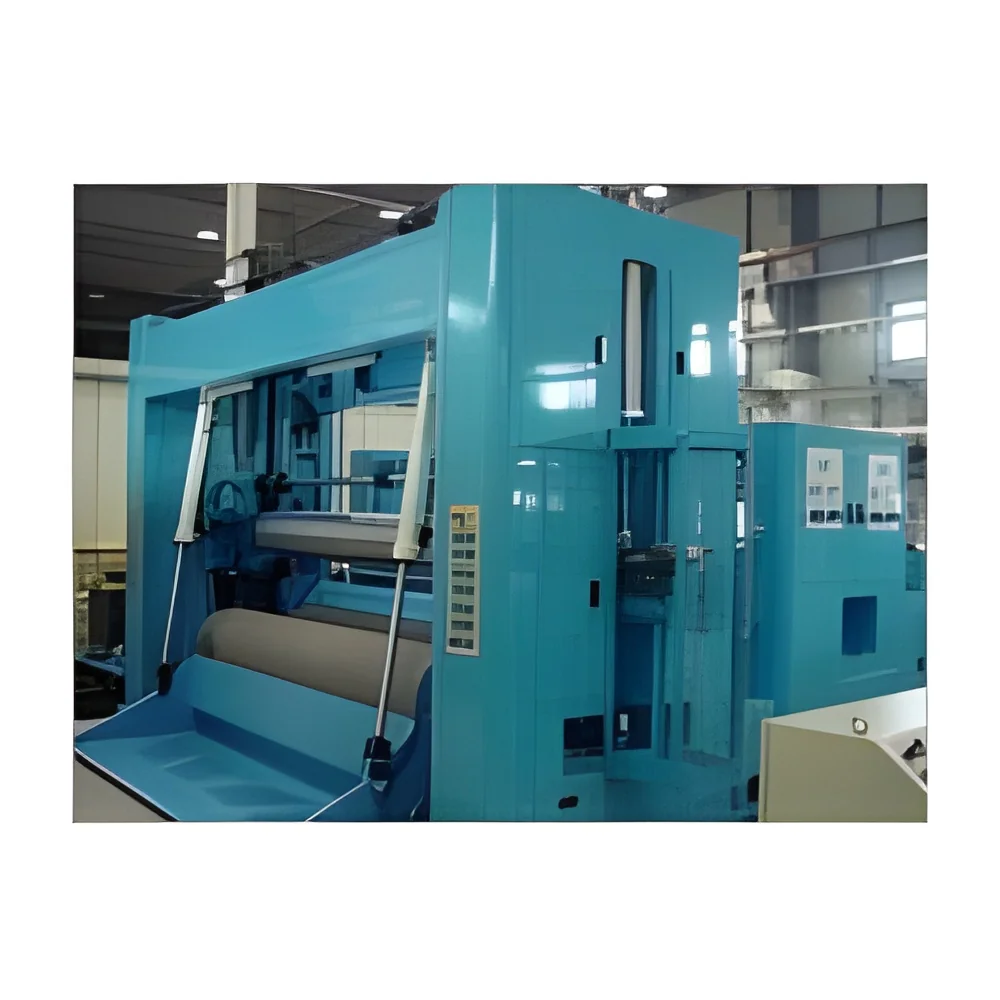
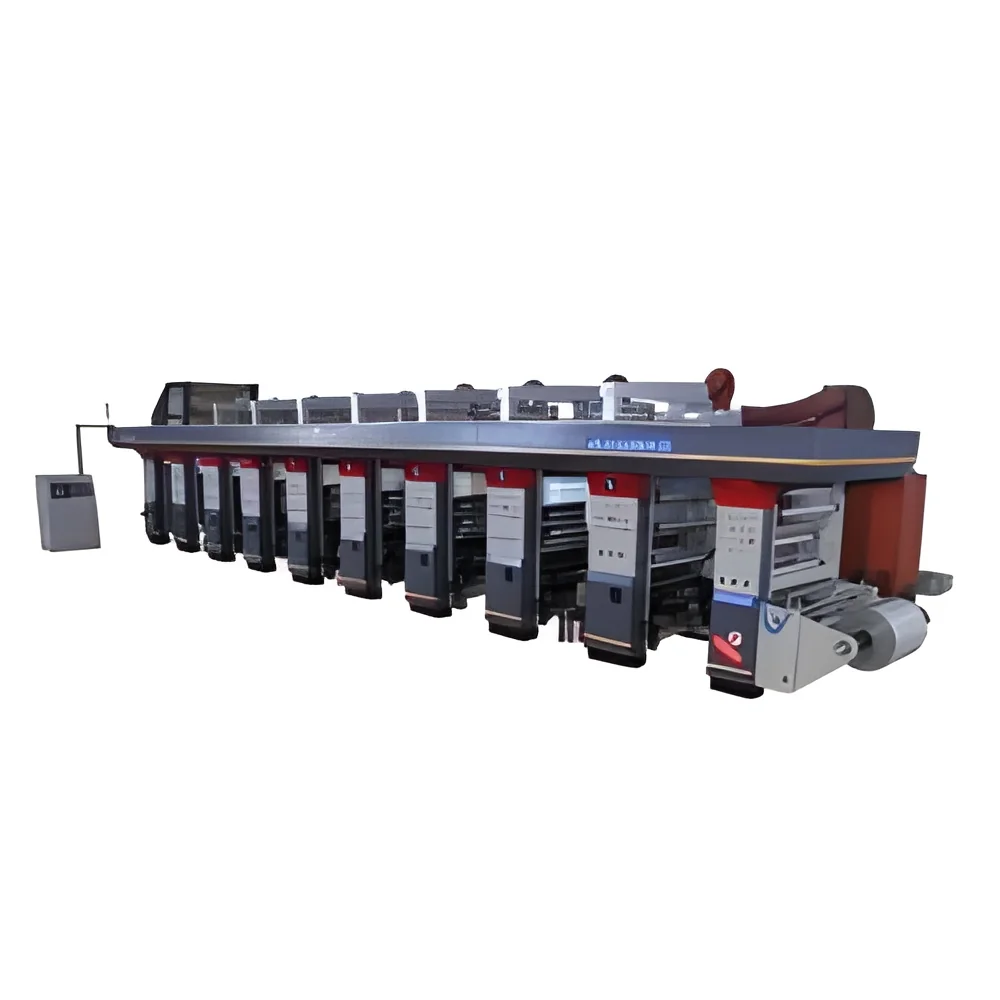
What are Rotogravure Printing Machines?
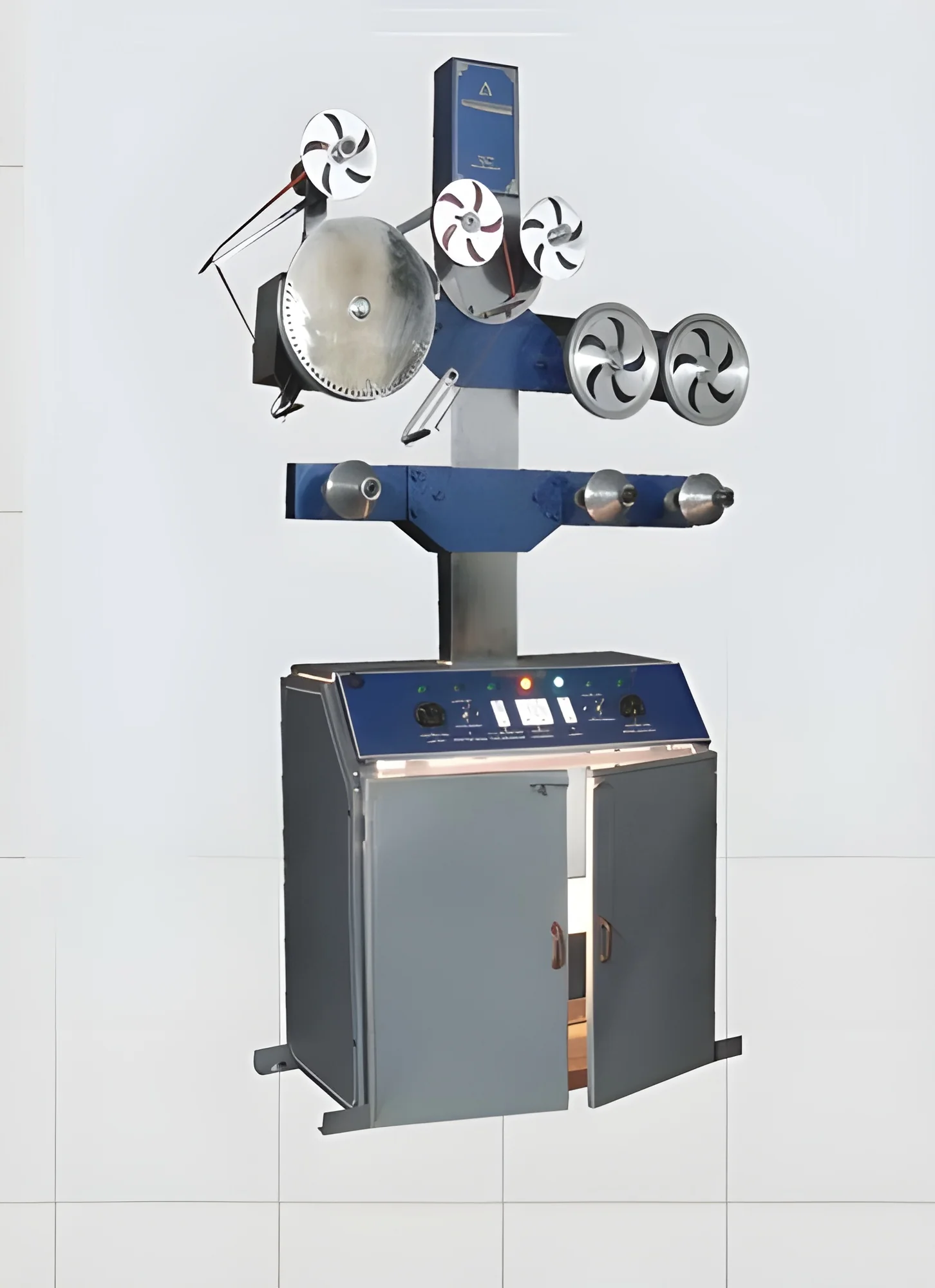
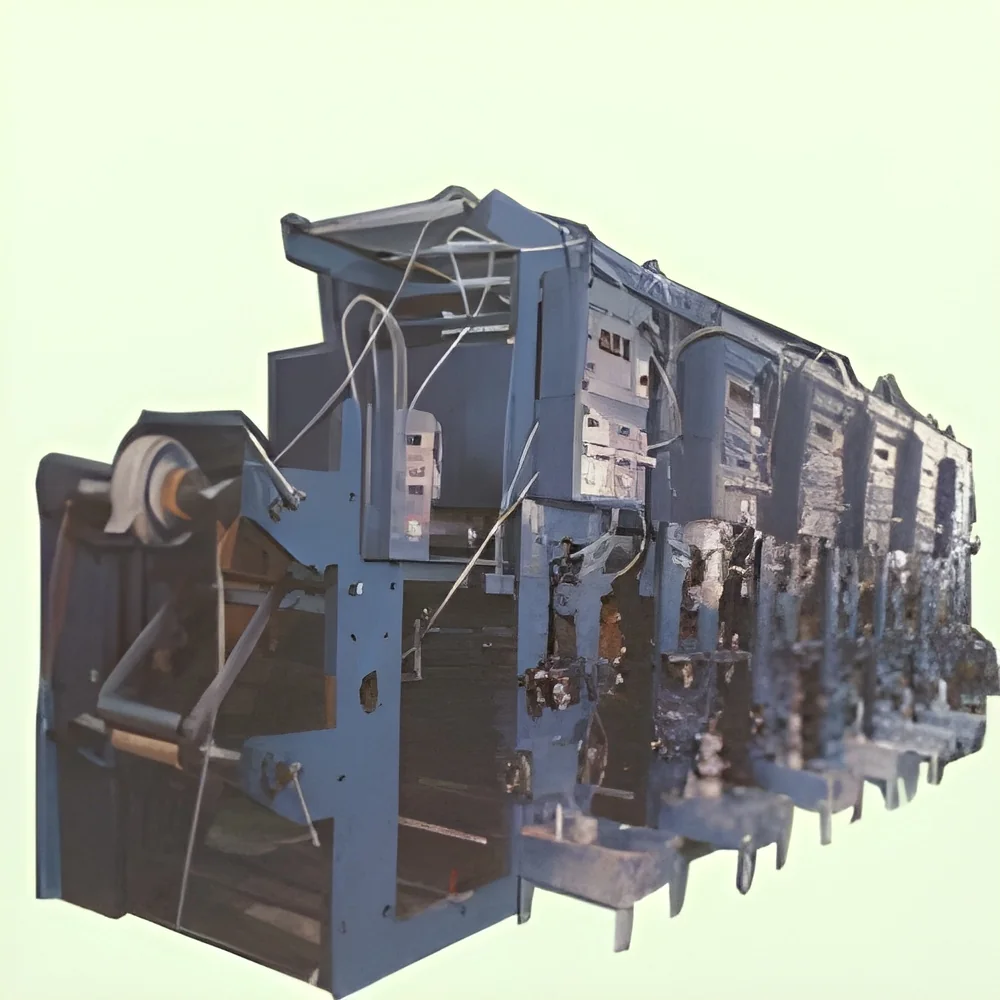
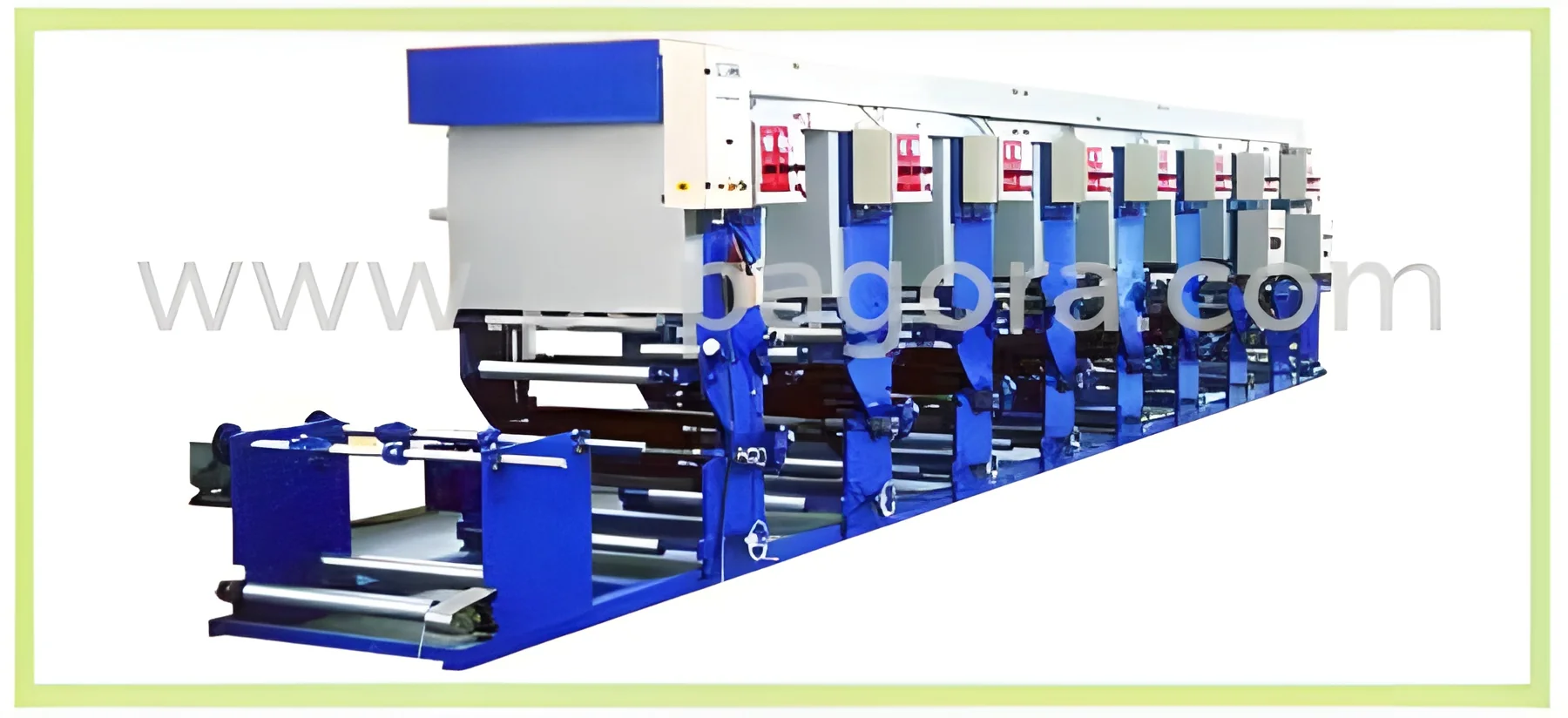
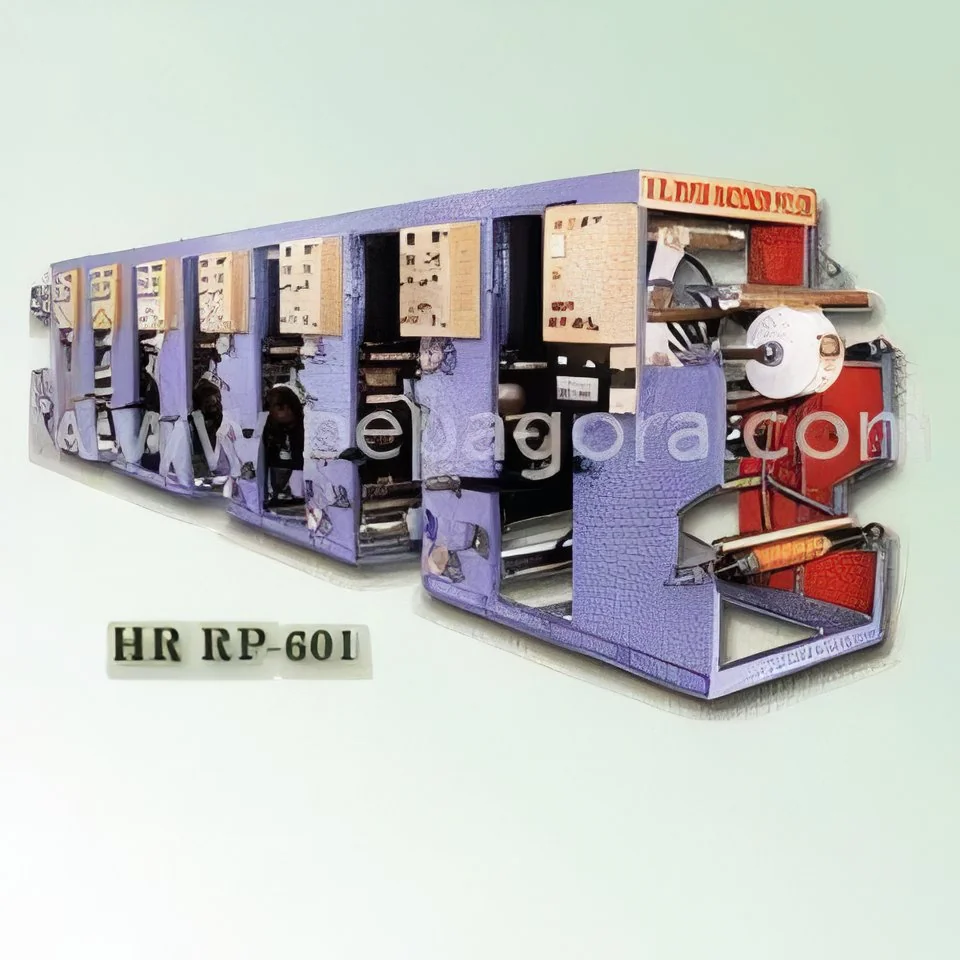
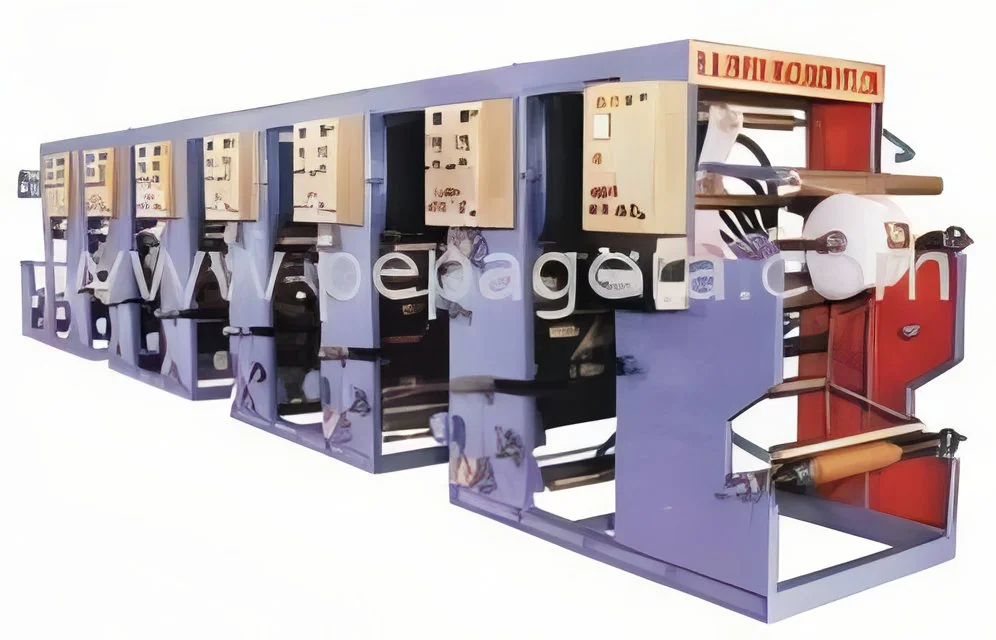
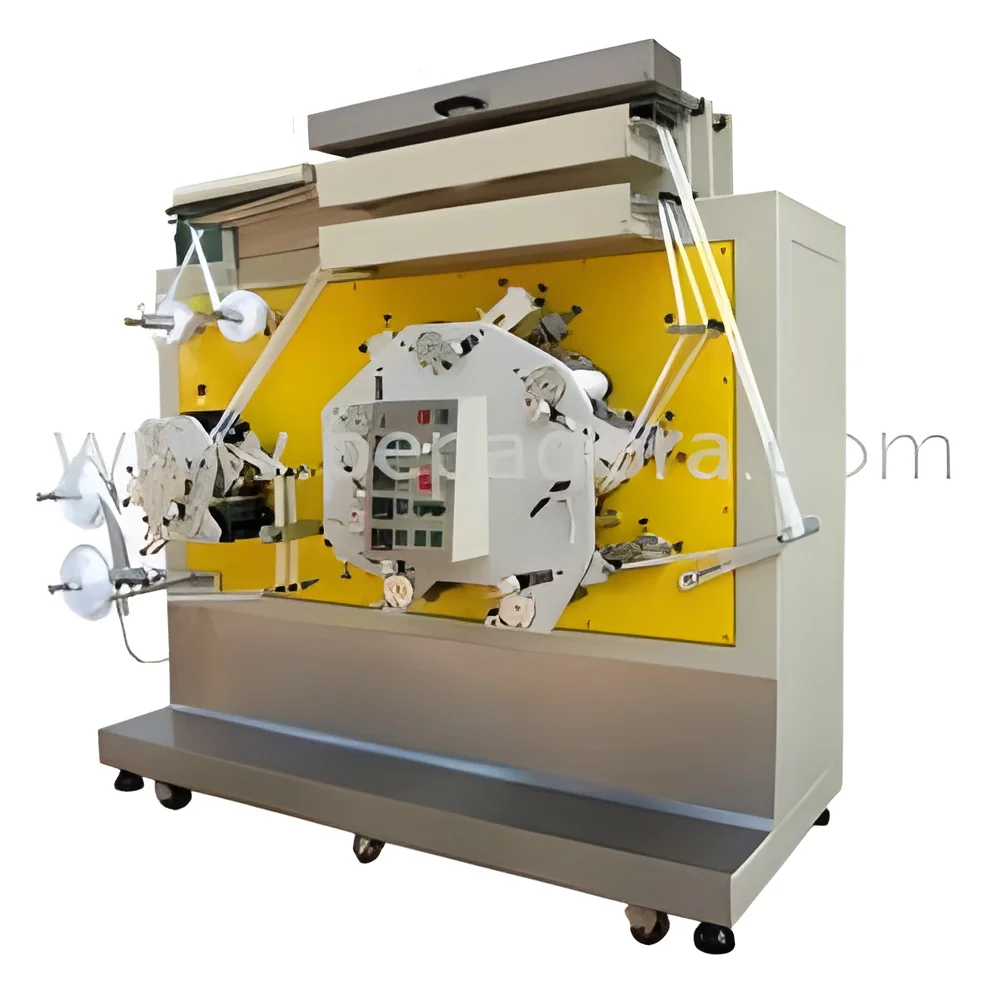
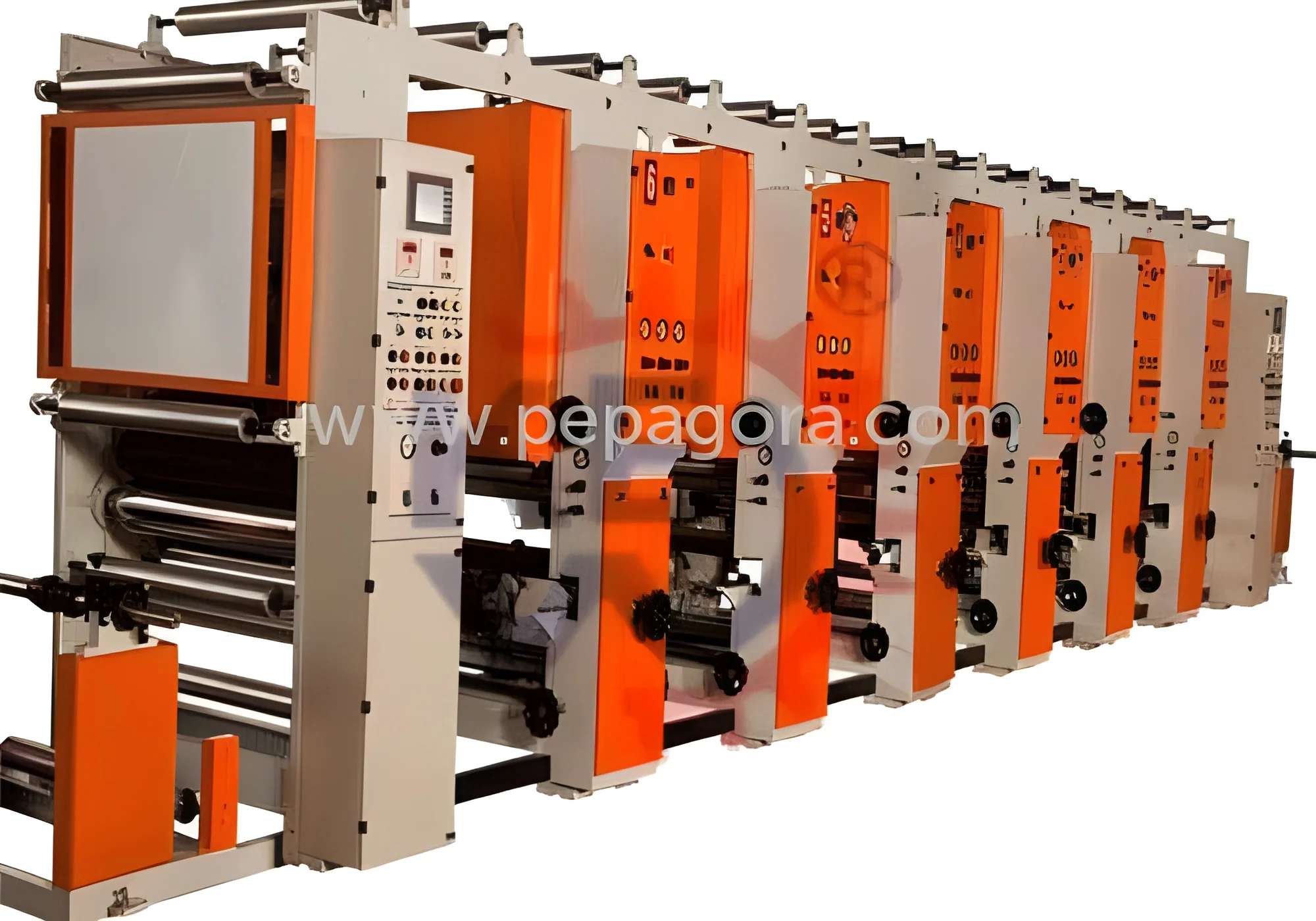
Rotogravure printing machines are advanced printing devices that utilize a cylindrical printing plate to transfer ink onto various substrates. This method is particularly known for its ability to produce high-quality prints with exceptional detail and color accuracy. The technology involves engraving the image onto a rotating cylinder, allowing for continuous and efficient printing, making it suitable for large-scale production runs.
These machines are predominantly used in the packaging industry, where they print on flexible materials such as plastic films, paper, and aluminum foils. Common applications include packaging for food, beverages, textiles, and consumer goods. The rotogravure process is favored for its speed and the ability to produce complex designs, making it a popular choice among manufacturers who require high-volume outputs with consistent quality. As industries continue to demand faster production rates and superior print quality, rotogravure printing remains highly relevant and competitive in the modern printing landscape.
Key Features and Specifications
Rotogravure printing machines come equipped with a variety of features designed to enhance performance and efficiency. These specifications can vary based on the model and manufacturer, but fundamental characteristics remain consistent across the industry.
Key specifications include:
1. Printing Speed
- Capable of printing at high speeds, often exceeding 300 meters per minute.
- Allows for rapid production to meet high-demand orders.
2. Cylinder Size
- Available in various diameters, typically ranging from 100 mm to 500 mm.
- Larger cylinders permit longer print runs with fewer changes.
3. Ink Type
- Compatible with solvent-based, water-based, and UV inks.
- Flexibility in ink choice helps meet various application needs.
4. Web Width
- Standard web widths typically range from 600 mm to 1,200 mm.
- Wider formats accommodate larger packaging requirements.
5. Registration Accuracy
- High registration accuracy of up to +/- 0.1 mm.
- Essential for multi-color printing to ensure design alignment.
6. Control System
- Advanced digital control systems for monitoring and adjustments.
- Enhances user operation and machine efficiency.
7. Automation Features
- Many machines offer automated setup and cleaning processes.
- Reduces downtime and labor costs.
8. Energy Efficiency
- Designed to consume less energy compared to older models.
- Supports sustainability efforts in manufacturing operations.
In summary, these specifications highlight the capabilities of rotogravure printing machines, ensuring they meet the diverse needs of the packaging and printing industries.
Common Applications and Use Cases
Rotogravure printing machines serve a wide array of industries, reflecting their versatility and efficiency.
1. Food and Beverage Packaging: Rotogravure is extensively used for printing flexible packaging materials for snacks, beverages, and perishable goods, ensuring vibrant graphics that attract consumers.
2. Textile Printing: These machines are employed to print intricate designs on textiles, allowing for high-quality fabric production used in fashion and home décor.
3. Consumer Goods: Rotogravure technology is utilized for packaging items like toiletries and household products, providing a durable and visually appealing finished product.
4. Pharmaceuticals: The precision of rotogravure printing makes it suitable for producing labels and packaging that require stringent compliance with health regulations.
5. Labels and Tags: The technology is effective for creating labels that require high-quality graphics and fine details, such as product branding and information.
6. Industrial Packaging: Used in printing durable and heavy-duty packaging materials that can withstand varying environmental conditions.
7. Stationery Products: Rotogravure machines are also deployed in printing high-quality paper products, including notebooks and calendars.
Product Variants and Subcategories
The diversity in rotogravure printing machines allows businesses to select from various models tailored to their specific needs.
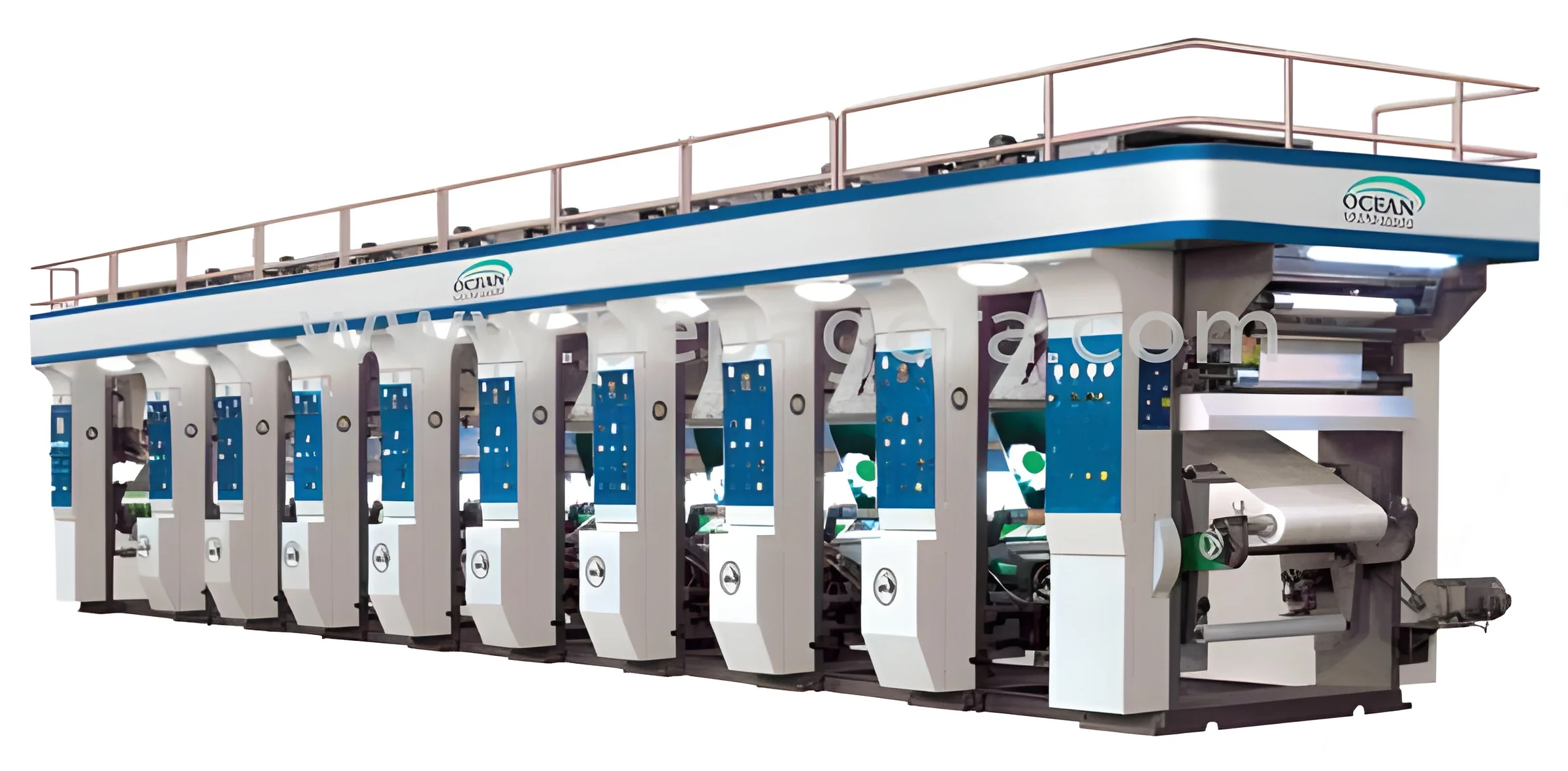
High-Speed Rotogravure Printing Machine: This variant is designed for maximum output and efficiency, suitable for large-scale production environments. It features advanced automation and high-speed capabilities, enabling rapid print runs.
Compact Rotogravure Printing Machine: Ideal for small to medium-sized operations, this variant offers flexibility in design and space-saving features without compromising on quality. It is well-suited for businesses looking to optimize their production with limited floor space.
Multi-Color Rotogravure Printing Machine: This machine variant allows for printing multiple colors in one pass, enhancing productivity while maintaining registration accuracy. It is perfect for complex designs requiring vibrant color reproduction.
Benefits and Advantages
Opting for rotogravure printing machines offers numerous advantages that appeal to businesses aiming for quality and efficiency.
1. High Print Quality: The engraving technique allows for sharp detail and vibrant colors, making it ideal for visually appealing packaging.
2. Cost-Effectiveness for Large Runs: While setup costs can be high, the efficiency in large production runs significantly reduces per-unit costs, making it economical for high-volume projects.
3. Versatility: These machines can handle a variety of substrates, including flexible films, paper, and specialty materials, catering to diverse printing needs.
4. Consistency and Reliability: Rotogravure printing ensures uniform quality across long print runs, which is essential for brand consistency.
5. Speed and Efficiency: The high-speed printing capabilities allow businesses to meet tight deadlines and high demand without sacrificing quality.
6. Customization Options: Manufacturers can easily customize settings and features to suit specific production requirements, enhancing operational flexibility.
Buying Guide for B2B Buyers
When sourcing rotogravure printing machines, it is essential for buyers to consider several key factors to ensure optimal selection.
1. Quality Assessment: Evaluate the machine's construction and reliability. Look for certifications and reviews that attest to performance and durability.
2. Supplier Verification: Vet suppliers thoroughly to ascertain their credibility. This includes checking references, certifications, and industry reputation.
3. Pricing and MOQ: Understand the price range for the desired machines and inquire about the minimum order quantities to ensure they align with your budget and production needs.
4. Delivery and Lead Times: Clarify logistics regarding delivery timelines, as these can vary significantly between suppliers and may impact your production schedule.
5. Compliance Requirements: Ensure that the machines meet relevant industry standards and regulations, which can differ based on the region and application.
Compliance and Certifications
Compliance and certifications are crucial in ensuring the quality and safety of rotogravure printing machines.
Rotogravure machines should meet various quality standards, including ISO 9001, which focuses on effective quality management systems. Adherence to such standards ensures that the manufacturing process maintains high-quality output.
Additionally, industry certifications like CE indicate that the machines comply with European safety, health, and environmental protection standards. This certification is essential for businesses looking to operate in or export to European markets.
Safety and testing requirements also play a vital role in the operational efficiency of these machines. Regular maintenance and compliance checks guarantee that the equipment operates safely and effectively.
Regional compliance considerations must also be taken into account, as different countries may impose specific regulations regarding machinery operation, environmental impact, and worker safety.
Why Source Rotogravure Printing Machines from Pepagora?
Pepagora provides a trusted platform for sourcing rotogravure printing machines, offering several key advantages to B2B buyers.
The verified supplier network ensures that buyers have access to reputable manufacturers who meet industry standards. This reduces the risk associated with sourcing equipment from unknown sources.
Pepagora has streamlined the Request for Quotation (RFQ) process, making it easier for buyers to receive competitive quotes from multiple suppliers. This efficiency saves time and enhances decision-making.
Trade assurance and support further protect buyers during transactions. This includes guarantees of product quality and assistance in resolving issues that may arise during the purchasing process.
Finally, Pepagora boasts regional coverage, extending its services throughout India, the Gulf Cooperation Council (GCC) countries, and Southeast Asia. This geographic reach facilitates access to a diverse range of suppliers and products tailored to local market demands.

 IN
IN