What are Food-Grade Packaging Printing?
Food-Grade Packaging Printing refers to the process of printing labels, packaging materials, and other forms of branding specifically designed for food products. This type of printing ensures that all materials used are safe for direct contact with food items, adhering to strict regulations and standards set by health authorities. The inks, adhesives, and substrates used in food-grade packaging printing must meet specific safety criteria to prevent any contamination of the food.
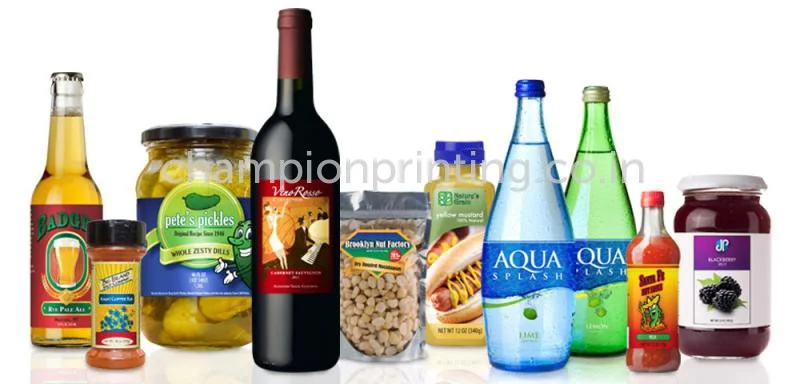
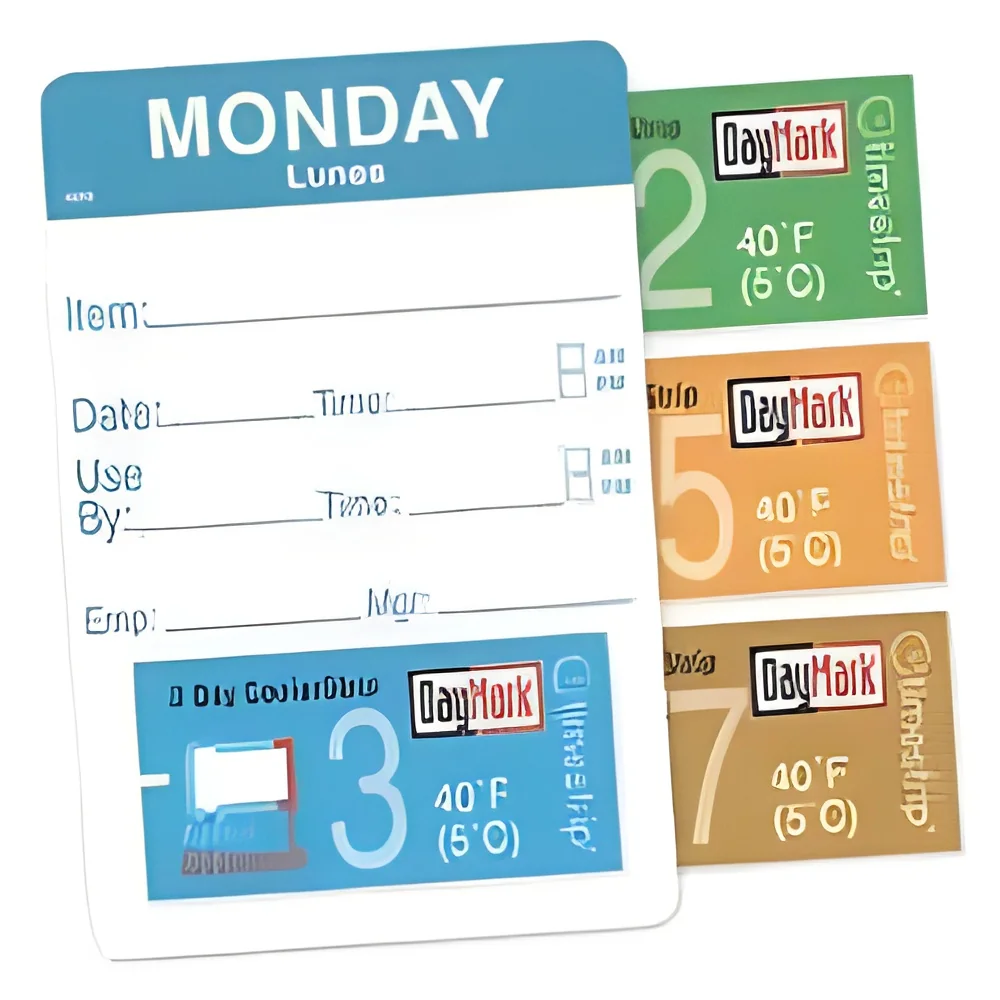
The primary uses of food-grade packaging printing extend across various sectors in the food industry. This includes packaging for processed foods, snacks, beverages, and even fresh produce. Companies leverage food-grade packaging to enhance branding while ensuring compliance with food safety regulations. Effective packaging not only preserves the freshness of the product but also conveys important information to consumers, such as nutritional facts and expiration dates.
The relevance of food-grade packaging printing is increasing as consumer awareness surrounding food safety and sustainability grows. Businesses recognize that high-quality packaging can significantly influence purchasing decisions. The market for food-grade packaging is expanding, driven by innovations in printing technology and an increasing demand for sustainable packaging solutions. As industries evolve, so too does the necessity for reliable and compliant food-grade packaging options.
Key Features and Specifications
Food-grade packaging printing features a variety of specifications essential for ensuring safety and quality. Understanding these specifications helps businesses choose the right products for their needs.
Key specifications include:
1. Material Composition
- Made from food-safe materials that comply with health regulations.
- Includes options like polyethylene, polypropylene, and biodegradable materials.
2. Ink Type
- Utilizes non-toxic inks that are safe for food contact.
- Options may include water-based, solvent-based, and UV-cured inks.
3. Printing Techniques
- Common techniques include flexography, digital printing, and gravure.
- Each method offers different levels of detail and production efficiency.
4. Adhesive Properties
- Employs food-safe adhesives for secure bonding without contamination.
- Ensures durability and compliance with safety standards.
5. Barrier Properties
- Provides protection against moisture, oxygen, and light.
- Essential for preserving food quality and extending shelf life.
6. Customization Options
- Allows for tailored designs, sizes, and colors to meet branding needs.
- Supports variable data printing for batch tracing and marketing.
7. Compliance Standards
- Meets industry standards such as CE certification for safety.
- Adheres to regional regulations regarding food packaging.
8. Environmental Considerations
- Options available for recyclable and sustainable materials.
- Responds to consumer demand for eco-friendly packaging solutions.
In summary, selecting food-grade packaging printing involves understanding its specifications, including material composition, ink type, and compliance with safety standards. This knowledge ensures businesses can effectively meet their packaging needs while prioritizing food safety.
Common Applications and Use Cases
Food-grade packaging printing serves a wide range of industries, ensuring that products are not only safe for consumption but also visually appealing.
1. Food Processing: Food manufacturers utilize printed packaging for ready-to-eat meals, frozen foods, and snacks, ensuring all necessary information is clearly displayed.
2. Beverage Industry: Beverage companies often require food-grade printing for labels and cartons, ensuring compliance with health regulations while promoting brand recognition.
3. Fresh Produce: Growers and distributors use printed packaging for fruits and vegetables, providing essential information about freshness, origin, and handling instructions.
4. Bakery Products: Bakeries leverage food-grade packaging to enhance their product presentation while ensuring that packaging materials do not alter the taste or safety of baked goods.
5. Dairy Products: Dairy producers require specialized packaging printed with nutritional information and allergen warnings, maintaining compliance with strict health regulations.
6. Confectionery: Candy and chocolate manufacturers utilize vibrant and enticing packaging designs printed with food-safe inks to attract consumers while adhering to safety standards.
7. Catering Services: Catering businesses employ printed packaging for meal kits and takeout containers, highlighting their brand while ensuring food safety during transport.
Product Variants and Subcategories
Food-grade packaging printing encompasses various product variants to meet diverse industry needs. Each variant offers unique features tailored to specific applications.
Standard Packaging
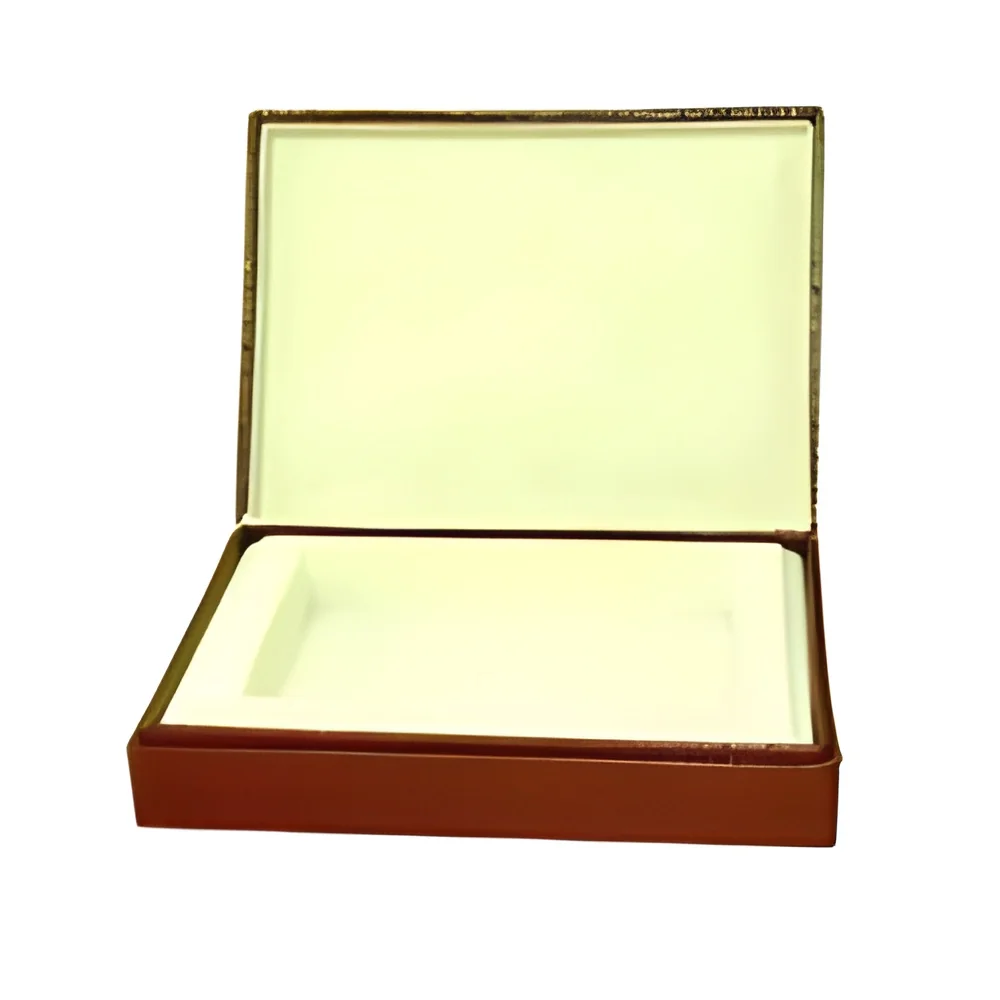
This variant includes common packaging solutions such as bags, pouches, and boxes. They are designed for everyday food items and typically feature high-quality printing for branding.
Custom Packaging
Custom options allow businesses to create unique packaging solutions tailored to their brand and product specifications. This includes flexibility in size, shape, and graphic design.
Tamper-Evident Packaging
This variant is essential for products that require extra security. It features indicators that show if the packaging has been opened, ensuring consumer safety.
Eco-Friendly Packaging
This variant focuses on sustainability, using biodegradable or recyclable materials. It caters to the growing demand for environmentally responsible packaging solutions.
Benefits and Advantages
Choosing food-grade packaging printing offers numerous advantages that contribute to business success and consumer satisfaction.
Key benefits include:
1. Enhanced Safety: Food-grade packaging printing ensures that all materials are safe for direct contact with food, reducing health risks.
2. Improved Shelf Life: Quality packaging protects products from external factors, helping to maintain freshness and extend shelf life.
3. Brand Visibility: High-quality printing enhances brand recognition and consumer appeal, increasing the likelihood of purchase.
4. Compliance Assurance: Adhering to food safety regulations builds trust with consumers and reduces liability for businesses.
5. Customization Opportunities: Businesses can tailor packaging designs to reflect their brand identity and meet specific market needs.
6. Environmental Responsibility: Options for sustainable materials support corporate social responsibility initiatives and appeal to eco-conscious consumers.
Buying Guide for B2B Buyers
When sourcing food-grade packaging printing, several factors should be considered to ensure the best outcomes for your business.
1. Quality Assessment: Evaluate the quality of materials and inks used in the packaging. Confirm that they meet safety standards and are suitable for the intended food products.
2. Supplier Verification: Vet potential suppliers by checking their industry reputation, certifications, and previous client reviews to ensure they can meet your specific requirements.
3. Pricing and MOQ: Understand the pricing structure and minimum order quantities (MOQ) required by suppliers. This helps in budgeting and aligning with production needs.
4. Delivery and Lead Times: Assess logistics and lead times for delivery. Timely availability of packaging is crucial to maintaining production schedules.
5. Compliance Requirements: Verify that the packaging meets all relevant regulatory standards in your region, ensuring safety and quality assurance for your products.
Compliance and Certifications
Compliance with industry standards and certifications is critical in food-grade packaging printing. Key quality standards include ISO 9001, which ensures consistent quality management systems. HACCP (Hazard Analysis and Critical Control Points) is another vital standard, focusing on food safety and risk management during production processes.
Industry certifications, such as CE marking, indicate compliance with European safety standards. These certifications are essential for businesses operating in international markets and help build consumer trust.
Safety and testing requirements also play a significant role in ensuring that packaging does not contaminate food. Regular testing for chemical leaching and physical integrity is necessary to maintain compliance.
Regional compliance considerations must also be addressed, as different countries have varying regulations regarding food contact materials. Businesses must stay informed about these requirements to avoid legal issues and ensure product safety.
Why Source Food-Grade Packaging Printing from Pepagora?
Pepagora provides a trusted platform for sourcing food-grade packaging printing, offering several key advantages that enhance the procurement process for businesses.
Verified Supplier Network: Pepagora features a robust network of verified suppliers, ensuring that buyers can connect with reputable manufacturers who meet stringent quality and safety standards.
Streamlined RFQ Process: The platform offers an efficient Request for Quotation (RFQ) system, allowing businesses to request quotes from multiple suppliers quickly. This simplifies the procurement process and fosters competitive pricing.
Trade Assurance and Support: Buyers benefit from trade assurance programs that protect transactions, ensuring that products meet agreed specifications and quality standards. Customer support is also readily available to assist with any inquiries.
Regional Coverage: Pepagora’s geographic reach includes India, the GCC, and Southeast Asia, making it an ideal sourcing platform for businesses looking to access diverse markets and suppliers in the food-grade packaging sector.

 IN
IN