What are Gravure Printing Machines?
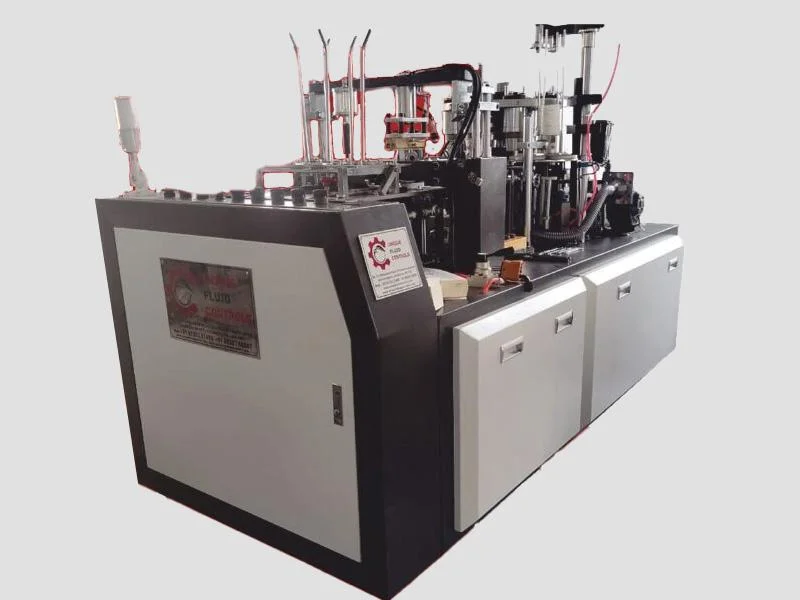
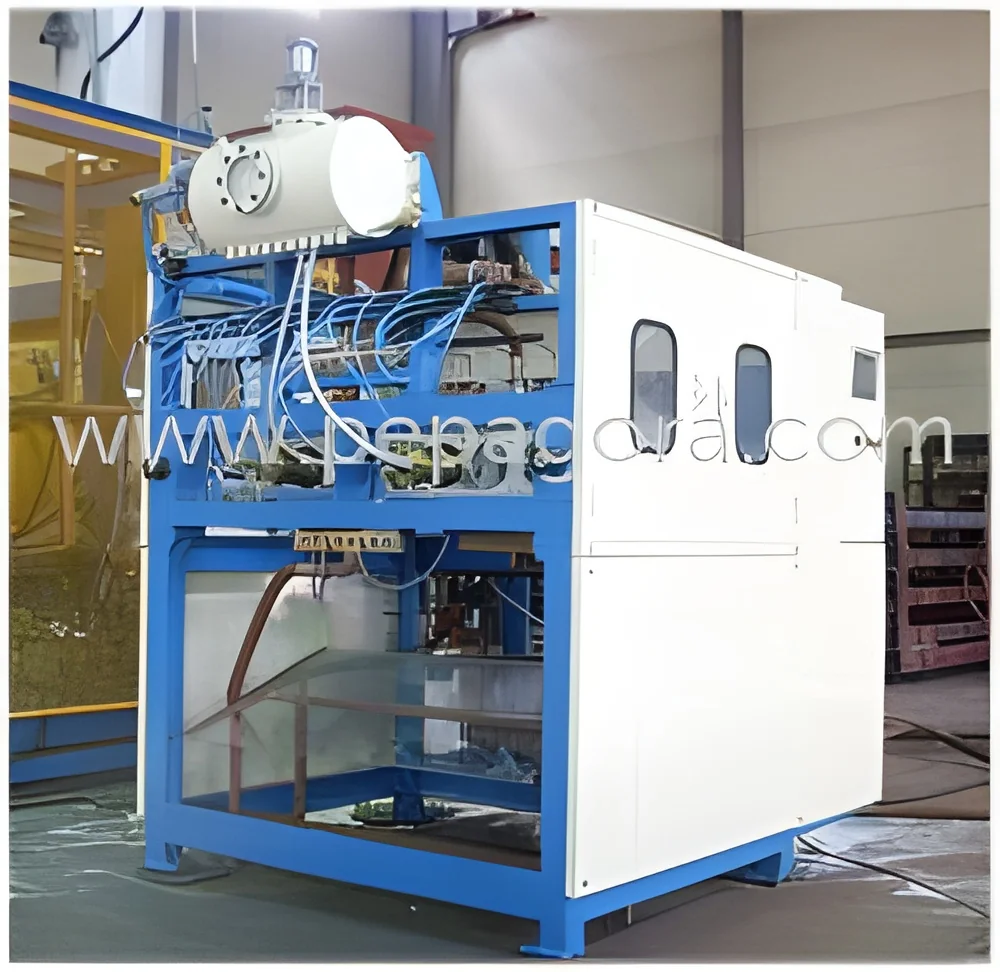
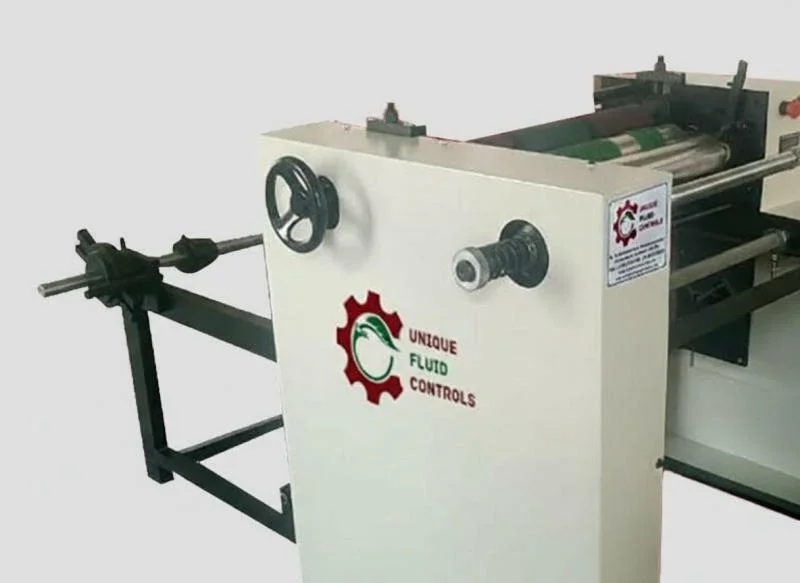
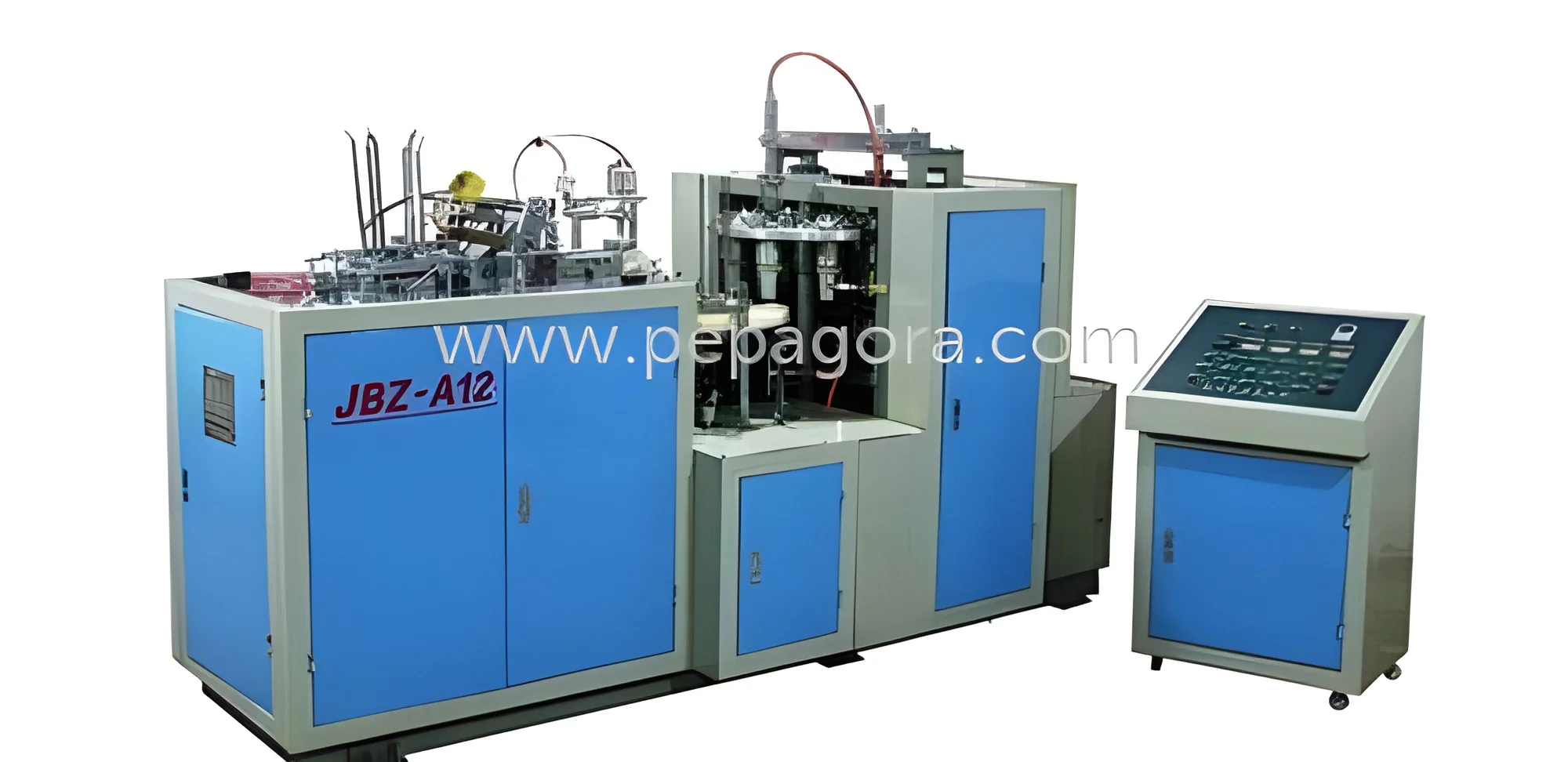
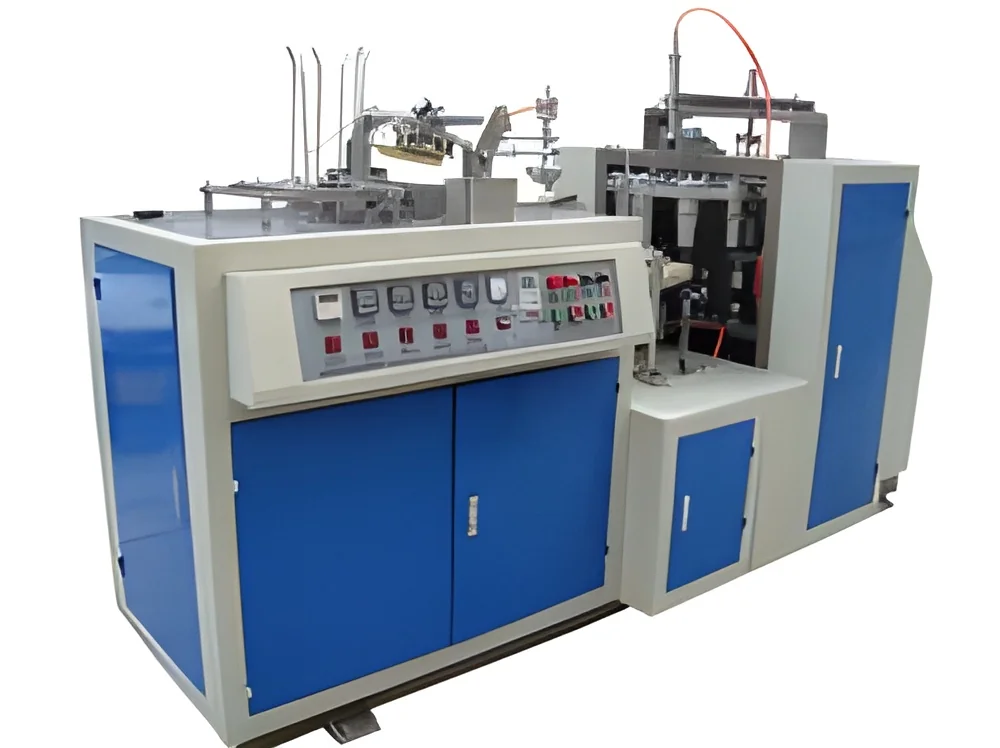
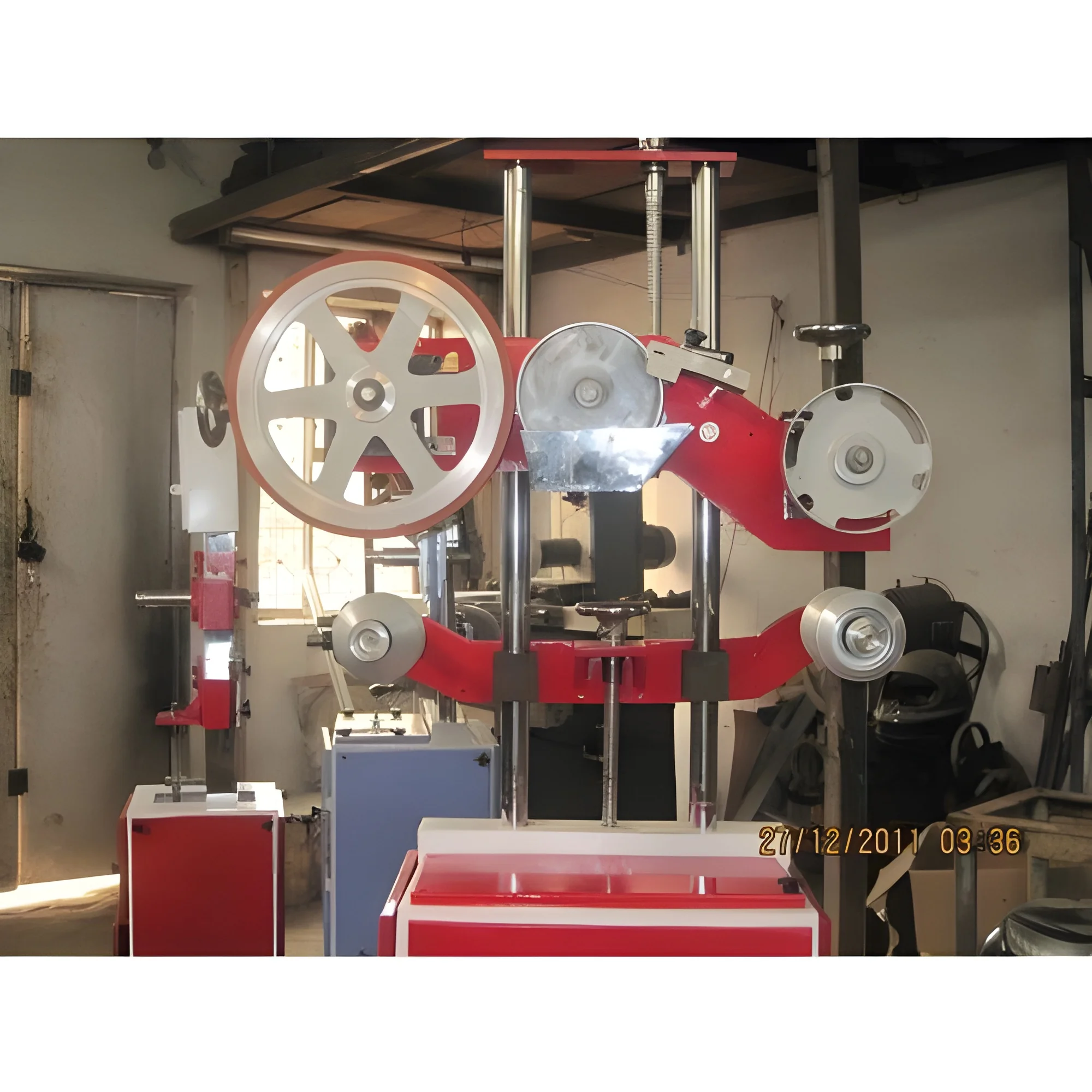
Gravure printing machines are advanced printing systems that utilize an intaglio process to transfer ink onto various substrates. This method involves engraving images onto a cylindrical surface, where the ink fills the engraved cells and is then transferred to the substrate under high pressure. Gravure printing is known for its ability to produce high-quality images with fine details and vibrant colors. The technology is widely used in commercial printing applications, particularly where large volumes of printed materials are required.
These machines are primarily used for packaging materials, such as flexible films, labels, and cartons. They are also employed in the production of wallpaper, gift wrap, and other decorative items. Gravure printing is particularly favored for long print runs due to its efficiency and cost-effectiveness. As industries continue to evolve and demand higher-quality printing solutions, gravure printing machines remain relevant in the market, adapting to modern printing needs with innovative features and capabilities.
Key Features and Specifications
Gravure printing machines come equipped with a range of features designed to enhance performance and print quality. These specifications vary by model but generally include advanced technology for precise ink transfer and control.
Key specifications include:
1. Printing Speed
- Capable of high-speed operation, typically ranging from 100 to 500 meters per minute.
2. Cylinder Size
- Available in various diameters, commonly from 100 mm to 300 mm, depending on the application.
3. Ink Supply System
- Features a closed-loop ink supply to minimize waste and maintain consistency.
4. Web Width
- Supports various web widths, generally from 600 mm to 1600 mm.
5. Color Stations
- Configurable with multiple color stations, usually between 1 to 10, allowing for complex designs.
6. Drying System
- Equipped with advanced drying technologies, including infrared or hot air systems, to ensure quick drying of prints.
7. Automation Features
- Includes automated registration and tension control systems for enhanced reliability.
8. Control Interface
- User-friendly touchscreen interfaces for easy operation and monitoring.
In summary, the specifications of gravure printing machines highlight their versatility and efficiency, making them suitable for a wide range of printing applications.
Common Applications and Use Cases
Gravure printing machines serve multiple industries with specific applications and benefits.
1. Packaging Industry: Gravure printing is widely used for producing flexible packaging, such as pouches, wrappers, and labels, where high-quality images and vibrant colors are crucial.
2. Publication Sector: These machines are also utilized in printing magazines and catalogs, providing sharp text and detailed photographs.
3. Textile Industry: Gravure technology is employed to print intricate designs on fabrics, offering a wide range of colors and patterns.
4. Decor Products: They are used for producing wallpaper and decorative films, allowing for high-quality designs that enhance aesthetic appeal.
5. Consumer Goods: Gravure printing is applied in labeling and branding for consumer products, ensuring that packaging stands out on store shelves.
6. Stationery: This technology is also suitable for printing high-quality stationery items, including envelopes and notebooks.
7. Security Printing: Gravure is used for producing secure documents, such as banknotes and identification cards, due to its capability to include fine details.
Product Variants and Subcategories
Gravure printing machines come in various models tailored to meet specific needs across different sectors.
High-Speed Gravure Printing Machine
This variant is designed for high-volume production, featuring faster printing speeds and advanced automation. It is ideal for large packaging companies.
Wide Web Gravure Printing Machine
This machine accommodates wider substrates, making it suitable for industries that require larger print areas, such as floor coverings and automotive interiors.
Compact Gravure Printing Machine
This model is optimized for smaller operations, providing flexibility for short runs and quick job changes, perfect for boutique packaging firms.
Benefits and Advantages
Gravure printing machines offer numerous benefits that enhance operational efficiency and print quality.
1. High Print Quality: The intaglio printing process allows for exceptional detail and color vibrancy, making it ideal for high-end applications.
2. Cost Efficiency: Gravure printing is highly efficient for long print runs, reducing the cost per unit significantly compared to other printing methods.
3. Versatility: These machines can print on various substrates, including paper, plastic, and metal, catering to diverse industry needs.
4. Fast Production Rates: With high-speed capabilities, gravure printing machines can produce large volumes quickly, meeting tight deadlines.
5. Consistent Output: The technology ensures uniformity across prints, reducing variations and waste in the production process.
6. Customization Options: Gravure machines can be customized to accommodate different inks and substrates, making them adaptable to changing market demands.
Buying Guide for B2B Buyers
When sourcing gravure printing machines, several key factors should be taken into consideration to ensure a successful purchase.
1. Quality Assessment: Evaluate the machine's build quality, components, and overall performance to ensure it meets industry standards.
2. Supplier Verification: Vet potential suppliers by checking their reputation, customer reviews, and compliance with industry certifications.
3. Pricing and MOQ: Understand the pricing structure and minimum order quantities to make informed financial decisions.
4. Delivery and Lead Times: Consider logistics and delivery schedules to ensure timely acquisition of the machines.
5. Compliance Requirements: Ensure that the machines meet necessary regulatory standards and certifications relevant to your industry.
Compliance and Certifications
Gravure printing machines must adhere to various quality standards and industry certifications to ensure safety and reliability.
ISO 9001: This standard ensures that the manufacturing process meets international quality management criteria.
CE Certification: Gravure printing machines should possess CE certification to confirm compliance with European safety and environmental regulations.
Safety and Testing Requirements: Machines must undergo rigorous testing to ensure they operate safely and efficiently, minimizing risks to operators.
Regional Compliance Considerations: Depending on the market, regional compliance may vary, necessitating adherence to local regulations and standards.
Why Source Gravure Printing Machines from Pepagora?
Pepagora provides a trusted platform for sourcing gravure printing machines, offering several key advantages to B2B buyers.
Verified Supplier Network: Pepagora connects buyers with a network of verified suppliers, ensuring that all partners meet strict industry standards and quality benchmarks.
Streamlined RFQ Process: The platform facilitates a straightforward request for quotation (RFQ) process, allowing buyers to easily compare options and make informed decisions.
Trade Assurance and Support: Buyers are protected through trade assurance programs that offer support throughout the purchasing process, enhancing trust and reliability.
Regional Coverage: Pepagora boasts a broad geographic reach, serving markets in India, the GCC region, and Southeast Asia, making it a convenient choice for diverse sourcing needs.

 IN
IN