What are Heavy-Duty Pneumatic Tools?
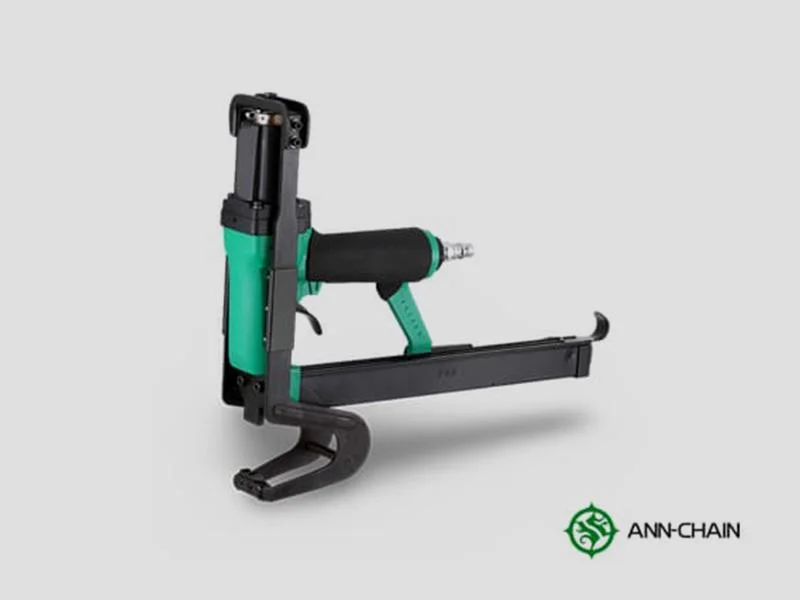
Heavy-duty pneumatic tools are specialized power tools that utilize compressed air to perform a variety of tasks. These tools are designed for high-performance applications in industrial and commercial settings, where durability and efficiency are critical. By leveraging the power of compressed air, these tools can deliver significant force and speed, making them ideal for tasks ranging from fastening and cutting to grinding and demolition.
These tools find widespread use across multiple industries, including automotive, construction, manufacturing, and maintenance. Businesses rely on heavy-duty pneumatic tools for their robustness and reliability, particularly in environments where electric tools may be impractical. The versatility of these tools allows for a range of applications, from assembly line work to heavy machinery maintenance. As industries continue to evolve, the demand for effective pneumatic solutions remains strong, highlighting their relevance in today’s market.
Key Features and Specifications
Heavy-duty pneumatic tools come equipped with various features designed to enhance performance and user safety. Understanding these specifications is essential for businesses looking to invest in reliable equipment.
Key specifications include:
1. Power Source
- Operates on compressed air
- Requires specific pressure levels for efficiency
2. Operating Pressure
- Commonly ranges from 90 to 120 PSI
- Higher pressure for demanding applications
3. Air Consumption
- Typically measured in cubic feet per minute (CFM)
- Varies based on tool type and usage
4. Weight
- Generally weighs between 2 to 10 pounds
- Lightweight models for ease of use
5. Noise Level
- Average decibel levels between 85 to 95 dB
- Compliance with noise regulations essential
6. Speed
- RPM (Revolutions Per Minute) varies by tool type
- Higher RPM for tasks requiring rapid action
7. Material Construction
- Made from high-strength alloys
- Ensures durability and longevity
8. Safety Features
- Includes safety locks and guards
- Designed to minimize user risk
These specifications are critical in ensuring that businesses select the right tools for their specific needs.
Common Applications and Use Cases
Heavy-duty pneumatic tools serve various industries, providing essential solutions tailored to specific applications.
1. Automotive: Used for tire changing, engine assembly, and bodywork, pneumatic tools enhance efficiency and precision in vehicle maintenance.
2. Construction: Tools like impact wrenches and nail guns are vital for framing and structural work, speeding up construction timelines.
3. Manufacturing: In assembly lines, pneumatic tools streamline processes, improving productivity and reducing labor costs.
4. Maintenance: Various industries utilize pneumatic tools for repair and maintenance tasks, ensuring machinery operates efficiently.
5. Aerospace: Used for fastening and precision assembly in aircraft manufacturing, these tools meet stringent quality standards.
6. Oil and Gas: Pneumatic tools are essential for drilling and maintenance of heavy machinery, ensuring effective operation in challenging environments.
7. Metal Fabrication: Tools such as grinders and sanders are crucial for metalworking tasks, providing smooth finishes and accurate cuts.
Product Variants and Subcategories
Heavy-duty pneumatic tools come in various types, each designed for specific applications and user needs.
Impact Wrenches
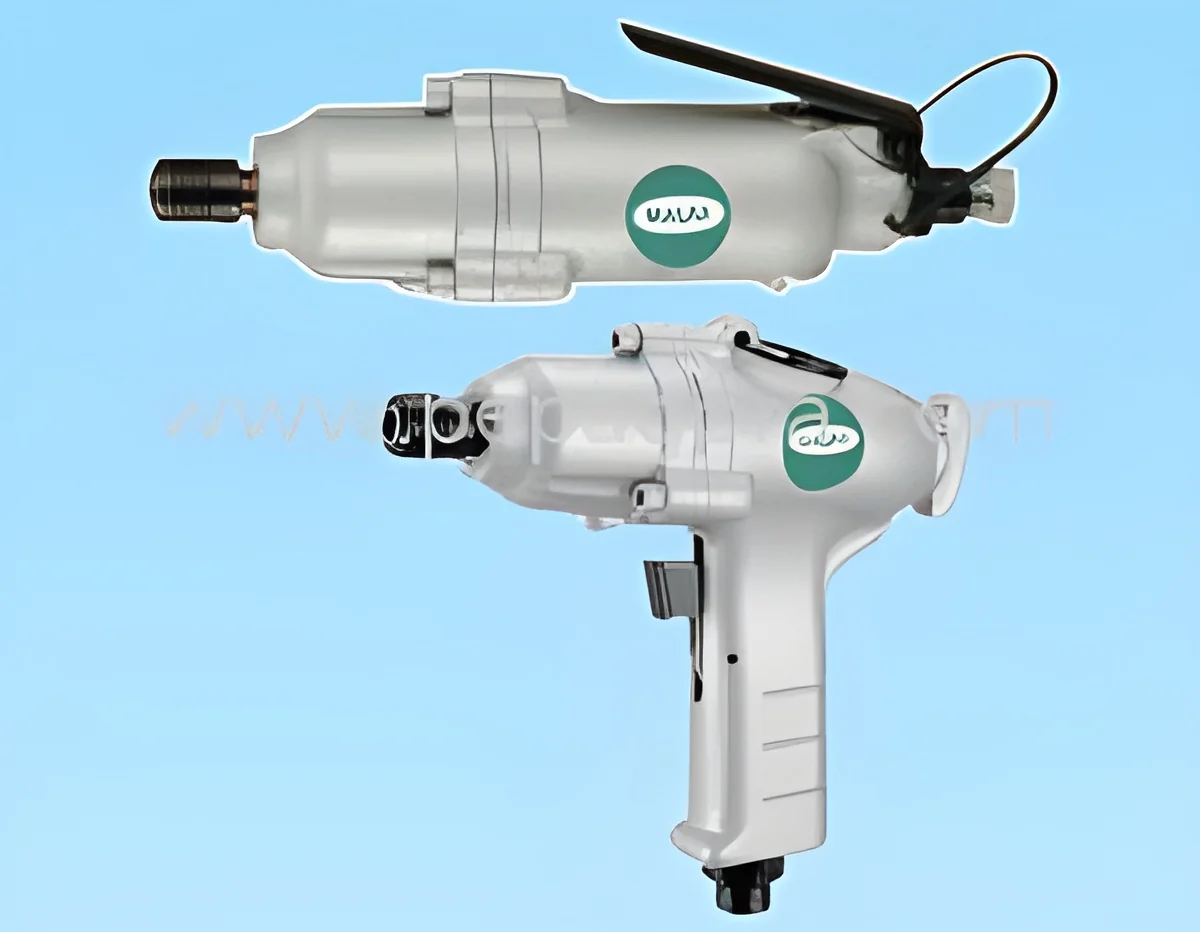
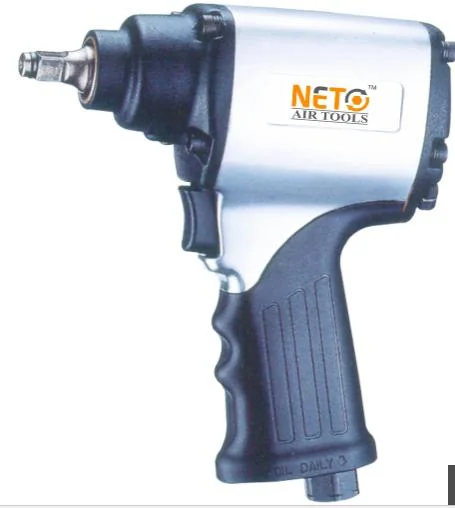
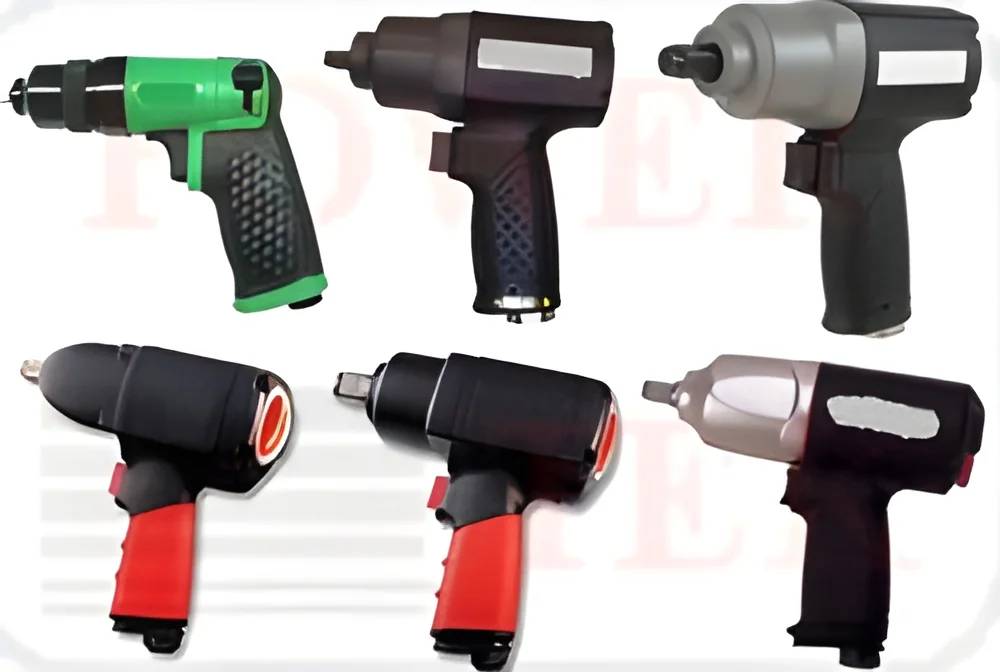
Impact wrenches are powerful tools that deliver high torque output, making them ideal for loosening or fastening nuts and bolts. They are commonly used in automotive repair and assembly.
Pneumatic Nail Guns
These guns are designed for high-speed nailing and are widely used in construction and framing applications. They reduce labor time significantly and improve accuracy.
Pneumatic Grinders
Pneumatic grinders are utilized for cutting, grinding, and polishing surfaces. They are essential for metal fabrication and maintenance tasks.
Pneumatic Sanders
These tools provide a smooth finish on surfaces, making them ideal for woodworking and metalworking applications.
Benefits and Advantages
Investing in heavy-duty pneumatic tools offers numerous benefits for businesses.
1. Enhanced Efficiency: Pneumatic tools operate faster than electric counterparts, increasing productivity in various applications.
2. Reduced Fatigue: Lightweight designs and ergonomic features minimize user fatigue, enabling longer work periods.
3. Cost-Effective: Lower energy costs associated with compressed air power can lead to significant savings over time.
4. Versatile Applications: These tools can be used across various industries, making them a flexible addition to any toolkit.
5. Durability: Built to withstand harsh environments, heavy-duty pneumatic tools typically have a longer lifespan compared to electric tools.
6. Safety Features: Many pneumatic tools come with built-in safety measures, reducing the risk of accidents during use.
Buying Guide for B2B Buyers
When sourcing heavy-duty pneumatic tools, businesses should consider several key factors to ensure they make informed purchasing decisions.
1. Quality Assessment: Evaluate the materials and construction of the tools. Look for models that meet industry standards for durability and reliability.
2. Supplier Verification: Vet potential suppliers by checking their reputation, certifications, and customer reviews. Ensure they have a history of providing quality products.
3. Pricing and MOQ: Understand the cost of tools and any minimum order quantities (MOQ) required. Compare prices across different suppliers to get the best deal.
4. Delivery and Lead Times: Inquire about the expected delivery times to ensure you can meet your operational deadlines. Consider logistics and shipping costs as well.
5. Compliance Requirements: Familiarize yourself with any regulatory compliance needed for the tools in your region. Ensure that the products meet necessary safety and operational standards.
Compliance and Certifications
Heavy-duty pneumatic tools must adhere to relevant quality standards to ensure safety and performance. ISO 9001 is a widely recognized standard that outlines quality management principles, providing a framework for manufacturers to ensure consistent quality.
In addition, many tools are certified with CE marking, indicating compliance with European safety standards. This certification is crucial for businesses operating in regulated markets, as it guarantees that the tools meet strict safety and environmental requirements.
Compliance with safety and testing requirements is also essential. Tools should undergo regular assessments to verify their safety features and operational effectiveness. Businesses should consider regional compliance requirements to ensure that their tools meet local regulations and standards.
Why Source Heavy-Duty Pneumatic Tools from Pepagora?
Pepagora provides a trusted platform for sourcing heavy-duty pneumatic tools, boasting several key advantages for buyers.
Verified Supplier Network: Pepagora has established a robust network of verified suppliers, ensuring that businesses can find high-quality products from reliable sources. This reduces the risk of purchasing substandard tools.
Streamlined RFQ Process: The request for quotation (RFQ) process on Pepagora is designed to be user-friendly, allowing buyers to efficiently gather quotes from multiple suppliers. This expedites the decision-making process.
Trade Assurance and Support: Pepagora offers trade assurance, providing buyers with protection against potential issues. Support services are also available to assist buyers throughout their purchasing journey.
Regional Coverage: With extensive geographic reach in India, the Gulf Cooperation Council (GCC), and Southeast Asia, Pepagora connects buyers with suppliers across these regions. This ensures access to a wide variety of pneumatic tools tailored to local market needs.

 IN
IN