
 IN
Girls' Skirts
27 products available
What are Girls' Skirts?
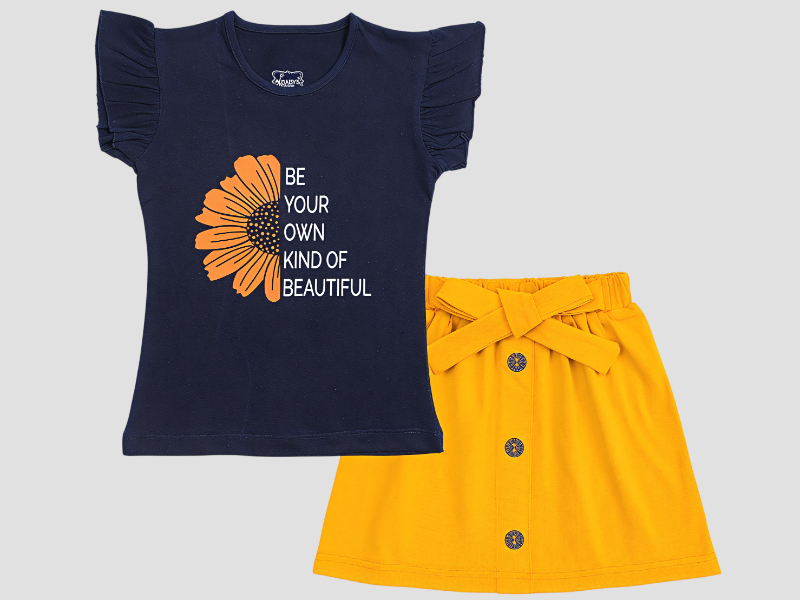
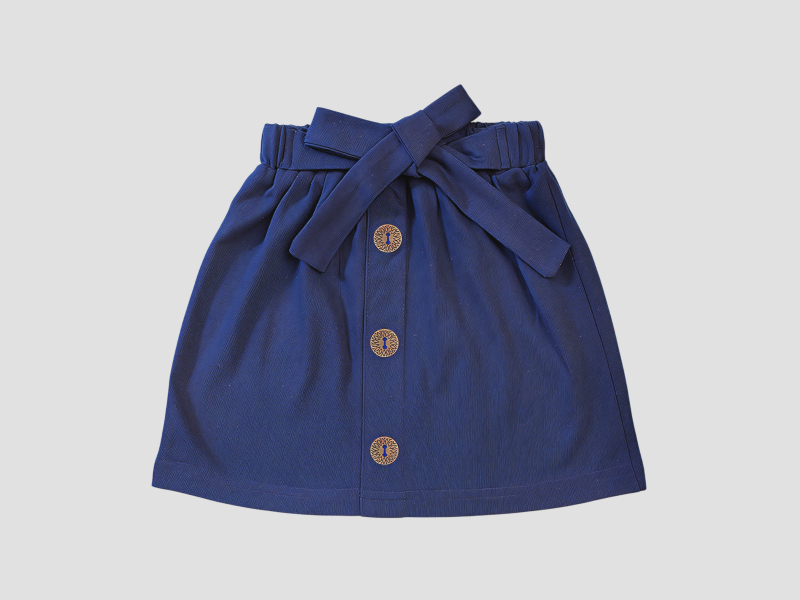
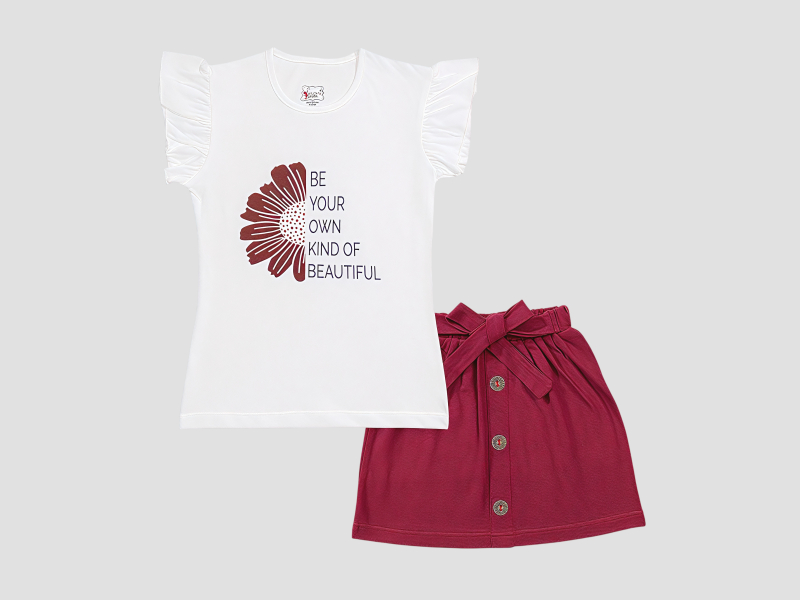
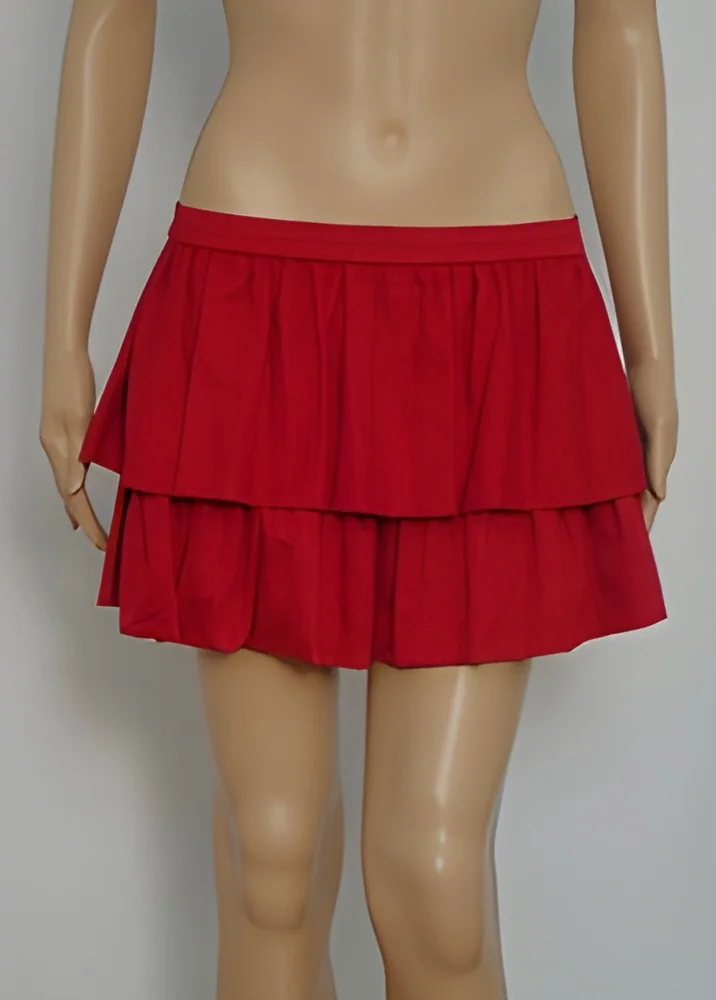
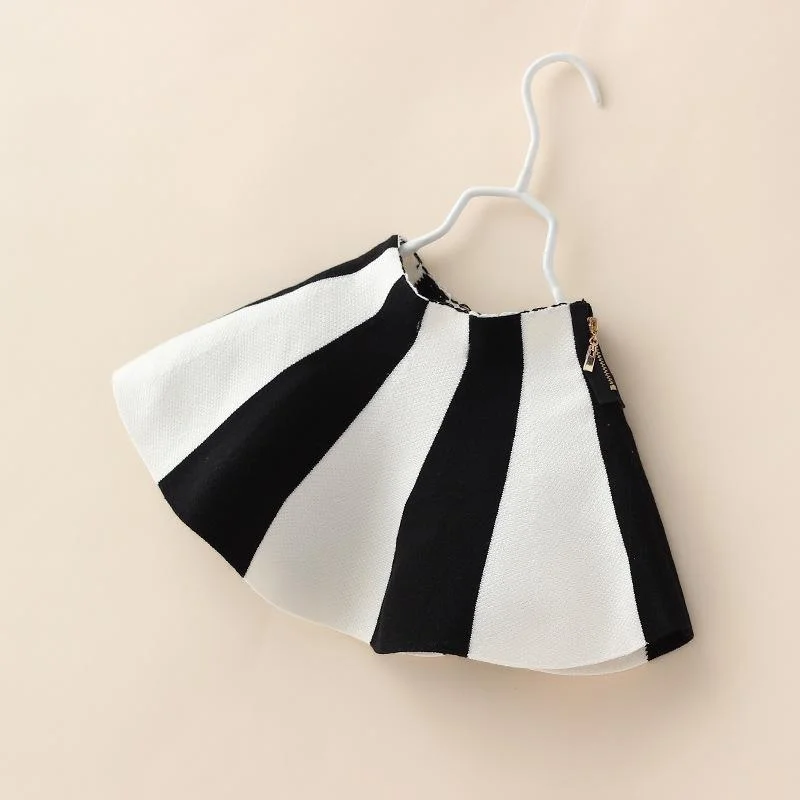
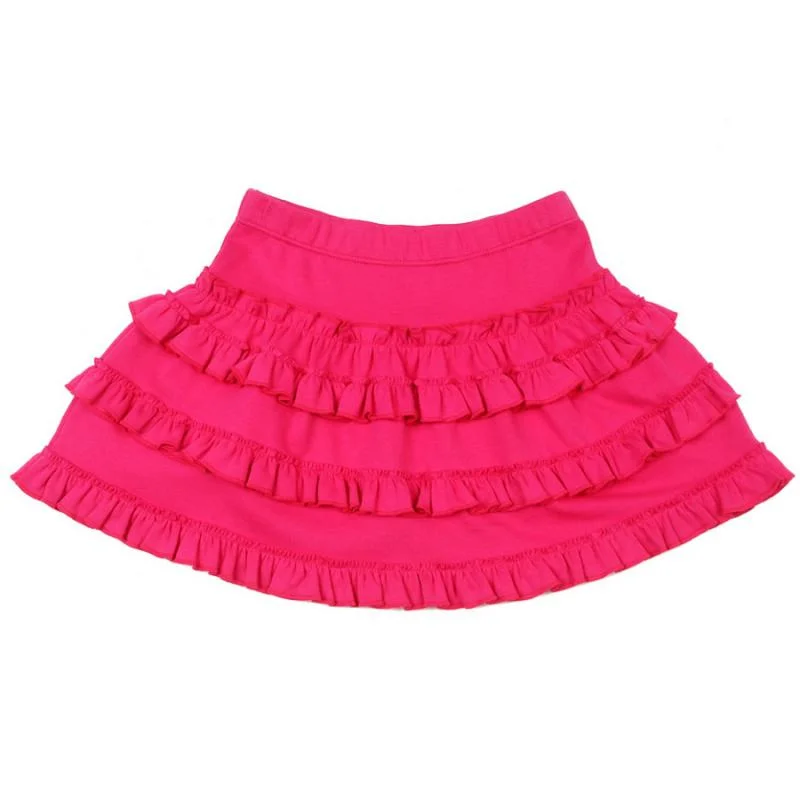
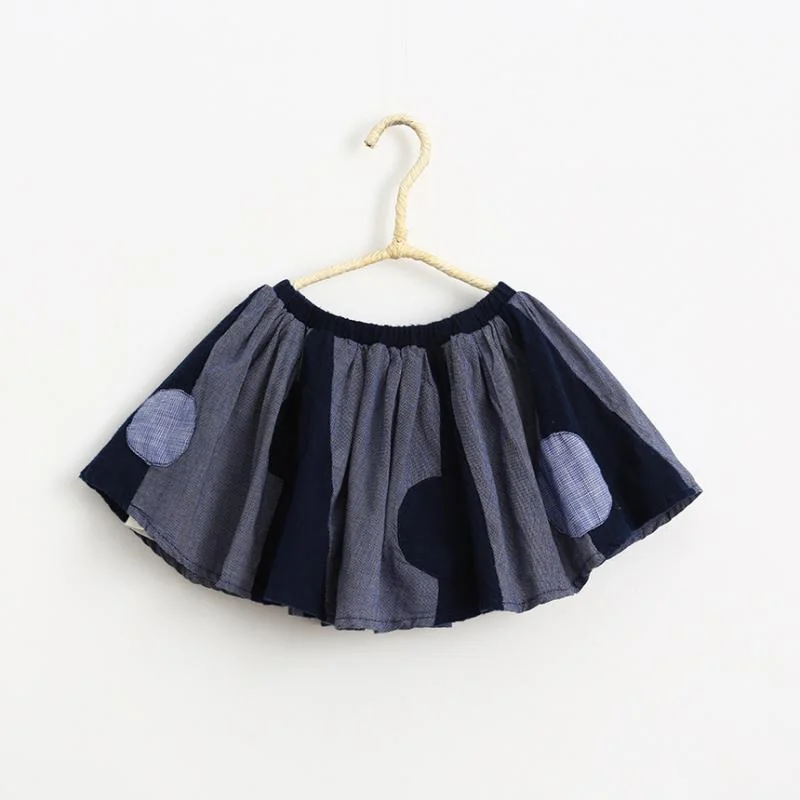
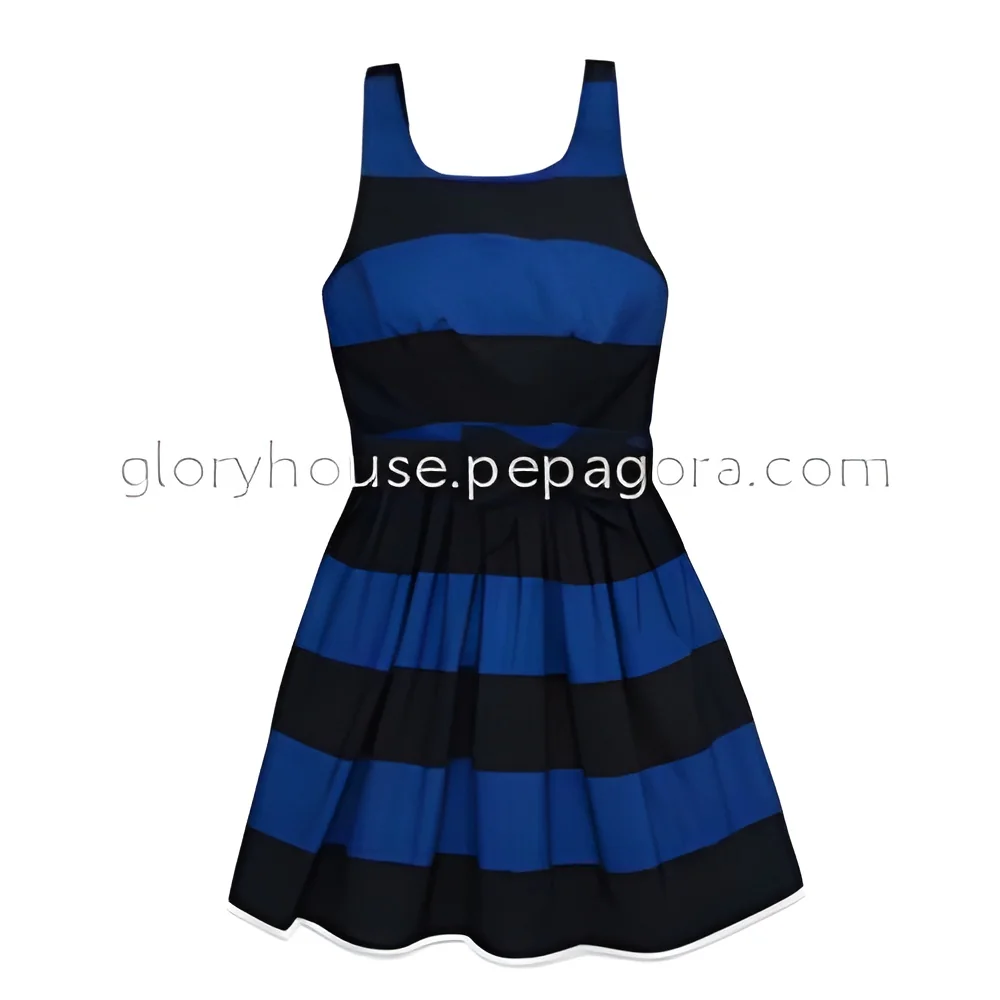
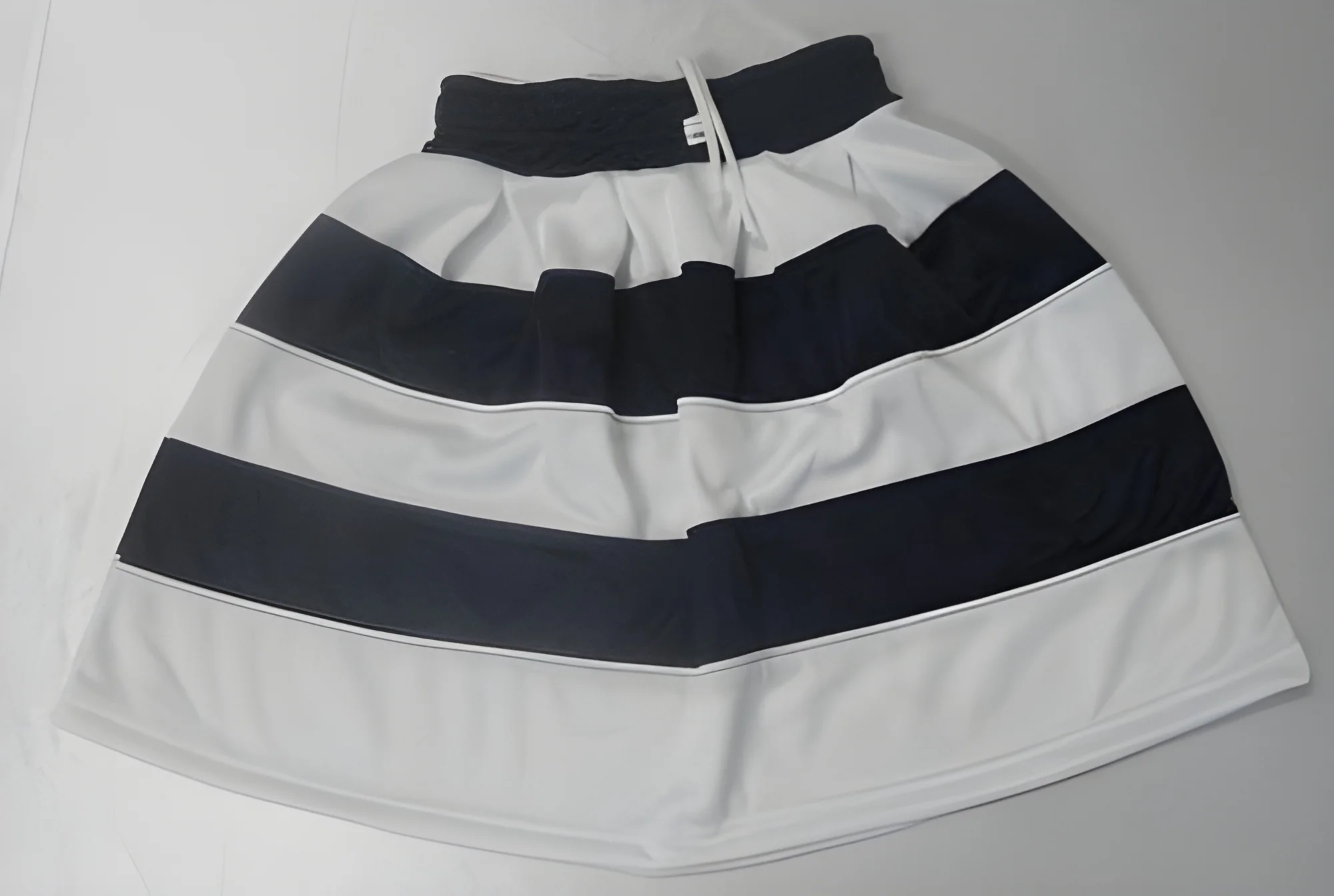
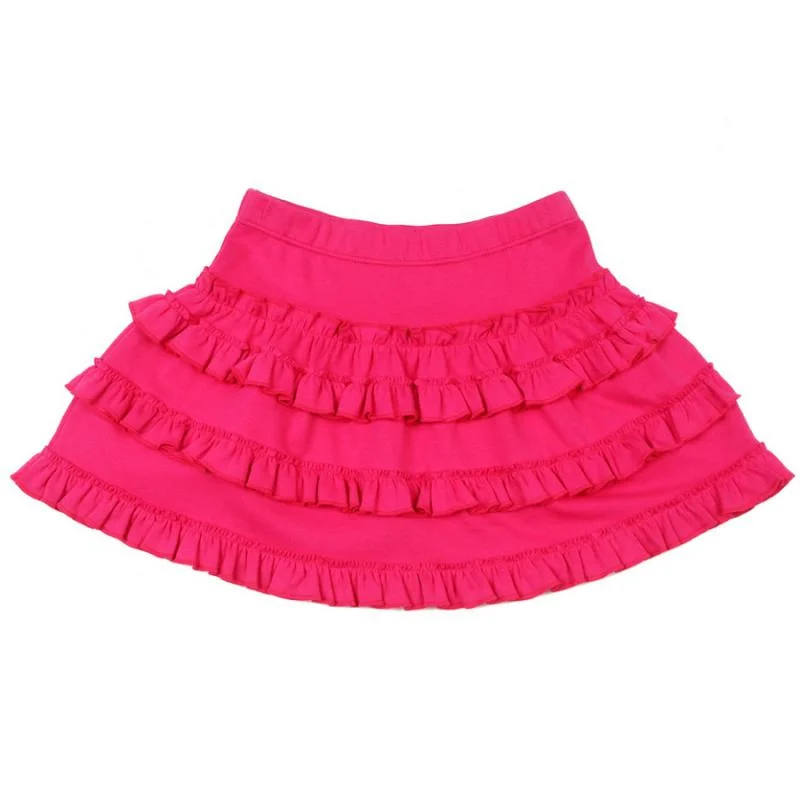
Girls' skirts are versatile garments designed specifically for young females, providing a balance of style and comfort. They come in various styles, lengths, and materials, catering to different tastes and occasions. Skirts are often made from fabrics such as cotton, polyester, and blends, allowing for breathability and ease of movement. The design can range from casual to formal, making them suitable for diverse settings including schools, parties, and everyday wear.
Primarily, girls' skirts are used in the fashion industry for children's clothing. They serve as essential items in wardrobes, allowing for creative expression and style preferences among young girls. Businesses in retail, e-commerce, and clothing manufacturing frequently incorporate skirts into their offerings, ensuring a range of options for consumers. The market for girls' skirts is significant, reflecting trends in children's fashion and the growing demand for quality apparel that meets both aesthetic and functional needs.
The relevance of girls' skirts in the industry is underscored by their continuous evolution, adapting to changing fashion trends and consumer preferences. This product category plays a critical role in the children's clothing segment, making it a vital consideration for retailers and manufacturers targeting young customers.
Key Features and Specifications
Girls' skirts are characterized by a range of features that enhance their appeal and usability. These specifications are crucial for retailers and manufacturers to understand when sourcing or producing these garments.
Key specifications include:
1. Fabric Composition
- Usually made from cotton, polyester, or blends.
- Provides comfort, durability, and ease of care.
2. Length Options
- Available in mini, knee-length, and maxi styles.
- Offers versatility for different occasions and preferences.
3. Waistband Types
- Elastic, banded, or adjustable waistbands.
- Ensures a comfortable fit for various body types.
4. Design Variations
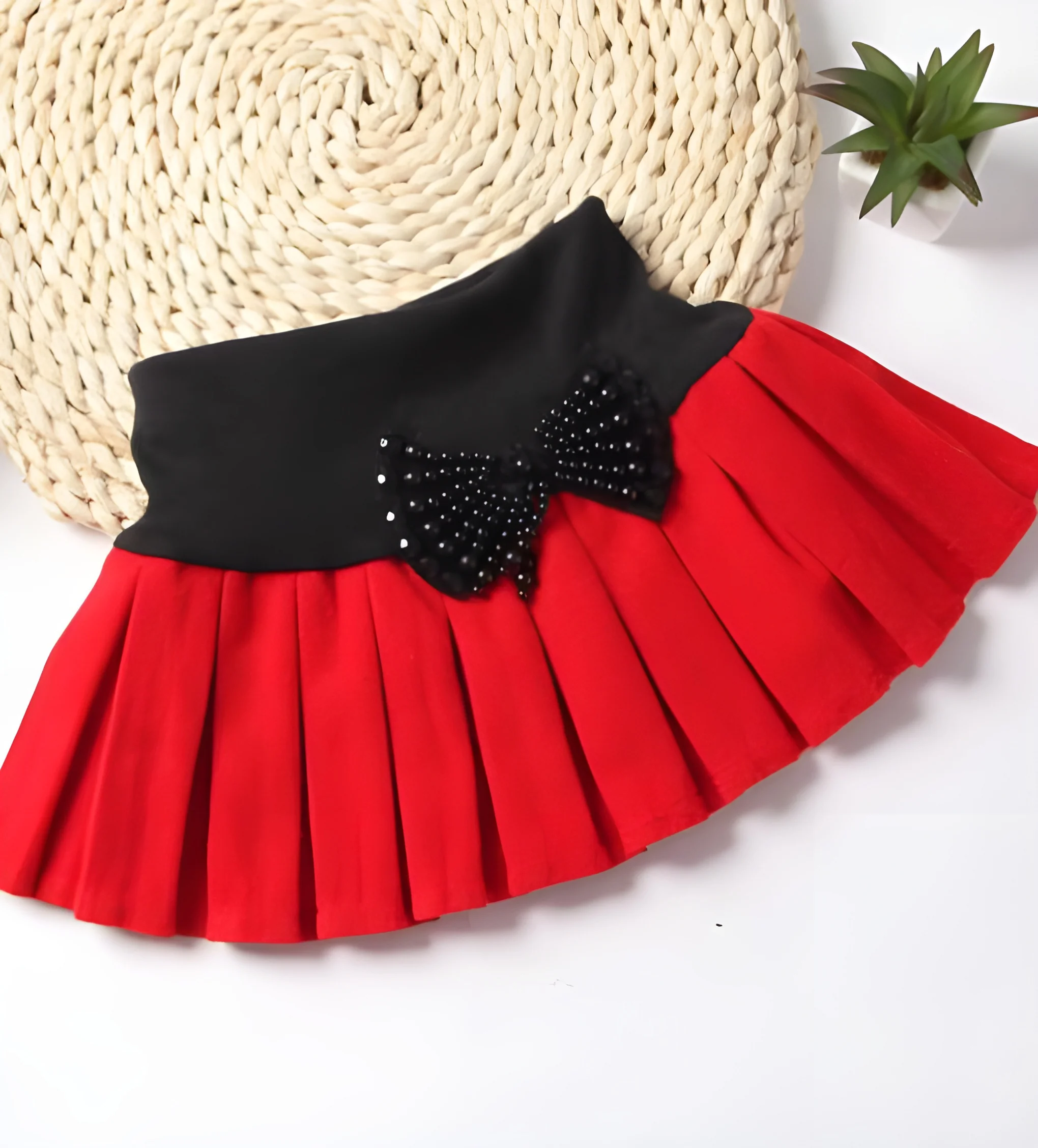
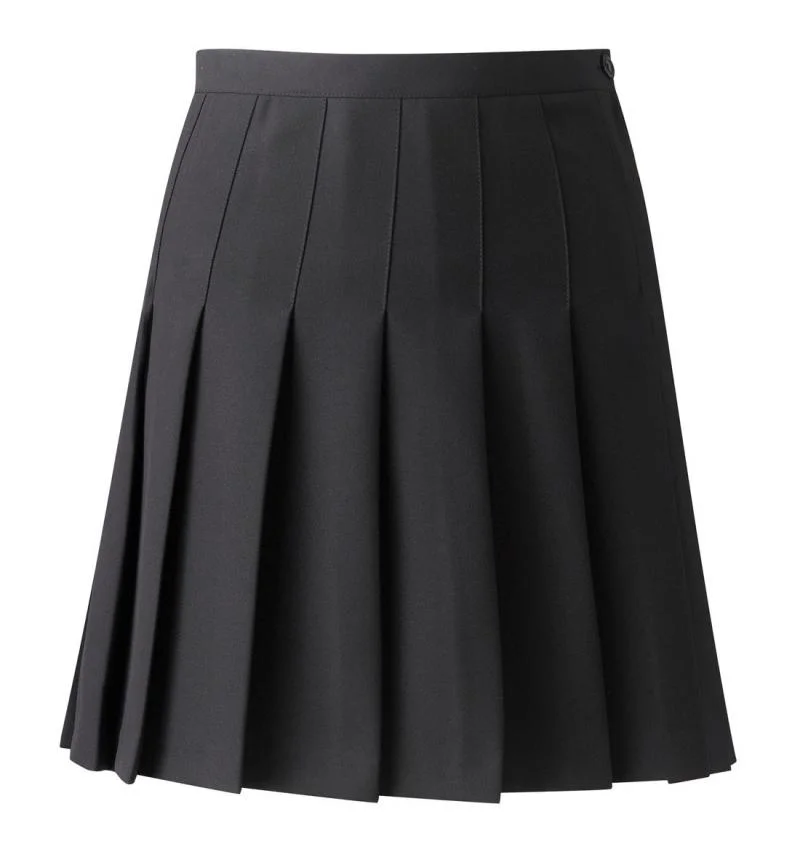
- Includes pleated, A-line, and straight styles.
- Allows for a variety of fashion statements.
5. Color and Pattern Choices
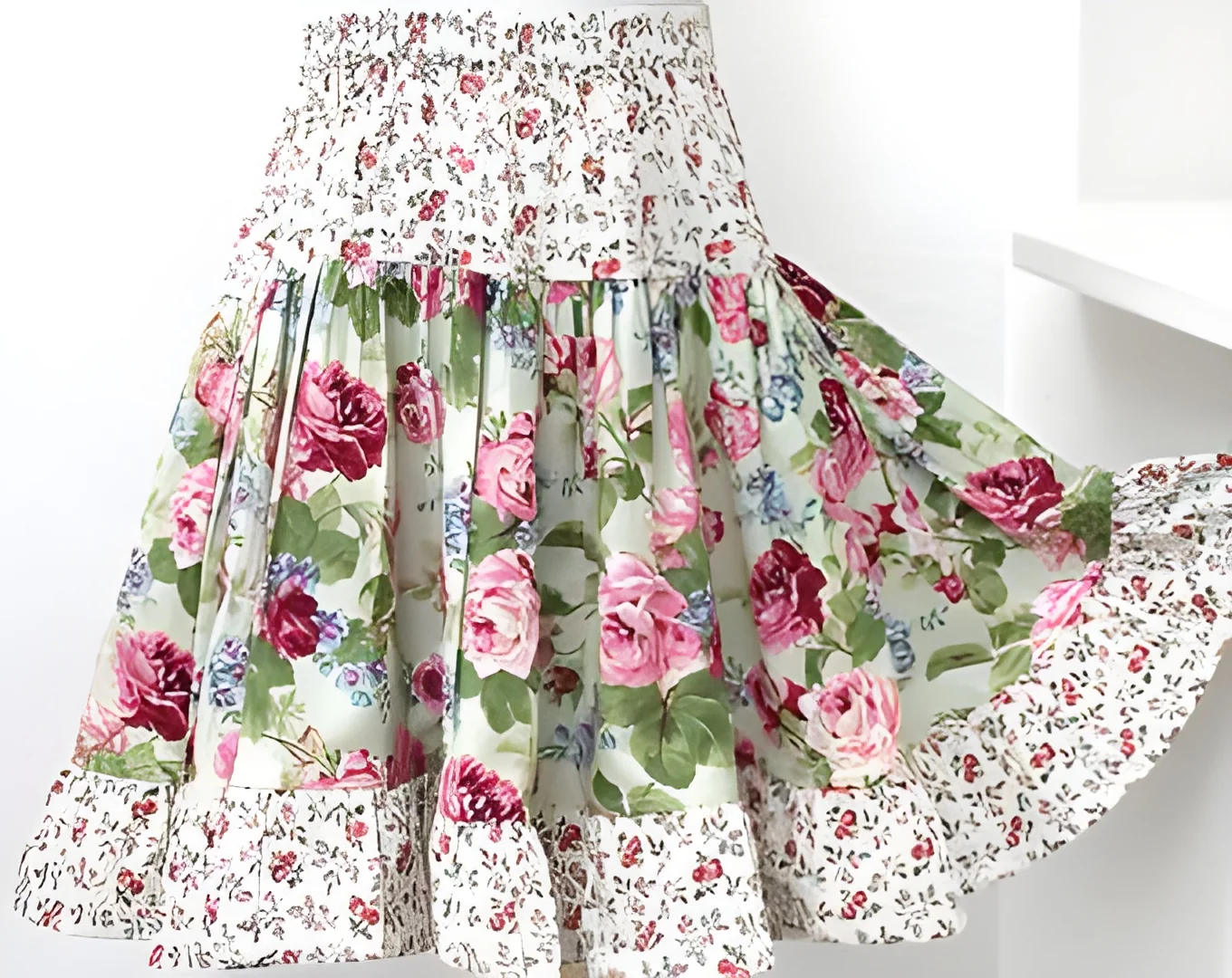
- Available in solid colors, prints, and patterns.
- Supports individual style preferences and trends.
6. Age Range Suitability
- Designed for different age groups, typically from toddlers to pre-teens.
- Ensures appropriate sizing and style for each developmental stage.
7. Care Instructions
- Generally machine washable and easy to maintain.
- Enhances usability for parents and caregivers.
In summary, understanding these key features and specifications is essential for businesses looking to offer girls' skirts that meet consumer expectations and market demands.
Common Applications and Use Cases
Girls' skirts are utilized across various industries, each with specific applications that highlight their versatility.
1. Retail Apparel: Many retail stores stock girls' skirts as staple items, appealing to parents looking for stylish and comfortable clothing for their children.
2. School Uniforms: Certain educational institutions incorporate skirts into their uniform policies, offering a practical and fashionable option for students.
3. Event Wear: Skirts are popular choices for special occasions such as birthdays, parties, and family gatherings, providing a dressy yet comfortable option for young girls.
4. Sports and Activities: Some skirts are designed for active wear, suitable for sports and outdoor activities, combining functionality with style.
5. E-commerce Platforms: Online retailers often feature girls' skirts as part of their children's fashion lines, catering to a broader audience.
6. Custom Clothing: Businesses offering customized clothing may create skirts tailored to specific preferences, enhancing individuality and uniqueness.
7. Charity and Donation Drives: Organizations may distribute skirts to underprivileged children, promoting fashion accessibility and support.
Product Variants and Subcategories
Girls' skirts are available in a variety of styles and designs, catering to different markets and preferences.
Casual Skirts
These are typically made from lightweight fabrics and include styles such as denim or cotton. They are ideal for everyday wear, offering comfort and flexibility for active play.
Formal Skirts
Designed for special occasions, formal skirts often feature elegant fabrics and tailored designs. They are suitable for events like weddings, parties, or school functions.
Sporty Skirts
These skirts often come with built-in shorts or are made from moisture-wicking materials. They are designed for young girls who participate in sports or outdoor activities.
Seasonal Skirts
These skirts are designed with specific seasons in mind, such as light, airy fabrics for summer or layered options for winter. They adapt to seasonal trends while providing comfort.
Benefits and Advantages
Girls' skirts offer several advantages that make them appealing to both consumers and retailers.
1. Versatility: Skirts can be dressed up or down, making them suitable for various occasions, from casual outings to formal events.
2. Comfort: With options for elastic waistbands and breathable fabrics, skirts provide ease of movement for young girls.
3. Style Variety: The wide range of designs, colors, and patterns allows for personal expression and caters to different style preferences.
4. Easy Maintenance: Most skirts are machine washable and durable, making them practical for parents managing children's clothing.
5. Trend Adaptability: Skirts can quickly adapt to changing fashion trends, allowing retailers to update inventory with minimal effort.
6. Affordability: Girls' skirts can be cost-effective, offering stylish options without significant investment, appealing to budget-conscious consumers.
Buying Guide for B2B Buyers
When sourcing girls' skirts, businesses should consider several critical factors to ensure they make informed purchasing decisions.
1. Quality Assessment: Evaluate fabric quality, stitching, and overall craftsmanship. High-quality skirts will withstand wear and maintain their appearance over time.
2. Supplier Verification: Vet potential suppliers to ensure they have a good reputation and reliable production capabilities. This may include checking reviews and requesting samples.
3. Pricing and MOQ: Understand the pricing structure and minimum order quantities. This helps in budgeting and ensures that the purchase aligns with business needs.
4. Delivery and Lead Times: Consider logistics and shipping times when planning inventory. Reliable suppliers will provide clear timelines for order fulfillment.
5. Compliance Requirements: Be aware of any regulatory needs related to children's clothing, such as safety standards and labeling requirements.
Compliance and Certifications
Compliance with relevant quality standards and certifications is crucial for manufacturers and suppliers in the girls' skirts market.
Quality standards such as ISO 9001 ensure that products meet international quality management criteria. This certification indicates a commitment to quality processes and continuous improvement.
Industry certifications, such as CE marking, signify compliance with European safety standards, ensuring that products are safe for consumer use.
Safety and testing requirements may include assessments for harmful substances in fabrics, ensuring that skirts are safe for children.
Additionally, regional compliance considerations should be taken into account, as different markets may have specific regulations regarding children's clothing.
Why Source Girls' Skirts from Pepagora?
Pepagora offers a trusted platform for sourcing girls' skirts, providing several key advantages to B2B buyers.
Verified Supplier Network: Pepagora features a network of suppliers who have been thoroughly vetted for quality and reliability. This ensures that buyers receive products that meet their standards.
Streamlined RFQ Process: The request for quotation process is efficient, allowing buyers to easily compare offers from multiple suppliers. This saves time and helps businesses make informed purchasing decisions.
Trade Assurance and Support: Pepagora provides trade assurance, offering buyers protection against potential issues with orders. This support builds trust and fosters long-term business relationships.
Regional Coverage: With a presence in India, the GCC, and Southeast Asia, Pepagora facilitates access to a wide range of suppliers and products. This geographic reach allows buyers to tap into diverse markets and sourcing options.
In conclusion, sourcing girls' skirts from Pepagora can enhance the purchasing experience, ensuring quality products and reliable supplier relationships.


 India

 India
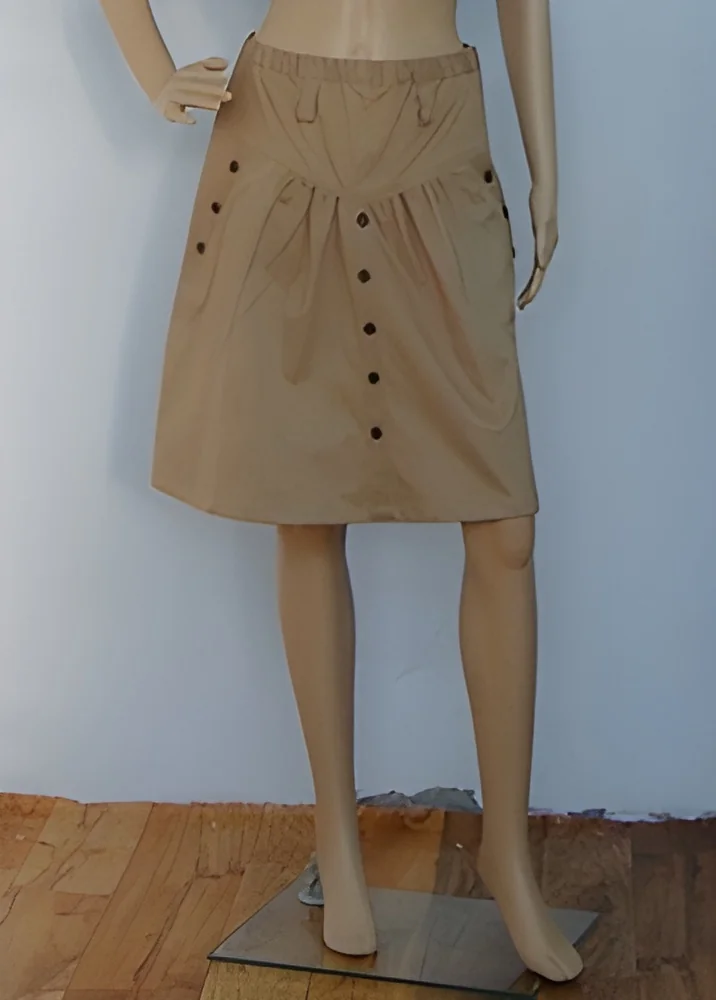
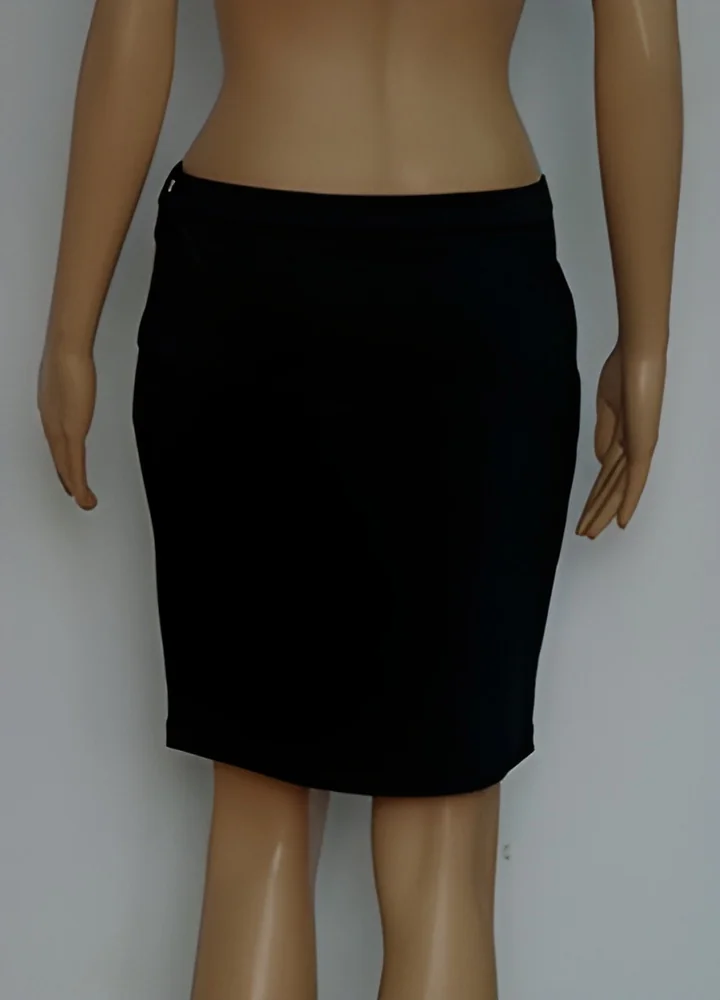 India
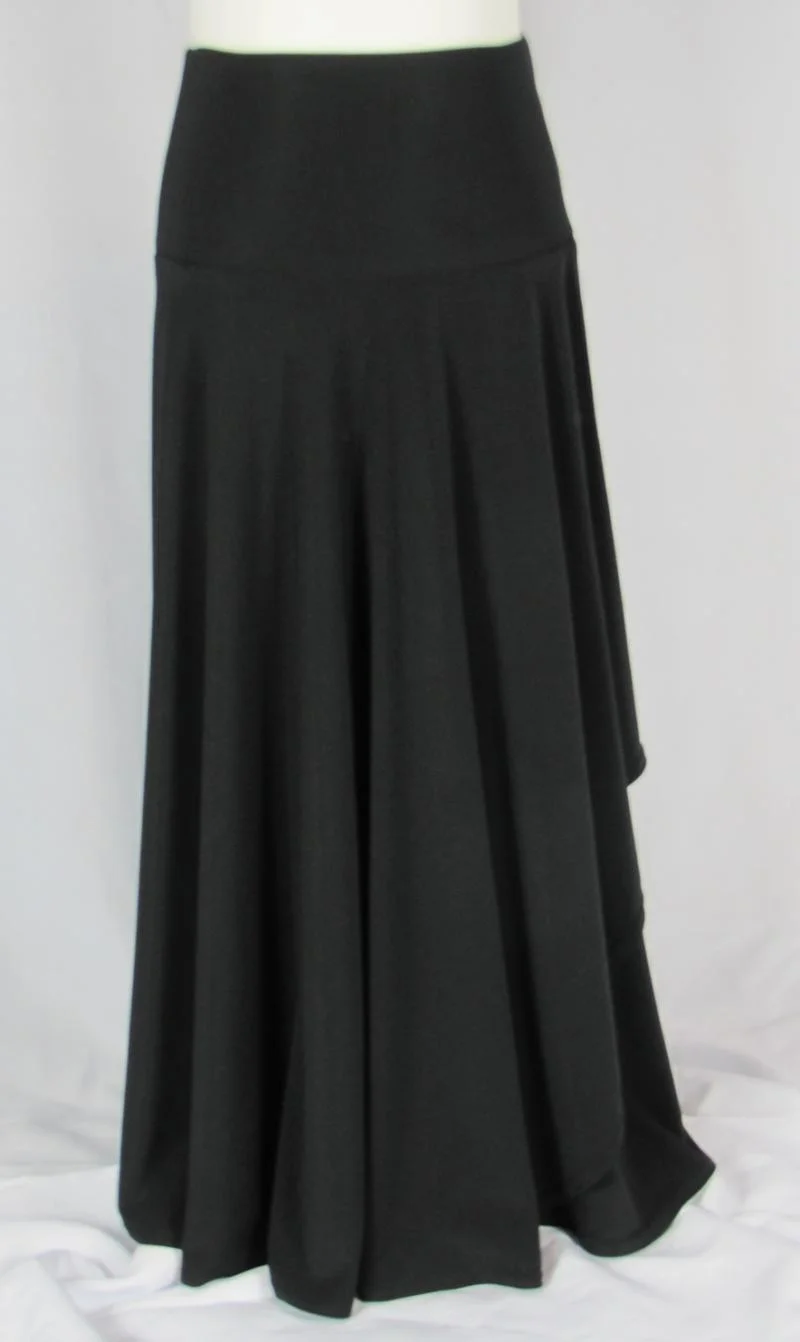
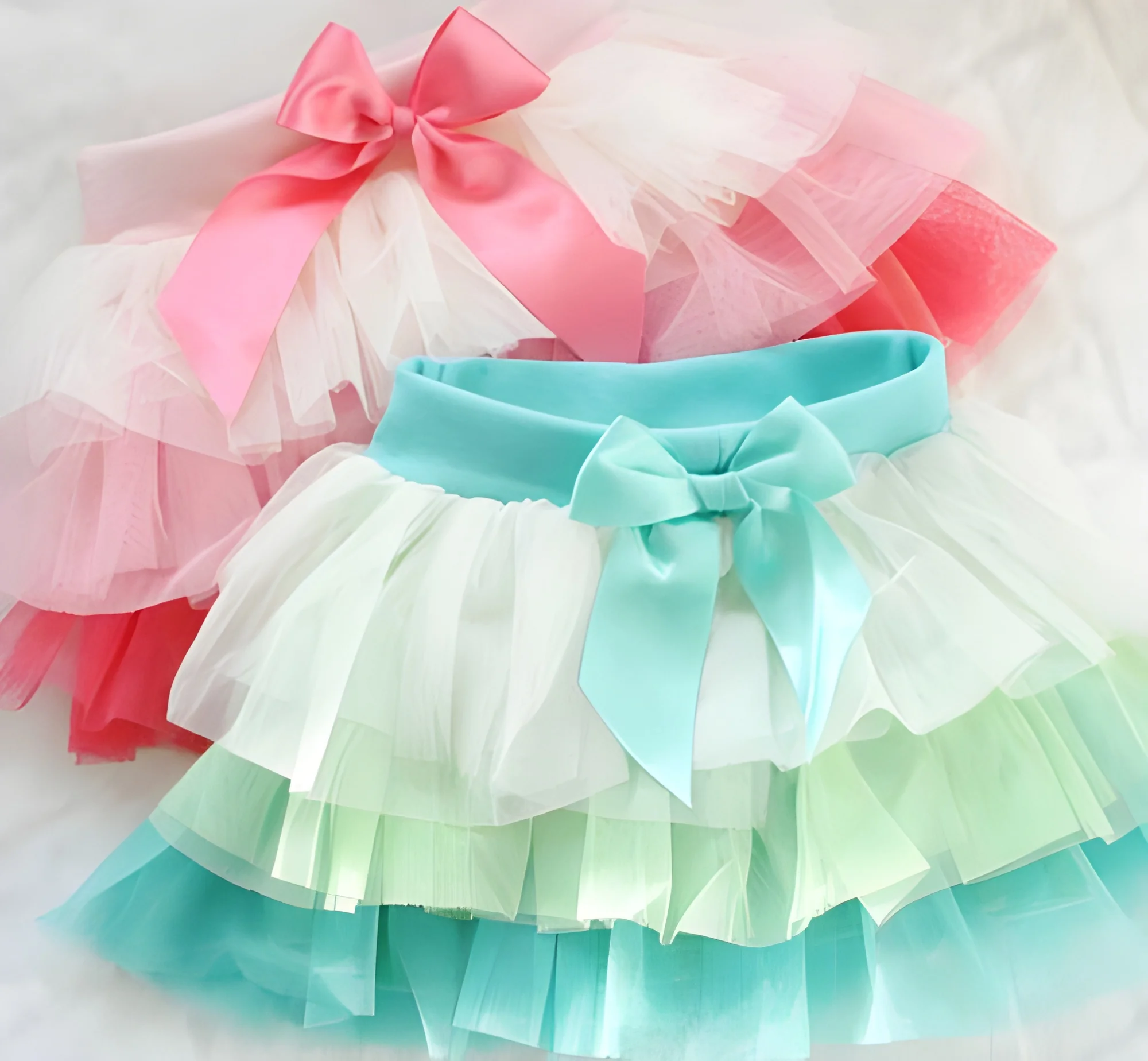
 India
 India
 India




Frequently Asked Questions
What are Girls' Skirts?
Girls' skirts are versatile garments designed for young females, available in various styles, lengths, and fabrics. They can be worn for casual, formal, or school occasions, making them a staple in girls' wardrobes.
What are the different types of Girls' Skirts?
There are several types of girls' skirts, including A-line skirts, pleated skirts, denim skirts, and maxi skirts. Each type offers unique styles and fits, catering to different preferences and occasions.
How do I choose the right Girls' Skirts?
To choose the right girls' skirts, consider factors such as size, style, material, and occasion. It's also important to think about the comfort and ease of wear for the child, as well as any specific preferences they may have.
What are the standard specifications for Girls' Skirts?
Standard specifications for girls' skirts typically include measurements for waist, length, and hip circumference. Additionally, the fabric type and care instructions are important specifications to consider.
What is the price range for Girls' Skirts?
The price range for girls' skirts can vary widely depending on factors such as brand, material, and design. Generally, you can expect prices to range from INR 300 to INR 2000 or more.
What quality standards apply to Girls' Skirts?
Quality standards for girls' skirts typically include durability, fabric safety (such as being free from harmful chemicals), and adherence to size specifications. Manufacturers often follow local and international safety standards to ensure product quality.
Where can I find Girls' Skirts suppliers in India?
You can find girls' skirts suppliers in India through various channels such as online B2B marketplaces, trade shows, and industry directories. Websites like Pepagora are also a good resource to connect with reliable suppliers.
Can Girls' Skirts be customized?
Yes, many manufacturers offer customization options for girls' skirts. This may include choosing specific colors, fabrics, and sizes to meet the buyer's requirements.
What is the typical minimum order quantity for Girls' Skirts?
The typical minimum order quantity (MOQ) for girls' skirts can vary by supplier, but it often ranges from 50 to 100 pieces. It's advisable to check with individual suppliers for their specific MOQ policies.
What is the typical lead time for Girls' Skirts?
The typical lead time for girls' skirts varies depending on factors such as order size and customization. Generally, it can range from 2 to 6 weeks for standard orders.
Why Businesses Trust Pepagora
Thousands of companies trust Pepagora to source smarter and sell faster
Expand Your Sales Globally

Source Smarter,Grow Faster
