
 IN
Girls' Dresses
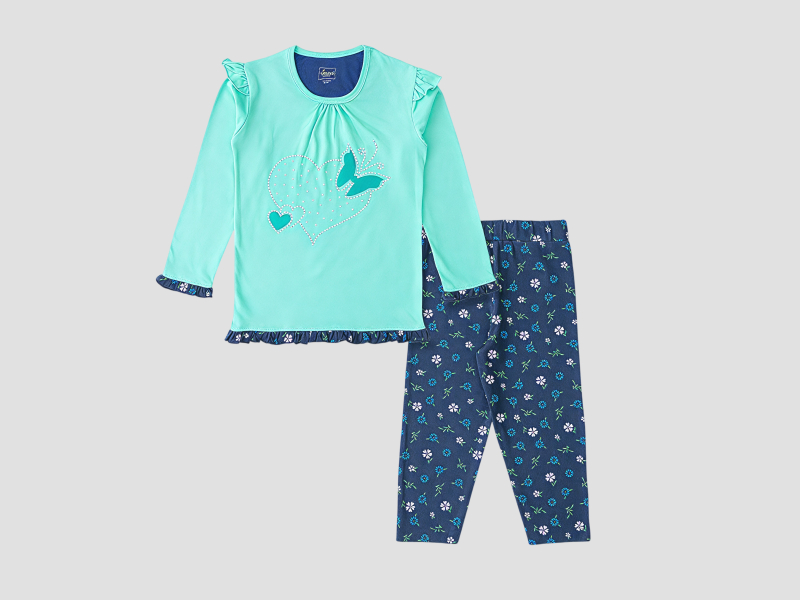
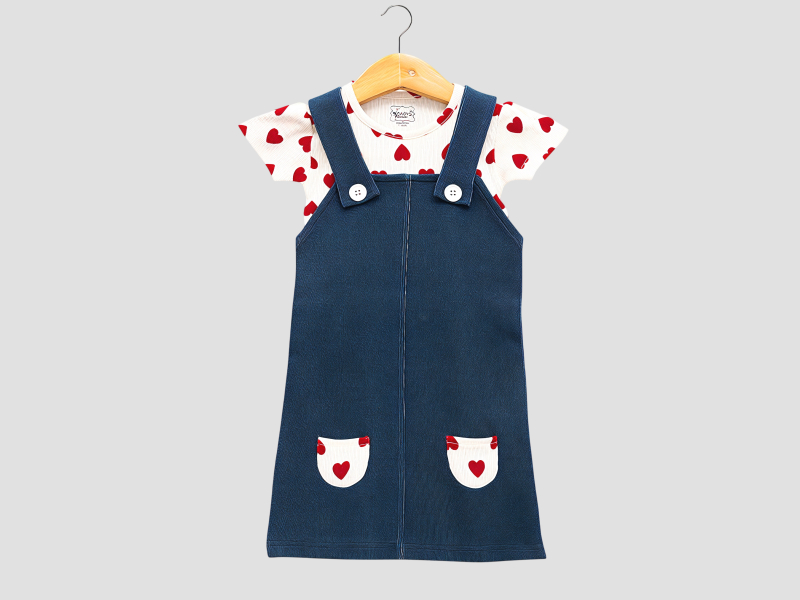
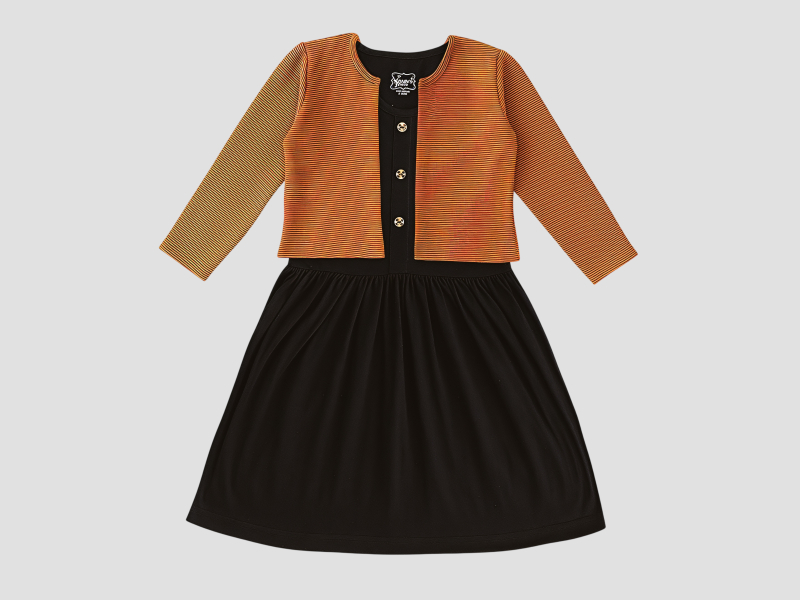
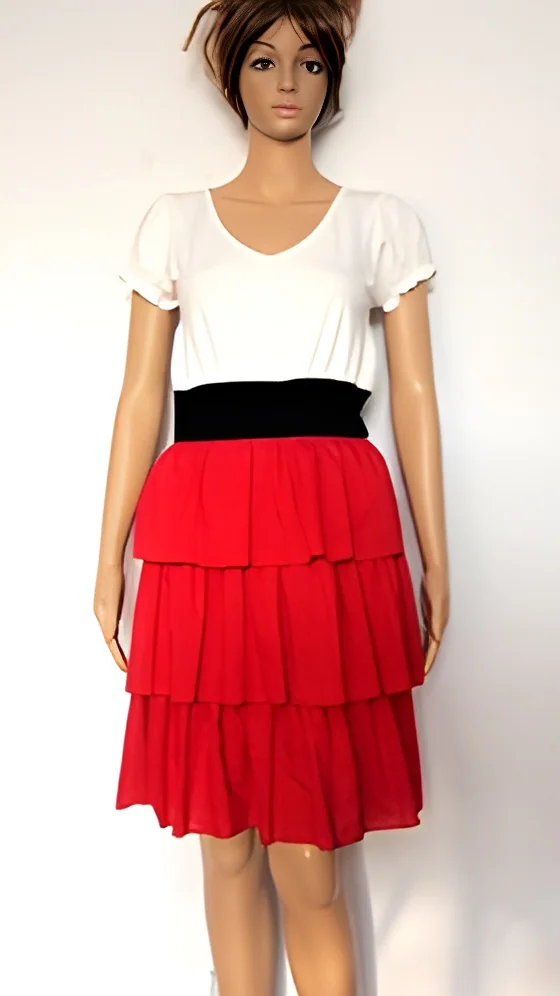
9 products available
What are Girls' Dresses?
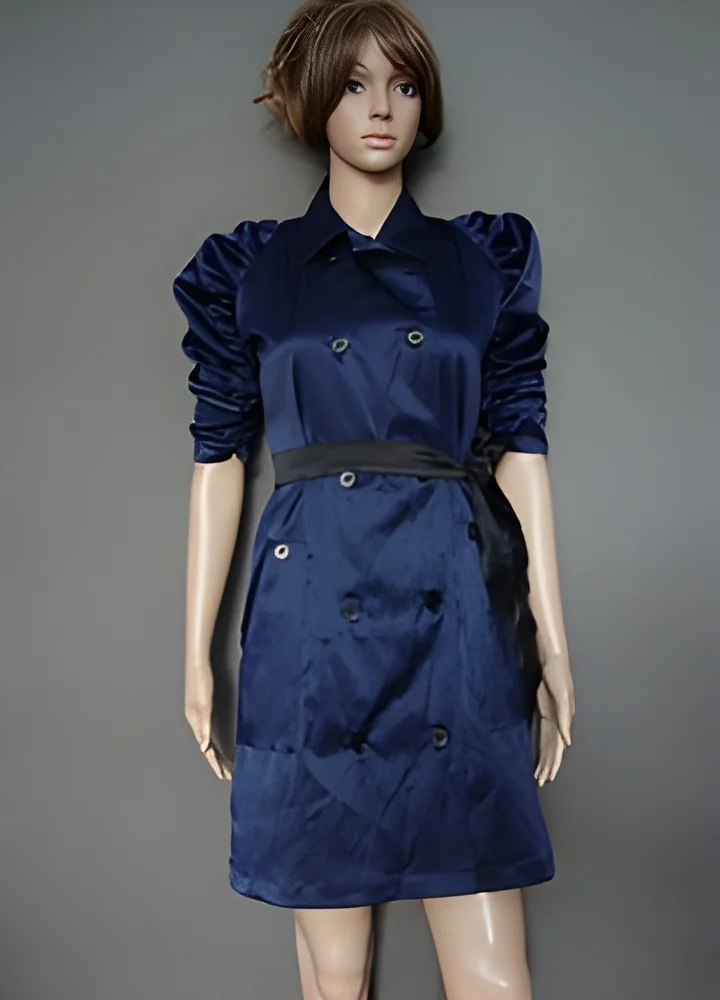
Girls' dresses are garments specifically designed for young females, typically ranging from infants to teenagers. These dresses come in various styles, colors, and fabrics, catering to different occasions and preferences. Commonly made from materials such as cotton, polyester, and blends, girls' dresses are tailored to provide comfort and functionality while appealing to the aesthetic tastes of children and their guardians.
These dresses are primarily used in various settings such as casual wear, formal events, and school uniforms. They can be found in children's clothing stores, department stores, and online platforms. The versatility of girls' dresses makes them a staple in the wardrobe of young girls, serving purposes from everyday wear to special occasions like birthdays and holidays. In an industry context, the market for girls' dresses is continually evolving, influenced by fashion trends and consumer preferences, making it a significant segment in the children's apparel market.
Key Features and Specifications
Girls' dresses are characterized by a range of features and specifications that enhance their appeal and functionality. These specifications help buyers understand the quality and suitability of the dresses for various occasions.
Key specifications include:
1. Fabric Type
- Common materials include cotton, polyester, and blends
- Breathable and comfortable for all-day wear
2. Size Range
- Available in various sizes to accommodate different age groups
- Typically includes sizes from newborn to teenage
3. Design Styles
- A variety of styles such as A-line, fit-and-flare, and maxi dresses
- Options for embellishments like sequins, embroidery, and prints
4. Closure Types
- Features such as zippers, buttons, or elastic waistbands for ease of wear
- Ensures a secure fit and easy dressing
5. Care Instructions
- Machine washable or hand wash options depending on fabric
- Guidelines for maintaining color and fabric integrity
6. Color Variations
- Wide range of colors, from pastels to bold hues
- Seasonal collections often introduce new color trends
7. Seasonal Adaptability
- Styles available for different seasons, including summer and winter dresses
- Consideration for layering and outdoor activities
8. Safety Features
- Non-toxic materials and secure fastenings to ensure child safety
- Compliance with safety regulations for children's clothing
In summary, understanding the key features and specifications of girls' dresses helps buyers select products that meet their quality expectations and customer needs.
Common Applications and Use Cases
Girls' dresses find applications across various industries, catering to different market segments.
1. Retail Clothing: Girls' dresses are a mainstay in children's clothing stores, appealing to parents looking for stylish and comfortable garments for their children.
2. School Uniforms: Many educational institutions have dress codes that include dresses as part of their uniforms, providing a formal yet comfortable option for students.
3. Event Planning: Dress rental services and boutiques often carry a selection of girls' dresses for special occasions like weddings, birthday parties, and family gatherings.
4. E-commerce: Online platforms have expanded access to a wider variety of styles and sizes, allowing parents to shop conveniently for girls' dresses.
5. Fashion Shows: Designers often showcase their latest collections of girls' dresses in fashion shows, influencing trends and consumer preferences.
6. Charitable Organizations: Nonprofits may provide girls' dresses to families in need, ensuring that all children have access to suitable clothing.
7. Costume and Theatrical Productions: Theatrical groups require dresses for performances, often sourcing unique styles for character portrayals.
Product Variants and Subcategories
Girls' dresses come in a variety of styles and designs, allowing for a diverse selection tailored to different occasions.
Casual Dresses: These dresses are designed for everyday wear, featuring comfortable fabrics and playful designs. They are perfect for playdates, school, or casual outings.
Formal Dresses: Formal dresses are suitable for special occasions such as weddings, parties, and ceremonies. They often feature elegant designs, embellishments, and high-quality fabrics.
Party Dresses: Party dresses are typically colorful and fun, designed to stand out at celebrations. They may include ruffles, sequins, or unique prints to attract attention.
Summer Dresses: Lightweight and breathable, summer dresses are ideal for warm weather, often featuring bright colors and floral patterns.
Winter Dresses: Made from heavier fabrics, winter dresses provide warmth and style during colder months. They may include long sleeves and layering options.
Benefits and Advantages
Investing in girls' dresses offers several advantages for retailers and buyers.
1. Versatility: Girls' dresses can be worn for various occasions, making them a practical addition to any child's wardrobe.
2. Comfort: Many dresses are made from soft, breathable fabrics, ensuring that children remain comfortable throughout the day.
3. Style Variety: The wide range of styles available allows parents to find dresses that suit their children's personalities and preferences.
4. Easy Maintenance: Many girls' dresses are machine washable, making them easy to care for and maintain.
5. Seasonal Options: Dress collections often change with the seasons, providing fresh and trendy options year-round.
6. Potential for Customization: Some manufacturers offer customization options, allowing for unique designs that appeal to specific customer needs.
Buying Guide for B2B Buyers
When sourcing girls' dresses, businesses should consider several key factors to ensure a successful purchase.
1. Quality Assessment: Buyers should evaluate the quality of fabrics and stitching to ensure durability and comfort. Requesting samples can help in this evaluation.
2. Supplier Verification: It is essential to vet suppliers by checking their reputation, certifications, and past client reviews to ensure reliability.
3. Pricing and MOQ: Understanding the pricing structure and minimum order quantities can help businesses manage their budgets effectively.
4. Delivery and Lead Times: Timely delivery is crucial for maintaining inventory levels. Buyers should inquire about lead times and shipping options.
5. Compliance Requirements: Familiarity with safety regulations and certifications, such as CE, ensures that the dresses meet industry standards.
Compliance and Certifications
Compliance and certifications play a vital role in the quality assurance of girls' dresses. Recognizing and adhering to relevant quality standards is essential for manufacturers and suppliers.
ISO 9001 is a standard that specifies requirements for a quality management system, ensuring that products meet customer and regulatory requirements. This standard helps businesses maintain a consistent level of quality in production.
CE certification indicates that a product meets European safety, health, and environmental protection standards. For girls' dresses, this certification assures buyers that the garments are safe for children.
Safety and testing requirements are crucial in the children's apparel industry. Products must undergo testing to ensure they are free from harmful substances and meet safety guidelines.
Regional compliance considerations may vary, so businesses must stay informed about local regulations and standards in their target markets to ensure their products meet necessary requirements.
Why Source Girls' Dresses from Pepagora?
Pepagora offers a reliable platform for sourcing girls' dresses, providing numerous advantages to buyers in the B2B sector.
Verified Supplier Network: Pepagora connects buyers with a network of verified suppliers, ensuring that businesses can source high-quality products with confidence. This network undergoes stringent checks to maintain quality standards.
Streamlined RFQ Process: The quotation system on Pepagora simplifies the purchasing process, allowing buyers to request quotes easily and compare offers from different suppliers.
Trade Assurance and Support: Pepagora provides buyer protection through its trade assurance programs, ensuring that transactions are secure and that buyers receive the products as promised.
Regional Coverage: With a strong presence in India, the GCC, and Southeast Asia, Pepagora offers extensive regional coverage, making it easier for businesses to source girls' dresses from local suppliers while benefiting from competitive pricing and lower shipping costs.


Frequently Asked Questions
What are Girls' Dresses?
Girls' dresses are garments designed specifically for females, typically ranging from infants to teenagers. They come in various styles, colors, and materials, catering to different occasions such as casual wear, formal events, and parties.
What are the different types of Girls' Dresses?
There are several types of girls' dresses, including casual dresses, party dresses, formal dresses, sundresses, and maxi dresses. Each type is designed for specific occasions, providing variety in style and comfort.
How do I choose the right Girls' Dresses?
Choosing the right girls' dress involves considering factors such as the occasion, size, fabric, and comfort. It's also important to take into account the current fashion trends and the personal preferences of the child.
What are the standard specifications for Girls' Dresses?
Standard specifications for girls' dresses typically include size measurements, fabric type, color options, and design elements such as sleeves, length, and embellishments. Additionally, care instructions and safety standards may also be included.
What is the price range for Girls' Dresses?
The price range for girls' dresses can vary significantly based on factors such as material quality, brand, and design complexity. Generally, prices can start from as low as INR 300 and go up to several thousand rupees for designer or high-quality options.
What quality standards apply to Girls' Dresses?
Quality standards for girls' dresses usually include fabric durability, colorfastness, and safety features, such as secure fastenings and non-toxic materials. Compliance with industry regulations and certifications can also indicate product quality.
Where can I find Girls' Dresses suppliers in India?
You can find girls' dresses suppliers in India through various channels, including online B2B marketplaces like Pepagora.com, trade shows, and local garment manufacturers. Researching supplier reviews and product quality can help in making informed decisions.
Can Girls' Dresses be customized?
Yes, many manufacturers and suppliers offer customization options for girls' dresses. This can include personalized designs, sizing adjustments, and fabric choices to meet specific customer preferences.
What is the typical minimum order quantity for Girls' Dresses?
The typical minimum order quantity (MOQ) for girls' dresses can vary by supplier, but it generally ranges from 50 to 100 pieces. It is advisable to check with individual suppliers for their specific MOQ requirements.
What is the typical lead time for Girls' Dresses?
The typical lead time for girls' dresses can range from 2 to 8 weeks, depending on factors such as order size, customization, and supplier location. It's important to confirm lead times with suppliers to ensure timely delivery.
Why Businesses Trust Pepagora
Thousands of companies trust Pepagora to source smarter and sell faster
Expand Your Sales Globally

Source Smarter,Grow Faster
