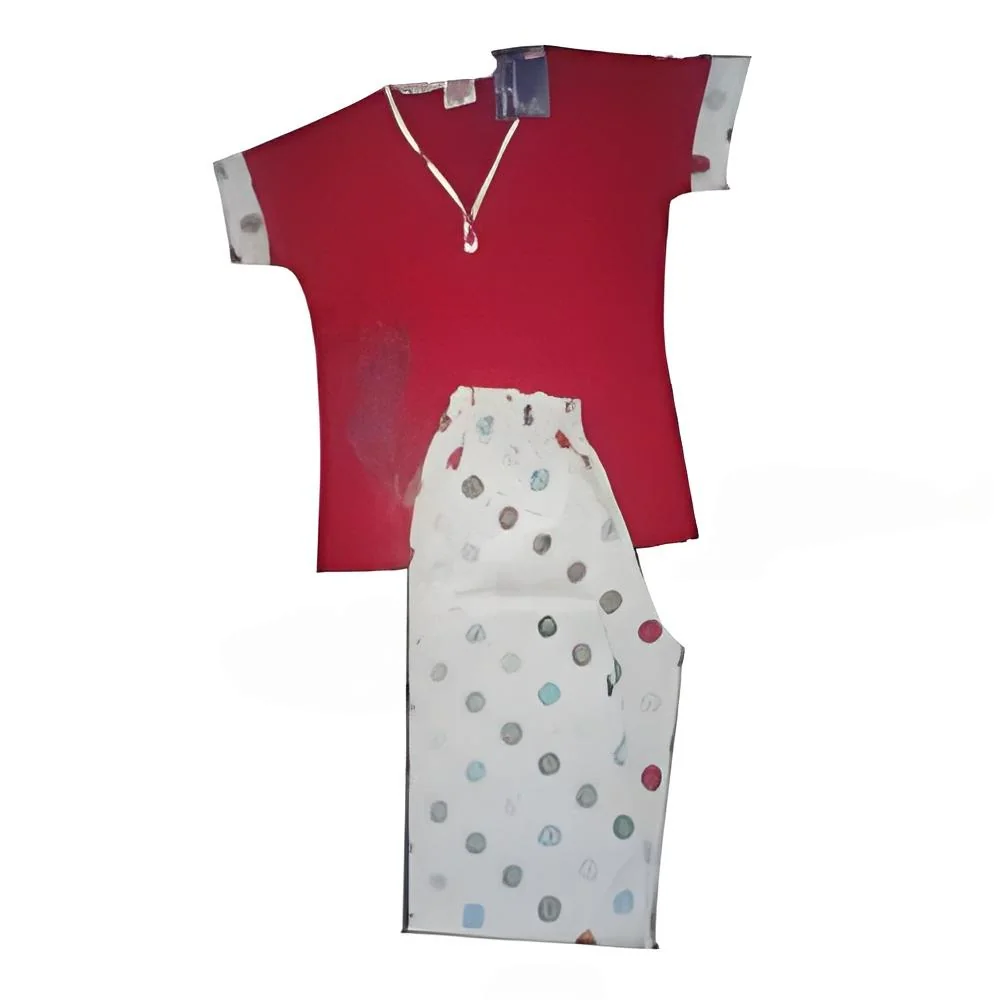
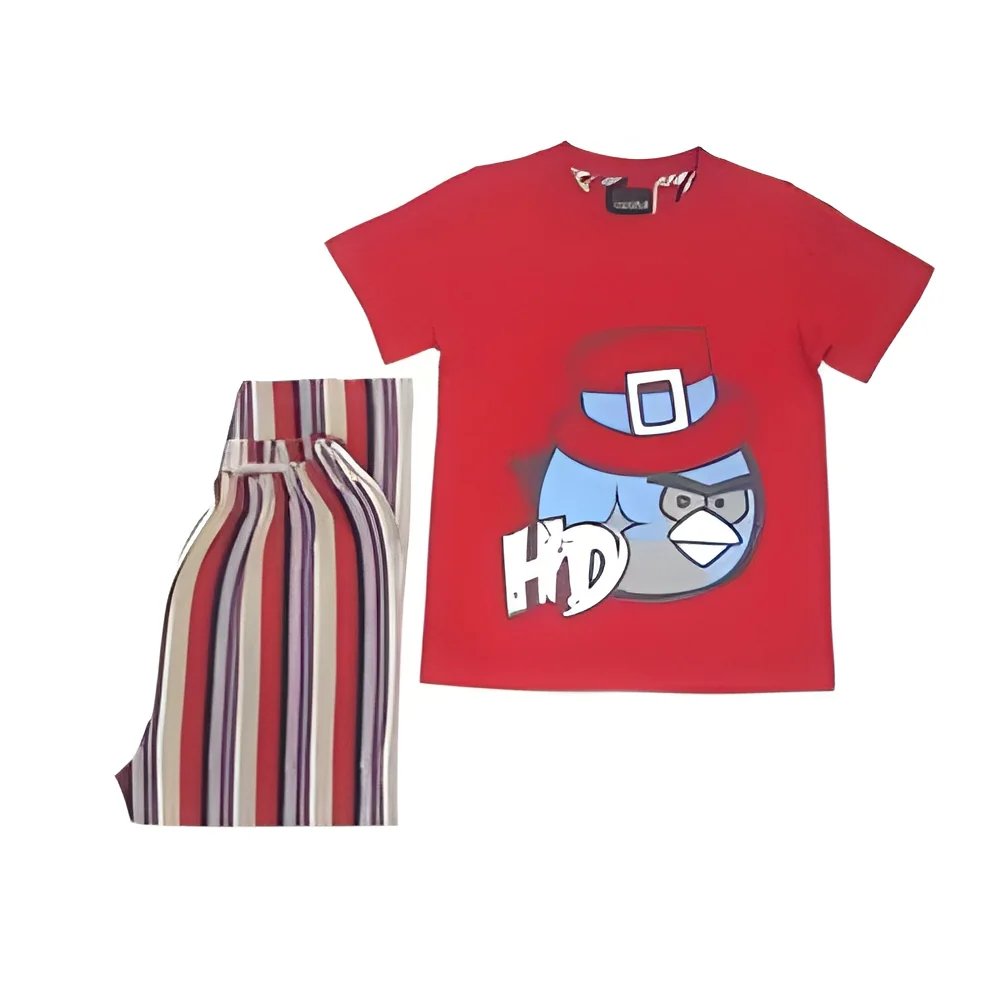
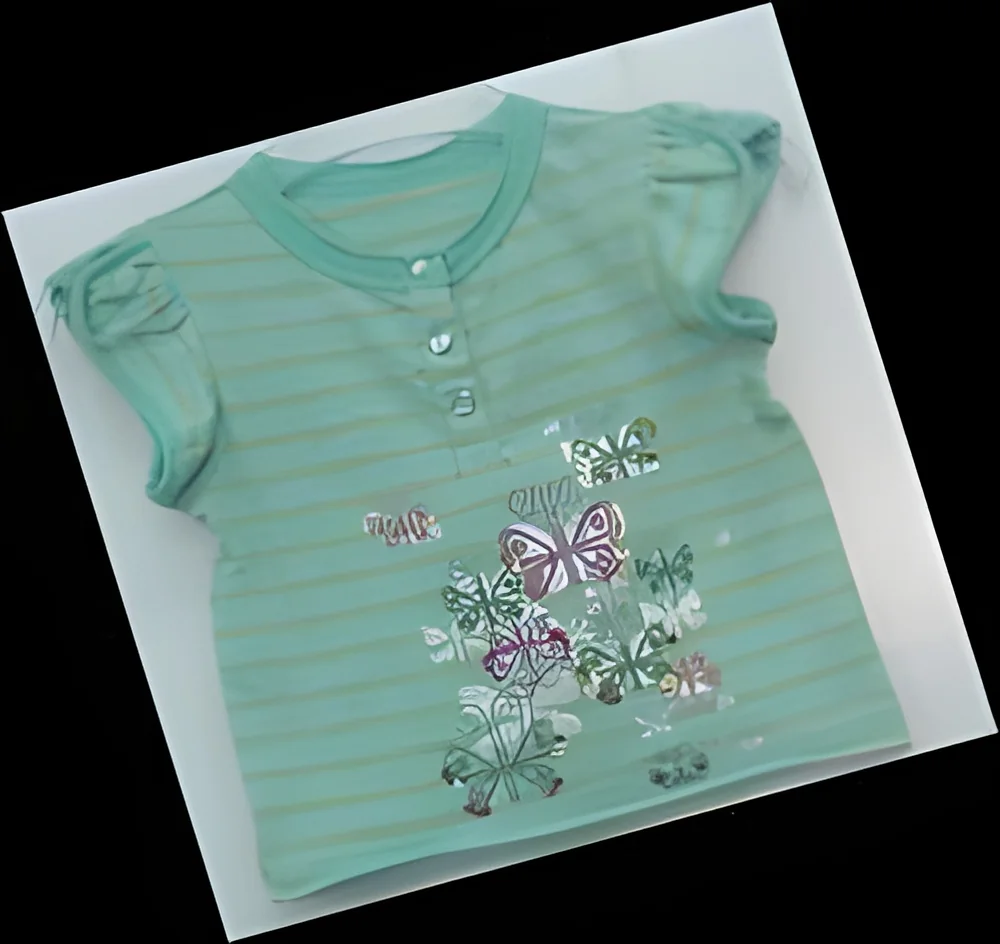
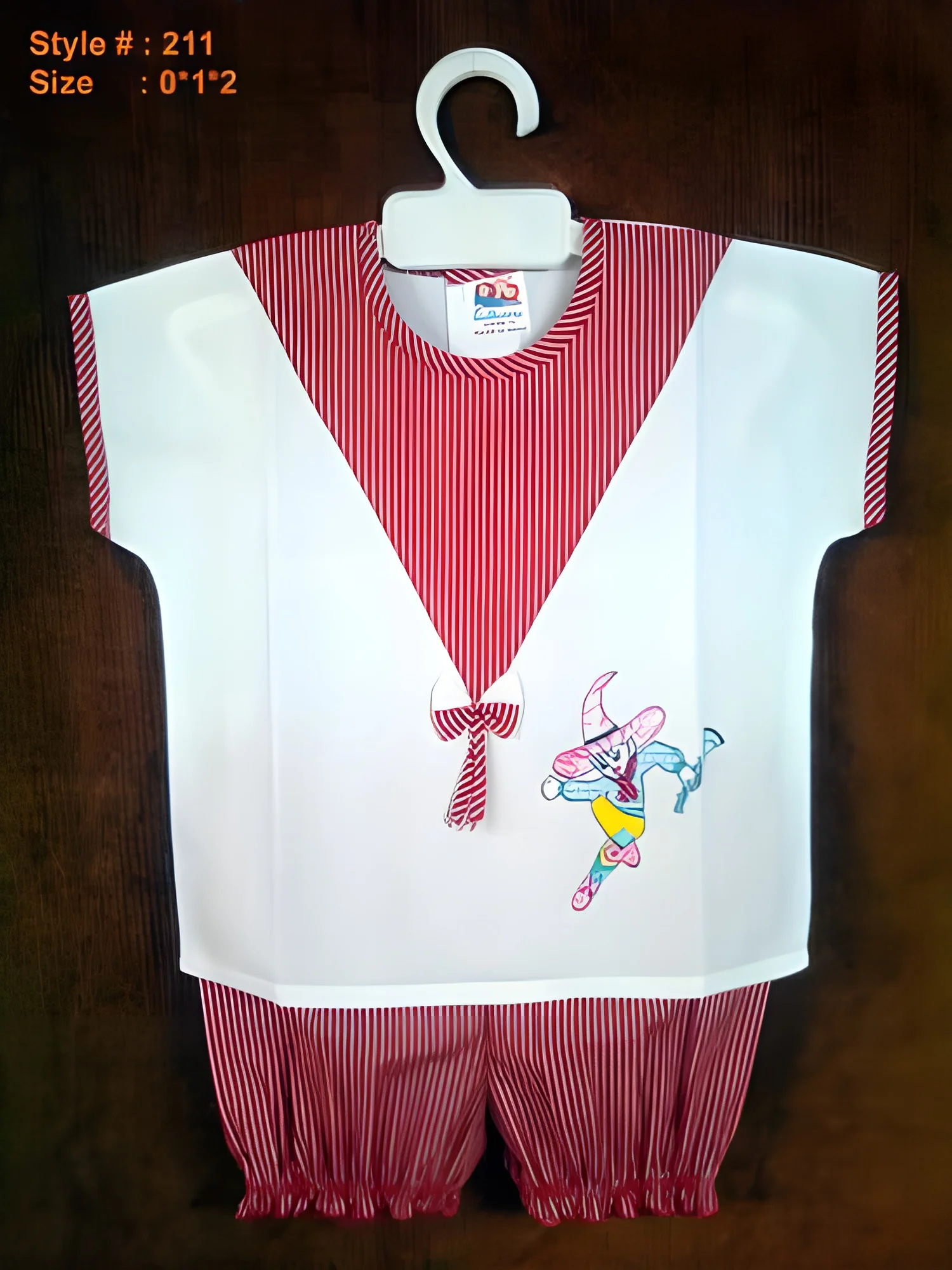
What are Other Baby Clothing?
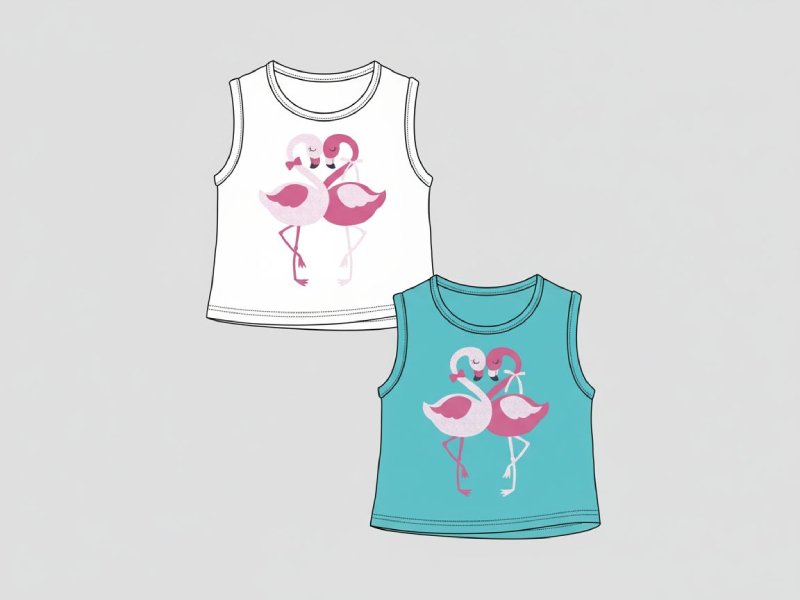
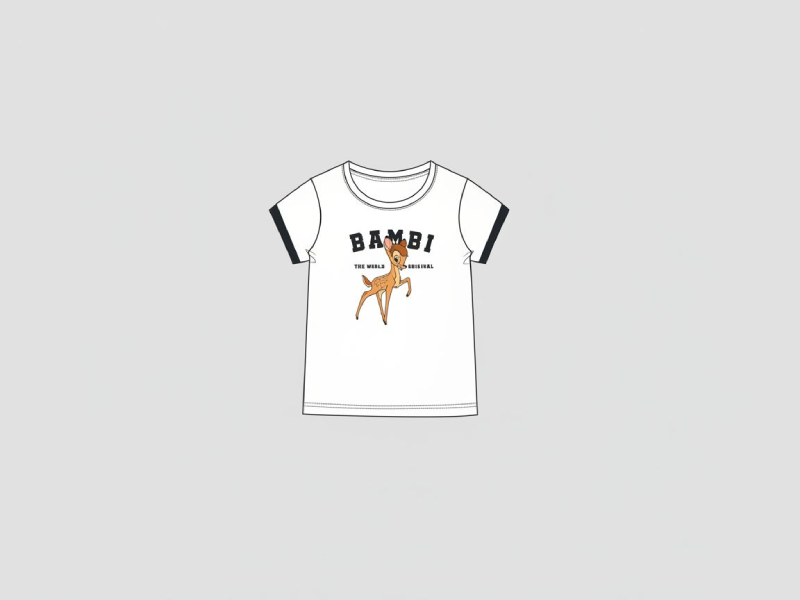
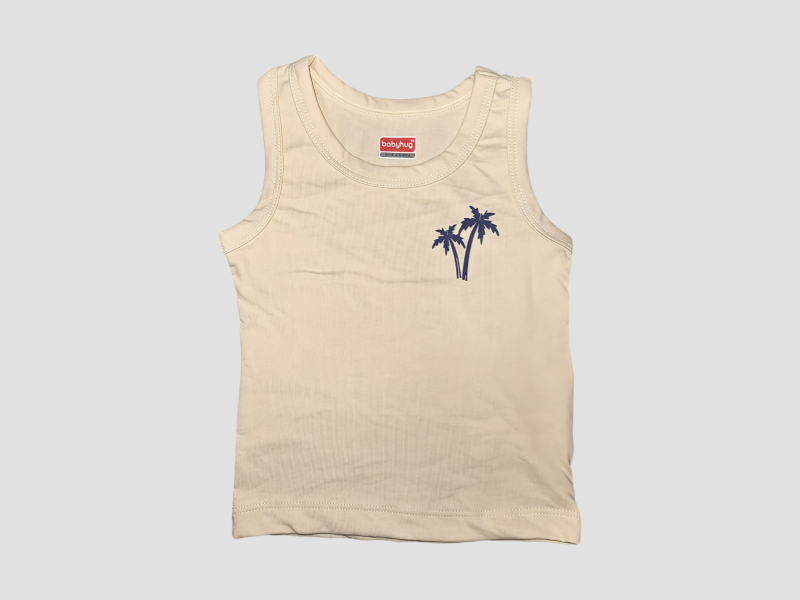
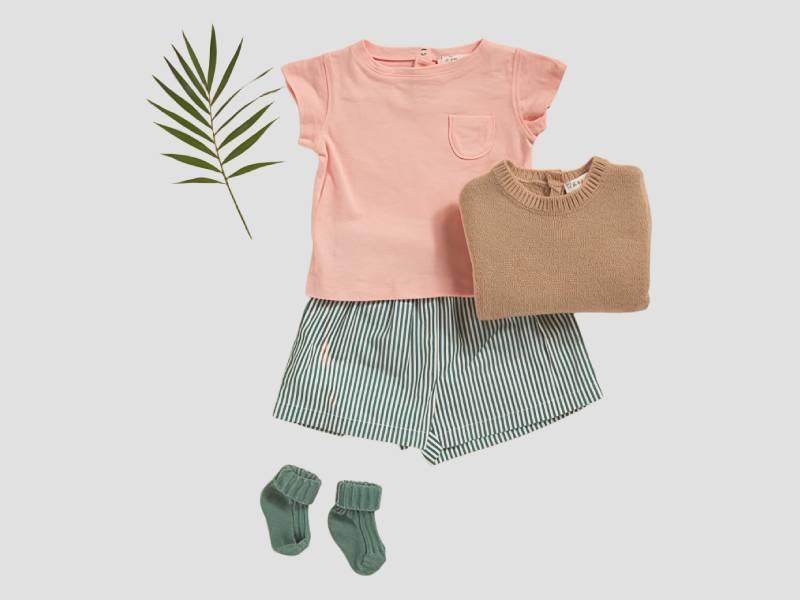
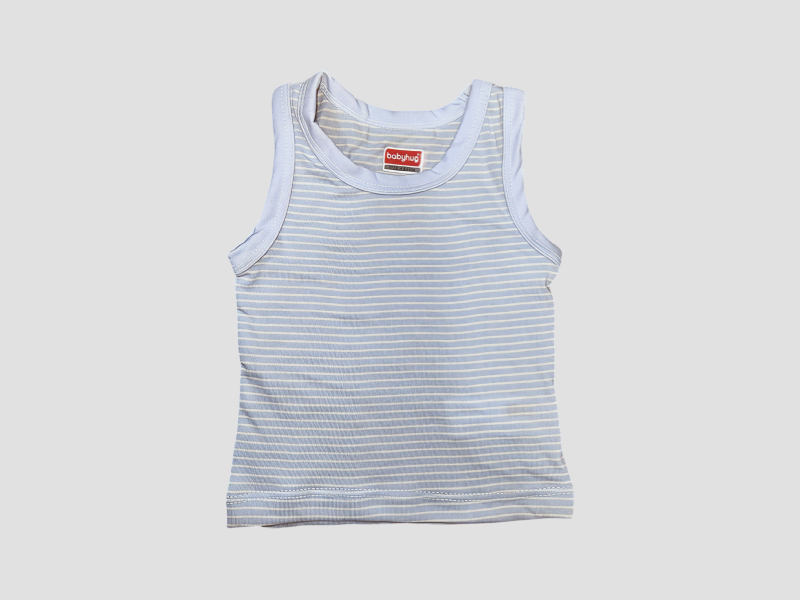
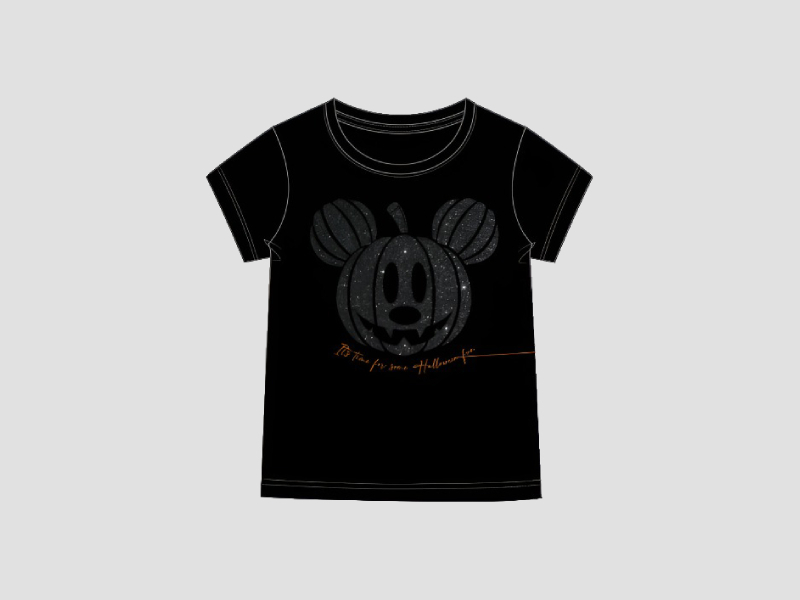
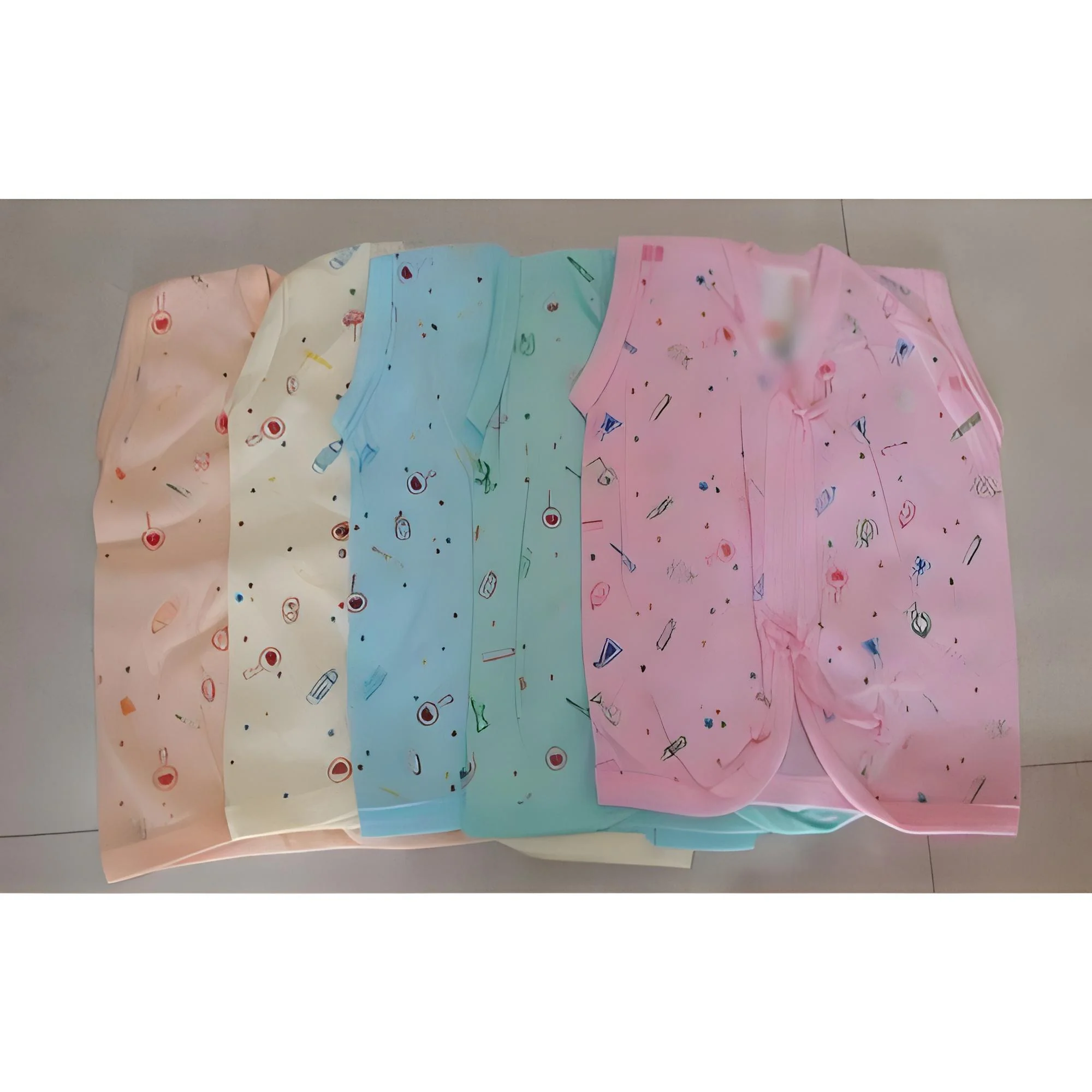
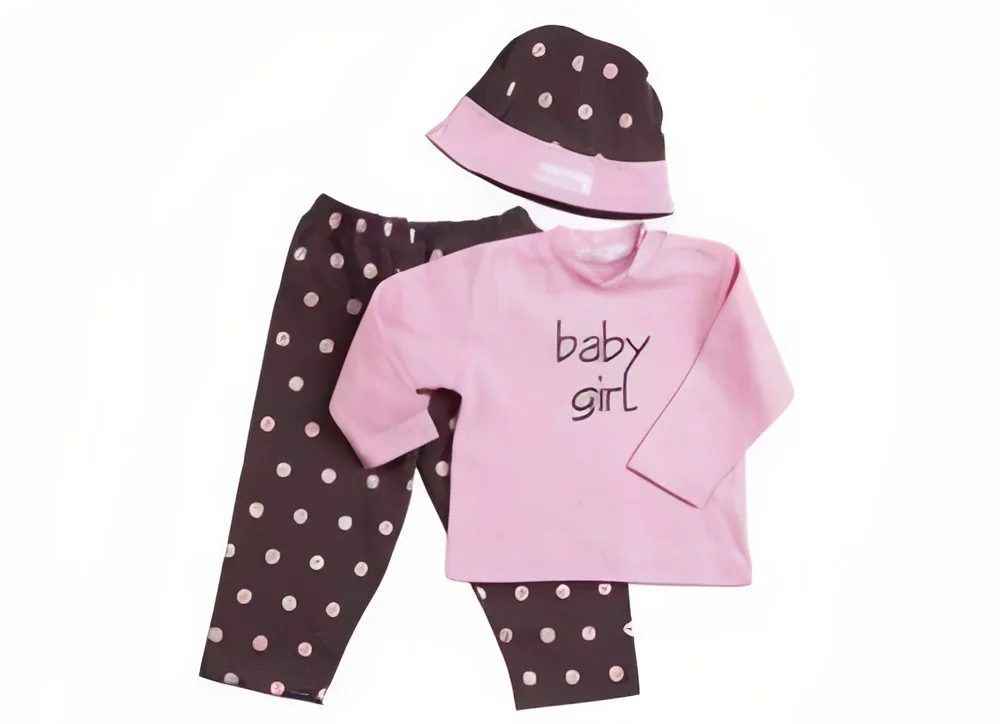
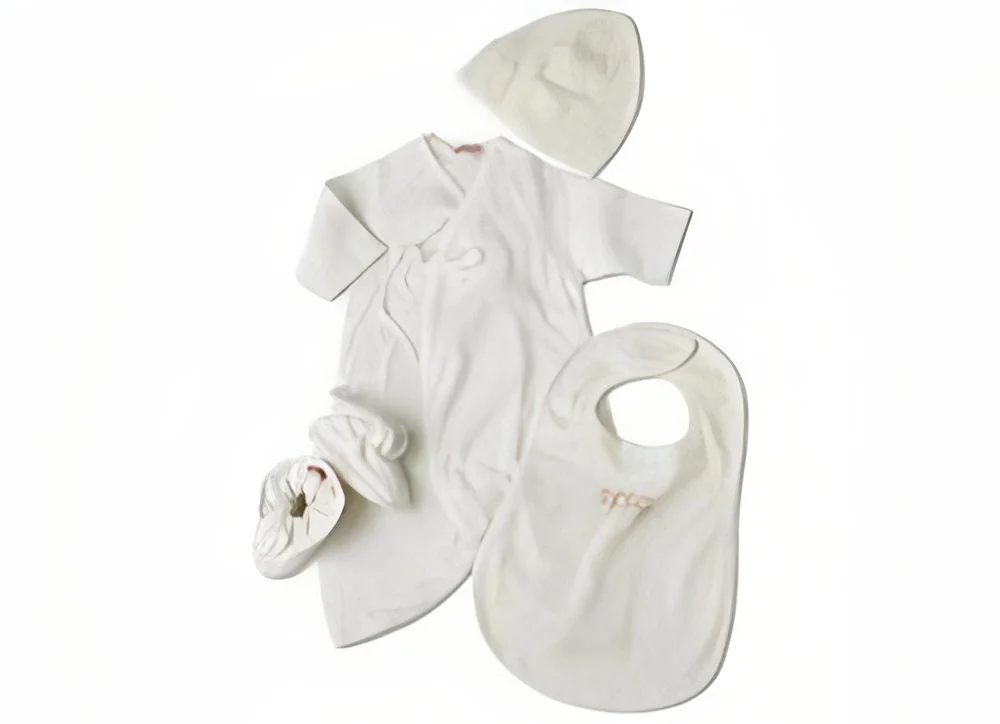
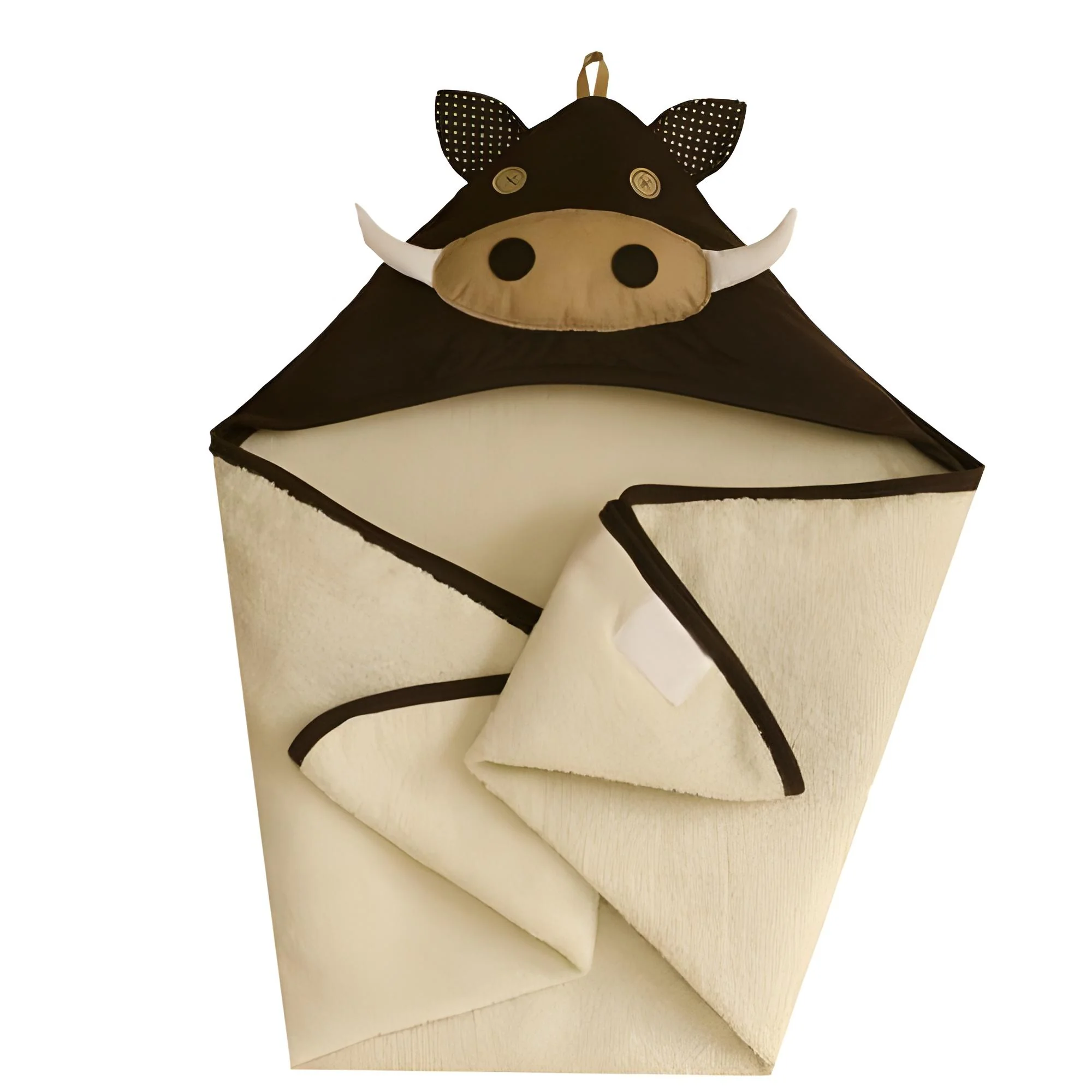
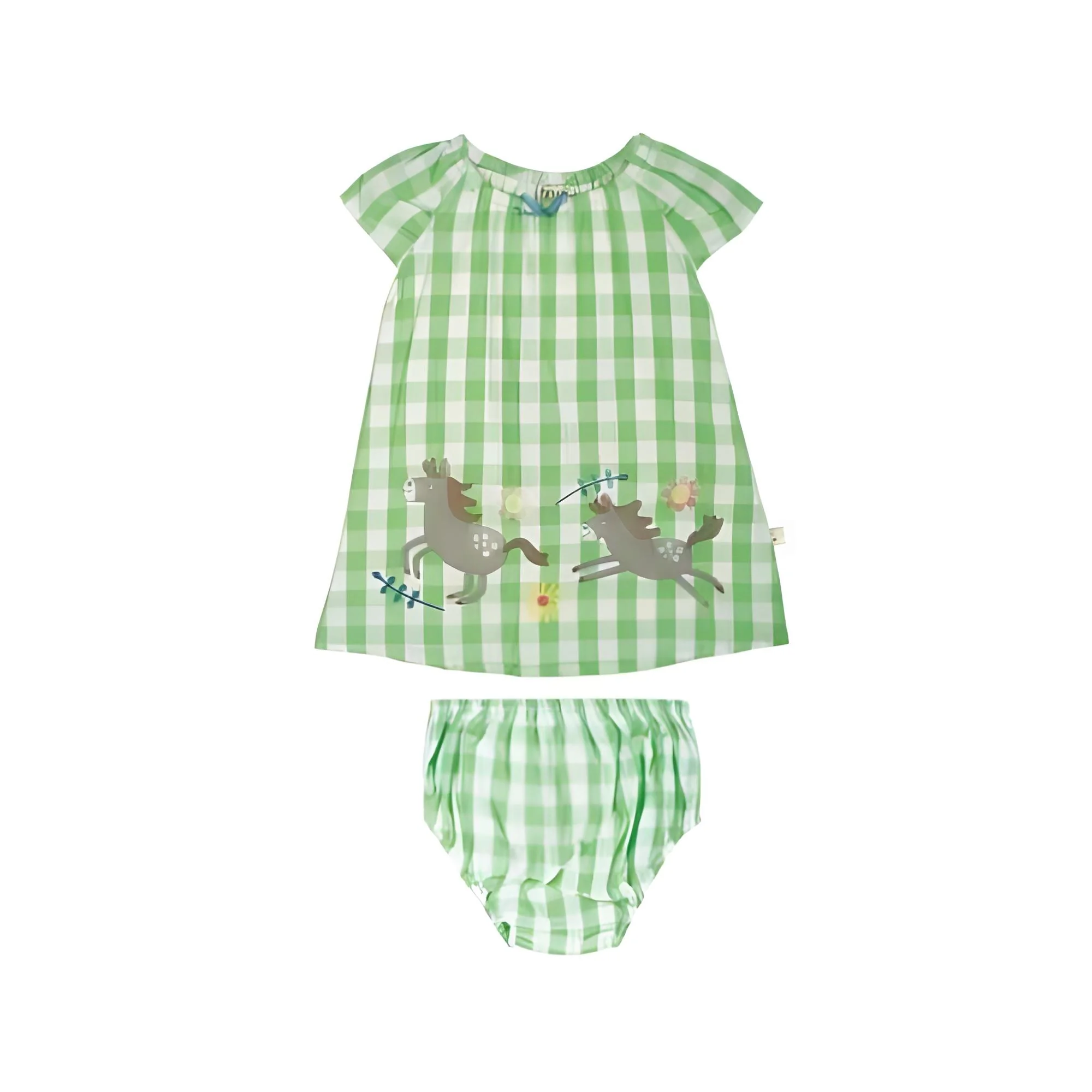
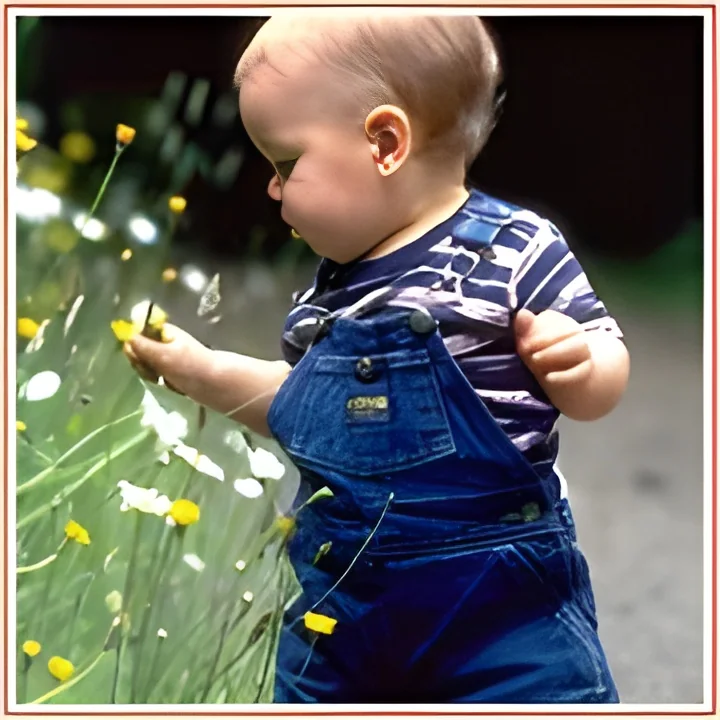
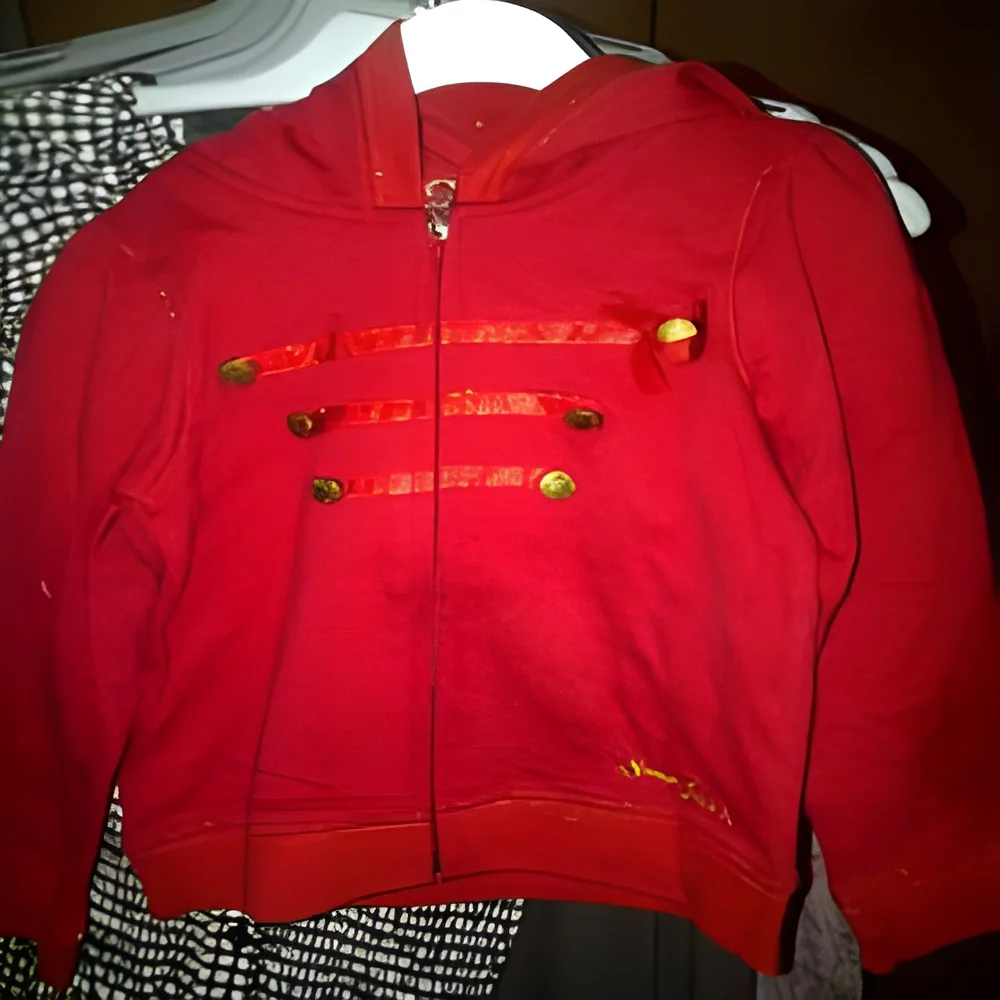
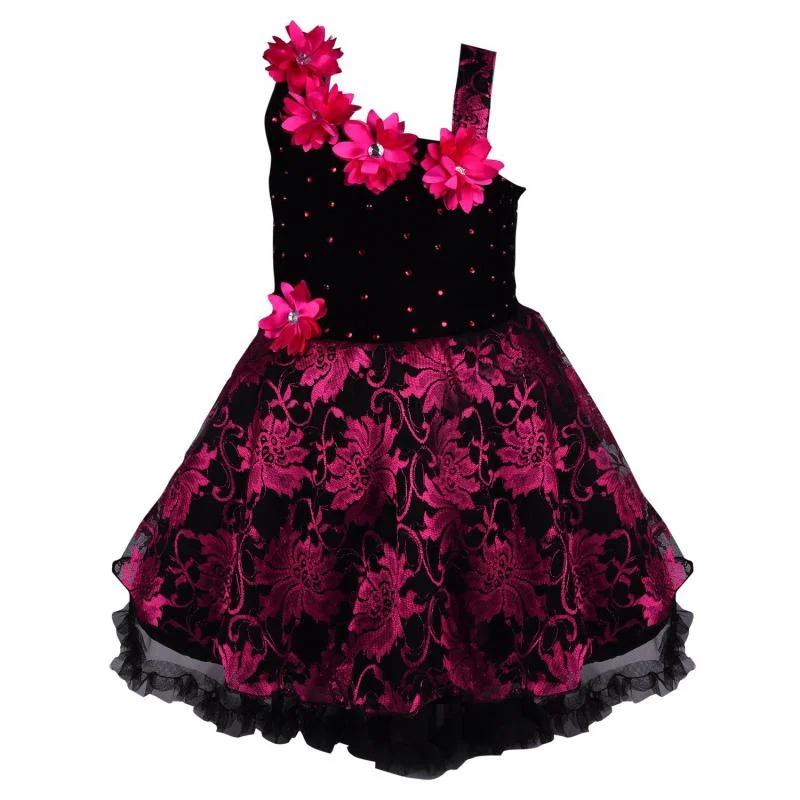
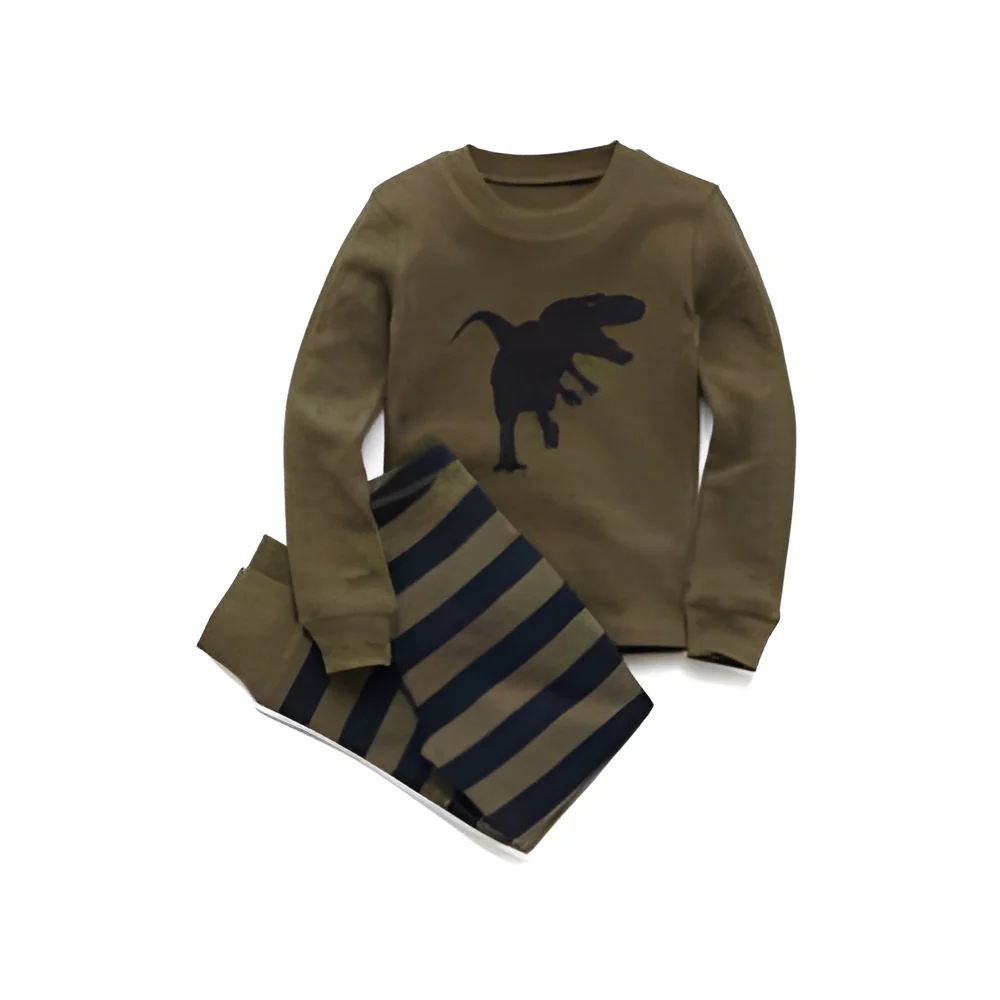
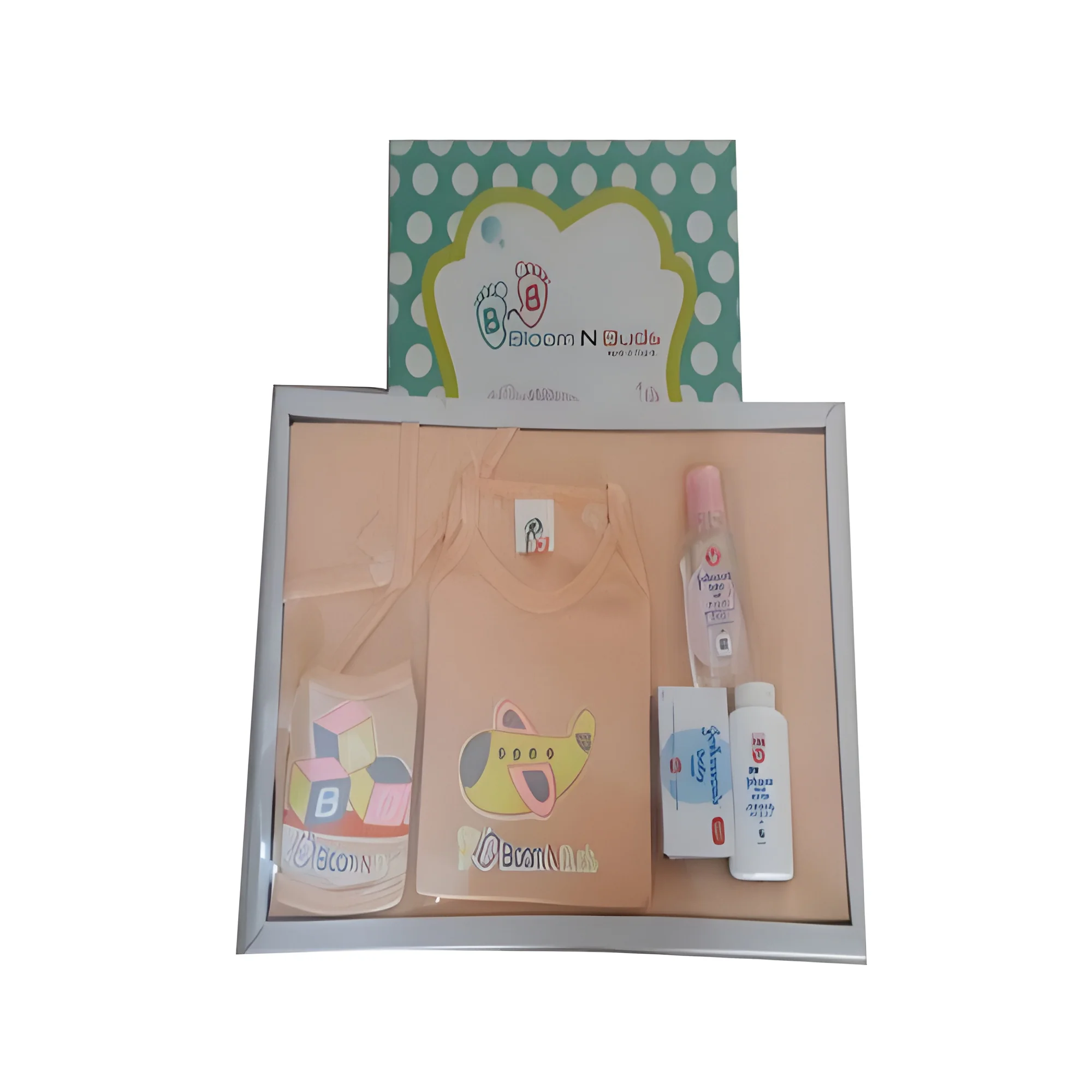
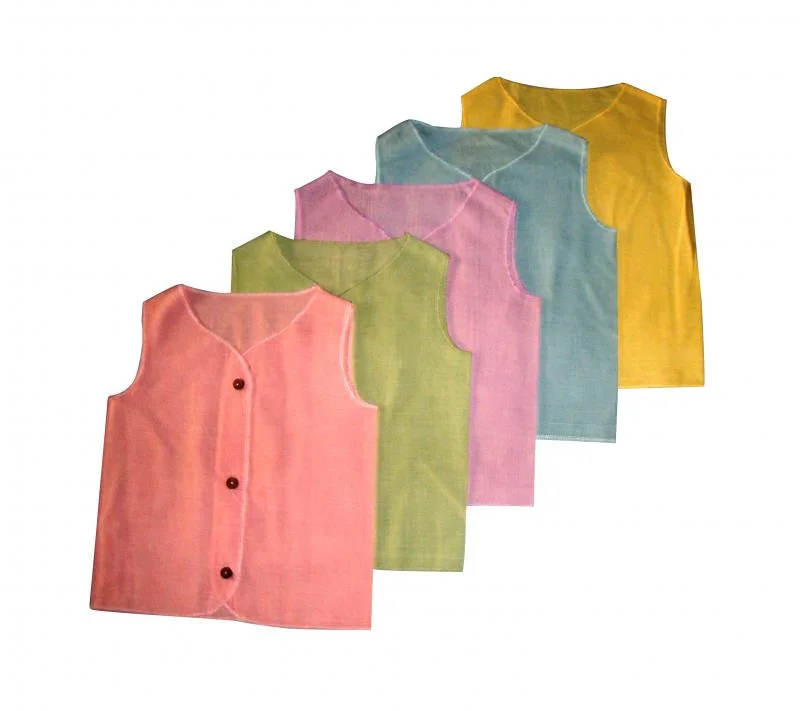
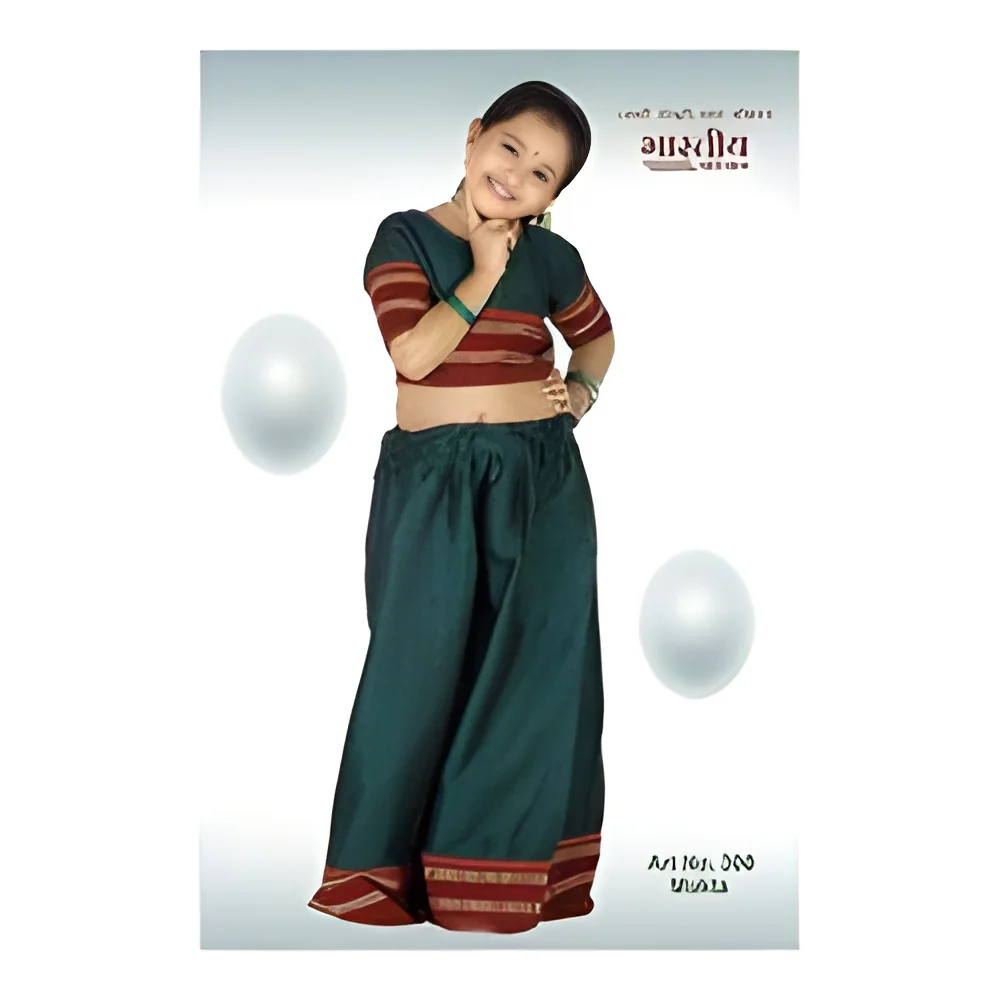
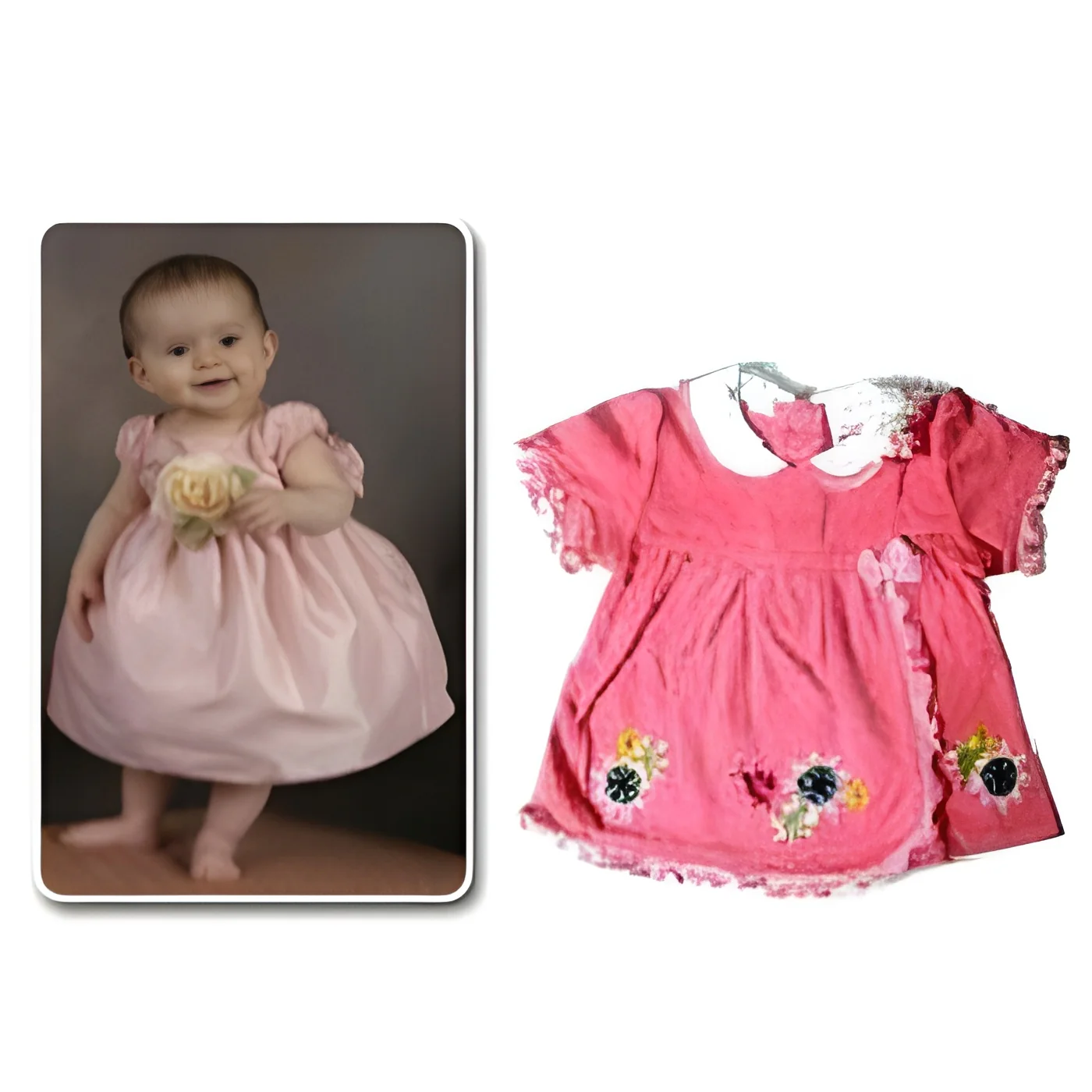
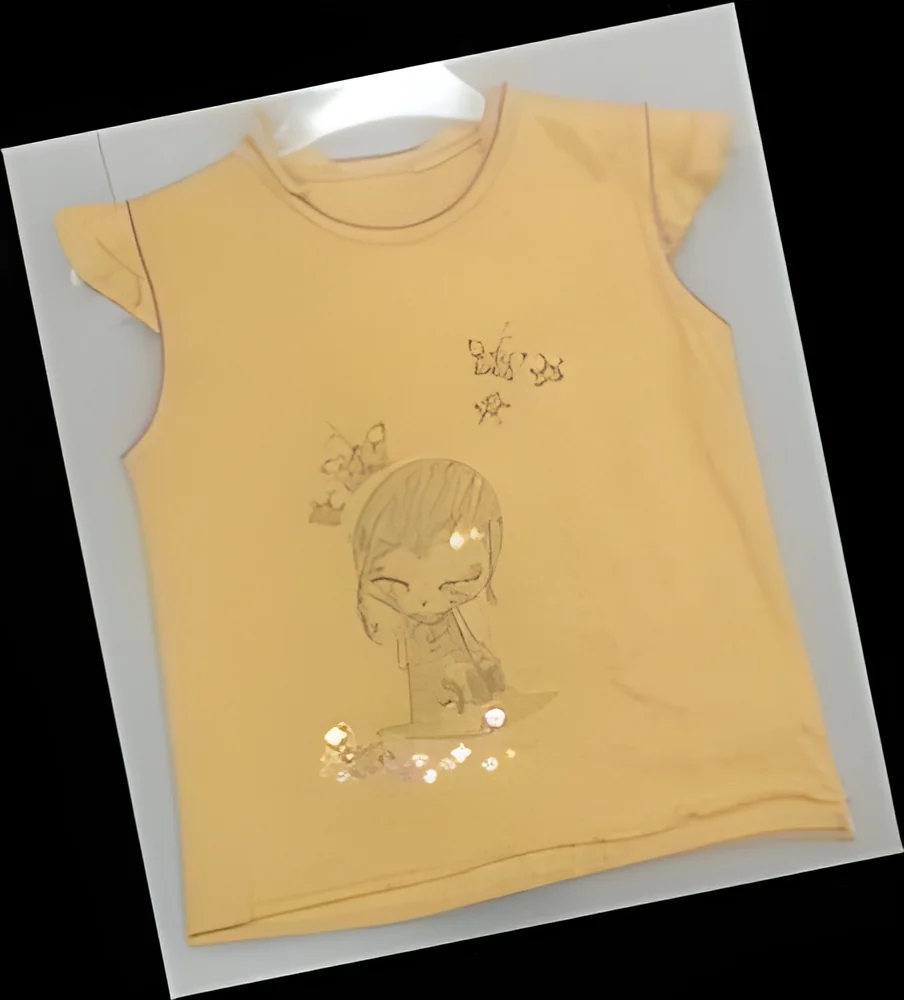
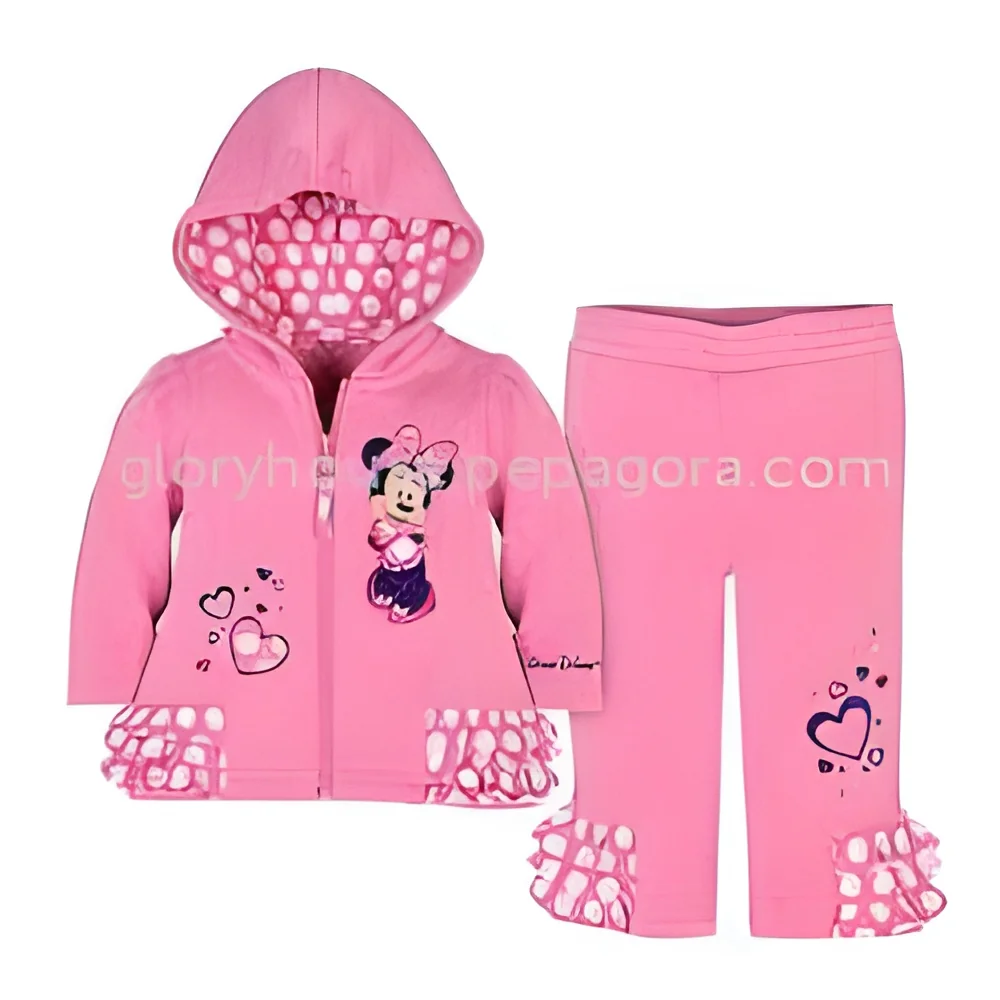
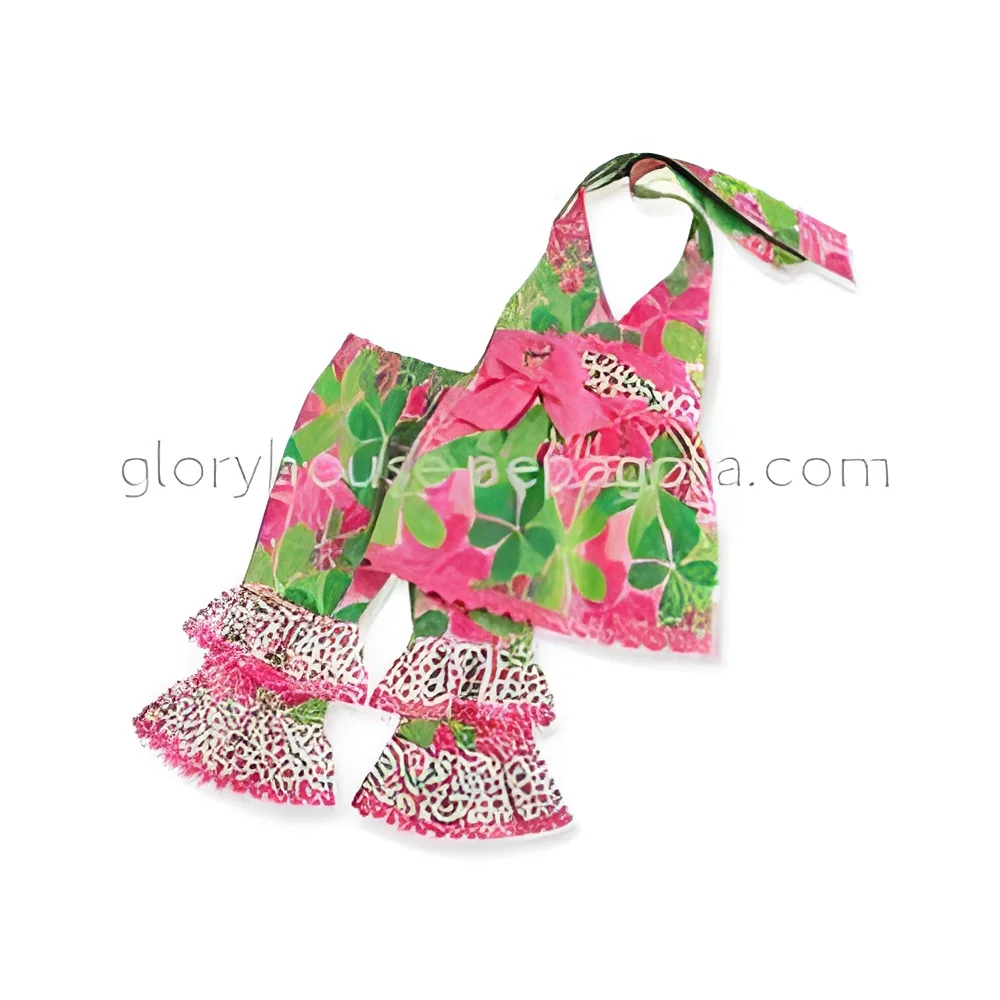
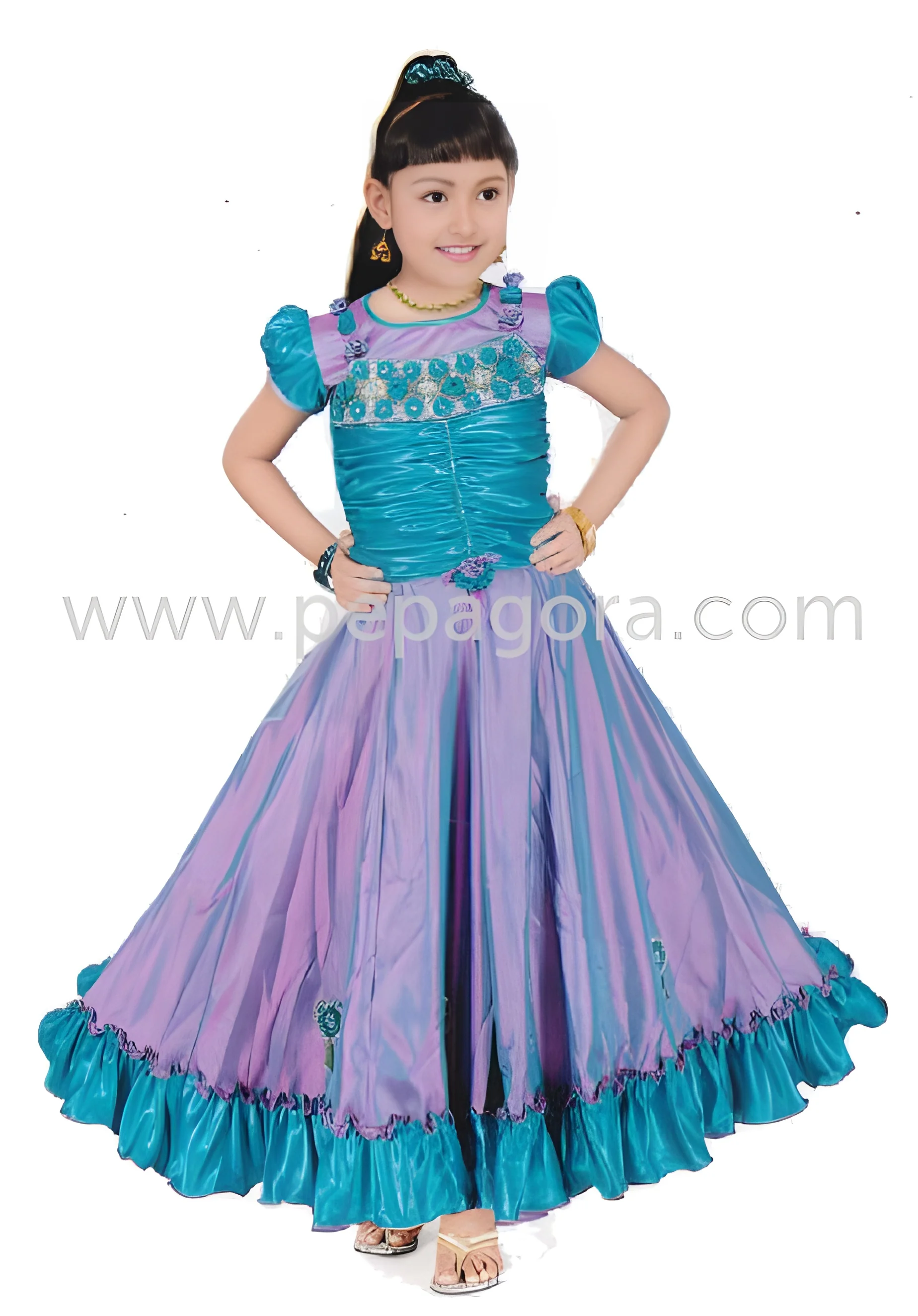
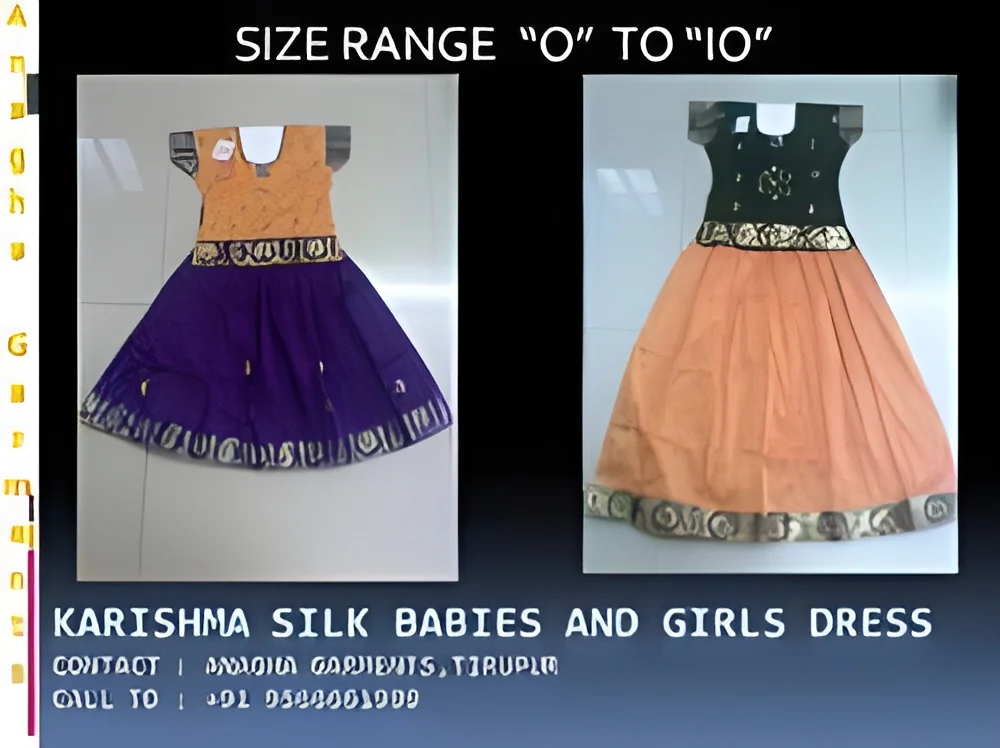
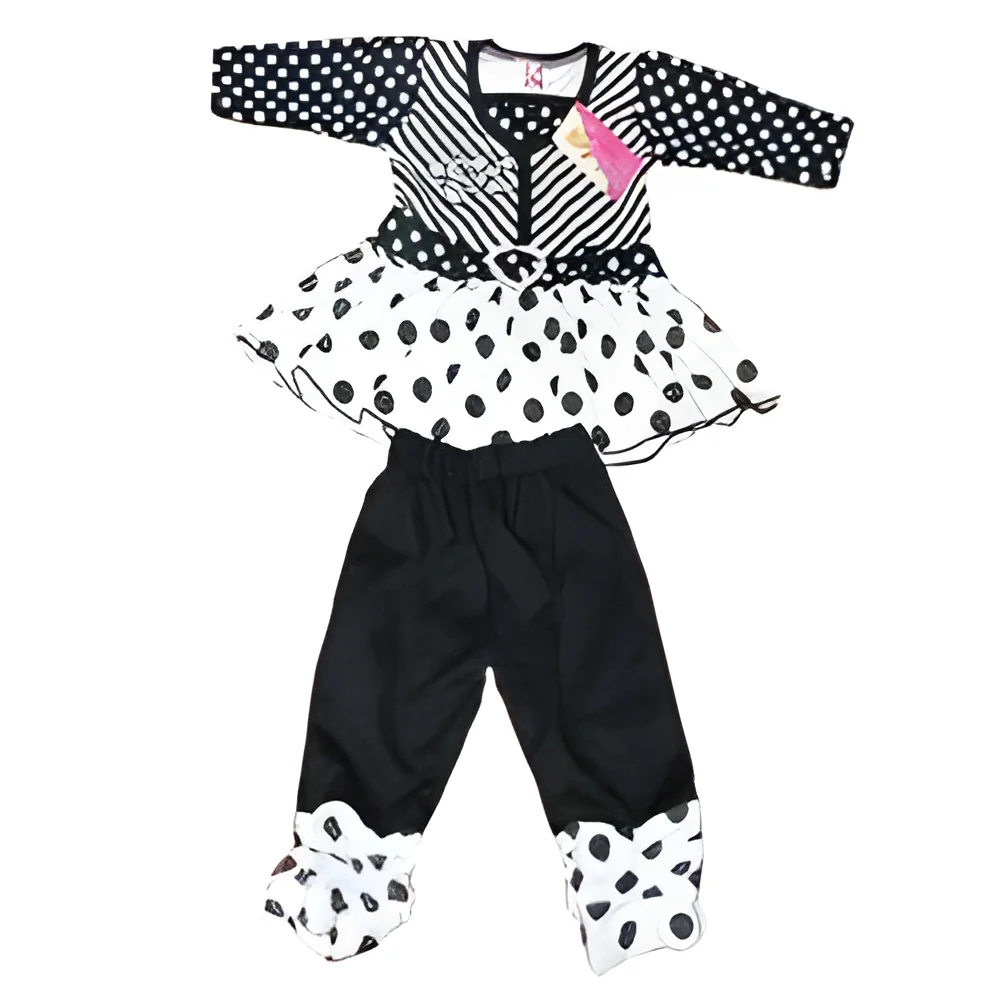
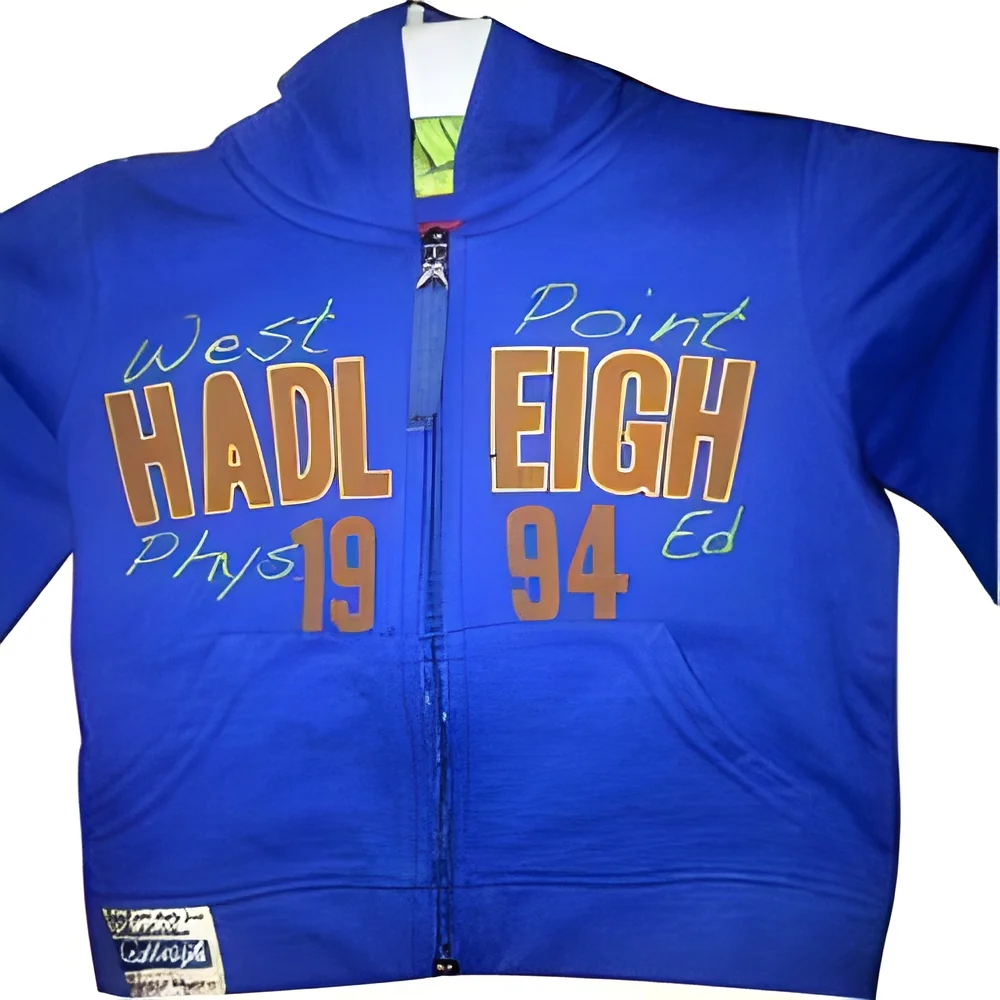
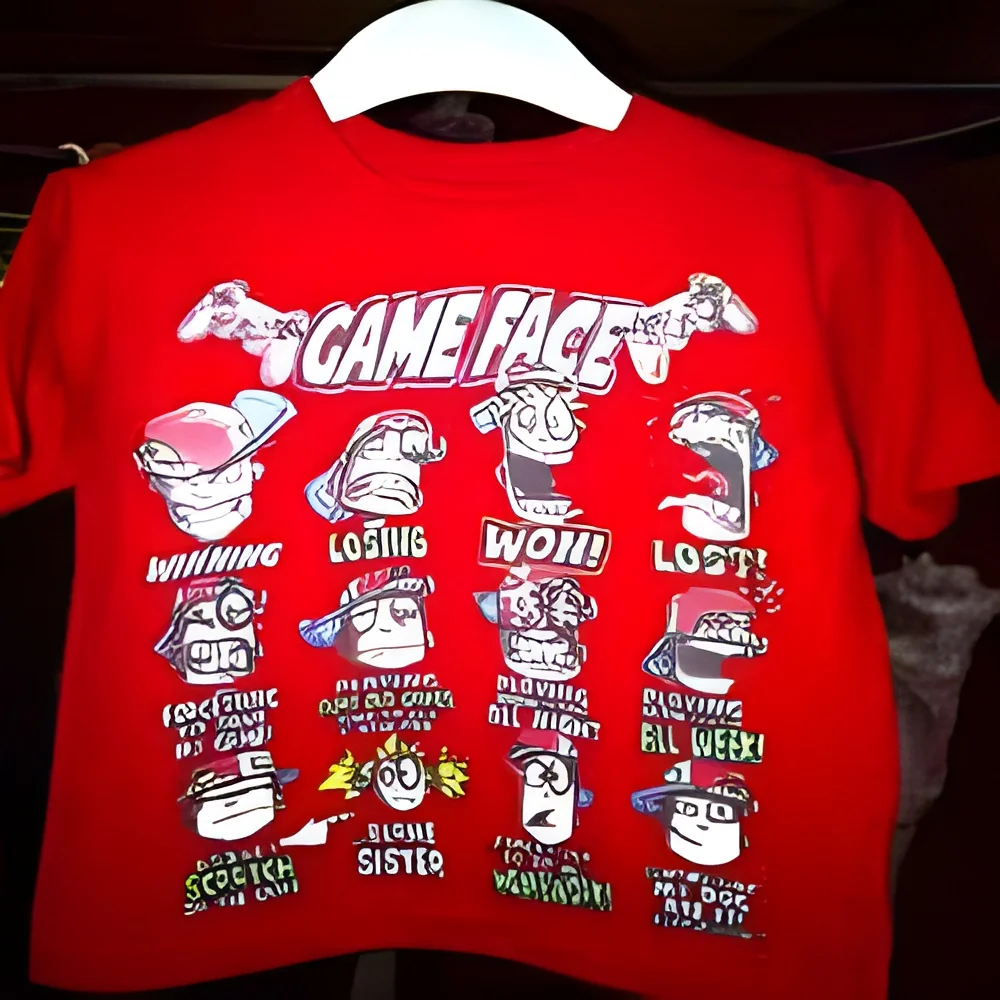
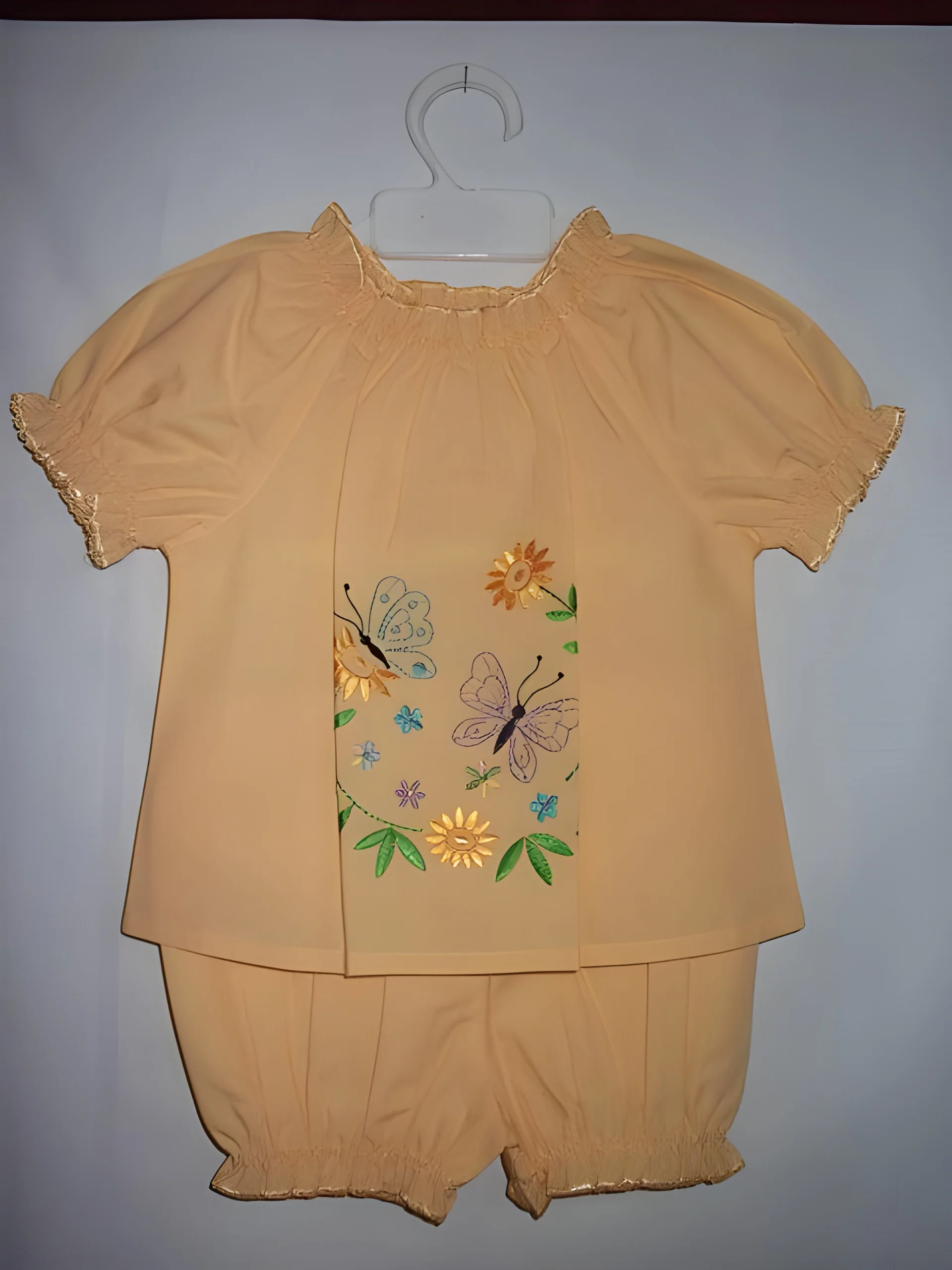
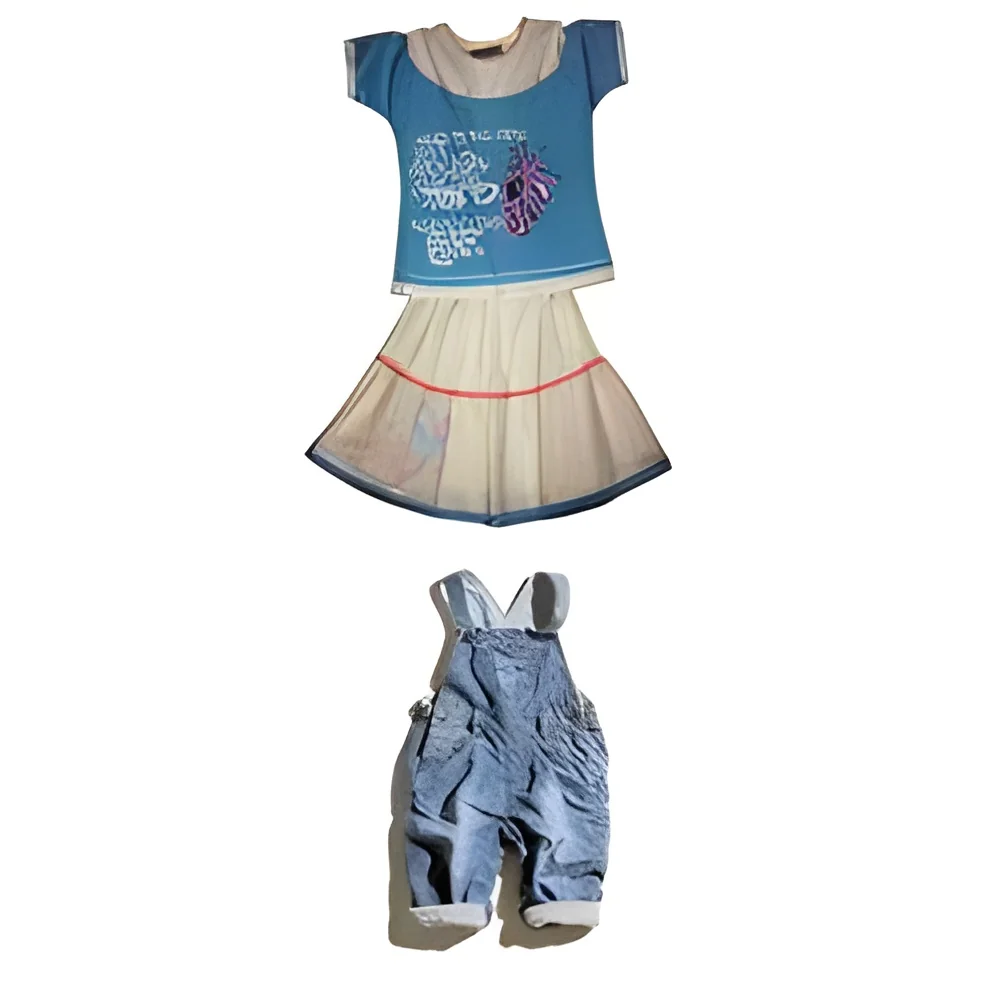
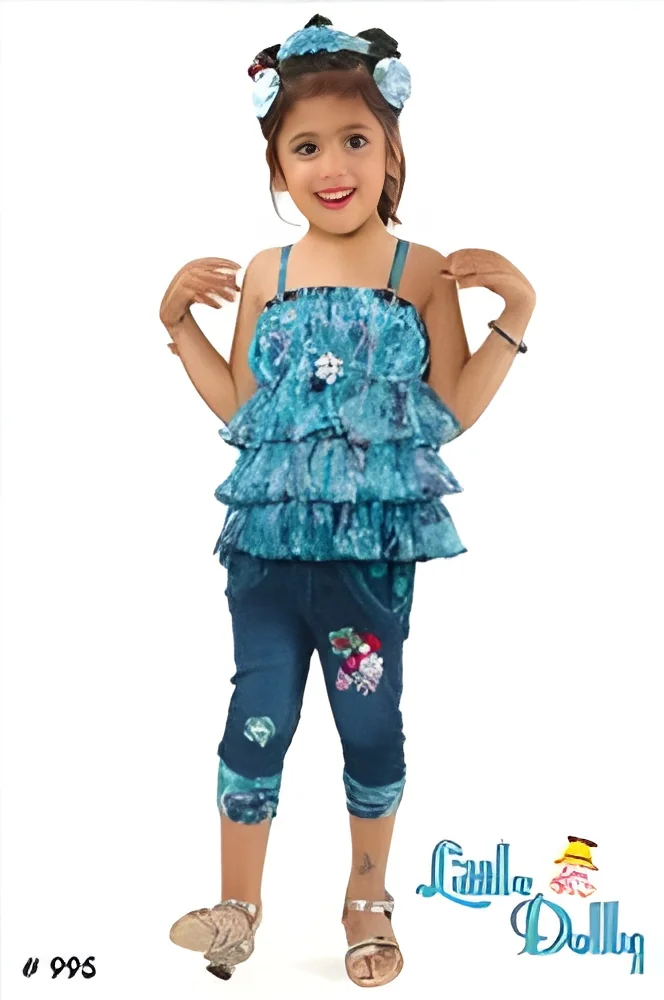
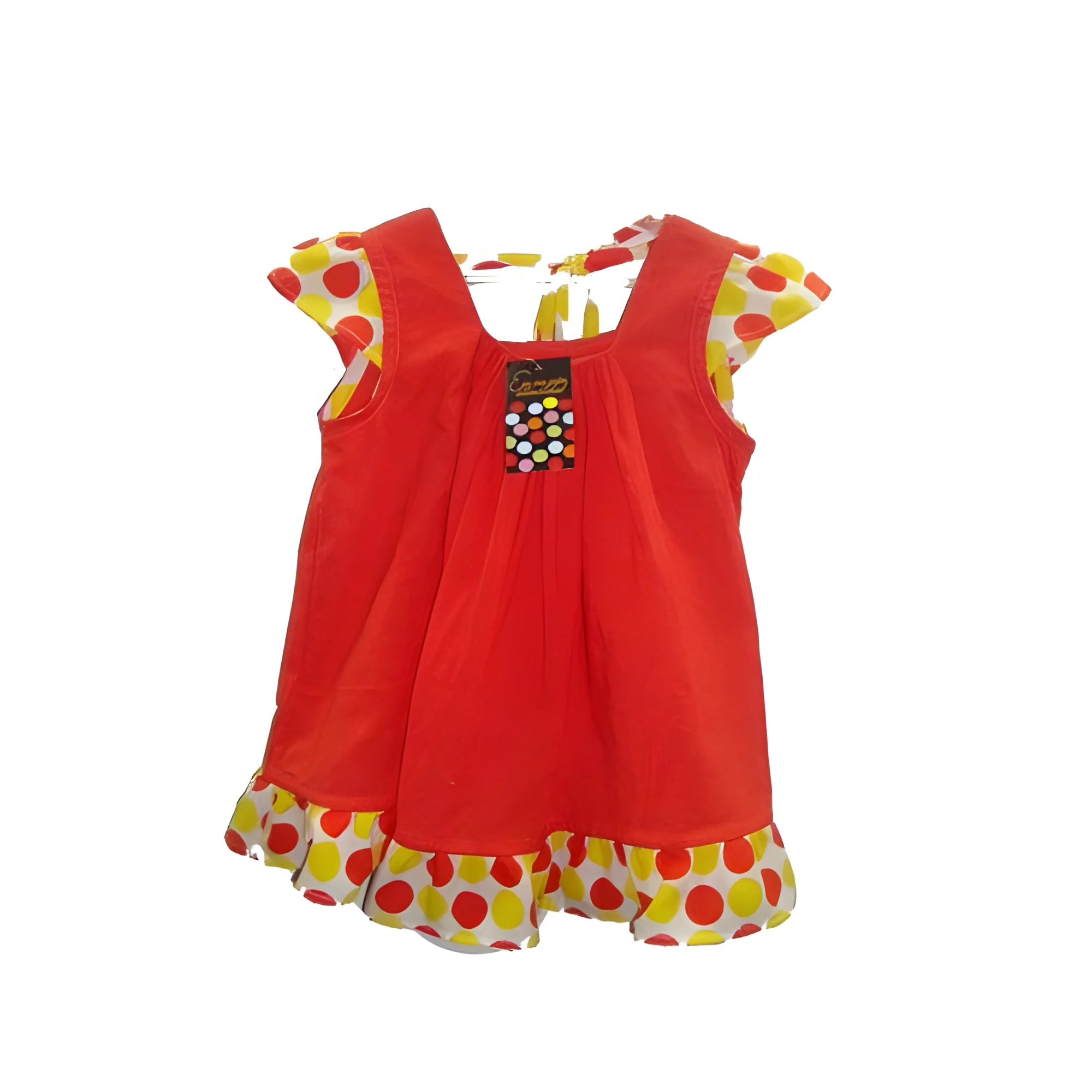
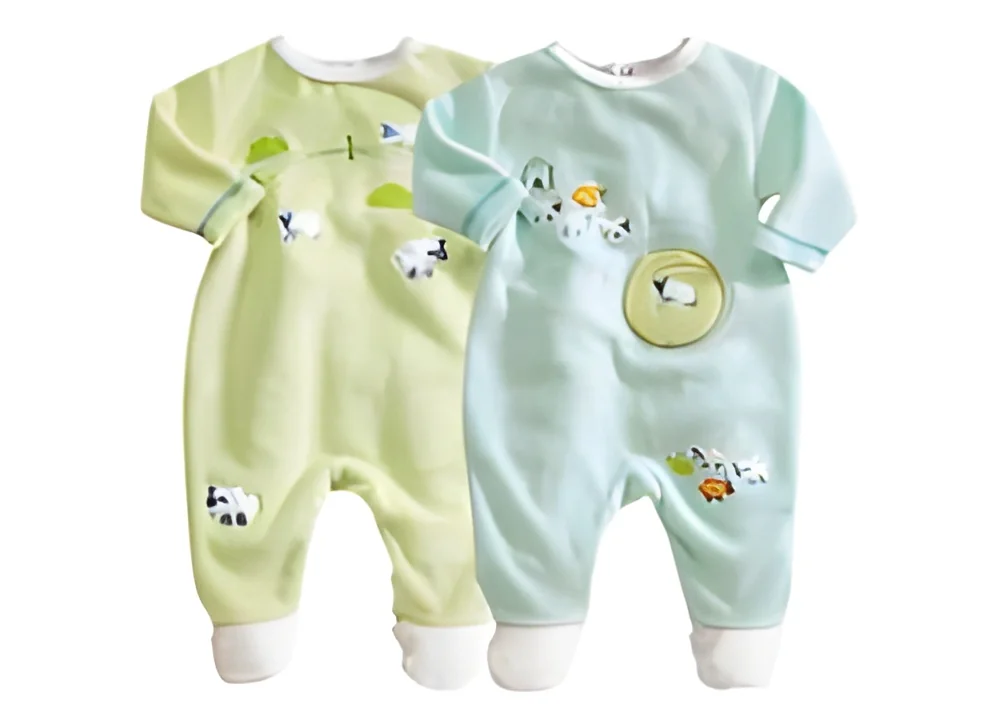
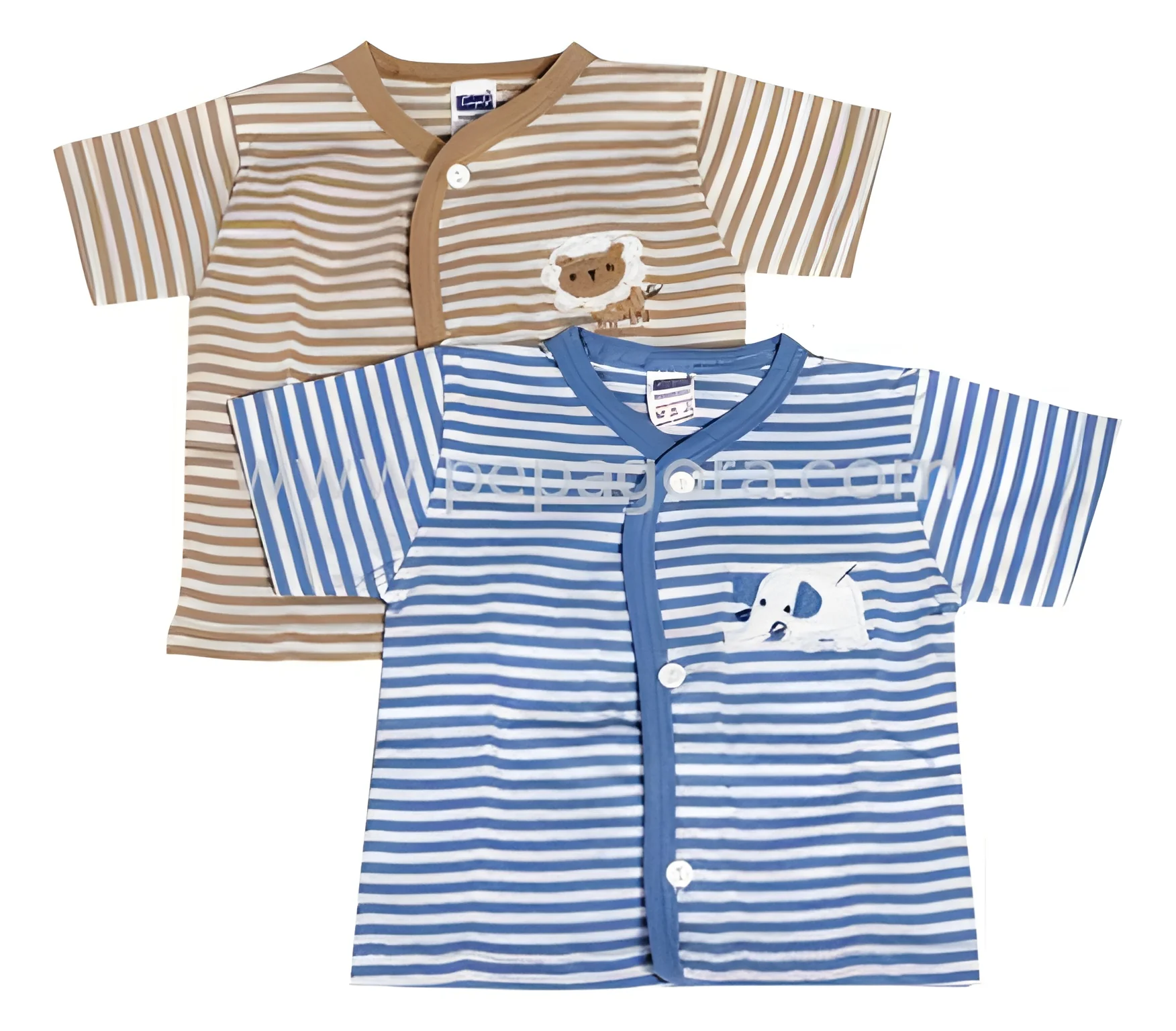
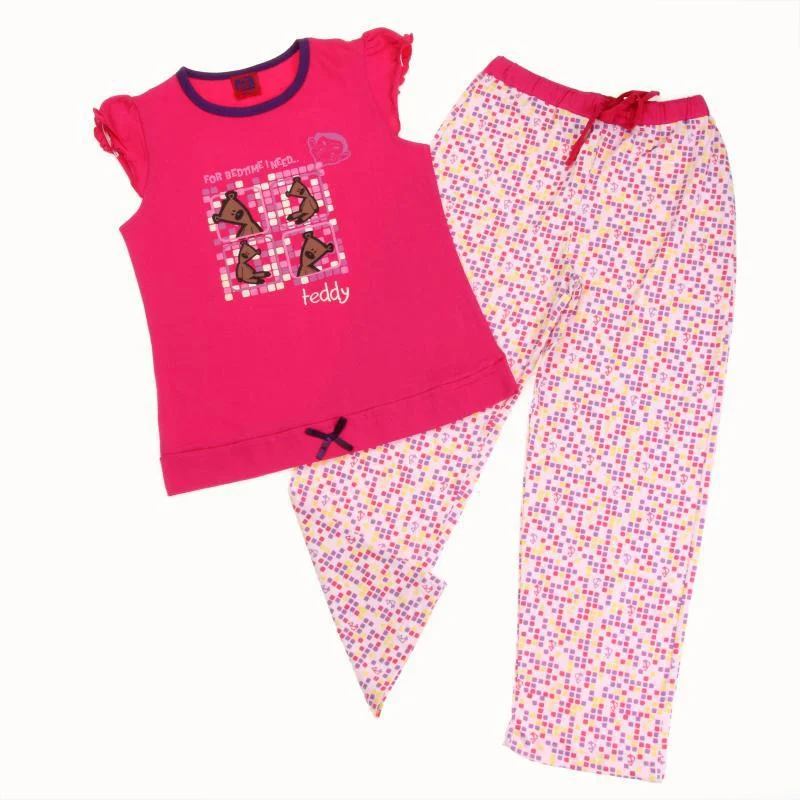
Other Baby Clothing encompasses a wide range of apparel designed specifically for infants and toddlers. This category includes items that do not fall under traditional clothing such as onesies, shirts, pants, and outerwear, but are still essential for the comfort and well-being of babies. Examples include accessories like hats, booties, and bibs, as well as sleepwear and special occasion outfits. These clothing items are designed with a focus on safety, comfort, and ease of use, recognizing the unique needs of babies.
The primary uses of Other Baby Clothing are to provide warmth, protection, and comfort to infants while also allowing for ease of dressing and undressing. These products are vital in various business applications, including retail, e-commerce, and wholesale distribution. Companies that specialize in baby products often incorporate these clothing items into their offerings to create a comprehensive selection for their customers. As the demand for baby apparel continues to grow, businesses in this sector must stay attuned to consumer preferences and trends.
In terms of industry relevance, Other Baby Clothing holds a significant position in the global baby products market. The increasing focus on infant care and safety has propelled growth in this segment, making it a key area for manufacturers and retailers. As parents seek high-quality, safe, and stylish clothing for their children, businesses that offer well-designed Other Baby Clothing can capture a larger share of this competitive market.
Key Features and Specifications
When considering Other Baby Clothing, it is essential to understand its key features and specifications that ensure safety and comfort. These specifications guide manufacturers in producing items that meet the needs of both babies and parents.
Key specifications include:
1. Fabric Quality
- Must be soft, breathable, and hypoallergenic
- Common materials include cotton, bamboo, and organic blends
2. Safety Standards
- Adherence to safety regulations for baby products
- Compliance with certifications such as CE
3. Design Features
- Easy to put on and take off
- Consideration for growth, with adjustable elements when possible
4. Durability
- Ability to withstand frequent washing and wear
- Quality stitching and finishing
5. Size Range
- Availability in various sizes to accommodate different ages
- Consideration for growth spurts in infants
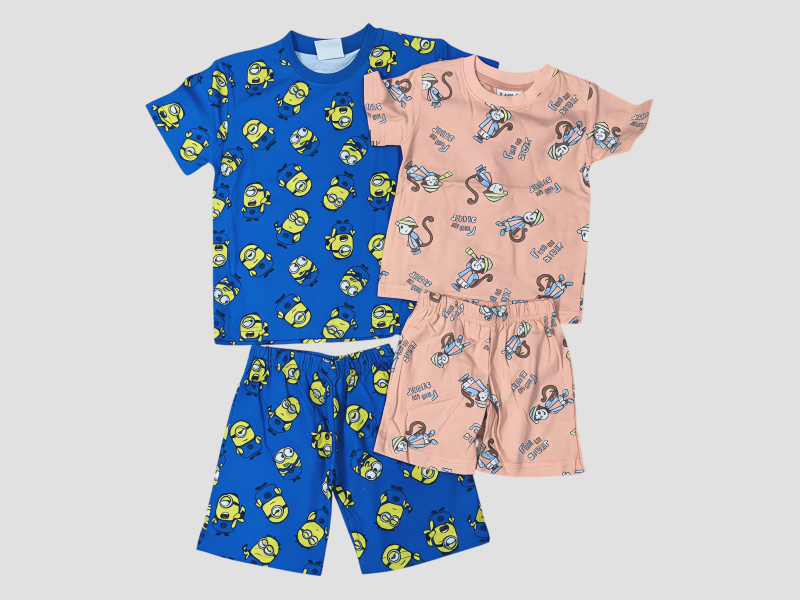
6. Color and Print Options
- Variety of colors and patterns to appeal to parents and caregivers
- Trends in baby fashion can influence choices
7. Seasonal Adaptability
- Options for different weather conditions, including lightweight and warm clothing
- Breathable fabrics for summer and insulated options for winter
8. Eco-Friendliness
- Options for sustainable materials and processes
- Certifications for organic or eco-friendly products
In summary, the specifications of Other Baby Clothing focus on safety, comfort, and practicality. By adhering to these standards, manufacturers can ensure that their products meet the expectations of parents and caregivers.
Common Applications and Use Cases
Other Baby Clothing serves a variety of industries and applications, addressing the needs of parents, retailers, and healthcare providers.
1. Retail: Retailers specializing in baby products offer a range of Other Baby Clothing items to attract customers. This includes both physical stores and online platforms.
2. E-commerce: Online marketplaces have seen an increase in demand for diverse baby clothing options. Sellers provide detailed descriptions and images to help parents make informed choices.
3. Healthcare: Hospitals and clinics often require specific types of baby clothing for newborns. These items must meet stringent safety and hygiene standards.
4. Childcare Facilities: Daycare centers and nurseries utilize Other Baby Clothing for infants and toddlers. It is essential to have durable and easy-to-clean options.
5. Gifts and Registries: Many parents receive Other Baby Clothing as gifts during baby showers. These items are often chosen for their practicality and cuteness.
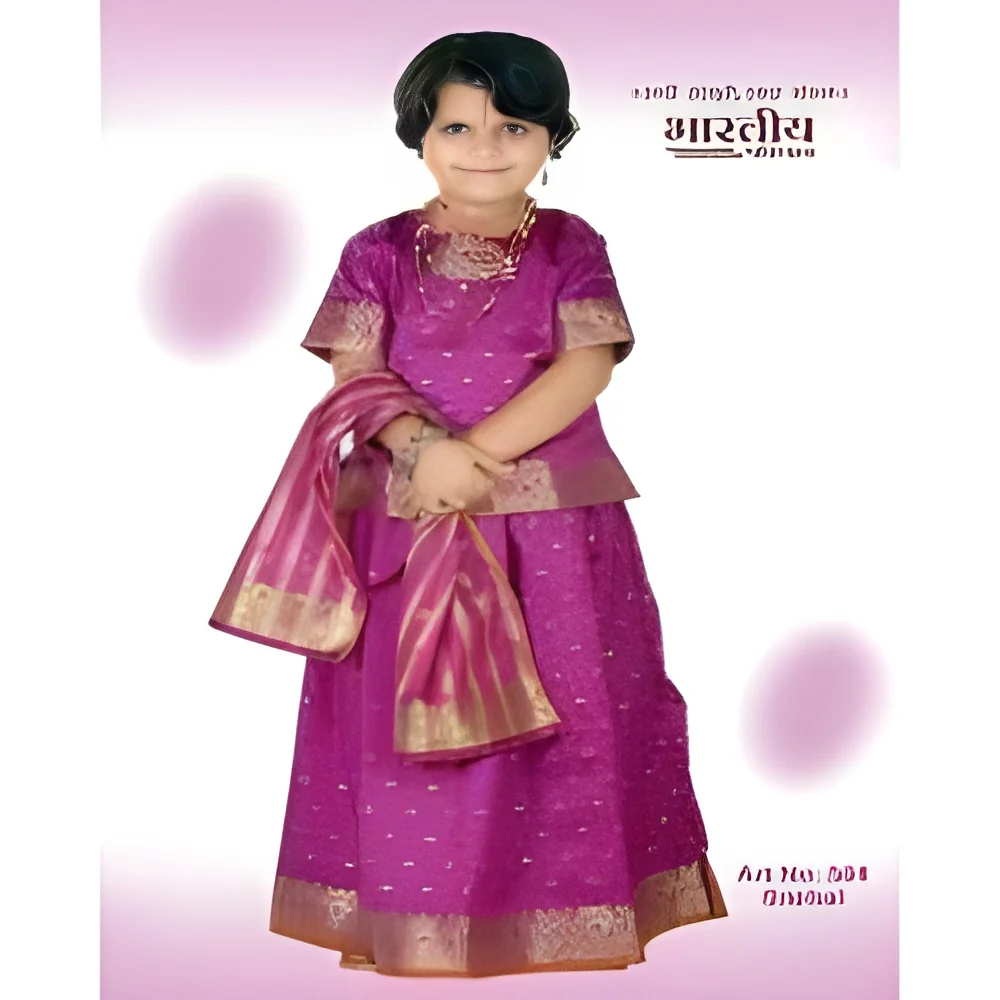
6. Special Occasions: Some businesses focus on creating unique and stylish clothing for special events, such as birthdays or holidays, making these items sought after.
7. International Markets: Emerging markets are increasingly recognizing the need for quality baby clothing, creating opportunities for businesses to expand their offerings.
Product Variants and Subcategories
The category of Other Baby Clothing encompasses a variety of product variants that cater to different needs and preferences.
Accessories: This variant includes items such as hats, booties, and mittens. These accessories are designed to provide additional warmth and comfort, often made from soft and breathable materials.
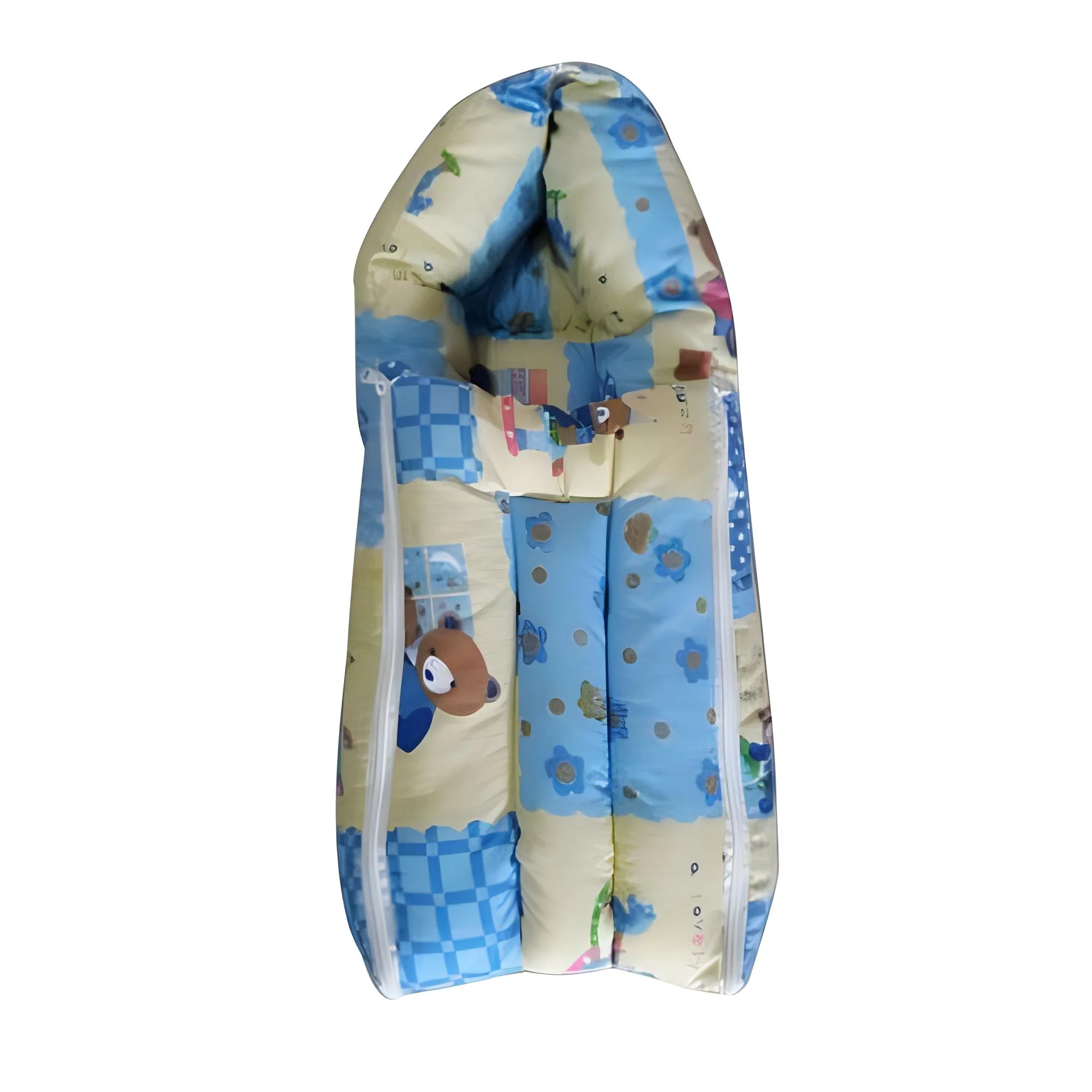
Sleepwear: Specialized clothing for bedtime, such as sleep sacks and pajamas, is crucial for ensuring babies sleep comfortably. These items often feature easy access for diaper changes.
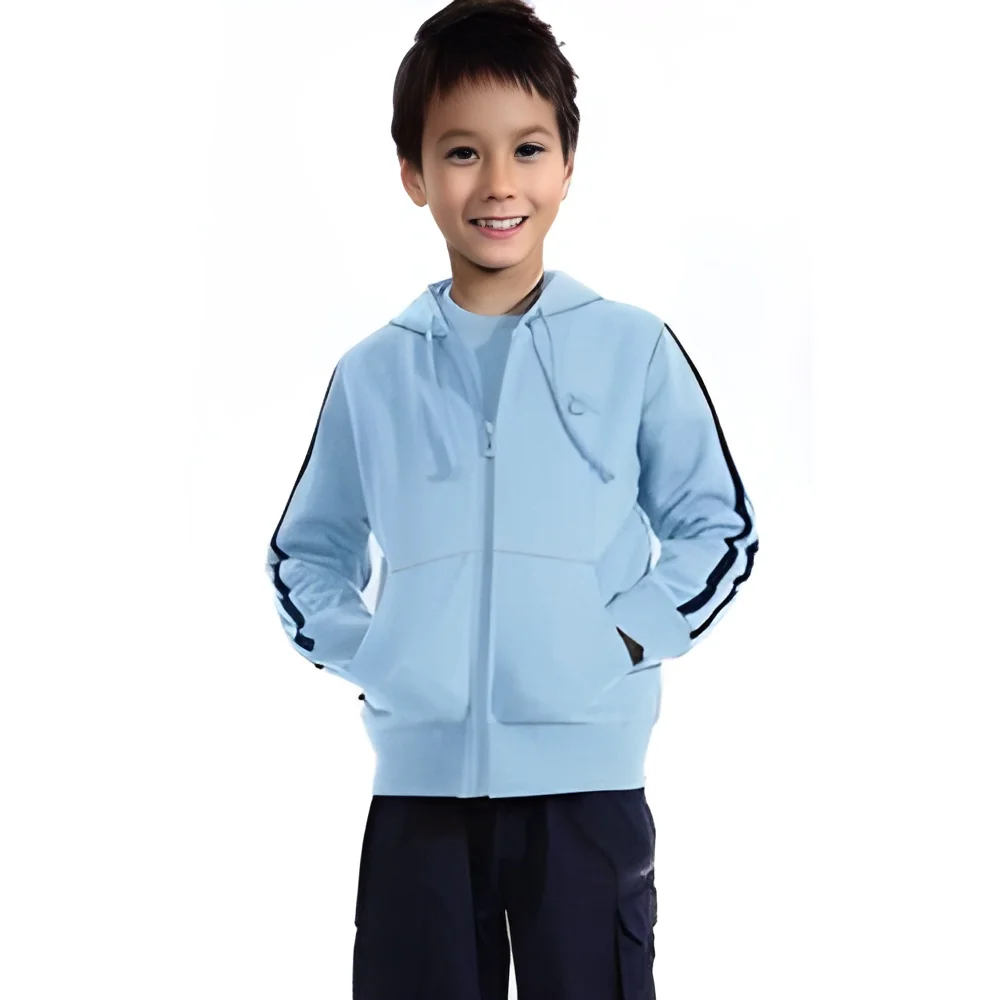
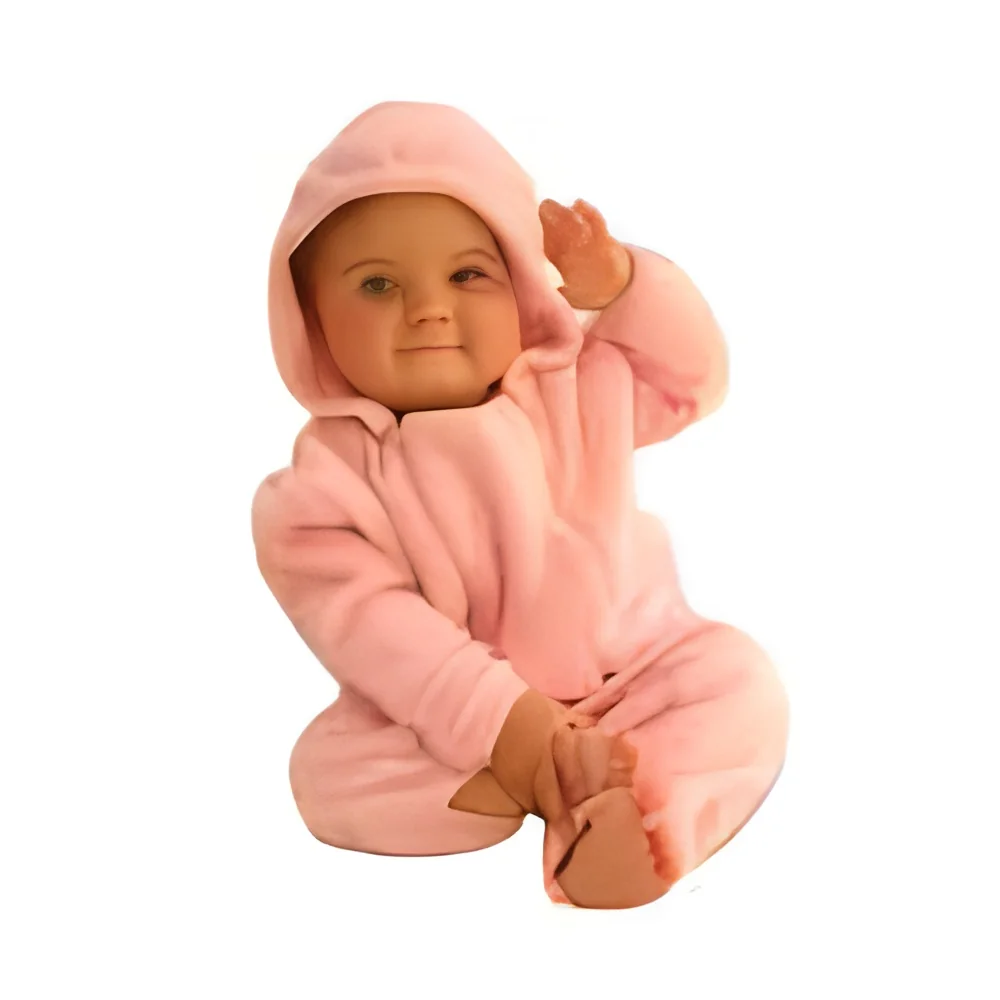
Outerwear: This includes jackets and blankets designed for outdoor use. Outerwear must offer protection against the elements while being easy to put on and take off.
Seasonal Clothing: This variant focuses on clothing designed specifically for different seasons, ensuring that babies are comfortable throughout the year.
Benefits and Advantages
The benefits of Other Baby Clothing extend beyond basic functionality, providing practical advantages for both parents and businesses.
1. Comfort: Soft and breathable fabrics ensure that babies remain comfortable throughout the day. This is essential for their overall well-being.
2. Safety: Compliance with safety standards protects infants from potential hazards. This assurance is vital for parents when choosing clothing.
3. Convenience: Many designs feature easy access for diaper changes, making life easier for caregivers. This practicality is a significant selling point.
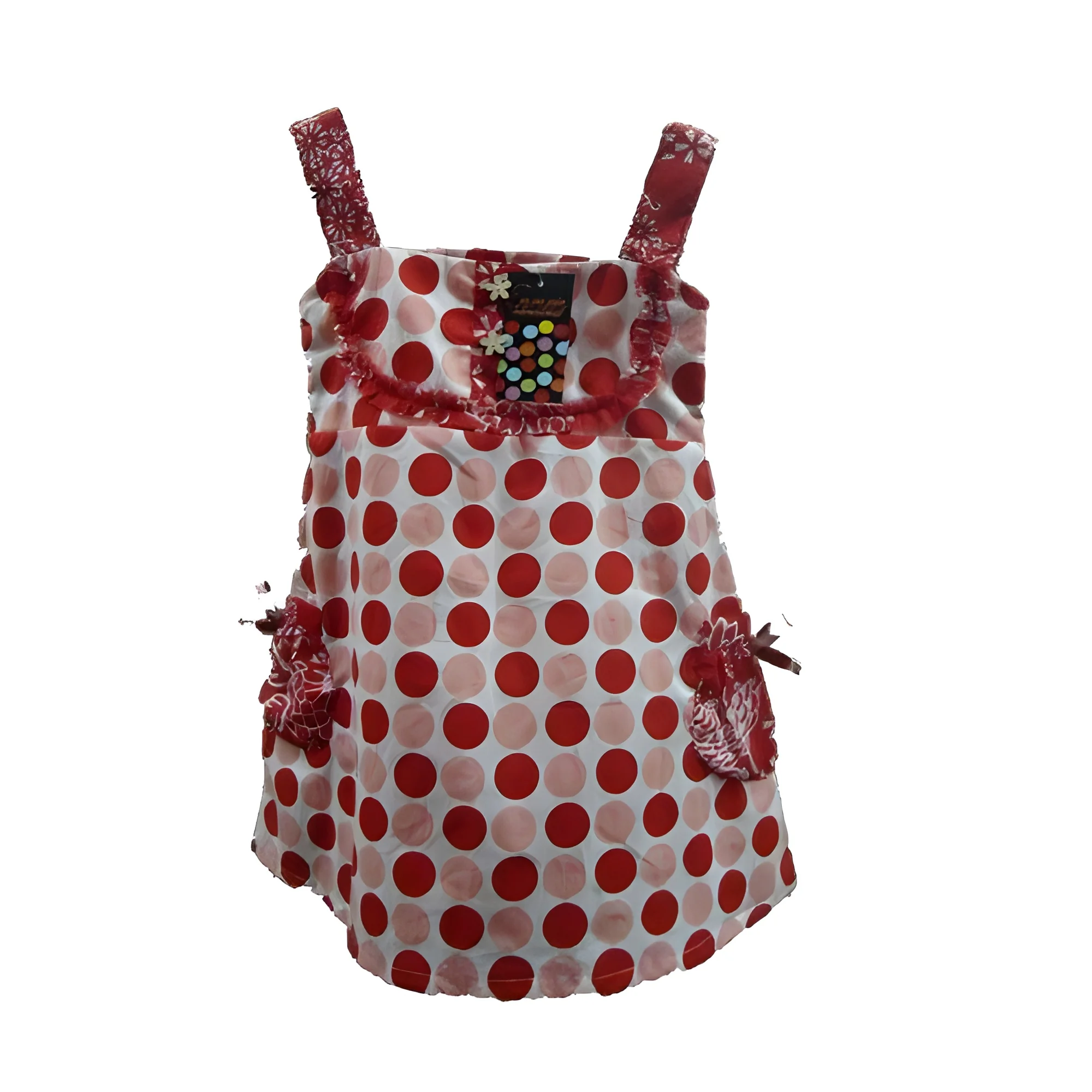
4. Style: A variety of colors and patterns allows parents to express their personal style while dressing their babies. Trendy options can appeal to fashion-conscious consumers.
5. Durability: High-quality materials ensure that clothing withstands wear and tear, providing good value for money. This longevity is crucial for parents on a budget.
6. Eco-Friendliness: Sustainable options cater to environmentally conscious consumers. Offering eco-friendly clothing can enhance a brand's reputation and marketability.
Buying Guide for B2B Buyers
When sourcing Other Baby Clothing, B2B buyers should consider several critical factors to ensure they make informed purchasing decisions.
1. Quality Assessment: Evaluate the fabric and construction quality to ensure it meets safety and comfort standards. Request samples if necessary to assess the feel and durability.
2. Supplier Verification: Vet potential suppliers to confirm their reliability and reputation in the industry. Check for certifications and customer reviews to gauge their performance.
3. Pricing and MOQ: Understand the pricing structure and minimum order quantities. This information is essential for budgeting and determining the financial viability of partnerships.
4. Delivery and Lead Times: Discuss logistics and expected delivery timelines. Timely delivery is crucial for maintaining inventory levels and meeting customer demand.
5. Compliance Requirements: Familiarize yourself with any regulatory standards specific to baby clothing. Ensure that your suppliers adhere to these regulations to avoid compliance issues.
Compliance and Certifications
Compliance and certifications are essential components of the Other Baby Clothing industry. Relevant quality standards help to ensure that products are safe for infants and meet consumer expectations.
ISO 9001 is a common standard that focuses on quality management systems. Manufacturers of Other Baby Clothing may seek this certification to demonstrate their commitment to quality and continuous improvement.
Additionally, CE certification is vital for products sold in European markets. This certification indicates that the clothing meets specific safety and environmental requirements, providing peace of mind to consumers.
Safety and testing requirements are stringent in the baby clothing sector. Manufacturers must conduct regular testing to ensure that their products are free from harmful substances and that they meet the necessary safety standards.
Regional compliance considerations can vary significantly. Buyers should be aware of specific regulations in their target markets to ensure that products are compliant and safe for use.
Why Source Other Baby Clothing from Pepagora?
Pepagora provides a trusted platform for sourcing Other Baby Clothing with several key advantages that make it a reliable choice for businesses.
Verified Supplier Network: Pepagora offers a robust network of verified suppliers. This ensures that buyers can trust the quality and safety of the products they purchase.
Streamlined RFQ Process: The platform facilitates an efficient request for quotation process. This system allows businesses to receive tailored offers from multiple suppliers, saving time and effort.
Trade Assurance and Support: Pepagora provides trade assurance, protecting buyers from potential risks. This feature ensures that transactions are secure and that buyers receive the quality they expect.
Regional Coverage: With a presence in India, the GCC, and Southeast Asia, Pepagora offers extensive geographic reach. This enables businesses to tap into diverse markets and meet the needs of a broader customer base.

 IN
IN