What are Baby Shorts?
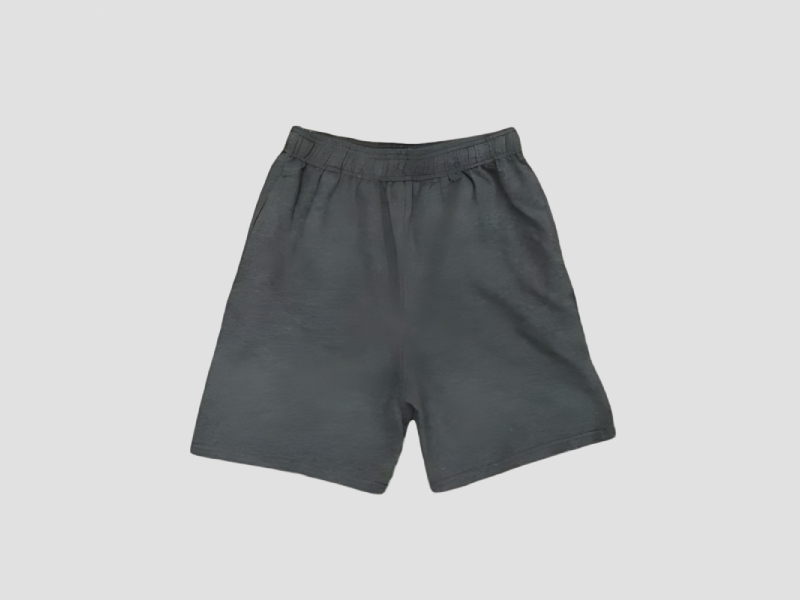
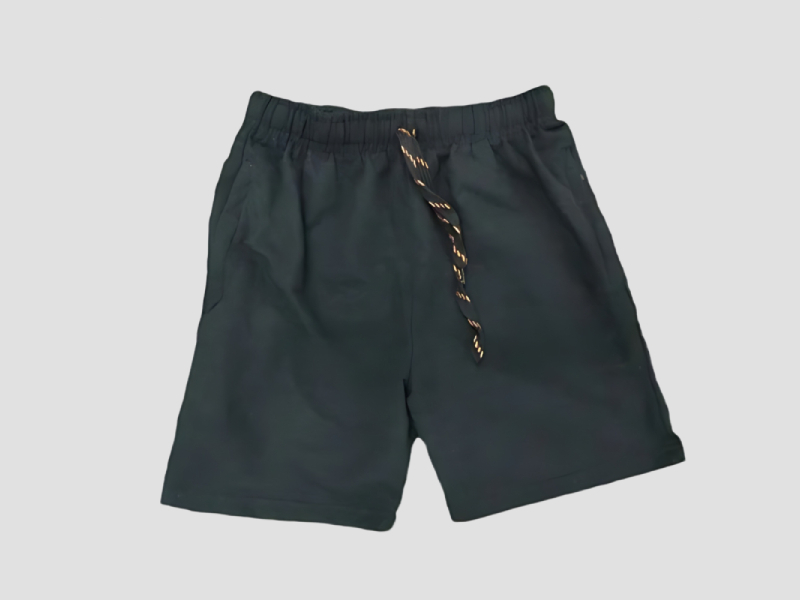
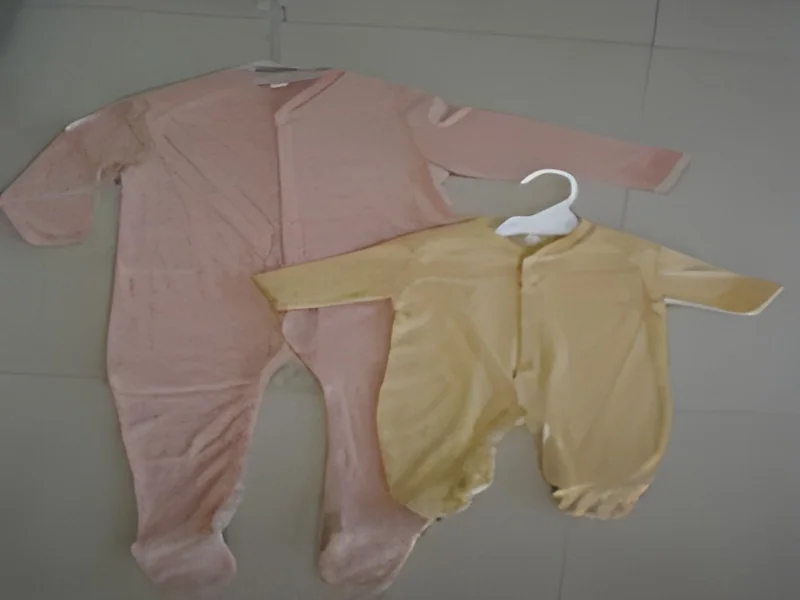
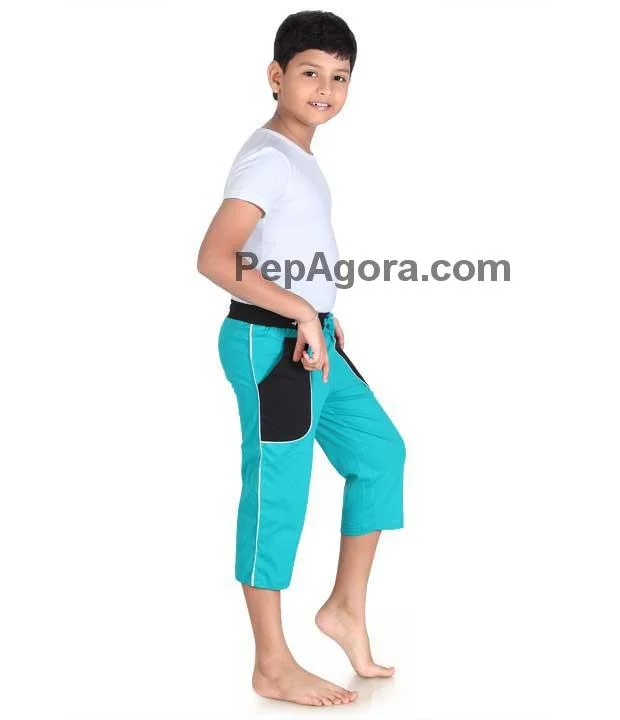
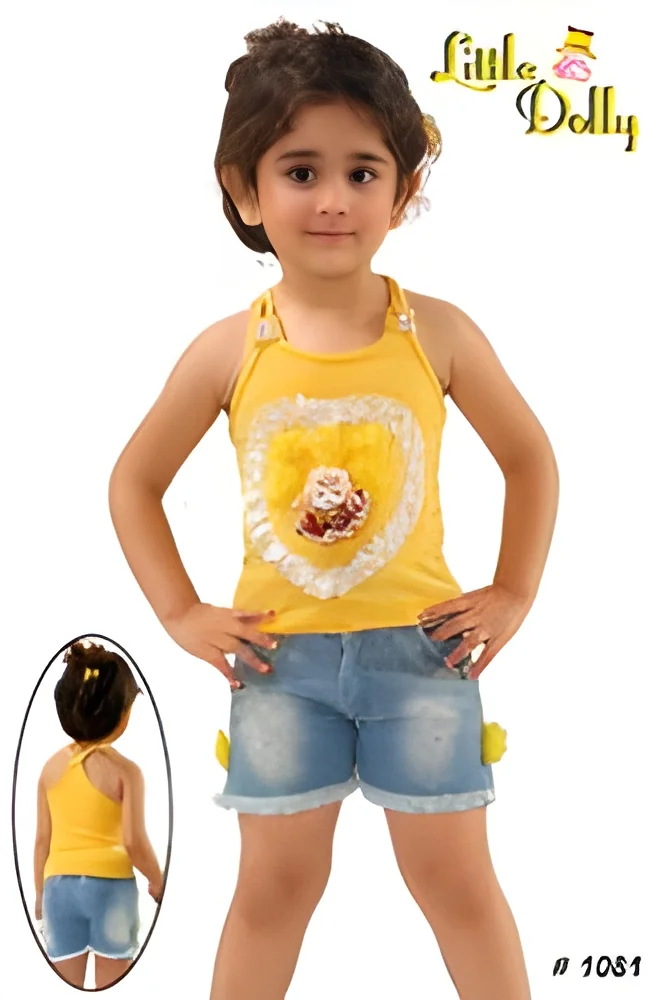
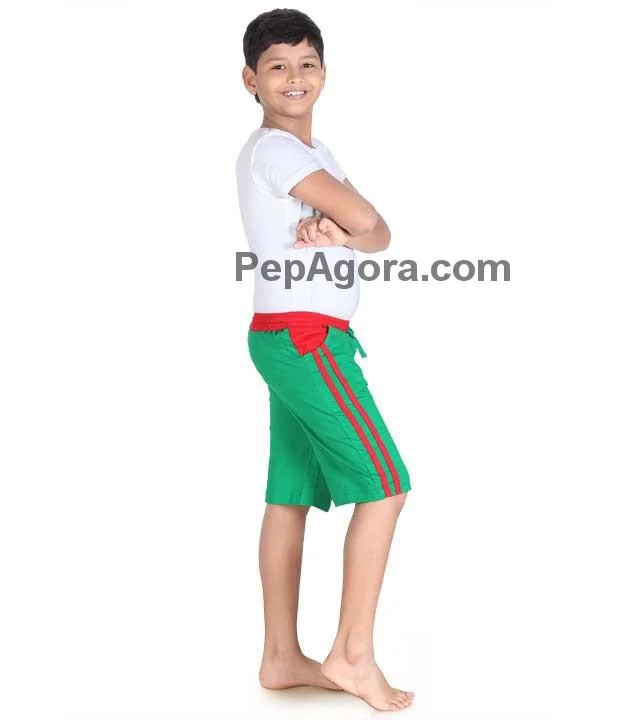
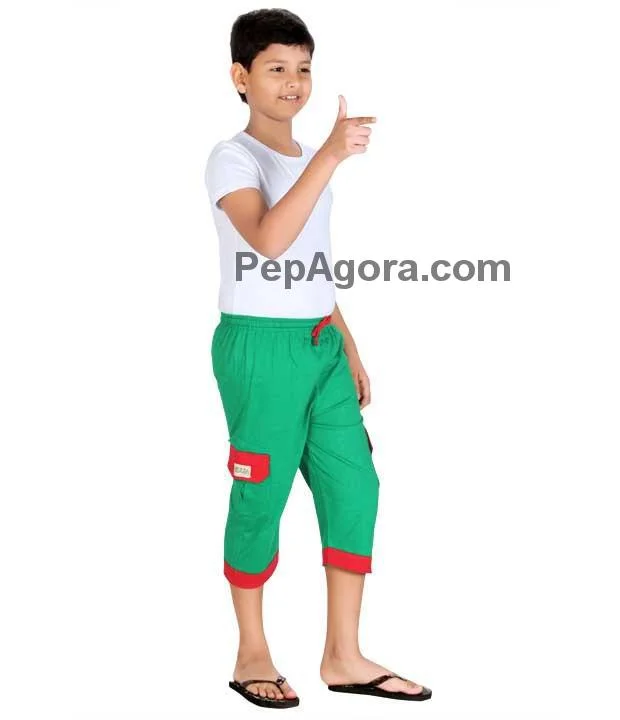
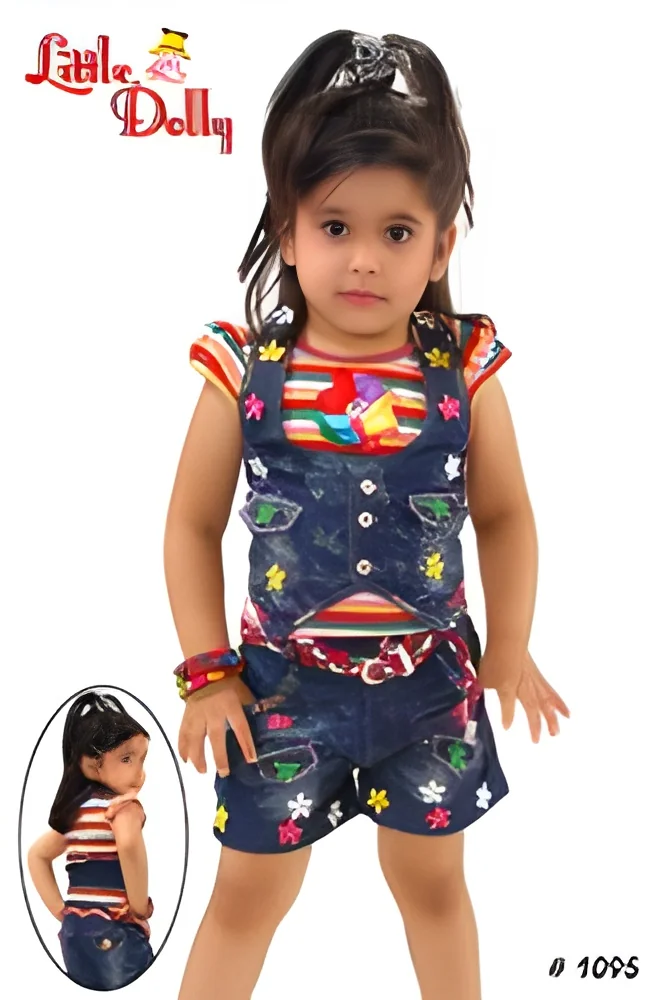
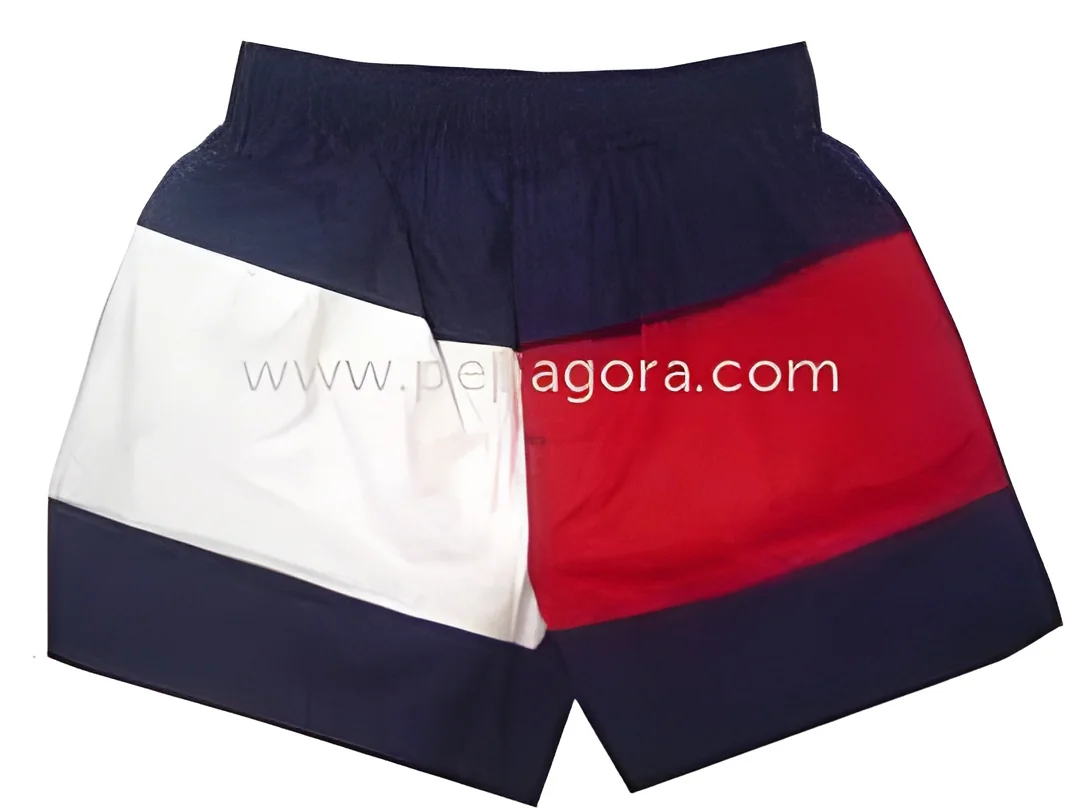
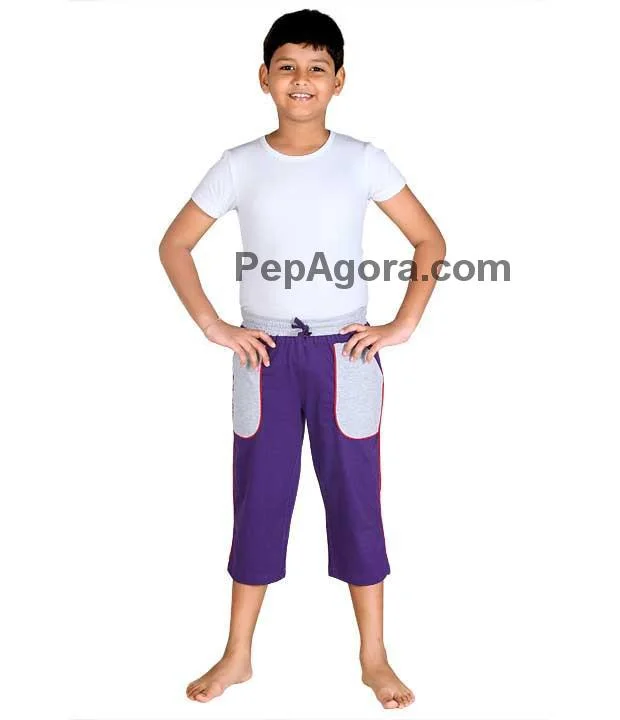
Baby shorts are a type of clothing designed specifically for infants and toddlers. They are typically made from soft, breathable fabrics that are gentle on a baby’s skin. These shorts come in various styles, lengths, and colors, catering to different preferences and occasions. The primary goal of baby shorts is to provide comfort and ease of movement while allowing for easy diaper changes.
The primary uses of baby shorts include everyday wear for playtime, outings, and casual events. They are often layered with shirts or onesies, making them versatile for different seasons. Baby shorts are popular among parents due to their practicality and style. In the business context, they are commonly sourced by retailers who wish to offer a range of children’s apparel. The market for baby shorts continues to grow as more parents seek fashionable yet functional clothing for their young children.
Key Features and Specifications
Baby shorts come with various features that enhance their usability and comfort. When considering baby shorts, it is essential to note key specifications that can impact their quality and suitability for infants.
Key specifications include:
1. Fabric Material
- Typically made from cotton, polyester, or a blend for softness and durability.
- Must be hypoallergenic and breathable to prevent irritation.
2. Size Range
- Available in sizes from newborn to toddler, accommodating various age groups.
- Common sizing increments include 0-3 months, 3-6 months, 6-12 months, and 12-24 months.
3. Waistband Style
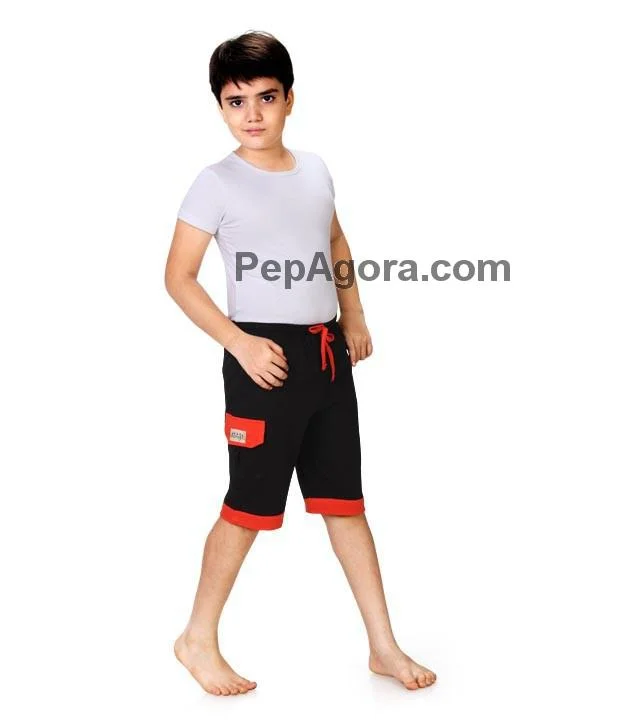
- Options include elastic waistbands, drawstrings, or snap closures for easy dressing.
- Should provide a comfortable fit without being too tight.
4. Design and Patterns
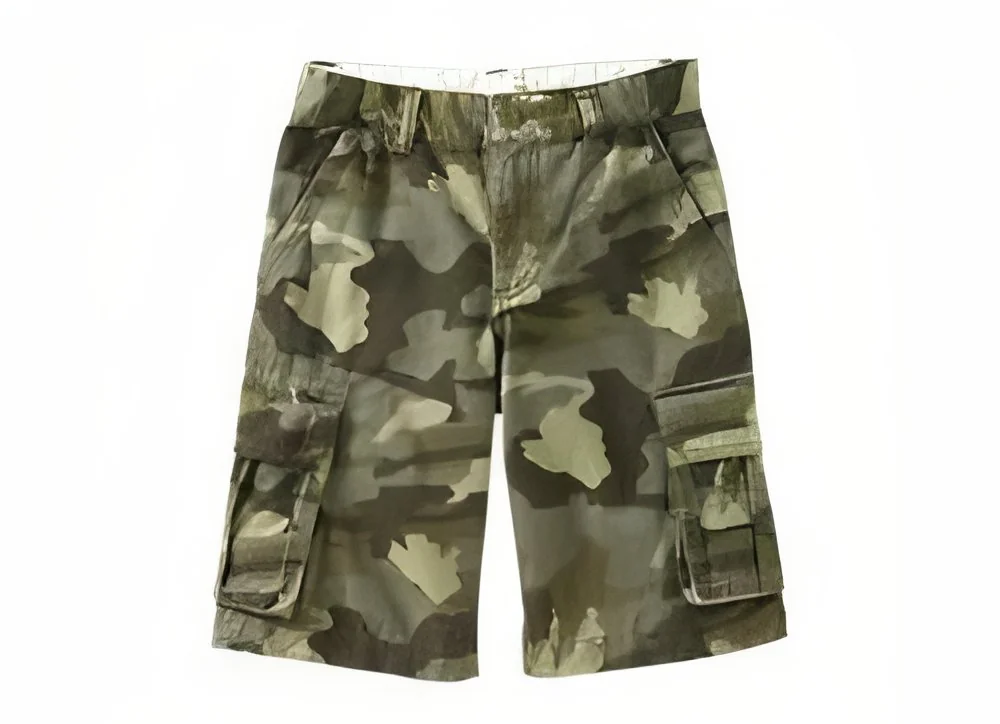
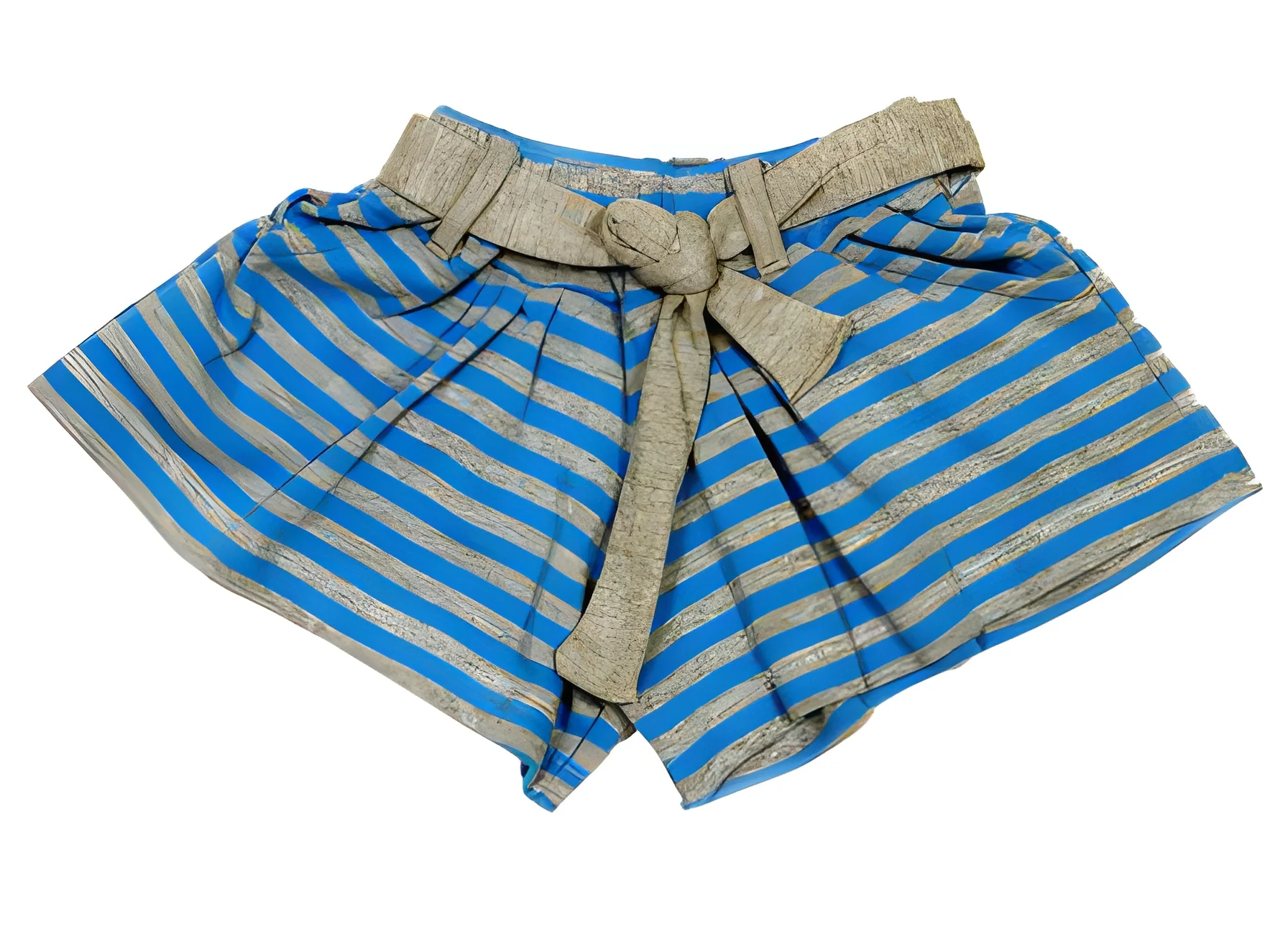
- Available in solid colors, prints, and patterns to appeal to different tastes.
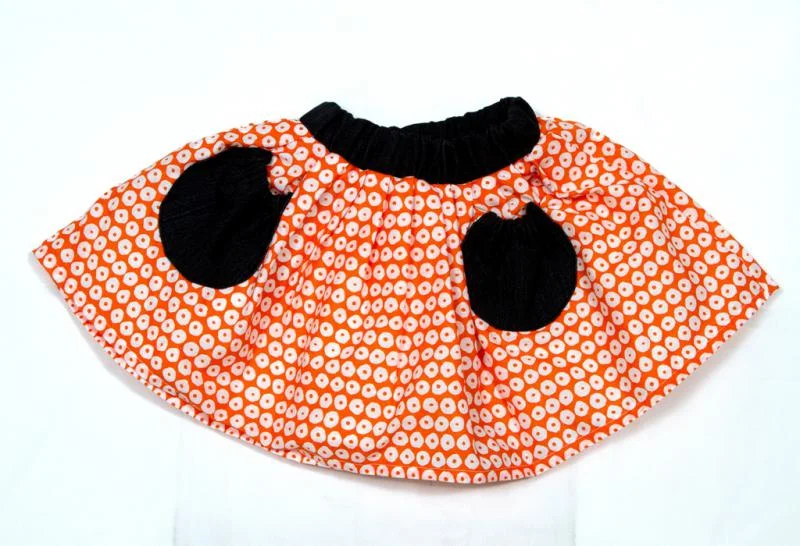
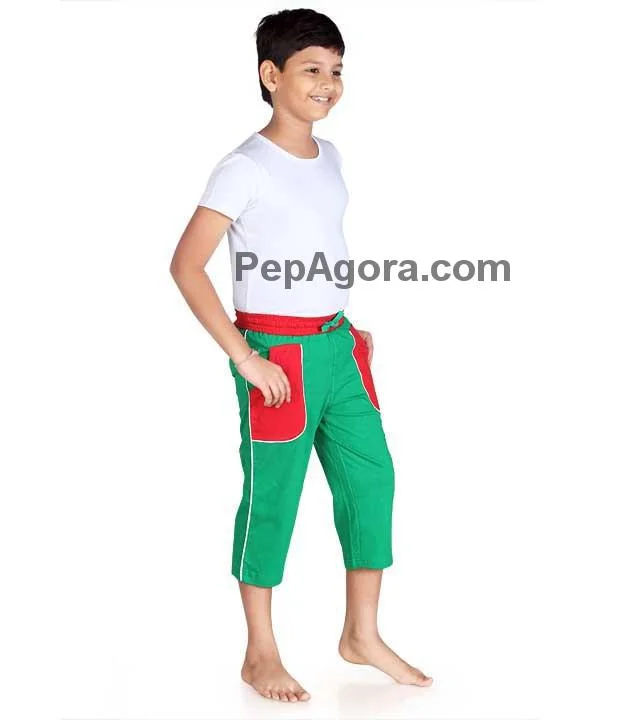
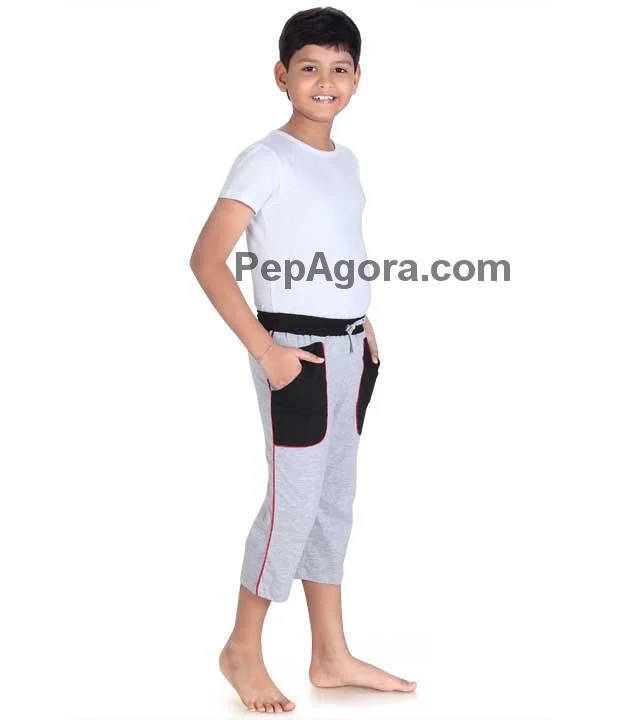
- Some designs include features like ruffles or pockets.
5. Care Instructions
- Machine washable and designed to withstand frequent laundering.
- Fade-resistant colors to maintain appearance after washing.
6. Safety Features
- No small parts or embellishments that could pose choking hazards.
- Compliant with safety regulations for children's clothing.
In summary, when sourcing baby shorts, attention to these specifications ensures the selection of safe and comfortable options for children.
Common Applications and Use Cases
Baby shorts serve various industries beyond just clothing retail.
1. Retail Clothing Stores: Baby shorts are essential items in children's clothing sections, providing customers with stylish options for young children.
2. Online E-commerce Platforms: Many online retailers specialize in children's apparel, offering a wide variety of baby shorts to cater to diverse consumer preferences.
3. Boutiques: Specialty shops often carry unique designs of baby shorts that appeal to parents looking for distinctive clothing.
4. Baby Product Distributors: Distributors that focus on children's products frequently include baby shorts in their catalogs, meeting the needs of various retailers.
5. Fashion Brands: Many fashion brands create seasonal collections that include baby shorts, reflecting current styles and trends.
Product Variants and Subcategories
Baby shorts come in various styles, each with distinct features and applications, catering to diverse consumer needs.
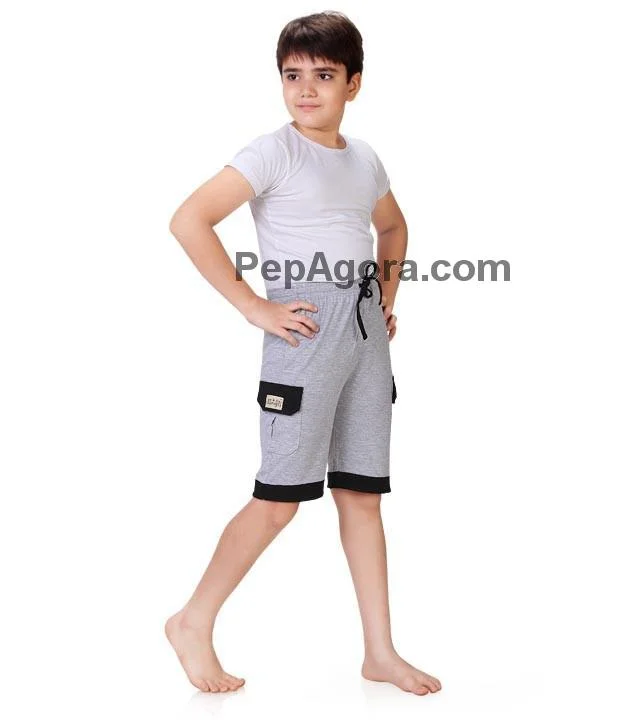
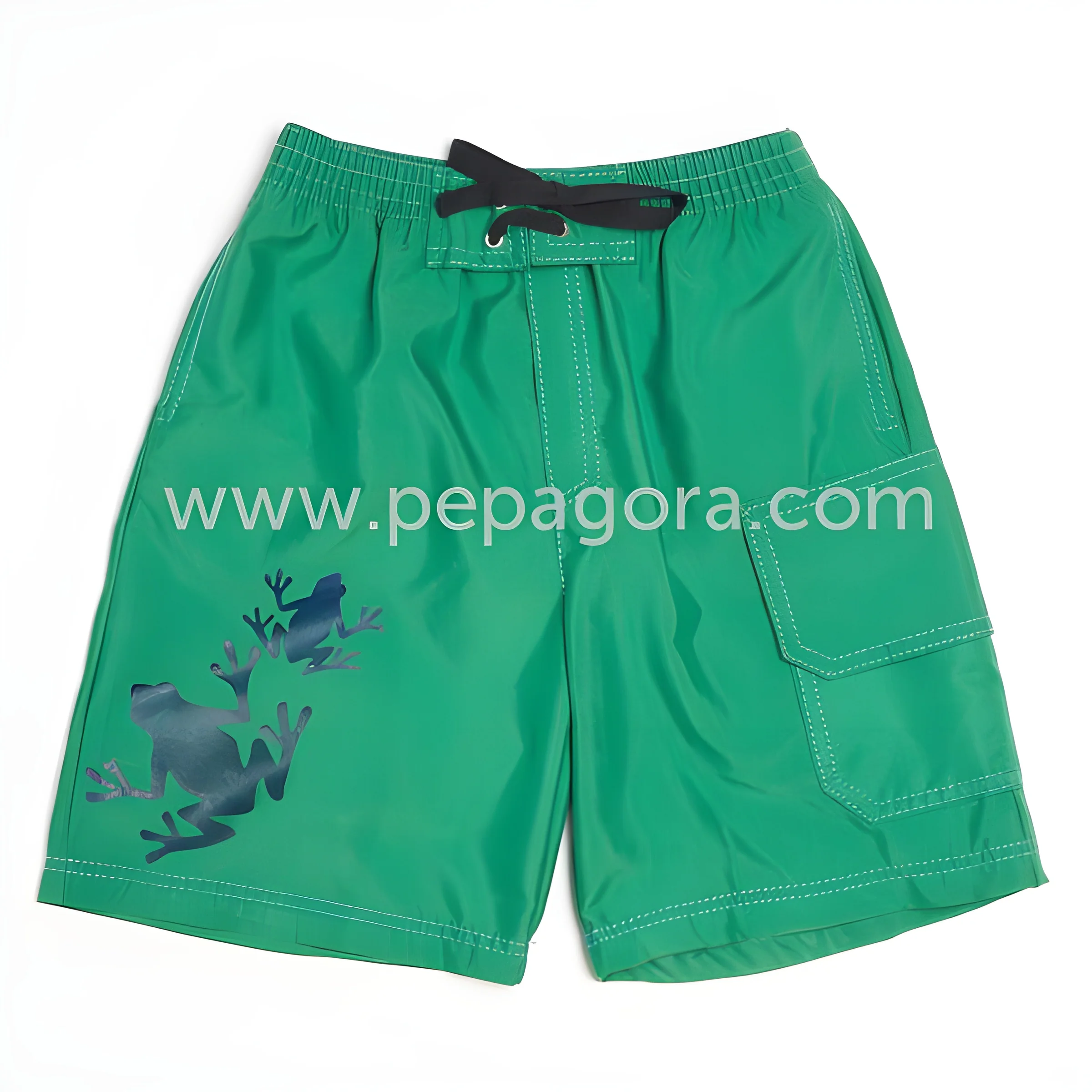
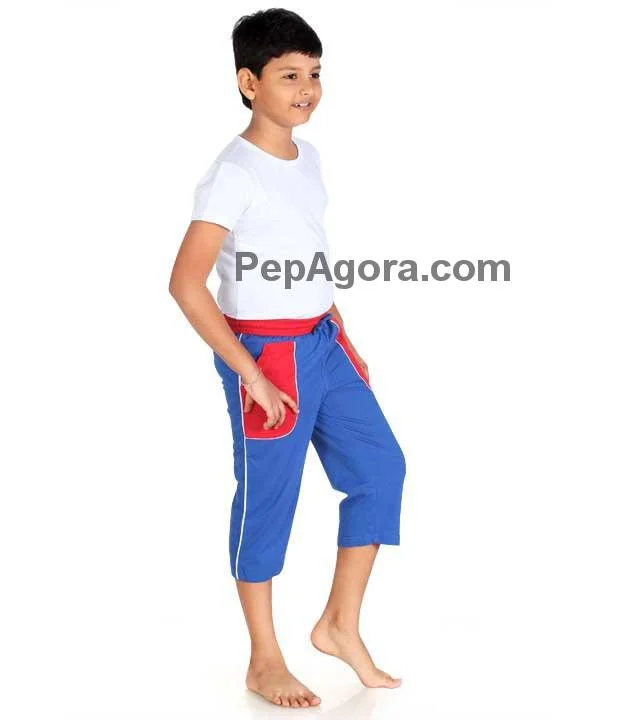
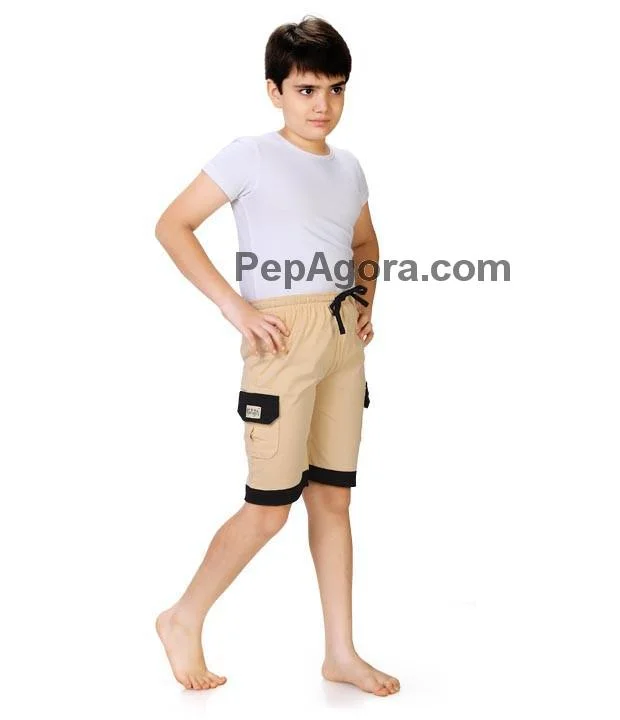
Casual Baby Shorts
These are designed for everyday wear, often made from soft cotton and featuring playful prints. They are perfect for playdates and outings, providing comfort and ease of movement.
Dressy Baby Shorts
These shorts are typically made from higher-quality fabrics and may incorporate decorative elements. They are suitable for special occasions, such as family gatherings or celebrations.
Sporty Baby Shorts
Designed for active infants, these shorts often include moisture-wicking materials and elastic waistbands. They are ideal for outdoor activities and playtime.
Benefits and Advantages
Sourcing baby shorts presents several advantages for businesses.
Key benefits include:
1. Versatility: Baby shorts can be worn in various settings, making them a practical choice for parents.
2. Comfort: The soft fabrics used in baby shorts ensure that infants remain comfortable throughout the day.
3. Style Variety: Numerous designs and patterns are available, appealing to different consumer preferences.
4. Easy Maintenance: Most baby shorts are machine washable, making them easy for parents to care for.
5. Affordable Pricing: Baby shorts are generally cost-effective, allowing retailers to offer competitive pricing to consumers.
6. Seasonal Adaptability: Baby shorts can be adapted for different seasons, with variations in fabric weight and style.
Buying Guide for B2B Buyers
When sourcing baby shorts, B2B buyers should consider several critical factors to ensure quality and suitability.
1. Quality Assessment: Look for high-quality materials and craftsmanship to ensure durability and comfort. Conduct inspections or request samples to evaluate fabric softness and stitching quality.
2. Supplier Verification: Vet potential suppliers by checking their reputation, reviews, and compliance with industry standards. Ensure they have a history of reliable delivery and customer service.
3. Pricing and MOQ: Understand the price range for baby shorts and inquire about minimum order quantities. Balance cost with quality to find a good deal.
4. Delivery and Lead Times: Discuss logistics with suppliers to understand their delivery capabilities. Consider lead times to ensure timely inventory restocking.
5. Compliance Requirements: Verify that the baby shorts meet safety and regulatory standards, such as CE certification, to ensure the products are safe for infants.
Compliance and Certifications
When sourcing baby shorts, compliance with relevant quality standards is essential for ensuring safety and quality.
Many baby shorts adhere to quality standards such as ISO 9001, which focuses on maintaining a high standard of quality management systems in manufacturing. Compliance with HACCP principles may be necessary for certain fabric treatments, ensuring that materials used in baby shorts are safe for children.
Additionally, CE certification applies to baby clothing in regions where it is required, ensuring that products meet safety standards for children’s wear. Safety testing is crucial to eliminate hazards such as choking or harmful chemicals in fabrics.
It is also important to consider regional compliance, particularly in markets like Europe and North America, where strict regulations govern children’s apparel.
Why Source Baby Shorts from Pepagora?
Pepagora offers a trusted platform for sourcing baby shorts, providing numerous advantages for B2B buyers.
Verified Supplier Network: Pepagora has a robust network of verified suppliers, ensuring that buyers can connect with reputable manufacturers. This verification process helps mitigate risks associated with sourcing.
Streamlined RFQ Process: The request for quotation (RFQ) system simplifies the sourcing process. Buyers can easily submit their requirements and receive competitive quotes from multiple suppliers, saving time and effort.
Trade Assurance and Support: Pepagora provides trade assurance, offering protection for buyers during transactions. This support gives buyers confidence in their purchases and helps resolve any issues that may arise.
Regional Coverage: Pepagora reaches a wide geographic area, including India, the GCC, and Southeast Asia. This extensive coverage allows buyers to access a diverse range of baby shorts tailored to local preferences and market demands.

 IN
IN