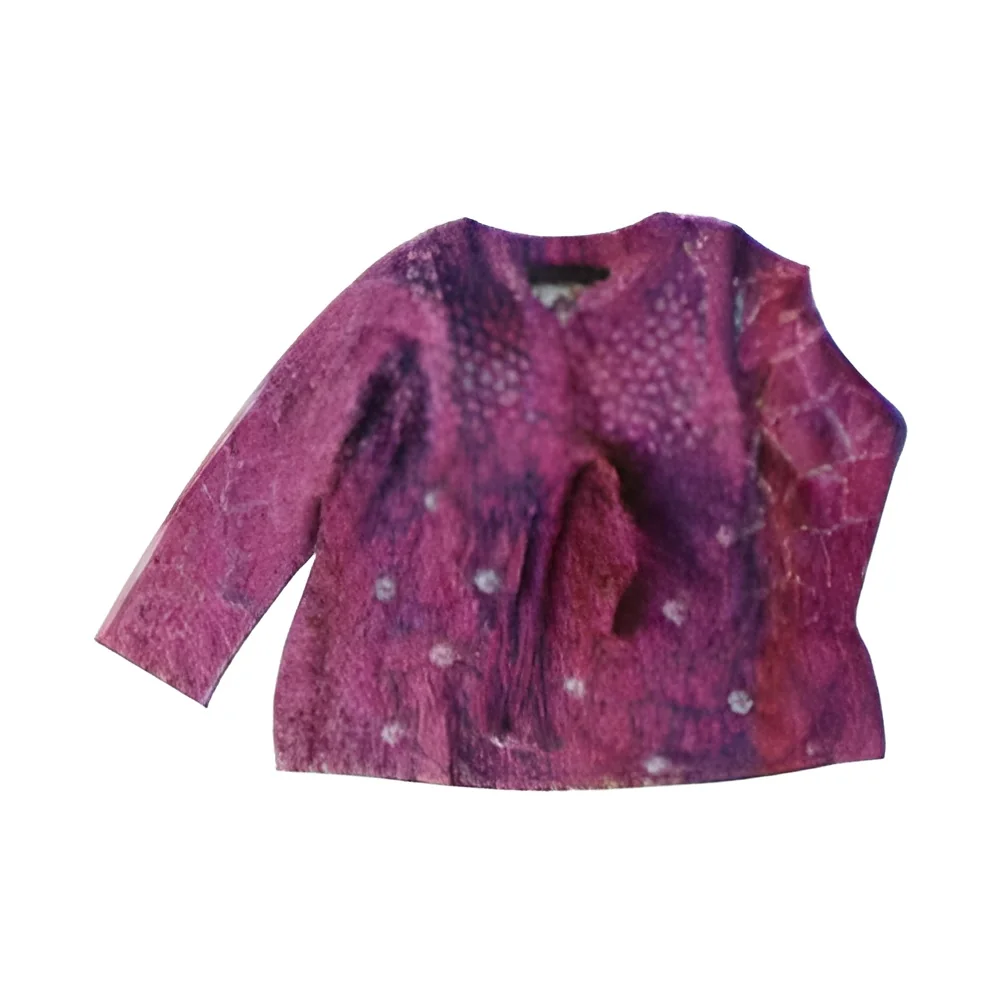
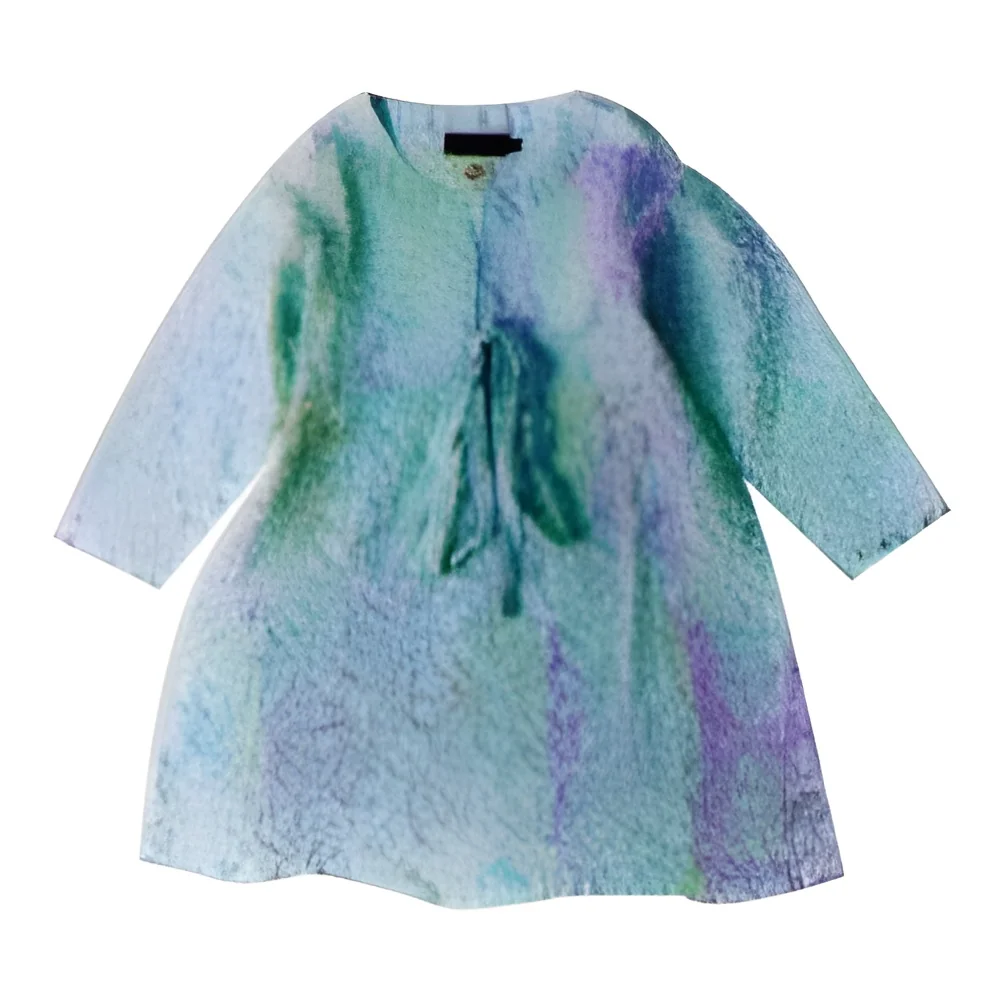
What are Baby Ethnic Wear?
Baby ethnic wear refers to traditional clothing designed specifically for infants and toddlers, typically inspired by cultural heritage. This category of clothing includes garments such as lehengas, kurtas, dhotis, and sarees, made from a variety of fabrics and adorned with intricate designs. The clothing is intended to celebrate cultural events, festivals, and family occasions, allowing parents to dress their children in attire that reflects their cultural identity.
The primary uses of baby ethnic wear are for special occasions such as weddings, festivals, and family gatherings. Businesses in the fashion and textile industry cater to this demand by creating collections that appeal to parents looking for stylish and culturally relevant clothing for their children. The market for baby ethnic wear has seen significant growth due to the increasing participation of families in cultural celebrations and the desire to maintain traditions through generations.
In the current industry context, baby ethnic wear is gaining popularity not only in India but also in international markets where there is a growing interest in ethnic fashion. Retailers and manufacturers are tapping into this trend by offering a diverse range of products that combine traditional aesthetics with modern functionality, thus expanding their reach and customer base.
Key Features and Specifications
Baby ethnic wear is characterized by a range of features and specifications designed to cater to the needs of infants and toddlers. The garments are crafted with attention to detail, ensuring comfort, safety, and style for young children.
Key specifications include:
1. Fabric Quality
- Made from breathable, soft fabrics such as cotton, silk, and polyester
- Ensures comfort against delicate skin
2. Sizing Range
- Available in various sizes to fit infants to toddlers
- Typically ranges from newborn to 3 years
3. Design Elements
- Incorporates traditional embroidery, patterns, and embellishments
- Features bright colors and aesthetic appeal
4. Durability
- Designed to withstand regular wear and tear
- Easy to wash and maintain
5. Safety Features
- Non-toxic dyes and materials used in production
- No sharp edges or small parts that may pose choking hazards
6. Seasonal Variations
- Styles available for different seasons and climates
- Light fabrics for summer and heavier materials for winter
7. Customization Options
- Potential for personalized designs and sizes
- Options for bulk orders for events
In summary, baby ethnic wear combines traditional aesthetic values with modern design principles, ensuring that parents can find suitable options for their children while maintaining cultural ties.
Common Applications and Use Cases
Baby ethnic wear serves various industries, each with specific applications tailored to their target audiences.
1. Retail Fashion: Retailers specializing in children's clothing offer baby ethnic wear to cater to parents looking for stylish options for special occasions.
2. E-commerce: Online platforms provide a wide selection of baby ethnic wear, enabling easy access for customers across different regions.
3. Event Planning: Companies organizing cultural events and weddings utilize baby ethnic wear for themed attire, ensuring children are dressed appropriately for celebrations.
4. Cultural Organizations: Organizations promoting cultural heritage may distribute baby ethnic wear as part of their outreach programs.
5. Gift Shops: Baby ethnic wear is popular as gift items for newborns and toddlers during festivals and family gatherings.
Product Variants and Subcategories
Baby ethnic wear encompasses a diverse range of styles and designs, allowing for various options to suit different tastes and occasions.
Traditional Lehenga
This variant features a flared skirt paired with a matching top and is often adorned with traditional embroidery and embellishments. It is ideal for festive occasions and family celebrations.
Kurta Set
A popular choice for boys, this set includes a long tunic paired with comfortable bottoms. It is versatile for both casual and formal events and can be styled for various cultural celebrations.
Saree for Toddlers
This variant offers a simplified version of the traditional saree, designed with comfort in mind. It allows parents to introduce their young girls to traditional attire in a fun and easy-to-wear manner.
Benefits and Advantages
Baby ethnic wear offers various benefits that appeal to both parents and retailers.
1. Cultural Connection: Allows families to celebrate their heritage and traditions through fashion.
2. Versatility: Suitable for multiple occasions, from casual family gatherings to formal events and celebrations.
3. Comfort: Designed with soft, breathable materials that ensure comfort for young children.
4. Stylish Options: Provides a range of stylish designs that appeal to contemporary tastes while honoring traditional aesthetics.
5. Quality Craftsmanship: Often handmade or carefully crafted, ensuring high standards of durability and detail.
6. Growing Market: Increasing demand for ethnic wear in the global market creates opportunities for businesses in this sector.
Buying Guide for B2B Buyers
When sourcing baby ethnic wear, B2B buyers should consider several critical factors to ensure quality and satisfaction.
1. Quality Assessment: Evaluate the fabric quality and craftsmanship to ensure it meets safety and comfort standards for infants and toddlers.
2. Supplier Verification: Conduct thorough vetting of suppliers to confirm their reliability and capability in fulfilling orders consistently.
3. Pricing and MOQ: Understand pricing structures and minimum order quantities to align purchasing decisions with budgetary constraints.
4. Delivery and Lead Times: Inquire about logistics and expected delivery times to ensure timely availability of products for seasonal demands.
5. Compliance Requirements: Ensure that products meet necessary safety and regulatory standards, especially when dealing with children's clothing.
Compliance and Certifications
Baby ethnic wear must adhere to relevant quality standards and regulations to ensure safety and customer satisfaction.
Quality standards such as ISO 9001 are essential for maintaining consistent production quality. This certification ensures that manufacturers follow established procedures for quality management systems.
Industry certifications like CE indicate compliance with European safety standards, which is crucial for products intended for children. This certification assures buyers of the product's safety and reliability.
Safety and testing requirements are critical to preventing hazards related to children's clothing. Rigorous testing for flammability and the use of non-toxic materials are vital aspects of compliance.
Regional compliance considerations may vary, and it is important for manufacturers and suppliers to be aware of local regulations regarding children's wear in different markets.
Why Source Baby Ethnic Wear from Pepagora?
Pepagora provides a trusted platform for sourcing baby ethnic wear, offering several key advantages that benefit B2B buyers.
Verified Supplier Network: Pepagora connects buyers with a comprehensive network of verified suppliers, ensuring that businesses can source quality products with confidence.
Streamlined RFQ Process: The platform simplifies the request-for-quotation process, allowing buyers to receive competitive pricing and options from multiple suppliers quickly.
Trade Assurance and Support: Buyers are protected through trade assurance programs that safeguard transactions, ensuring satisfaction with purchases.
Regional Coverage: With a strong presence in India, the GCC, and Southeast Asia, Pepagora provides extensive geographic reach, making it easier for businesses to access a diverse range of baby ethnic wear options tailored to various markets.

 IN
IN