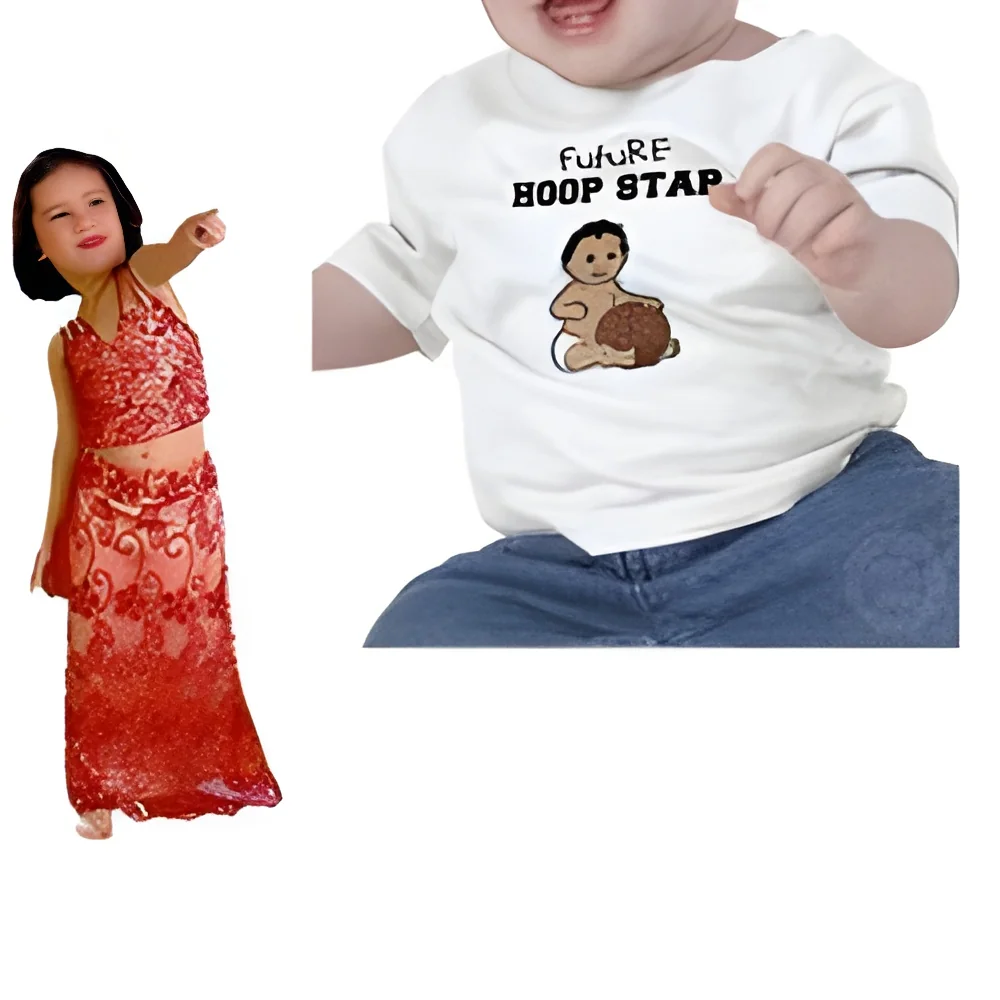
What are Children’s Ethnic Wear?
Children’s ethnic wear refers to traditional clothing designed specifically for children, showcasing cultural heritage and identity. This category includes garments such as kurtas, lehengas, sherwanis, and churidars, often made from rich fabrics and adorned with intricate embroidery. These outfits are typically designed to reflect the styles and colors associated with various ethnic groups, making them visually appealing and culturally significant.
Primarily, children’s ethnic wear is used during festivals, weddings, and other cultural celebrations. Businesses in the fashion and textile industries often cater to this market by producing a range of garments that appeal to parents looking for traditional attire for their children. The demand for such clothing continues to grow, particularly in regions where cultural festivals and family gatherings are prominent, thus making it a relevant sector within the broader fashion industry.
The market for children’s ethnic wear is expanding rapidly as families increasingly seek ways to celebrate their heritage. This trend is supported by the rising population of children in many regions and the desire among parents to instill cultural values through traditional clothing. As a result, manufacturers and retailers are focusing on quality, variety, and customization to meet the diverse needs of consumers.
Key Features and Specifications
Children’s ethnic wear is characterized by a variety of features that cater to the needs of both children and parents. The specifications reflect considerations for comfort, style, and durability, ensuring that the garments are suitable for active kids while also being visually appealing.
Key specifications include:
1. Fabric Quality
- Soft and breathable materials such as cotton, silk, and polyester
- Durability to withstand wear and tear
2. Size Range
- Available in various sizes to accommodate different age groups
- Custom sizing options to ensure a proper fit
3. Design Elements
- Traditional embroidery and embellishments
- Vibrant colors that appeal to children
4. Comfort Features
- Adjustable waistbands for ease of wear
- Lightweight fabric for comfort during warm weather
5. Washability
- Machine-washable and easy to maintain
- Colorfast materials to prevent fading
6. Cultural Representation
- Designs inspired by various ethnic backgrounds
- Unique patterns that reflect traditional aesthetics
7. Availability
- Seasonal collections aligned with major festivals
- Custom orders available for special occasions
In summary, the specifications of children’s ethnic wear focus on combining traditional aesthetics with modern comfort and practicality, making them suitable for various events.
Common Applications and Use Cases
Children’s ethnic wear serves a multitude of industries and occasions.
1. Retail Fashion: Local boutiques and online stores often stock ethnic wear for children, catering to parents looking for unique styles for special occasions.
2. Event Planning: Wedding planners and event organizers frequently recommend ethnic garments for children attending cultural ceremonies, ensuring a cohesive look across the family.
3. Cultural Festivals: Many cultural organizations and community groups promote ethnic wear for children during festivals, enhancing the overall celebration atmosphere.
4. Photography: Photographers often utilize children’s ethnic wear for themed photo shoots, capturing the essence of cultural heritage.
5. Schools and Cultural Programs: Educational institutions may encourage students to wear ethnic attire during cultural days, fostering an appreciation for diversity.
6. Gift Shops: Specialty gift shops often feature children’s ethnic wear as ideal presents for birthdays and holidays, appealing to parents seeking meaningful gifts.
7. Export Markets: Manufacturers may also target international markets, exporting ethnic wear to countries with significant diaspora communities.
Product Variants and Subcategories
Children’s ethnic wear offers a diverse range of styles, catering to various tastes and occasions.
Kurtas
Kurtas are long tunics that can be paired with churidars or leggings. These garments are versatile and can be worn for both casual and formal events. They often feature vibrant colors and intricate patterns.
Lehengas
Lehengas are traditional skirts often worn with a matching choli and dupatta. These outfits are popular for festive occasions and weddings, providing a stylish and elegant look for young girls.
Sherwanis
Sherwanis are long coats worn over a kurta, typically designed for boys. They are often worn during weddings and family gatherings, showcasing traditional craftsmanship and style.
Churidars
Churidars are fitted trousers that complement various ethnic tops. These are ideal for children who prefer a more modern take on traditional attire while still embracing ethnic styles.
Benefits and Advantages
Choosing children’s ethnic wear offers several advantages for consumers and businesses alike.
1. Cultural Appreciation: Wearing ethnic attire helps instill a sense of cultural pride and awareness in children, fostering a connection to their heritage.
2. Unique Designs: Children’s ethnic wear often features exclusive designs that stand out from conventional clothing, allowing kids to express their individuality.
3. Versatility: Many ethnic garments can be styled for different occasions, making them a practical addition to any child’s wardrobe.
4. Comfort: Ethnic wear is often designed with comfort in mind, using soft fabrics that are gentle on children's skin.
5. Quality Craftsmanship: Many manufacturers emphasize high-quality materials and skilled craftsmanship, ensuring durability and longevity in the garments.
6. Seasonal Appeal: Ethnic wear is particularly popular during festive seasons, making them a timely choice for parents looking to celebrate cultural events.
Buying Guide for B2B Buyers
When sourcing children’s ethnic wear for business purposes, several factors should be considered to ensure a successful procurement process.
1. Quality Assessment: Evaluate the quality of the fabric and craftsmanship. Look for samples to verify durability and comfort before making bulk purchases.
2. Supplier Verification: Research potential suppliers to ensure they have a good reputation. Check reviews and ask for references from other businesses.
3. Pricing and MOQ: Understand the pricing structure and minimum order quantities. This information is crucial for budgeting and inventory planning.
4. Delivery and Lead Times: Discuss delivery schedules and lead times with suppliers to avoid delays. Timely delivery is essential, especially for seasonal items.
5. Compliance Requirements: Ensure that the products meet any relevant safety standards and regulations. This includes checking for certifications such as CE.
Compliance and Certifications
Children’s ethnic wear must adhere to various quality and safety standards to ensure consumer safety and satisfaction.
Relevant quality standards such as ISO 9001 focus on quality management systems, ensuring manufacturers maintain consistent quality in their products.
HACCP guidelines may also apply, particularly if the materials used are subject to safety and hygiene considerations.
Industry certifications like CE indicate that the products comply with European health, safety, and environmental requirements, providing additional assurance to buyers.
Safety and testing requirements must be met, especially for garments intended for children. It is essential to conduct tests for harmful substances and ensure that the materials used are non-toxic and safe for young wearers.
Finally, regional compliance considerations may vary based on local regulations. Understanding these requirements is crucial for businesses looking to enter new markets.
Why Source Children’s Ethnic Wear from Pepagora?
Pepagora provides a trusted platform for sourcing children’s ethnic wear, offering several key advantages that make it an ideal choice for businesses.
Verified Supplier Network: Pepagora connects buyers with a network of verified suppliers. This ensures that businesses can find reliable partners who meet their quality and delivery expectations.
Streamlined RFQ Process: The request for quotation process is designed to be straightforward, allowing buyers to receive competitive pricing from multiple suppliers quickly. This efficiency saves time and enhances decision-making.
Trade Assurance and Support: Pepagora offers trade assurance, providing buyers with protection throughout the transaction process. This support fosters trust and confidence in sourcing decisions.
Regional Coverage: With a strong presence in India, GCC countries, and Southeast Asia, Pepagora enables businesses to tap into diverse markets and access a wide range of products tailored to local preferences.
In summary, Pepagora stands out as a reliable sourcing platform, offering the necessary tools and support for businesses looking to procure children’s ethnic wear efficiently and effectively.

 IN
IN