What are Baby Innerwear?
Baby innerwear refers to specialized clothing designed for infants and toddlers that is typically worn underneath outer garments. These garments include items such as onesies, undershirts, and diaper covers. The primary purpose of baby innerwear is to provide comfort and warmth to young children while ensuring ease of movement. This clothing is often made from soft, breathable fabrics that are gentle on a baby's sensitive skin.
The primary uses of baby innerwear extend beyond comfort; they also play a crucial role in hygiene and practicality. Innerwear helps in keeping the baby's outer garments clean by acting as a barrier against spills and messes. In the B2B context, manufacturers and retailers focus on producing high-quality baby innerwear to meet the demands of parents and caregivers looking for durable and functional options. With the growing awareness of infant care and the increasing number of young families, the market for baby innerwear continues to expand, making it a relevant segment in the children's apparel industry.
Key Features and Specifications
Baby innerwear is characterized by several key features that contribute to its functionality and appeal. These specifications ensure that the garments are suitable for the delicate needs of infants.
Key specifications include:
1. Fabric Composition
- Made from materials such as cotton, modal, or bamboo.
- Softness and breathability are prioritized.
2. Size Range
- Available in multiple sizes to accommodate infants from newborn to toddler.
- Sizes typically range from 0-3 months to 2-3 years.
3. Design Features
- Often incorporates snap buttons or envelope necks for easy dressing.
- Some designs include stretchy waistbands for comfort.
4. Care Instructions
- Machine washable for easy cleaning.
- Durable enough to withstand repeated wash cycles.
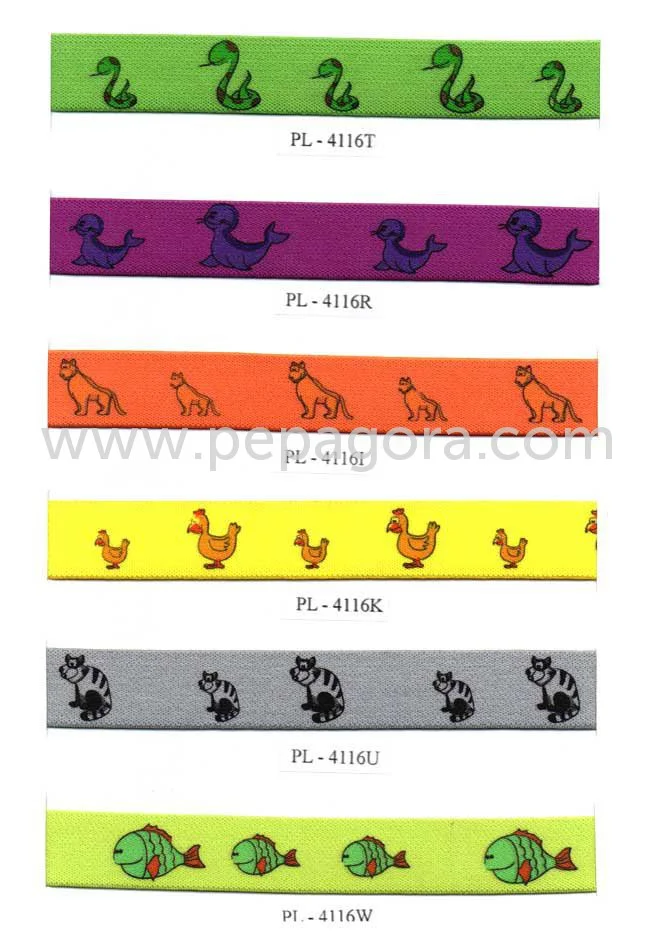
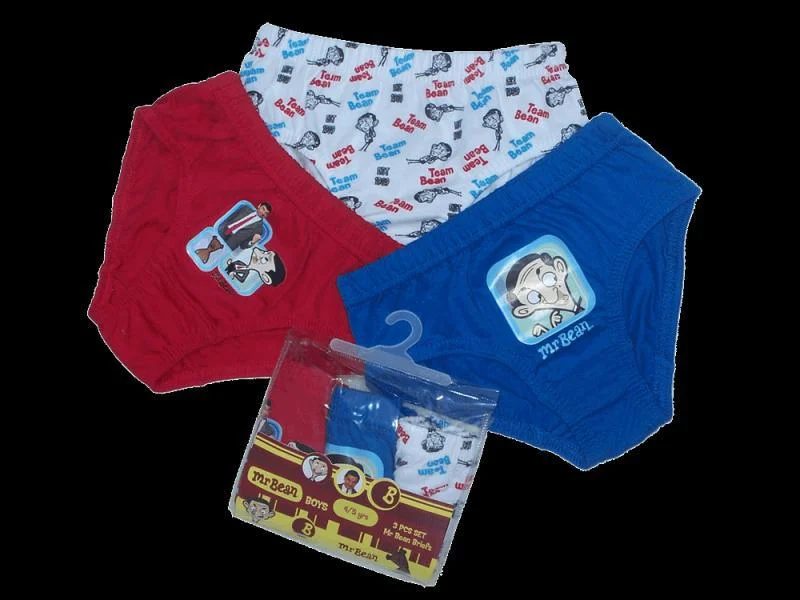
5. Color and Pattern Options
- Available in a variety of colors and patterns to appeal to different tastes.
- Gender-neutral options are also widely offered.
6. Safety Standards
- Adheres to safety regulations regarding choking hazards and flammability.
- Tested for harmful substances to ensure safety for infants.
7. Certifications
- Many products are certified with CE, ensuring conformity with health and safety standards.
8. Moisture Wicking
- Some variants may include moisture-wicking properties to keep babies dry.
In summary, the specifications of baby innerwear ensure that they are not only functional but also safe and comfortable for infants.
Common Applications and Use Cases
Baby innerwear serves various industries, particularly in the realm of children's apparel and healthcare.
1. Retail Apparel: Baby innerwear is a staple in retail clothing stores, providing parents with essential options for their infants.
2. E-commerce: Online platforms offer a wide selection of baby innerwear, catering to convenience-oriented shoppers.
3. Healthcare: Hospitals and clinics may use specialized innerwear for newborns, focusing on hygiene and comfort during their early days.
4. Daycare Centers: Many daycare facilities require specific types of baby innerwear to ensure that infants are comfortable throughout the day.
5. Gift Markets: Baby innerwear is often included in gift sets for baby showers, making it a popular choice among gift-givers.
6. Adoption Agencies: Agencies may provide baby innerwear as part of the essentials for newly adopted infants.
7. Maternity Services: Maternity supply services often include baby innerwear in their offerings for new parents.
Product Variants and Subcategories
Baby innerwear is diverse, offering various options to meet different needs and preferences.
Onesies: This popular variant features a one-piece design with snaps at the bottom for easy diaper changes. They are ideal for layering under other garments.
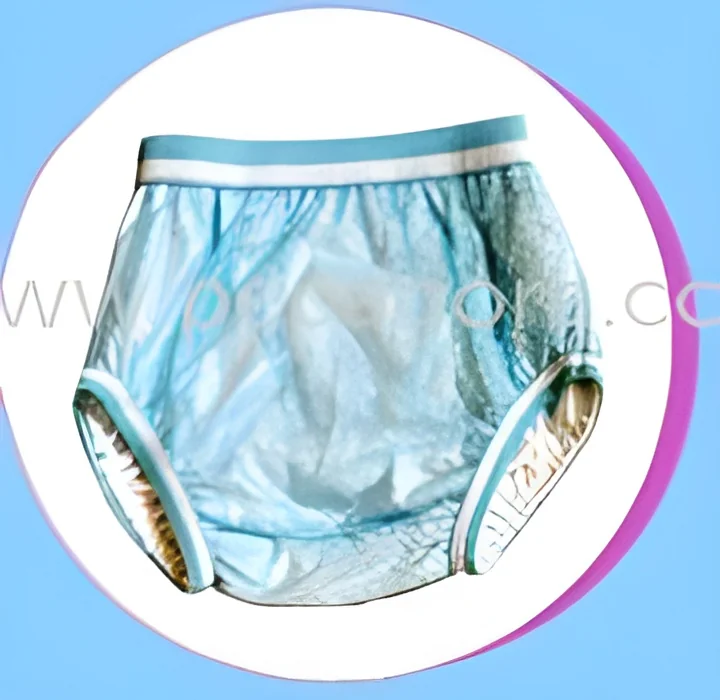
Diaper Covers: These are designed to be worn over diapers, providing an additional layer of protection and style. They often come in various colors and patterns.
Undershirts: Short or long-sleeved options are available, made from soft fabric that provides comfort without irritation.
Sleepers: These full-body garments are perfect for bedtime, often featuring zippers or snaps for convenience.
Benefits and Advantages
Baby innerwear offers several benefits for both infants and parents.
1. Comfort: The soft fabrics used in baby innerwear ensure that infants remain comfortable throughout the day.
2. Hygiene: Wearing innerwear helps protect outer clothing from messes, reducing the frequency of laundry.
3. Ease of Use: Many designs are made for quick dressing and undressing, which is convenient for busy parents.
4. Versatility: Baby innerwear can be layered under other clothing, making it suitable for various weather conditions.
5. Safety: Compliance with safety standards minimizes risks associated with infant clothing, ensuring peace of mind for parents.
6. Variety: A wide range of styles and designs allows parents to choose options that reflect their personal taste.
Buying Guide for B2B Buyers
When sourcing baby innerwear, there are several important factors to consider.
1. Quality Assessment: Look for high-quality materials that are soft and breathable. Ensure the construction is durable to withstand frequent use.
2. Supplier Verification: Vet suppliers carefully, checking for their reputation and the quality of their products. Reviews and testimonials can be helpful.
3. Pricing and MOQ: Understand the price range and minimum order quantities. Prices can vary based on material and design complexity.
4. Delivery and Lead Times: Clarify delivery timelines to ensure that stock levels can meet demand without delays.
5. Compliance Requirements: Ensure that the products meet all relevant safety and quality standards, particularly for infant clothing.
Compliance and Certifications
Baby innerwear must adhere to various quality standards to ensure safety and effectiveness in use. Relevant standards include ISO 9001, which focuses on quality management systems, and CE marking, which indicates conformity with health and safety regulations.
Industry certifications play a crucial role in establishing trust among consumers. Certifications ensure that products are tested for harmful substances and meet safety requirements.
In addition to safety testing, regional compliance considerations are vital. Different countries may have specific regulations regarding infant clothing, and manufacturers must ensure that their products comply with local laws.
Why Source Baby Innerwear from Pepagora?
Pepagora offers a reliable platform for sourcing baby innerwear, providing several key advantages to buyers.
Verified Supplier Network: Pepagora connects buyers with a network of verified suppliers, ensuring quality and reliability in their sourcing decisions.
Streamlined RFQ Process: The platform features a user-friendly quotation system that simplifies the request for quotation process, allowing buyers to receive competitive offers quickly.
Trade Assurance and Support: Buyers benefit from trade assurance policies that protect their purchases and provide support throughout the procurement process.
Regional Coverage: Pepagora has a strong presence in India, GCC, and Southeast Asia, offering access to a wide range of suppliers and products tailored to regional markets.

 IN
IN