
 IN
Baby Dresses
28 products available
What are Baby Dresses?
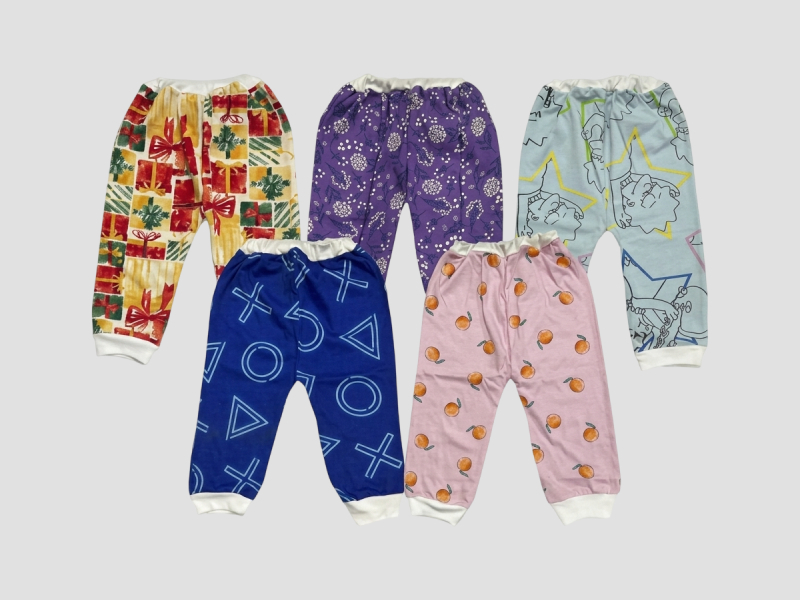
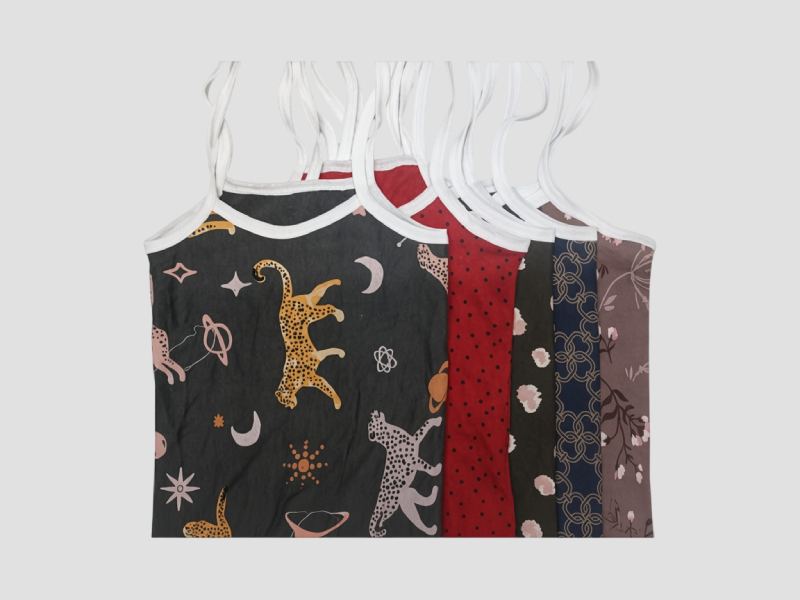
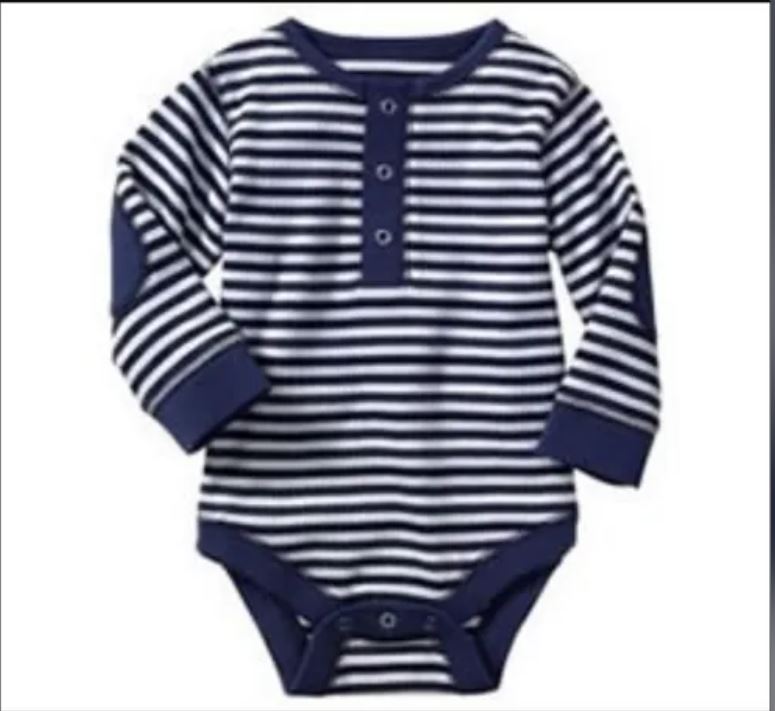
Baby dresses are specially designed garments tailored for infants and toddlers, typically featuring a wide variety of styles, colors, and fabrics. These dresses are crafted to provide comfort and ease of movement for young children, while also ensuring that they look adorable. Baby dresses come in numerous designs, ranging from everyday wear to formal outfits suitable for special occasions.
The primary uses of baby dresses include daily wear, festive celebrations, and family gatherings. Businesses that operate in the children’s apparel industry, such as retailers, wholesalers, and online marketplaces, frequently stock a diverse range of baby dresses to meet the needs of parents seeking stylish and practical clothing for their children. In the current market context, the demand for baby dresses continues to grow, driven by trends in fashion and increased spending on children’s clothing.
Key Features and Specifications
Baby dresses are characterized by several key features that enhance their functionality and appeal. Understanding these specifications can help buyers make informed purchasing decisions.
Key specifications include:
1. Fabric Type
- Commonly used materials include cotton, linen, and polyester.
- Fabrics are chosen for breathability, softness, and ease of care.
2. Size Range
- Available in various sizes to accommodate infants to toddlers.
- Sizes often range from newborn to 24 months.
3. Closure Types
- Dresses may feature buttons, zippers, or snap closures.
- Closure types are designed for convenience and ease of dressing.
4. Design Styles
- Options include A-line, empire waist, and tiered styles.
- Each design is intended to offer different aesthetics and comfort.
5. Washability
- Most baby dresses are machine washable.
- Durability is considered to withstand frequent washing.
6. Safety Features
- Non-toxic dyes and materials are utilized.
- Dresses are designed without small parts to prevent choking hazards.
7. Seasonal Variants
- Dresses are available for different seasons, including summer and winter collections.
- Fabrics and designs may vary to suit temperature changes.
In summary, baby dresses combine style and functionality, making them essential items for both parents and retailers in the children’s clothing market.
Common Applications and Use Cases
Baby dresses are versatile garments used across various sectors and occasions.
1. Retail Clothing Stores: Retailers offer a wide range of baby dresses to attract parents and caregivers looking for fashionable options for their children.
2. E-commerce Platforms: Online marketplaces provide a convenient shopping experience, allowing customers to browse extensive collections of baby dresses from the comfort of their homes.
3. Event Planning Services: Baby dresses are often rented or purchased for special occasions, such as birthdays or family gatherings, where parents want their children to look their best.
4. Gift Shops: Baby dresses are popular gifts for baby showers and newborn celebrations, appealing to those looking for unique and thoughtful presents.
5. Photography Services: Many parents choose to dress their babies in stylish outfits for photo sessions, making baby dresses a staple in photography services.
Product Variants and Subcategories
The category of baby dresses offers a diverse range of variants to meet different consumer preferences and needs.
Casual Baby Dresses
These dresses are designed for everyday wear, often featuring comfortable fabrics and simple designs. They are perfect for playdates and outings, combining style with practicality.
Formal Baby Dresses
These options are tailored for special occasions, featuring elegant designs and higher-quality fabrics. Formal baby dresses are often used for events like weddings, christenings, and family portraits.
Summer Baby Dresses
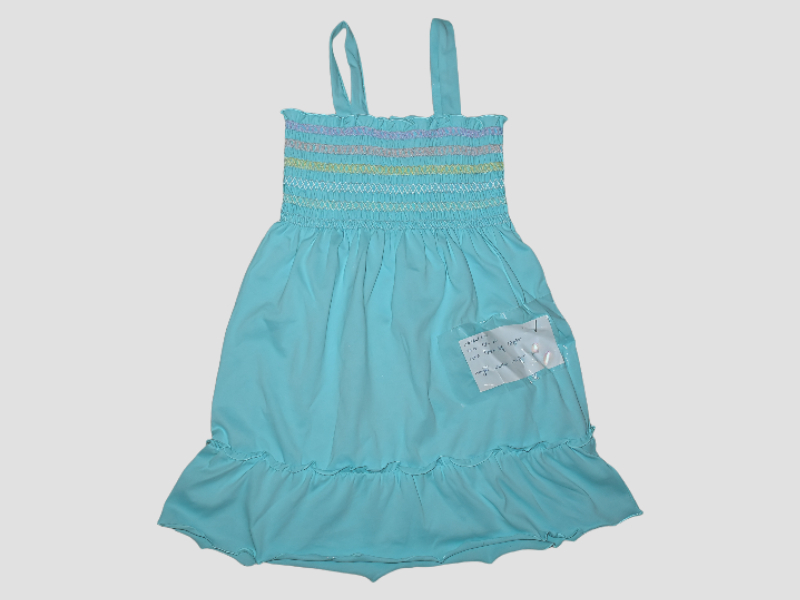
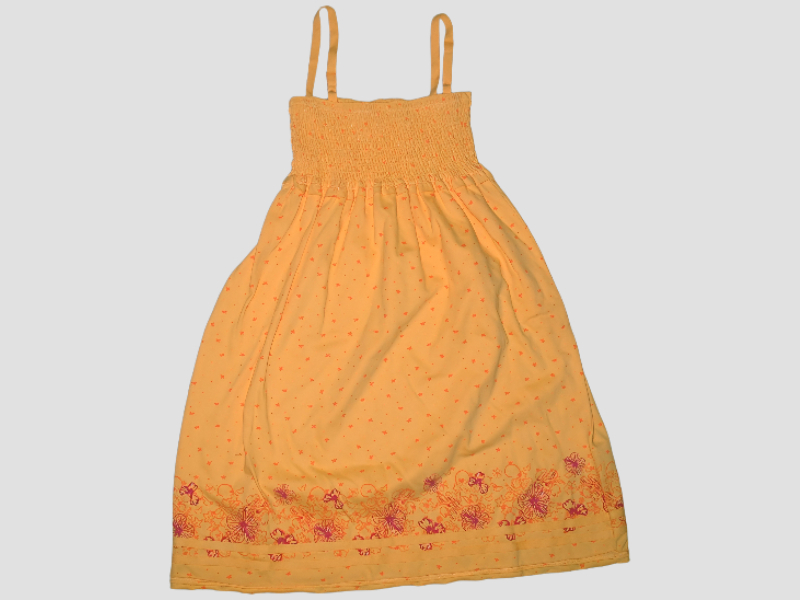
Lightweight and airy, summer dresses are made from breathable materials, ideal for warm weather. They typically include vibrant colors and fun patterns to suit the playful nature of children.
Winter Baby Dresses
These dresses may include long sleeves and warmer fabrics, providing comfort during colder months. They often feature layered designs or additional accessories like cardigans.
Benefits and Advantages
Choosing baby dresses provides numerous benefits to both parents and businesses.
1. Comfort: Baby dresses are designed with soft fabrics and comfortable fits, ensuring ease of movement for infants and toddlers.
2. Style Variety: A wide selection of styles allows parents to choose outfits that reflect their taste and suit different occasions.
3. Easy to Care For: Most baby dresses are machine washable, making them convenient for busy parents who require practical clothing options.
4. Versatile Use: Baby dresses can be worn for various occasions, from casual outings to formal events, providing excellent value.
5. Safety Features: Designed with the baby’s safety in mind, these dresses avoid small parts and use non-toxic materials, giving parents peace of mind.
6. Trend Adaptability: The fashion industry continually evolves, and baby dresses often reflect current trends, appealing to style-conscious parents.
Buying Guide for B2B Buyers
When sourcing baby dresses, businesses should consider several critical factors to ensure they make informed decisions.
1. Quality Assessment: Evaluate the fabric quality and stitching of the dresses. Ensuring high-quality materials will result in customer satisfaction and reduced returns.
2. Supplier Verification: It is essential to vet suppliers to ensure they have a good reputation and adhere to production standards. Look for reviews and certifications that indicate reliability.
3. Pricing and MOQ: Understand the pricing structure and minimum order quantities. Businesses should negotiate favorable terms to optimize their purchasing strategy.
4. Delivery and Lead Times: Consider the logistics involved in sourcing baby dresses. Timely delivery is crucial, especially for seasonal collections or promotional events.
5. Compliance Requirements: Be aware of any regulatory standards that apply to baby clothing, ensuring that products meet safety and quality guidelines.
Compliance and Certifications
Compliance and certifications are vital for ensuring that baby dresses meet industry standards and consumer safety expectations.
Relevant quality standards, such as ISO 9001, emphasize effective quality management systems in manufacturing processes. Compliance with these standards ensures consistent quality and reliability.
Industry certifications, such as CE marking, indicate that products meet European safety standards. This certification is essential for businesses looking to market their products in European markets.
Safety and testing requirements must be adhered to, ensuring that fabrics used in baby dresses are free from harmful substances. Testing for durability and wearability is also crucial.
Regional compliance considerations may vary, so businesses should be familiar with local regulations regarding children's clothing to ensure compliance across different markets.
Why Source Baby Dresses from Pepagora?
Pepagora offers a reliable platform for sourcing baby dresses, providing several key advantages for B2B buyers.
Verified Supplier Network: Pepagora connects businesses with a network of verified suppliers, ensuring that buyers can source high-quality products safely and efficiently. This verification process adds an extra layer of trust.
Streamlined RFQ Process: The platform features an efficient request for quotation (RFQ) system, allowing buyers to receive competitive pricing from multiple suppliers quickly. This process facilitates better decision-making for purchasing.
Trade Assurance and Support: Pepagora provides trade assurance to protect buyers in their transactions. This support helps mitigate risks and ensures that businesses can source products with confidence.
Regional Coverage: With extensive reach in regions such as India, the GCC, and Southeast Asia, Pepagora allows businesses to tap into diverse markets while accessing a wide array of baby dress options. This geographic coverage enables buyers to meet local preferences and demands effectively.




Frequently Asked Questions
What are Baby Dresses?
Baby dresses are garments specifically designed for infants and toddlers, typically made from soft, breathable fabrics to ensure comfort. They come in various styles, colors, and designs, catering to different occasions such as everyday wear, formal events, or playtime.
What are the different types of Baby Dresses?
The different types of baby dresses include casual dresses, party dresses, summer dresses, and winter dresses, among others. They can also vary in length, such as short dresses, long dresses, and tunics, allowing for versatility in style and function.
How do I choose the right Baby Dresses?
Choosing the right baby dresses involves considering factors such as the season, occasion, and the child's comfort. It's also important to select the right size and fabric to ensure ease of movement and avoid any irritations.
What are the standard specifications for Baby Dresses?
Standard specifications for baby dresses typically include fabric type (such as cotton or polyester), sizing details, care instructions, and safety features like non-toxic dyes and no sharp objects. Compliance with safety standards is crucial to ensure the well-being of infants.
What is the price range for Baby Dresses?
The price range for baby dresses can vary significantly based on the brand, quality, and design. Generally, prices can range from affordable options around ₹300 to ₹3000 or more for designer or specialty dresses.
What quality standards apply to Baby Dresses?
Quality standards for baby dresses often include the use of safe, non-toxic materials and adherence to specific safety regulations. Manufacturers may also follow guidelines set by organizations to ensure the durability and comfort of the garments.
Where can I find Baby Dresses suppliers in India?
You can find baby dresses suppliers in India through online B2B marketplaces like Pepagora.com, trade shows, and local garment manufacturers. These platforms offer a wide range of options to connect with reputable suppliers.
Can Baby Dresses be customized?
Yes, many manufacturers offer customization options for baby dresses, allowing you to select colors, designs, and sizes tailored to your specifications. Customization can be particularly useful for bulk orders or special occasions.
What is the typical minimum order quantity for Baby Dresses?
The typical minimum order quantity (MOQ) for baby dresses can vary by supplier but usually ranges from 50 to 100 pieces. It's advisable to check with individual manufacturers for their specific MOQ requirements.
What is the typical lead time for Baby Dresses?
The typical lead time for baby dresses can vary based on the supplier and order size, generally ranging from 2 to 6 weeks. Custom orders may require additional time, so it's essential to confirm delivery timelines with the manufacturer.
Why Businesses Trust Pepagora
Thousands of companies trust Pepagora to source smarter and sell faster
Expand Your Sales Globally

Source Smarter,Grow Faster
