
 IN
Girls' Ethnic Wear
1 products available
What are Girls' Ethnic Wear?
Girls' Ethnic Wear refers to traditional clothing designed specifically for young girls, often characterized by vibrant colors, intricate designs, and cultural significance. These garments are typically made from a variety of fabrics that are comfortable and suitable for different occasions. Common types include lehengas, anarkalis, salwar suits, and kurtis, each reflecting the rich heritage of various regions in India and other South Asian cultures.
The primary uses of Girls' Ethnic Wear include celebrations, festivals, weddings, and cultural events. Many families choose these outfits for special occasions to maintain cultural traditions and instill a sense of heritage in younger generations. In the B2B context, retailers, wholesalers, and manufacturers engage in the production and distribution of these garments, catering to a growing market that values both tradition and contemporary fashion trends.
In recent years, the demand for Girls' Ethnic Wear has been on the rise, driven by an increasing interest in cultural fashion among parents and children alike. This market relevance highlights the importance of quality, design, and supplier reliability in the industry, making it essential for B2B buyers to source from reputable manufacturers.
Key Features and Specifications
Girls' Ethnic Wear comes with a range of features that cater to diverse customer preferences. Understanding the specifications helps businesses make informed sourcing decisions.
Key specifications include:
1. Fabric Quality
- Typically made from cotton, silk, or synthetic blends
- Must be breathable and comfortable for all-day wear
2. Design Variations
- Includes traditional prints, embroidery, and embellishments
- Customization options may be available for specific designs
3. Size Range
- Available in various sizes to fit girls aged from toddlers to teens
- Size charts must be clearly defined to avoid discrepancies
4. Color Options
- Wide array of colors to cater to different tastes and occasions
- Seasonal collections may feature trendy color palettes
5. Stitching Techniques
- Quality stitching ensures durability and comfort
- Handcrafted options may be available for premium products
6. Care Instructions
- Must include guidelines for washing and maintenance
- Some garments may require dry cleaning, while others are machine washable
7. Compliance with Safety Standards
- Fabrics should be free from harmful chemicals
- Compliance with relevant safety standards is essential
In summary, Girls' Ethnic Wear combines cultural aesthetics with comfort and quality, making it a popular choice in the market for children's clothing.
Common Applications and Use Cases
Girls' Ethnic Wear serves various industries, primarily in the fashion and retail sectors.
1. Retail Fashion: Retailers stock Girls' Ethnic Wear as part of their seasonal collections, catering to families looking for traditional outfits for festive occasions.
2. Event Planning: Event planners often source bulk quantities of ethnic wear for cultural events, weddings, and festivals, ensuring that attire aligns with the theme.
3. Custom Apparel: Designers may create bespoke ethnic wear for specific clients, utilizing unique fabrics and designs to meet individual preferences.
4. E-commerce: Online platforms specialize in selling ethnic wear, reaching a broader audience and enhancing accessibility for buyers.
5. Cultural Organizations: Schools and cultural groups may purchase ethnic wear for performances or cultural events, promoting traditional attire among children.
6. Export Markets: Manufacturers may export Girls' Ethnic Wear to international markets, appealing to the South Asian diaspora seeking traditional clothing.
7. Gift Shops: Many gift shops offer ethnic wear as part of their product line, especially during festive seasons.
Product Variants and Subcategories
Girls' Ethnic Wear includes a variety of styles and designs to meet diverse customer needs.
Lehenga Choli: This popular style features a long skirt paired with a crop top and is often adorned with vibrant embroidery. It is commonly worn during weddings and festive celebrations.
Anarkali Suits: Characterized by a flared silhouette, Anarkali suits are both elegant and comfortable. They are suitable for formal occasions and can be customized with different fabrics and embellishments.
Salwar Kameez: This traditional outfit consists of a tunic (kameez) paired with loose-fitting trousers (salwar). It is versatile and can be worn casually or for special occasions.
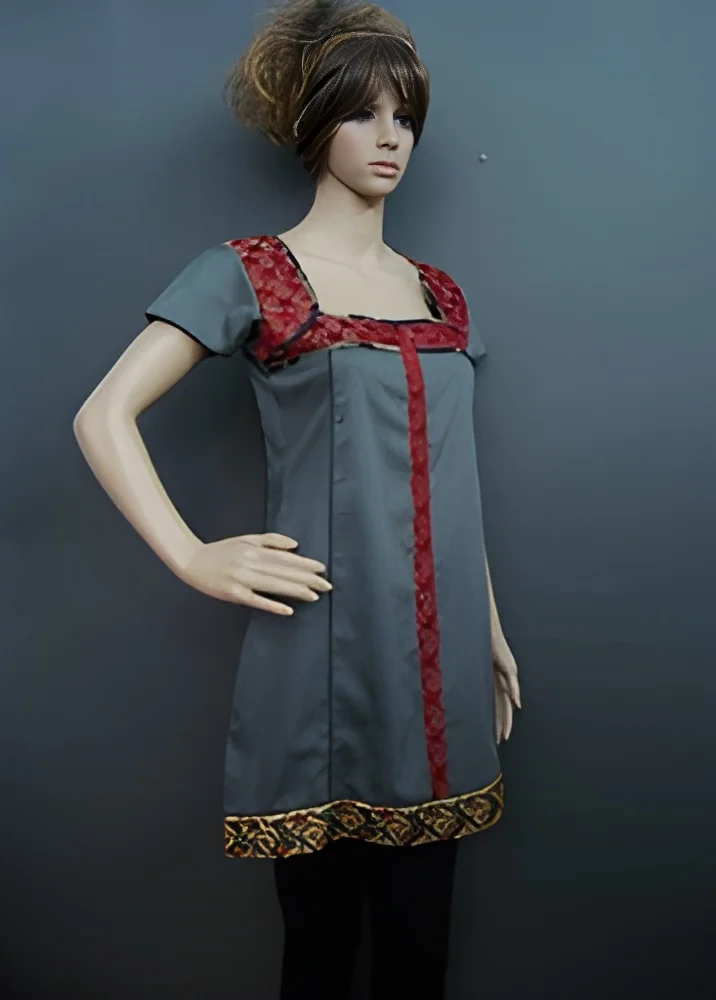
Kurtis: Kurtis are shorter tunics that can be paired with leggings or skirts. They are ideal for everyday wear and can be styled for various occasions.
Benefits and Advantages
Choosing Girls' Ethnic Wear offers numerous benefits for consumers and businesses alike.
1. Cultural Representation: These outfits promote cultural heritage, allowing young girls to connect with their roots.
2. Versatility: Girls' Ethnic Wear can be worn for various occasions, from casual gatherings to formal events, making it a practical choice for parents.
3. Comfort: Many designs prioritize comfort, ensuring that children can enjoy their activities while wearing stylish attire.
4. Quality Craftsmanship: Ethnic wear often features high-quality craftsmanship, which enhances durability and wearability.
5. Customization Options: Many suppliers offer customization, allowing for personal touches that make each garment unique.
6. Sustainable Choices: With a growing emphasis on sustainable fashion, many manufacturers are creating eco-friendly options, appealing to environmentally conscious consumers.
Buying Guide for B2B Buyers
When sourcing Girls' Ethnic Wear, various factors should be considered to ensure quality and suitability.
1. Quality Assessment: Evaluate the fabric quality, stitching, and design details. Sample garments should be tested for durability to ensure they meet industry standards.
2. Supplier Verification: Conduct thorough background checks on suppliers. Look for established manufacturers with a track record of reliability and compliance with safety standards.
3. Pricing and MOQ: Understand the pricing structures and minimum order quantities (MOQ) to ensure they align with your business model. Negotiate terms that are beneficial for both parties.
4. Delivery and Lead Times: Confirm lead times for production and delivery. Timely fulfillment is crucial for meeting customer demands and seasonal peaks.
5. Compliance Requirements: Verify that the products comply with local and international regulations, including safety standards and trade certifications.
Compliance and Certifications
Compliance and certifications are critical in the Girls' Ethnic Wear industry to ensure product safety and quality.
Relevant quality standards such as ISO 9001 ensure that manufacturers adhere to quality management principles. This certification helps guarantee consistent quality in production processes.
Industry certifications like CE confirm that products meet European safety standards, ensuring they are safe for children.
Safety and testing requirements may include checks for harmful substances in fabrics, ensuring that garments are free from chemicals that could pose health risks.
Regional compliance considerations can vary, so it is essential to be aware of local regulations governing textile products in different markets.
Why Source Girls' Ethnic Wear from Pepagora?
Pepagora provides a trusted platform for sourcing Girls' Ethnic Wear with several key advantages.
Verified Supplier Network: Pepagora connects buyers with a network of verified suppliers who meet stringent quality and compliance standards. This gives buyers confidence in their sourcing decisions.
Streamlined RFQ Process: The request for quotation (RFQ) process at Pepagora simplifies the procurement journey. Buyers can easily compare quotes and select suppliers that best meet their needs.
Trade Assurance and Support: Pepagora offers trade assurance, protecting buyers against potential risks. This support includes assistance with disputes and ensuring timely deliveries.
Regional Coverage: With an extensive reach across India, the GCC, and Southeast Asia, Pepagora offers a broad selection of Girls' Ethnic Wear, making it easy for buyers to find what they need in their respective markets.

Frequently Asked Questions
What are Girls' Ethnic Wear?
Girls' Ethnic Wear refers to traditional clothing designed specifically for girls, which includes various styles and patterns that reflect cultural heritage. This category encompasses garments like lehengas, salwar kameez, sarees, and anarkalis, often worn during festivals, weddings, and cultural events.
What are the different types of Girls' Ethnic Wear?
The different types of Girls' Ethnic Wear include lehengas, salwar kameez, anarkalis, churidars, and traditional sarees. Each type has unique designs, fabrics, and cuts that cater to various occasions, from casual wear to formal events.
How do I choose the right Girls' Ethnic Wear?
Choosing the right Girls' Ethnic Wear involves considering the occasion, fabric, and fit. It is essential to select a style that complements the wearer's body type and personal preferences while ensuring comfort and ease of movement.
What are the standard specifications for Girls' Ethnic Wear?
Standard specifications for Girls' Ethnic Wear typically include fabric type, size measurements, design details, and color options. Quality stitching and finishing are also important to ensure durability and aesthetic appeal.
What is the price range for Girls' Ethnic Wear?
The price range for Girls' Ethnic Wear can vary significantly based on factors like fabric quality, design complexity, and brand reputation. Generally, prices can start from as low as INR 500 and go up to several thousand rupees for high-end, designer pieces.
What quality standards apply to Girls' Ethnic Wear?
Quality standards for Girls' Ethnic Wear include the use of high-quality fabrics, precise stitching, and adherence to safety standards, especially for younger children. Additionally, garments should be free from harmful dyes and materials to ensure safety and comfort.
Where can I find Girls' Ethnic Wear suppliers in India?
You can find Girls' Ethnic Wear suppliers in India through various online B2B marketplaces, trade fairs, and local manufacturers. Websites like Pepagora.com provide a platform to connect with reputable suppliers and manufacturers in the ethnic wear industry.
Can Girls' Ethnic Wear be customized?
Yes, many suppliers offer customization options for Girls' Ethnic Wear, allowing you to choose specific fabrics, colors, and designs. Customization is particularly popular for occasions like weddings, where personalized touches can enhance the garment's appeal.
What is the typical minimum order quantity for Girls' Ethnic Wear?
The typical minimum order quantity (MOQ) for Girls' Ethnic Wear can vary by supplier, but it usually ranges from 10 to 50 pieces per style. Larger orders may qualify for discounts, making it beneficial for retailers and bulk buyers.
What is the typical lead time for Girls' Ethnic Wear?
The typical lead time for Girls' Ethnic Wear orders varies depending on the supplier and the complexity of the order, but it generally ranges from 2 to 6 weeks. It's important to confirm lead times with suppliers, especially for custom orders or during peak seasons.
Why Businesses Trust Pepagora
Thousands of companies trust Pepagora to source smarter and sell faster
Expand Your Sales Globally

Source Smarter,Grow Faster
