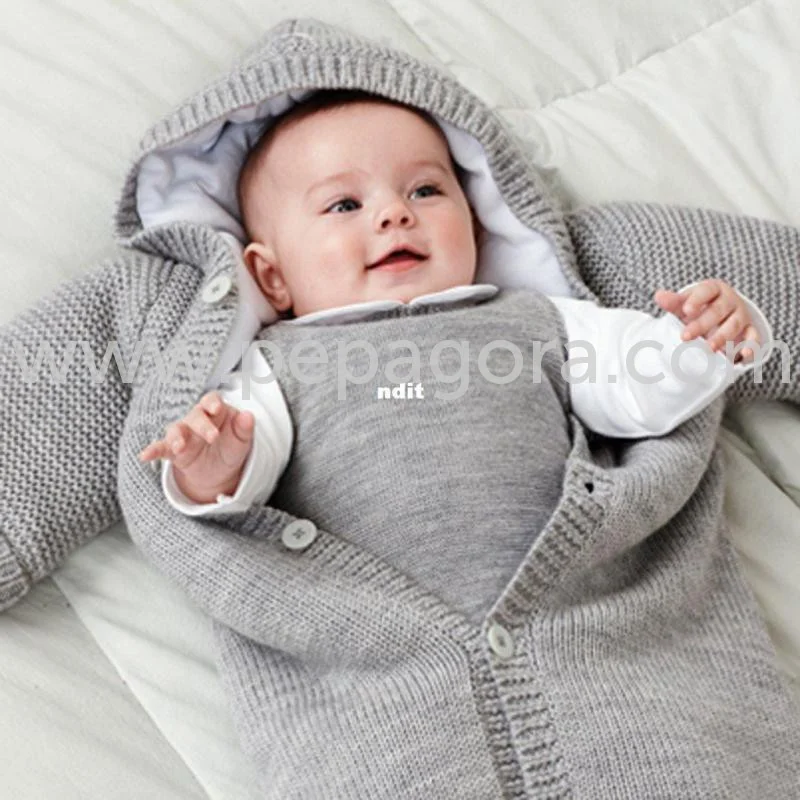
What are Baby Sleeping Bags?
Baby sleeping bags are specialized sleepwear designed to provide warmth and comfort for infants and toddlers while they sleep. Unlike traditional blankets, these sleeping bags are worn like a garment, ensuring that the child remains covered throughout the night. They come in various sizes, materials, and designs, catering to the different needs of babies and their parents.
The primary use of baby sleeping bags is to ensure a safe and comfortable sleeping environment. They prevent the risk of suffocation or overheating, common concerns when using loose blankets. Baby sleeping bags are widely used in homes, daycare centers, and hospitals, making them essential items in childcare. The market for these products continues to grow as parents increasingly prioritize safety and comfort for their children.
In terms of industry relevance, baby sleeping bags are increasingly recognized for their role in promoting safe sleep practices. Many organizations and health professionals advocate for the use of sleeping bags as a safer alternative to blankets. This growing awareness, coupled with the rising birth rates in various regions, contributes to the expanding market for baby sleeping bags.
Key Features and Specifications
Baby sleeping bags are characterized by several key features that enhance their usability and safety. Understanding these specifications helps businesses make informed purchasing decisions.
Key specifications include:
1. Material Composition
- Typically made from breathable fabrics such as cotton or polyester
- Options for organic materials are available for eco-conscious buyers
2. Size Range
- Available in multiple sizes to accommodate infants and toddlers
- Sizes usually range from newborn to 3 years
3. Safety Standards
- Must comply with safety regulations to minimize risks
- Many products meet CE certification
4. Temperature Rating
- Designed for various temperature ranges to keep babies comfortable
- Specific ratings are not always available
5. Closure Types
- Commonly feature zippers or snap buttons for easy access
- Options for adjustable closures for a better fit
6. Washability
- Machine washable for easy cleaning
- Retains shape and quality after multiple washes
7. Design Variety
- Available in different colors and patterns to appeal to parents
- Some designs include features like hoods or sleeves
8. Weight
- Lightweight construction for ease of use
- Weight specifications are generally not detailed
In summary, key features and specifications of baby sleeping bags focus on safety, comfort, and convenience, making them essential for parents and caregivers.
Common Applications and Use Cases
Baby sleeping bags serve various industries, enhancing safety and comfort in sleep environments.
1. Childcare Facilities: In daycare centers, baby sleeping bags are used during nap times to ensure infants remain warm and secure.
2. Hospitals: Maternity wards utilize sleeping bags to provide parents with a reliable sleep solution for newborns.
3. Retail: Stores specializing in baby products often stock a variety of sleeping bags to meet consumer demands.
4. Online Marketplaces: E-commerce platforms feature a wide range of sleeping bags, catering to parents looking for convenience and choice.
5. Parenting Workshops: Organizations that educate new parents often recommend baby sleeping bags as part of safe sleep practices.
Product Variants and Subcategories
Baby sleeping bags come in various styles and designs, catering to different needs of parents and children.
Winter Sleeping Bags
These variants are made with thicker materials and additional insulation, providing warmth during colder months. They often feature a higher tog rating to keep infants snug.
Summer Sleeping Bags
Designed with lightweight, breathable fabrics, summer sleeping bags help regulate temperature during warmer weather. They are ideal for use in hot climates.
Travel Sleeping Bags
Compact and easy to pack, travel sleeping bags are perfect for families on the go. They often include features like a carry bag for convenience.
Convertible Sleeping Bags
These versatile options can be adjusted to accommodate growing children, making them a cost-effective choice for parents. They often have removable sleeves or adjustable lengths.
Benefits and Advantages
Baby sleeping bags offer several advantages that make them a preferred choice for parents.
1. Enhanced Safety: Sleeping bags reduce the risk of suffocation and overheating compared to traditional blankets.
2. Improved Sleep Quality: They provide a cozy sleeping environment, helping babies sleep better and longer.
3. Ease of Use: Parents can easily dress and undress their babies with zippers or snap buttons, simplifying nighttime routines.
4. Versatility: Baby sleeping bags can be used in various settings, from home to daycare, ensuring consistent comfort.
5. Convenience: Machine washable designs allow for easy cleaning, making them practical for daily use.
6. Eco-Friendly Options: Many manufacturers offer organic or sustainably sourced materials, appealing to environmentally conscious consumers.
Buying Guide for B2B Buyers
When sourcing baby sleeping bags, several factors should be considered to ensure quality and compliance.
1. Quality Assessment: Buyers should look for products that meet recognized safety standards. Checking for durability and material quality is essential for long-term use.
2. Supplier Verification: It is important to vet suppliers by reviewing their credentials, certifications, and customer feedback to ensure reliability.
3. Pricing and MOQ: Understanding the pricing structure and minimum order quantities helps buyers manage budgets and inventory effectively.
4. Delivery and Lead Times: Buyers should inquire about logistics and expected delivery times to plan for stock availability.
5. Compliance Requirements: Familiarity with regional regulations and safety standards is crucial for ensuring that products meet legal requirements.
Compliance and Certifications
Baby sleeping bags are subject to various compliance standards that ensure safety and quality. Key standards include ISO 9001, which focuses on quality management systems. Implementing these standards can help manufacturers improve their processes and product consistency.
Industry certifications such as CE are essential for products sold in Europe, confirming that they meet safety, health, and environmental protection standards. Compliance with these certifications is critical for market acceptance.
Safety and testing requirements often involve rigorous assessments to ensure that materials and construction methods do not pose any risks to infants. Regional compliance considerations may vary, so it is important for manufacturers and suppliers to stay informed about local regulations.
Why Source Baby Sleeping Bags from Pepagora?
Pepagora provides a trusted platform for sourcing baby sleeping bags, offering several advantages for B2B buyers.
Verified Supplier Network: Pepagora connects buyers with a network of verified suppliers, ensuring that products meet quality and safety standards. This minimizes the risk of sourcing low-quality items.
Streamlined RFQ Process: The request for quotation process is designed to be user-friendly, allowing buyers to easily compare options and make informed decisions. This efficiency can save time and resources.
Trade Assurance and Support: Pepagora offers buyer protection through trade assurance programs, giving buyers confidence in their purchases. Support services are also available to assist with any inquiries or issues.
Regional Coverage: With a strong presence in India, the GCC, and Southeast Asia, Pepagora enables buyers to access a diverse range of products and suppliers, facilitating international trade and expanding market opportunities.

 IN
IN