
 IN
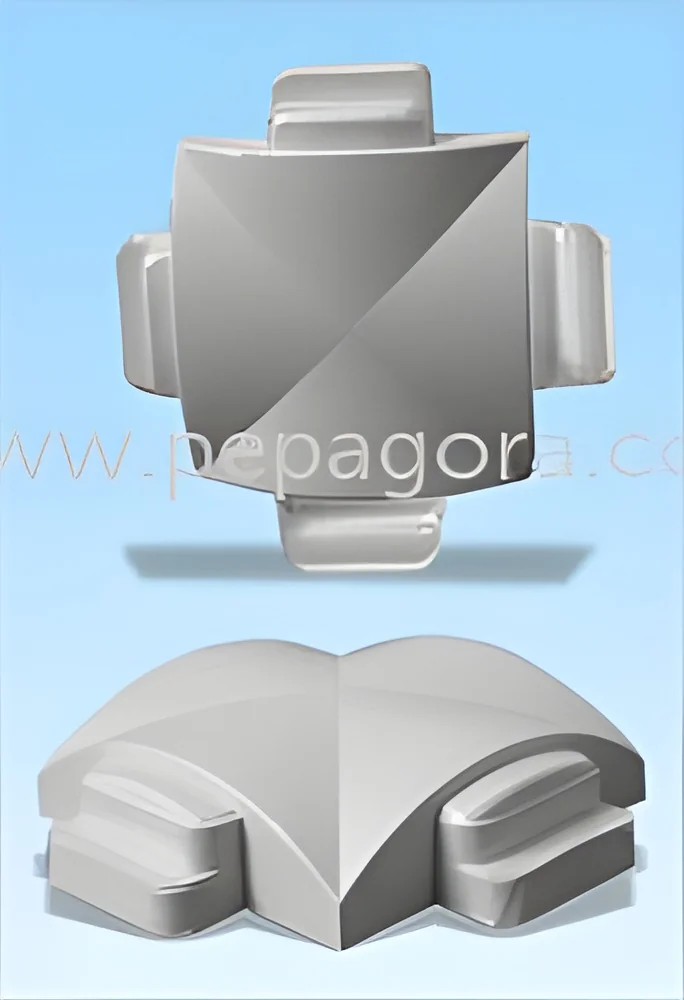
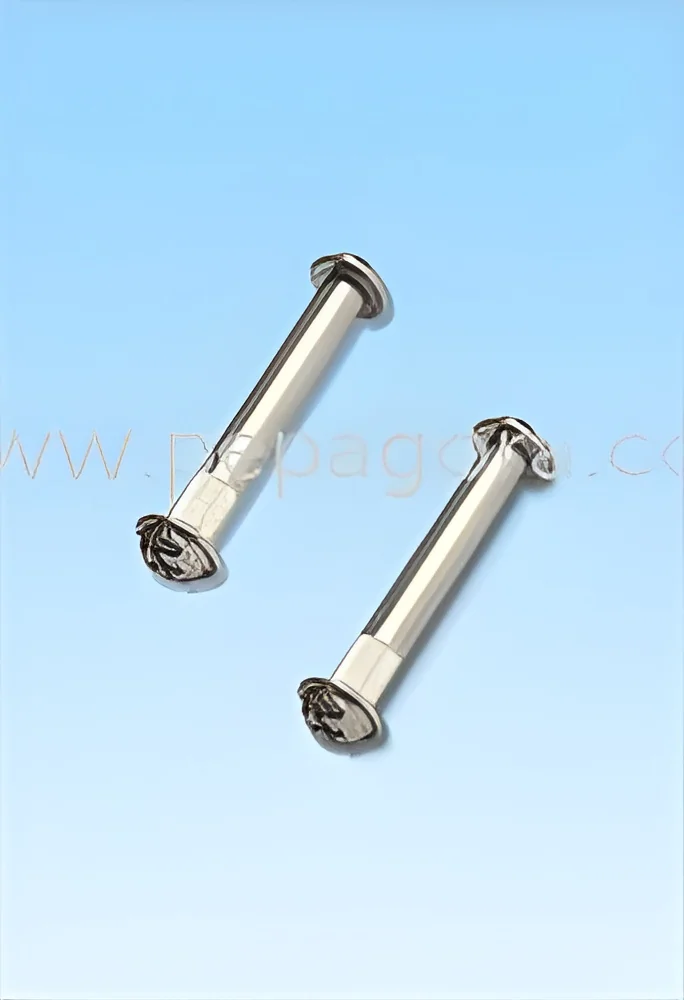
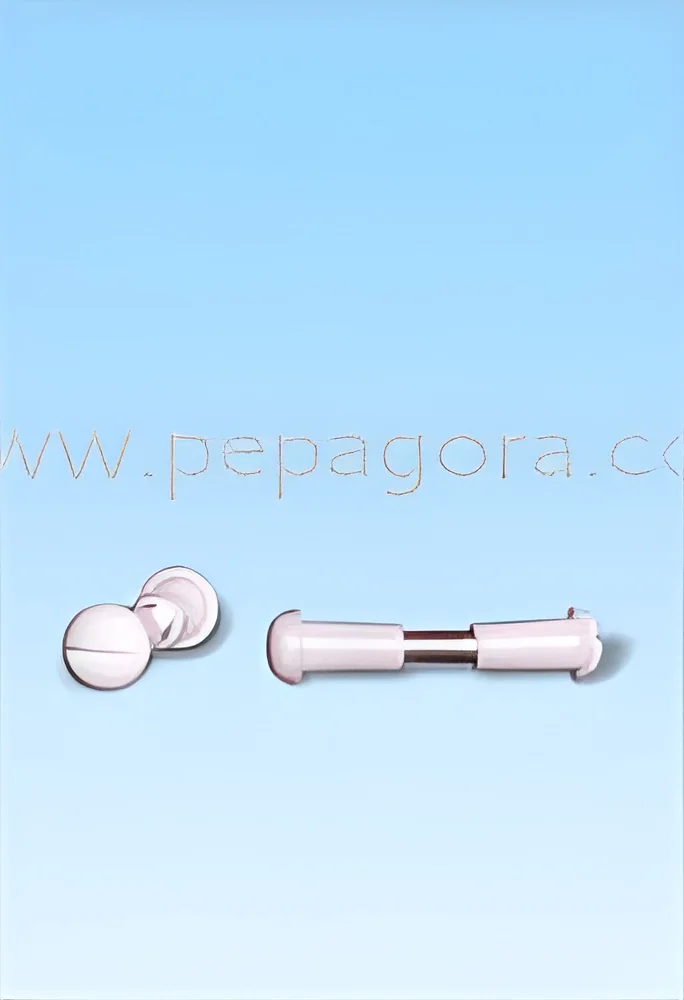
Furniture Connectors
3 products available
What are Furniture Connectors?
Furniture connectors are specialized hardware components designed to join different pieces of furniture securely. They come in various shapes and sizes, facilitating the assembly and disassembly of furniture items. By providing strong mechanical connections, these connectors ensure that furniture remains stable and functional, while also allowing for easy transport and reconfiguration when necessary.
These connectors are primarily used in the manufacture of furniture products, including tables, chairs, cabinets, and shelving units. They are essential in both commercial and residential applications, providing a reliable means of creating sturdy furniture structures. Industries such as hospitality, office furniture manufacturing, and retail often rely on these connectors to ensure the durability and longevity of their products. The furniture connector market has seen growth due to rising demand for modular and customizable furniture solutions in various sectors.
Key Features and Specifications
Furniture connectors are characterized by several key features that enhance their performance and usability. These components are designed for strength, ease of installation, and versatility, making them suitable for a range of applications.
Key specifications include:
1. Material Composition
- Typically made from metals, plastics, or composites
- Strength and corrosion resistance vary by material type
2. Load Capacity
- Designed to support varying weights depending on application
- Load ratings may range from lightweight residential to heavy-duty commercial standards
3. Installation Type
- Options include screw-in, snap, or bolt connectors
- Each type offers different installation ease and stability
4. Size and Dimensions
- Available in multiple sizes to fit various furniture designs
- Standard dimensions are tailored to meet industry requirements
5. Compatibility
- Designed to work with different furniture styles and materials
- Ensures seamless integration into existing designs
6. Surface Finish
- Available with various finishes for aesthetic appeal and protection
- Finishes can include powder coating, plating, or anodizing
7. Adjustment Features
- Some connectors offer adjustable designs for precise fitting
- Useful in applications where alignment is crucial
8. Safety Certifications
- Many connectors comply with safety standards such as CE marking
- Ensures reliability in high-use environments
In summary, furniture connectors are essential components that provide strength and stability to furniture products. Their diverse specifications allow manufacturers to choose the right type for their specific applications.
Common Applications and Use Cases
Furniture connectors are utilized across various industries, enabling the creation of robust furniture solutions.
1. Office Furniture: Furniture connectors are widely used in office desks and cubicles, ensuring stability while allowing for easy reconfiguration as office layouts change.
2. Hospitality: In hotels and restaurants, these connectors are essential for assembling and disassembling tables and seating arrangements, providing flexibility in space management.
3. Retail Displays: Retail environments utilize furniture connectors for shelving and display units, maximizing space efficiency and product visibility.
4. Residential Furniture: Connectors are integral to modular sofas and beds, allowing for easy setup and customization according to consumer needs.
5. Educational Institutions: Desks and chairs in schools often employ furniture connectors for durability and ease of maintenance.
6. Event Furniture: Temporary setups for events rely on furniture connectors to create stable and portable seating and table arrangements.
7. Healthcare: In medical facilities, connectors are used in furniture designed for safety and hygiene, allowing for easy cleaning and reconfiguration.
Product Variants and Subcategories
Furniture connectors come in various types to meet the diverse needs of the furniture industry. Each variant is designed with specific features to enhance performance in different applications.
Metal Connectors
These connectors are known for their strength and durability, making them ideal for heavy-duty furniture applications. They are often used in commercial and industrial furniture settings.
Plastic Connectors
Lightweight and versatile, plastic connectors are commonly used in residential furniture. They offer ease of installation and can be designed for aesthetic appeal.
Composite Connectors
Combining the benefits of both metal and plastic, composite connectors provide strength while reducing weight. They are suitable for a range of applications, including modular furniture systems.
Benefits and Advantages
Furniture connectors offer several key benefits that enhance the functionality and appeal of furniture products.
1. Enhanced Stability: Furniture connectors provide strong joints that prevent wobbling and improve overall stability in furniture structures.
2. Easy Assembly and Disassembly: These connectors simplify the assembly process, allowing for quick setups and takedowns, which is especially beneficial in commercial settings.
3. Versatility: With a variety of types available, furniture connectors can be used in numerous applications across different industries.
4. Cost Efficiency: By allowing for modular designs, furniture connectors enable manufacturers to save on material costs while providing customizable solutions.
5. Improved Aesthetics: Many connectors are designed to be hidden or minimally visible, maintaining the visual appeal of the furniture.
6. Compliance and Safety: Many furniture connectors meet industry safety standards, ensuring that the products are safe for use in various environments.
Buying Guide for B2B Buyers
When sourcing furniture connectors, buyers should consider several important factors to make informed decisions.
1. Quality Assessment: Evaluate the materials and construction quality of furniture connectors. Look for options that are durable and meet the required load capacities for your applications.
2. Supplier Verification: Vet potential suppliers by checking their certifications and industry reputation. A reliable supplier should have a proven track record of quality and service.
3. Pricing and MOQ: Understand the pricing structure and minimum order quantities (MOQ) associated with different connectors. This ensures budget compliance and inventory management.
4. Delivery and Lead Times: Inquire about delivery options and lead times to ensure that the connectors arrive when needed for your production schedules.
5. Compliance Requirements: Be aware of any regulatory requirements relevant to your industry. Ensure that the connectors comply with safety and quality standards.
Compliance and Certifications
Furniture connectors are subject to various quality standards and certifications that ensure their reliability and safety in use. ISO 9001 is a widely recognized standard that outlines quality management principles, ensuring consistent product quality. Many manufacturers also adhere to HACCP principles for risk assessment in production processes.
The CE marking is another important certification, indicating that the products meet European Union safety, health, and environmental protection requirements. Compliance with safety and testing requirements is critical, especially in industries such as furniture manufacturing, where structural integrity is paramount.
Regional compliance considerations may vary. It is essential for manufacturers and suppliers to stay informed about local regulations and standards in their respective markets to ensure that their products are compliant.
Why Source Furniture Connectors from Pepagora?
Pepagora provides a trusted platform for sourcing furniture connectors, offering several key advantages to B2B buyers.
Verified Supplier Network: Pepagora ensures that all suppliers undergo a thorough verification process, guaranteeing that buyers are connected with reputable manufacturers who meet industry standards.
Streamlined RFQ Process: The platform facilitates a simplified request for quotation (RFQ) process, allowing buyers to receive competitive pricing and options tailored to their specific needs.
Trade Assurance and Support: Pepagora offers trade assurance programs that protect buyers from potential risks, ensuring secure transactions and reliable deliveries.
Regional Coverage: With a strong presence in India, the GCC, and Southeast Asia, Pepagora provides extensive geographic coverage, making it easier for businesses to source quality furniture connectors across these regions.



Frequently Asked Questions
What are Furniture Connectors?
Furniture Connectors are essential components used to join different parts of furniture together, ensuring stability and strength. They come in various forms, including dowels, brackets, screws, and cam locks, each serving a specific purpose in furniture assembly.
What are the different types of Furniture Connectors?
The different types of Furniture Connectors include dowels, screws, cam locks, corner brackets, and metal fasteners. Each type is designed for specific applications, such as joining wood pieces, providing reinforcement, or allowing for disassembly and reassembly.
How do I choose the right Furniture Connectors?
Choosing the right Furniture Connectors involves considering factors such as the type of materials used in your furniture, the weight and load requirements, and whether you need a permanent or detachable connection. It is also important to select connectors that fit the design and intended use of the furniture.
What are the standard specifications for Furniture Connectors?
Standard specifications for Furniture Connectors may include dimensions, load capacity, material type (such as metal or plastic), and finish. These specifications ensure that the connectors meet the required performance and aesthetic standards for furniture assembly.
What is the price range for Furniture Connectors?
The price range for Furniture Connectors can vary widely based on the type, material, and quantity purchased. Generally, prices can start from a few cents for basic connectors to several dollars for more specialized or heavy-duty options.
What quality standards apply to Furniture Connectors?
Quality standards for Furniture Connectors often include compliance with industry safety regulations and specifications, such as ISO or ASTM standards. These standards ensure that the connectors are durable, safe, and reliable for use in furniture.
Where can I find Furniture Connectors suppliers in India?
You can find Furniture Connectors suppliers in India through various channels, including online B2B marketplaces like Pepagora, trade shows, and industry directories. It is advisable to research and compare suppliers to find the best options that meet your needs.
Can Furniture Connectors be customized?
Yes, many manufacturers offer customization options for Furniture Connectors, allowing you to specify dimensions, materials, and finishes according to your requirements. Custom connectors can help achieve a better fit and functionality for specific furniture designs.
What is the typical minimum order quantity for Furniture Connectors?
The typical minimum order quantity (MOQ) for Furniture Connectors can vary by manufacturer and product type. MOQs may range from a small batch of a few dozen pieces to larger orders, depending on the supplier's policies and production capabilities.
What is the typical lead time for Furniture Connectors?
The typical lead time for Furniture Connectors can range from a few days to several weeks, depending on factors such as the type of connectors ordered, customization requirements, and the supplier's production schedule. It's advisable to confirm lead times with the supplier before placing an order.
Why Businesses Trust Pepagora
Thousands of companies trust Pepagora to source smarter and sell faster
Expand Your Sales Globally

Source Smarter,Grow Faster
