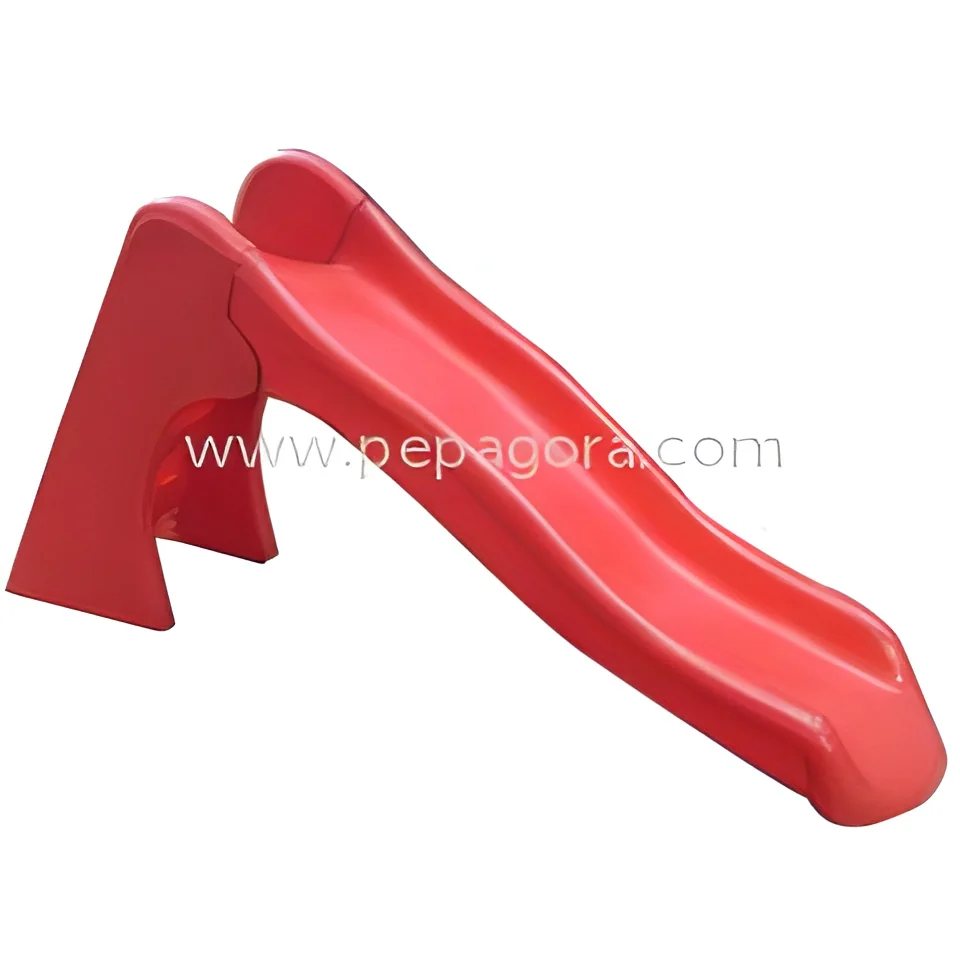
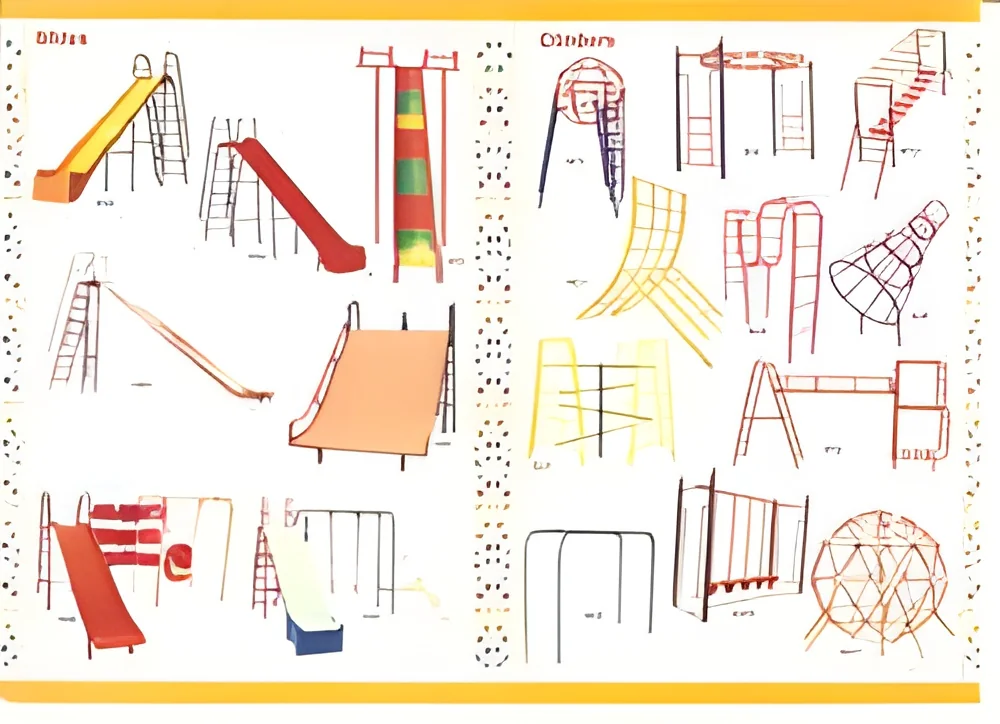
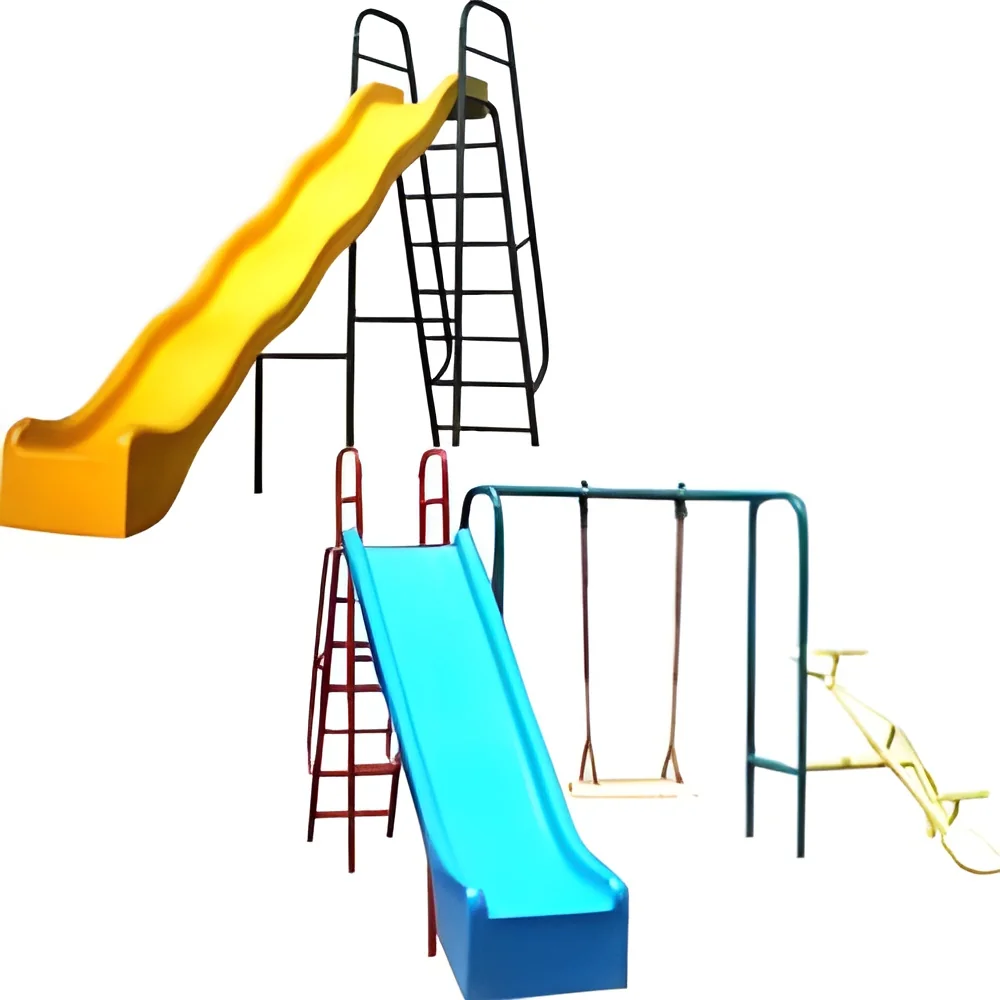
What are Slides?
Slides are essential components in various industrial and commercial applications, serving as platforms or surfaces that allow movement or transportation of goods, materials, or personnel. These structures can be made from different materials, depending on their intended use. They may be simple inclined planes or sophisticated mechanisms designed for specific operational environments.
In business contexts, slides are primarily utilized in manufacturing, logistics, and warehousing. They facilitate the efficient movement of products and materials, promoting smoother workflow processes. Their design can vary significantly based on the industry requirements and operational needs, making them versatile tools in many settings. The relevance of slides spans across multiple sectors, including retail, construction, and automation, where optimized movement and handling solutions are critical to productivity.
As industries continue to innovate, the market for slides is expected to grow. With advancements in materials and design technology, slides are becoming more efficient, durable, and adaptable to varying operational demands. This evolution reflects the importance of slides in meeting modern business needs.
Key Features and Specifications
Slides come with a range of features that enhance their functionality and reliability. When evaluating slides, it is essential to consider their specifications to ensure they meet the required operational standards.
Key specifications include:
1. Material Composition
- Slides can be made from various materials such as steel, aluminum, or plastic.
- Each material offers different benefits in terms of durability, weight, and resistance to corrosion.
2. Load Capacity
- The load capacity indicates the maximum weight a slide can handle.
- It is crucial to choose slides that match the intended load requirements to prevent operational failures.
3. Surface Finish
- The surface finish affects the friction and wear characteristics of the slide.
- Options include smooth, textured, or coated finishes to suit different applications.
4. Dimensions
- Slides come in various sizes and dimensions to fit specific installations.
- Accurate measurements ensure compatibility with existing equipment.
5. Operating Temperature Range
- This specification defines the temperature limits within which the slides can operate effectively.
- It is vital for applications in extreme environments.
6. Compliance Standards
- Many slides comply with industry standards such as CE marking for safety and performance.
- Ensuring compliance is key for regulatory adherence.
7. Customization Options
- Some manufacturers offer customization for specific applications.
- Customized slides can enhance operational efficiency.
8. Maintenance Requirements
- Different slides have varying maintenance needs.
- Understanding these requirements can help in planning upkeep and prolonging lifespan.
In summary, understanding the features and specifications of slides is essential for selecting the right product for your business needs. Proper evaluation ensures that the slides will perform effectively and safely in their intended applications.
Common Applications and Use Cases
Slides are utilized across various industries due to their versatile nature and functionality.
1. Manufacturing: In manufacturing settings, slides are used to transport components between different stages of production, improving efficiency and reducing manual handling.
2. Warehousing: Slides facilitate the movement of goods within warehouses, often implemented in conveyor systems to streamline order fulfillment processes.
3. Retail: In retail environments, slides assist in organizing and displaying products, making it easier for customers to access items.
4. Logistics: Logistics operations leverage slides for efficient loading and unloading of goods, enhancing workflow in shipping and receiving areas.
5. Construction: Slides are used in construction sites for the safe movement of materials and tools, which is crucial for maintaining workflow and productivity.
6. Hospitality: In the hospitality industry, slides are used in various applications, including food service and logistics, ensuring smooth operations.
7. Automation: Automated systems incorporate slides to move materials seamlessly, reducing manual intervention and increasing operational speed.
Product Variants and Subcategories
Slides offer a diverse range of options to accommodate different needs.
Heavy-Duty Slides
These variants are designed for high-load applications, featuring robust materials and reinforced structures. They are ideal for heavy manufacturing and logistics operations, ensuring durability and reliability under stress.
Lightweight Slides
Lightweight slides are suitable for environments where mobility and ease of handling are priorities. They are often made from lighter materials, making them easier to install and maneuver in various settings.
Adjustable Slides
These slides feature adjustable mechanisms to cater to varying load sizes and applications. They provide flexibility and adaptability, making them valuable in dynamic environments.
Specialized Slides
Specialized slides are designed for specific industries or applications, such as food processing or pharmaceuticals. These variants often meet stringent hygiene and safety standards, ensuring compliance with regulatory requirements.
Benefits and Advantages
Slides provide numerous benefits that enhance operational efficiency and safety.
1. Improved Efficiency: Slides streamline the movement of goods, reducing the time and effort required for transportation within facilities.
2. Enhanced Safety: By minimizing manual handling, slides reduce the risk of workplace injuries associated with lifting and moving heavy items.
3. Versatility: Slides can be customized and adapted to suit a wide range of applications across different industries.
4. Cost-Effectiveness: Investing in high-quality slides can lead to long-term savings by improving workflow and reducing labor costs.
5. Durability: Many slides are designed to withstand harsh conditions, providing a reliable solution for demanding environments.
6. Compliance Assurance: Sourcing slides that meet industry standards ensures adherence to safety and quality regulations, protecting businesses from potential liabilities.
Buying Guide for B2B Buyers
When sourcing slides for your business, it is crucial to consider several factors to ensure you make an informed decision.
1. Quality Assessment: Evaluate the quality of materials and construction used in the slides. Look for certifications and user reviews to gauge performance and reliability.
2. Supplier Verification: Vet suppliers to ensure they have a track record of delivering quality products. Check references and request samples if possible.
3. Pricing and MOQ: Understand the pricing structure and minimum order quantities. Compare quotes from multiple suppliers to find the best deal without compromising on quality.
4. Delivery and Lead Times: Inquire about delivery schedules and lead times. Ensure that the supplier can meet your timeline requirements to avoid disruptions in your operations.
5. Compliance Requirements: Confirm that the slides meet necessary compliance standards for your industry. This will help minimize risks associated with non-compliance.
Compliance and Certifications
Slides are subject to various quality standards and certifications that ensure product safety and performance. Key standards include ISO 9001, which outlines quality management systems for consistent product quality. Additionally, industry certifications such as CE mark signify compliance with European safety standards.
Safety and testing requirements are critical for slides used in environments where they may encounter heavy loads or hazardous conditions. Manufacturers must conduct thorough testing to confirm that their products can withstand operational stresses.
Regional compliance considerations also play a role in sourcing slides. Different regions may have specific regulations governing the use of industrial equipment, so it is essential for buyers to be aware of these requirements to ensure their products are compliant.
Why Source Slides from Pepagora?
Pepagora offers a reliable platform for sourcing slides, providing several key advantages for B2B buyers.
Verified Supplier Network: Pepagora connects buyers with a vetted network of suppliers, ensuring that all partners meet high standards of quality and reliability. This verification process helps buyers make informed decisions and reduces the risk of sourcing from unreliable manufacturers.
Streamlined RFQ Process: The platform features a streamlined request for quotation (RFQ) process that allows buyers to easily compare offers from multiple suppliers. This efficiency saves time and facilitates better negotiation outcomes.
Trade Assurance and Support: Pepagora provides trade assurance and support to buyers, offering protection against potential issues such as delayed shipments or product discrepancies. This support fosters confidence in the purchasing process.
Regional Coverage: With a focus on regions like India, the GCC, and Southeast Asia, Pepagora ensures that buyers have access to a wide range of suppliers and products tailored to their specific market needs. This regional expertise enhances the sourcing experience for businesses looking for slides.

 IN
IN