What are Plastic & Metal End Caps?
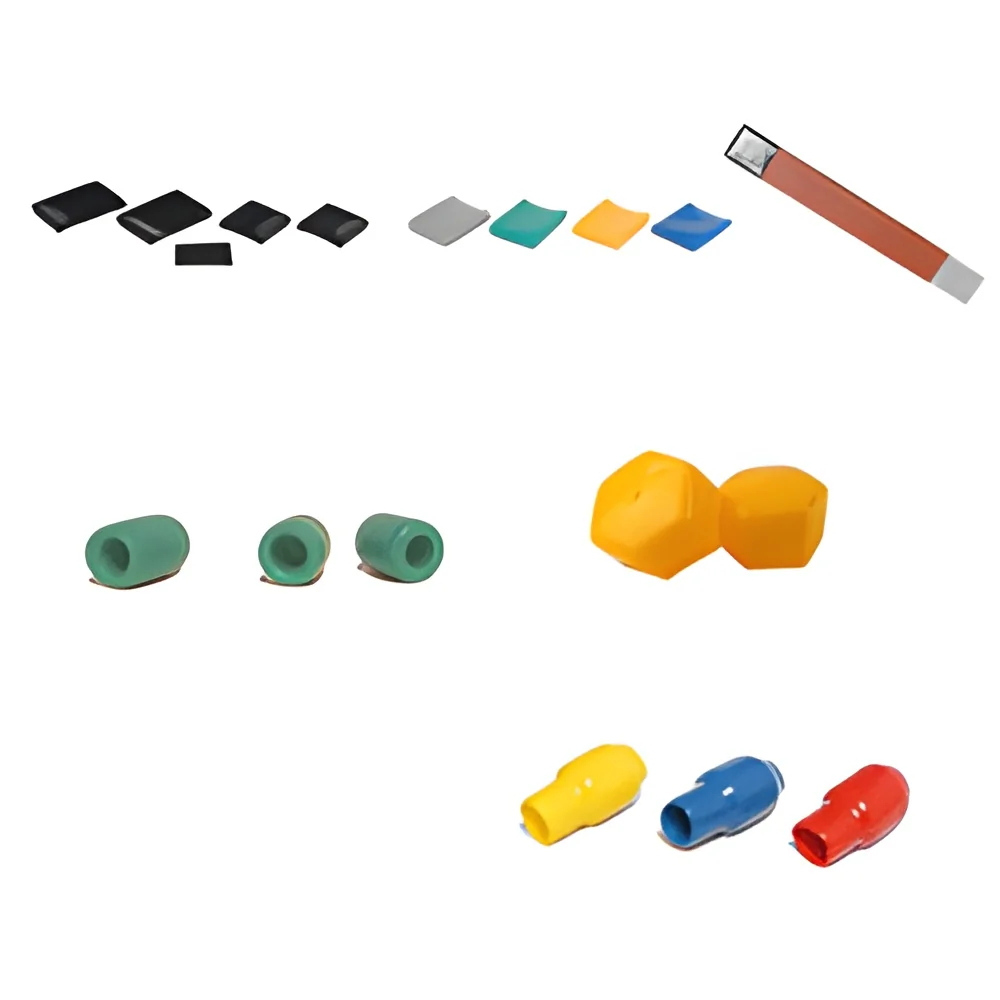
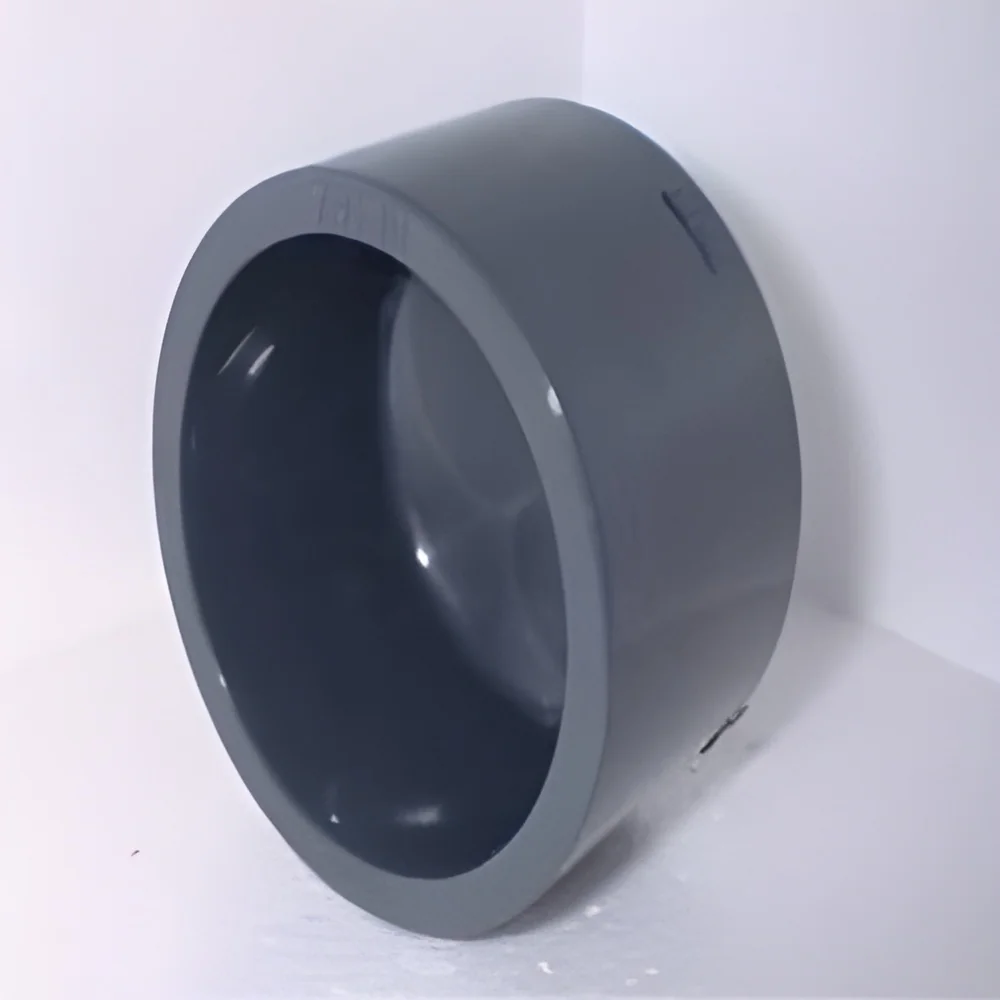
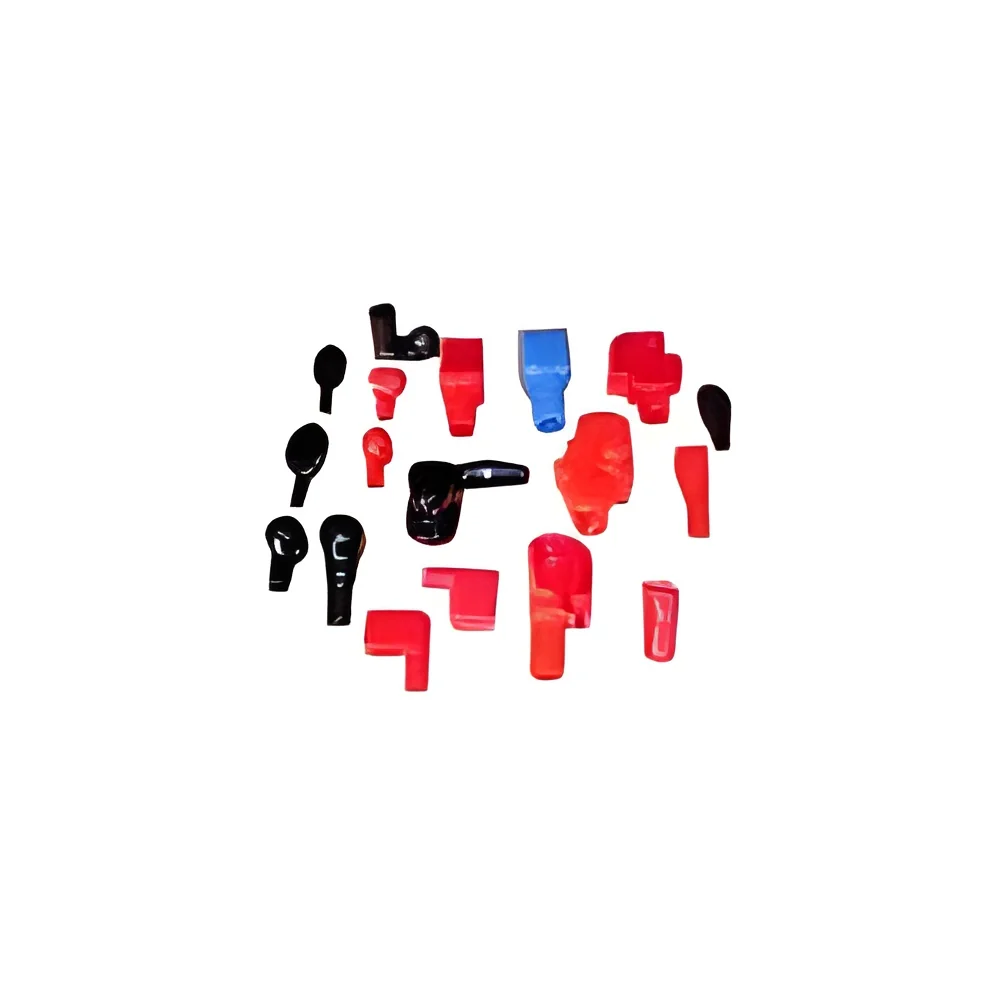
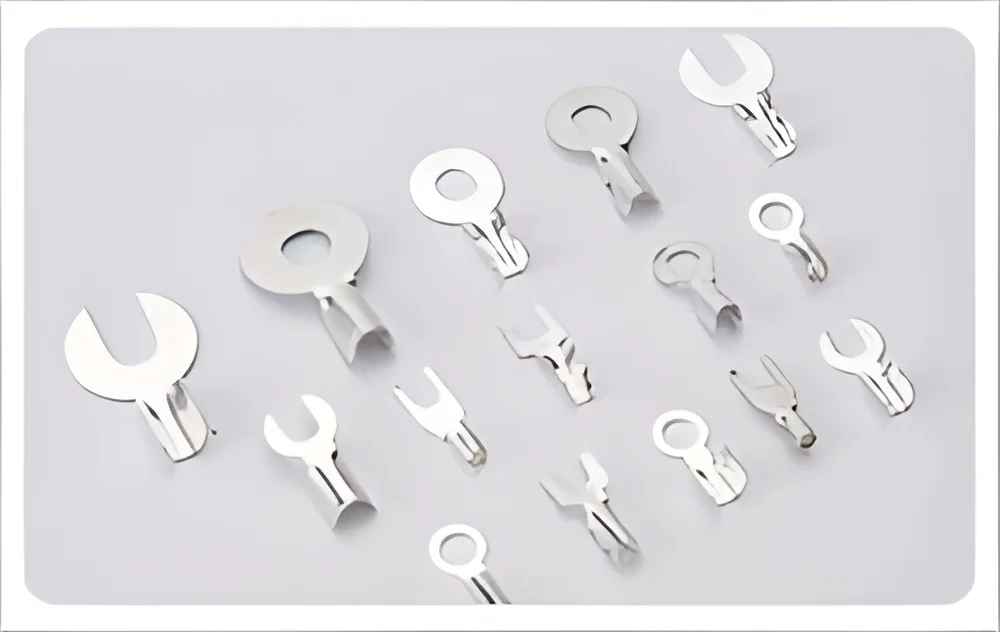
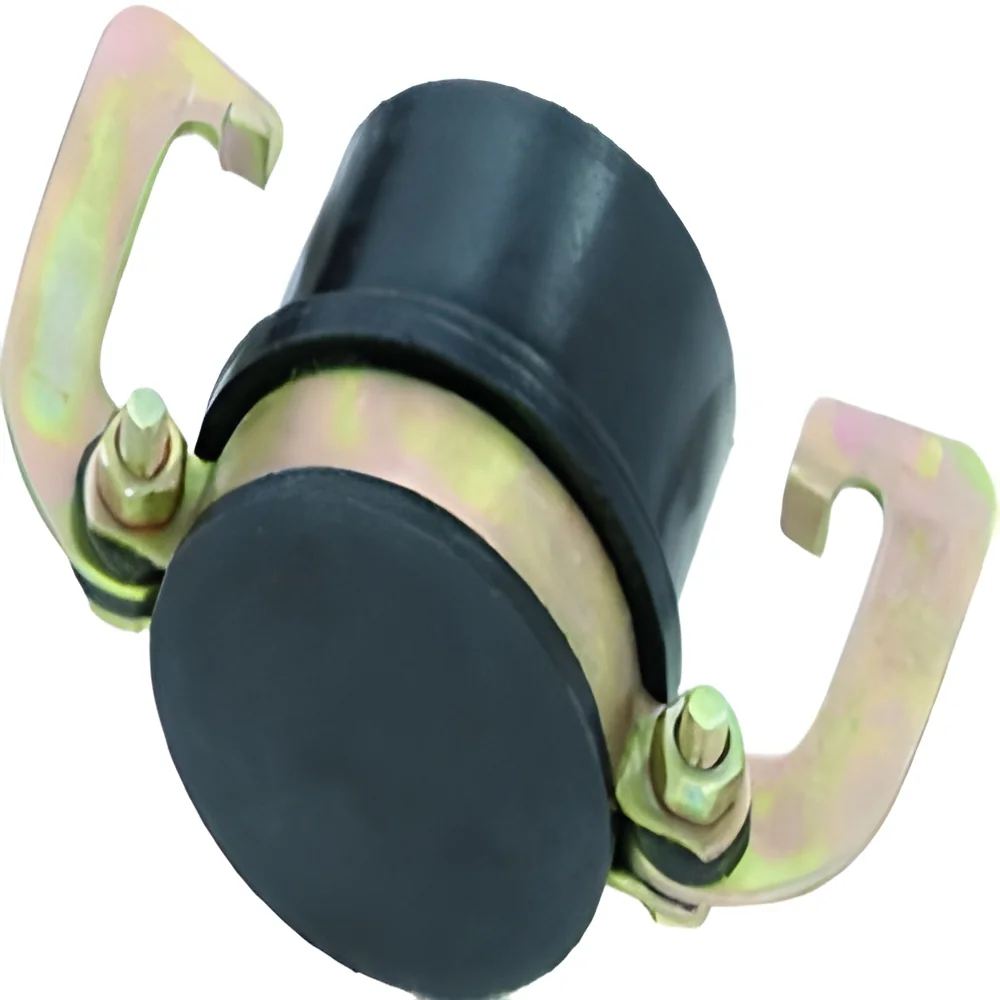
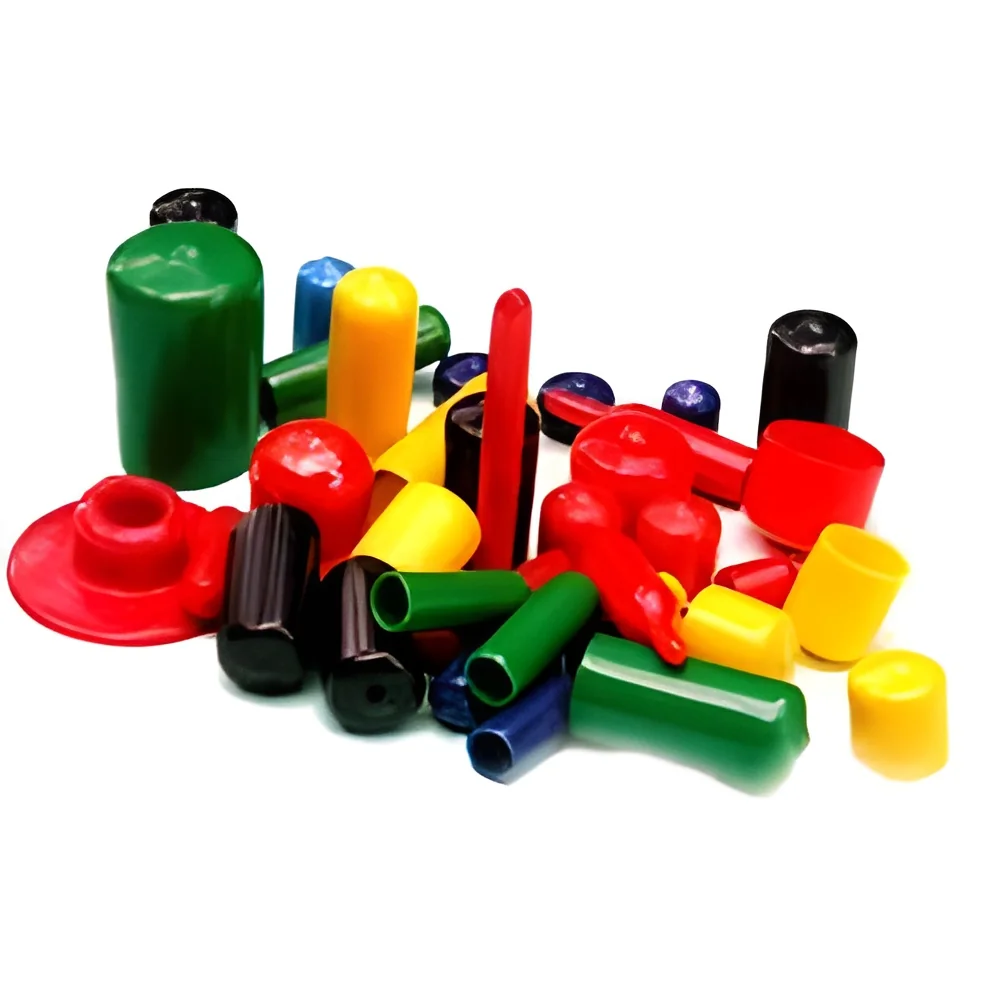
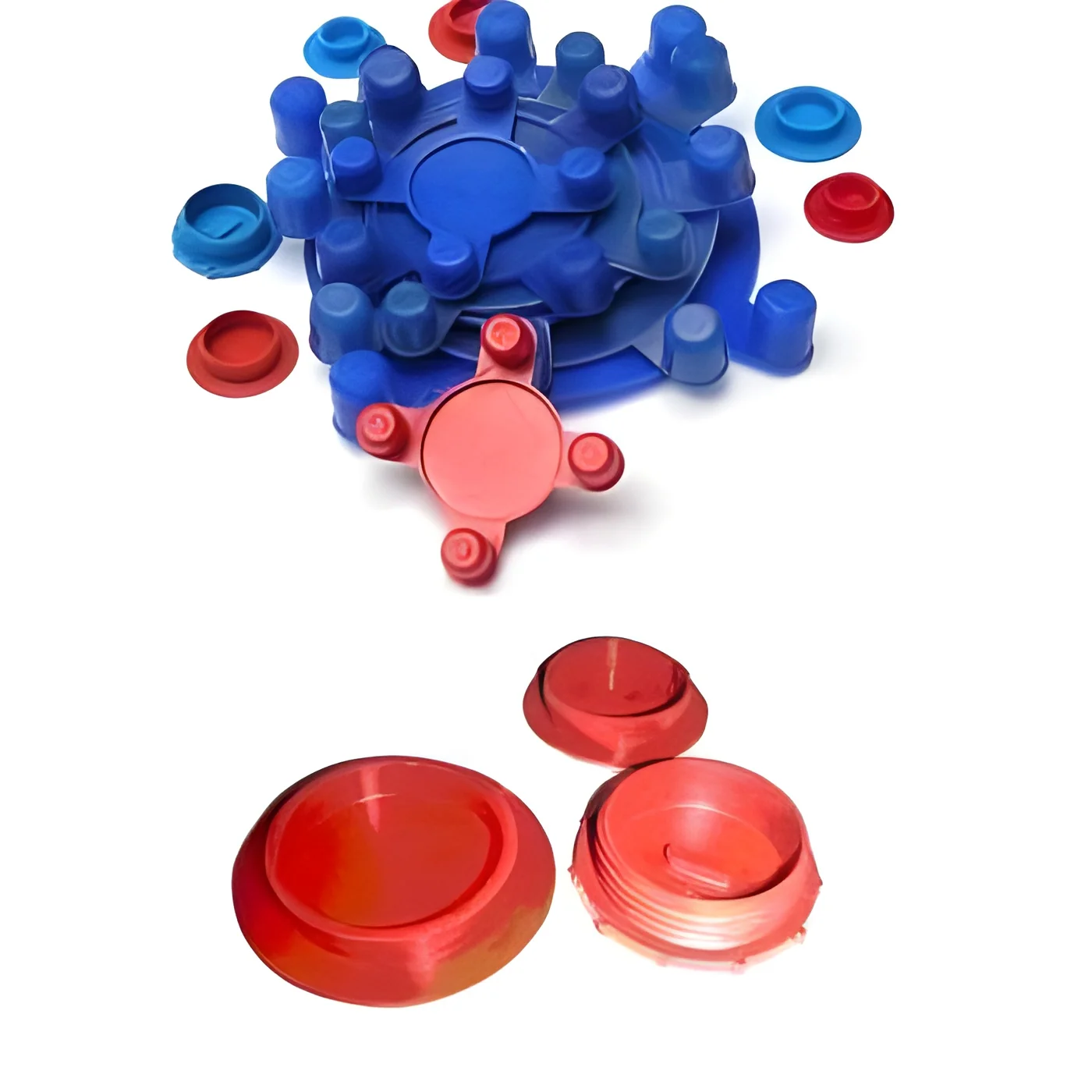
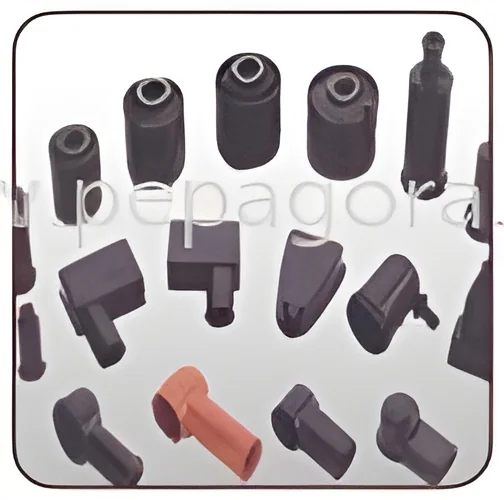
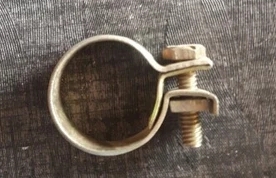
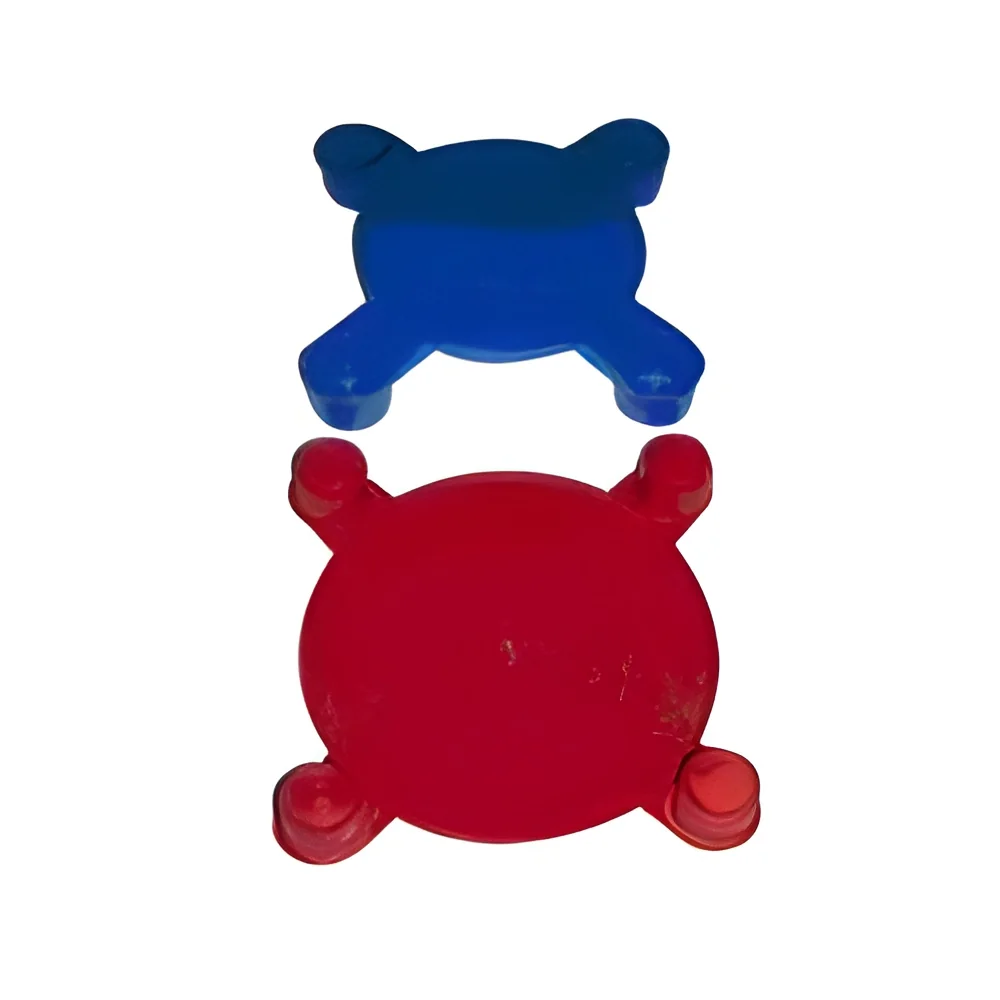
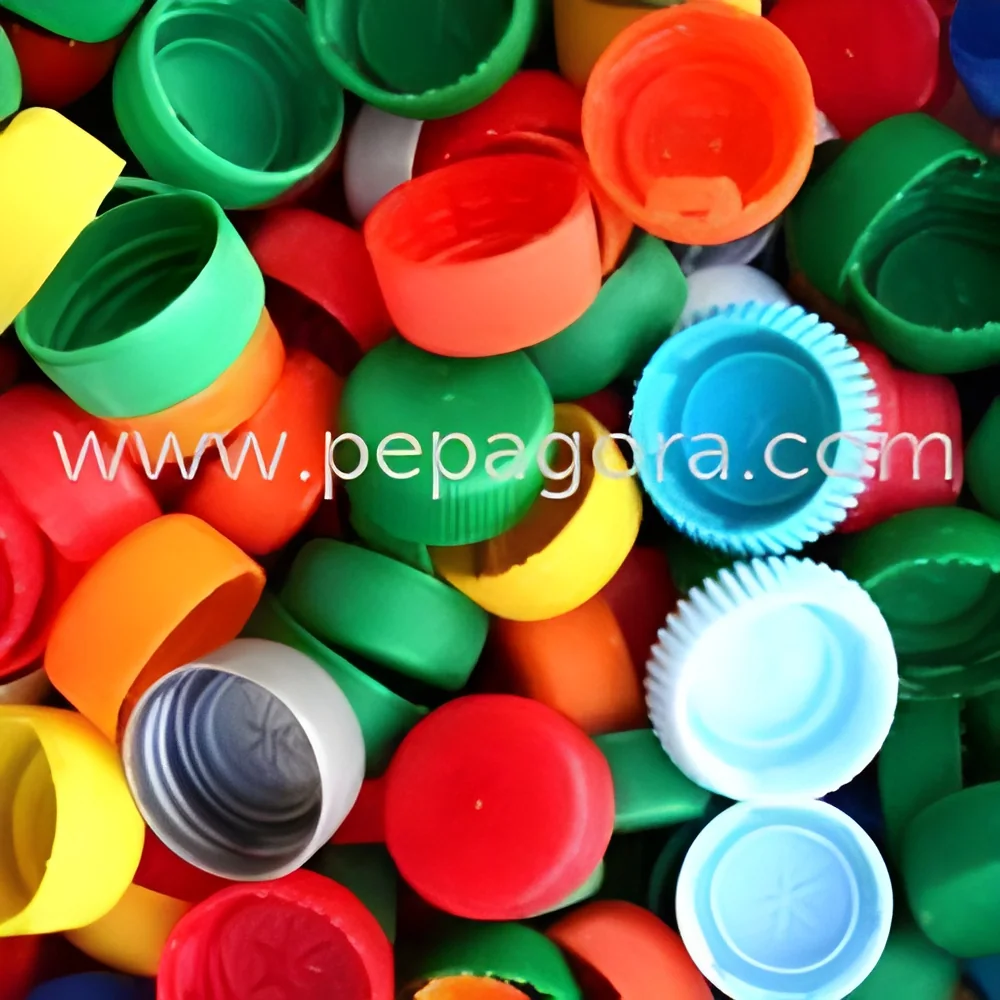
Plastic and metal end caps are protective components used to cover the open ends of pipes, tubes, and other cylindrical objects. They serve to prevent contamination, enhance safety, and provide a finished appearance to products. Made from durable materials, these end caps come in various shapes and sizes to fit a wide range of applications. Their design often includes features such as resistance to chemicals and UV rays, making them suitable for outdoor use and in industrial environments.
These end caps find application across numerous industries, including construction, automotive, and manufacturing. In the construction sector, they are commonly used to seal the ends of pipes and tubes during transport and storage. In the automotive industry, they protect critical components from dust and debris. The versatility of plastic and metal end caps makes them indispensable in many business operations, contributing to overall product quality and longevity.
As industries continue to evolve, the demand for reliable and high-quality end caps is expected to grow. With increasing regulations around safety and environmental standards, businesses are seeking products that not only meet their operational needs but also comply with industry requirements. The market for plastic and metal end caps is poised for growth as companies prioritize durability and sustainability in their supply chains.
Key Features and Specifications
Plastic and metal end caps offer a range of features tailored to meet specific industrial needs. Their specifications can vary based on material, size, and intended use. Understanding these specifications is essential for making informed purchasing decisions.
Key specifications include:
1. Material Type
- Available in plastic and metal varieties
- Common plastics include polypropylene and PVC, while metals often include aluminum and stainless steel
2. Size Range
- Available in various sizes, accommodating different diameters and lengths
- Custom sizing options may be available for specific applications
3. Temperature Resistance
- Designed to withstand a range of temperatures
- Typically suitable for temperatures from -20°C to 100°C, depending on material
4. UV Resistance
- Many plastic end caps are formulated to resist UV degradation
- Important for outdoor applications where exposure is expected
5. Chemical Resistance
- Different materials offer varying levels of resistance to chemicals
- Essential for applications in chemical processing or manufacturing
6. Finish Options
- Available in various finishes, including smooth and textured
- Textured finishes may provide additional grip
7. Compliance Standards
- Some products may adhere to industry standards like CE certification
- Important for ensuring safety and regulatory compliance
In summary, understanding the key features and specifications of plastic and metal end caps can help businesses choose the right products for their applications, ensuring safety and efficiency in operations.
Common Applications and Use Cases
Plastic and metal end caps are utilized across diverse industries, highlighting their versatility and practicality.
1. Construction: These end caps are frequently used to seal the ends of pipes and tubes on construction sites, preventing contamination and damage during transport.
2. Automotive: In the automotive sector, end caps protect sensitive components from dust and moisture, helping to maintain performance and reliability.
3. Manufacturing: End caps are used in manufacturing processes to protect items during assembly and shipping, ensuring products arrive at their destination in optimal condition.
4. Plumbing: They are commonly employed in plumbing systems to prevent leaks and protect open pipe ends during installation.
5. Electronics: End caps serve to cover and protect electronic components, shielding them from environmental factors that could lead to failure.
6. HVAC: In heating, ventilation, and air conditioning systems, end caps are used to seal ductwork, enhancing system efficiency and performance.
7. Furniture: End caps are applied to furniture legs and edges for protection against wear and to provide a polished finish.
Product Variants and Subcategories
There is a broad range of plastic and metal end caps available, catering to various industry requirements.
Plastic End Caps
These end caps are lightweight and resistant to corrosion, making them ideal for applications where weight and chemical resistance are critical. They are versatile and can be used in both indoor and outdoor settings.
Metal End Caps
Metal end caps offer superior strength and durability. They are often used in high-stress environments, such as automotive and industrial applications, where additional protection is necessary against impacts and harsh conditions.
Custom End Caps
Some manufacturers offer custom-designed end caps to meet specific dimensions and requirements. This option is ideal for businesses needing specialized solutions for unique applications.
Benefits and Advantages
Choosing the right end caps provides several advantages to businesses.
1. Protection: End caps help prevent contamination and damage to open ends of pipes and tubes, ensuring product integrity during storage and transport.
2. Versatility: With options available in both plastic and metal, businesses can select end caps that best suit their operational needs and environmental conditions.
3. Cost-Effectiveness: By avoiding damage to products, end caps reduce potential replacement costs, contributing to overall savings.
4. Easy Installation: Most end caps can be installed quickly and easily, saving time during assembly or maintenance.
5. Enhanced Safety: By covering sharp edges and preventing leaks, end caps improve workplace safety for employees.
6. Aesthetic Appeal: End caps provide a finished look to products, enhancing their visual appeal and professionalism.
Buying Guide for B2B Buyers
When sourcing plastic and metal end caps, several factors should be considered to ensure a successful purchase.
1. Quality Assessment: Evaluate the quality of the materials used in the end caps. High-quality options will be more durable and effective in protecting products.
2. Supplier Verification: Vet suppliers to ensure they have a good reputation and meet industry standards. This reduces the risk of receiving subpar products.
3. Pricing and MOQ: Understand the pricing structure and minimum order quantities (MOQ) required by suppliers. This helps in budgeting and planning purchases effectively.
4. Delivery and Lead Times: Inquire about delivery times and lead times to ensure that the products arrive when needed, avoiding delays in operations.
5. Compliance Requirements: Ensure that the end caps meet necessary compliance requirements and certifications relevant to your industry. This is crucial for safety and regulatory adherence.
Compliance and Certifications
Compliance and certifications play a vital role in the sourcing of plastic and metal end caps. Products may need to adhere to quality standards such as ISO 9001, which focuses on maintaining quality management systems across organizations.
Additionally, certifications like CE indicate that products meet European safety, health, and environmental protection standards. These certifications ensure that the end caps are safe for use in various applications and industries.
Safety and testing requirements are also paramount. End caps must undergo rigorous testing to confirm their durability and performance under different conditions. Regional compliance considerations are important for businesses operating in multiple countries, as regulations may vary.
Why Source Plastic & Metal End Caps from Pepagora?
Pepagora provides a trusted platform for sourcing plastic and metal end caps, offering several key advantages to B2B buyers.
Verified Supplier Network: Pepagora features a network of verified suppliers who are committed to quality and customer satisfaction. This network ensures that buyers can find reliable products and services.
Streamlined RFQ Process: The request for quotation (RFQ) process is designed to be efficient and user-friendly, allowing buyers to quickly obtain quotes for their specific needs. This streamlines the procurement process.
Trade Assurance and Support: Buyers benefit from trade assurance, which provides protection throughout the purchasing process. This ensures that transactions are secure and that buyers receive the products they expect.
Regional Coverage: Pepagora has a strong presence in regions such as India, the GCC, and Southeast Asia. This geographic reach allows buyers to access a diverse array of suppliers and products, catering to their specific market needs.

 IN
IN