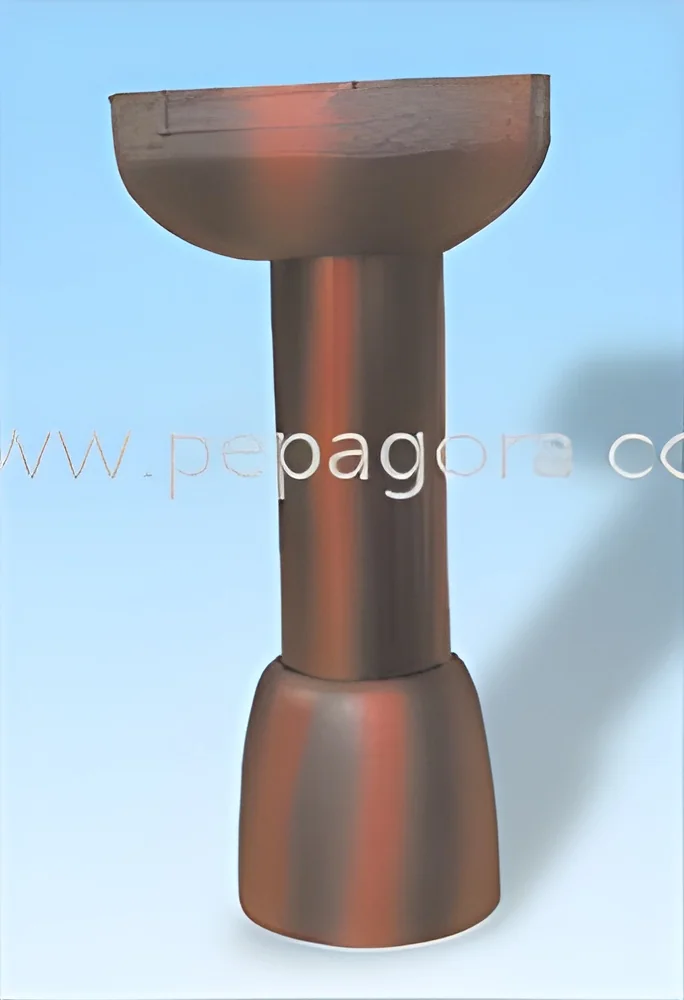
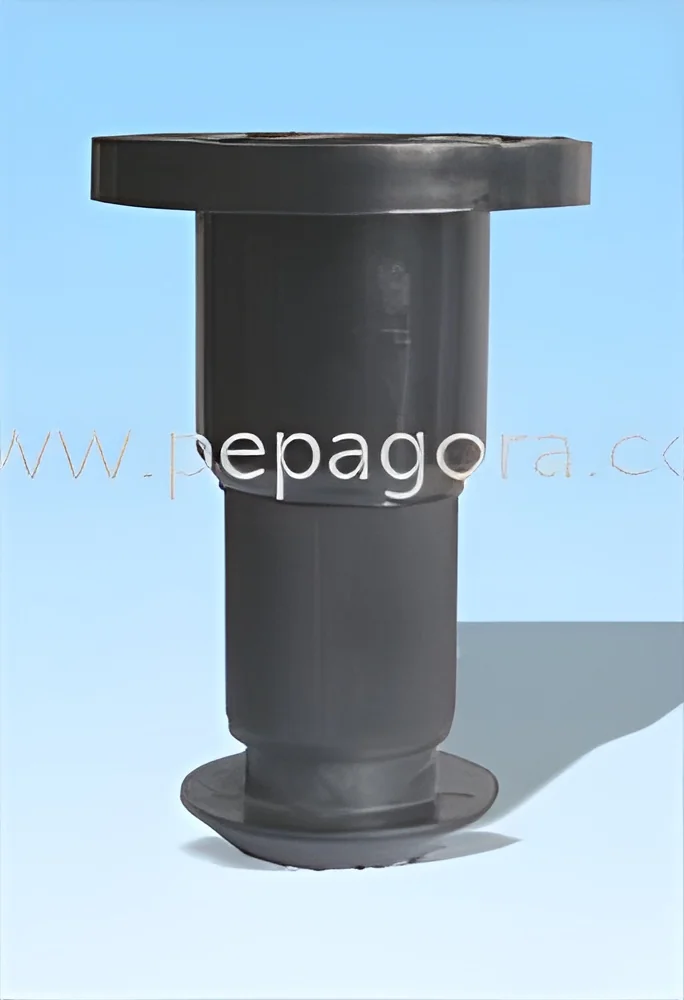
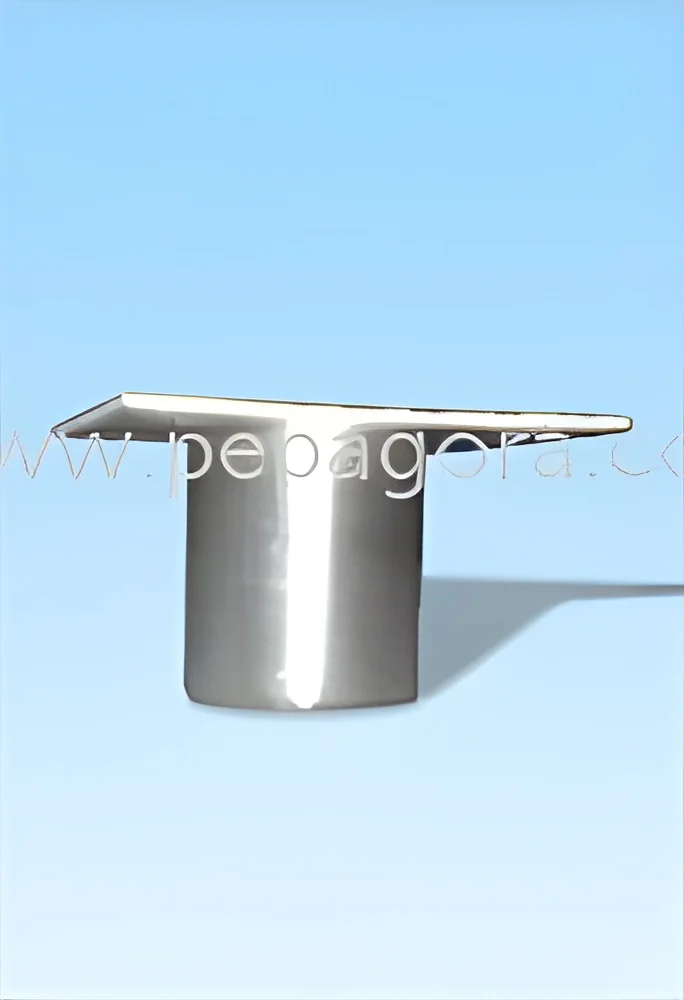
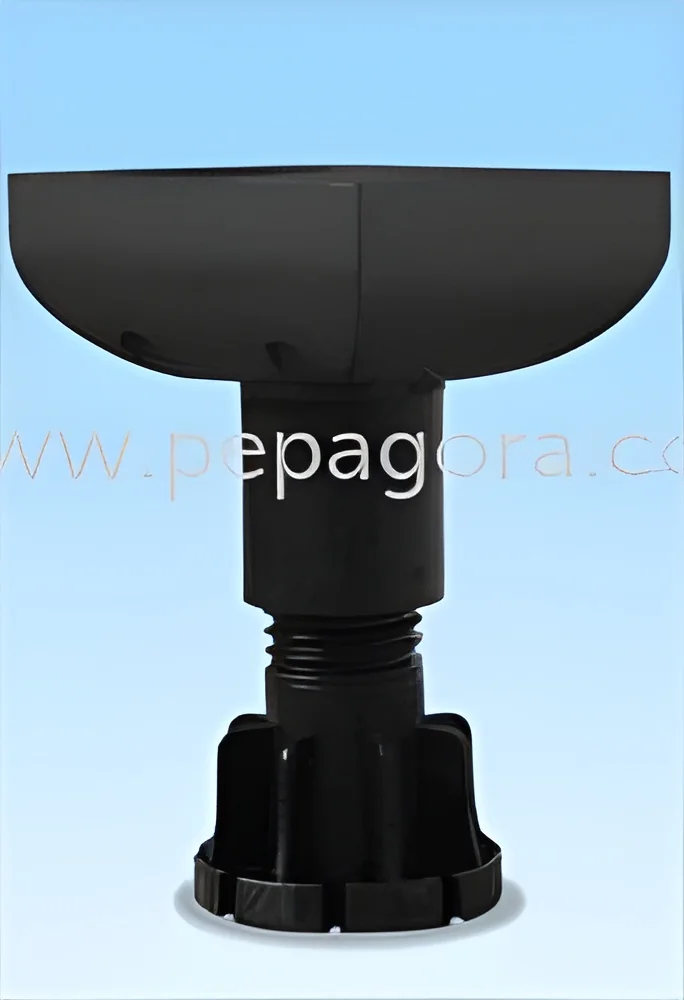
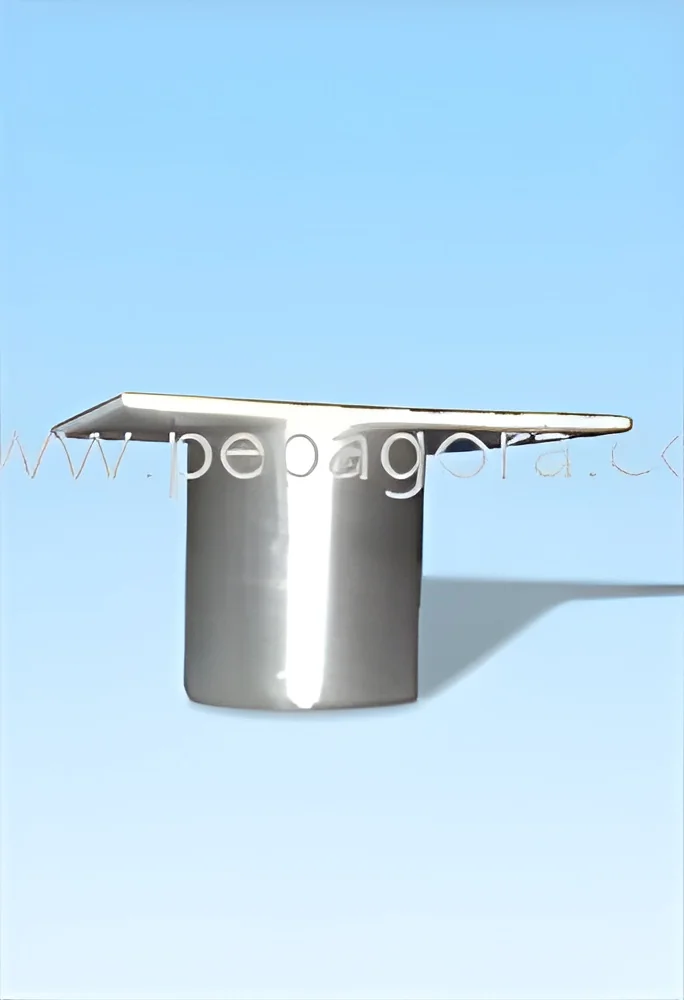
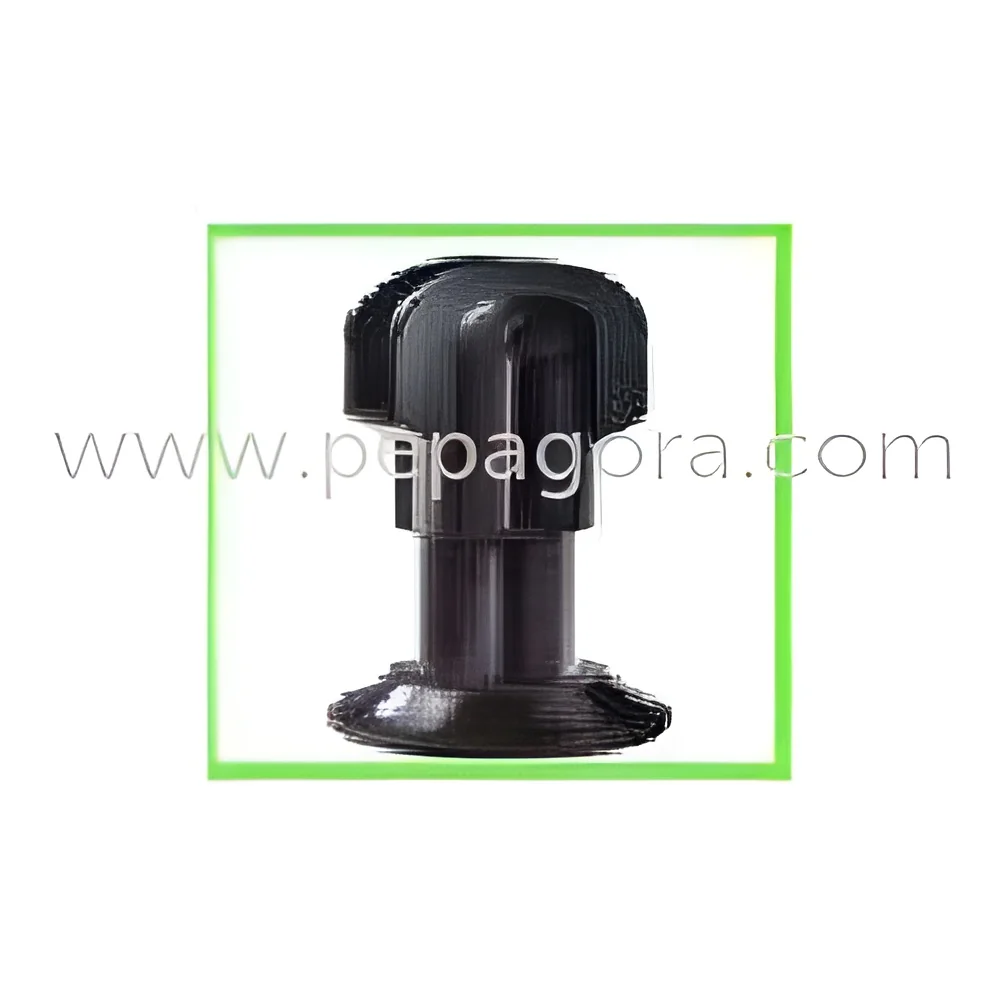
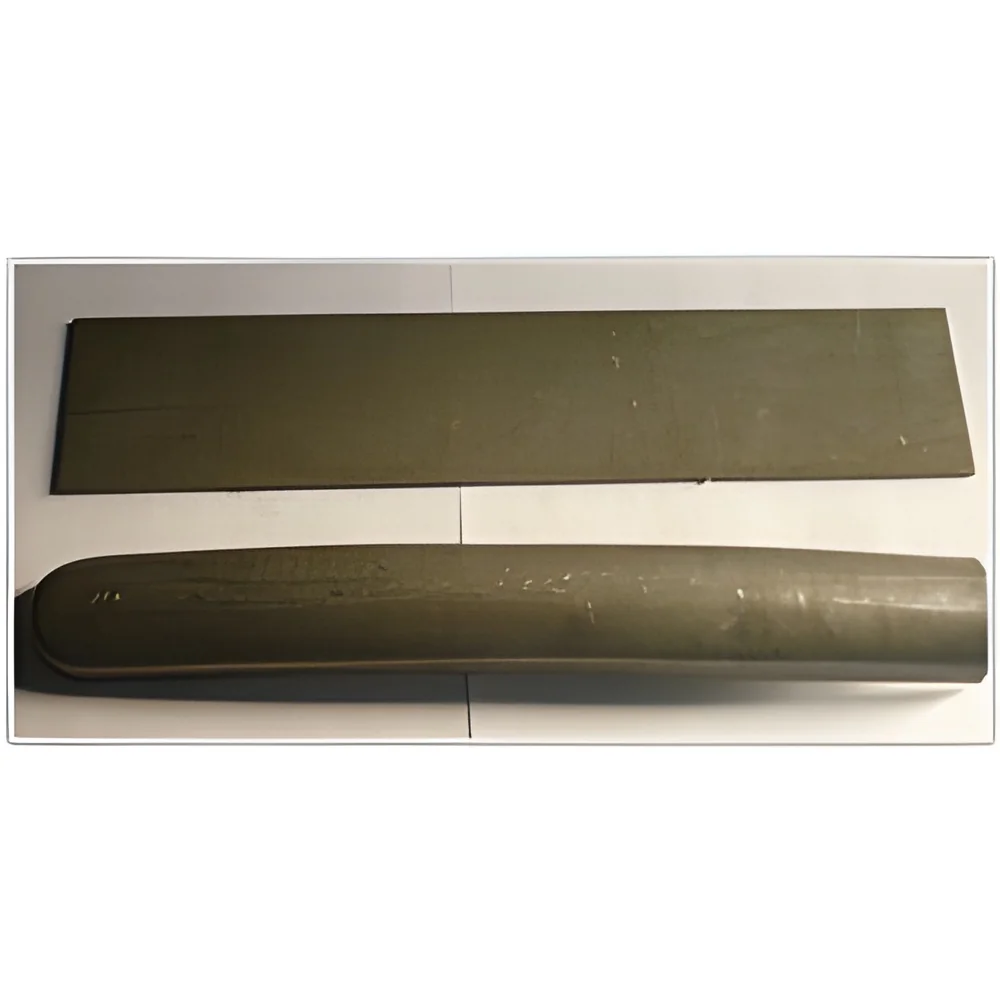
What are Furniture Legs & Supports?
Furniture legs and supports are essential components used to elevate and stabilize various types of furniture. They come in a wide range of materials, designs, and sizes to suit different applications. These components not only provide structural support but also contribute to the aesthetic appeal of furniture pieces. Depending on the design and function, furniture legs can be fixed or adjustable, allowing users to customize height and stability according to their needs.
In business applications, furniture legs and supports find usage in a variety of settings, including residential, commercial, and industrial environments. They are commonly used in office furniture, dining tables, chairs, and cabinetry. The relevance of these components in the furniture industry cannot be understated, as they play a critical role in ensuring the durability and functionality of furniture products. As the demand for customizable and durable furniture continues to rise, the market for high-quality furniture legs and supports is also expanding.
Key Features and Specifications
Furniture legs and supports come with a variety of features and specifications that cater to different requirements. These specifications ensure that the components meet the necessary performance and safety standards.
Key specifications include:
1. Material Composition
- Common materials include wood, metal, plastic, and composite.
- Each material offers different levels of durability and aesthetic appeal.
2. Load Capacity
- Indicates the maximum weight the leg or support can bear.
- Varies based on design and material, typically ranging from 200 to 800 pounds.
3. Height Adjustability
- Some legs feature adjustable heights to accommodate various furniture designs.
- Height ranges can vary from 4 inches to 30 inches.
4. Finish Options
- Available in various finishes such as powder-coated, varnished, or untreated.
- Finishing affects both appearance and resistance to wear.
5. Design Styles
- Styles can range from traditional to modern, including tapered, straight, and ornate designs.
- Design choice impacts the overall look of the furniture piece.
6. Installation Type
- Legs can be screw-mounted, bolt-mounted, or integrated into the furniture design.
- Installation type affects ease of assembly and stability.
7. Environmental Resistance
- Some legs are designed to withstand specific environmental conditions, such as humidity or temperature fluctuations.
- Important for outdoor furniture or areas with fluctuating climates.
8. Compliance Certifications
- Many furniture legs are compliant with industry standards such as CE certification.
- Ensures safety and quality assurance for end-users.
These specifications collectively ensure that furniture legs and supports are suitable for various applications while maintaining quality and safety.
Common Applications and Use Cases
Furniture legs and supports are utilized across multiple industries, each with specific applications that highlight their versatility.
1. Residential Furniture: In homes, they are used in sofas, tables, chairs, and cabinets, providing stability and enhancing aesthetics.
2. Commercial Furniture: Office desks, conference tables, and reception areas rely on robust legs to support daily use and heavy loads.
3. Hospitality Industry: Hotels and restaurants use stylish legs in dining furniture to create inviting atmospheres while ensuring durability.
4. Retail Environments: Display furniture in stores often features unique leg designs to attract customers and showcase products effectively.
5. Educational Institutions: School furniture, including desks and chairs, uses strong supports to withstand frequent use by students.
6. Healthcare Facilities: Medical furniture requires legs that offer stability and easy cleaning to maintain hygiene standards.
7. Industrial Applications: Workbenches and utility tables in factories utilize heavy-duty legs for maximum support and functionality.
Product Variants and Subcategories
Furniture legs and supports come in diverse variants to meet specific design and functional needs.
Traditional Wooden Legs
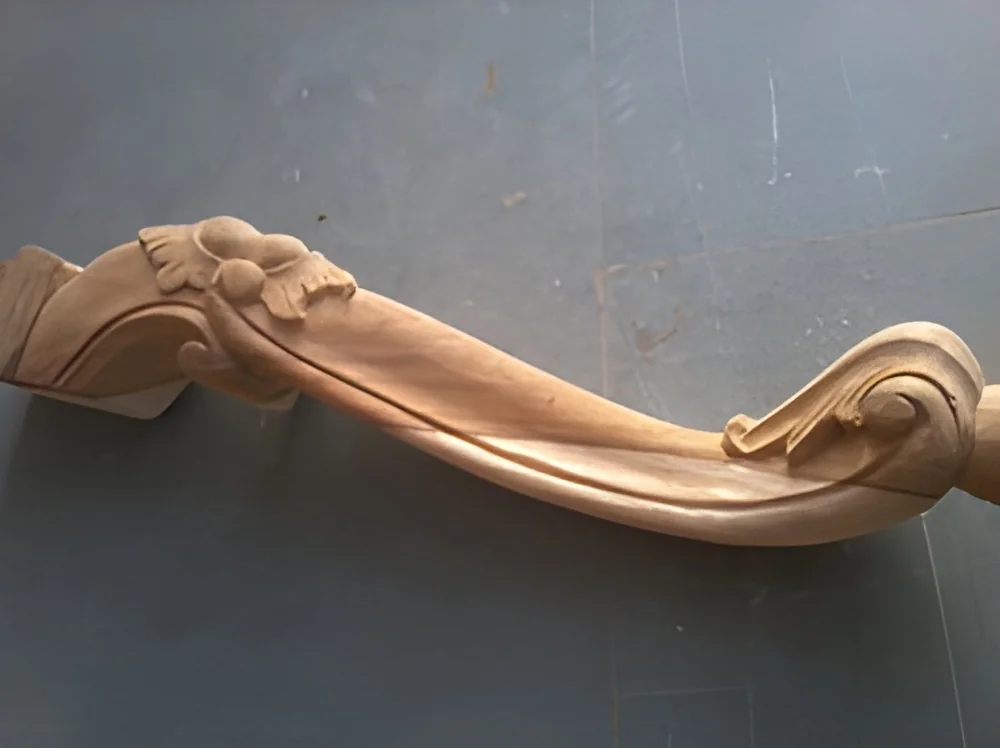
These legs are crafted from hardwoods and are often used in classic furniture designs. They provide a warm aesthetic and excellent stability.
Metal Legs
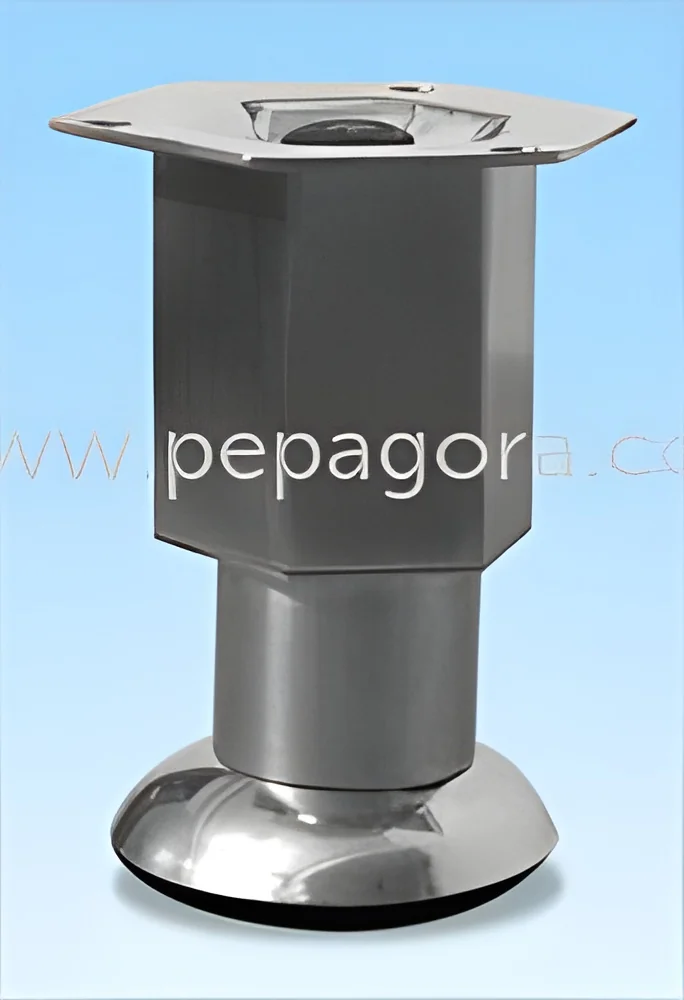
Metal legs are known for their strength and modern appeal. They are commonly used in contemporary furniture and are often powder-coated for durability.
Adjustable Legs
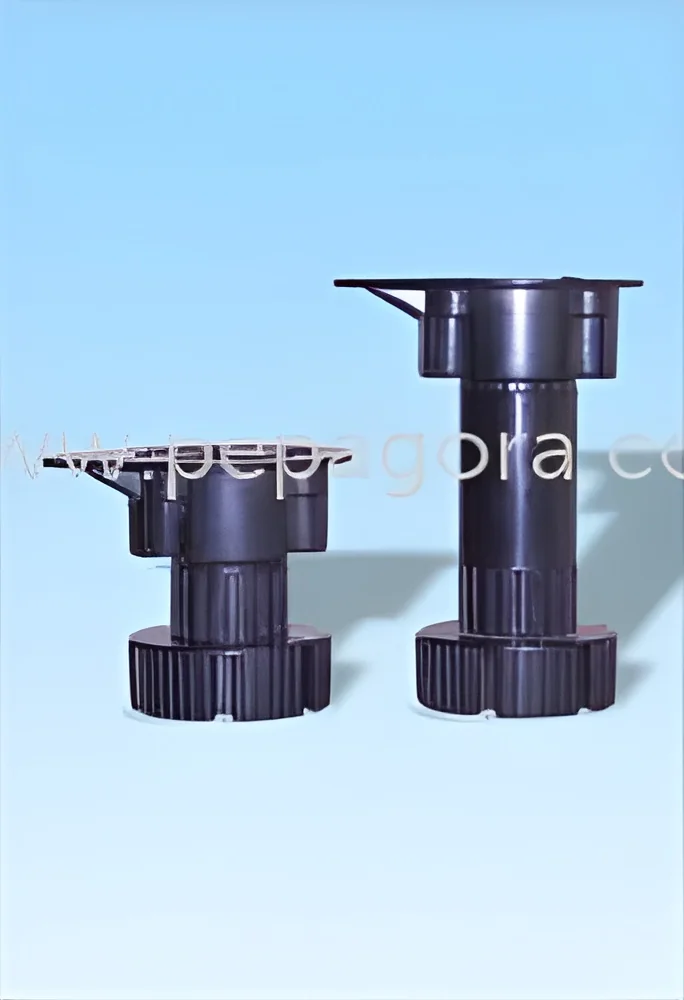
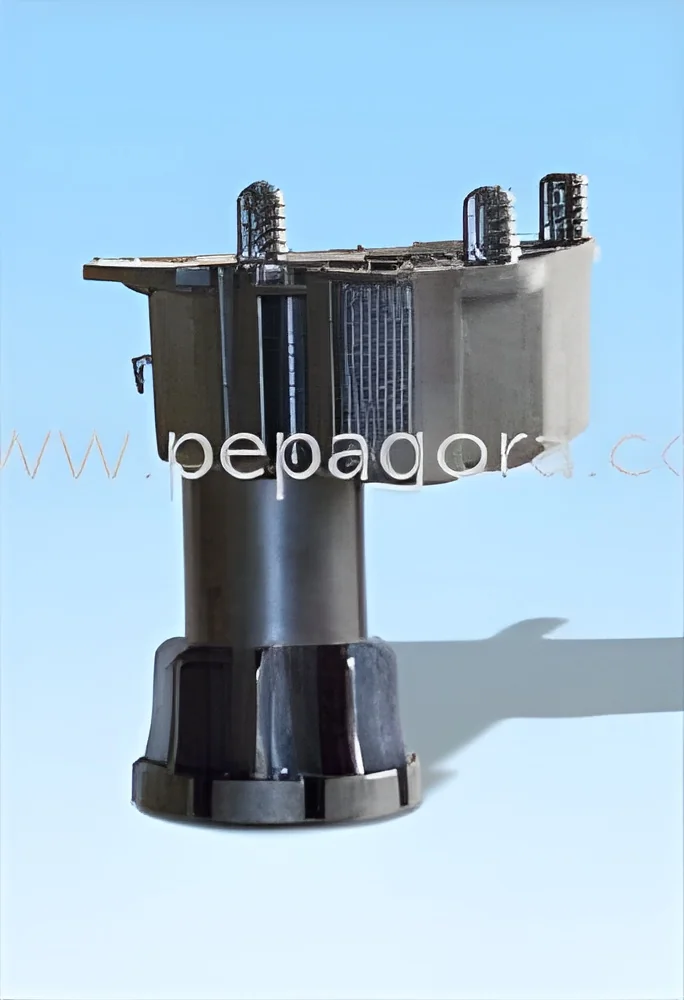
These legs allow users to modify the height of furniture, making them ideal for multifunctional spaces. They are popular in office environments and dining settings.
Tapered Legs
Tapered legs are stylish and often used in mid-century modern furniture. They add a sleek look while providing stability.
Retractable Legs
These legs can be folded or retracted, making them perfect for space-saving furniture designs, such as folding tables and chairs.
Benefits and Advantages
Furniture legs and supports offer numerous benefits that enhance furniture functionality and longevity.
1. Enhanced Stability: High-quality legs provide the necessary support to prevent wobbling and tipping, ensuring user safety.
2. Aesthetic Appeal: Diverse designs and finishes can elevate the overall look of furniture, catering to different interior styles.
3. Customization Options: Many legs are adjustable or available in various heights, allowing for tailor-made solutions.
4. Durability: Well-manufactured legs can withstand heavy loads and prolonged use, leading to cost savings over time.
5. Easy Installation: Many furniture legs are designed for straightforward installation, reducing assembly time and effort.
6. Versatility: With numerous styles and materials available, these components can fit a wide range of furniture types across industries.
Buying Guide for B2B Buyers
When sourcing furniture legs and supports, several factors should be considered to ensure quality and suitability for specific applications.
1. Quality Assessment: Buyers should evaluate the materials and construction methods used in the legs. Look for detailed specifications to ensure they meet industry standards.
2. Supplier Verification: It is crucial to vet suppliers for credibility and reliability. Checking references and customer reviews can help confirm their reputation.
3. Pricing and MOQ: Understanding the price range and minimum order quantities is essential for budgeting. Compare quotes from multiple suppliers to find the best deal.
4. Delivery and Lead Times: Inquire about logistics and lead times for orders to plan accordingly. Timely delivery is critical for maintaining production schedules.
5. Compliance Requirements: Ensure that the legs meet relevant safety and compliance standards, such as CE certification, to avoid legal and operational issues.
Compliance and Certifications
Compliance with industry standards and certifications is vital for ensuring the quality and safety of furniture legs and supports.
Many products adhere to quality standards such as ISO 9001, which focuses on quality management systems. This certification ensures that manufacturers maintain a consistent quality level throughout production.
The CE certification is particularly relevant for products sold in the European market. It signifies that the product meets EU safety, health, and environmental requirements, providing assurance to buyers.
Safety testing requirements often depend on the application of the furniture. For example, legs used in commercial furniture may need to meet stricter regulations compared to those used in residential settings.
Regional compliance considerations may vary, so it is essential for buyers to understand the specific requirements for their target markets. Adhering to these regulations ensures that furniture legs and supports are not only functional but also safe for end-users.
Why Source Furniture Legs & Supports from Pepagora?
Pepagora stands out as a trusted platform for sourcing furniture legs and supports, offering several key advantages for B2B buyers.
Verified Supplier Network: Pepagora has established a robust network of verified suppliers, ensuring that buyers have access to high-quality products from reputable manufacturers. This network helps mitigate risks associated with sourcing.
Streamlined RFQ Process: The platform features a streamlined Request for Quotation (RFQ) process, making it easy for buyers to receive competitive quotes from multiple suppliers. This efficiency saves time and enables better decision-making.
Trade Assurance and Support: Pepagora provides trade assurance and support for buyers, ensuring protection against potential issues during transactions. This level of support fosters trust and confidence in the sourcing process.
Regional Coverage: With a broad geographic reach that includes India, the GCC, and Southeast Asia, Pepagora connects buyers with suppliers across diverse markets. This regional coverage caters to varying industrial needs and preferences, facilitating easier access to quality furniture legs and supports.

 IN
IN