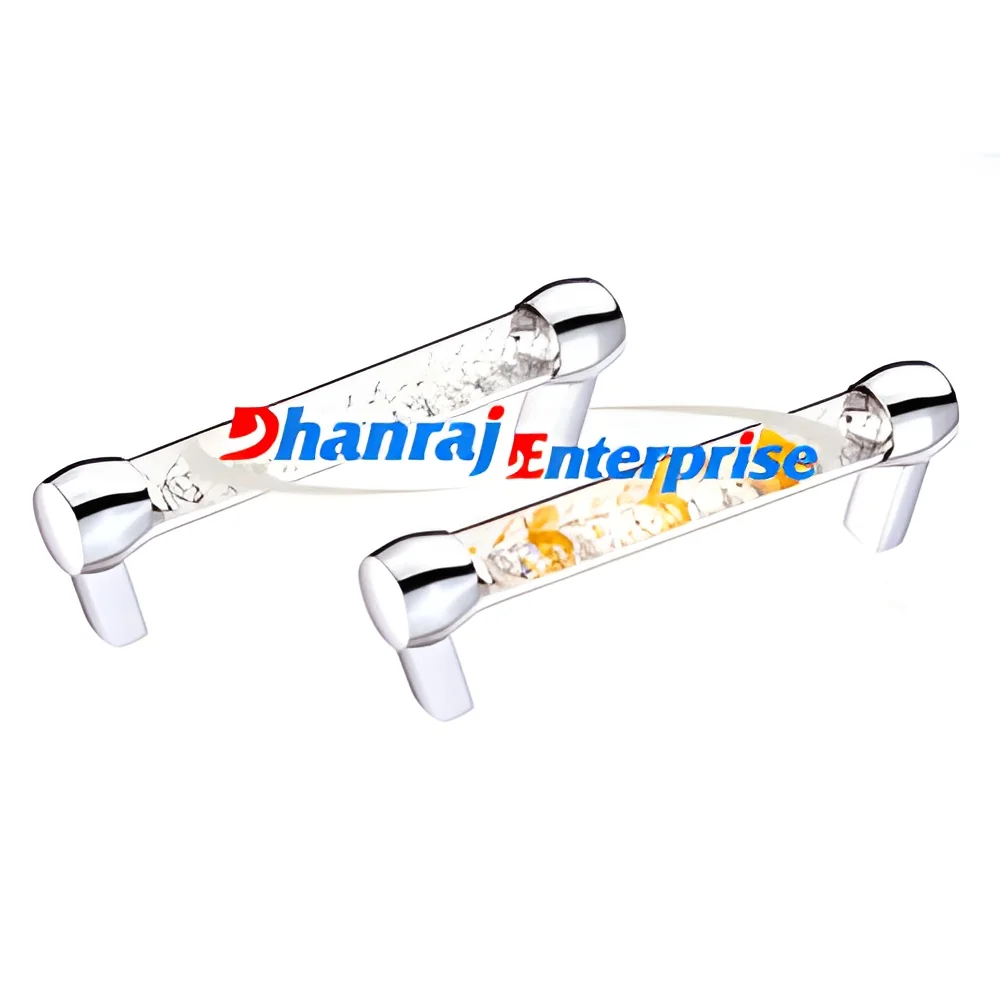
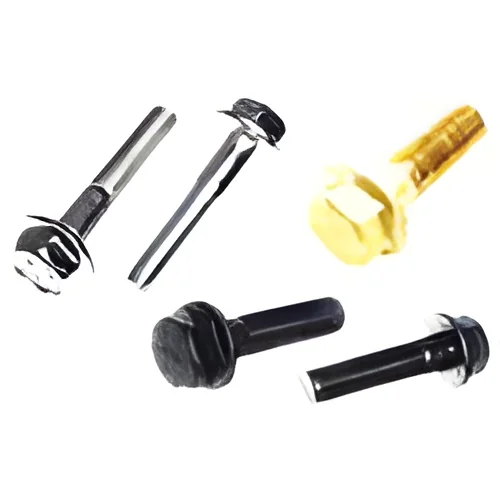
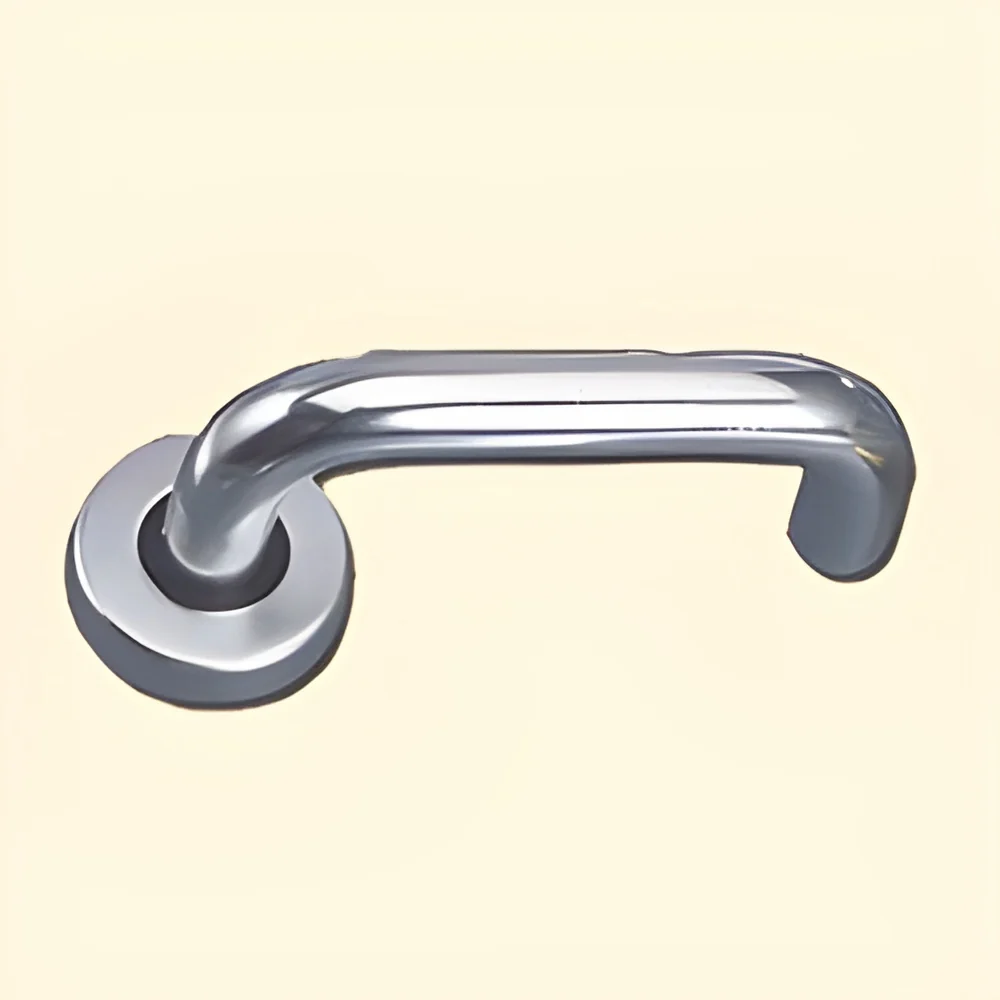
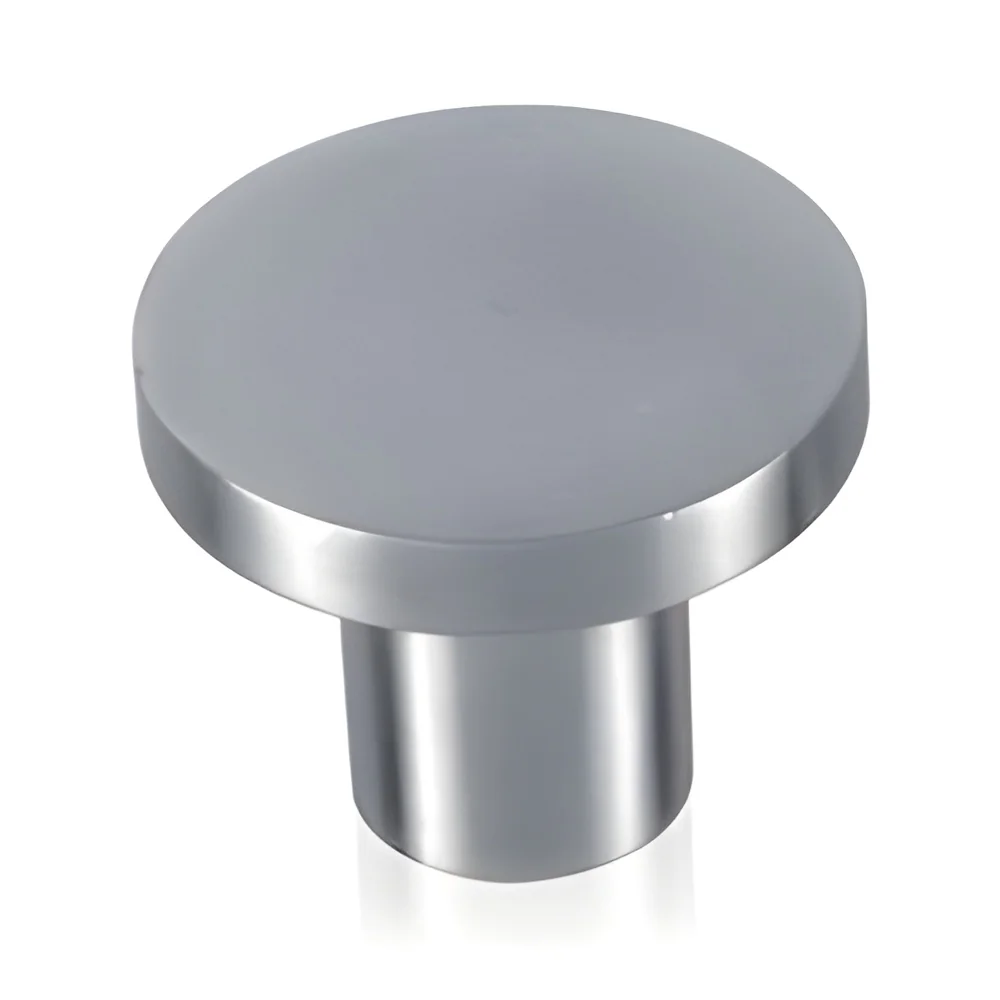
What are Furniture Handles & Knobs?
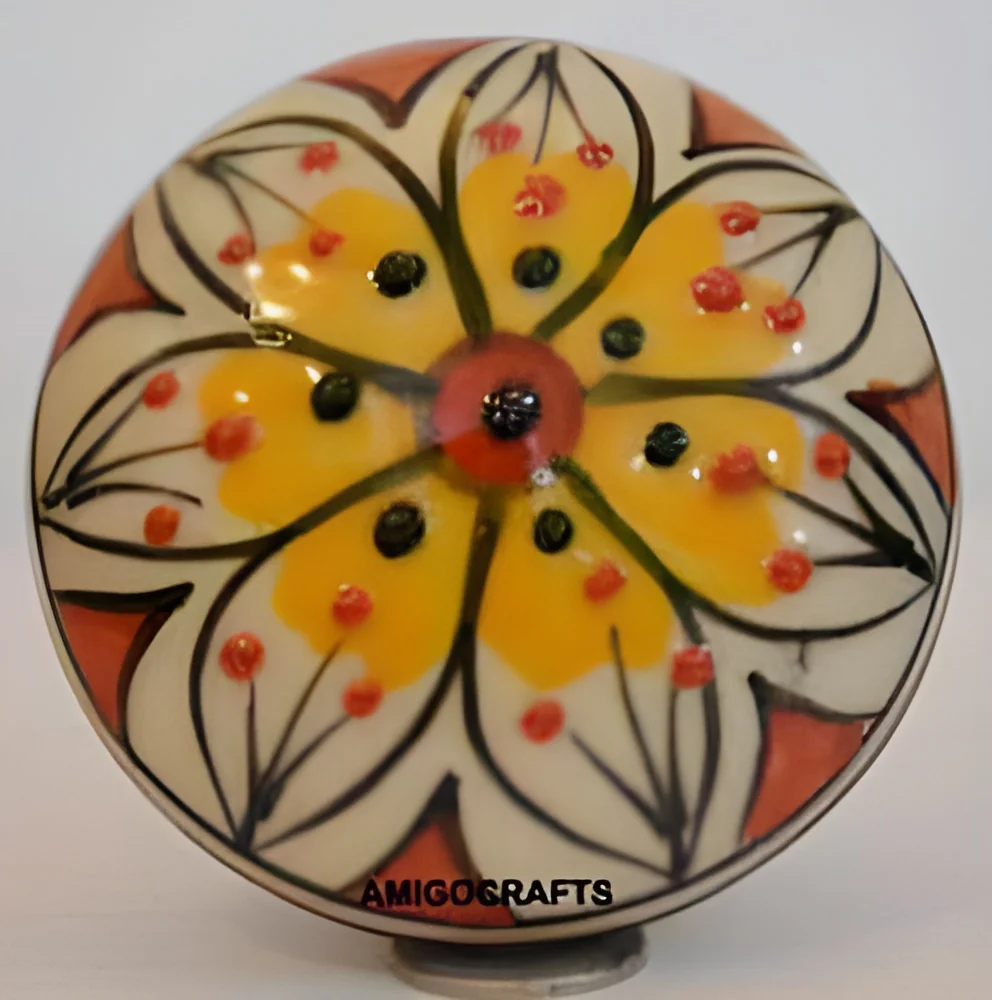
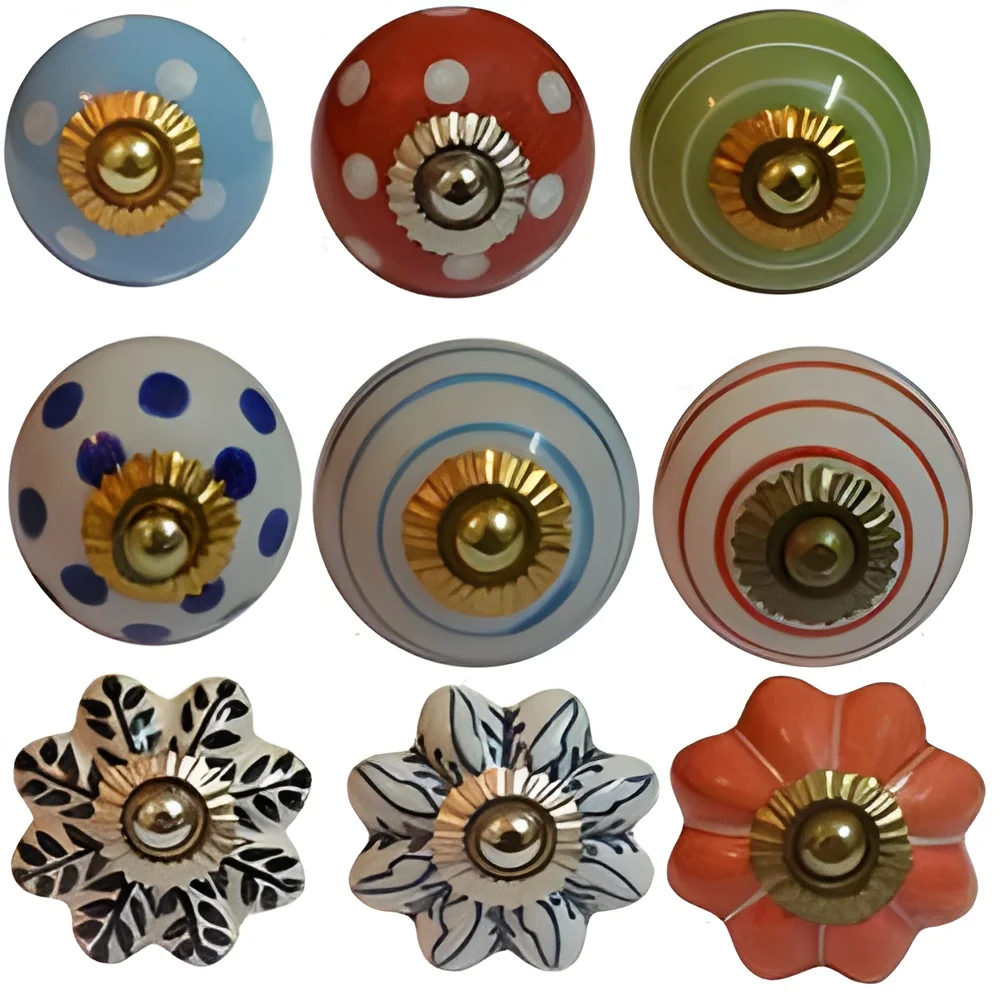
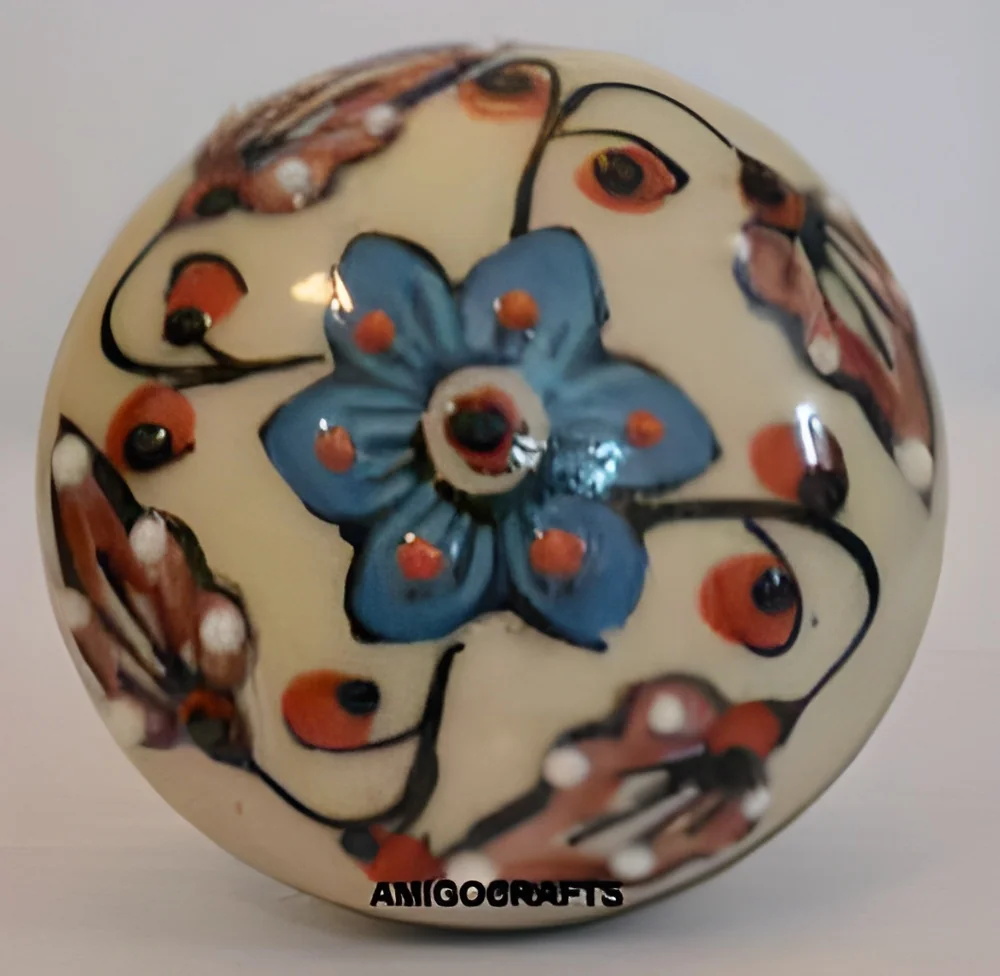
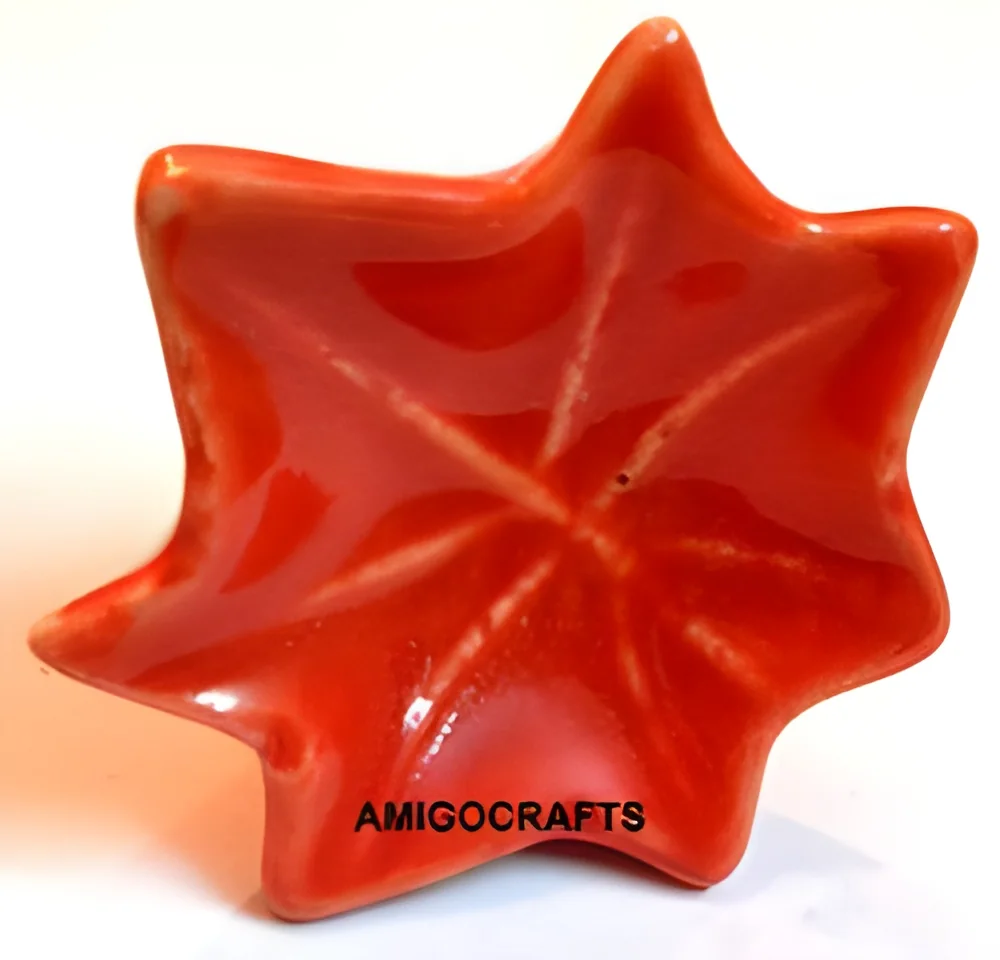
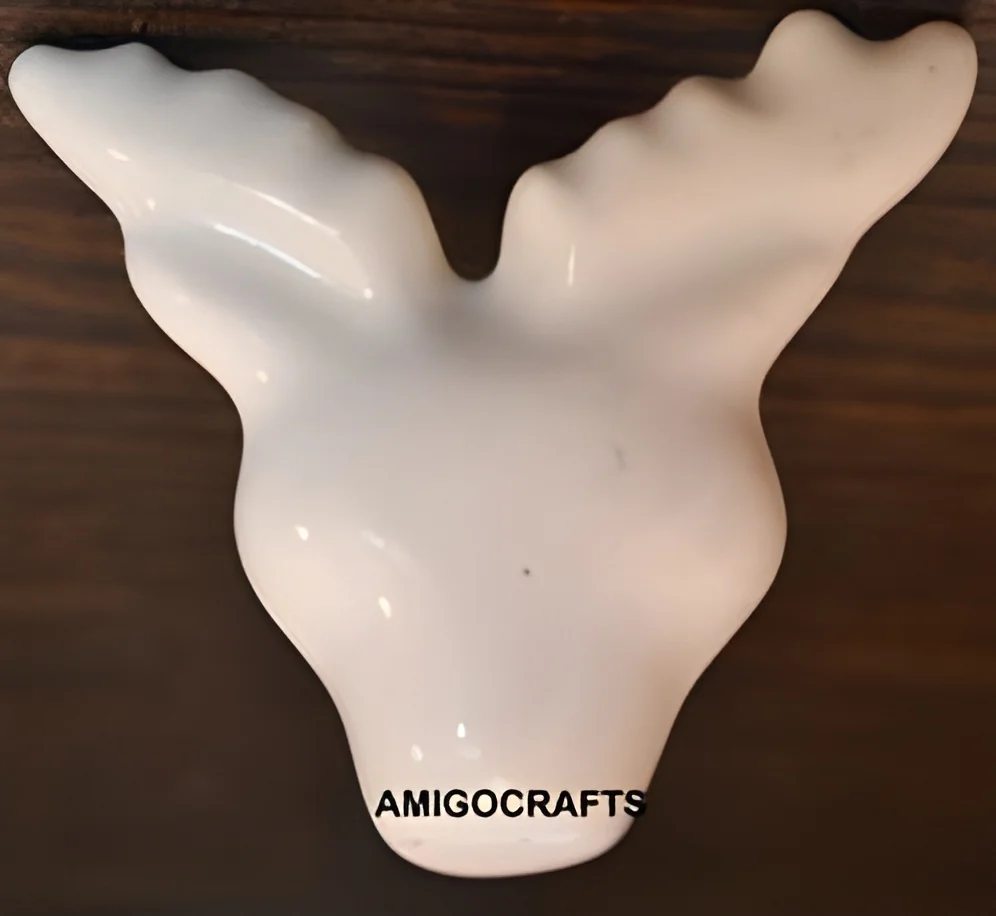
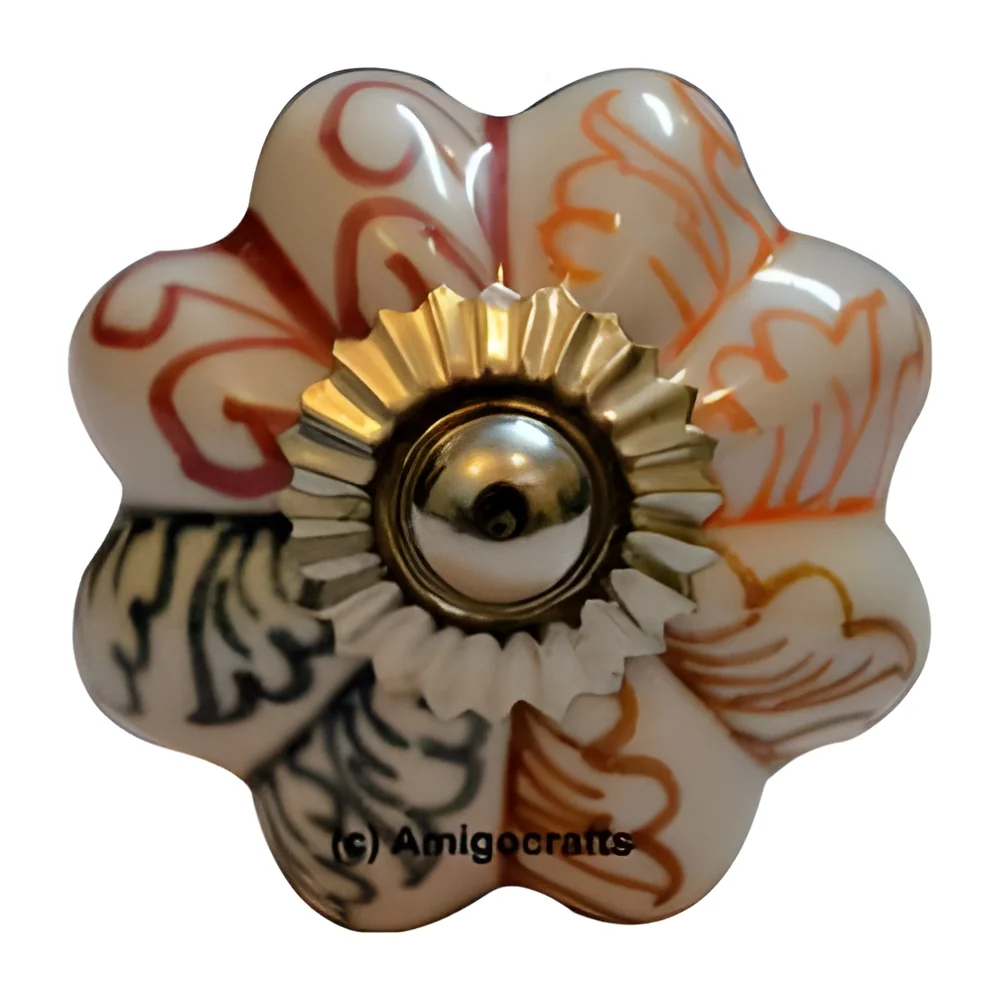
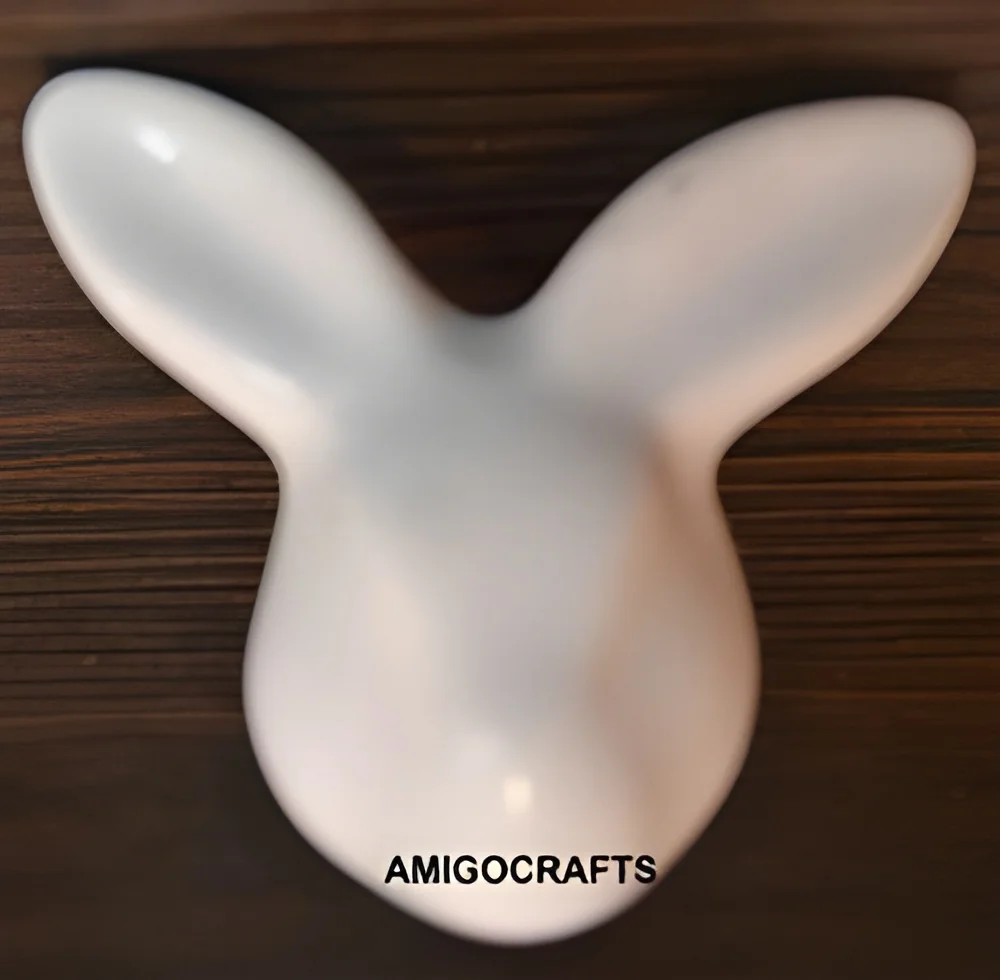
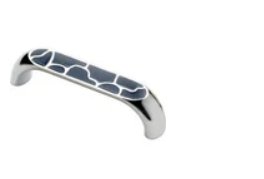
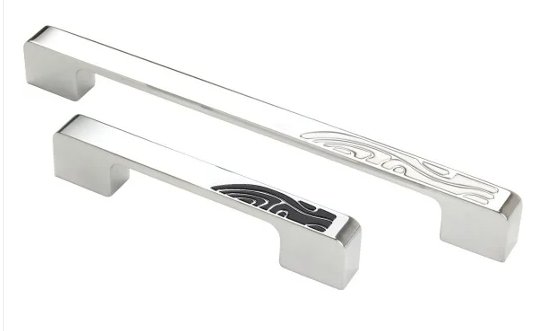
Furniture handles and knobs are essential hardware components used to facilitate the opening and closing of cabinets, drawers, and doors in various furniture items. These fittings come in various shapes, sizes, and materials, allowing for both functional and aesthetic considerations in furniture design. They can enhance the usability of furniture while also contributing to the overall style and visual appeal of a space.
These components are widely utilized in both residential and commercial settings, including homes, offices, and retail environments. In the business world, furniture handles and knobs are crucial for manufacturers, interior designers, and builders who seek to create functional and attractive environments. Their relevance spans across industries such as hospitality, healthcare, and education, where furniture operates under high usage demands and requires durable and reliable hardware solutions.
The market for furniture handles and knobs is diverse, influenced by trends in interior design and consumer preferences. With a growing emphasis on customization and unique designs, the demand for varied styles and finishes continues to rise. Companies are increasingly focused on sourcing high-quality products that can withstand wear while enhancing the overall aesthetic of furniture.
Key Features and Specifications
Furniture handles and knobs come with various features and specifications that cater to different needs and preferences. Understanding these specifications is essential for making informed purchasing decisions.
Key specifications include:
1. Material Composition
- Common materials include metal, plastic, wood, and ceramic.
- Each material offers different durability and aesthetic qualities.
2. Size and Dimensions
- Sizes vary to fit different furniture designs.
- Standard dimensions may include length, width, and depth, depending on the application.
3. Mounting Type
- Options include screw-mounted and adhesive-mounted handles and knobs.
- Each type has specific installation requirements and benefits.
4. Design Styles
- Available in modern, vintage, industrial, and traditional styles.
- Design choices impact the overall look and feel of the furniture.
5. Finishes
- Common finishes include brushed nickel, chrome, oil-rubbed bronze, and painted colors.
- Finishes affect durability and visual appeal.
6. Load Capacity
- Specifications may include weight limits for handles and knobs.
- Important for ensuring the hardware can withstand daily use.
7. Environmental Resistance
- Some products are designed to resist moisture, heat, or corrosion.
- Relevant for applications in varying environmental conditions.
8. Customization Options
- Many manufacturers offer customization for unique designs or branding.
- Custom options can enhance product differentiation.
In summary, these features and specifications are critical for businesses to consider when selecting furniture handles and knobs that meet their functional and aesthetic needs.
Common Applications and Use Cases
Furniture handles and knobs are versatile components that find application across various industries.
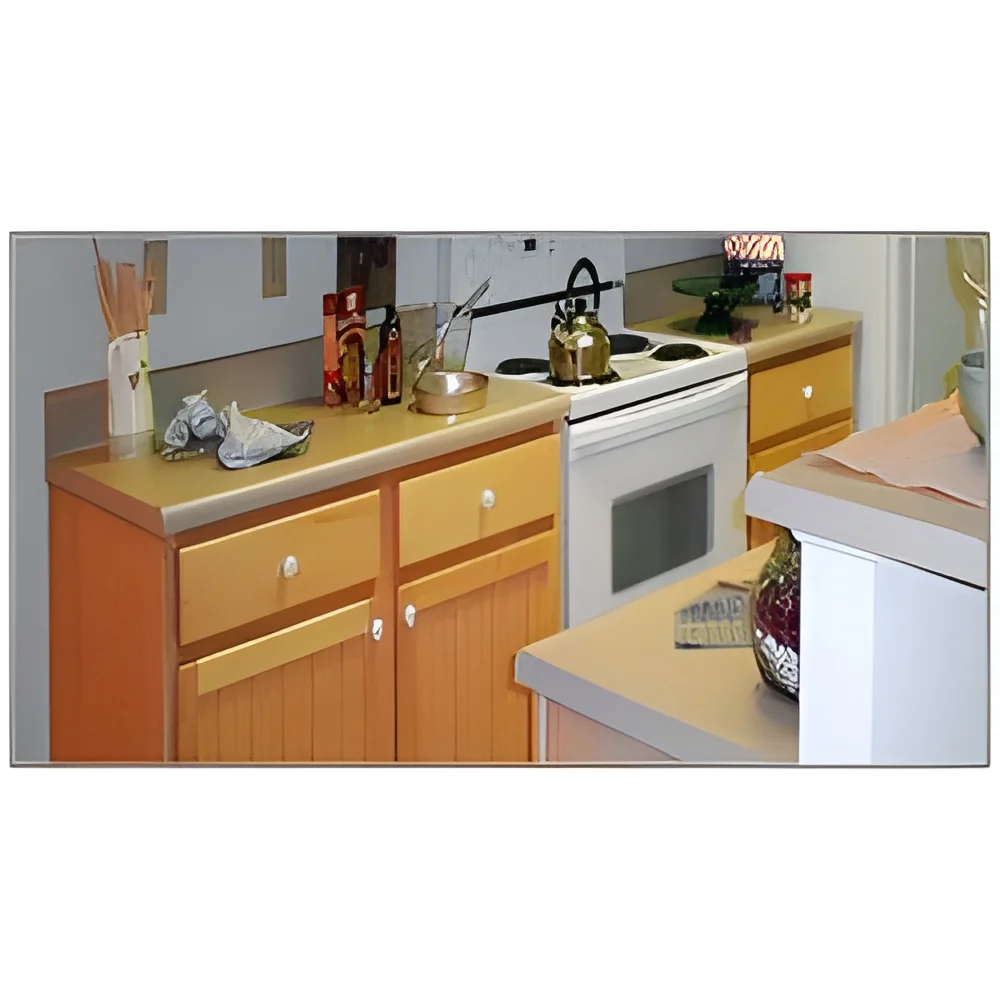
1. Residential Furniture: In homes, these fittings are used in kitchen cabinets, dressers, and bathroom vanities, enhancing the functionality of everyday furniture.
2. Commercial Office Spaces: In office environments, they are commonly found on desks, filing cabinets, and conference room furniture, facilitating easy access and use.
3. Retail Fixtures: Stores often utilize specialized handles and knobs on display cases and shelving units to attract customers and provide ease of access to products.
4. Hospitality Industry: Hotels and restaurants employ these fittings in furniture such as nightstands, reception desks, and bar cabinets, contributing to the overall guest experience.
5. Healthcare Facilities: In medical settings, handles and knobs are used on cabinets and carts, ensuring that they meet hygiene standards while remaining functional.
6. Educational Institutions: Schools and universities use them in furniture like lockers, tables, and storage units, where durability and ease of use are essential.
7. Custom Furniture Makers: Artisans and manufacturers often integrate unique handles and knobs to create bespoke furniture tailored to individual client needs.
Product Variants and Subcategories
Furniture handles and knobs come in a wide range of designs and variants, catering to diverse preferences and applications.
Modern Handles
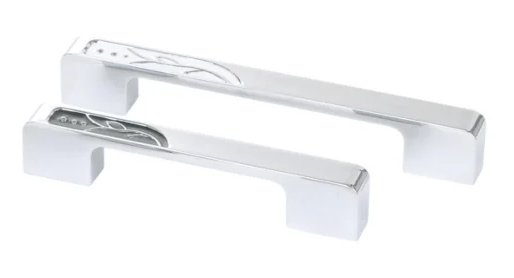
These handles feature sleek lines and minimalist designs, making them ideal for contemporary furniture. They often come in various finishes, enhancing their appeal in modern settings.
Antique Knobs
Antique-style knobs offer a vintage look, often crafted from materials like brass or wrought iron. These are suitable for traditional furniture and can add character to any piece.
Pull Handles
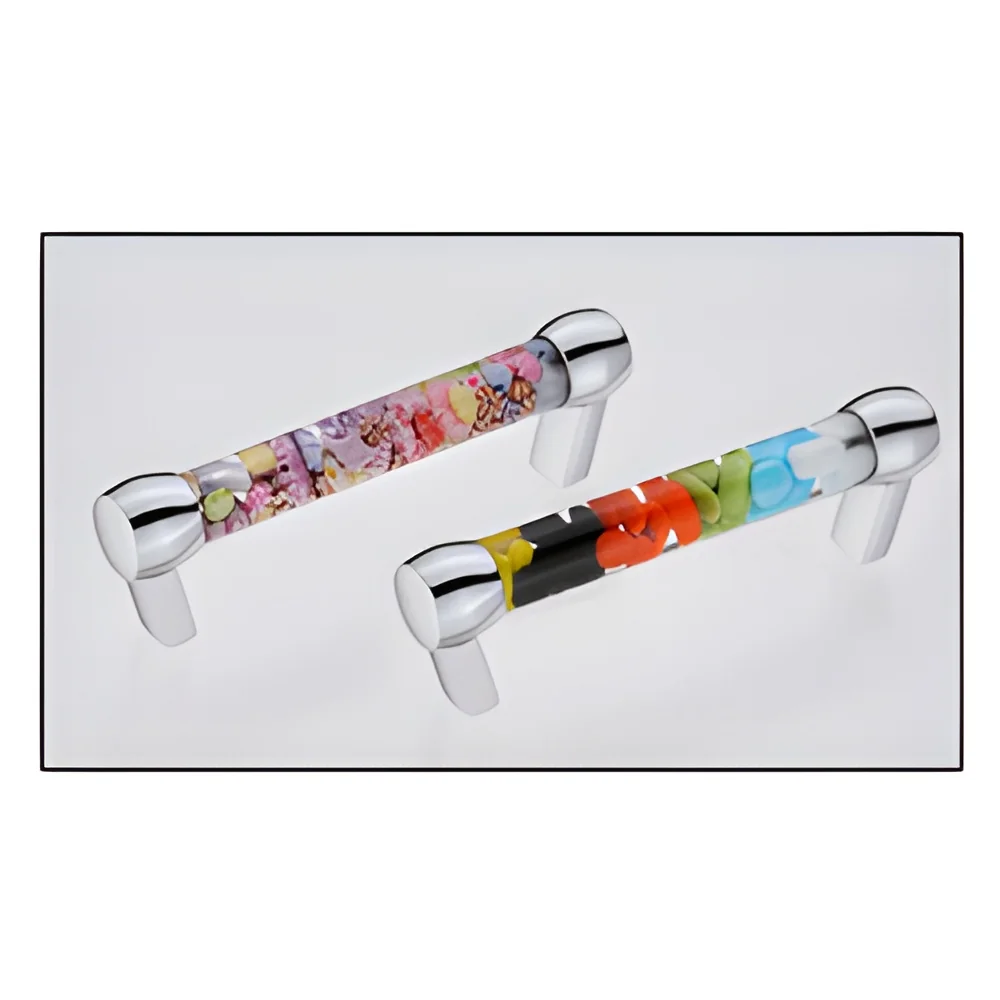
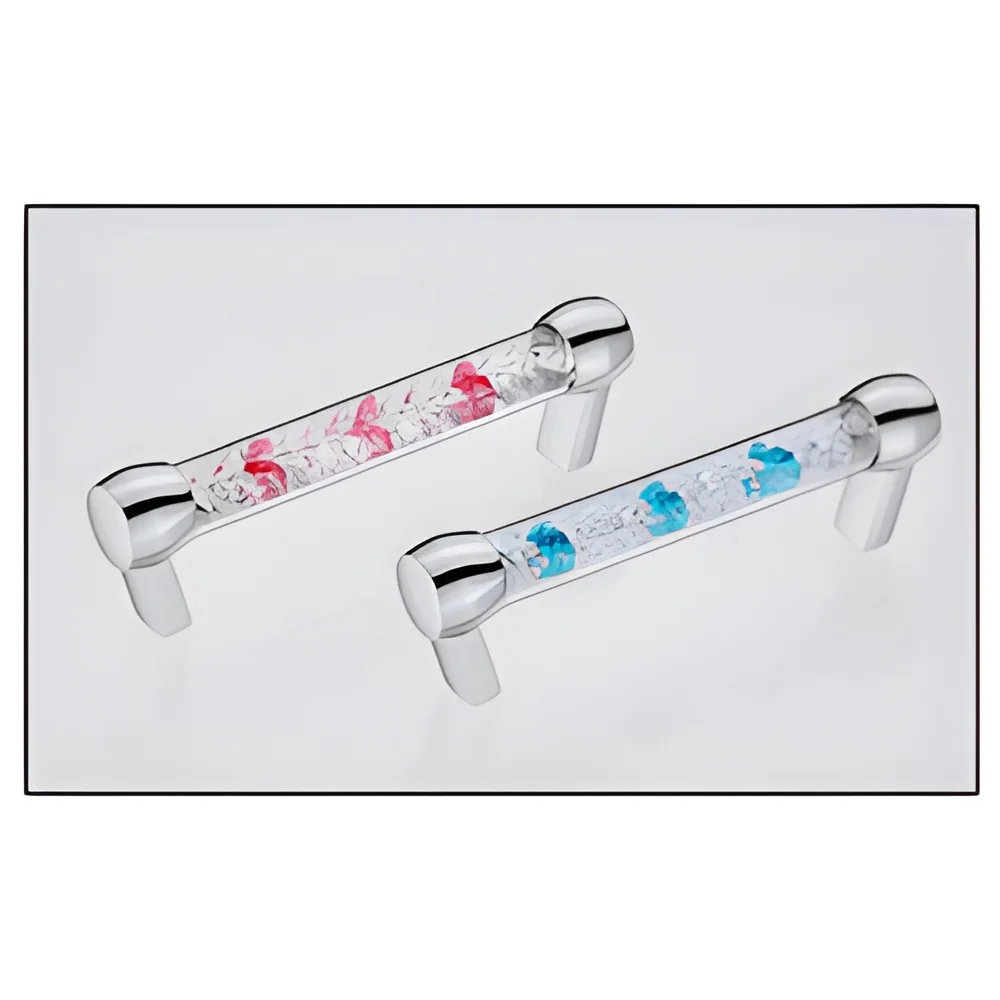
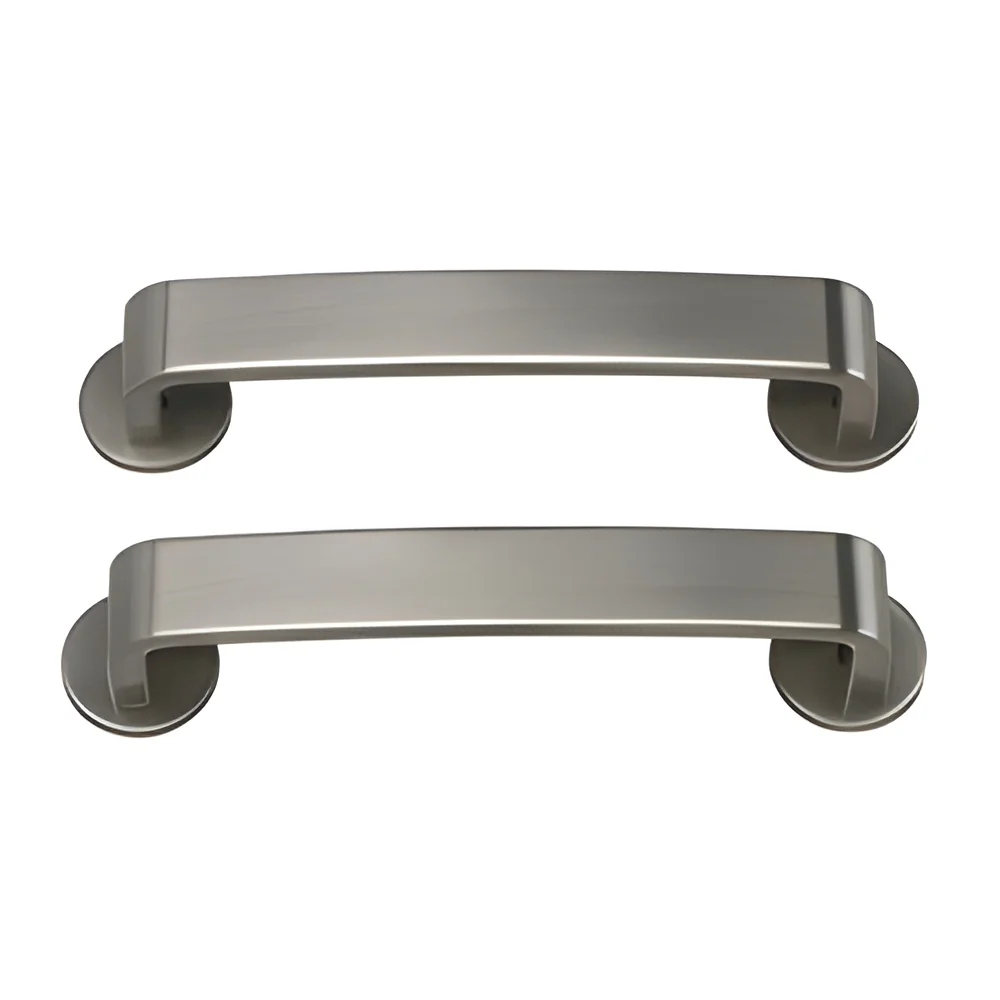
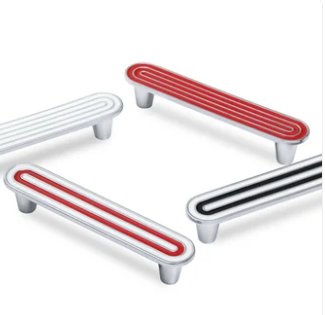
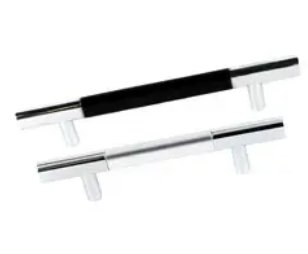
Pull handles are typically longer and designed for drawers and cabinets that require a firm grip. They come in various sizes and styles to fit different furniture designs.
Knob Handles
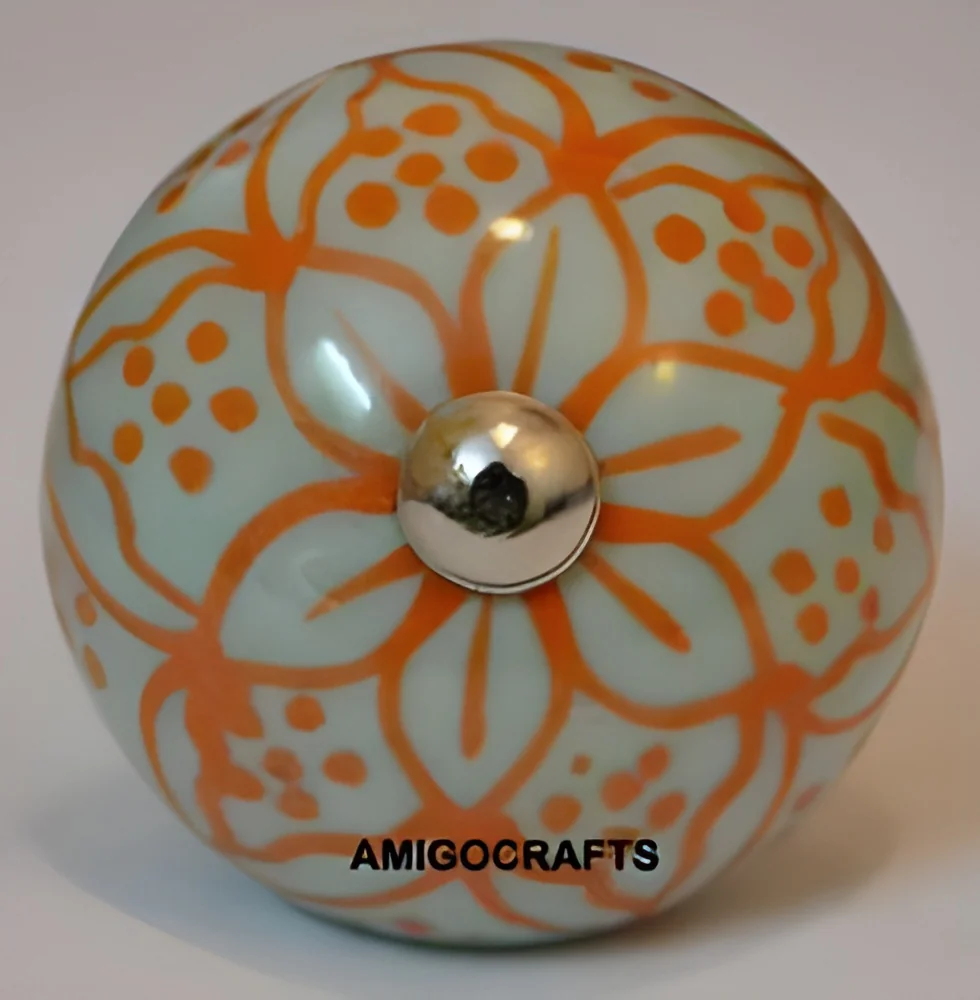
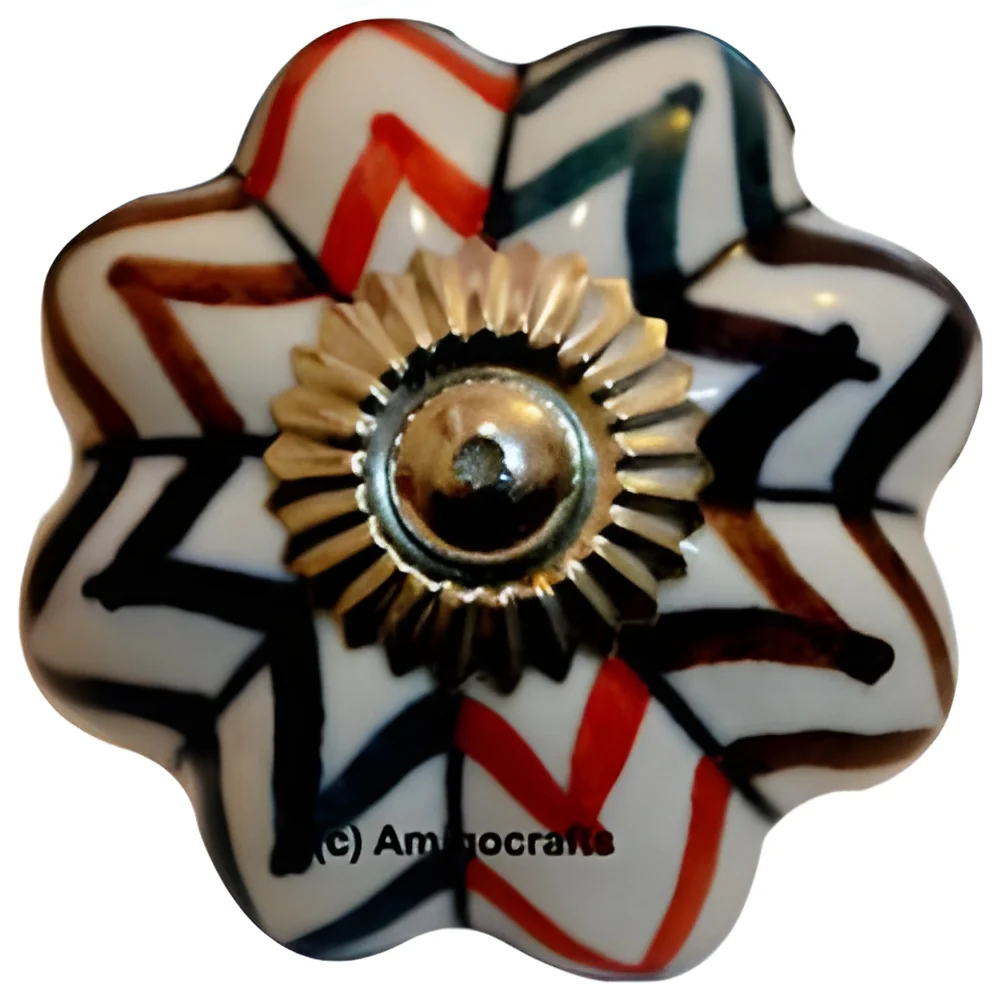
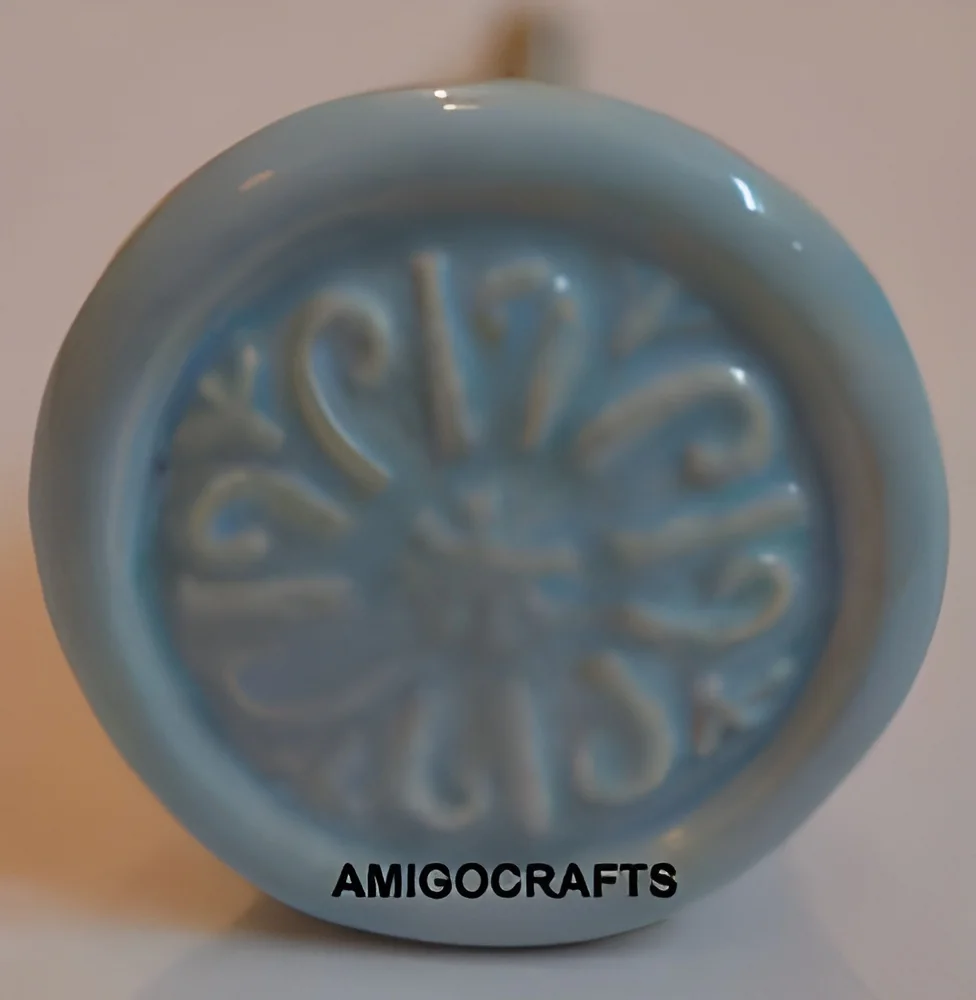
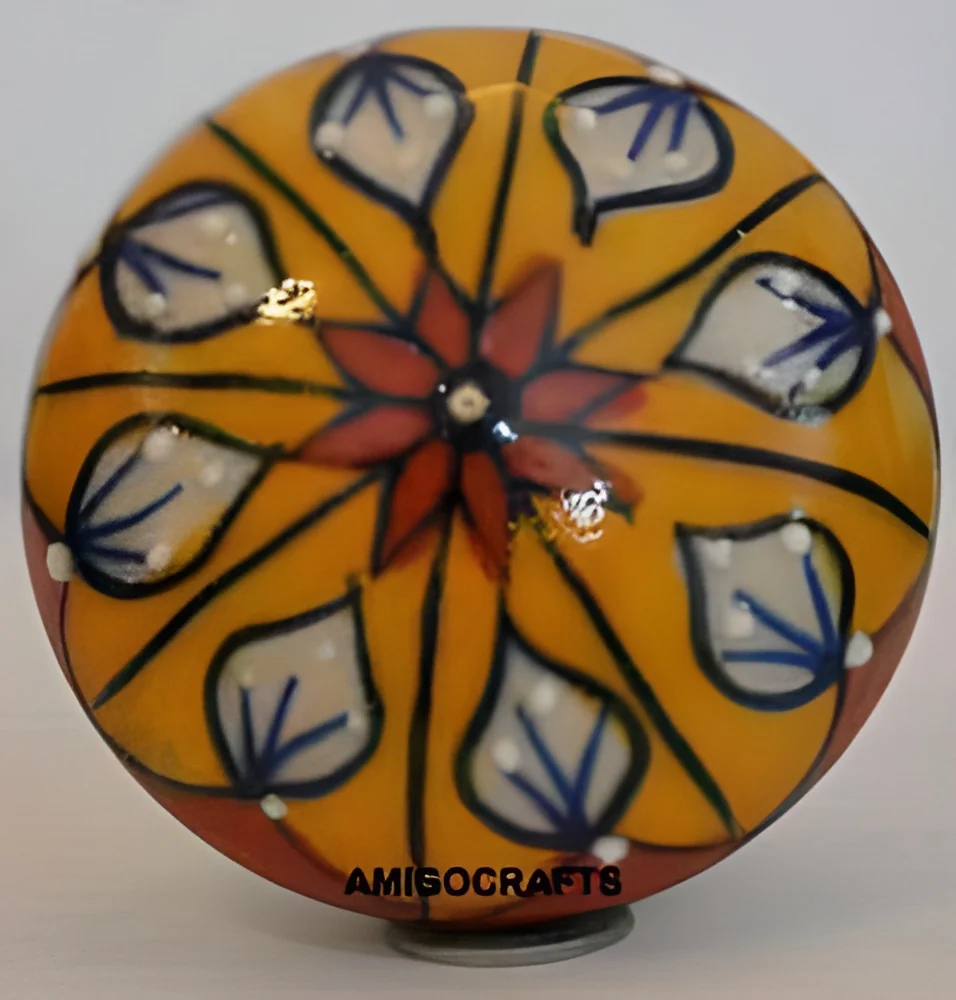
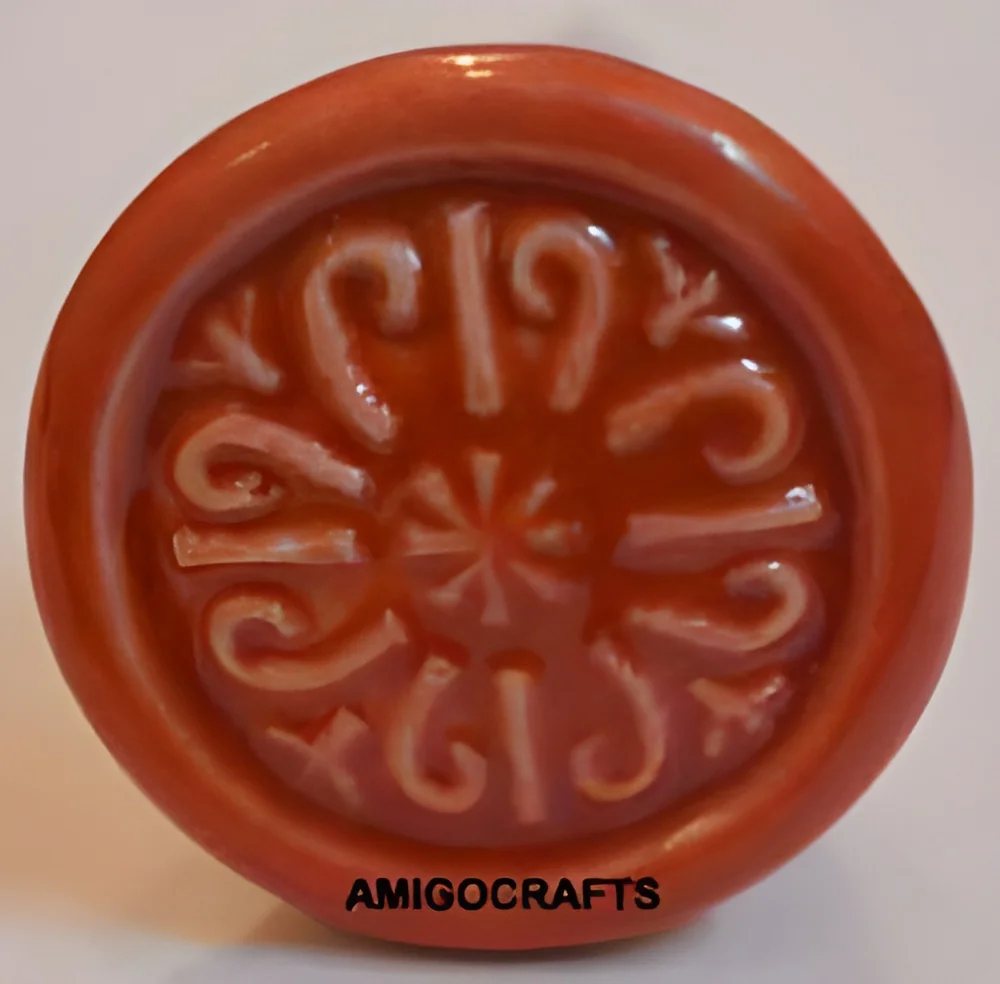
Knob handles are round and easy to grip, making them popular for smaller drawers and cabinets. They are available in numerous materials and finishes to match different furniture styles.
Benefits and Advantages
Choosing the right furniture handles and knobs can provide several advantages.
1. Enhanced Functionality: Properly designed handles and knobs improve the usability of furniture, making it easier to open and close doors and drawers.
2. Aesthetic Appeal: These components can significantly enhance the visual appeal of furniture, contributing to the overall design theme of a space.
3. Durability: High-quality handles and knobs are built to withstand daily wear and tear, offering long-term performance in any environment.
4. Customization: Many suppliers offer customization options, allowing businesses to create unique designs that reflect their brand identity.
5. Increased Value: Upgrading furniture with stylish handles and knobs can increase the perceived value of the pieces, appealing to potential buyers.
6. Easy Installation: Most furniture handles and knobs are designed for straightforward installation, allowing for quick upgrades without professional assistance.
Buying Guide for B2B Buyers
When sourcing furniture handles and knobs, businesses should consider several important factors to ensure they select the right products.
1. Quality Assessment: Evaluate the materials and manufacturing processes to ensure the handles and knobs meet durability and performance standards. Look for reliable reviews and product testing data.
2. Supplier Verification: Vet suppliers to confirm their credibility and track record in the industry. Check for certifications and customer feedback to ensure reliability.
3. Pricing and MOQ: Consider the pricing structure and minimum order quantities (MOQ) required by suppliers. This helps in budgeting and stock management.
4. Delivery and Lead Times: Understand the logistics involved in the procurement process, including anticipated delivery times and any potential delays.
5. Compliance Requirements: Ensure that the products meet relevant regulatory standards and safety requirements specific to your industry and region.
Compliance and Certifications
Furniture handles and knobs must adhere to various quality standards and certifications to ensure safety and reliability. ISO 9001 is a common standard that focuses on quality management systems, ensuring that manufacturers maintain consistent quality in their products.
Additionally, the CE marking signifies that a product complies with European health and safety regulations, offering assurance to buyers about the product's safety and performance.
Safety testing requirements may vary by region, and businesses should be aware of local compliance considerations. This may include adhering to specific standards for materials used, ensuring that they are suitable for the intended application.
Why Source Furniture Handles & Knobs from Pepagora?
Pepagora offers a trusted platform for sourcing furniture handles and knobs, providing several key advantages to businesses.
Verified Supplier Network: Pepagora has established a network of verified suppliers, ensuring that buyers can connect with reputable manufacturers. This reduces the risk of sourcing inferior products and enhances confidence in purchasing decisions.
Streamlined RFQ Process: The platform features a user-friendly request for quotation (RFQ) system, allowing businesses to easily request pricing and availability from multiple suppliers. This process saves time and simplifies procurement.
Trade Assurance and Support: Pepagora provides trade assurance, protecting buyers throughout the purchasing process. This includes support in case of disputes or quality issues with supplied products.
Regional Coverage: With a focus on regions such as India, the GCC, and Southeast Asia, Pepagora offers a wide reach for businesses looking to source furniture handles and knobs. This geographic coverage allows for better access to diverse products and suppliers.

 IN
IN