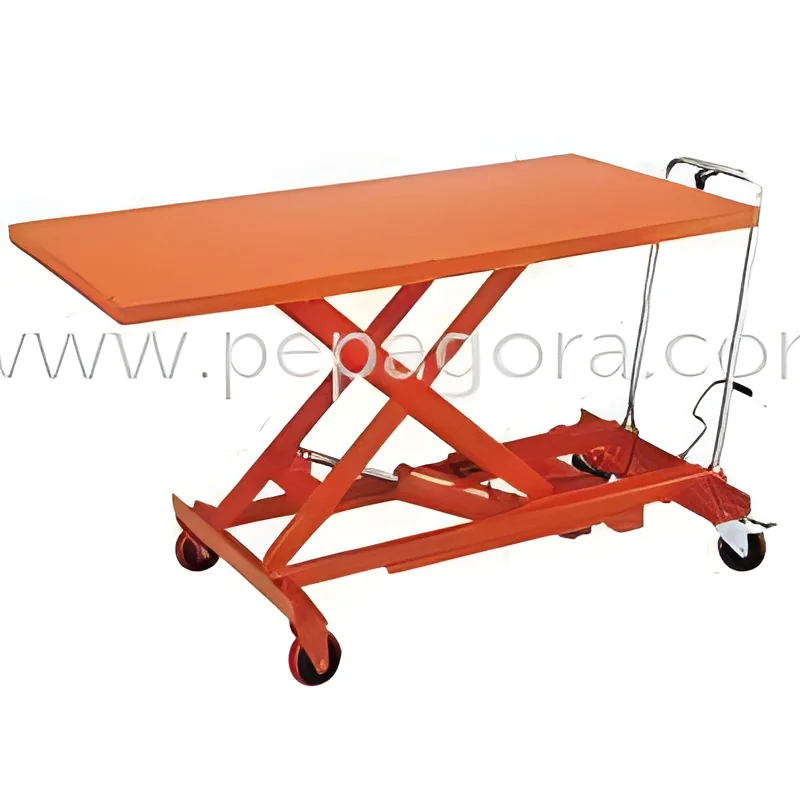
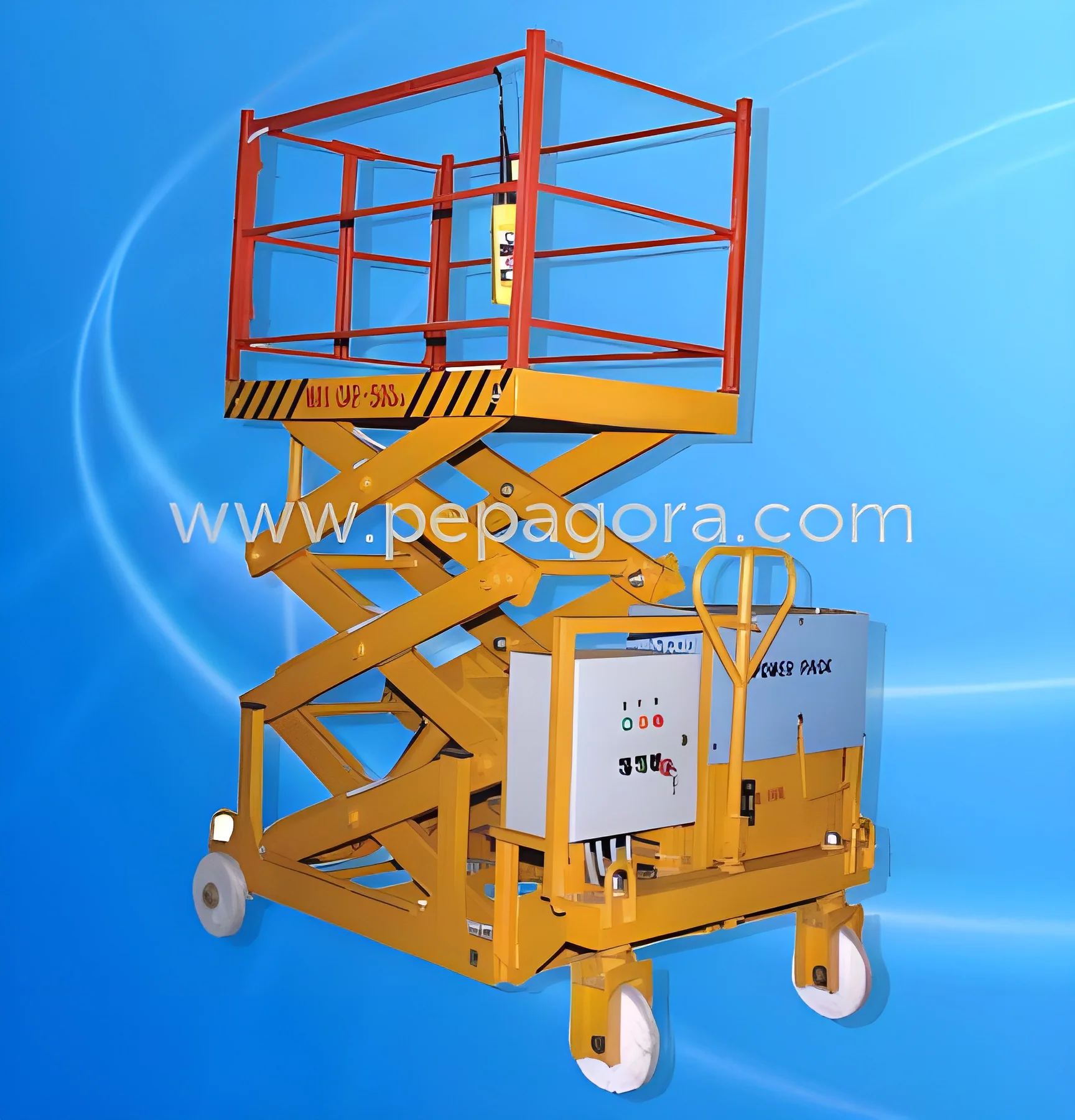
𝗪𝗵𝗮𝘁 𝗮𝗿𝗲 𝗧𝗮𝗯𝗹𝗲 𝗟𝗶𝗳𝘁𝘀 & 𝗚𝗮𝘀 𝗟𝗶𝗳𝘁𝘀?
Table lifts and gas lifts are mechanical devices designed to elevate and lower objects with ease and precision. Table lifts typically consist of a platform that can be raised or lowered using hydraulic or electric systems, while gas lifts utilize gas pressure to assist in the lifting process. Both types of lifts are essential in various industrial and commercial applications, providing efficient solutions for moving heavy loads.
These products are commonly used in manufacturing, warehousing, and retail environments. In manufacturing, table lifts facilitate the movement of materials and components along assembly lines. Gas lifts are often found in retail settings, such as display cases, where they enable easy access to merchandise. The versatility of these lifts makes them invaluable in enhancing operational efficiency and workplace safety.
In recent years, the market for table lifts and gas lifts has grown significantly, driven by advancements in technology and increasing demand for automation in various industries. As businesses seek ways to optimize their operations, the relevance of these lifting solutions continues to expand, making them critical components in modern industrial settings.
𝗞𝗲𝘆 𝗙𝗲𝗮𝘁𝘂𝗿𝗲𝘀 𝗮𝗻𝗱 𝗦𝗽𝗲𝗰𝗶𝗳𝗶𝗰𝗮𝘁𝗶𝗼𝗻𝘀
When considering table lifts and gas lifts, various features and specifications play a crucial role in their performance and suitability for specific applications. Understanding these specifications helps businesses make informed decisions when selecting the right lifting solution for their needs.
Key specifications include:
1. Load Capacity
- Typically ranges from 100 kg to several tons, depending on the model.
- Essential for determining the maximum weight the lift can safely handle.
2. Lift Height
- Common lift heights vary from 1 meter to over 3 meters.
- Important for assessing the reach required for specific tasks.
3. Power Source
- Can be electric, hydraulic, or pneumatic.
- Determines the operational efficiency and energy requirements.
4. Control System
- Options include manual, electric, or remote control.
- Affects ease of use and operator convenience.
5. Frame Construction
- Materials may include steel, aluminum, or composite materials.
- Influences durability and weight capacity.
6. Safety Features
- May include emergency stop buttons, overload protection, and safety cages.
- Critical for ensuring operator safety and compliance with regulations.
7. Mobility
- Some models are fixed, while others offer wheels for portability.
- Impacts the flexibility of use in various work environments.
8. Compliance Standards
- Products may adhere to industry standards such as CE certification.
- Ensures safety and reliability in operation.
In summary, understanding the key features and specifications of table lifts and gas lifts is essential for selecting the right model for specific applications. These specifications provide insight into the product's capabilities, ensuring businesses can optimize their operations effectively.
𝗖𝗼𝗺𝗺𝗼𝗻 𝗔𝗽𝗽𝗹𝗶𝗰𝗮𝘁𝗶𝗼𝗻𝘀 𝗮𝗻𝗱 𝗨𝘀𝗲 𝗖𝗮𝘀𝗲𝘀
Table lifts and gas lifts are utilized across a range of industries, demonstrating their versatility and practicality in different settings.
1. Manufacturing: In manufacturing environments, table lifts are used to move heavy components along assembly lines, improving productivity and reducing strain on workers.
2. Warehousing: Gas lifts facilitate the loading and unloading of goods from shelves, allowing for efficient inventory management and quicker access to products.
3. Retail: Retailers use table lifts for display cases, enabling staff to easily adjust product heights for better visibility and customer access.
4. Automotive: In automotive workshops, gas lifts assist in raising vehicles for maintenance and repairs, enhancing safety and efficiency for technicians.
5. Hospitality: In hotels and restaurants, table lifts are employed for serving food and beverages at various heights, improving service speed and customer satisfaction.
6. Healthcare: Hospitals utilize gas lifts for patient beds and equipment, allowing for easy adjustments to enhance patient care and comfort.
7. Construction: Table lifts are used on construction sites to move materials to different levels, streamlining workflows and improving safety.
The diverse applications of table lifts and gas lifts underscore their importance in various sectors, making them essential tools for enhancing operational efficiency.
𝗣𝗿𝗼𝗱𝘂𝗰𝘁 𝗩𝗮𝗿𝗶𝗮𝗻𝘁𝘀 𝗮𝗻𝗱 𝗦𝘂𝗯𝗰𝗮𝘁𝗲𝗴𝗼𝗿𝗶𝗲𝘀
Table lifts and gas lifts come in various configurations, allowing businesses to select the most suitable option for their specific needs.
Hydraulic Table Lifts: These lifts utilize hydraulic systems to raise and lower heavy loads smoothly. They are ideal for environments where precise height adjustments are needed, such as in manufacturing and assembly lines.
Pneumatic Gas Lifts: This variant employs compressed air to assist in lifting. Pneumatic gas lifts are often used in retail display cases, where ease of adjustment is crucial for merchandising.
Electric Table Lifts: Powered by electric motors, these lifts provide a reliable lifting solution for various applications, ranging from warehouses to automotive workshops.
Manual Table Lifts: Designed for flexibility and cost-effectiveness, manual table lifts are operated by hand, making them suitable for smaller operations or temporary setups.
These variants showcase the diversity within the table lift and gas lift categories, ensuring that businesses can find the right fit for their operational requirements.
𝗕𝗲𝗻𝗲𝗳𝗶𝘁𝘀 𝗮𝗻𝗱 𝗔𝗱𝘃𝗮𝗻𝘁𝗮𝗴𝗲𝘀
Investing in table lifts and gas lifts offers numerous advantages for businesses looking to improve their operational efficiency and safety.
1. Enhanced Safety: These lifts minimize the risk of injury by reducing the physical strain on workers when handling heavy loads.
2. Increased Efficiency: By streamlining the movement of materials, table lifts and gas lifts can significantly enhance workflow and productivity.
3. Versatile Applications: These lifting solutions are adaptable across various industries, making them valuable assets for businesses with diverse operational needs.
4. Cost-Effective: Investing in quality lifts can lead to long-term savings by reducing the need for manual labor and minimizing workplace injuries.
5. Improved Accessibility: Gas lifts and table lifts allow for easier access to high or heavy items, ensuring that employees can perform their tasks more effectively.
6. Customization Options: Many models offer customizable features, allowing businesses to tailor the lifts to their specific requirements.
In summary, the benefits of table lifts and gas lifts extend beyond mere convenience, contributing to safer and more efficient work environments.
𝗕𝘂𝘆𝗶𝗻𝗴 𝗚𝘂𝗶𝗱𝗲 𝗳𝗼𝗿 𝗕𝟮𝗕 𝗕𝘂𝘆𝗲𝗿𝘀
When sourcing table lifts and gas lifts for your business, several factors should be considered to ensure you make the best choice.
1. Quality Assessment: Look for products that meet industry quality standards. Consider factors such as material durability, load capacity, and manufacturer reputation.
2. Supplier Verification: Vet suppliers by checking their credentials, customer reviews, and previous work. A reliable supplier can ensure timely delivery and product quality.
3. Pricing and MOQ: Evaluate the pricing structure and minimum order quantities (MOQ) offered by suppliers. Understanding your budget and order needs is essential for making an informed decision.
4. Delivery and Lead Times: Consider the logistics involved in receiving your order. Ask suppliers about expected delivery times and any potential delays.
5. Compliance Requirements: Ensure that the products comply with relevant safety and regulatory standards. This may include certifications such as CE, which can impact your choice of suppliers.
By carefully considering these factors, B2B buyers can make informed decisions that align with their operational needs and ensure the selection of high-quality lifting solutions.
𝗖𝗼𝗺𝗽𝗹𝗶𝗮𝗻𝗰𝗲 𝗮𝗻𝗱 𝗖𝗲𝗿𝘁𝗶𝗳𝗶𝗰𝗮𝘁𝗶𝗼𝗻𝘀
Compliance and certifications are critical aspects of table lifts and gas lifts that ensure safety, reliability, and quality in operation. Various quality standards are relevant in this industry, such as ISO 9001, which focuses on quality management systems. Achieving this certification indicates that a manufacturer consistently meets customer and regulatory requirements.
Additionally, HACCP (Hazard Analysis and Critical Control Points) is essential for products used in food service and healthcare environments, ensuring that lifting solutions do not compromise safety or hygiene.
The CE certification is another important standard indicating that a product meets European safety, health, and environmental protection requirements. This certification is crucial for businesses operating in regions that require compliance with strict safety regulations.
Safety and testing requirements also play a significant role in the compliance landscape. Lifts should undergo rigorous testing to ensure they can handle specified loads and operate safely under various conditions.
Lastly, businesses should be aware of regional compliance considerations, as regulations may vary from one location to another. Understanding these requirements is vital for ensuring that selected lifts meet all legal obligations and safety standards.
𝗪𝗵𝘆 𝗦𝗼𝘂𝗿𝗰𝗲 𝗧𝗮𝗯𝗹𝗲 𝗟𝗶𝗳𝘁𝘀 & 𝗚𝗮𝘀 𝗟𝗶𝗳𝘁𝘀 𝗳𝗿𝗼𝗺 𝗣𝗲𝗽𝗮𝗴𝗼𝗿𝗮?
Pepagora is a trusted platform for sourcing table lifts and gas lifts, offering several key advantages that set it apart from competitors.
Verified Supplier Network: Pepagora connects buyers with a network of verified suppliers, ensuring that businesses can access high-quality products from reputable manufacturers. This verification process helps mitigate risks associated with sourcing, providing buyers with peace of mind.
Streamlined RFQ Process: The platform features a streamlined Request for Quotation (RFQ) system, allowing businesses to easily compare prices and specifications from multiple suppliers. This transparency helps buyers make informed decisions and find the best deals.
Trade Assurance and Support: Pepagora offers trade assurance, protecting buyers against potential issues during transactions. This support includes assistance with logistics, payment security, and dispute resolution, fostering a positive buying experience.
Regional Coverage: With a strong presence in India, the Gulf Cooperation Council (GCC), and Southeast Asia, Pepagora provides extensive regional coverage. This geographic reach ensures that businesses can find suitable lifting solutions no matter where they operate.
In conclusion, sourcing table lifts and gas lifts through Pepagora not only enhances the buying experience but also ensures that businesses receive reliable products that meet their operational needs effectively.

 IN
IN