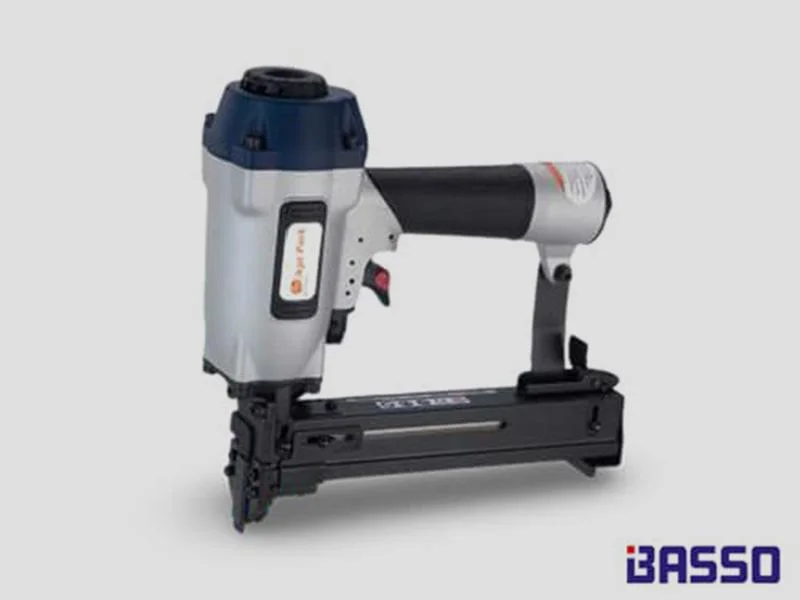
𝗪𝗵𝗮𝘁 𝗮𝗿𝗲 𝗙𝘂𝗿𝗻𝗶𝘁𝘂𝗿𝗲 𝗝𝗼𝗶𝗻𝗲𝗿𝘆 𝗧𝗼𝗼𝗹𝘀?
Furniture joinery tools are specialized equipment used in the woodworking and furniture manufacturing industries to create strong and precise connections between different components of furniture. These tools facilitate various joinery methods, including dovetailing, mortise and tenon, and doweling. The ability to produce durable and aesthetically pleasing joints is essential for both structural integrity and the overall appearance of the finished product.
The primary uses of furniture joinery tools include crafting furniture, cabinetry, and other wooden structures that require seamless assembly. These tools are commonly employed by carpenters, furniture manufacturers, and DIY enthusiasts. Their versatility allows for a wide range of applications, from simple household furniture to complex, bespoke designs. In the current market, the demand for high-quality joinery tools is increasing, driven by trends in custom furniture production and sustainable woodworking practices.
As the furniture industry continues to evolve, the relevance of furniture joinery tools remains significant. Companies are increasingly seeking advanced tools that offer precision, efficiency, and ease of use. This has led to innovations in tool design and technology, ensuring that businesses can meet the growing expectations of quality and craftsmanship.
𝗞𝗲𝘆 𝗙𝗲𝗮𝘁𝘂𝗿𝗲𝘀 𝗮𝗻𝗱 𝗦𝗽𝗲𝗰𝗶𝗳𝗶𝗰𝗮𝘁𝗶𝗼𝗻𝘀
Furniture joinery tools come with various features that enhance their functionality and usability. Understanding these specifications is crucial when selecting the right tools for specific applications.
Key specifications include:
1. Tool Type
- Categories include hand tools, power tools, and specialized joinery machines.
- Each type serves different purposes and levels of complexity.
2. Material Construction
- Tools are typically made from high-grade steel or durable composites.
- Quality materials contribute to longevity and performance.
3. Precision Tolerance
- Tolerances can range from ±0.1 mm to ±0.5 mm, depending on the tool.
- Higher precision is critical for intricate joinery work.
4. Ergonomic Design
- Many tools feature handles designed for comfort and reduced fatigue.
- Ergonomic designs enhance user experience during prolonged use.
5. Adjustment Mechanisms
- Some tools allow for depth and angle adjustments for tailored applications.
- Versatile adjustments enable better control and accuracy.
6. Safety Features
- Features such as blade guards and automatic shut-off mechanisms are common.
- Safety is a priority to prevent accidents during operation.
7. Compatibility
- Tools may be compatible with various materials beyond wood, such as composites and plastics.
- Compatibility expands their usability for diverse projects.
8. Weight and Size
- Tools come in various sizes, from handheld to larger stationary units.
- Size affects portability and workspace requirements.
In summary, understanding the key features and specifications of furniture joinery tools is essential for making informed purchasing decisions. Selecting tools that align with specific needs can significantly enhance productivity and craftsmanship in furniture production.
𝗖𝗼𝗺𝗺𝗼𝗻 𝗔𝗽𝗽𝗹𝗶𝗰𝗮𝘁𝗶𝗼𝗻𝘀 𝗮𝗻𝗱 𝗨𝘀𝗲 𝗖𝗮𝘀𝗲𝘀
Furniture joinery tools are essential in a variety of industries, each utilizing these tools for specific needs.
1. Carpentry: Carpenters use joinery tools to create structural frameworks for buildings and furniture. Accurate joints ensure stability and longevity in their projects.
2. Furniture Manufacturing: In this industry, tools are used to assemble various pieces of furniture, from tables to cabinets. Efficient joinery techniques contribute to faster production times.
3. Cabinet Making: Cabinet makers rely on precision joinery tools to create customized storage solutions. These tools help achieve intricate designs and high-quality finishes.
4. Woodworking: Hobbyist and professional woodworkers employ joinery tools for crafting unique pieces. The tools enable them to experiment with different joinery techniques.
5. Restoration: Restoration experts use joinery tools to repair and reconstruct antique furniture. Specialized tools allow for careful preservation of historical pieces.
6. DIY Projects: Enthusiastic DIYers utilize joinery tools for home improvement and furniture creation. These tools make it easier to achieve professional results in personal projects.
7. Educational Institutions: Woodworking programs in schools and colleges use these tools for teaching joinery techniques. Students gain hands-on experience with essential equipment.
𝗣𝗿𝗼𝗱𝘂𝗰𝘁 𝗩𝗮𝗿𝗶𝗮𝗻𝘁𝘀 𝗮𝗻𝗱 𝗦𝘂𝗯𝗰𝗮𝘁𝗲𝗴𝗼𝗿𝗶𝗲𝘀
The diversity of furniture joinery tools allows for various variants, catering to different applications and user preferences.
Hand Tools
Hand tools include chisels, hand saws, and clamps. These tools offer precision and control for detailed joinery work, making them ideal for intricate woodworking projects.
Power Tools
Power tools such as routers, jigsaws, and doweling machines provide speed and efficiency. They are suitable for high-volume production and more complex joinery tasks.
Joinery Machines
Specialized machines like mortisers and tenoning machines streamline the joinery process. These tools are designed for heavy-duty use in professional settings, ensuring consistent results.
Portable Joinery Tools
Portable tools like cordless drills and compact saws allow for flexibility in various work environments. They are particularly useful for on-site projects where mobility is essential.
𝗕𝗲𝗻𝗲𝗳𝗶𝘁𝘀 𝗮𝗻𝗱 𝗔𝗱𝘃𝗮𝗻𝘁𝗮𝗴𝗲𝘀
Investing in high-quality furniture joinery tools offers several significant benefits.
1. Enhanced Precision: These tools provide accurate joints, improving the overall quality of finished products.
2. Increased Efficiency: Power tools and specialized machines accelerate the production process, allowing businesses to meet tight deadlines.
3. Versatility: A range of tools accommodates various joinery techniques, making them suitable for diverse woodworking projects.
4. Improved Safety: Modern tools often come with safety features that reduce the risk of accidents during operation.
5. Cost-Effectiveness: High-quality tools can lead to long-term savings by reducing waste and minimizing the need for repairs.
6. User Comfort: Ergonomically designed tools enhance user experience, reducing fatigue during extended use.
𝗕𝘂𝘆𝗶𝗻𝗴 𝗚𝘂𝗶𝗱𝗲 𝗳𝗼𝗿 𝗕𝟮𝗕 𝗕𝘂𝘆𝗲𝗿𝘀
When sourcing furniture joinery tools, several factors should be considered to ensure the right selection.
1. Quality Assessment: Evaluate tools based on construction materials and design. High-quality tools are typically more durable and reliable in the long run.
2. Supplier Verification: Vet suppliers by checking their reputation, customer reviews, and industry certifications to ensure they provide genuine products.
3. Pricing and MOQ: Consider the price range of tools and any minimum order quantities. Understanding these factors helps in budgeting and planning purchases.
4. Delivery and Lead Times: Inquire about delivery times and logistics to ensure tools arrive when needed. Reliable suppliers should provide clear timelines.
5. Compliance Requirements: Verify that the tools meet relevant compliance and safety standards. Adherence to regulations ensures safe and effective use in work environments.
𝗖𝗼𝗺𝗽𝗹𝗶𝗮𝗻𝗰𝗲 𝗮𝗻𝗱 𝗖𝗲𝗿𝘁𝗶𝗳𝗶𝗰𝗮𝘁𝗶𝗼𝗻𝘀
Furniture joinery tools must adhere to various quality standards and certifications to ensure their safety and efficiency. One significant standard is ISO 9001, which establishes criteria for a quality management system. This certification ensures that manufacturers consistently provide products that meet customer and regulatory requirements.
In addition, compliance with the CE marking signifies that the tools meet European safety and environmental protection standards. This certification is particularly important for products sold within the European market.
Safety and testing requirements are crucial to guarantee that tools operate safely under normal conditions. Manufacturers often subject tools to rigorous testing to ensure they can withstand the demands of industrial use.
Finally, regional compliance considerations play a vital role in ensuring tools meet specific local regulations. Buyers should be aware of these regulations to avoid non-compliance issues that could affect their operations.
𝗪𝗵𝘆 𝗦𝗼𝘂𝗿𝗰𝗲 𝗙𝘂𝗿𝗻𝗶𝘁𝘂𝗿𝗲 𝗝𝗼𝗶𝗻𝗲𝗿𝘆 𝗧𝗼𝗼𝗹𝘀 𝗳𝗿𝗼𝗺 𝗣𝗲𝗽𝗮𝗴𝗼𝗿𝗮?
Pepagora offers a reliable platform for sourcing furniture joinery tools, providing numerous advantages for B2B buyers.
Verified Supplier Network: Pepagora connects buyers with a network of verified suppliers. This verification process ensures that businesses can trust the quality and reliability of the products they purchase.
Streamlined RFQ Process: The request for quotation (RFQ) system simplifies the sourcing process. Buyers can easily compare options and obtain competitive pricing from multiple suppliers, saving time and effort.
Trade Assurance and Support: Pepagora provides trade assurance to protect buyers throughout their purchasing journey. This support enhances buyer confidence and ensures a smoother transaction experience.
Regional Coverage: With a strong presence in India, the GCC, and Southeast Asia, Pepagora offers extensive geographic reach. This allows buyers to connect with local suppliers, facilitating logistics and reducing shipping times.
By choosing Pepagora, businesses can efficiently source high-quality furniture joinery tools while benefiting from a trusted ecosystem designed to support their needs.

 IN
IN