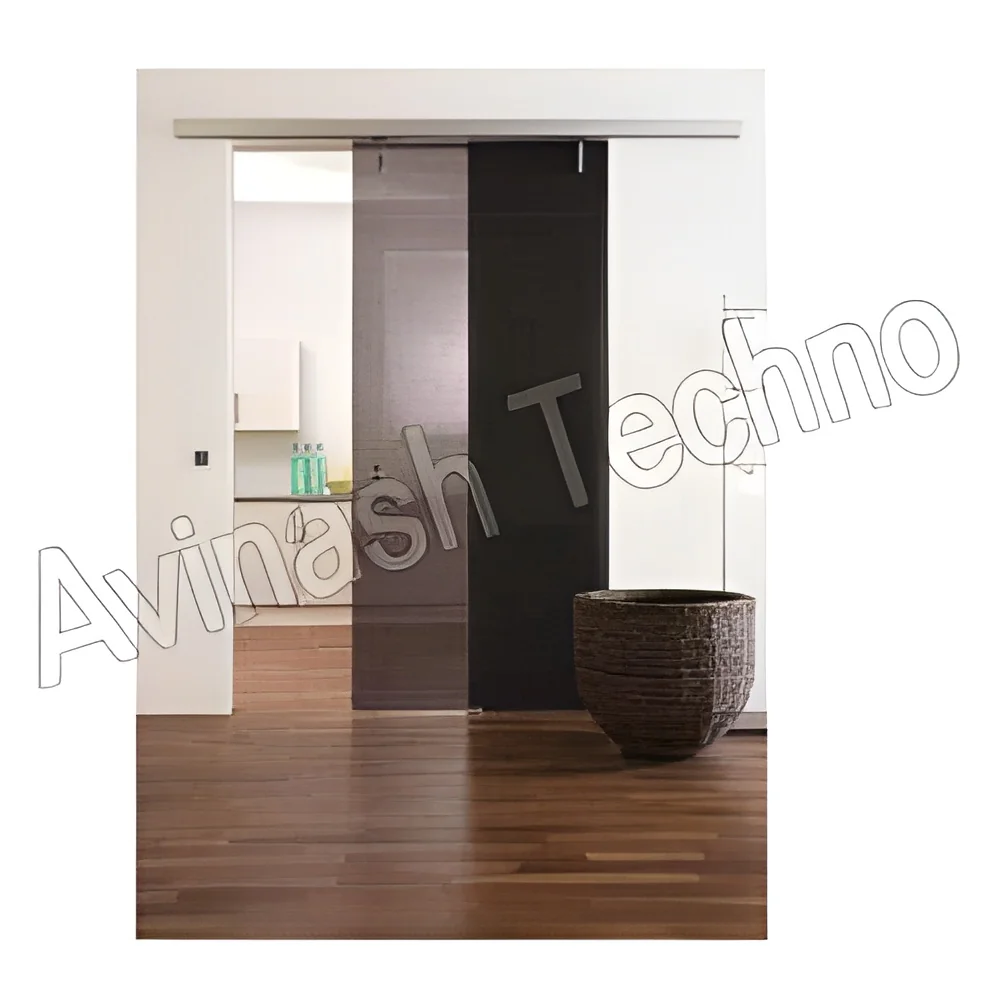
What are Sliding Door Systems?
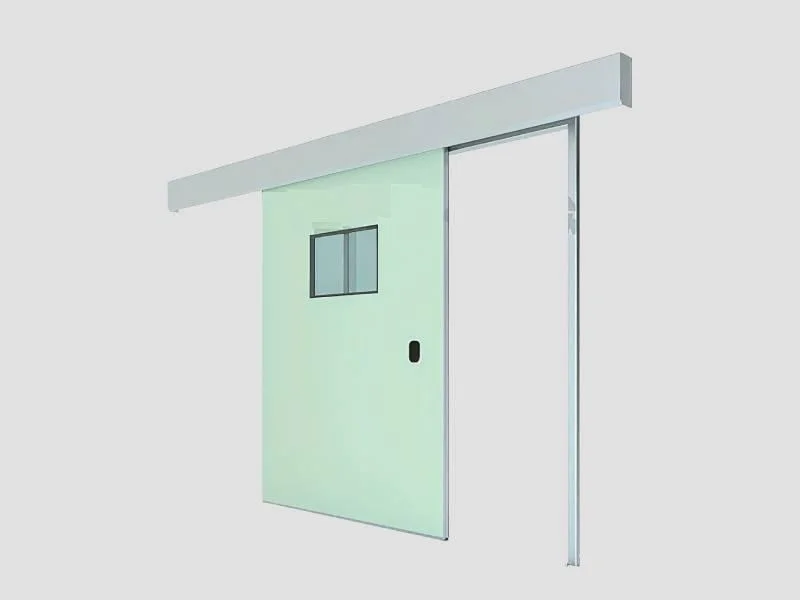
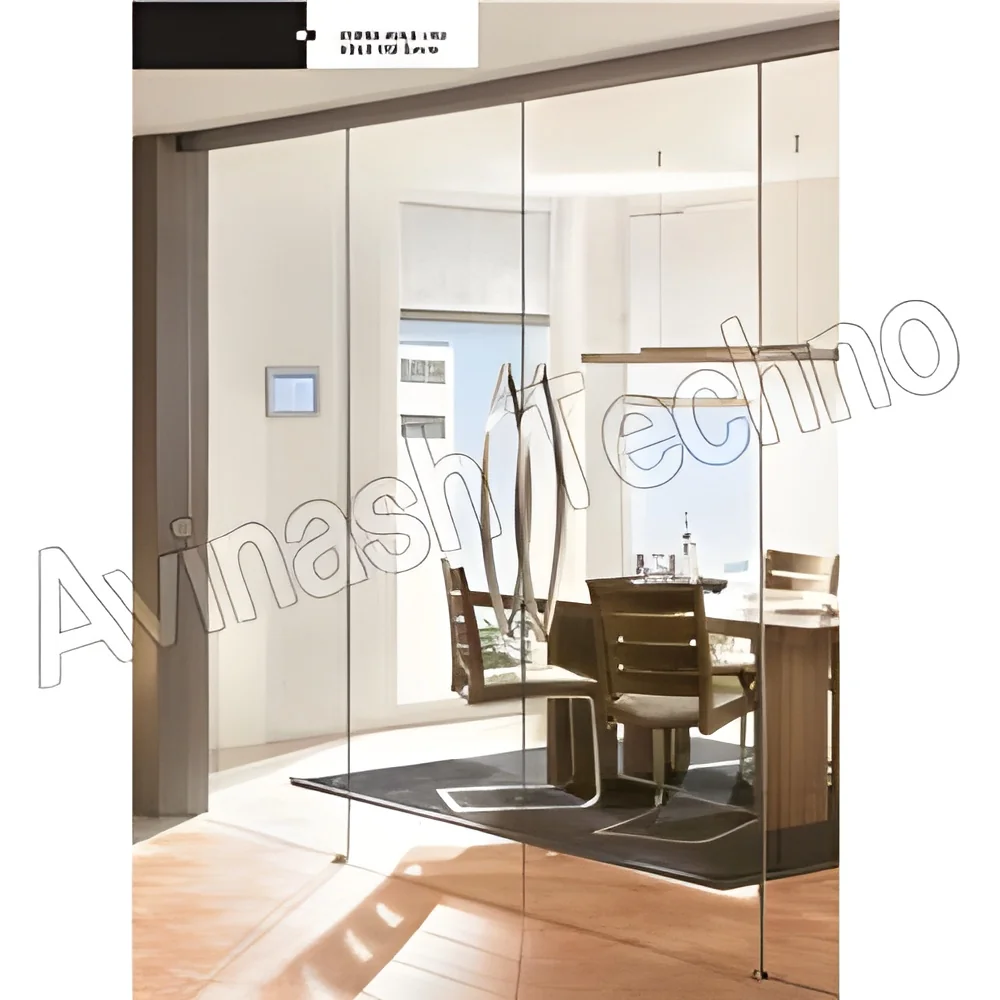
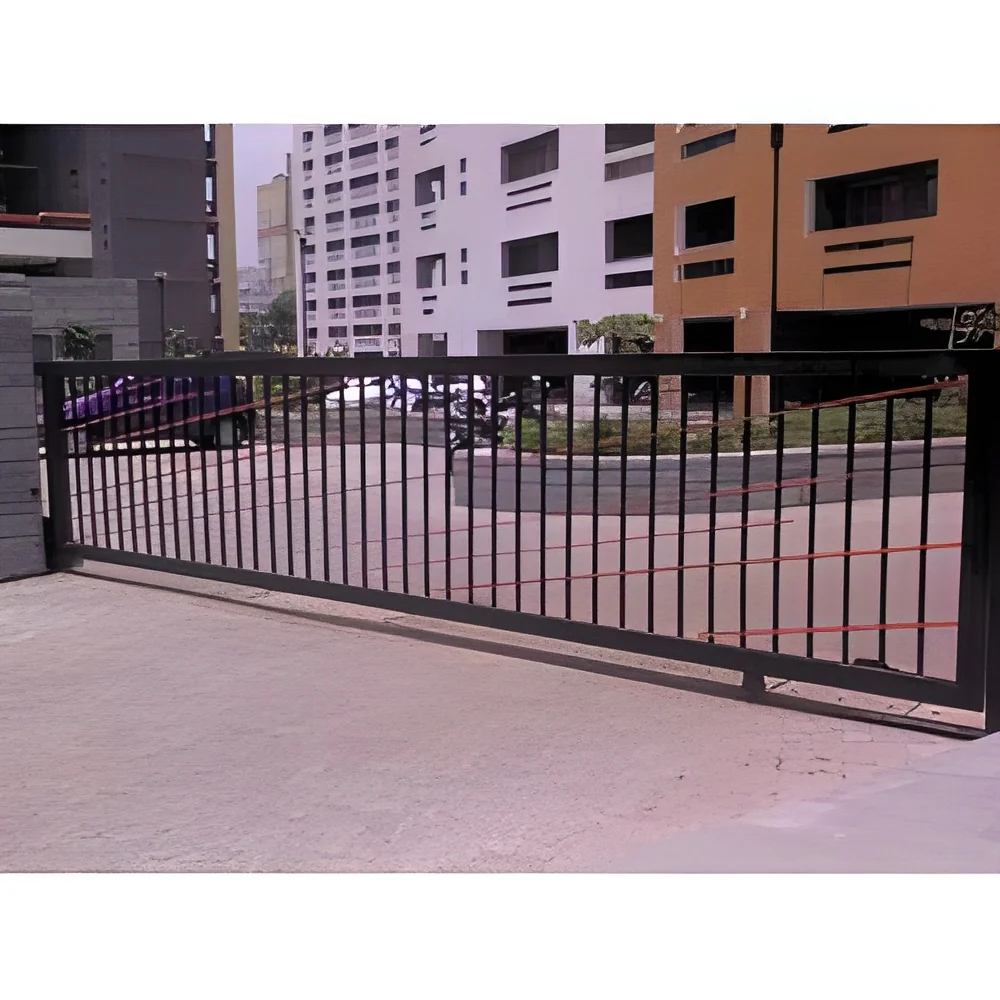
Sliding door systems are architectural solutions designed to provide access to spaces while optimizing the use of available area. These systems operate by sliding horizontally along a track, rather than swinging open like traditional doors. This functionality makes them an ideal choice for locations where space is limited, as they require less room for operation.
These systems are commonly used in a variety of settings, including commercial buildings, residential properties, and industrial facilities. In commercial applications, sliding doors facilitate smooth traffic flow in high-traffic areas such as stores, hotels, and offices. In residential settings, they are often used for patios and closets, enhancing both convenience and aesthetics. The relevance of sliding door systems in the market continues to grow as they offer a modern solution to space management and accessibility in various industries.
Key Features and Specifications
Sliding door systems come with an array of features that enhance their usability and functionality. Understanding these specifications is crucial for selecting the right system for specific applications.
Key specifications include:
1. Track Material
- Commonly made from aluminum or stainless steel
- Ensures durability and smooth operation
2. Door Weight Capacity
- Varies by model, typically supports weights from 100 to 800 pounds
- Allows for a range of door sizes and materials
3. Opening Mechanism
- Options include manual or automatic systems
- Automatic systems may include motion sensors or push-button controls
4. Security Features
- Many systems come with locking mechanisms for enhanced security
- Options may include digital locks or reinforced frames
5. Design Options
- Available in various styles and finishes to match architectural design
- Customizable to fit specific aesthetic preferences
6. Insulation Properties
- Some systems provide enhanced thermal insulation
- Helps maintain energy efficiency within buildings
7. Noise Reduction
- Many sliding doors are designed to minimize noise during operation
- Ideal for environments where quiet is essential, such as offices or hospitals
8. Maintenance Requirements
- Generally low maintenance, but regular cleaning of tracks is recommended
- Some models may offer self-cleaning features
In summary, the specifications of sliding door systems can vary widely, allowing for tailored solutions to meet the needs of different environments.
Common Applications and Use Cases
Sliding door systems are versatile and find applications across various industries.
1. Retail: In retail environments, sliding doors are often used at store entrances for improved accessibility and visual appeal. They enhance customer experience by providing a seamless entry and exit flow.
2. Hospitality: Hotels and restaurants utilize sliding doors to separate dining areas from outdoor patios or to access storage spaces. This not only improves functionality but also adds to the overall ambiance.
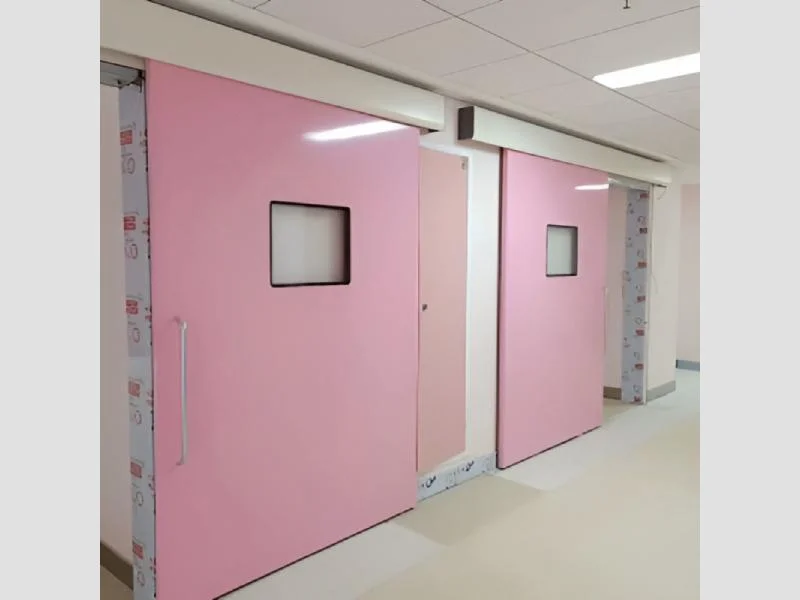
3. Healthcare: Sliding doors are frequently seen in hospitals and clinics, where they provide easy access to examination rooms and reduce the spread of infections by minimizing contact surfaces.
4. Residential: In homes, sliding doors are commonly used for patio access, allowing for natural light and easy outdoor access. They are also popular in closets to save space.
5. Office Spaces: Sliding doors are becoming more prevalent in modern office designs, often used for conference rooms or private offices to promote an open yet private work environment.
6. Industrial: In warehouses, sliding doors facilitate the movement of goods and personnel, enhancing operational efficiency in loading and unloading areas.
7. Education: Schools and universities utilize sliding doors for classrooms and auditoriums, providing flexibility in space management during events.
Product Variants and Subcategories
Sliding door systems offer a diverse range of options to meet various business needs.
Automatic Sliding Doors
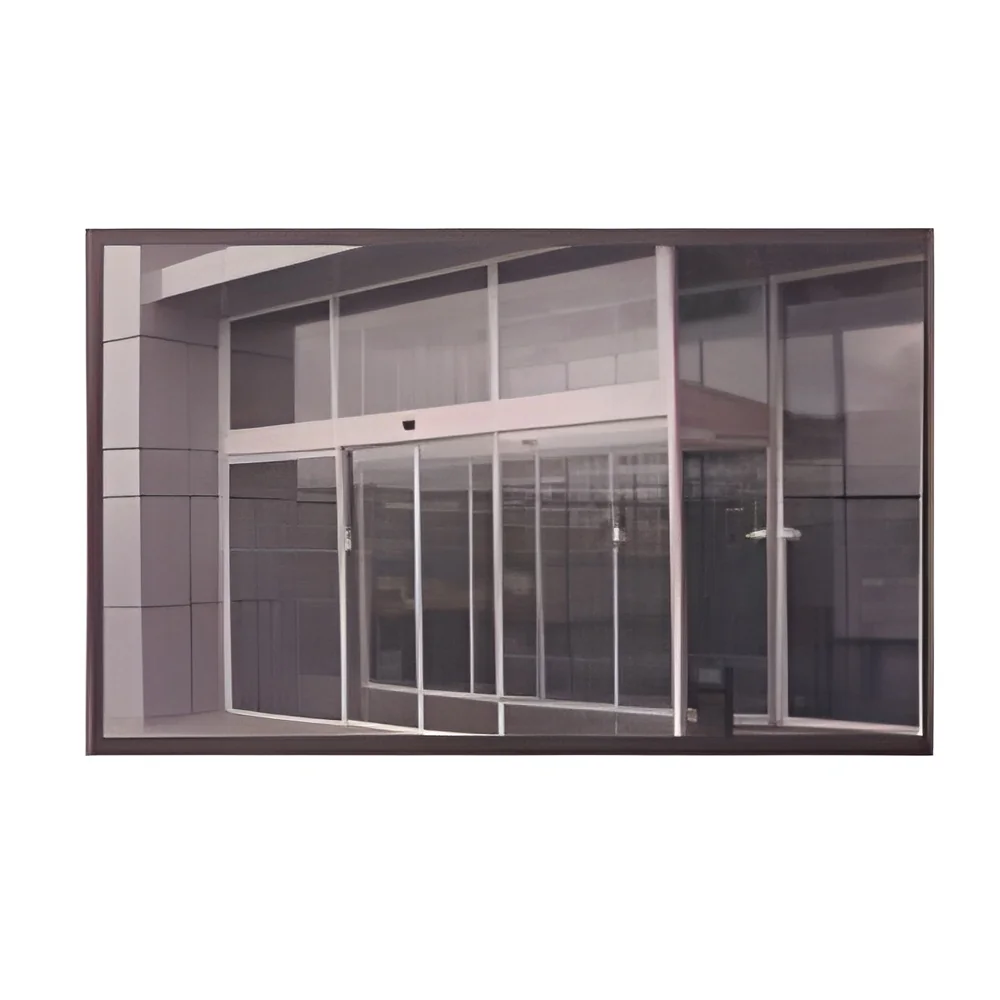
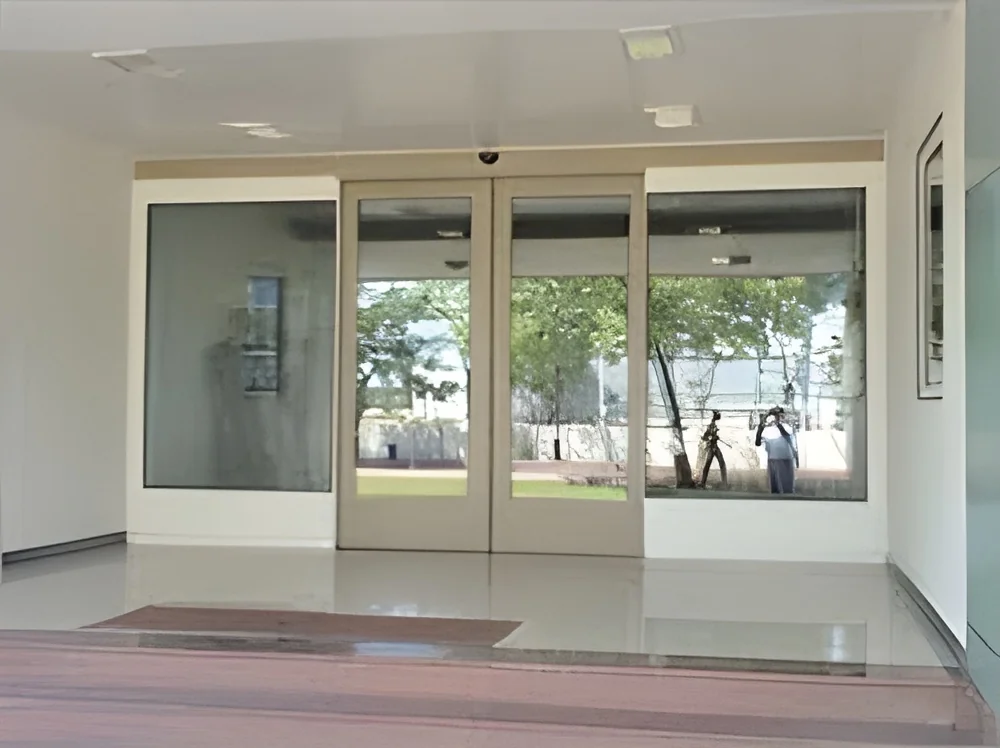
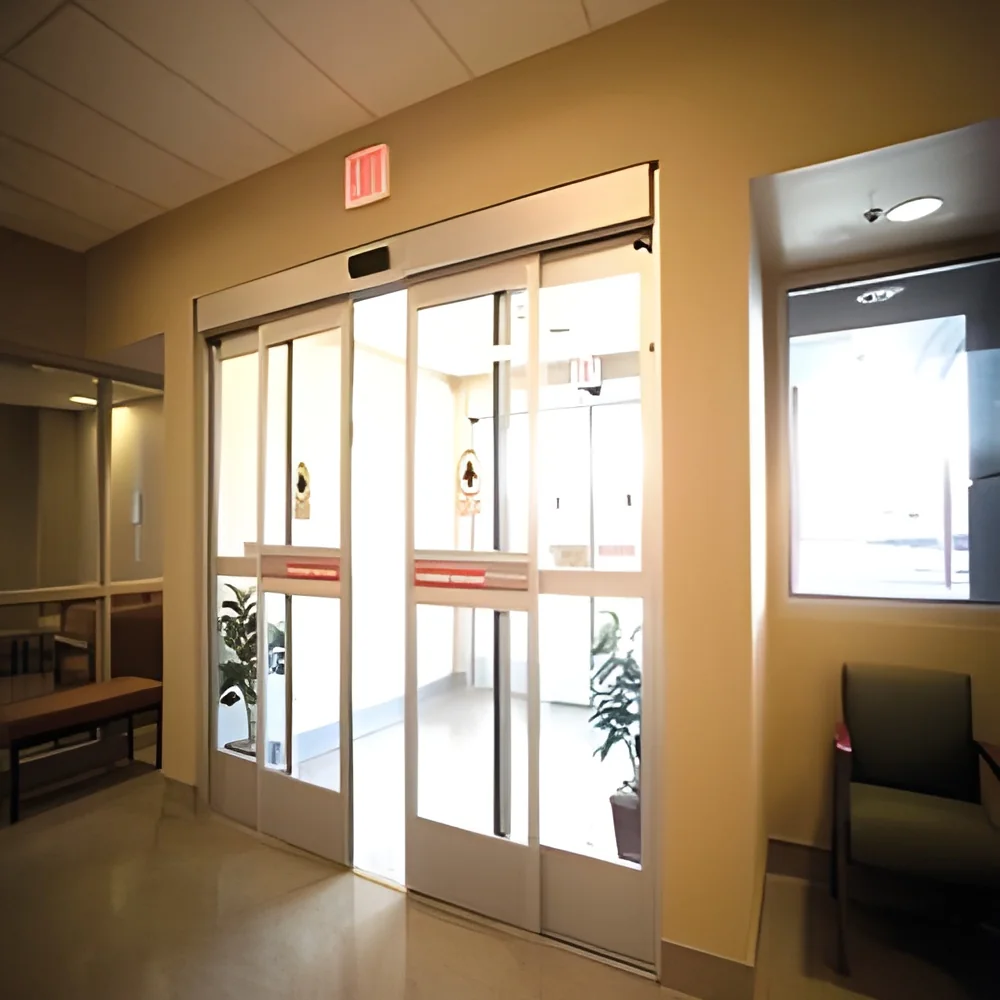
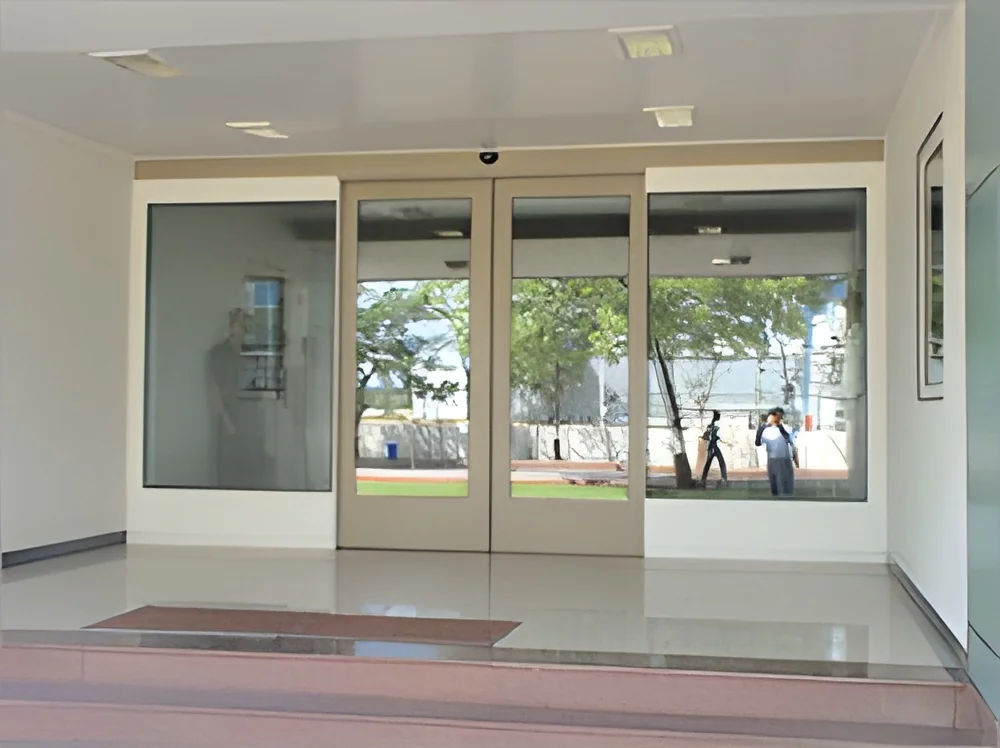
These variants are equipped with sensors that detect movement, allowing for hands-free operation. They are ideal for high-traffic areas, enhancing accessibility for all users.
Bi-Fold Sliding Doors
This type of system consists of multiple panels that fold open, offering a wider opening than traditional sliding doors. They are suitable for large openings and are commonly used in commercial and residential applications.
Pocket Sliding Doors
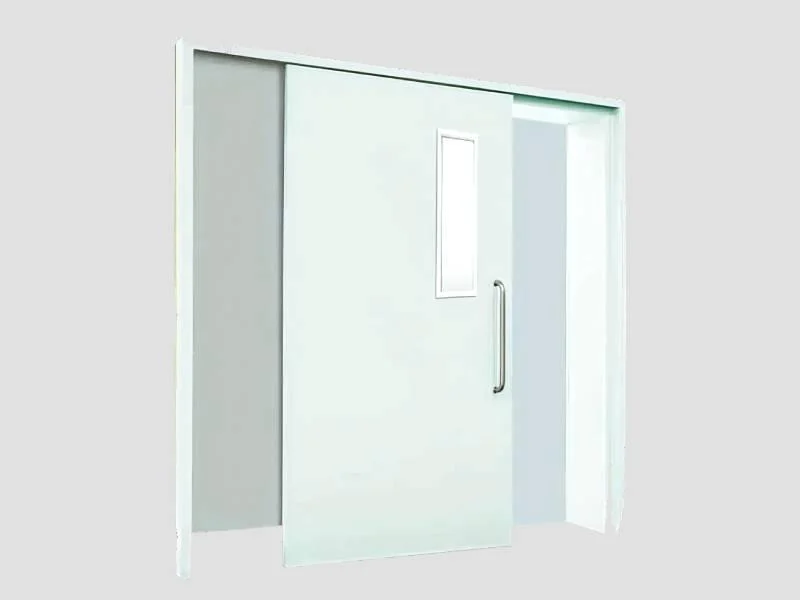
These doors slide into a wall cavity, effectively disappearing when opened. They are perfect for maximizing space in smaller rooms, providing a clean and unobtrusive aesthetic.
Multi-Panel Sliding Doors
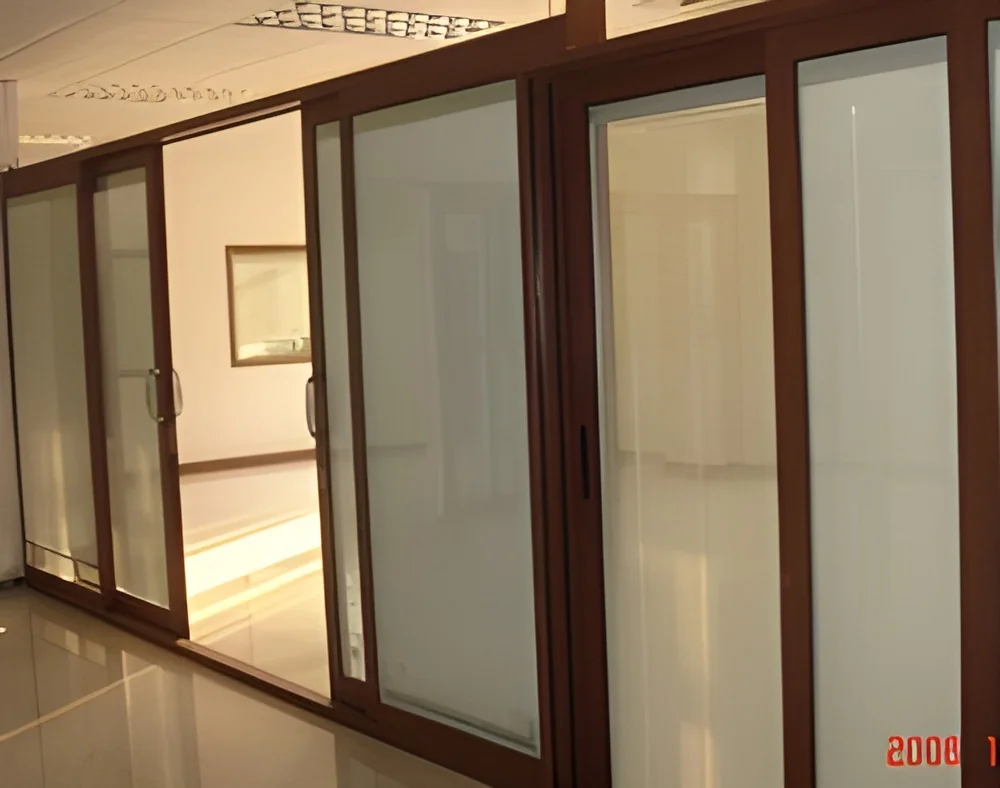
These systems consist of several panels that can be configured in various ways, allowing for flexible design and functionality. They are commonly used in large commercial spaces and residential homes where expansive views are desired.
Benefits and Advantages
Sliding door systems provide numerous advantages for businesses and residential users alike.
1. Space Efficiency: Sliding doors save valuable floor space, making them ideal for areas where every square foot counts.
2. Aesthetic Appeal: With a modern design, sliding doors enhance the overall look of a space, increasing its aesthetic value.
3. Accessibility: They provide easy access for all users, including those with mobility challenges, facilitating a more inclusive environment.
4. Natural Light: Sliding doors often feature large glass panels, allowing natural light to flood into spaces, creating a brighter and more inviting atmosphere.
5. Energy Efficiency: Many sliding door systems are designed with insulation properties, helping to reduce energy costs by maintaining indoor temperatures.
6. Enhanced Security: With advanced locking options available, sliding doors can offer improved security features, protecting both residential and commercial properties.
Buying Guide for B2B Buyers
When sourcing sliding door systems, several factors should be considered to ensure the best selection.
1. Quality Assessment: Look for high-quality materials and construction. A thorough examination of the door’s weight capacity, track material, and operating mechanism is essential for durability.
2. Supplier Verification: Always vet suppliers to ensure they have a reliable track record. Check for reviews, certifications, and past customer experiences to gauge their credibility.
3. Pricing and MOQ: Understand the pricing structure and minimum order quantities. This will help in budgeting and ensuring that the purchase aligns with operational needs.
4. Delivery and Lead Times: Confirm the expected delivery times and shipping logistics. Timely delivery is crucial for maintaining project timelines.
5. Compliance Requirements: Be aware of any local regulations or industry standards that may apply to sliding door systems. Compliance ensures that the systems meet safety and quality benchmarks.
Compliance and Certifications
Sliding door systems must adhere to various compliance and certification standards to ensure safety and quality.
ISO 9001 is a quality management standard that ensures consistent product quality and continuous improvement. Manufacturers of sliding door systems may seek this certification to demonstrate their commitment to quality.
CE certification indicates that products meet European safety, health, and environmental protection standards. This is important for businesses looking to operate in or import from Europe.
Safety and testing requirements are critical for sliding door systems, ensuring they can withstand regular usage and meet operational safety standards. This may include load testing and durability assessments.
Regional compliance considerations should also be accounted for, as different regions may have specific regulations governing the installation and operation of sliding door systems.
Why Source Sliding Door Systems from Pepagora?
Pepagora provides a trusted platform for sourcing sliding door systems, offering several advantages to B2B buyers.
Verified Supplier Network: All suppliers on Pepagora go through a rigorous verification process to ensure reliability. This helps businesses connect with reputable manufacturers and suppliers.
Streamlined RFQ Process: The request for quotation (RFQ) process is designed to be efficient and user-friendly. Buyers can easily submit their requirements and receive competitive quotes from multiple suppliers.
Trade Assurance and Support: Pepagora offers trade assurance services that protect buyers throughout the sourcing process. This includes support for resolving disputes and ensuring product quality.
Regional Coverage: With a strong presence in India, the GCC, and Southeast Asia, Pepagora caters to a diverse range of markets. This geographic reach allows businesses to access a wide variety of sliding door systems tailored to their specific needs.

 IN
IN