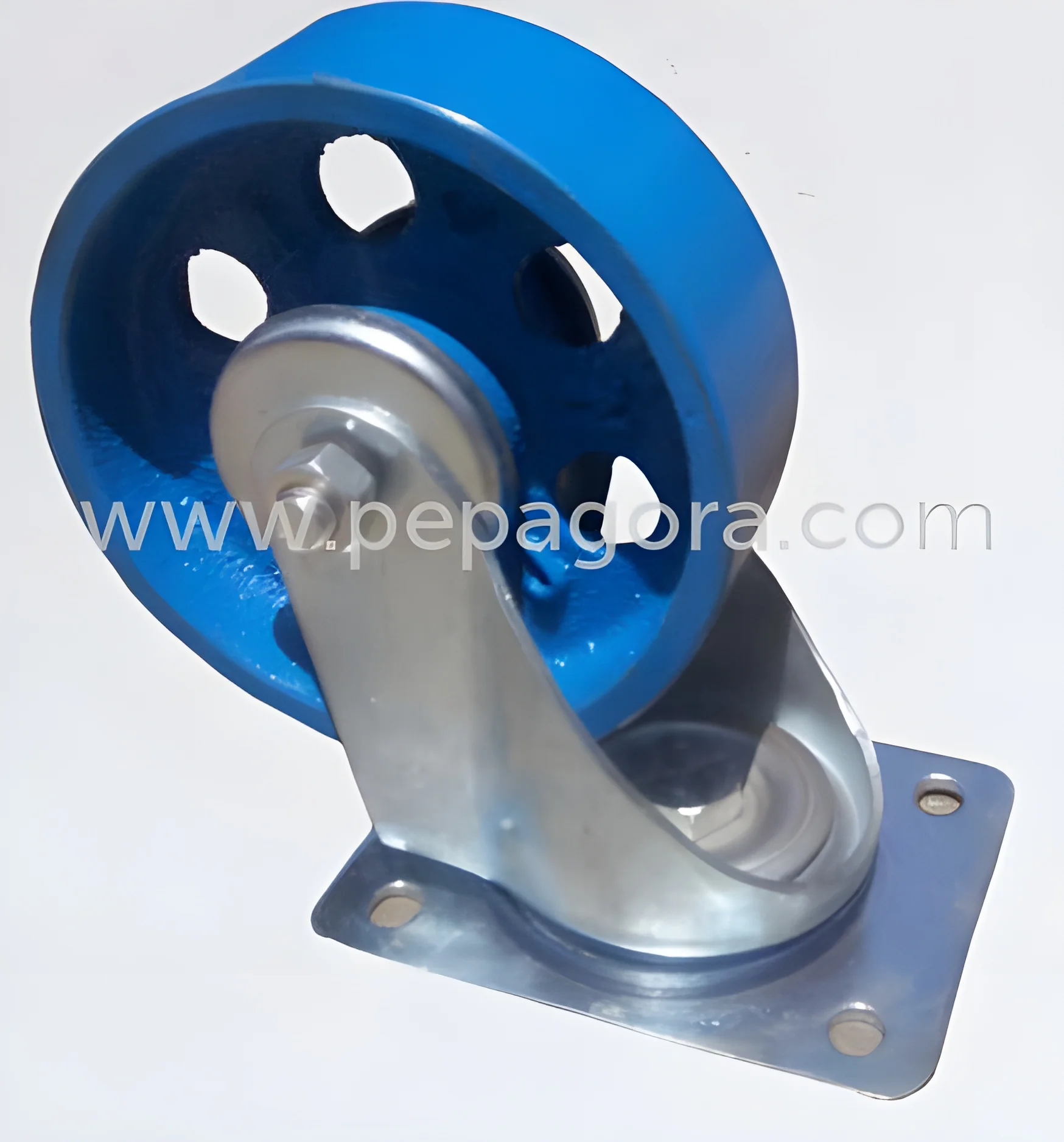
What are Furniture Casters?
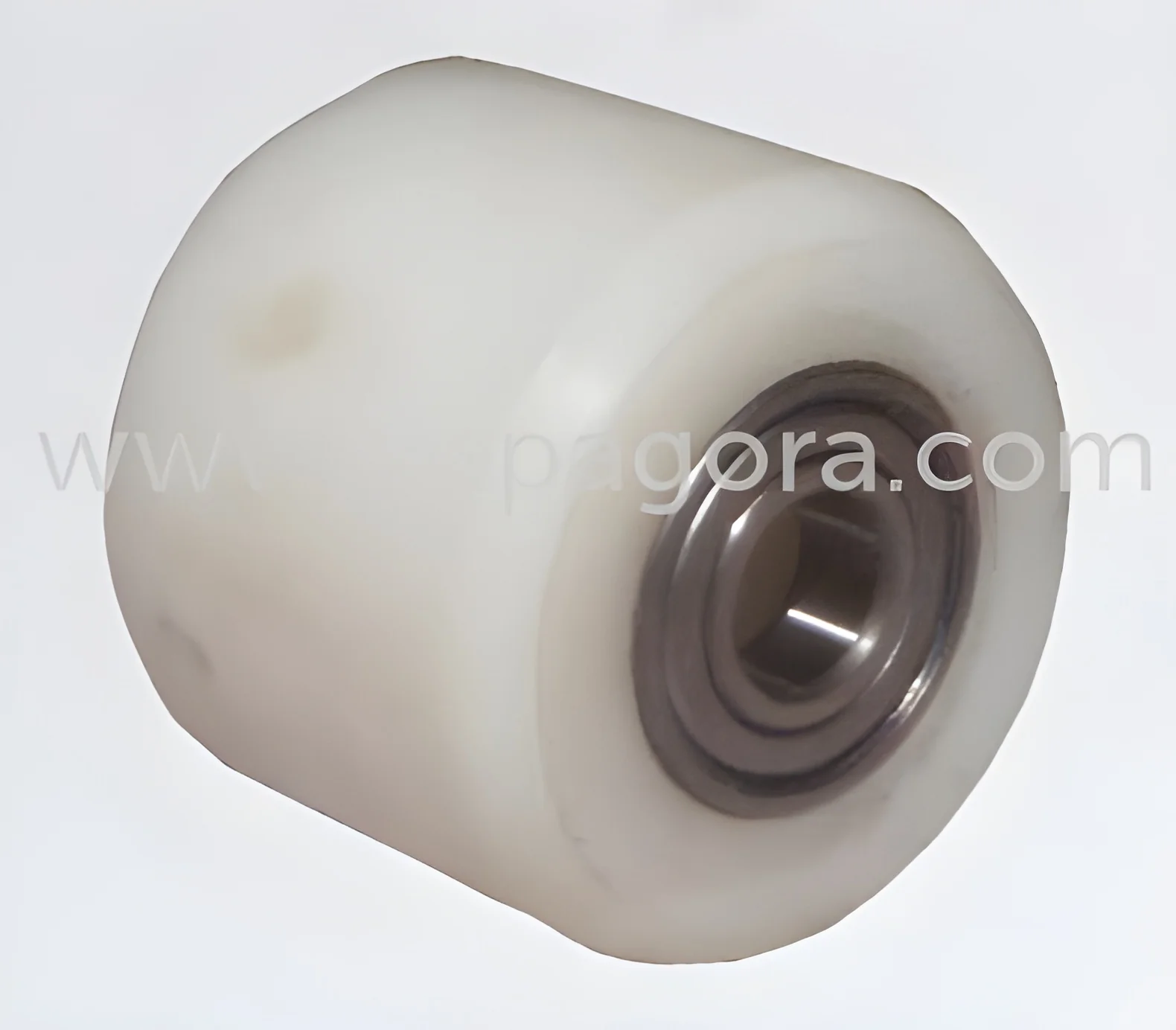
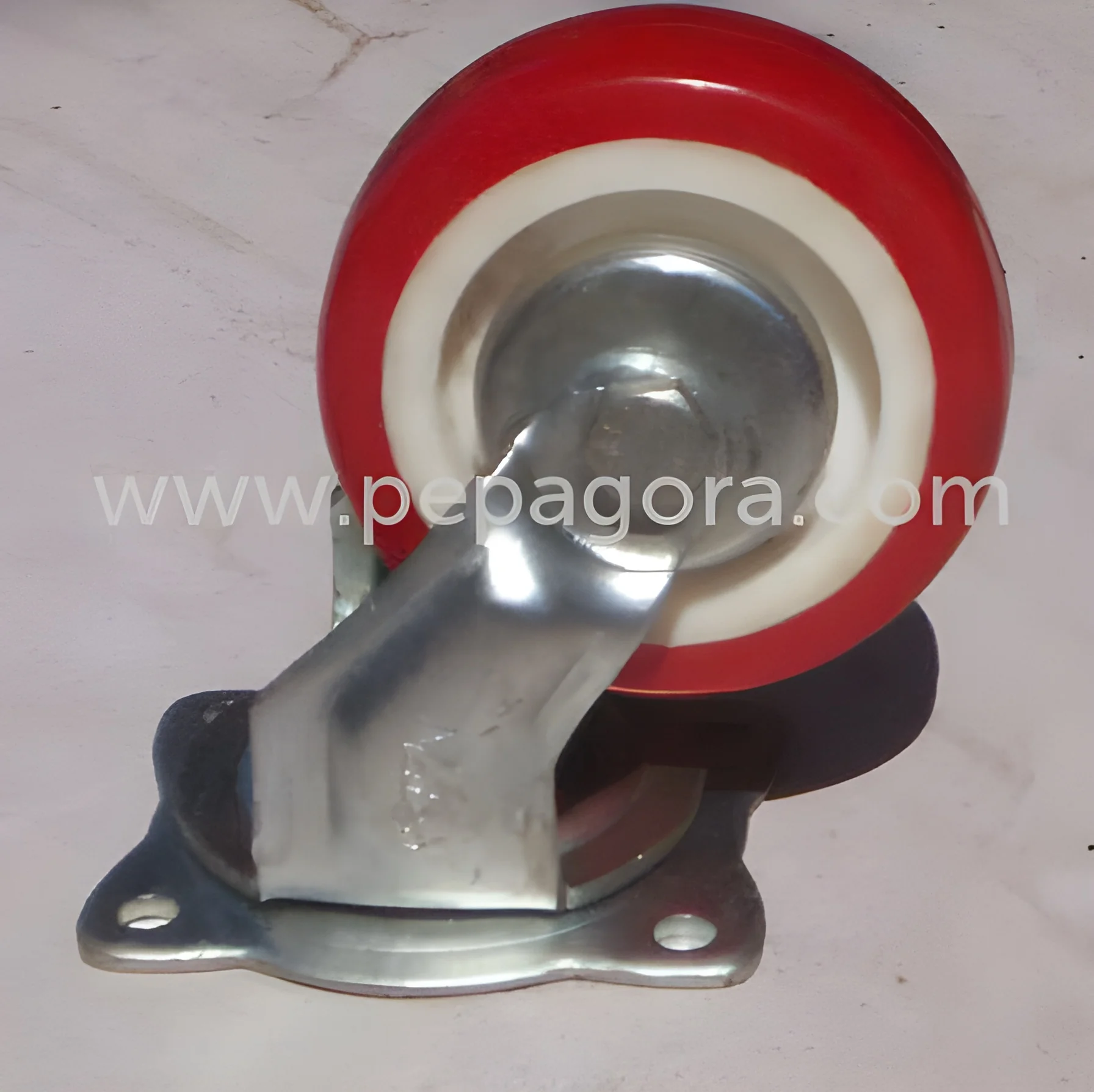
Furniture casters are small wheels or rollers attached to the base of furniture items, allowing for easy mobility and movement. They are designed to support the weight of the furniture while providing a smooth rolling experience on various surfaces. These components can be found in a wide range of furniture, including office chairs, tables, cabinets, and carts. Their design can vary significantly depending on the intended use, load capacity, and the type of flooring they will traverse.
The primary uses of furniture casters extend across multiple business sectors, including office furniture, healthcare, hospitality, and retail. In office environments, casters facilitate the movement of desks and chairs, enhancing workspace flexibility. In healthcare settings, they are commonly used on medical carts and equipment, allowing staff to transport items efficiently. Additionally, the hospitality industry benefits from mobile furniture solutions, enabling quick reconfiguration of spaces for events. As businesses increasingly prioritize flexibility and adaptability in their environments, the relevance of furniture casters in these industries continues to grow, driving demand for innovative designs and solutions.
Key Features and Specifications
Furniture casters come with a variety of features and specifications that cater to different applications and environments. Understanding these specifications is essential for selecting the appropriate casters for specific needs.
Key specifications include:
1. Wheel Diameter
- Typically ranges from 1 to 5 inches.
- Larger diameters are suitable for uneven surfaces.
2. Load Capacity
- Generally ranges from 50 to 500 pounds per caster.
- Essential for ensuring that the caster can safely support the furniture's weight.
3. Material Composition
- Common materials include rubber, nylon, and metal.
- Material choice affects durability and suitability for different surfaces.
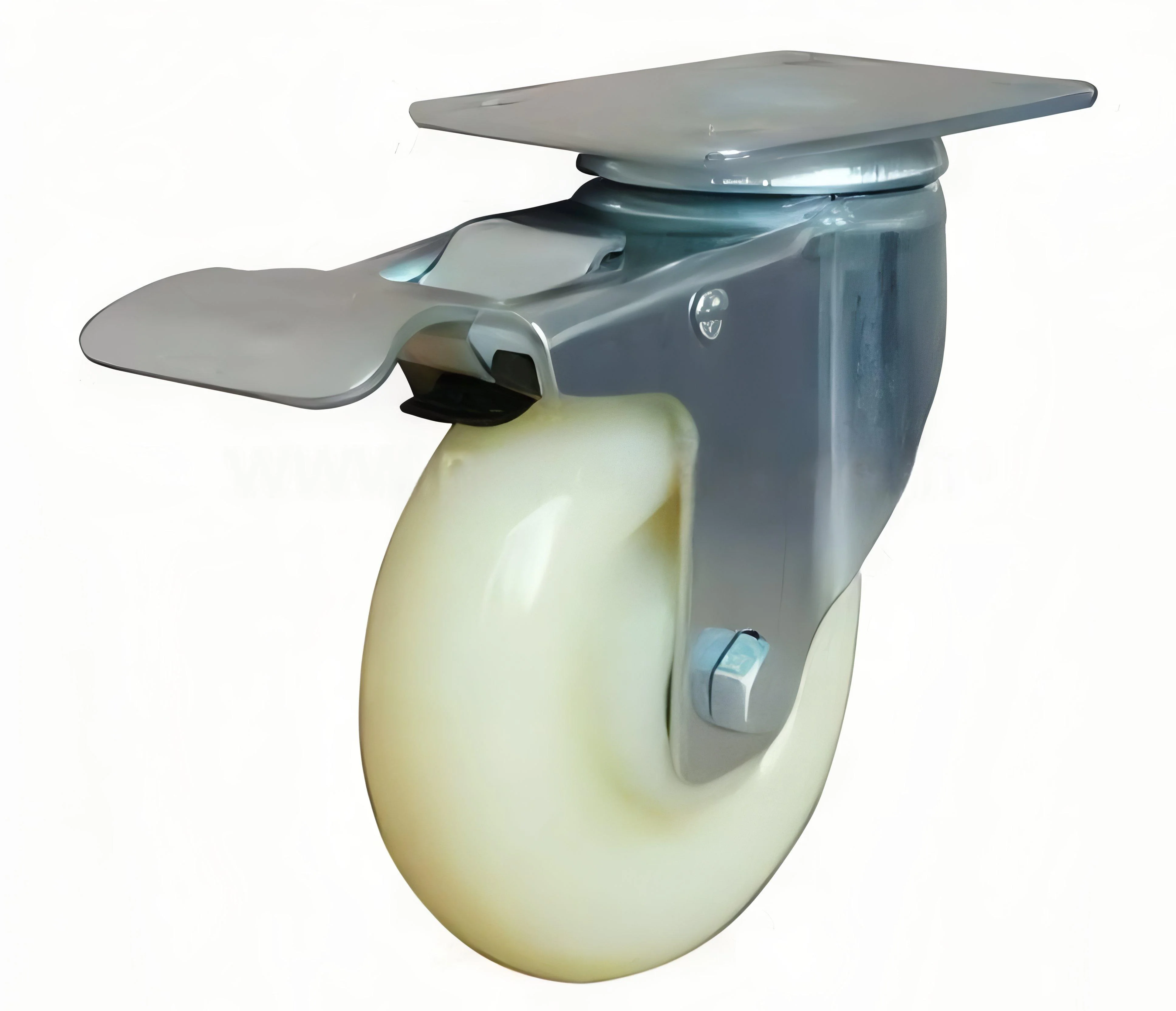
4. Brake Mechanism
- Available options include total lock, directional lock, and no lock.
- Important for preventing unwanted movement when stationary.
5. Swivel vs. Rigid
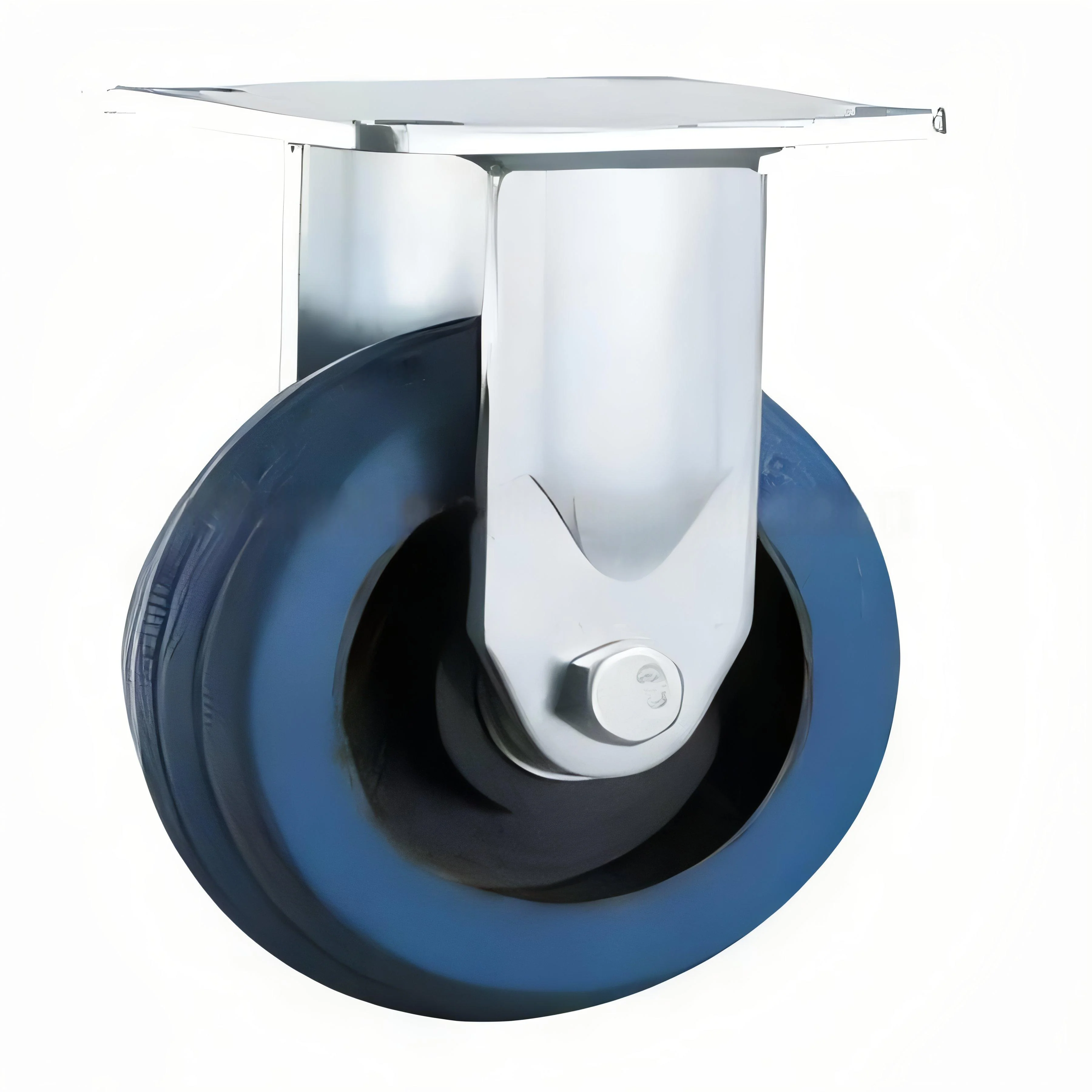
- Swivel casters allow for 360-degree movement, while rigid casters offer straight-line mobility.
- Choice depends on maneuverability requirements.
6. Mounting Type
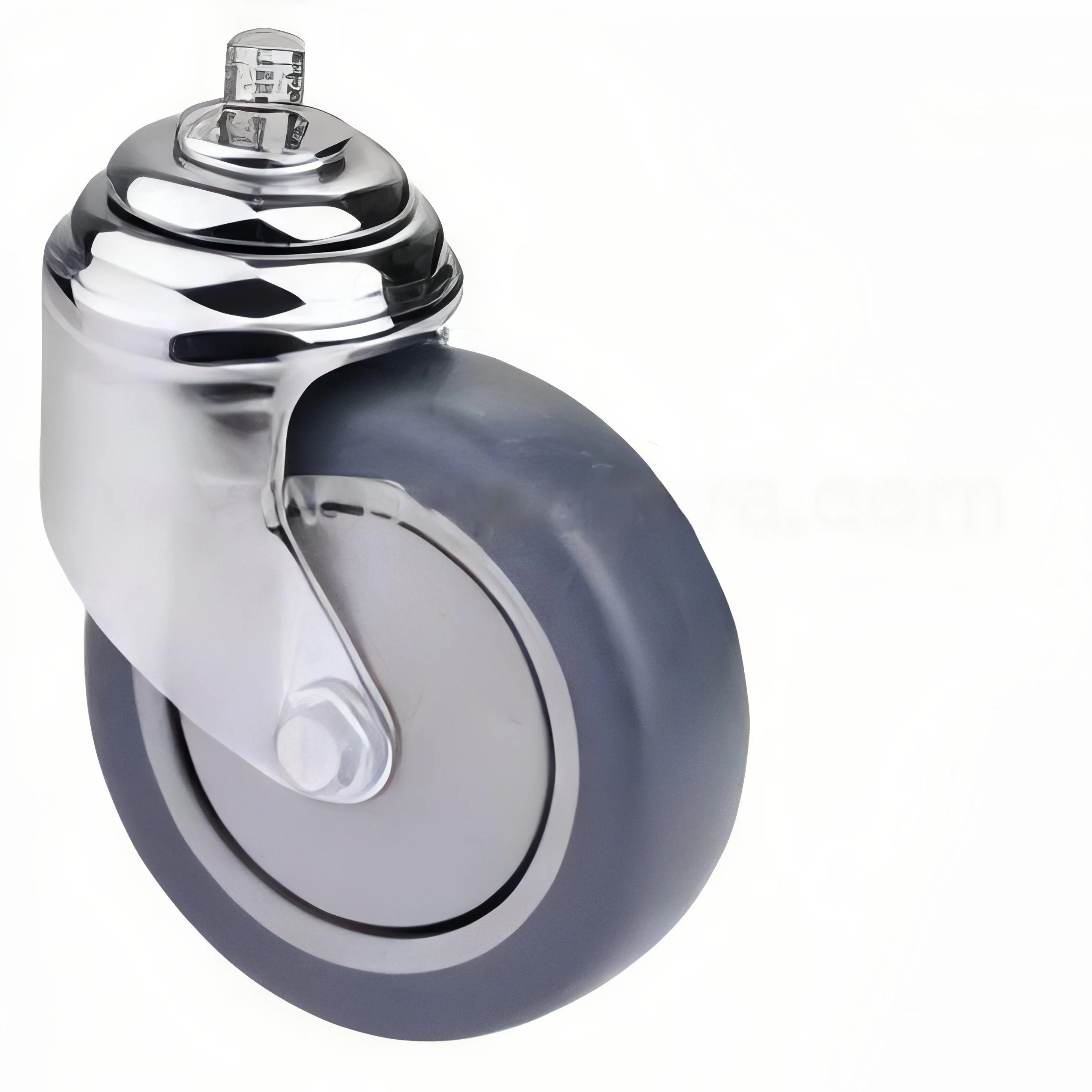
- Includes stem, plate, and threaded options.
- Selection should match the furniture design.
7. Noise Level
- Some casters are designed for quiet operation.
- Ideal for environments where noise reduction is crucial.
8. Surface Compatibility
- Casters are designed for hard floors, carpets, or outdoor use.
- Selecting the right type is vital to prevent damage to flooring.
In summary, the diverse features and specifications of furniture casters make them adaptable to a wide range of applications, ensuring functionality and performance in various environments.
Common Applications and Use Cases
Furniture casters serve various industries, each with unique requirements and applications.
1. Office Furniture: In office settings, casters are used on desks, chairs, and filing cabinets to facilitate mobility and improve workspace efficiency.
2. Healthcare: Medical carts and equipment are often equipped with casters to allow for easy transportation of supplies and instruments, enhancing workflow in medical facilities.
3. Hospitality: Hotels and restaurants utilize casters on furniture such as banquet tables and mobile serving carts to enable quick reconfiguration of spaces for events and gatherings.
4. Retail: Display racks and shopping carts often feature casters, allowing for ease of movement and rearrangement on sales floors.
5. Industrial: Heavy-duty casters are employed in warehouses and manufacturing facilities to move equipment and inventory, improving operational efficiency.
6. Educational: Classrooms and auditoriums use mobile furniture with casters to allow for flexible seating arrangements and easy transitions between activities.
7. Home Furniture: In residential settings, casters are commonly found on items such as rolling carts and office chairs, enhancing convenience and usability.
Product Variants and Subcategories
Furniture casters come in a variety of types, each designed to meet specific needs and applications.
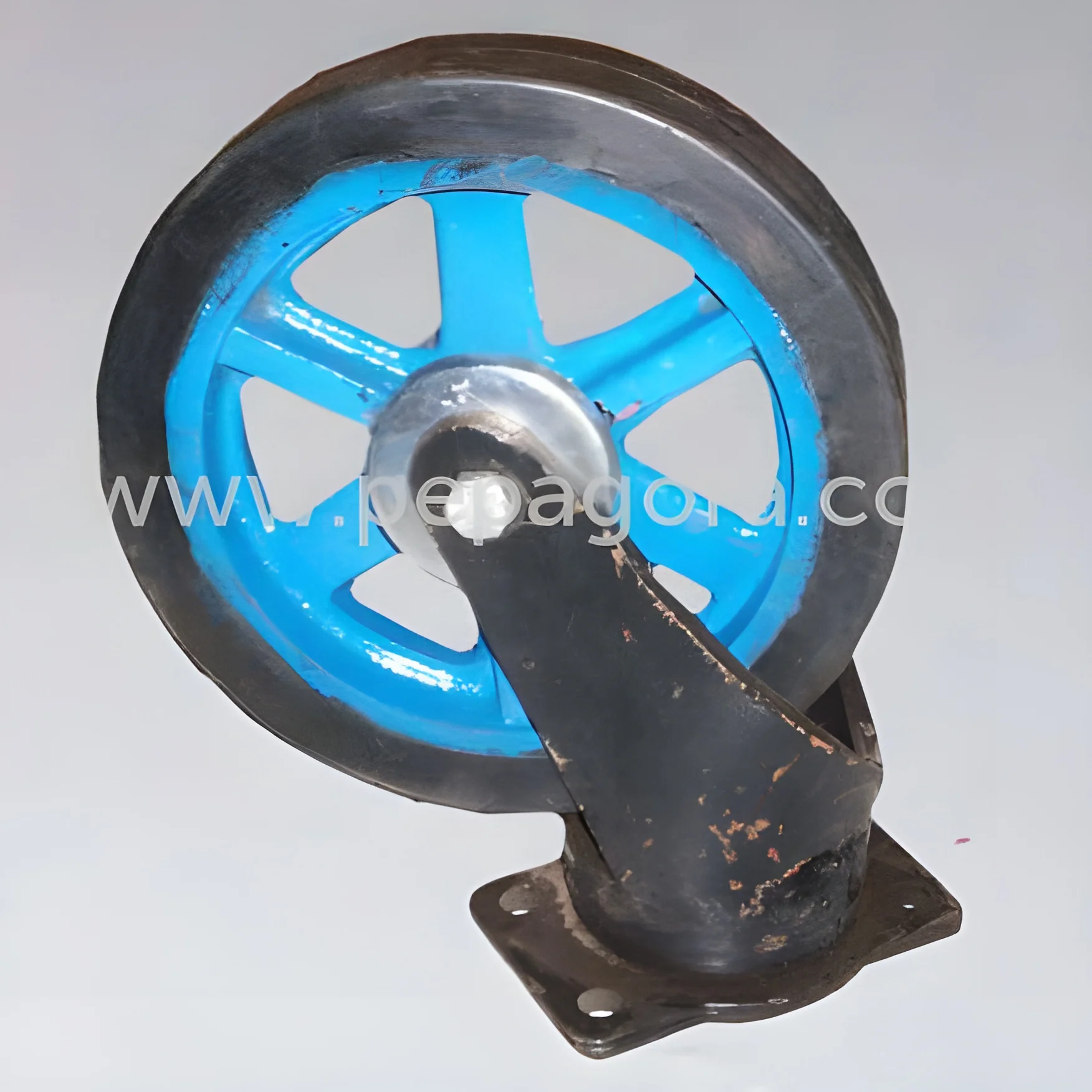
Heavy-Duty Casters
These casters are constructed from robust materials, designed to support heavy loads in industrial settings. They often feature larger wheel diameters and are suitable for uneven surfaces.
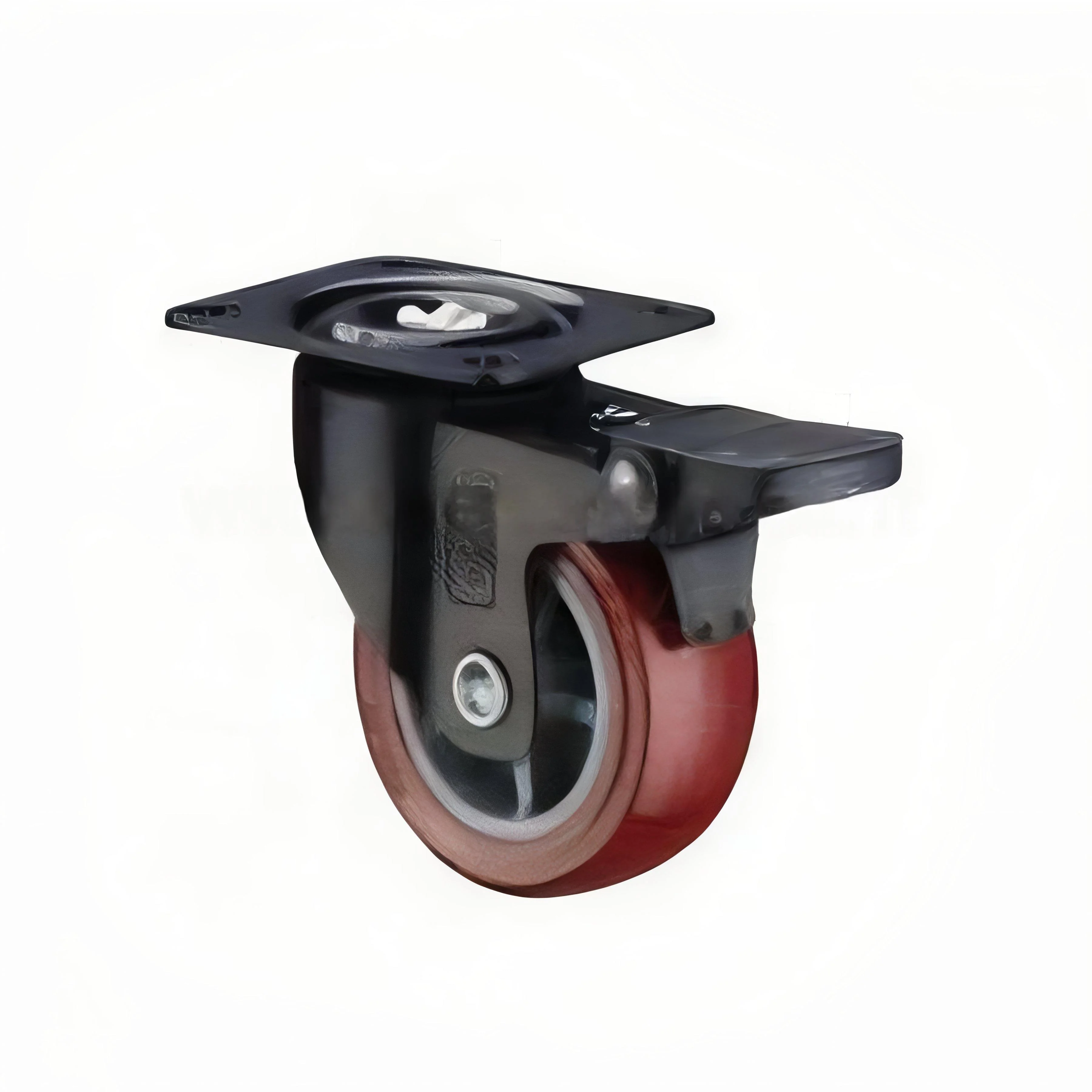
Furniture Casters with Brakes
These variants include a locking mechanism that prevents movement when the furniture is stationary. They are ideal for use in environments where stability is crucial, such as in healthcare or office settings.
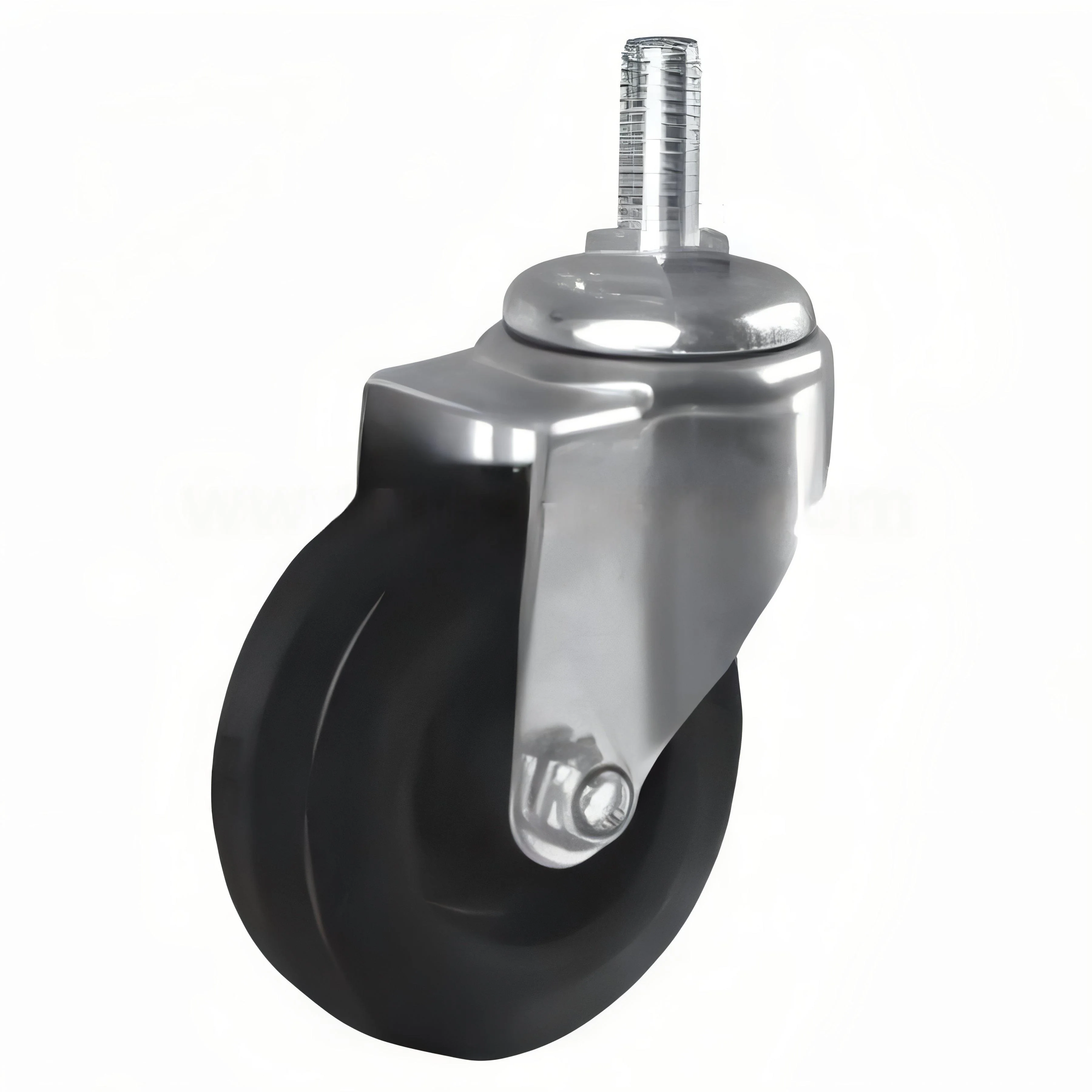
Swivel Casters
Designed for maximum maneuverability, swivel casters allow for 360-degree movement. They are perfect for furniture that requires frequent repositioning, such as office chairs and mobile carts.
Benefits and Advantages
Furniture casters offer numerous benefits that enhance the functionality of furniture and equipment.
1. Enhanced Mobility: Casters allow for easy movement of heavy items, reducing strain on personnel and improving workflow efficiency.
2. Space Optimization: Mobile furniture solutions enable reconfiguration of spaces, making environments more adaptable to changing needs.
3. Improved Ergonomics: Casters on office chairs and desks promote better posture and comfort, leading to increased productivity.
4. Versatility: Casters can be used across various industries, from healthcare to retail, making them a versatile choice for furniture design.
5. Reduced Floor Damage: Many casters are designed to protect flooring surfaces, minimizing wear and tear over time.
6. Customization Options: Many manufacturers offer customizable casters to meet specific load and design requirements.
Buying Guide for B2B Buyers
When sourcing furniture casters, several key factors should be considered to ensure that the right products are selected for specific needs.
1. Quality Assessment: Evaluate the materials and construction of the casters. Look for durable options that can withstand regular use and environmental conditions.
2. Supplier Verification: Vet suppliers to ensure they have a reliable history and positive reviews. This can include checking certifications and references.
3. Pricing and MOQ: Understand the pricing structure and minimum order quantities required by suppliers. This can impact budgeting and inventory management.
4. Delivery and Lead Times: Discuss logistics with suppliers to ensure timely delivery, especially if casters are needed for urgent projects.
5. Compliance Requirements: Be aware of any relevant industry standards and regulations that may apply to the casters being sourced.
Compliance and Certifications
Furniture casters must meet various compliance standards and certifications to ensure quality and safety. One of the key standards is ISO 9001, which focuses on quality management systems. This certification ensures that manufacturers consistently meet customer and regulatory requirements.
Additionally, compliance with CE marking is crucial for products sold in European markets. This certification indicates that the product meets EU safety, health, and environmental protection standards.
Safety and testing requirements should also be considered, particularly for casters used in medical and industrial applications. Regular testing ensures that the casters can handle specified loads and perform adequately in their intended environments.
Finally, regional compliance considerations may apply, depending on where the casters will be sold and used. Understanding these regulations is vital for ensuring that the products meet local laws and standards.
Why Source Furniture Casters from Pepagora?
Pepagora provides a trusted platform for sourcing furniture casters, offering several key advantages to B2B buyers.
Verified Supplier Network: Pepagora ensures that all suppliers within its network are thoroughly vetted, providing buyers with confidence in the quality of products they purchase.
Streamlined RFQ Process: The platform simplifies the request for quotation process, allowing buyers to efficiently compare prices and specifications from multiple suppliers.
Trade Assurance and Support: Pepagora offers buyer protection measures, ensuring that transactions are secure and that support is available throughout the purchasing process.
Regional Coverage: With extensive reach across India, the GCC, and Southeast Asia, Pepagora connects buyers with suppliers in key markets, facilitating easy access to quality furniture casters tailored to diverse industry needs.

 IN
IN