
 IN
Furniture Castors & Wheels
21 products available
What are Furniture Castors & Wheels?
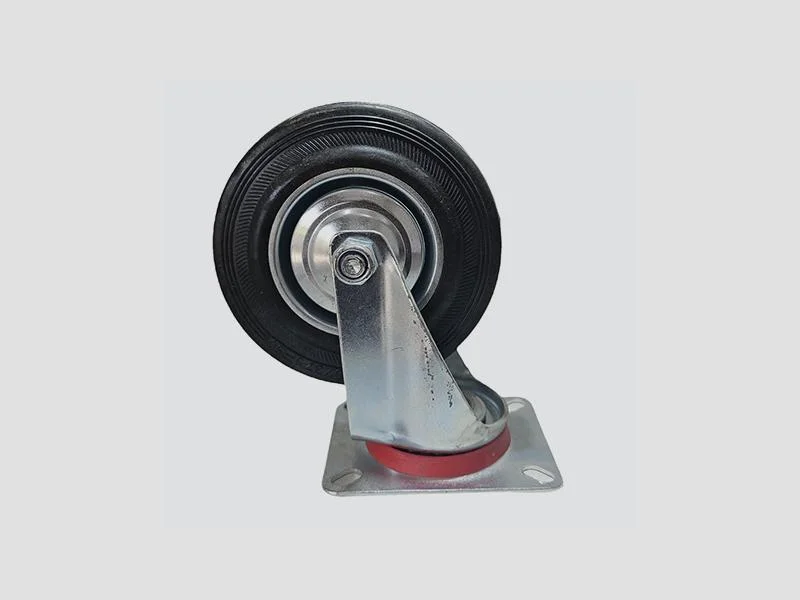
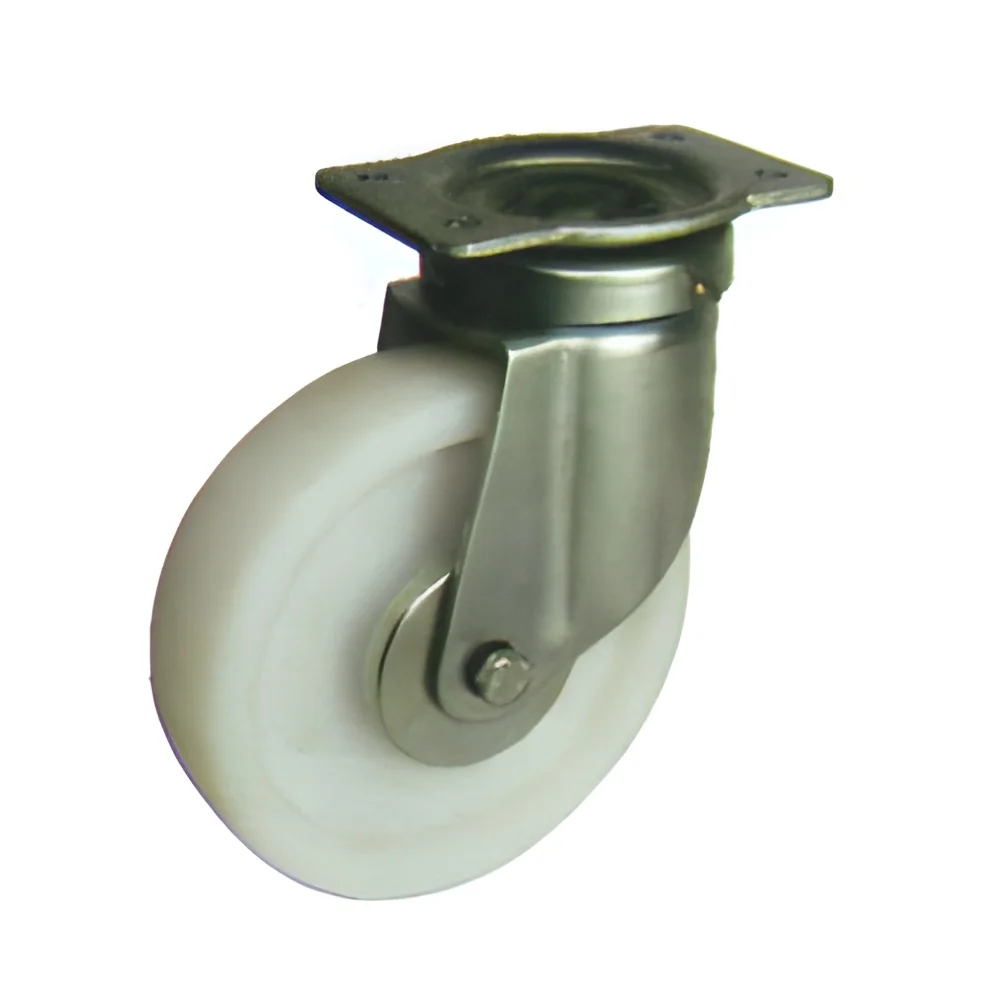
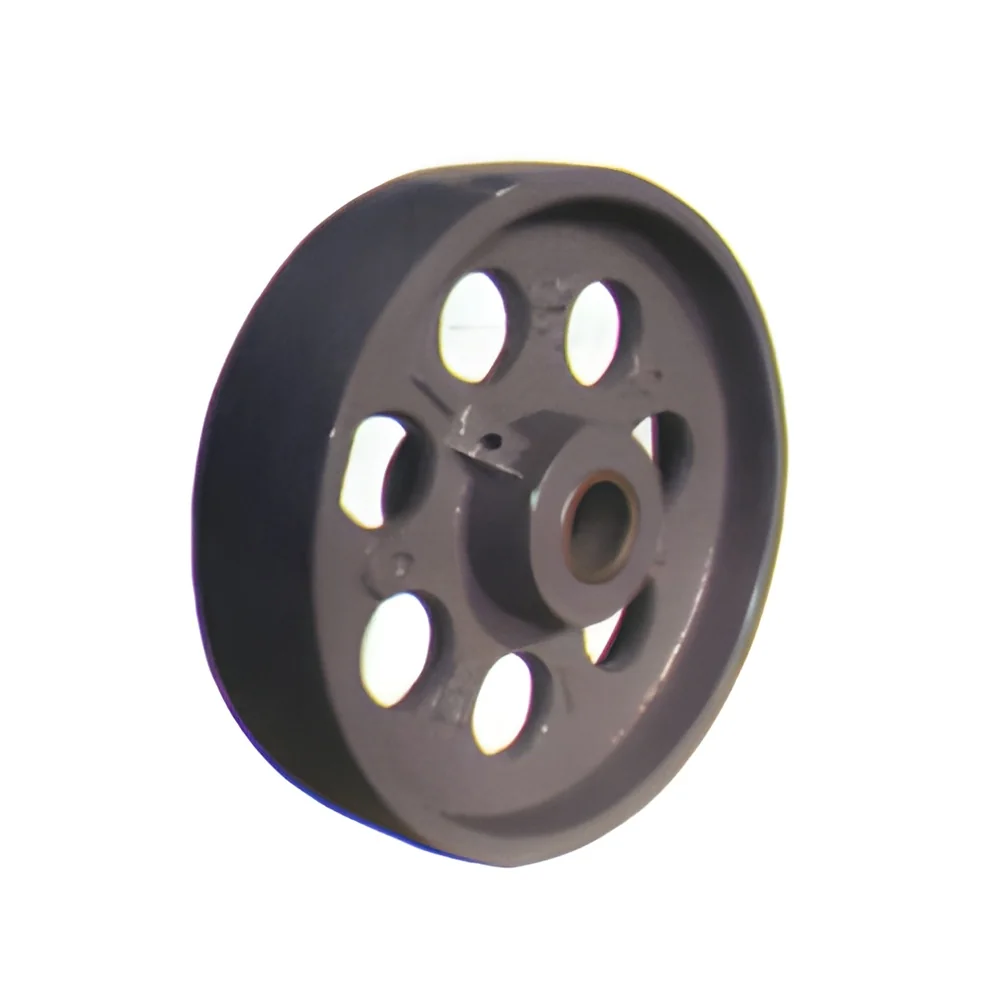
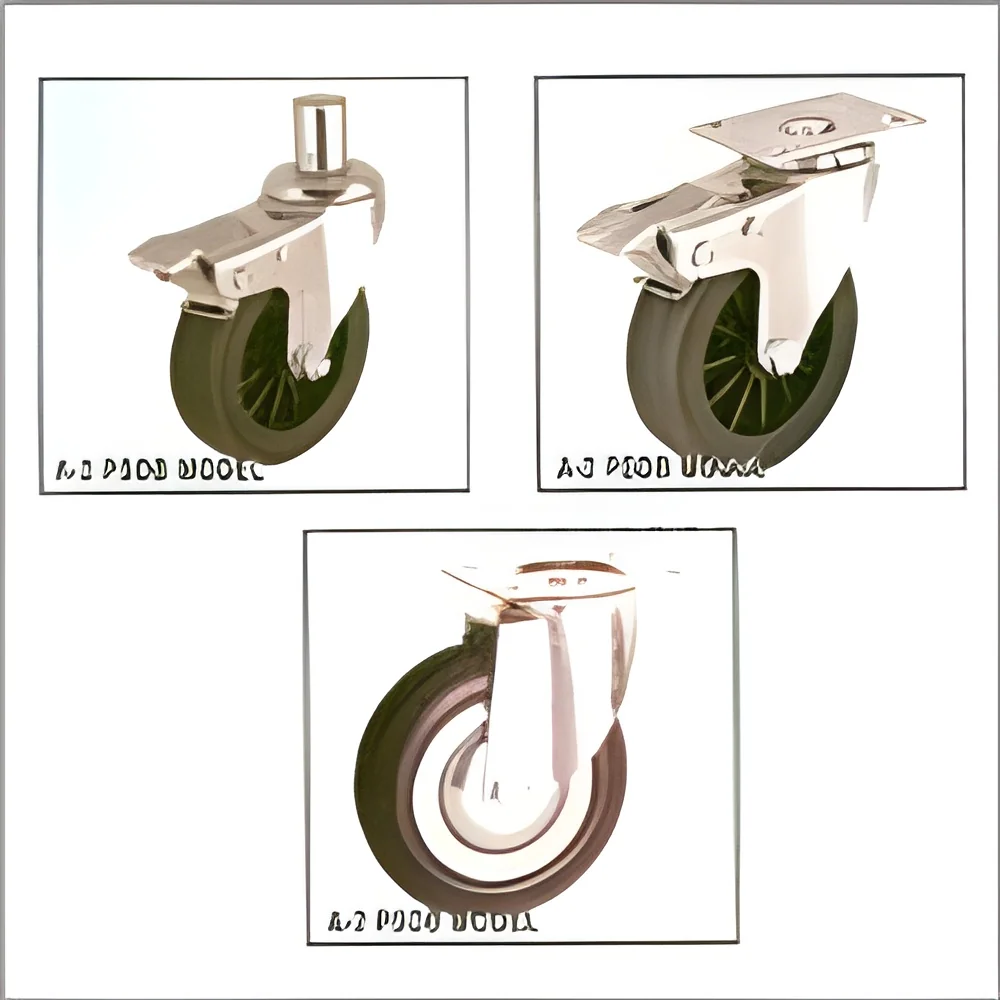
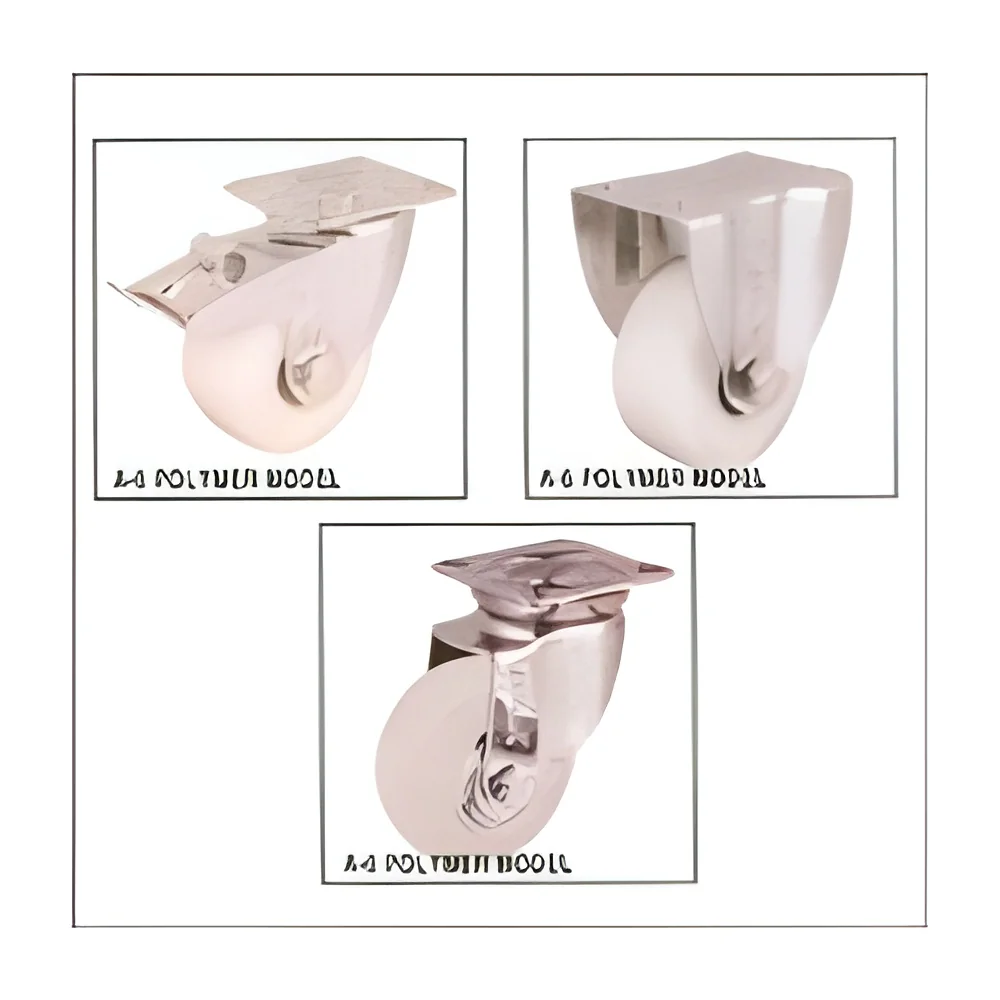
Furniture castors and wheels are essential components designed to enable mobility for various furniture items. They are small devices attached to the base of furniture, allowing for easy movement across different surfaces. Castors typically have a wheel that rotates around a vertical axis, while wheels may be fixed or swivel, depending on the intended application. The design can vary widely, including options for locking mechanisms to secure furniture in place when needed.
These products are widely used in office furniture, medical equipment, retail displays, and more. In business applications, furniture castors and wheels facilitate easy rearrangement of spaces, enhancing functionality and promoting efficient workflows. They are crucial in settings where adaptability and mobility are necessary, such as hospitals, schools, and corporate offices. Given their significant role in various industries, the market for furniture castors and wheels is robust, with continual technological advancements to improve performance and usability.
Key Features and Specifications
Furniture castors and wheels come with a variety of features that cater to diverse needs across different industries. Understanding these specifications is essential for selecting the right product for any application.
Key specifications include:
1. Load Capacity
- This specification indicates the maximum weight the castor or wheel can support.
- Typically ranges from 50 kg to 500 kg or more, depending on design and materials.
2. Wheel Diameter
- The diameter of the wheel affects mobility and surface compatibility.
- Common diameters include 50 mm, 75 mm, 100 mm, and 150 mm.
3. Material Type
- Different materials provide various benefits, such as durability and noise reduction.
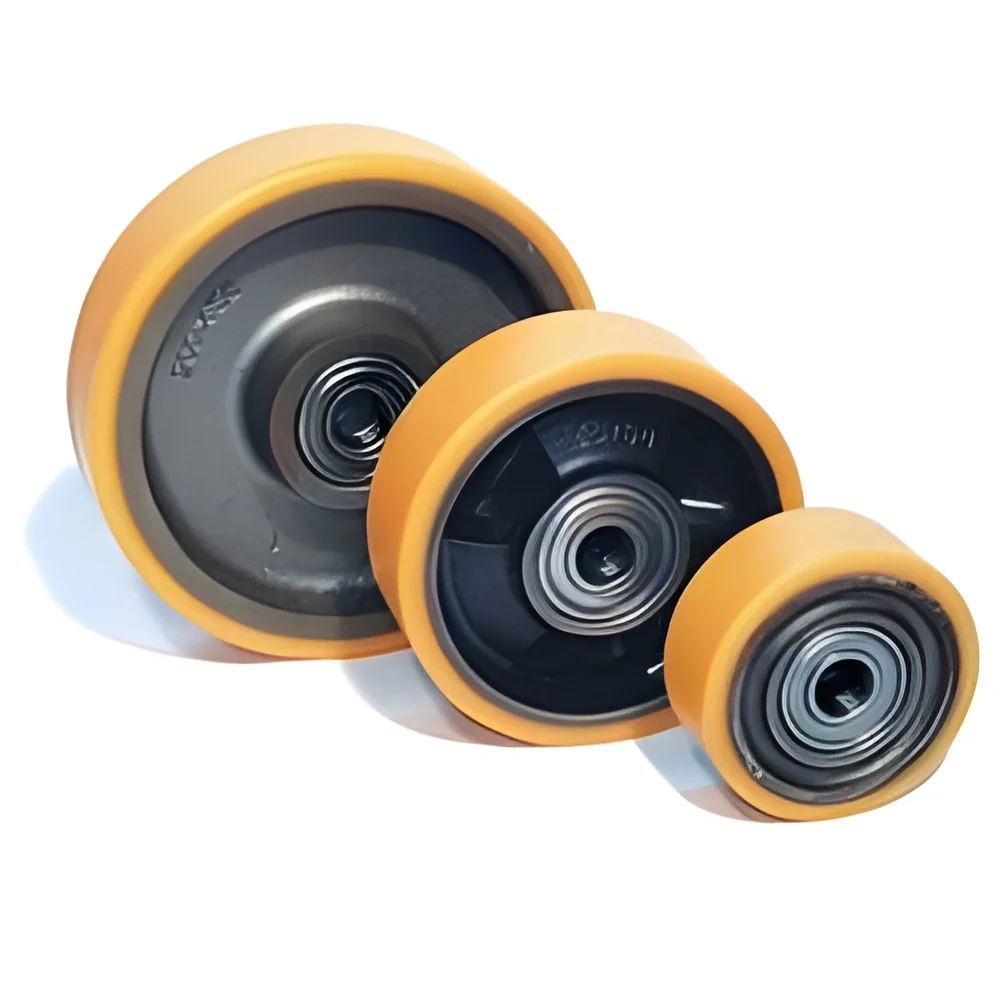
- Common materials include rubber, polyurethane, and nylon.
4. Swivel vs. Fixed
- Swivel castors provide enhanced maneuverability, while fixed castors are designed for straight-line movement.
- Selection depends on the intended use and space layout.
5. Brake Type
- Castors may have locking mechanisms, such as total locks or directional locks.
- This feature ensures stability and safety during use.
6. Mounting Height
- The height of the castor affects the overall height of the furniture.
- Variations in height can range from 30 mm to 150 mm.
7. Surface Compatibility
- Different wheels are tailored for specific surfaces, like carpet, tile, or hardwood.
- Ensures optimal performance and longevity.
8. Temperature Resistance
- Some wheels are designed to withstand extreme temperatures, making them suitable for specialized environments.
- Specific ratings are not available.
In summary, selecting furniture castors and wheels requires careful consideration of these specifications to ensure optimal performance and compatibility with intended applications.
Common Applications and Use Cases
Furniture castors and wheels find utility in a wide range of industries, improving functionality and efficiency in various environments.
1. Office Furniture: Office chairs, desks, and mobile cabinets benefit from castors that allow for easy reconfiguration and movement within workspaces.
2. Healthcare: Hospital beds, medical carts, and equipment are often equipped with castors for efficient patient care and equipment mobility.
3. Retail: Display units, shopping carts, and checkout counters utilize wheels to enhance customer interaction and flexibility in store layouts.
4. Educational Institutions: Classroom furniture, such as movable desks and chairs, employs castors for easy arrangement and reconfiguration during different activities.
5. Manufacturing: Equipment and machinery often use heavy-duty castors to facilitate movement across factory floors, aiding in workflow and efficiency.
6. Hospitality: Furniture in hotels and restaurants, including tables and chairs, often features castors for easy rearrangement during events and functions.
7. Home Use: Household furniture, such as storage units and kitchen islands, frequently employs castors to enhance mobility and functionality.
Product Variants and Subcategories
Furniture castors and wheels come in various types to meet diverse requirements in different settings.
Standard Castors: These are the most common type, designed for general use in office furniture and household items. They offer a balance between durability and mobility.
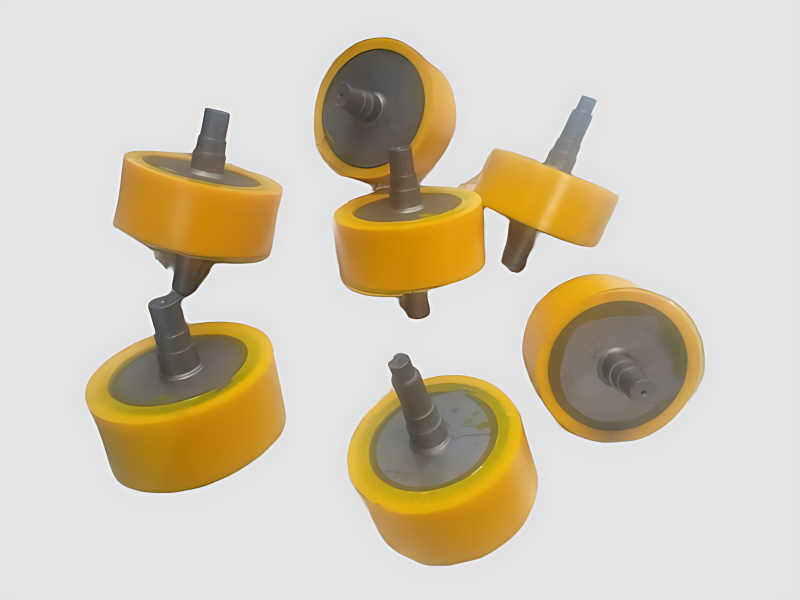
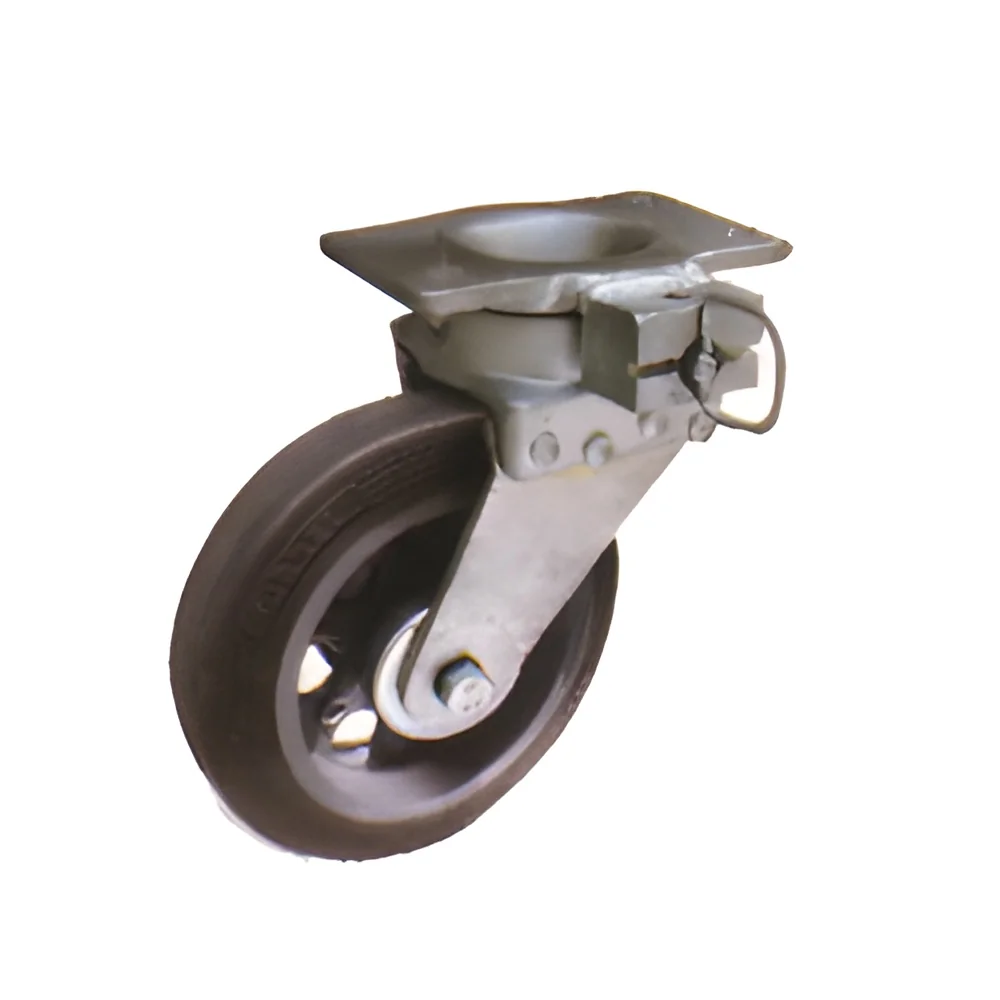
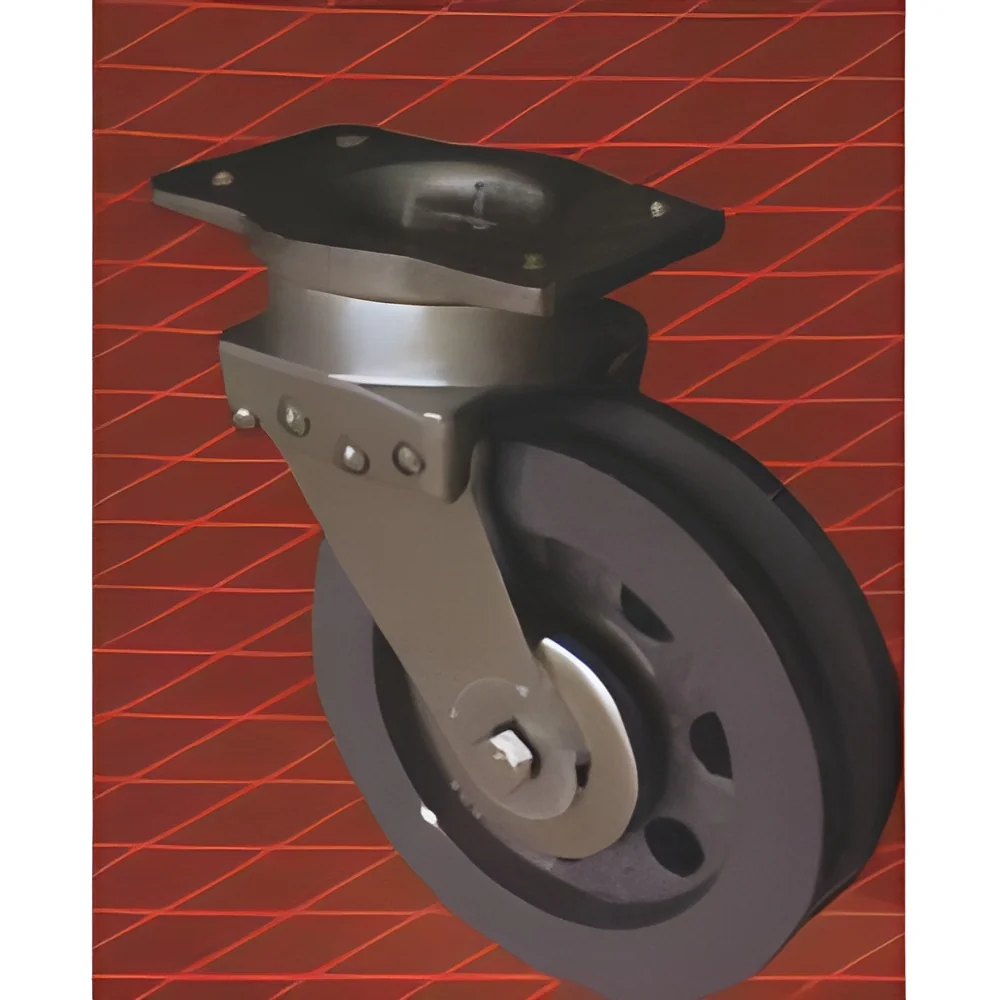
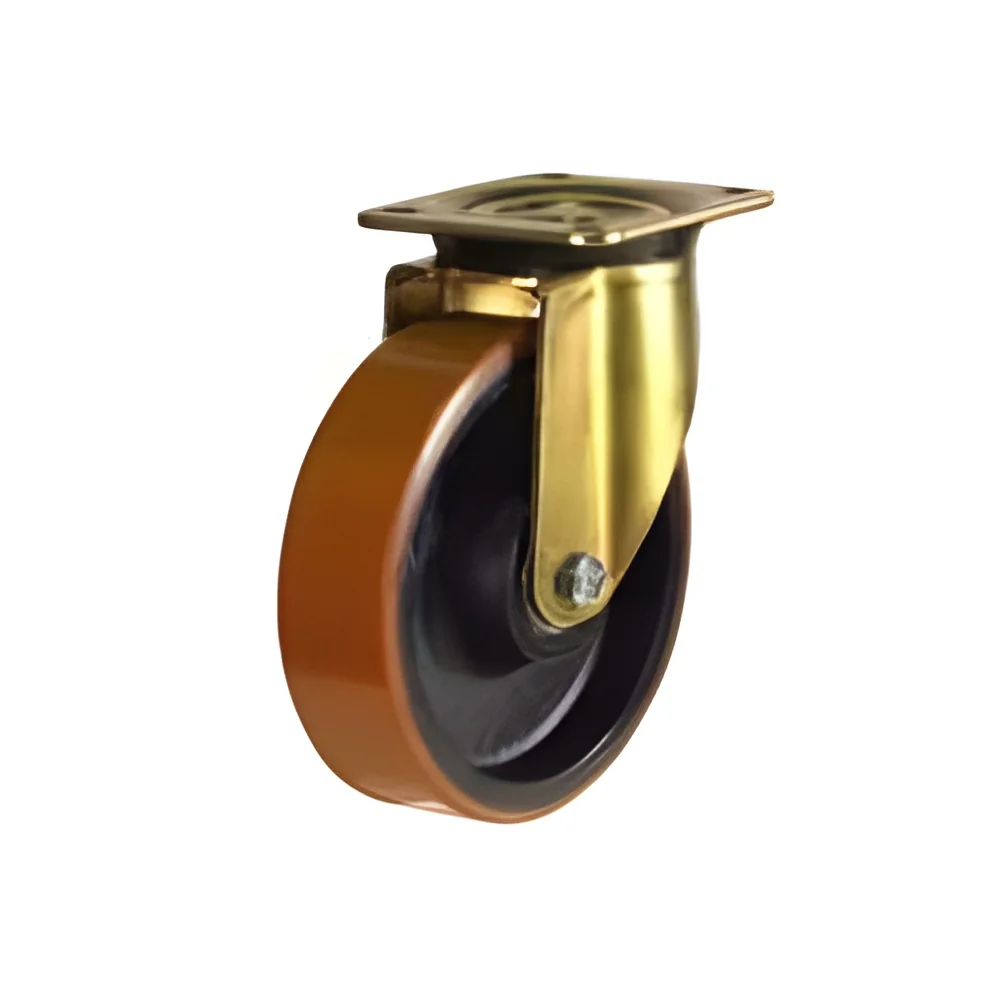
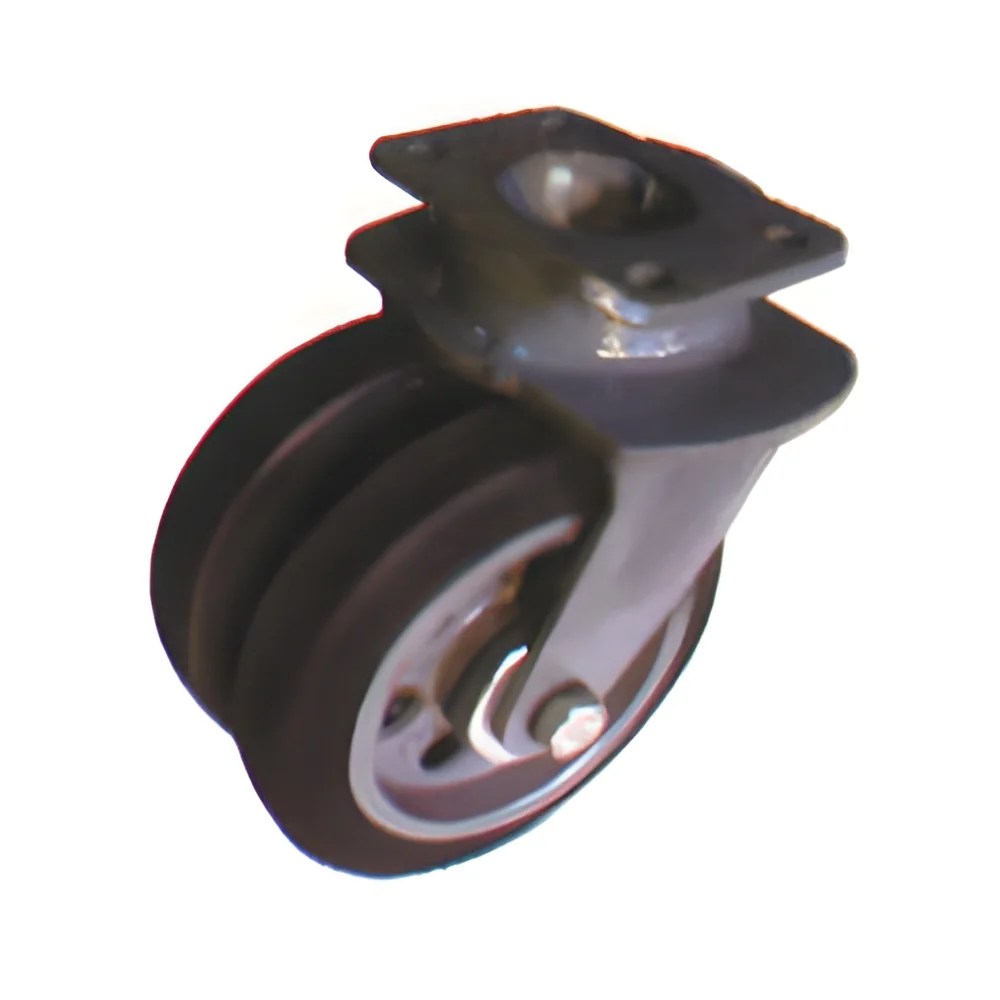
Heavy-Duty Castors: Designed for industrial applications, heavy-duty castors can support higher weight capacities and are often made from robust materials to withstand harsh conditions.
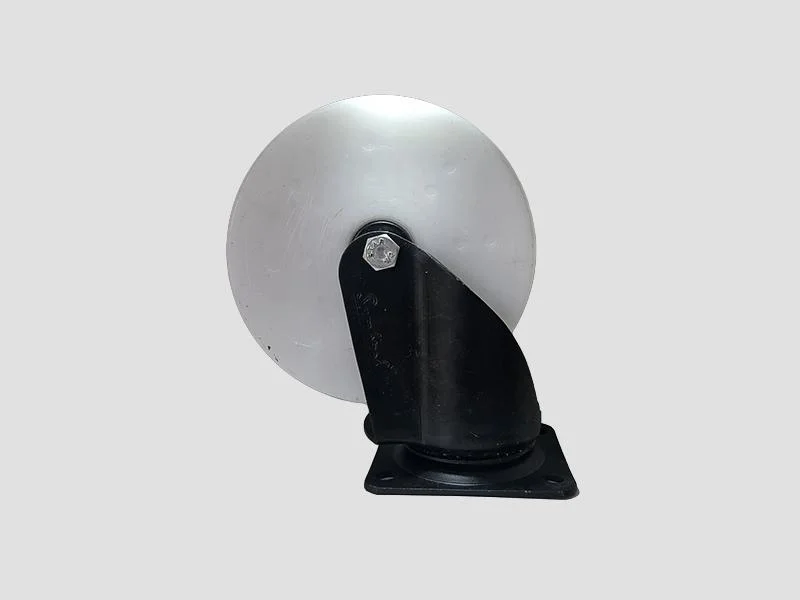
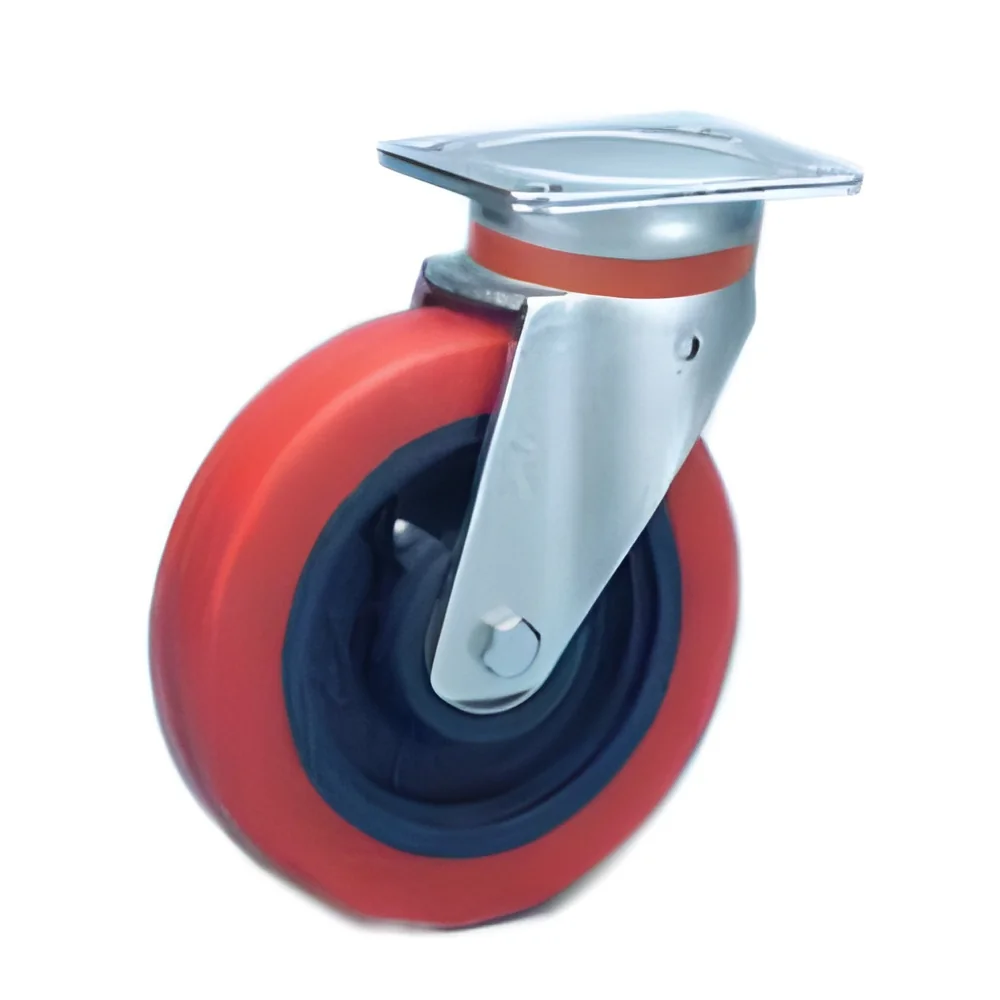
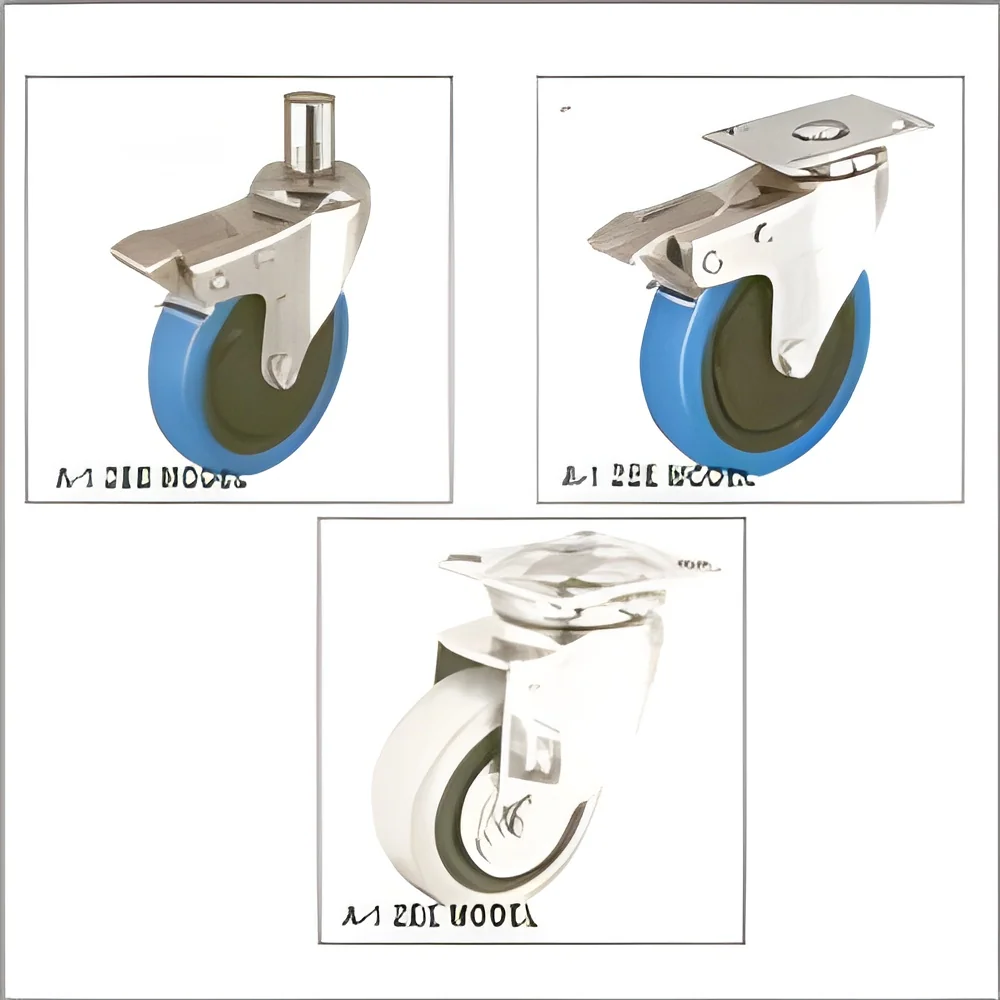
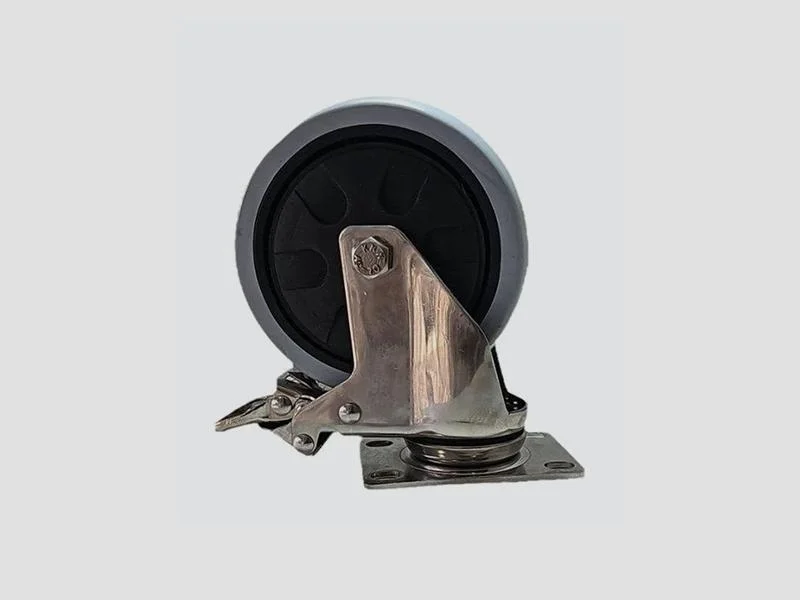
Swivel Castors: These castors allow for 360-degree movement, ideal for furniture that requires frequent repositioning, such as office chairs or mobile carts.
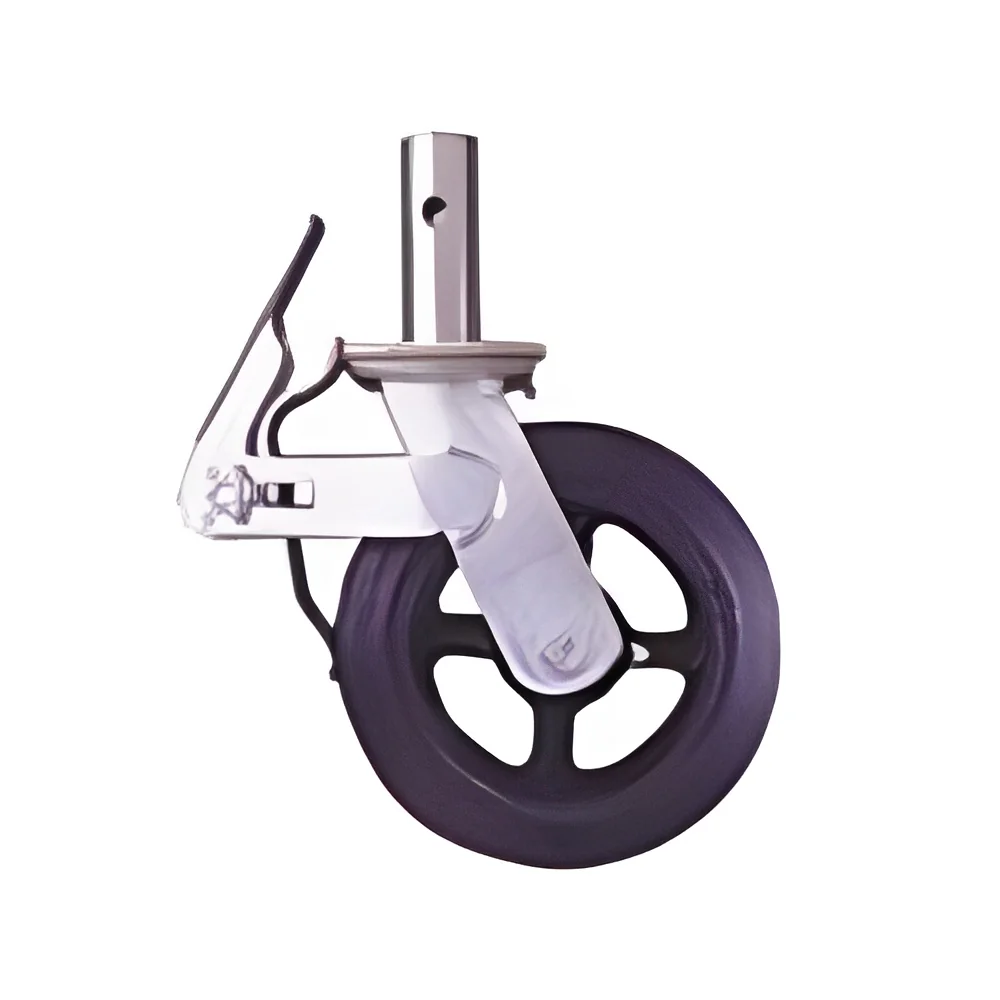
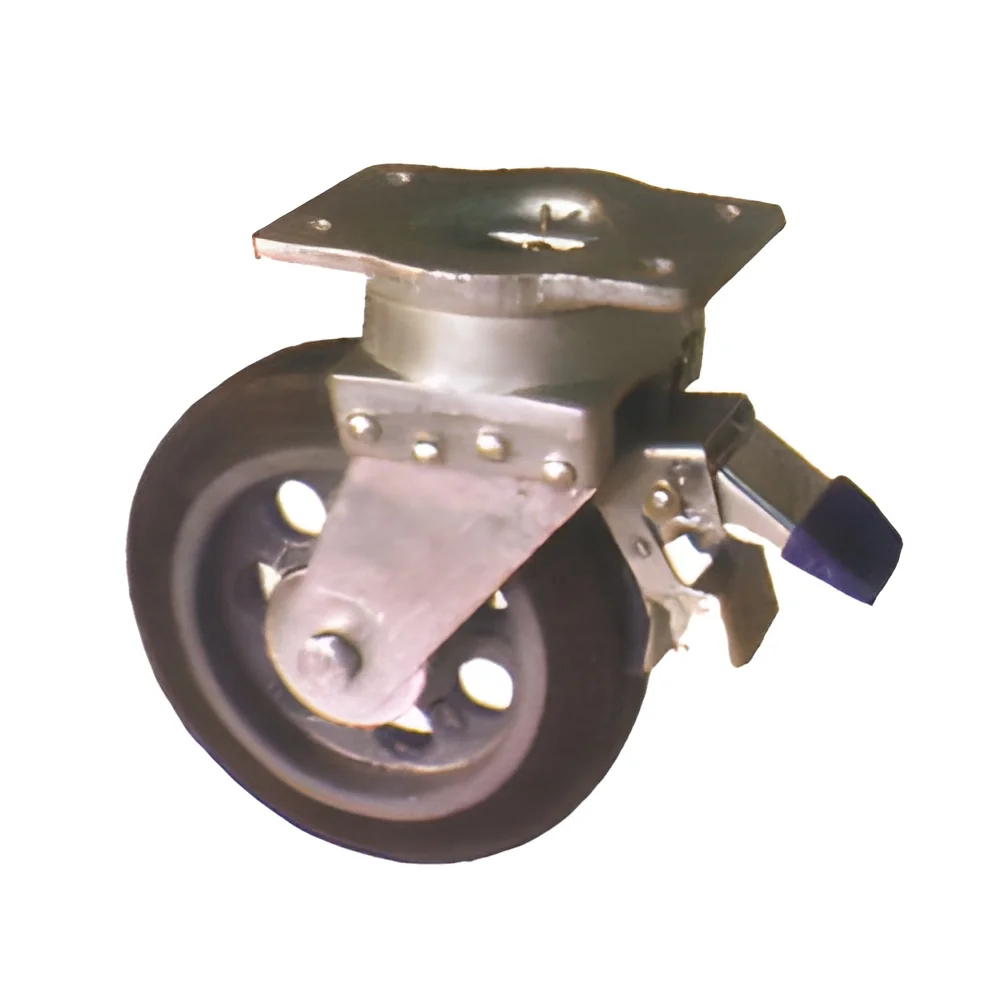
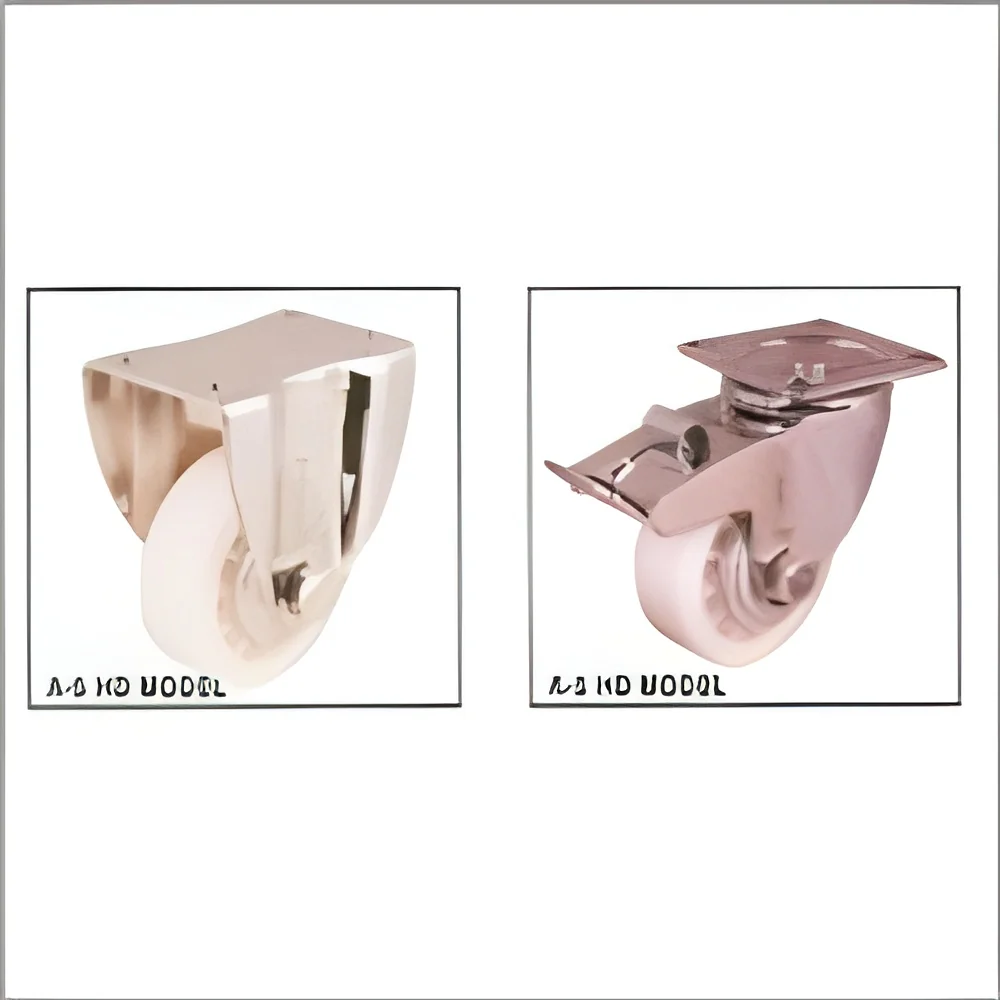
Locking Castors: These variants come with brakes, providing stability and security in environments where furniture needs to remain in place.
Benefits and Advantages
Choosing the right furniture castors and wheels brings numerous advantages to businesses and end-users alike.
Key benefits include:
1. Enhanced Mobility: Castors facilitate easy movement of furniture, allowing for efficient space utilization and adaptability in various settings.
2. Improved Safety: With locking mechanisms available, castors help secure furniture in place, reducing the risk of accidents and injuries.
3. Versatile Applications: Different types of castors cater to various industries, ensuring that specific needs are met across diverse environments.
4. Durability: Many castors are constructed from high-quality materials, ensuring long-lasting performance and reducing the need for frequent replacements.
5. Cost-Effectiveness: Investing in reliable castors can lower operational costs by improving workflow and reducing wear and tear on flooring.
6. Aesthetic Options: Castors come in various designs and finishes, allowing for aesthetic integration with different furniture styles.
Buying Guide for B2B Buyers
When sourcing furniture castors and wheels, businesses should consider several critical factors to ensure the right selection.
1. Quality Assessment: Evaluate the quality of materials and construction to ensure durability and performance. Look for products that meet industry standards.
2. Supplier Verification: Vet suppliers for reliability and reputation. Check for reviews and case studies to gauge their experience and product quality.
3. Pricing and MOQ: Understand the price range for different types of castors and the minimum order quantities required by suppliers to ensure budget alignment.
4. Delivery and Lead Times: Consider logistics and delivery schedules when placing orders to avoid disruptions in operations.
5. Compliance Requirements: Be aware of any regulatory standards required for specific applications, especially in industries like healthcare and manufacturing.
Compliance and Certifications
Furniture castors and wheels must adhere to various compliance standards to ensure safety and quality.
ISO 9001 is a widely recognized quality management standard that indicates a commitment to consistent quality and customer satisfaction. Manufacturers that comply with this standard demonstrate their ability to provide reliable products.
The CE mark signifies that a product meets European safety, health, and environmental protection standards. This certification is crucial for businesses looking to operate in European markets, ensuring that the products they use are compliant with regulations.
Safety and testing requirements often include assessments for load capacity, durability, and overall performance under different conditions. Manufacturers must conduct rigorous testing to verify that their products meet these standards.
Regional compliance considerations may vary based on local regulations. It is essential for businesses to understand the specific requirements pertinent to their geographic location and industry.
Why Source Furniture Castors & Wheels from Pepagora?
Pepagora offers a trusted platform for sourcing furniture castors and wheels, providing several key advantages to B2B buyers.
Verified Supplier Network: Pepagora ensures that all suppliers are thoroughly vetted for reliability and product quality. This rigorous verification process gives buyers confidence in their sourcing decisions.
Streamlined RFQ Process: The platform simplifies the request for quotation process, allowing businesses to easily compare offers from multiple suppliers, ensuring they find the best deals.
Trade Assurance and Support: Pepagora provides buyer protection through trade assurance, offering support throughout the purchasing process to ensure satisfaction and resolution of any disputes.
Regional Coverage: With a strong presence in India, the GCC, and Southeast Asia, Pepagora provides access to a wide range of suppliers, ensuring businesses can find the right products to meet their specific needs.



Frequently Asked Questions
What are Furniture Castors & Wheels?
Furniture castors and wheels are small, movable components attached to the base of furniture items, allowing for easy mobility and repositioning. They are commonly used in office chairs, carts, and various types of furniture, providing convenience and flexibility in both residential and commercial settings.
What are the different types of Furniture Castors & Wheels?
There are several types of furniture castors and wheels, including swivel castors, fixed castors, brake castors, and heavy-duty castors. Each type serves a specific purpose based on the furniture's application and the desired mobility, with options available for different flooring types.
How do I choose the right Furniture Castors & Wheels?
To choose the right furniture castors and wheels, consider factors such as the weight capacity, type of flooring, and the intended use of the furniture. Additionally, assess the diameter and height of the castors to ensure compatibility with your furniture design and functionality.
What are the standard specifications for Furniture Castors & Wheels?
Standard specifications for furniture castors and wheels typically include load capacity, wheel diameter, material composition, and mounting height. Common materials include plastic, rubber, and metal, with specifications varying based on the application and operational environment.
What is the price range for Furniture Castors & Wheels?
The price range for furniture castors and wheels can vary significantly based on factors such as type, material, and quality. Generally, prices can range from a few rupees for basic models to several hundred rupees for specialized or heavy-duty options.
What quality standards apply to Furniture Castors & Wheels?
Quality standards for furniture castors and wheels often include compliance with international safety and durability standards. Manufacturers may adhere to standards such as ISO or ANSI, ensuring that products are tested for performance, load capacity, and resistance to wear.
Where can I find Furniture Castors & Wheels suppliers in India?
You can find furniture castors and wheels suppliers in India through various online B2B marketplaces, trade directories, and local manufacturing associations. Websites like Pepagora.com offer a comprehensive list of verified suppliers and manufacturers to facilitate sourcing.
Can Furniture Castors & Wheels be customized?
Yes, many manufacturers offer customization options for furniture castors and wheels, allowing you to specify dimensions, materials, and finishes. Customization can help meet specific functional or aesthetic requirements of your furniture.
What is the typical minimum order quantity for Furniture Castors & Wheels?
The typical minimum order quantity (MOQ) for furniture castors and wheels varies by supplier but generally ranges from 50 to 500 units. It's advisable to check with individual manufacturers for their specific MOQ policies.
What is the typical lead time for Furniture Castors & Wheels?
The typical lead time for furniture castors and wheels can vary based on factors such as order volume and supplier capabilities, usually ranging from 2 to 6 weeks. Custom orders may require additional time depending on the specifications and customization options selected.
Why Businesses Trust Pepagora
Thousands of companies trust Pepagora to source smarter and sell faster
Expand Your Sales Globally

Source Smarter,Grow Faster
