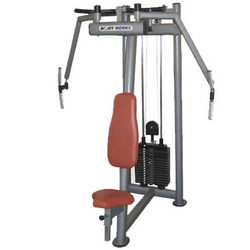
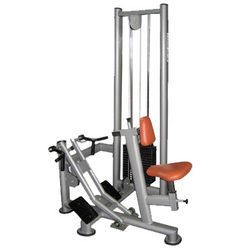
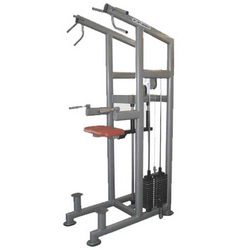
𝗪𝗵𝗮𝘁 𝗮𝗿𝗲 𝗙𝘂𝗻𝗰𝘁𝗶𝗼𝗻𝗮𝗹 𝗧𝗿𝗮𝗶𝗻𝗲𝗿𝘀?
Functional trainers are versatile exercise machines designed to provide a wide range of workout options for strength training and functional fitness. They typically consist of a frame with adjustable pulleys and cables that allow users to perform a variety of movements targeting multiple muscle groups. Functional trainers are popular in commercial gyms, fitness studios, and home workout spaces due to their adaptability and ease of use.
These machines are primarily used for strength training, rehabilitation, and athletic performance enhancement. They allow for a full range of motion and can simulate real-world movements, making them especially beneficial for athletes and individuals recovering from injuries. In the business context, functional trainers are essential for fitness facilities seeking to offer comprehensive training solutions that cater to diverse client needs.
In today's market, the demand for functional trainers is on the rise as more individuals focus on overall fitness and wellness. The global fitness industry continues to evolve, with functional training gaining traction among both consumers and fitness professionals. As a result, understanding the features and specifications of these trainers is crucial for businesses looking to invest in high-quality equipment.
𝗞𝗲𝘆 𝗙𝗲𝗮𝘁𝘂𝗿𝗲𝘀 𝗮𝗻𝗱 𝗦𝗽𝗲𝗰𝗶𝗳𝗶𝗰𝗮𝘁𝗶𝗼𝗻𝘀
Functional trainers come equipped with several key features that enhance their usability and effectiveness. These specifications can vary by model and manufacturer, but certain characteristics are common across most functional trainers.
Key specifications include:
1. Adjustable Pulleys
- Allows users to customize the height and angle of the cables
- Enhances exercise variety for different muscle groups
2. Weight Stack
- Typically ranges from 100 to 300 pounds
- Provides adjustable resistance levels for progressive training
3. Cable Length
- Standard cable length is usually around 90 inches
- Supports a wide range of motion for various exercises
4. Frame Construction
- Made from heavy-duty steel for durability and stability
- Often includes a powder-coated finish to resist wear and tear
5. Footprint Size
- Typical dimensions are around 4 feet by 4 feet
- Space-efficient design suitable for various gym layouts
6. Accessories Compatibility
- Compatible with various attachments like handles, straps, and bars
- Enhances the versatility of workouts
7. User Weight Capacity
- Generally accommodates users up to 300 pounds
- Ensures safety and stability during exercises
8. Certification
- Many models come with CE certification
- Ensures compliance with safety and quality standards
Overall, these features make functional trainers an essential investment for fitness facilities aiming to provide comprehensive training solutions.
𝗖𝗼𝗺𝗺𝗼𝗻 𝗔𝗽𝗽𝗹𝗶𝗰𝗮𝘁𝗶𝗼𝗻𝘀 𝗮𝗻𝗱 𝗨𝘀𝗲 𝗖𝗮𝘀𝗲𝘀
Functional trainers cater to a wide range of industries and applications.
1. Fitness Centers: Fitness centers utilize functional trainers to offer members diverse workout options, enhancing their training experience and promoting overall fitness.
2. Rehabilitation Clinics: These machines are used in rehabilitation settings to assist patients in regaining strength and mobility through tailored workouts.
3. Sports Training Facilities: Athletes use functional trainers to improve their performance by simulating sport-specific movements and increasing overall strength.
4. Corporate Wellness Programs: Companies incorporate functional trainers into wellness initiatives to encourage employee health and fitness.
5. Home Gyms: With the rise of at-home fitness, functional trainers are increasingly popular for individuals looking to maintain a comprehensive workout routine at home.
6. Personal Training Studios: Personal trainers use these machines to customize workouts for clients, addressing specific fitness goals effectively.
7. Community Recreation Centers: Community centers offer functional trainers to promote accessible fitness options for all age groups and skill levels.
𝗣𝗿𝗼𝗱𝘂𝗰𝘁 𝗩𝗮𝗿𝗶𝗮𝗻𝘁𝘀 𝗮𝗻𝗱 𝗦𝘂𝗯𝗰𝗮𝘁𝗲𝗴𝗼𝗿𝗶𝗲𝘀
Functional trainers come in various designs to meet different user needs and preferences.
Compact Functional Trainers
These variants are designed for smaller spaces and offer essential features without compromising on performance. They are ideal for home gyms or smaller fitness facilities.
Dual Adjustable Pulley Trainers
This type features two adjustable pulleys, providing greater versatility for users. They are suitable for advanced training and can accommodate complex movements.
All-in-One Functional Trainers
These multifunctional systems integrate various training modalities, such as strength training, cardio, and flexibility. They are perfect for comprehensive workout regimens in fitness centers.
𝗕𝗲𝗻𝗲𝗳𝗶𝘁𝘀 𝗮𝗻𝗱 𝗔𝗱𝘃𝗮𝗻𝘁𝗮𝗴𝗲𝘀
Functional trainers provide numerous benefits for users and fitness facilities alike.
1. Versatility: These machines support a wide range of exercises, allowing users to target multiple muscle groups effectively.
2. Space Efficiency: With a compact design, functional trainers occupy less space compared to traditional weight machines, making them ideal for smaller gyms.
3. Improved Functional Fitness: Functional trainers mimic real-life movements, enhancing users' ability to perform daily activities and sports more effectively.
4. Customizable Workouts: Users can adjust resistance levels and pulley angles, tailoring workouts to individual fitness levels and goals.
5. Safety Features: Many functional trainers come with built-in safety mechanisms, reducing the risk of injury during workouts.
6. User Engagement: The variety of exercises possible with functional trainers keeps workouts interesting, helping to maintain user motivation.
𝗕𝘂𝘆𝗶𝗻𝗴 𝗚𝘂𝗶𝗱𝗲 𝗳𝗼𝗿 𝗕𝟮𝗕 𝗕𝘂𝘆𝗲𝗿𝘀
When sourcing functional trainers for your facility, several factors should be considered to ensure a successful purchase.
1. Quality Assessment: Evaluate the quality of materials and construction. Look for reputable brands that meet industry standards for durability and performance.
2. Supplier Verification: Research potential suppliers to verify their reputation and reliability. Check for reviews and testimonials from previous clients.
3. Pricing and MOQ: Understand the pricing structure and minimum order quantities. Compare costs across different suppliers to find the best value for your investment.
4. Delivery and Lead Times: Inquire about delivery schedules and lead times. Ensure that the supplier can meet your timeline requirements.
5. Compliance Requirements: Be aware of any regulatory compliance needed for fitness equipment in your region. Ensure that the trainers meet necessary safety and quality certifications.
𝗖𝗼𝗺𝗽𝗹𝗶𝗮𝗻𝗰𝗲 𝗮𝗻𝗱 𝗖𝗲𝗿𝘁𝗶𝗳𝗶𝗰𝗮𝘁𝗶𝗼𝗻𝘀
Functional trainers must adhere to specific quality and safety standards to ensure their reliability and effectiveness.
Relevant quality standards include ISO 9001, which focuses on quality management systems, ensuring consistent product quality and service delivery. Additionally, compliance with HACCP (Hazard Analysis Critical Control Point) is essential in settings where hygiene and safety are priorities.
Many functional trainers also hold CE certification, indicating they meet European safety, health, and environmental requirements. This certification is crucial for products sold within the European Union.
Safety and testing requirements involve rigorous assessments to guarantee that the equipment can withstand regular use without compromising user safety. Regional compliance considerations may also vary, so it is vital to research and adhere to local regulations regarding fitness equipment.
𝗪𝗵𝘆 𝗦𝗼𝘂𝗿𝗰𝗲 𝗙𝘂𝗻𝗰𝘁𝗶𝗼𝗻𝗮𝗹 𝗧𝗿𝗮𝗶𝗻𝗲𝗿𝘀 𝗳𝗿𝗼𝗺 𝗣𝗲𝗽𝗮𝗴𝗼𝗿𝗮?
Pepagora offers a trusted platform for sourcing functional trainers, providing several key advantages to B2B buyers.
Verified Supplier Network: Pepagora connects buyers with a network of verified suppliers, ensuring that all products meet stringent quality standards. This minimizes the risk of purchasing subpar equipment.
Streamlined RFQ Process: The request for quotation process at Pepagora is straightforward, allowing buyers to receive competitive pricing and options quickly. This efficiency helps businesses make informed purchasing decisions.
Trade Assurance and Support: Pepagora offers trade assurance to protect buyers throughout the transaction process. This includes support for any issues that may arise, ensuring a smooth purchasing experience.
Regional Coverage: Pepagora’s geographic reach spans India, the GCC, and Southeast Asia, making it a convenient option for businesses looking for functional trainers across these regions. This broad coverage allows buyers to access a variety of suppliers and products tailored to their specific needs.

 IN
IN