𝗪𝗵𝗮𝘁 𝗮𝗿𝗲 𝗙𝗼𝗼𝘁𝗯𝗮𝗹𝗹/𝗦𝗼𝗰𝗰𝗲𝗿 𝗕𝗮𝗹𝗹𝘀?
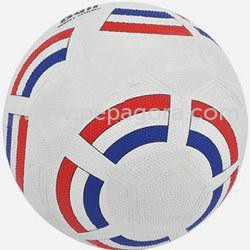
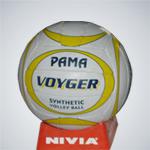
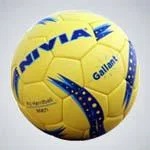
Football or soccer balls are spherical objects designed for play in the sport of football, also known as soccer in some regions. These balls are typically made of synthetic materials such as polyurethane or PVC and are filled with air to achieve the necessary bounce and shape. The design of a football includes panels stitched or glued together, which can vary in number and pattern, affecting the ball's aerodynamics and performance on the field.
Football/soccer balls are primarily used in professional sports, recreational games, and training sessions. They are essential for team sports played at various levels, from youth leagues to professional matches. Businesses that manufacture or sell footballs cater to sports clubs, schools, and recreational organizations, providing equipment that meets specific performance standards. The industry is highly competitive, with a focus on quality, durability, and affordability, making the market for footballs a significant sector in the sports goods industry.
𝗞𝗲𝘆 𝗙𝗲𝗮𝘁𝘂𝗿𝗲𝘀 𝗮𝗻𝗱 𝗦𝗽𝗲𝗰𝗶𝗳𝗶𝗰𝗮𝘁𝗶𝗼𝗻𝘀
Football/soccer balls come with various features and specifications that determine their quality and suitability for different types of play. Understanding these specifications is crucial for B2B buyers looking to source the right products.
Key specifications include:
1. Material Composition
- Typically made from synthetic leather or PVC
- Ensures durability and resistance to wear
2. Size
- Common sizes include Size 3, Size 4, and Size 5
- Size 5 is standard for professional matches
3. Weight
- Generally weighs between 410 to 450 grams for Size 5
- Consistency in weight is vital for performance
4. Panel Construction
- Can have 32, 24, or fewer panels depending on design
- Affects aerodynamics and control during play
5. Inflation Pressure
- Recommended pressure is typically between 0.6 to 1.1 bars
- Proper inflation is crucial for optimal performance
6. Stitching Type
- Can be machine-stitched or hand-stitched
- Hand-stitched balls are often more durable
7. Certification
- Many balls are certified by FIFA or similar organizations
- Certification ensures adherence to quality standards
8. Water Resistance
- Some models offer enhanced water resistance
- Important for maintaining performance in wet conditions
In summary, these features and specifications play a critical role in the performance, durability, and overall quality of footballs. Buyers should carefully consider these factors to ensure they select products that meet their needs.
𝗖𝗼𝗺𝗺𝗼𝗻 𝗔𝗽𝗽𝗹𝗶𝗰𝗮𝘁𝗶𝗼𝗻𝘀 𝗮𝗻𝗱 𝗨𝘀𝗲 𝗖𝗮𝘀𝗲𝘀
Football/soccer balls serve a wide range of applications across different sectors.
1. Sports Clubs: These organizations require high-quality balls for training and competitive matches, ensuring players have access to durable and reliable equipment.
2. Schools and Educational Institutions: Many schools include football in their physical education programs, requiring a supply of affordable and durable balls for students.
3. Recreational Leagues: Local leagues often need soccer balls for community events and games, emphasizing the need for cost-effective options.
4. Professional Teams: Elite teams rely on high-performance balls for training and competition, often sourcing products with specific certifications.
5. Sports Retailers: Retailers stock a variety of footballs to cater to different customer needs, from casual players to serious athletes.
6. Charitable Organizations: Some organizations use footballs as part of outreach programs to promote sports among underprivileged youth.
7. Fitness Centers: Gyms and fitness studios may incorporate soccer balls into their training regimens for various exercise programs.
𝗣𝗿𝗼𝗱𝘂𝗰𝘁 𝗩𝗮𝗿𝗶𝗮𝗻𝘁𝘀 𝗮𝗻𝗱 𝗦𝘂𝗯𝗰𝗮𝘁𝗲𝗴𝗼𝗿𝗶𝗲𝘀
Football/soccer balls come in various designs and constructions to meet different needs.
Training Balls: These variants are designed for durability and are often made from tougher materials. They are ideal for practice sessions where the focus is on skill development.
Match Balls: Specifically designed for competitive play, match balls are made to meet strict quality standards. They usually feature advanced materials and construction techniques to enhance performance.
Mini Balls: Smaller in size, mini balls are often used for training younger players or for skill development exercises. They help improve ball control and coordination.
Futsal Balls: These balls are designed for indoor play on hard surfaces. They have lower bounce and are typically smaller than standard soccer balls, making them suitable for the fast-paced nature of futsal.
𝗕𝗲𝗻𝗲𝗳𝗶𝘁𝘀 𝗮𝗻𝗱 𝗔𝗱𝘃𝗮𝗻𝘁𝗮𝗴𝗲𝘀
Football/soccer balls offer several benefits that make them essential for various users.
1. Enhanced Performance: Quality balls provide better control, accuracy, and responsiveness during play.
2. Durability: High-quality materials ensure longer life spans, reducing the need for frequent replacements.
3. Safety: Certified balls adhere to safety standards, reducing the risk of injury during play.
4. Varied Options: The diversity in types and sizes allows users to select balls that meet specific needs and preferences.
5. Brand Recognition: Partnering with reputable manufacturers can enhance a team's or organization's image and professionalism.
6. Cost-Effectiveness: Sourcing the right balls can lead to savings in both purchase and maintenance over time.
𝗕𝘂𝘆𝗶𝗻𝗴 𝗚𝘂𝗶𝗱𝗲 𝗳𝗼𝗿 𝗕𝟮𝗕 𝗕𝘂𝘆𝗲𝗿𝘀
When sourcing football/soccer balls, B2B buyers should consider several factors to ensure they make informed decisions.
1. Quality Assessment: Evaluate the materials and construction techniques used in the balls. Higher quality often leads to better performance and longevity.
2. Supplier Verification: Conduct research to verify the reputation and reliability of potential suppliers. Look for reviews and references from other businesses.
3. Pricing and MOQ: Understand the cost structure and minimum order quantities. Compare pricing across various suppliers to find the best value.
4. Delivery and Lead Times: Inquire about the logistics involved in shipping and the expected delivery timelines. Ensure they align with your operational needs.
5. Compliance Requirements: Check for any local or international regulations that the products must meet, such as safety standards and certifications.
𝗖𝗼𝗺𝗽𝗹𝗶𝗮𝗻𝗰𝗲 𝗮𝗻𝗱 𝗖𝗲𝗿𝘁𝗶𝗳𝗶𝗰𝗮𝘁𝗶𝗼𝗻𝘀
Compliance with industry standards is critical for football/soccer balls. Relevant quality standards such as ISO 9001 ensure that manufacturers maintain consistent quality in their production processes. Certifications like CE indicate that the products meet European safety and health standards.
Safety and testing requirements are crucial for ensuring that the balls are safe for use in various conditions. Manufacturers may conduct rigorous testing to ensure that their products can withstand the demands of play without compromising safety.
Additionally, regional compliance considerations may vary, with different countries having specific regulations regarding sports equipment. It is essential for buyers to be aware of these factors to ensure that their sourced products meet all necessary legal and safety requirements.
𝗪𝗵𝘆 𝗦𝗼𝘂𝗿𝗰𝗲 𝗙𝗼𝗼𝘁𝗯𝗮𝗹𝗹/𝗦𝗼𝗰𝗰𝗲𝗿 𝗕𝗮𝗹𝗹𝘀 𝗳𝗿𝗼𝗺 𝗣𝗲𝗽𝗮𝗴𝗼𝗿𝗮?
Pepagora provides a trusted platform for sourcing football/soccer balls, offering several key advantages to B2B buyers.
Verified Supplier Network: Pepagora carefully vets suppliers, ensuring that buyers can connect with reliable manufacturers who adhere to quality standards. This reduces the risk of sourcing inferior products.
Streamlined RFQ Process: The platform simplifies the request for quotation process, allowing buyers to easily receive and compare offers from multiple suppliers quickly. This helps businesses find the best deals and products suited to their needs.
Trade Assurance and Support: Pepagora offers trade assurance to protect buyers, ensuring that transactions are secure and that products meet agreed-upon specifications. This built-in support fosters a trustworthy purchasing environment.
Regional Coverage: With a significant presence in regions like India, the GCC, and Southeast Asia, Pepagora enables buyers to access a wide range of suppliers and products tailored to their local markets. This geographic reach enhances the sourcing experience for businesses looking for football/soccer balls.

 IN
IN

 India
India