
 IN
Eye Pads & Eye Dressings
6 products available
What are Eye Pads & Eye Dressings?
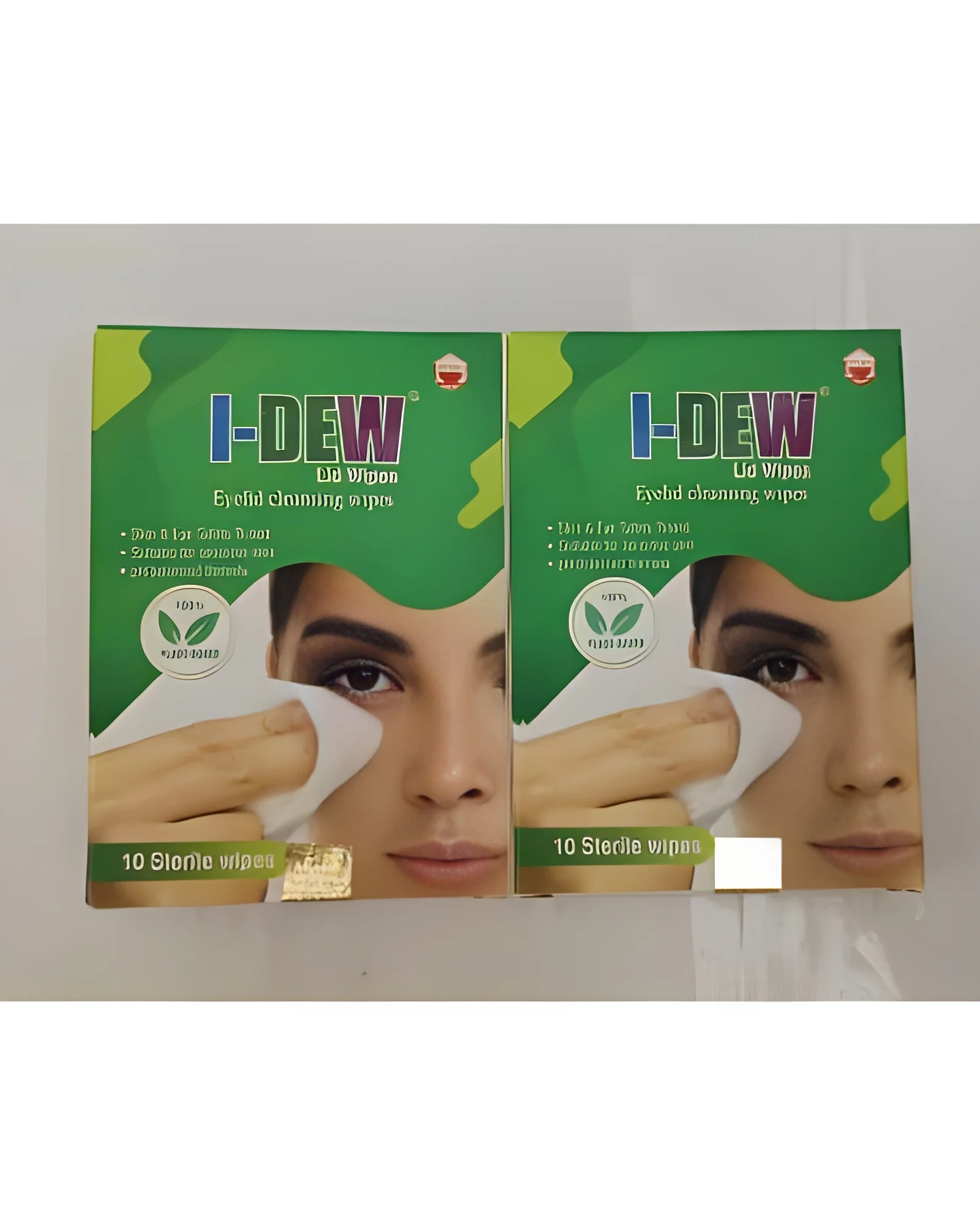
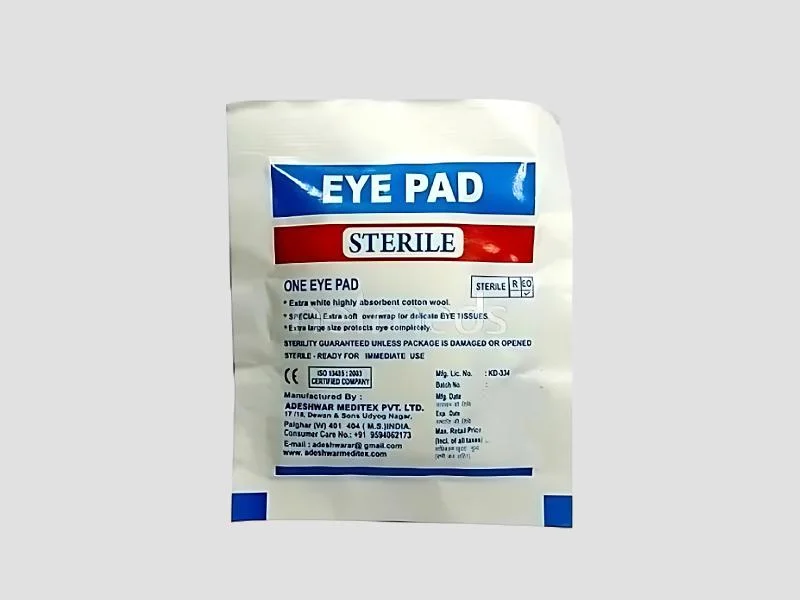
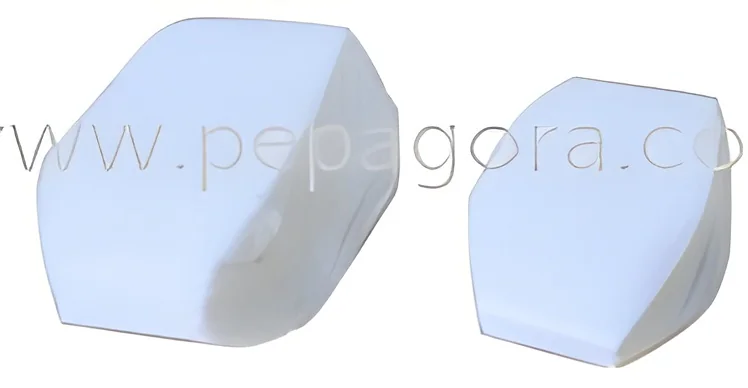
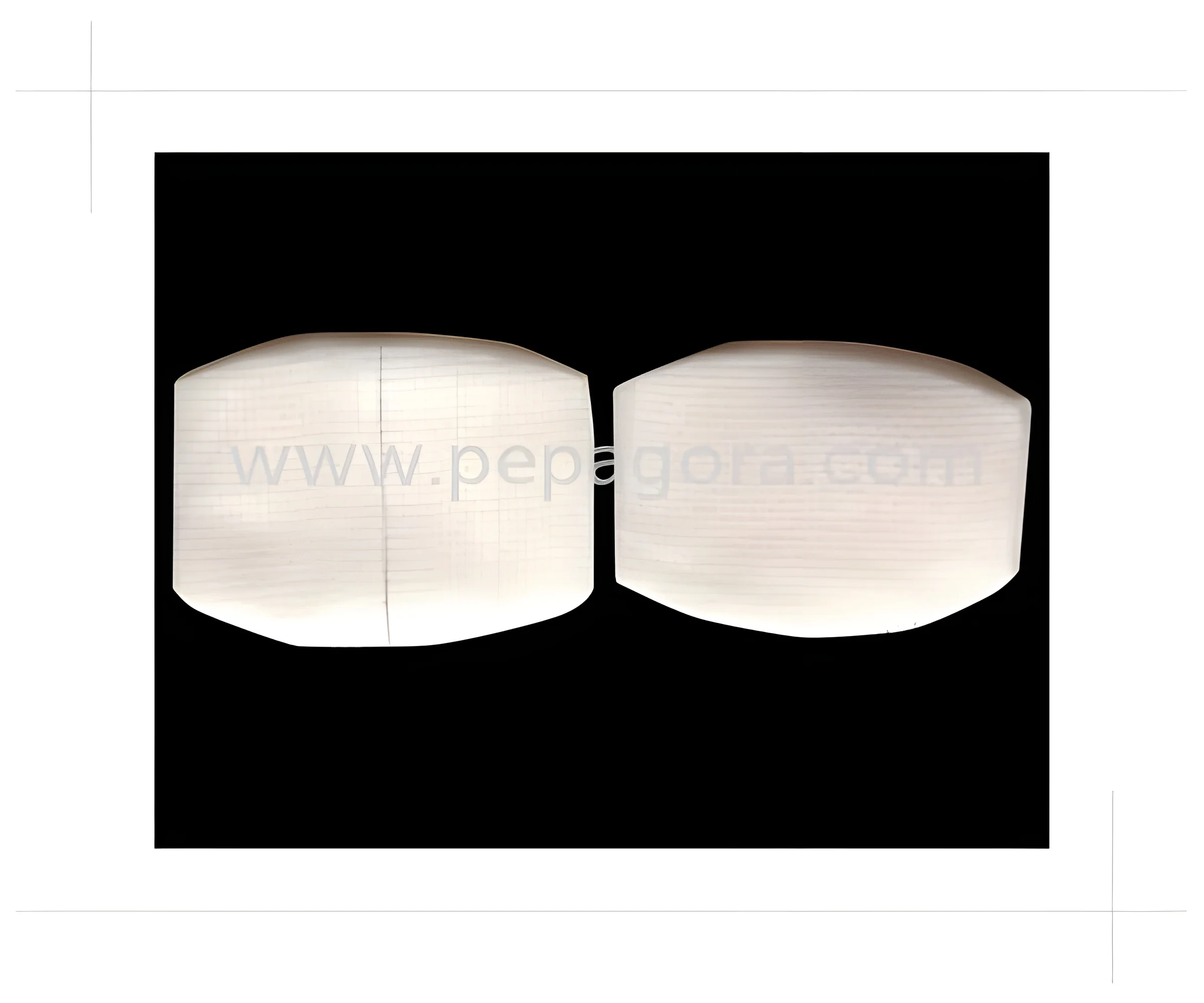
Eye pads and eye dressings are specialized medical products designed to protect, support, and heal the eye area. These products come in various forms, including sterile pads, adhesive dressings, and therapeutic eye masks. They are typically made from soft, absorbent materials that ensure comfort while providing effective protection against external irritants, infections, or injuries.
The primary uses of eye pads and dressings include post-surgical recovery, treatment of eye injuries, and managing conditions such as dry eyes or allergies. These products are essential in clinical settings, such as hospitals and eye care clinics, where they help facilitate healing and reduce discomfort for patients. In addition, they are increasingly utilized in at-home care, allowing individuals to manage minor eye-related issues.
The relevance of eye pads and dressings in the medical industry is significant, with a growing demand driven by an increasing awareness of eye health. The market for these products is expanding, reflecting a trend towards preventive care and the management of chronic conditions. As a result, businesses that supply eye pads and dressings are well-positioned to capitalize on this demand.
Key Features and Specifications
Eye pads and eye dressings are characterized by several key features that enhance their functionality and usability. Understanding these specifications is crucial for selecting the appropriate product for specific applications.
Key specifications include:
1. Material Composition
- Soft, hypoallergenic materials for comfort
- High absorbency to manage discharge
2. Sterility
- Sterile packaging to ensure safe use in medical environments
- Compliance with healthcare regulations
3. Adhesive Properties
- Strong adhesion to keep the dressing in place
- Skin-friendly adhesive to minimize irritation
4. Size Options
- Various sizes to accommodate different eye areas and patient needs
- Custom sizes available for specific applications
5. Breathability
- Materials that allow airflow to promote healing
- Moisture-wicking properties to keep the area dry
6. Shelf Life
- Extended shelf life for storage and inventory management
- Clear labeling for expiration dates
7. Color Coding
- Different colors for easy identification of product types
- Visual indicators for application or usage instructions
These features collectively enhance the effectiveness and safety of eye pads and dressings, making them essential for various medical applications.
Common Applications and Use Cases
Eye pads and dressings find usage across multiple industries, each benefiting from their unique properties.
1. Healthcare: Used extensively in hospitals and clinics for post-operative care and managing eye injuries.
2. Ophthalmology: Vital in eye examinations and treatments, providing support during surgeries and recovery.
3. Aesthetics: Employed in beauty treatments, particularly for reducing puffiness and dark circles around the eyes.
4. Sports Medicine: Utilized to protect the eyes from injuries during contact sports and activities.
5. Home Care: Increasingly used by individuals for self-treatment of minor eye issues, promoting convenience and accessibility.
6. Emergency Services: Essential in first aid kits for immediate eye injury management in various scenarios.
7. Veterinary Care: Applied in animal healthcare settings to treat eye conditions in pets and other animals.
Product Variants and Subcategories
Eye pads and dressings come in various forms to meet diverse needs in the market. The diversity of these products allows for targeted applications in different settings.
Sterile Eye Pads
These pads are designed for single-use applications, ensuring maximum sterility. They are ideal for post-operative care and are often used in clinical environments.
Moisture-Enhancing Eye Dressings
These dressings provide hydration to the eye area, making them suitable for conditions such as dry eyes or irritation. They are often utilized in both clinical settings and for at-home care.
Adhesive Eye Dressings
These dressings feature strong adhesive properties, allowing them to stay securely in place during use. They are commonly used for treating injuries and providing support post-surgery.
Benefits and Advantages
Choosing the right eye pads and dressings brings several advantages to both healthcare providers and patients.
Key benefits include:
1. Enhanced Healing: Eye pads and dressings promote faster recovery by providing a safe and clean environment for healing.
2. Comfort and Convenience: Soft materials ensure patient comfort, while easy application simplifies usage for caregivers and patients alike.
3. Infection Control: Sterile options help reduce the risk of infections, particularly important in post-operative settings.
4. Versatility: Suitable for a wide range of applications across various industries, increasing their utility.
5. Cost-Effectiveness: Available in bulk, eye pads and dressings can be sourced at competitive prices, making them economical for healthcare facilities.
6. User-Friendly: Designed for easy application and removal, these products minimize discomfort and stress for patients.
Buying Guide for B2B Buyers
When sourcing eye pads and eye dressings, B2B buyers should consider several critical factors to ensure they select the right products.
1. Quality Assessment: Evaluate the materials and manufacturing processes to ensure they meet industry standards. Look for certifications that indicate compliance with healthcare regulations.
2. Supplier Verification: Conduct due diligence on suppliers to confirm their reliability and track record in providing quality medical products. Check reviews and industry reputation.
3. Pricing and MOQ: Consider the pricing structure and minimum order quantities that align with your purchasing needs. Negotiate terms that ensure cost-effectiveness without compromising quality.
4. Delivery and Lead Times: Understand the logistics involved, including shipping times and delivery reliability. Ensure the supplier can meet your timelines.
5. Compliance Requirements: Familiarize yourself with local regulatory requirements for medical products to ensure compliance and avoid potential legal issues.
Compliance and Certifications
Eye pads and eye dressings must adhere to various compliance and certification standards to ensure safety and efficacy. Key relevant quality standards include ISO 9001, which outlines requirements for a quality management system, and HACCP, focusing on food safety management, though its principles can be applied in healthcare settings.
Industry certifications such as CE designation indicate compliance with European health, safety, and environmental protection standards. This certification assures buyers of the product's quality and safety.
Safety and testing requirements play a crucial role in the production of eye pads and dressings. These products must undergo rigorous testing to ensure they are free from harmful substances and are safe for use.
Regional compliance considerations also come into play, as different countries have varying regulations governing medical products. It is essential for suppliers to navigate these requirements effectively to ensure their products can be marketed in specific regions.
Why Source Eye Pads & Eye Dressings from Pepagora?
Pepagora stands out as a trusted platform for sourcing eye pads and eye dressings, offering several key advantages for B2B buyers.
Verified Supplier Network: Pepagora provides access to a network of verified suppliers, ensuring that buyers can find high-quality products from reputable manufacturers. This verification process enhances trust and reliability in sourcing.
Streamlined RFQ Process: The platform features a user-friendly request for quotation (RFQ) system that simplifies the procurement process. Buyers can easily submit their requirements and receive competitive quotes from multiple suppliers.
Trade Assurance and Support: Pepagora offers trade assurance features that protect buyers throughout the transaction process. This includes support in resolving any disputes, ensuring a seamless purchasing experience.
Regional Coverage: With a strong presence in markets such as India, the GCC, and Southeast Asia, Pepagora facilitates connections between buyers and suppliers across diverse regions. This geographic reach helps businesses tap into new markets and access a wider range of products.


 India


 India
Frequently Asked Questions
What are Eye Pads & Eye Dressings?
Eye Pads & Eye Dressings are medical supplies designed to protect the eyes and assist in the healing of injuries or surgery. They are typically made from soft, absorbent materials that provide comfort and support while preventing further irritation.
What are the different types of Eye Pads & Eye Dressings?
There are several types of Eye Pads & Eye Dressings, including gauze pads, hydrogel pads, and adhesive eye dressings. Each type is designed for specific applications, such as post-operative care, eye injuries, or for the treatment of conditions like conjunctivitis.
How do I choose the right Eye Pads & Eye Dressings?
When selecting Eye Pads & Eye Dressings, consider the specific needs of the patient, the type of eye injury or condition, and the recommended materials. Consulting with a healthcare professional can also help in making an informed choice based on the severity and type of treatment required.
What are the standard specifications for Eye Pads & Eye Dressings?
Standard specifications for Eye Pads & Eye Dressings include size, absorbency, adhesive strength (if applicable), and sterility. It is crucial that these products meet medical standards to ensure safety and effectiveness during use.
What is the price range for Eye Pads & Eye Dressings?
The price range for Eye Pads & Eye Dressings can vary widely based on the type, brand, and quantity purchased. Generally, prices can start from a few rupees for basic gauze pads to higher costs for specialized hydrogel or adhesive dressings.
What quality standards apply to Eye Pads & Eye Dressings?
Eye Pads & Eye Dressings must adhere to quality standards set by regulatory bodies such as the Bureau of Indian Standards (BIS) and the Food and Drug Administration (FDA) in India. These standards ensure that products are safe, effective, and suitable for medical use.
Where can I find Eye Pads & Eye Dressings suppliers in India?
You can find Eye Pads & Eye Dressings suppliers in India through B2B marketplaces like Pepagora.com, medical supply distributors, and manufacturers. It is advisable to verify the credentials and quality certifications of suppliers before making a purchase.
Can Eye Pads & Eye Dressings be customized?
Yes, many manufacturers offer customization options for Eye Pads & Eye Dressings, including size, shape, and packaging. Customized solutions can better meet the specific needs of healthcare providers and patients.
What is the typical minimum order quantity for Eye Pads & Eye Dressings?
The minimum order quantity (MOQ) for Eye Pads & Eye Dressings can vary by supplier, but it typically ranges from 100 to 1000 units. It is advisable to check with individual suppliers for their specific MOQ requirements.
What is the typical lead time for Eye Pads & Eye Dressings?
The typical lead time for Eye Pads & Eye Dressings can vary based on the supplier and the order quantity, but it generally ranges from 1 to 4 weeks. Factors such as customization and shipping distance can also impact delivery times.
Why Businesses Trust Pepagora
Thousands of companies trust Pepagora to source smarter and sell faster
Expand Your Sales Globally

Source Smarter,Grow Faster
