
 IN
Elliptical Cross Trainers
2 products available
What are Elliptical Cross Trainers?
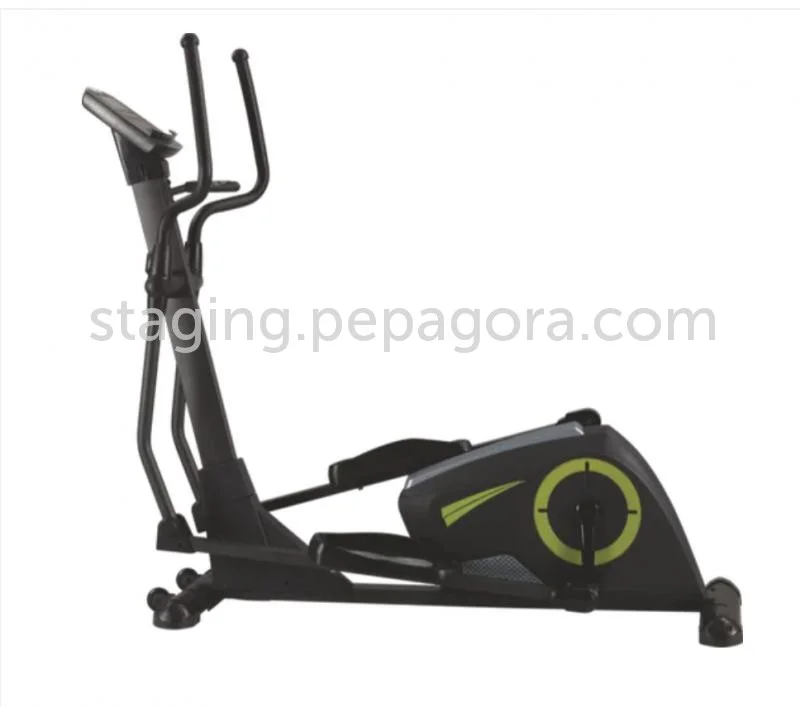
Elliptical cross trainers are versatile fitness machines designed to facilitate low-impact cardiovascular workouts. They combine the motions of walking, running, and stair climbing, providing a full-body workout without the stress on joints that often accompanies high-impact exercises. The design features two parallel pedals that move in an elliptical motion, allowing users to push and pull while maintaining a stable posture.
These machines are increasingly popular in commercial gyms, rehabilitation centers, and corporate wellness programs. They are ideal for individuals looking to enhance their fitness levels, lose weight, or improve cardiovascular health. Businesses can benefit from incorporating elliptical cross trainers into their offerings, as they cater to a wide range of users, from beginners to advanced fitness enthusiasts. The growing emphasis on health and wellness in the workplace further solidifies the relevance of these machines in today's market.
Key Features and Specifications
Elliptical cross trainers are equipped with various features that enhance user experience and workout effectiveness. Understanding these specifications is crucial for businesses looking to invest in quality machines.
Key specifications include:
1. Resistance Levels
- Varying resistance settings allow users to adjust the intensity of their workouts.
- Common ranges are from 1 to 20 resistance levels.
2. Adjustable Incline
- Some models offer adjustable incline settings for varied workout challenges.
- Typical incline ranges are from 0% to 20%.
3. Console Features
- Displays provide feedback on time, distance, speed, calories burned, and heart rate.
- Some consoles include built-in workout programs and Bluetooth connectivity.
4. Weight Capacity
- Machines are designed to accommodate different user weights.
- Standard weight capacities typically range from 250 to 400 pounds.
5. Foot Pedal Design
- Ergonomically designed pedals ensure comfort during workouts.
- Anti-slip surfaces enhance safety for users.
6. Dimensions
- Overall machine dimensions impact space requirements for placement.
- Common dimensions are approximately 60 inches long by 24 inches wide.
7. Power Source
- Most models operate on electrical power or have self-generating capabilities.
- Battery-operated options are also available.
8. Warranty and Support
- Warranty coverage can vary, typically ranging from one to five years.
- Support services for maintenance and repairs are critical for long-term use.
In summary, understanding the features and specifications of elliptical cross trainers is essential for making informed purchasing decisions. This knowledge helps businesses select machines that will meet their users' needs and enhance their fitness offerings.
Common Applications and Use Cases
Elliptical cross trainers find applications across a variety of industries.
1. Fitness Centers: These machines are staples in gyms and fitness studios, providing members with a low-impact option for cardio workouts.
2. Rehabilitation Facilities: Physical therapy centers utilize elliptical trainers for patients recovering from injuries, as they help improve strength and mobility without straining joints.
3. Corporate Wellness Programs: Many companies incorporate elliptical cross trainers in their wellness initiatives to encourage employees to engage in regular physical activity.
4. Educational Institutions: Schools and universities often include these machines in their fitness programs to promote health and wellness among students.
5. Hotels and Resorts: Fitness amenities in hotels frequently feature elliptical trainers to enhance guest experience and cater to health-conscious travelers.
6. Home Use: With a growing trend towards at-home fitness, many individuals purchase elliptical trainers for personal use to maintain an active lifestyle.
7. Senior Living Communities: These machines are popular in senior facilities as they provide a safe way for older adults to stay active.
Product Variants and Subcategories
Elliptical cross trainers come in various models designed to meet different user needs and preferences.
Commercial Elliptical Cross Trainers
These machines are built to withstand heavy usage in gyms and fitness centers. They typically feature durable construction, advanced console technology, and multiple resistance levels to cater to diverse fitness levels.
Compact Elliptical Cross Trainers
Designed for home use, these models are smaller and more lightweight. They offer essential features for effective workouts without taking up excessive space, making them ideal for apartments or smaller fitness areas.
Recumbent Elliptical Cross Trainers
This variant features a seated design that allows users to engage in low-impact workouts while reducing stress on the back and joints. They are particularly suitable for users with mobility issues or those recovering from injury.
Hybrid Elliptical Cross Trainers
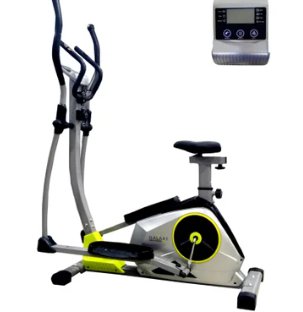
These machines combine the movements of an elliptical trainer and a stationary bike. They offer versatile workout options, catering to users looking for variety in their fitness routines.
Benefits and Advantages
Investing in elliptical cross trainers provides numerous benefits for users and businesses alike.
1. Low-Impact Workouts: Elliptical trainers reduce the risk of injury by minimizing stress on joints, making them suitable for individuals of all fitness levels.
2. Full-Body Engagement: These machines target multiple muscle groups, including arms, legs, and core, promoting a comprehensive workout experience.
3. Customizable Workouts: Users can adjust resistance and incline settings to tailor their workouts to their specific fitness goals.
4. Enhanced Cardiovascular Fitness: Regular use of elliptical trainers helps improve heart health and overall cardiovascular endurance.
5. Space Efficiency: Many elliptical models are designed to fit in compact spaces, making them ideal for personal or limited-use environments.
6. User-Friendly Interface: Most machines feature intuitive consoles that provide easy access to workout data and program settings.
In summary, elliptical cross trainers offer a multitude of advantages, making them a valuable addition to any fitness facility or wellness initiative.
Buying Guide for B2B Buyers
When looking to purchase elliptical cross trainers, businesses should consider several factors to ensure they make informed decisions.
1. Quality Assessment: Evaluate the materials and construction of the machines. Look for durable components that can withstand frequent use in commercial settings.
2. Supplier Verification: Conduct thorough research on potential suppliers. Check for reputation, customer reviews, and any industry certifications that indicate reliability.
3. Pricing and MOQ: Understand the pricing structure, including the minimum order quantities. Compare quotes from different suppliers to ensure competitive pricing.
4. Delivery and Lead Times: Discuss logistics and delivery schedules with suppliers. Ensure they can meet your timelines for installation and setup.
5. Compliance Requirements: Familiarize yourself with any regulatory standards that apply to elliptical cross trainers in your region. Ensure that the products meet these compliance requirements.
Compliance and Certifications
Elliptical cross trainers must adhere to various quality standards and certifications to ensure safety and performance.
Relevant quality standards, such as ISO 9001, focus on maintaining consistent quality in manufacturing processes. This certification ensures that products meet customer and regulatory requirements.
In addition, industry certifications like CE indicate that the equipment complies with European health, safety, and environmental protection standards. Such certifications are crucial for businesses importing or selling equipment in international markets.
Safety and testing requirements are also significant. Manufacturers should conduct testing to ensure products can handle expected loads and operate effectively. This includes evaluating electrical safety, mechanical stability, and performance under various conditions.
Regional compliance considerations may vary, so businesses should be aware of local regulations that apply to fitness equipment. Ensuring compliance with these standards protects both the supplier and the end-user.
Why Source Elliptical Cross Trainers from Pepagora?
Pepagora offers a reliable platform for sourcing elliptical cross trainers, providing several distinct advantages for B2B buyers.
Verified Supplier Network: Pepagora connects buyers with a network of verified suppliers. This ensures that businesses can find reputable manufacturers who meet quality and performance standards.
Streamlined RFQ Process: The request for quotation process on Pepagora is user-friendly, allowing buyers to obtain multiple quotes quickly. This efficiency helps businesses make informed purchasing decisions.
Trade Assurance and Support: Pepagora provides trade assurance to protect buyers' investments. This includes support for resolving disputes and ensuring that products meet agreed specifications.
Regional Coverage: With a broad geographic reach, Pepagora serves markets in India, the GCC, and Southeast Asia. This expansive network allows businesses to find suitable suppliers tailored to their regional needs.
In conclusion, sourcing elliptical cross trainers through Pepagora provides a comprehensive, secure, and efficient solution for businesses looking to enhance their fitness offerings.



Frequently Asked Questions
What are Elliptical Cross Trainers?
Elliptical cross trainers are stationary exercise machines designed to simulate walking, running, or stair climbing without causing excessive pressure to the joints. They feature pedals that move in an elliptical motion, allowing for a low-impact cardiovascular workout.
What are the different types of Elliptical Cross Trainers?
There are several types of elliptical cross trainers, including front-drive, rear-drive, and center-drive models. Each type varies in design and functionality, catering to different user preferences and space constraints.
How do I choose the right Elliptical Cross Trainers?
When selecting an elliptical cross trainer, consider factors such as the machine's size, resistance levels, and available features like heart rate monitors and programmable workouts. It's also important to evaluate the warranty and customer reviews to ensure quality and reliability.
What are the standard specifications for Elliptical Cross Trainers?
Standard specifications for elliptical cross trainers typically include weight capacity, stride length, resistance levels, and display features. Most machines also have adjustable settings for incline and user preferences to enhance workout efficiency.
What is the price range for Elliptical Cross Trainers?
The price range for elliptical cross trainers can vary widely, generally from around INR 15,000 to INR 1,00,000 or more. Factors influencing the price include the brand, features, and build quality of the machine.
What quality standards apply to Elliptical Cross Trainers?
Elliptical cross trainers are subject to various quality standards, including safety certifications and performance testing. Manufacturers often adhere to ISO standards to ensure durability, safety, and user satisfaction.
Where can I find Elliptical Cross Trainers suppliers in India?
You can find elliptical cross trainers suppliers in India through online B2B marketplaces, trade shows, and fitness equipment retailers. Websites like Pepagora.com provide a platform to connect with reliable manufacturers and suppliers.
Can Elliptical Cross Trainers be customized?
Yes, many manufacturers offer customization options for elliptical cross trainers, allowing buyers to specify features such as color, size, and additional functionalities. However, customization may affect the lead time and pricing.
What is the typical minimum order quantity for Elliptical Cross Trainers?
The typical minimum order quantity (MOQ) for elliptical cross trainers can vary by supplier but usually ranges from 5 to 10 units. It's advisable to check with individual suppliers for their specific MOQs.
What is the typical lead time for Elliptical Cross Trainers?
The typical lead time for elliptical cross trainers can vary based on the manufacturer and order size, generally ranging from 4 to 12 weeks. Factors such as customization and shipping logistics can also impact delivery time.
Why Businesses Trust Pepagora
Thousands of companies trust Pepagora to source smarter and sell faster
Expand Your Sales Globally

Source Smarter,Grow Faster
