
 IN
Elevator Motors & Gearboxes
151 products available
What are Elevator Motors & Gearboxes?
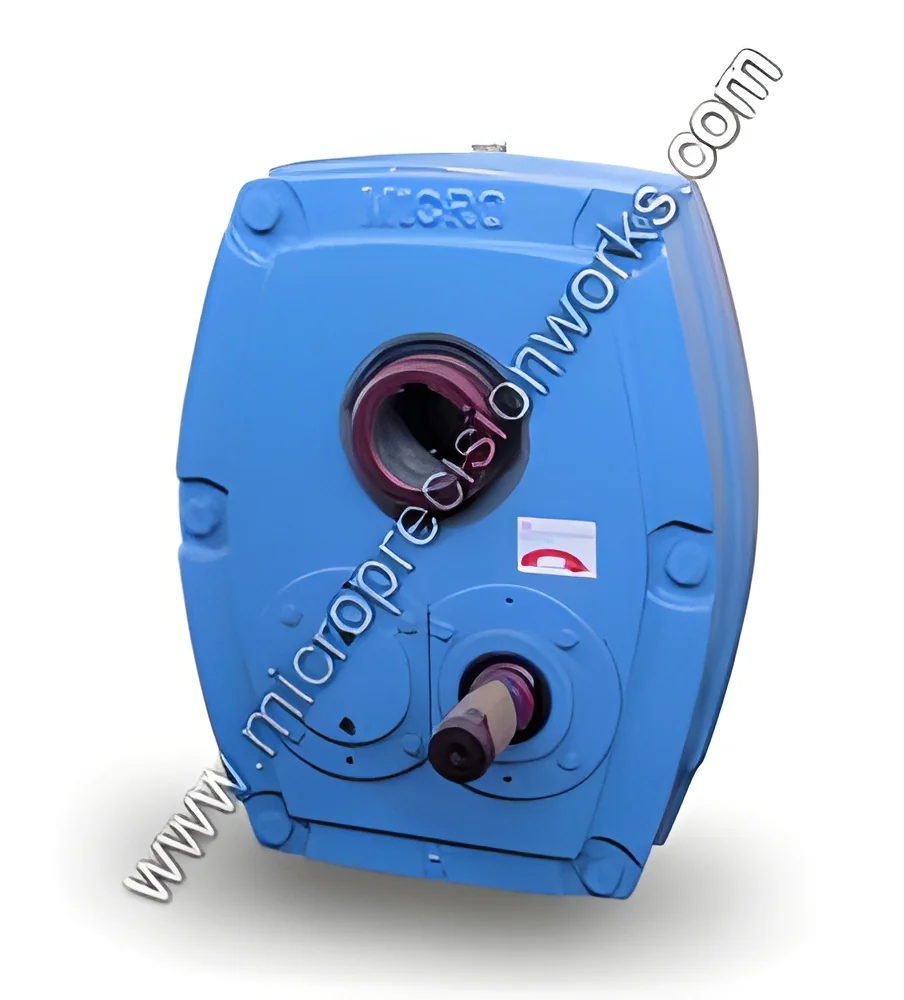
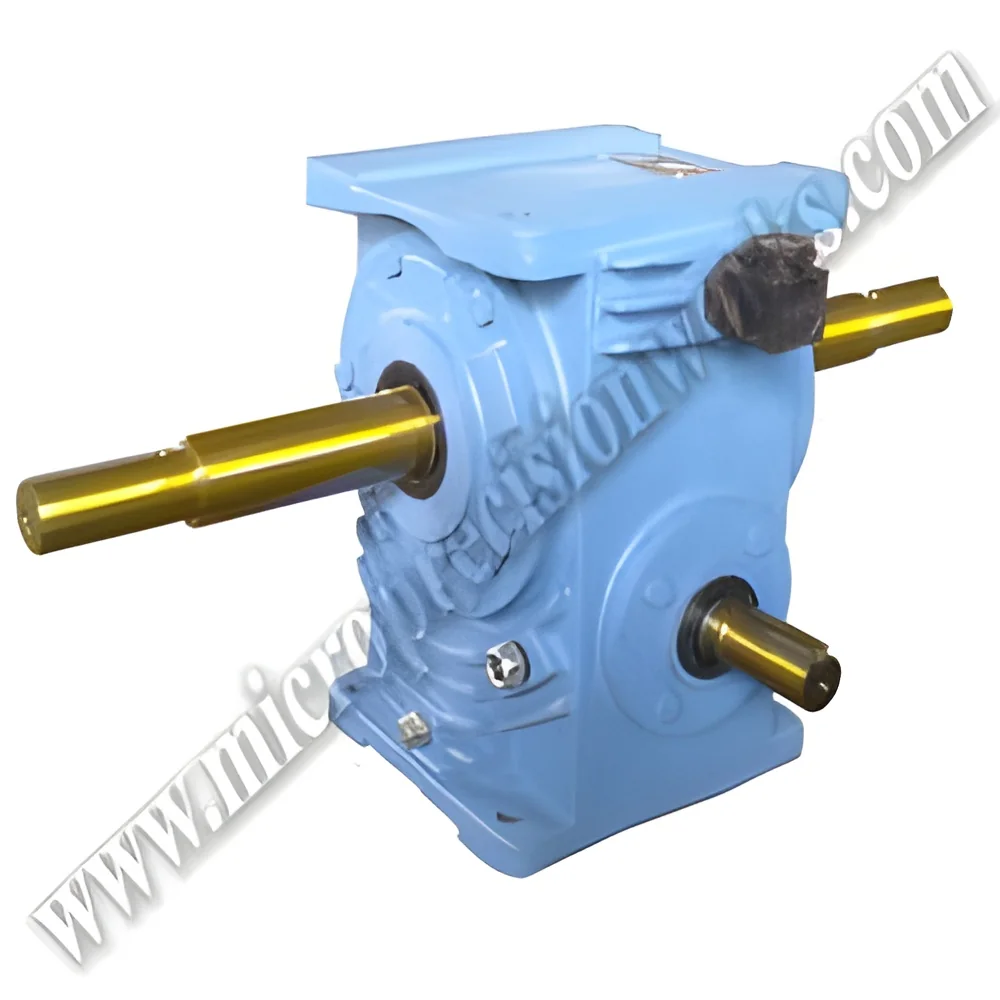
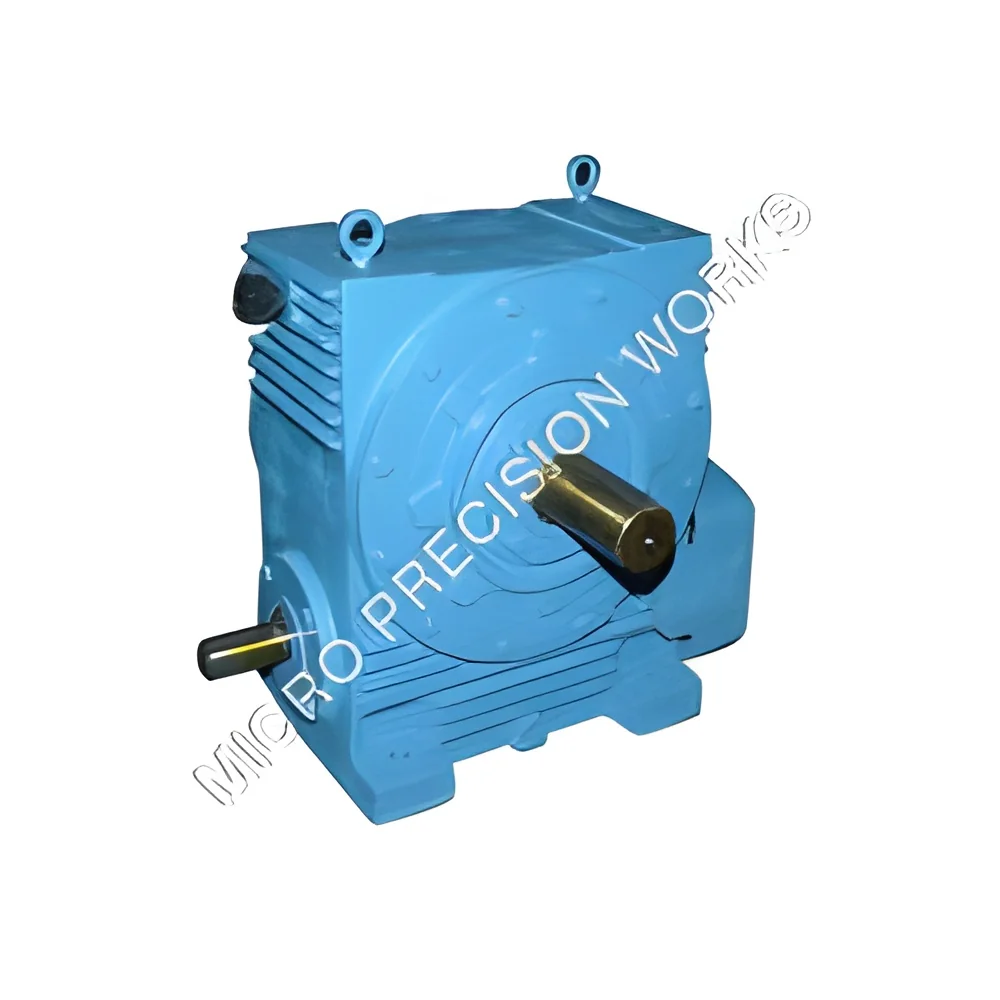
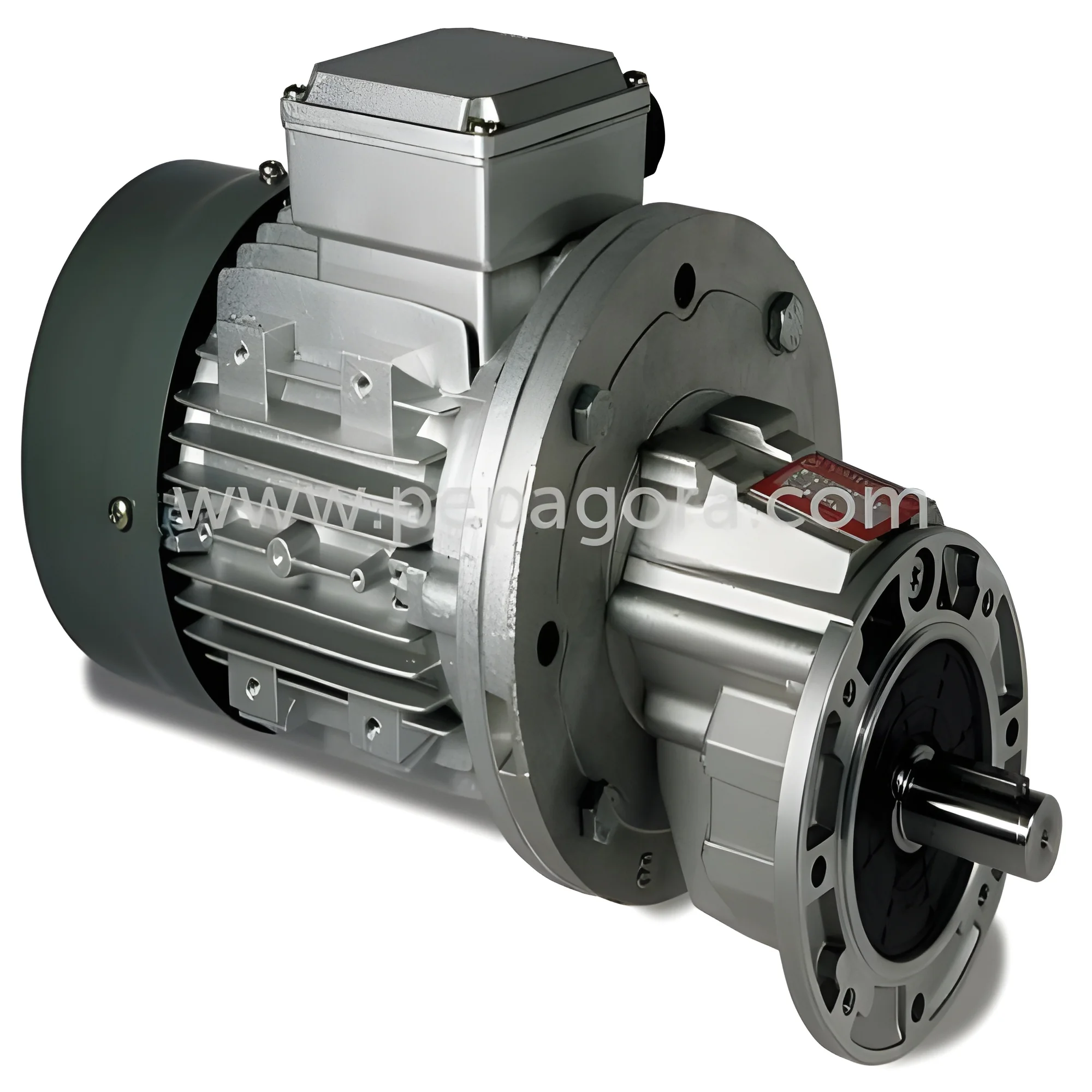
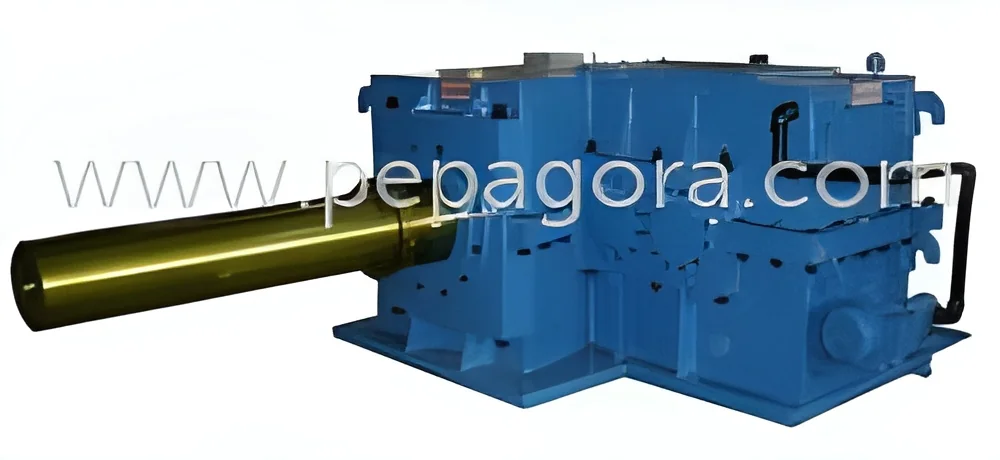
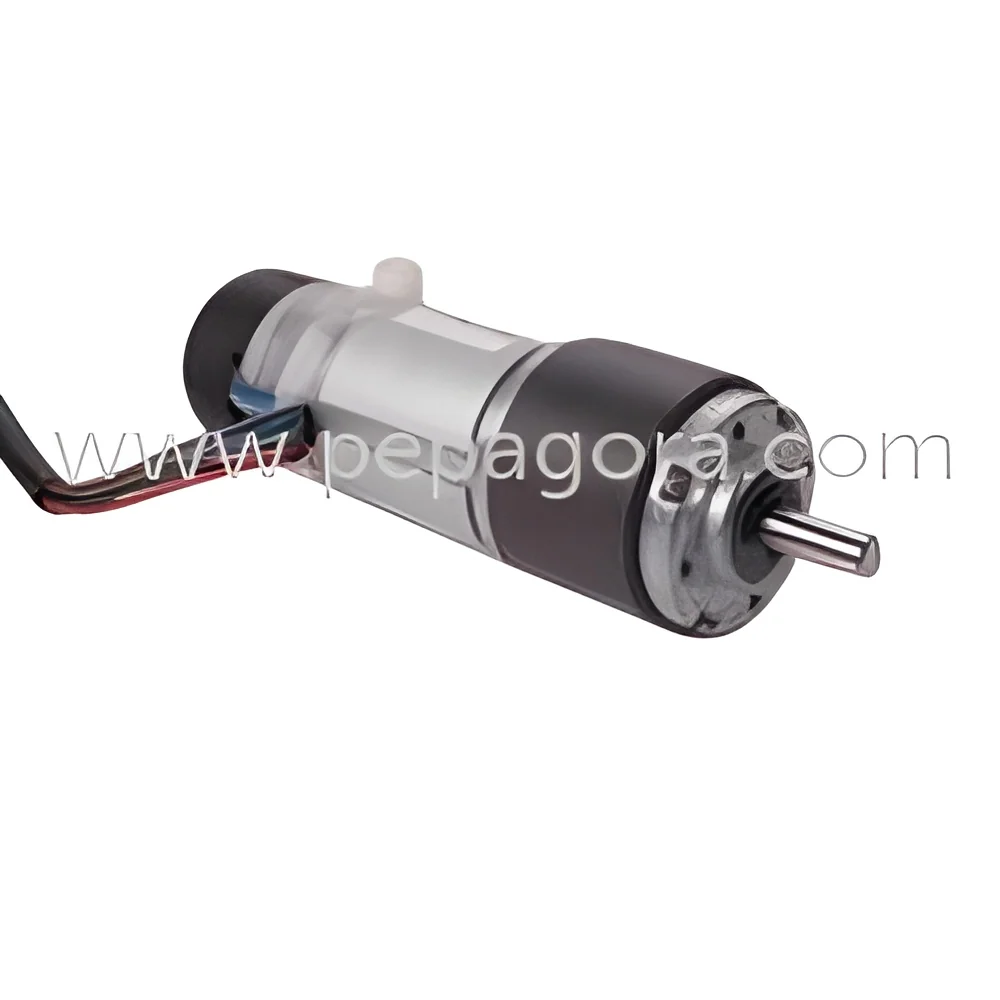
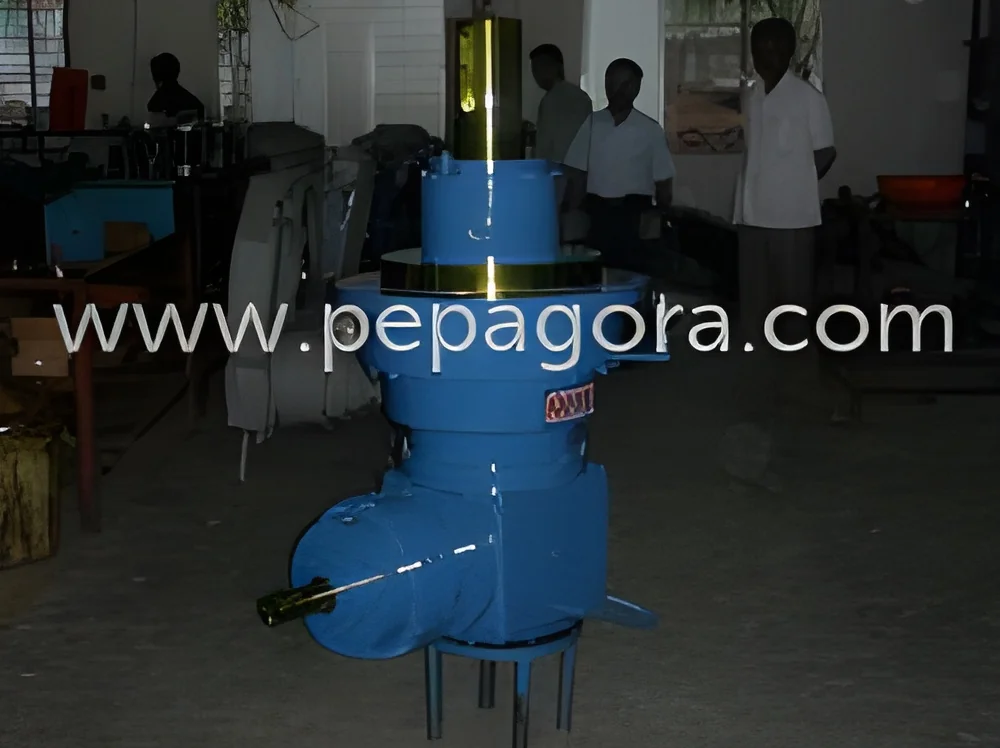
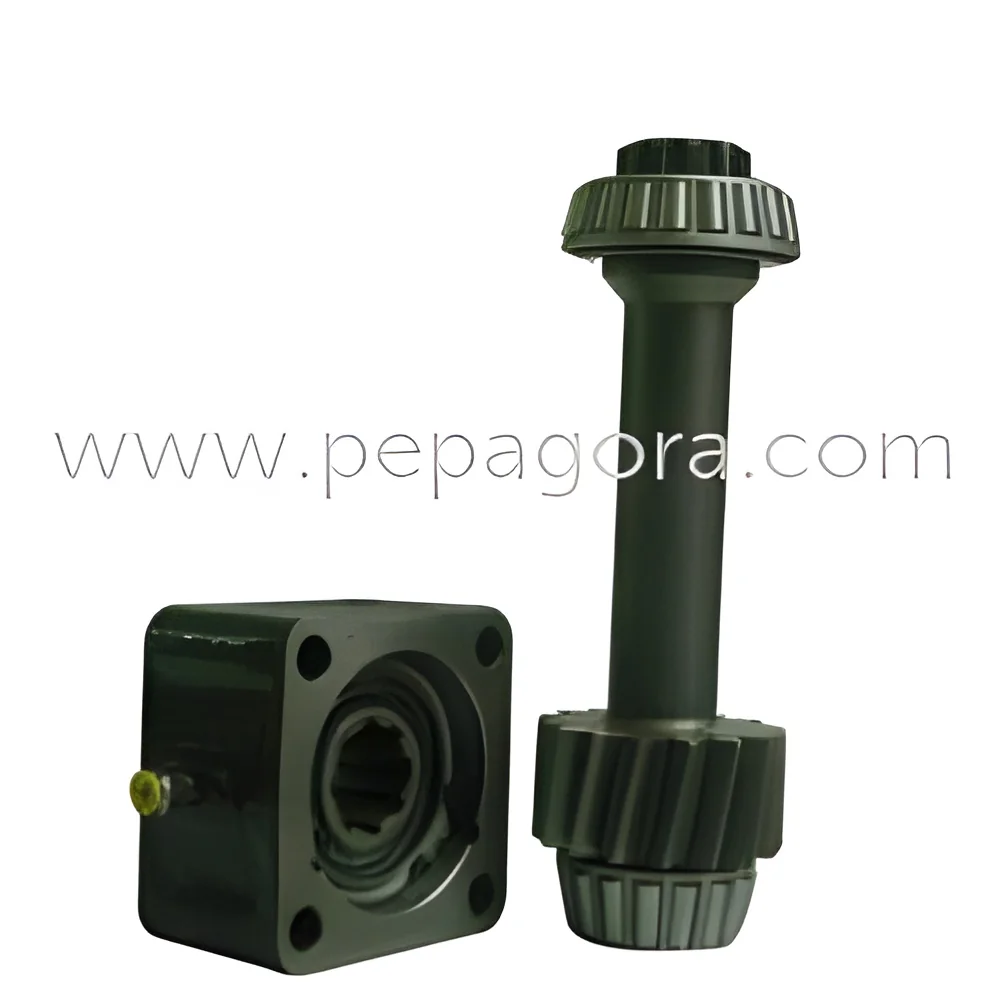
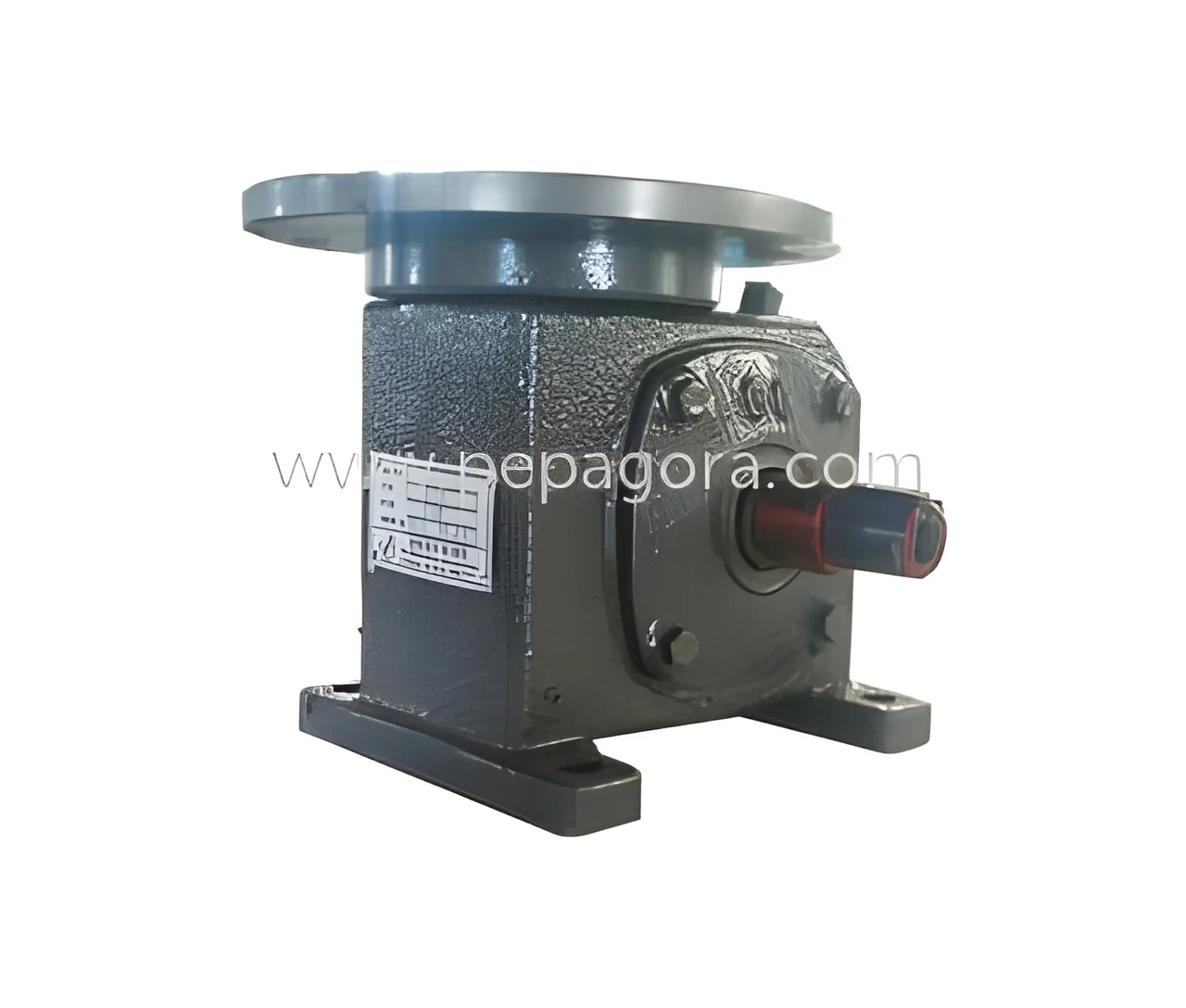
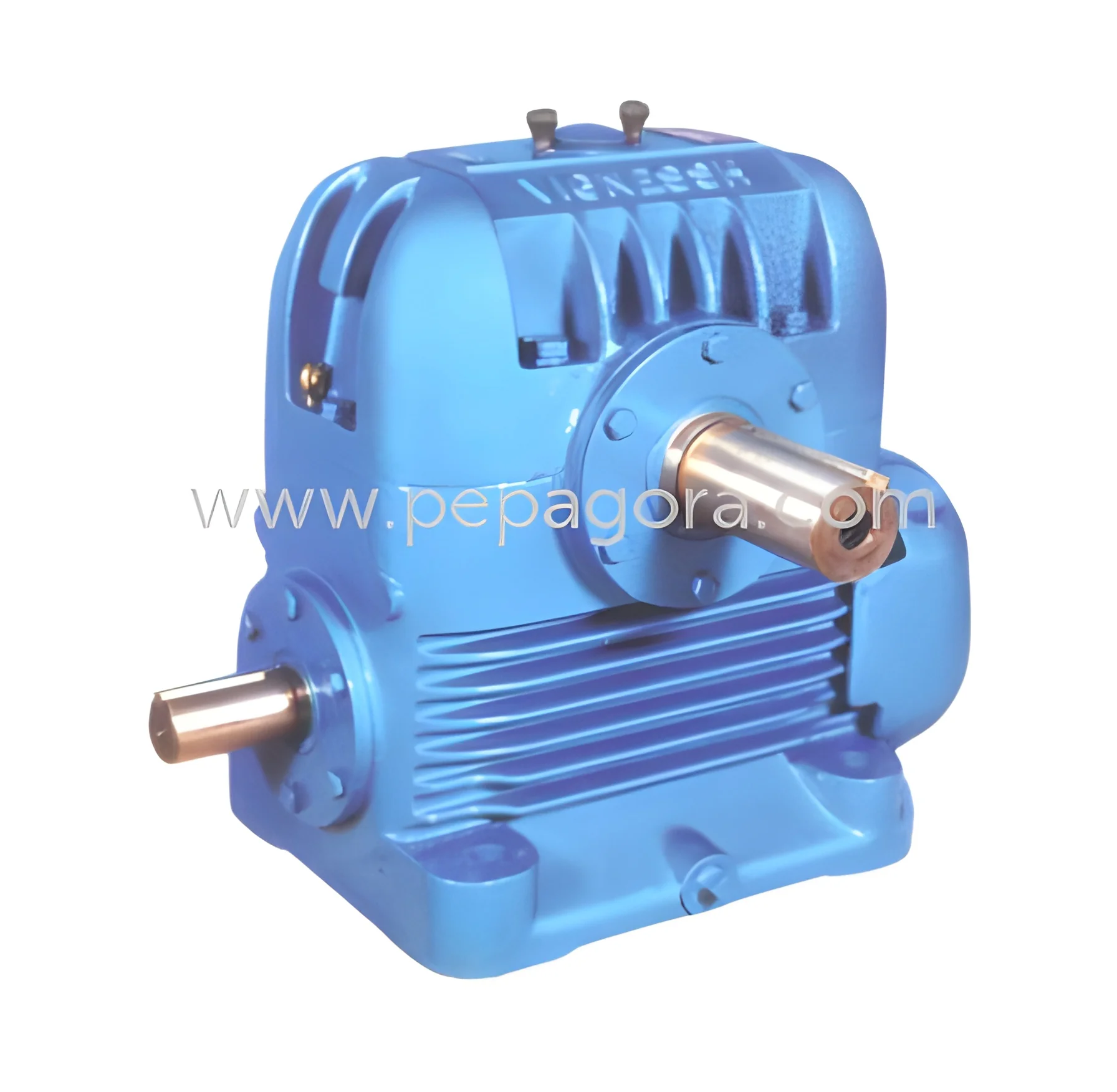
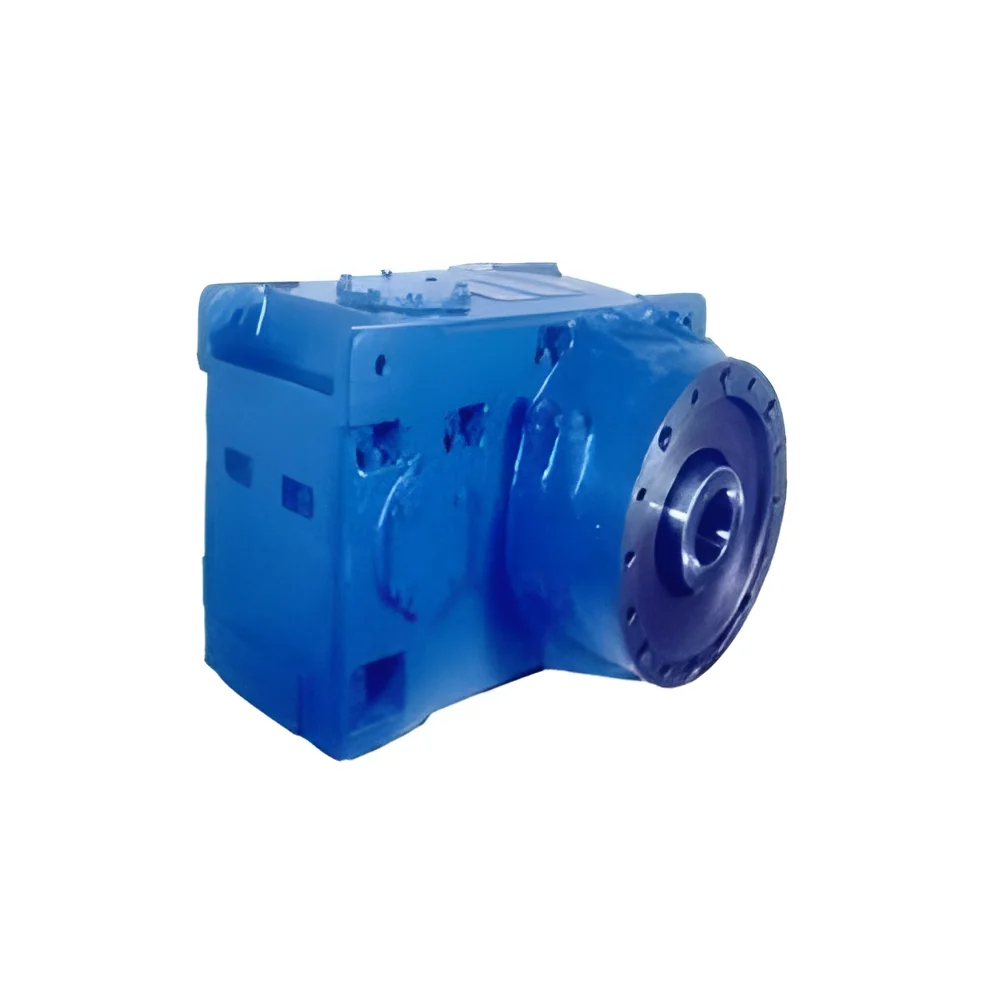
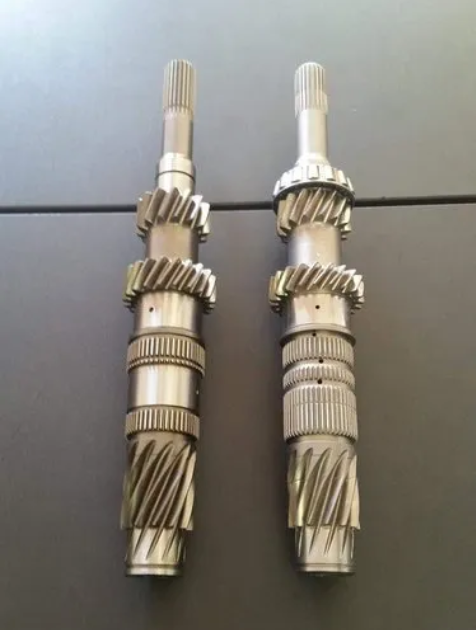
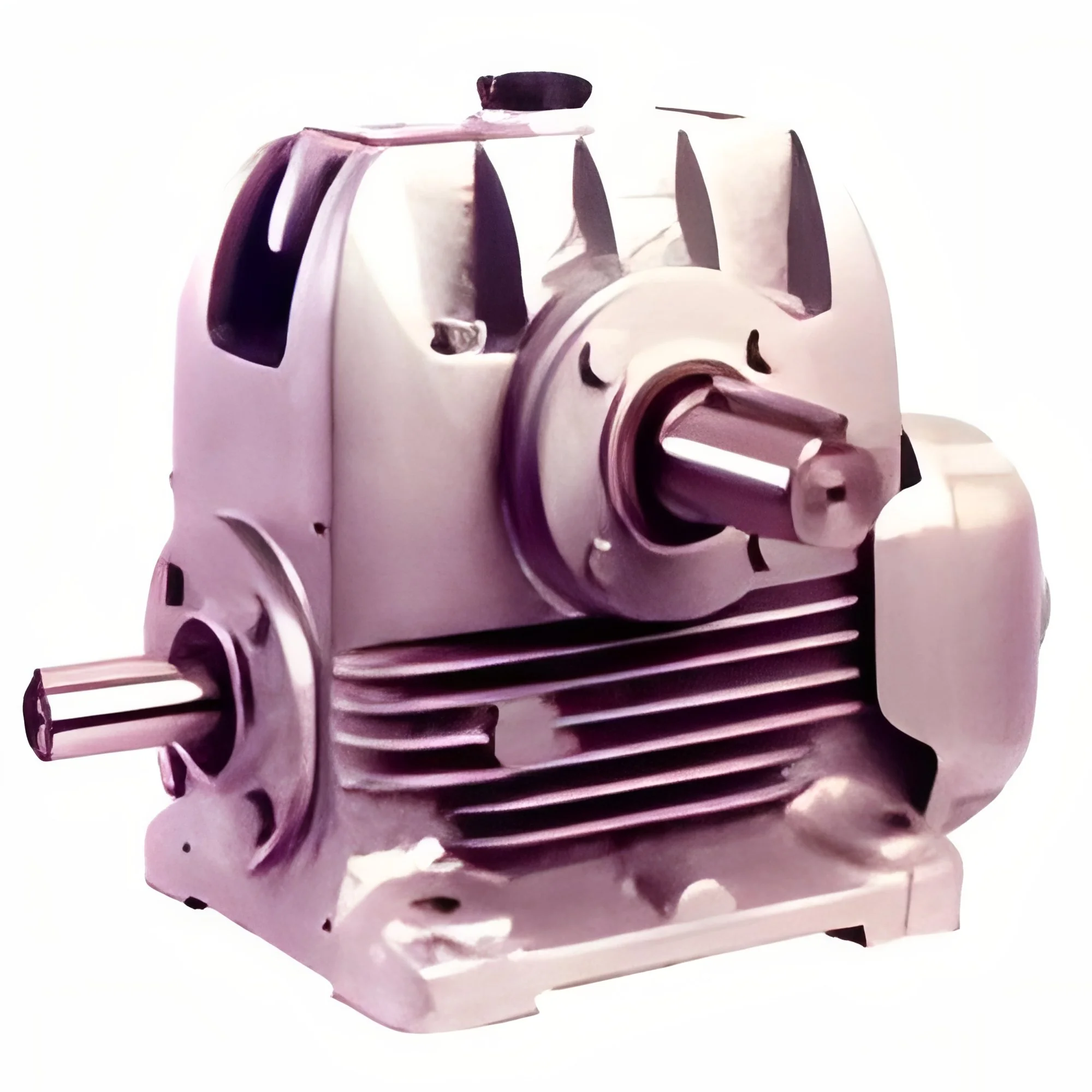
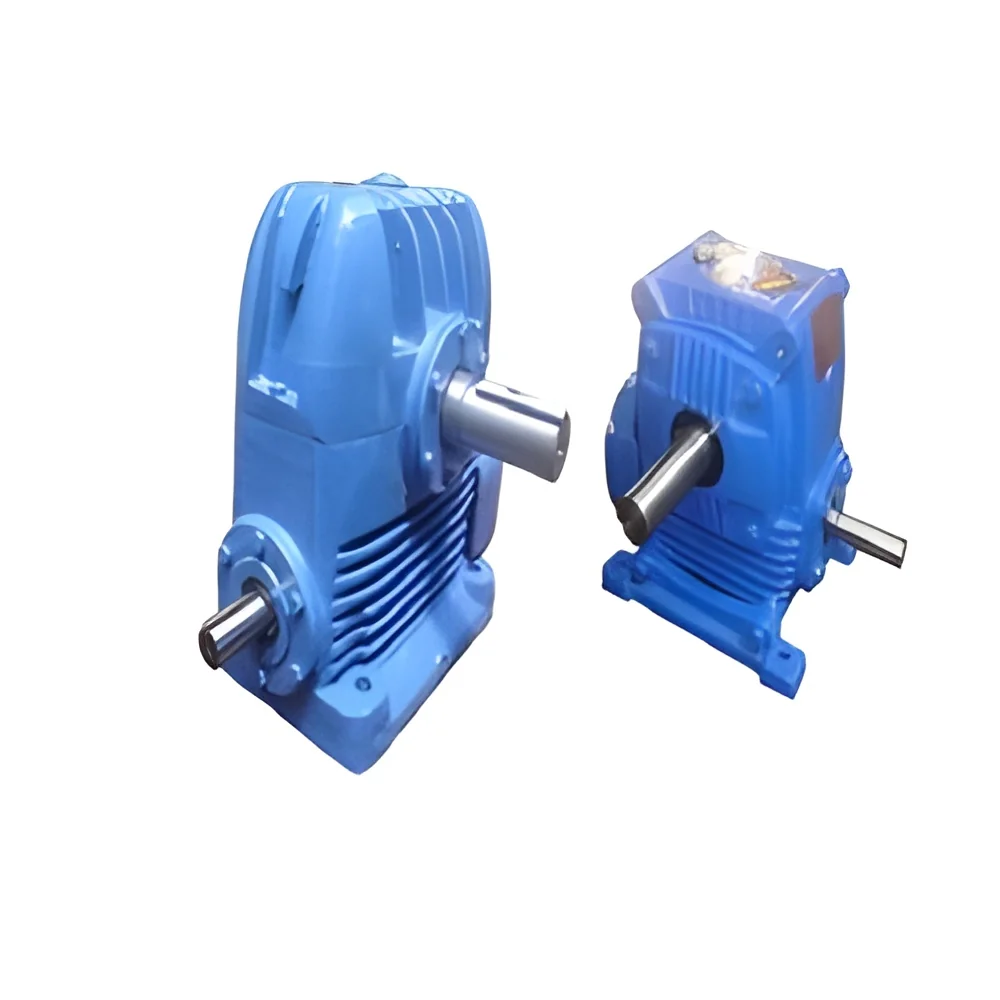
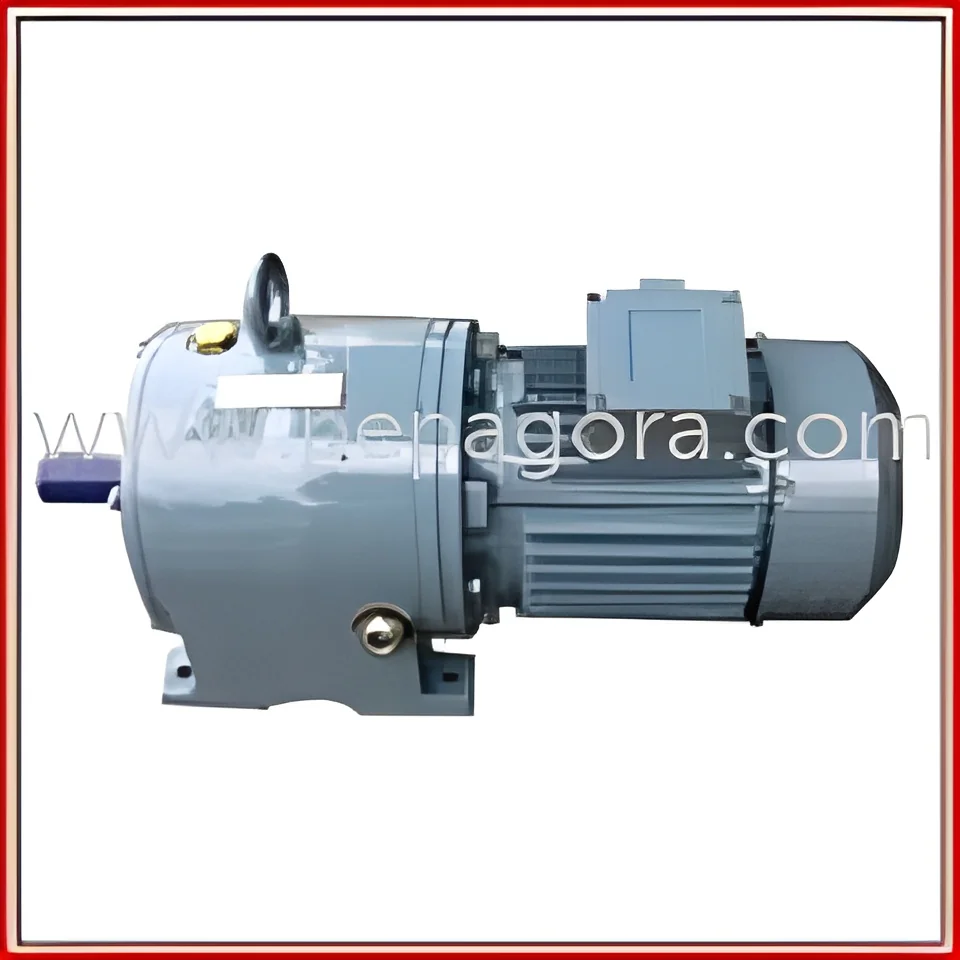
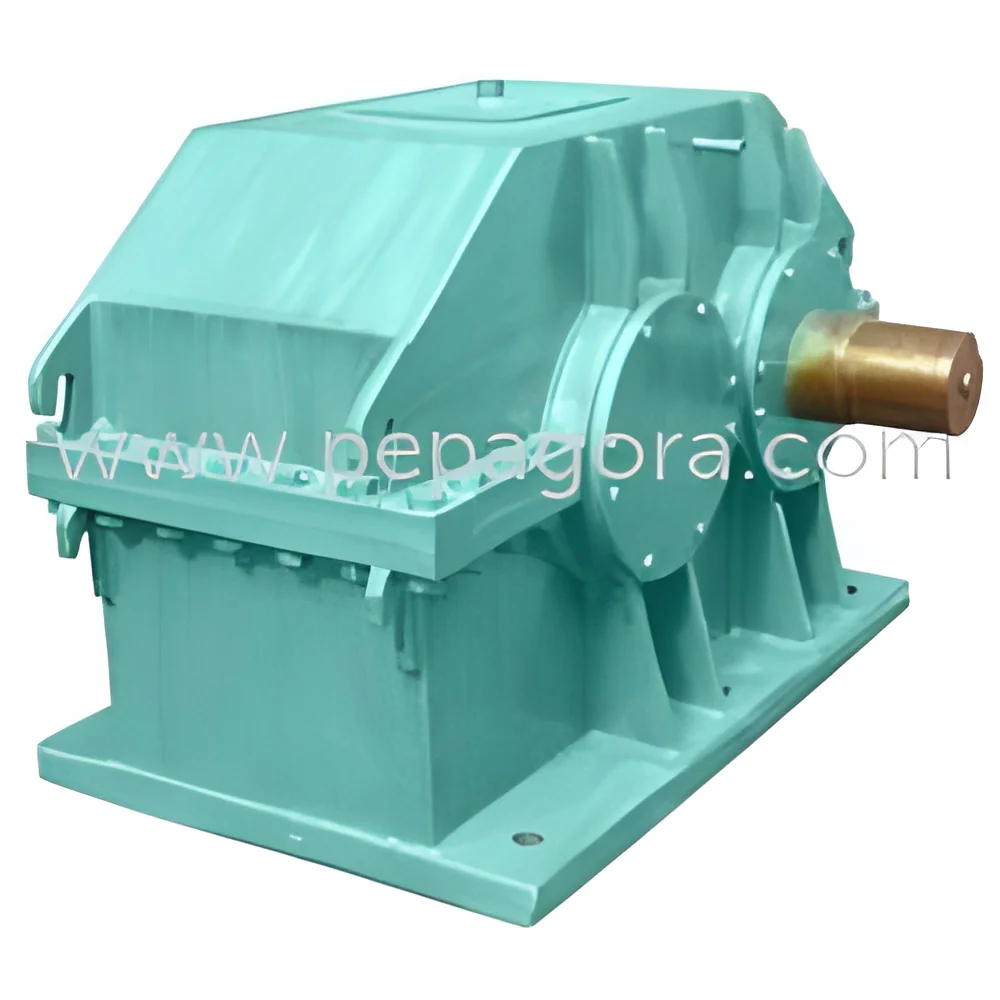
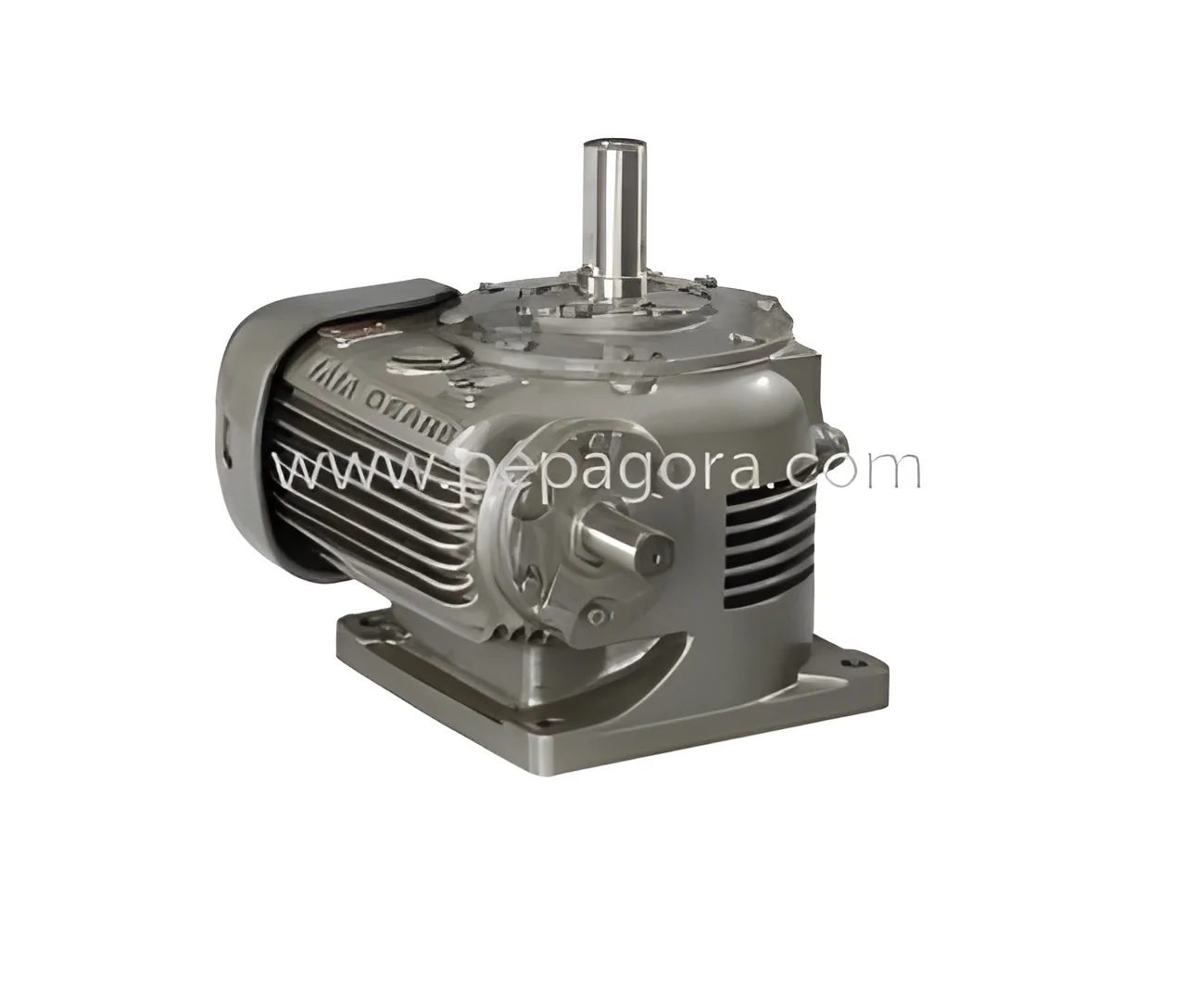
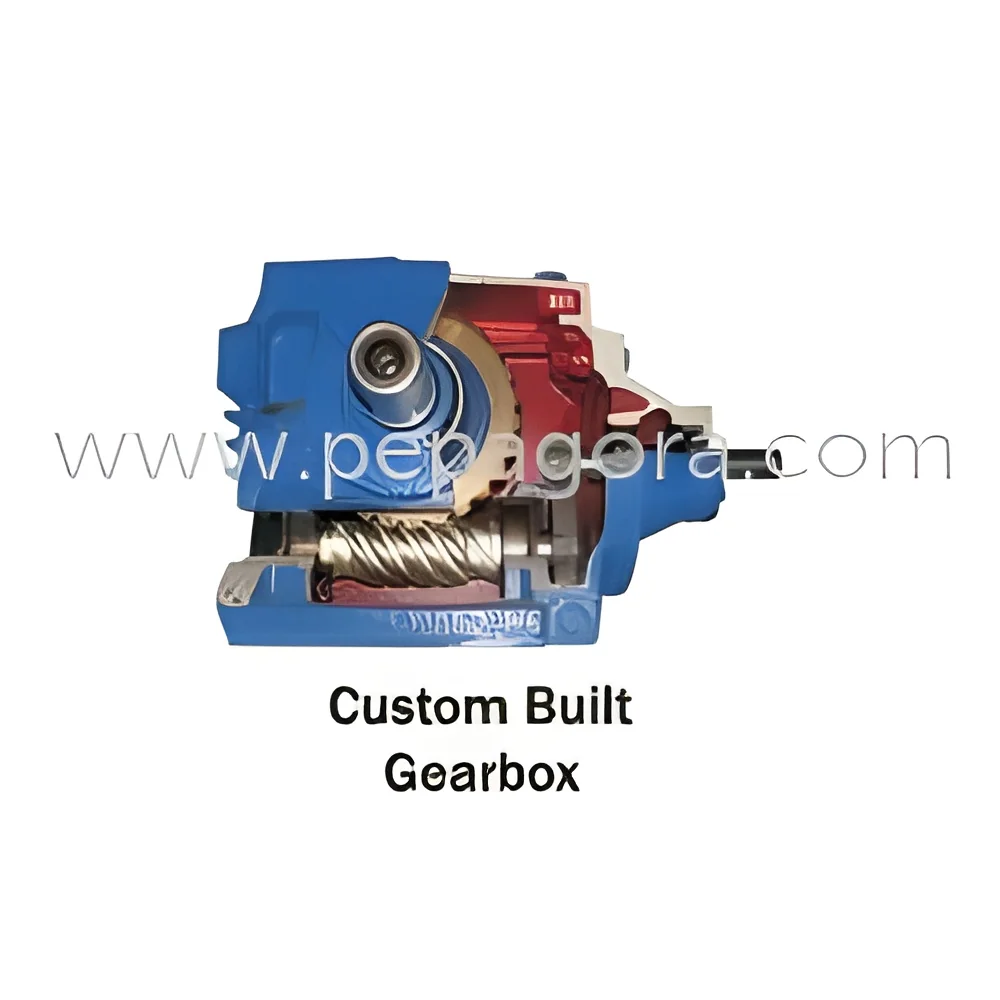
Elevator motors and gearboxes are essential components in the vertical transportation industry, specifically designed to power and control elevators. The motor provides the necessary mechanical energy to raise and lower the elevator cab, while the gearbox transmits this energy at the appropriate speed and torque levels. Together, these components ensure smooth and reliable operation, enabling elevators to transport passengers and cargo efficiently between floors.
These products are primarily used in commercial buildings, residential complexes, and industrial facilities where vertical transportation is crucial. Their applications range from passenger elevators in skyscrapers to freight elevators in warehouses. The increasing demand for high-rise buildings and advanced infrastructure continues to drive the market for elevator motors and gearboxes, highlighting their importance in modern construction projects.
In today's competitive market, manufacturers are focusing on innovation and efficiency to meet the evolving needs of the industry. With advancements in technology, elevator motors and gearboxes are becoming more energy-efficient and reliable, allowing businesses to reduce operational costs while ensuring safety and comfort for users.
Key Features and Specifications
Elevator motors and gearboxes come with various features and specifications that cater to different operational needs. Understanding these specifications is crucial for selecting the right product for your application.
Key specifications include:
1. Power Rating
- Indicates the motor's output power, typically measured in kilowatts (kW) or horsepower (HP).
- Common ranges vary based on elevator type and size.
2. Gear Ratio
- Defines the relationship between the motor's speed and the output speed of the gearbox.
- Affects the torque produced and the efficiency of the system.
3. Maximum Load Capacity
- Represents the maximum weight the elevator can safely transport.
- Usually specified in kilograms (kg) or pounds (lbs).
4. Operating Speed
- Refers to the speed at which the elevator travels, usually measured in meters per second (m/s).
- Varies based on design, with typical ranges from 1 m/s to 6 m/s.
5. Duty Cycle
- Indicates the frequency and duration of use.
- Helps determine the motor's lifespan and performance under load.
6. Noise Level
- Represents the operational sound produced by the motor and gearbox.
- Measured in decibels (dB), with quieter options preferred in residential and commercial settings.
7. Efficiency Class
- Categorizes the energy efficiency of the motor, often classified as IE2, IE3, or IE4.
- Higher efficiency ratings lead to reduced energy consumption.
8. Safety Features
- Includes built-in mechanisms such as overload protection and emergency stop functions.
- Essential for ensuring user safety and compliance with industry standards.
In summary, selecting elevator motors and gearboxes involves understanding their key features and specifications to match the requirements of specific applications.
Common Applications and Use Cases
Elevator motors and gearboxes are utilized across a wide range of industries, each with specific use cases that highlight their importance.
1. Commercial Buildings: Elevators in office complexes use efficient motors and gearboxes to facilitate the movement of employees and visitors effectively.
2. Residential Complexes: In apartment buildings, these components help transport residents, ensuring convenience and accessibility.
3. Industrial Facilities: Freight elevators rely on robust motors and gearboxes to move heavy loads, enhancing productivity in warehouses and factories.
4. Hospitals: Elevators in medical facilities require reliable systems to transport patients and equipment safely and quickly.
5. Hotels: Elevators in hospitality environments enhance guest experience by providing smooth and efficient service.
6. Shopping Malls: These systems are crucial for moving shoppers between different levels comfortably.
7. Airports: Elevators in transit terminals support the movement of passengers and luggage, contributing to operational efficiency.
Product Variants and Subcategories
The diversity of elevator motors and gearboxes allows for tailored solutions that meet various operational needs.
Direct Drive Motors: These motors eliminate the need for a gearbox by connecting directly to the elevator shaft. This design reduces maintenance and enhances energy efficiency.
Geared Motors: Commonly used for standard elevators, these motors utilize gearboxes to adjust speed and torque, making them suitable for various building heights and load capacities.
Machine Room-Less (MRL) Systems: These compact systems integrate motors and gearboxes within the elevator shaft, saving space and offering efficient vertical transportation solutions.
Benefits and Advantages
Utilizing high-quality elevator motors and gearboxes provides significant advantages for businesses.
1. Increased Efficiency: Advanced designs lead to improved energy efficiency, lowering operational costs for building owners.
2. Enhanced Reliability: Durable components ensure consistent performance, minimizing downtime and maintenance needs.
3. Improved Safety: Built-in safety features protect users, reducing the risk of accidents and liability for building operators.
4. Space Saving: Solutions like MRL systems optimize space, allowing for more flexible building designs.
5. Customization Options: Manufacturers often provide tailored solutions to meet specific requirements, enhancing operational effectiveness.
6. Compliance with Standards: Sourcing from reputable suppliers ensures adherence to industry regulations and quality standards.
Buying Guide for B2B Buyers
When sourcing elevator motors and gearboxes, several critical factors should be considered to ensure optimal selection and performance.
1. Quality Assessment: Evaluate products based on industry standards and certifications to ensure they meet safety and performance criteria.
2. Supplier Verification: Vet suppliers by reviewing their reputation, experience, and customer feedback to ensure reliability and quality.
3. Pricing and MOQ: Consider the total cost of ownership, including initial pricing and minimum order quantities (MOQs) that align with your project needs.
4. Delivery and Lead Times: Assess the supplier’s ability to meet delivery schedules, as timely access to components is crucial for project timelines.
5. Compliance Requirements: Ensure that the selected products comply with regional and international standards, such as CE certification, for safety and quality assurance.
Compliance and Certifications
Elevator motors and gearboxes must adhere to various compliance and certification standards to ensure safety and quality in operation. Key quality standards include ISO 9001, which ensures effective quality management systems in manufacturing processes.
The CE certification is essential for products marketed in Europe, indicating compliance with health, safety, and environmental protection standards. These certifications not only enhance product credibility but also ensure that manufacturers adhere to strict safety and performance guidelines.
Safety and testing requirements are critical in the elevator industry. Components must undergo rigorous testing to confirm their reliability under various operational conditions. Additionally, regional compliance considerations may vary, necessitating awareness of local regulations and standards that may impact product selection and usage.
Why Source Elevator Motors & Gearboxes from Pepagora?
Pepagora is a trusted platform for sourcing elevator motors and gearboxes, offering numerous advantages for B2B buyers.
Verified Supplier Network: Pepagora connects businesses with a network of verified suppliers, ensuring quality and reliability in every transaction. Suppliers undergo thorough vetting to guarantee that products meet industry standards.
Streamlined RFQ Process: The request for quotation (RFQ) process on Pepagora is designed to be efficient, allowing buyers to obtain multiple quotes quickly. This feature simplifies comparison and helps businesses make informed purchasing decisions.
Trade Assurance and Support: Buyers benefit from trade assurance, providing protection throughout the purchasing process. Pepagora offers robust support to address any concerns and facilitate smooth transactions.
Regional Coverage: With a strong presence in India, the GCC, and Southeast Asia, Pepagora effectively supports businesses across diverse markets, ensuring that buyers can access quality products tailored to their regional needs.

Frequently Asked Questions
What are Elevator Motors & Gearboxes?
Elevator motors and gearboxes are essential components used in the operation of elevators. The motor provides the necessary power to move the elevator car, while the gearbox helps in controlling the speed and torque, ensuring smooth and efficient operation.
What are the different types of Elevator Motors & Gearboxes?
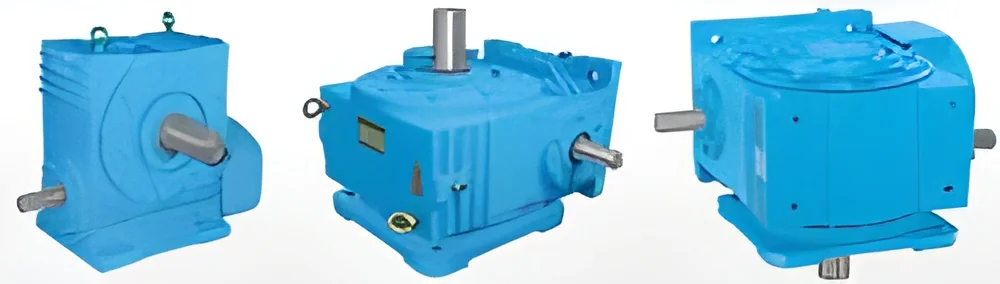
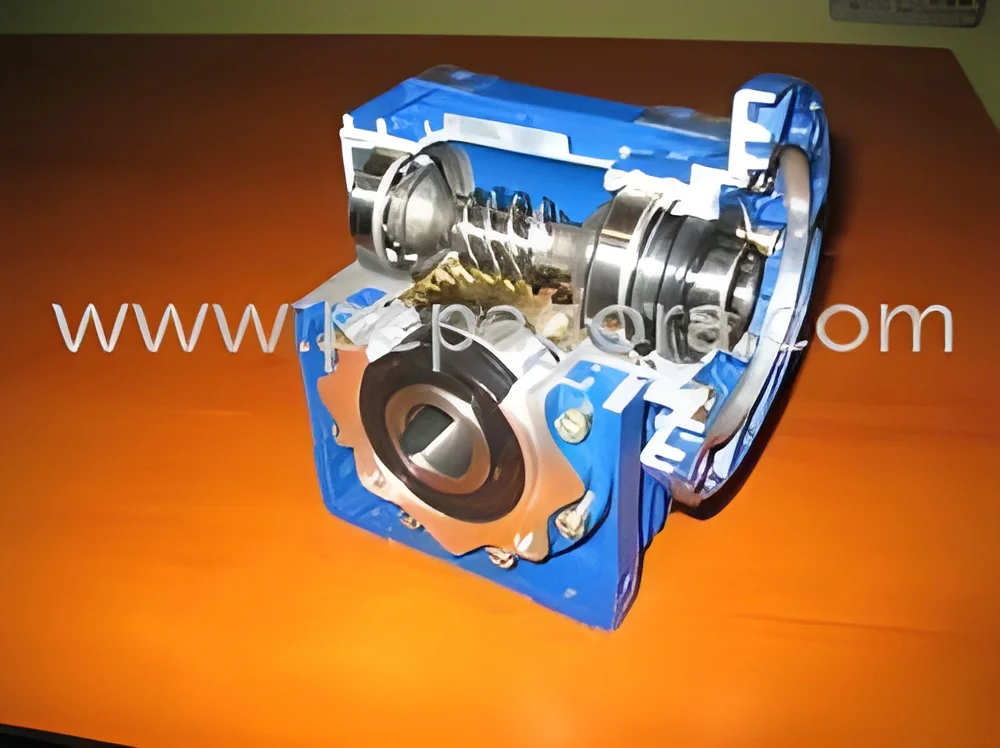
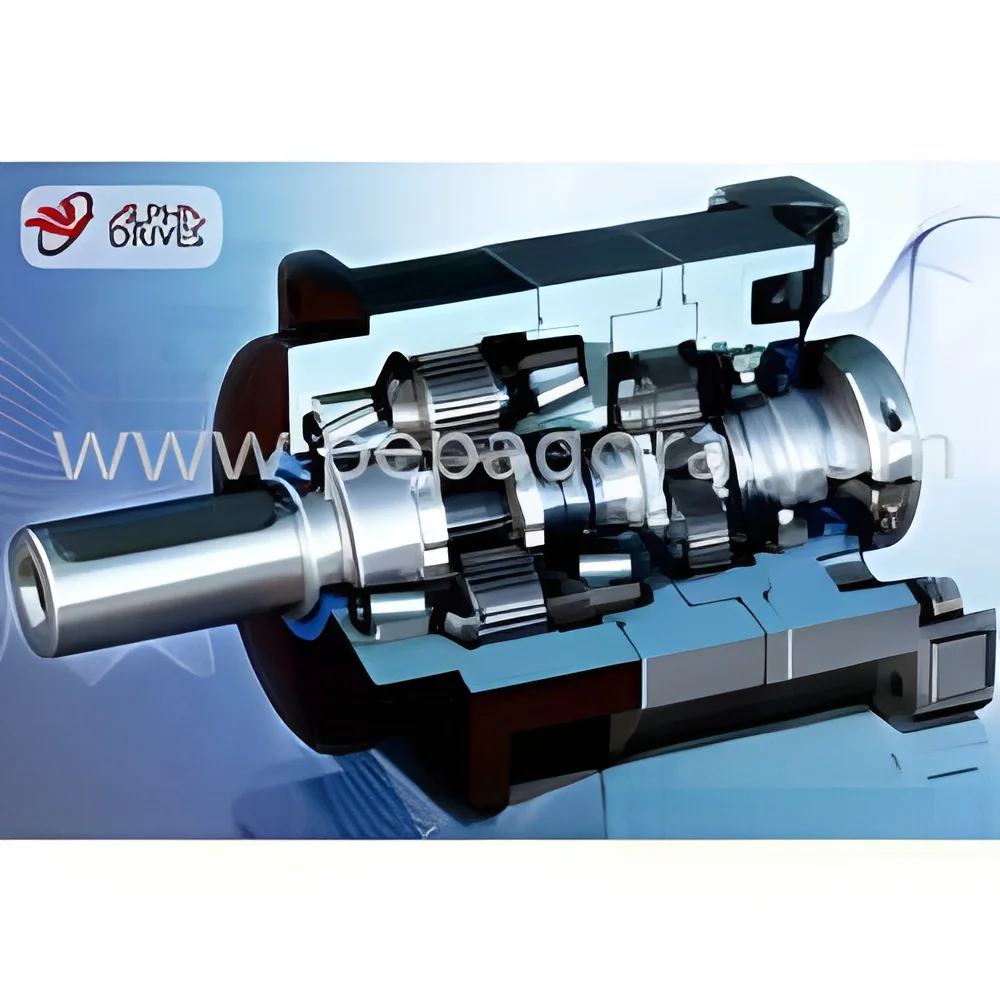
There are mainly two types of elevator motors: AC motors and DC motors. Gearboxes can be classified into different types such as worm gear, helical gear, and planetary gear, each serving specific operational needs and efficiency requirements.
How do I choose the right Elevator Motors & Gearboxes?
Choosing the right elevator motors and gearboxes involves considering factors such as the weight capacity of the elevator, the speed requirements, and the type of building. It's essential to consult with manufacturers to ensure compatibility with your elevator system.
What are the standard specifications for Elevator Motors & Gearboxes?
Standard specifications for elevator motors typically include power ratings, voltage, speed, and efficiency. Gearboxes should have specifications related to gear ratio, load capacity, and material quality to ensure long-lasting performance.
What is the price range for Elevator Motors & Gearboxes?
The price of elevator motors and gearboxes can vary widely based on specifications and manufacturers. Generally, prices can range from a few thousand to several lakhs of Indian Rupees, depending on the complexity and features of the components.
What quality standards apply to Elevator Motors & Gearboxes?
Elevator motors and gearboxes must adhere to specific quality standards such as ISO 9001 for manufacturing quality and compliance with safety standards like EN 81. These standards ensure reliability, safety, and efficiency in their operation.
Where can I find Elevator Motors & Gearboxes suppliers in India?
You can find suppliers of elevator motors and gearboxes through online B2B marketplaces like Pepagora, industry trade shows, and manufacturer directories. It's recommended to compare multiple suppliers to find the best options available.
Can Elevator Motors & Gearboxes be customized?
Yes, many manufacturers offer customization options for elevator motors and gearboxes to meet specific requirements such as unique dimensions, power ratings, or additional features. It is advisable to discuss your needs with the supplier to explore available options.
What is the typical minimum order quantity for Elevator Motors & Gearboxes?
The minimum order quantity (MOQ) for elevator motors and gearboxes can vary by supplier but generally ranges from one to several units. It's important to check with individual suppliers for their specific MOQ policies.
What is the typical lead time for Elevator Motors & Gearboxes?
The lead time for elevator motors and gearboxes typically ranges from a few weeks to several months, depending on the supplier's inventory and the complexity of the order. It's advisable to confirm delivery timelines with the supplier at the time of order.
Why Businesses Trust Pepagora
Thousands of companies trust Pepagora to source smarter and sell faster
Expand Your Sales Globally

Source Smarter,Grow Faster
