IN
₹
Apparel & Fashion
Description
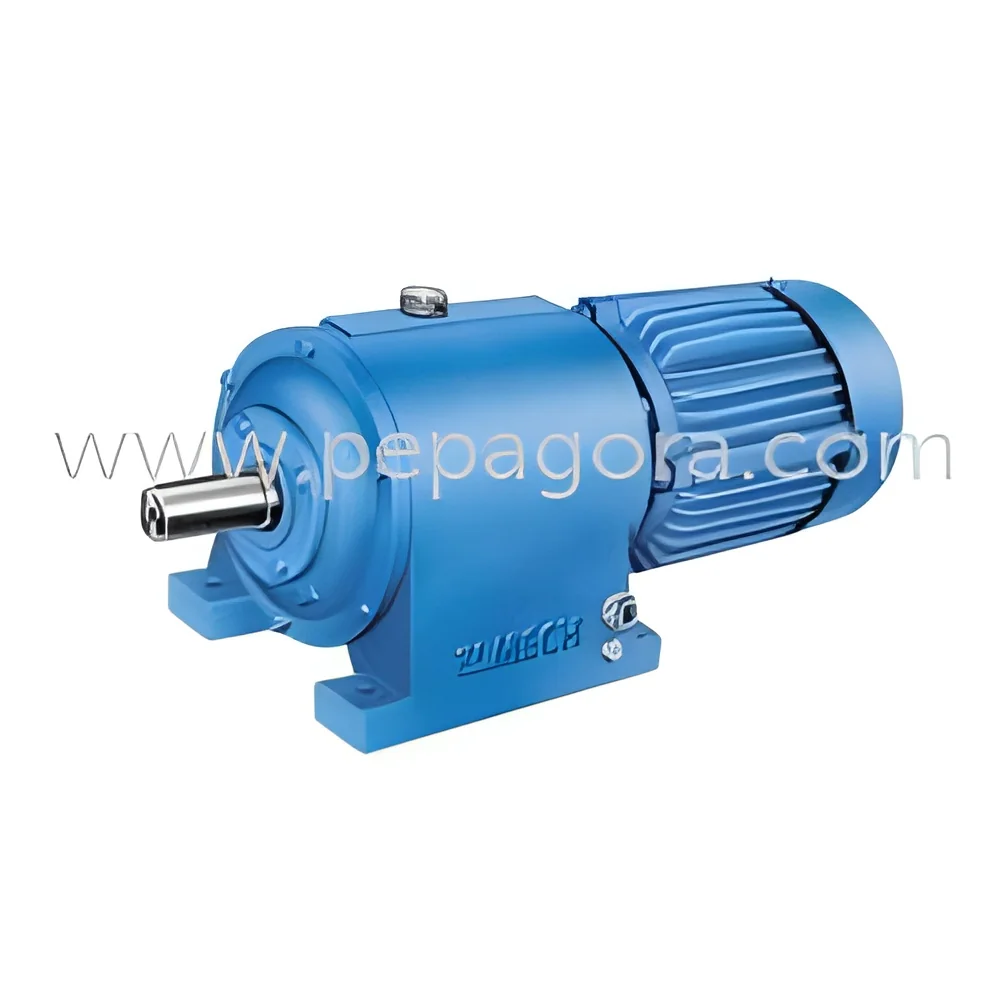
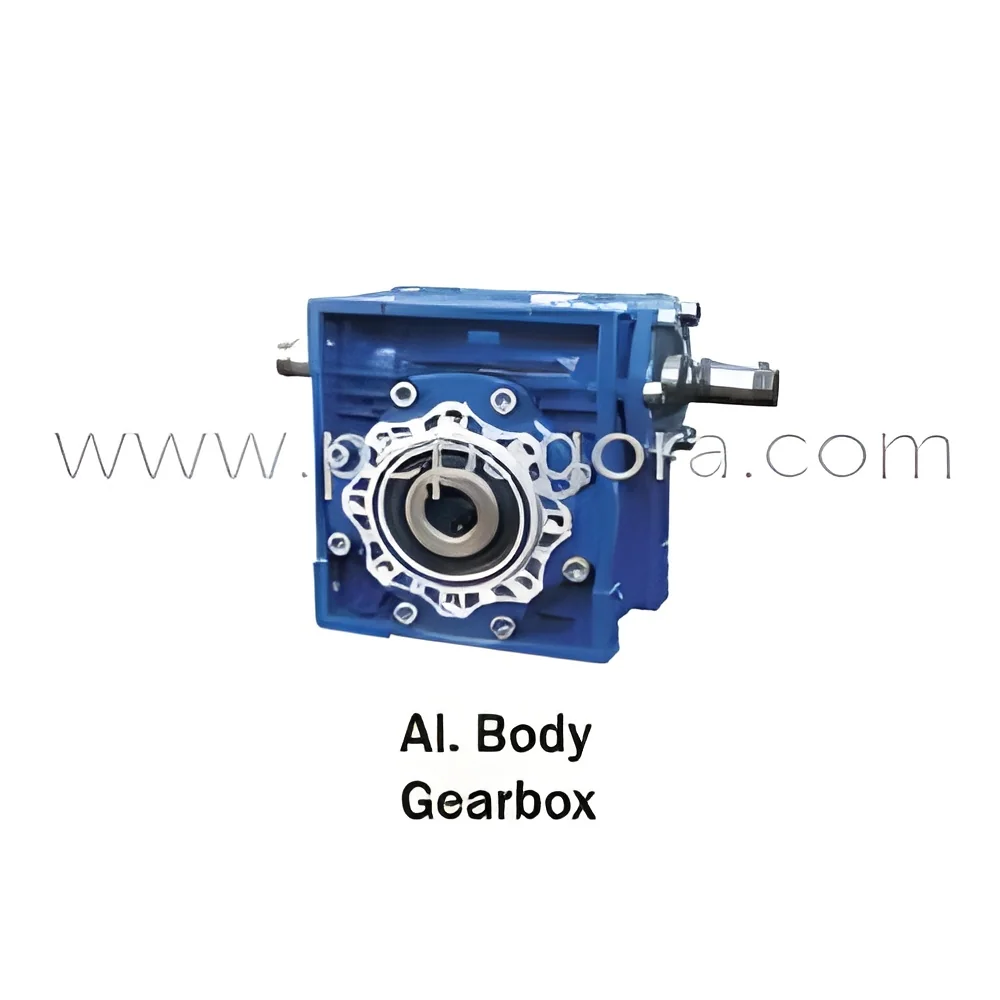
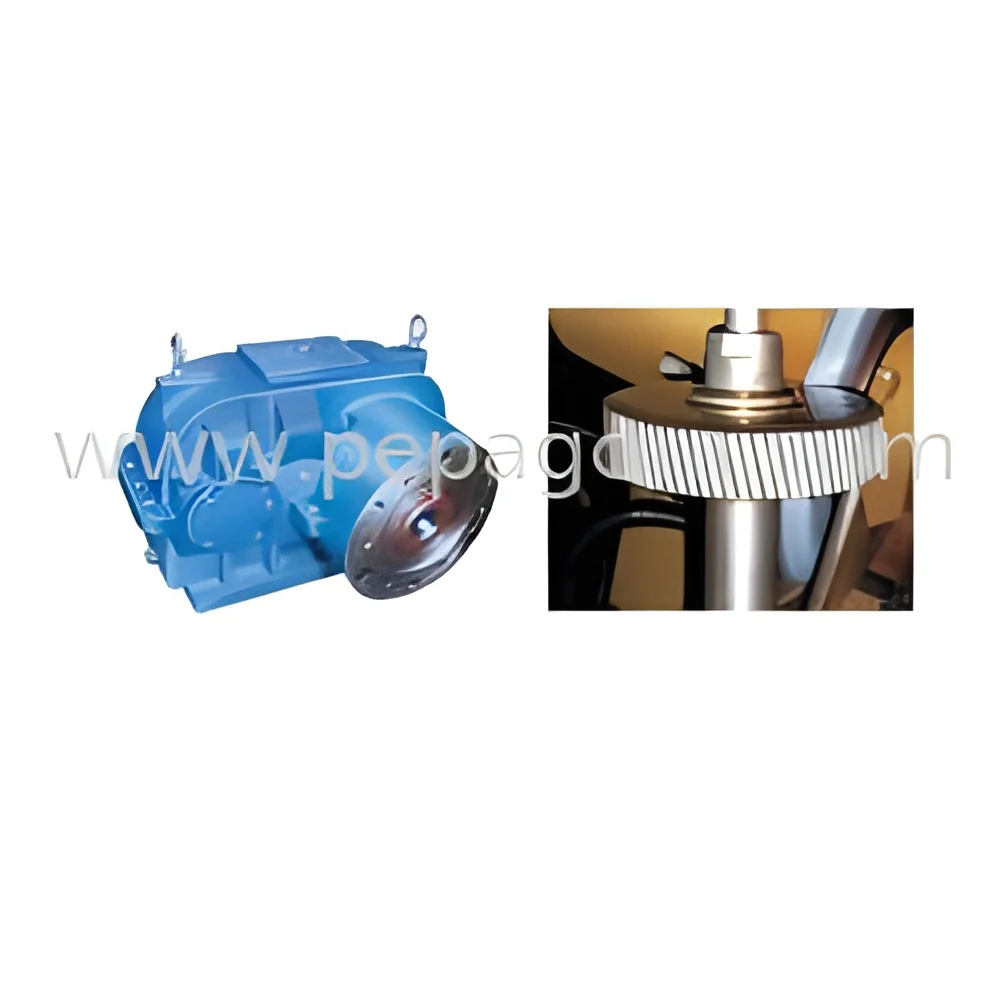
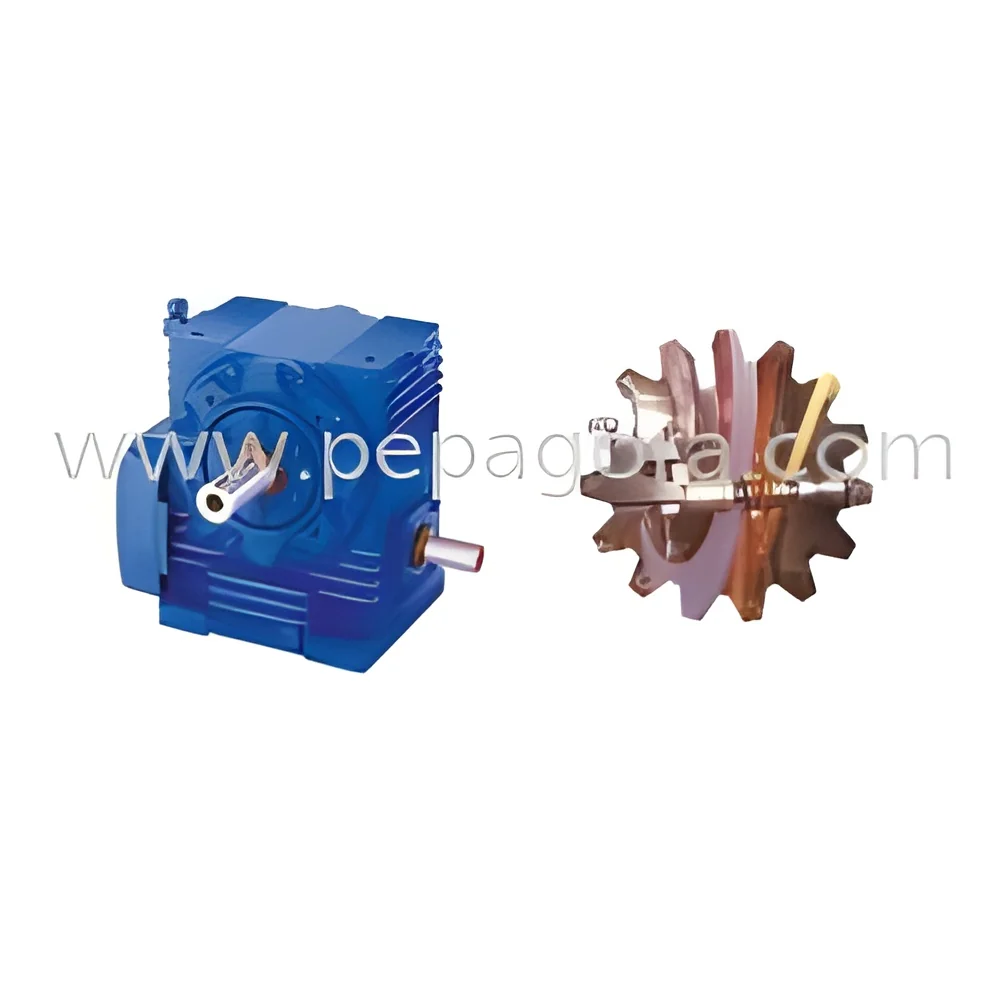
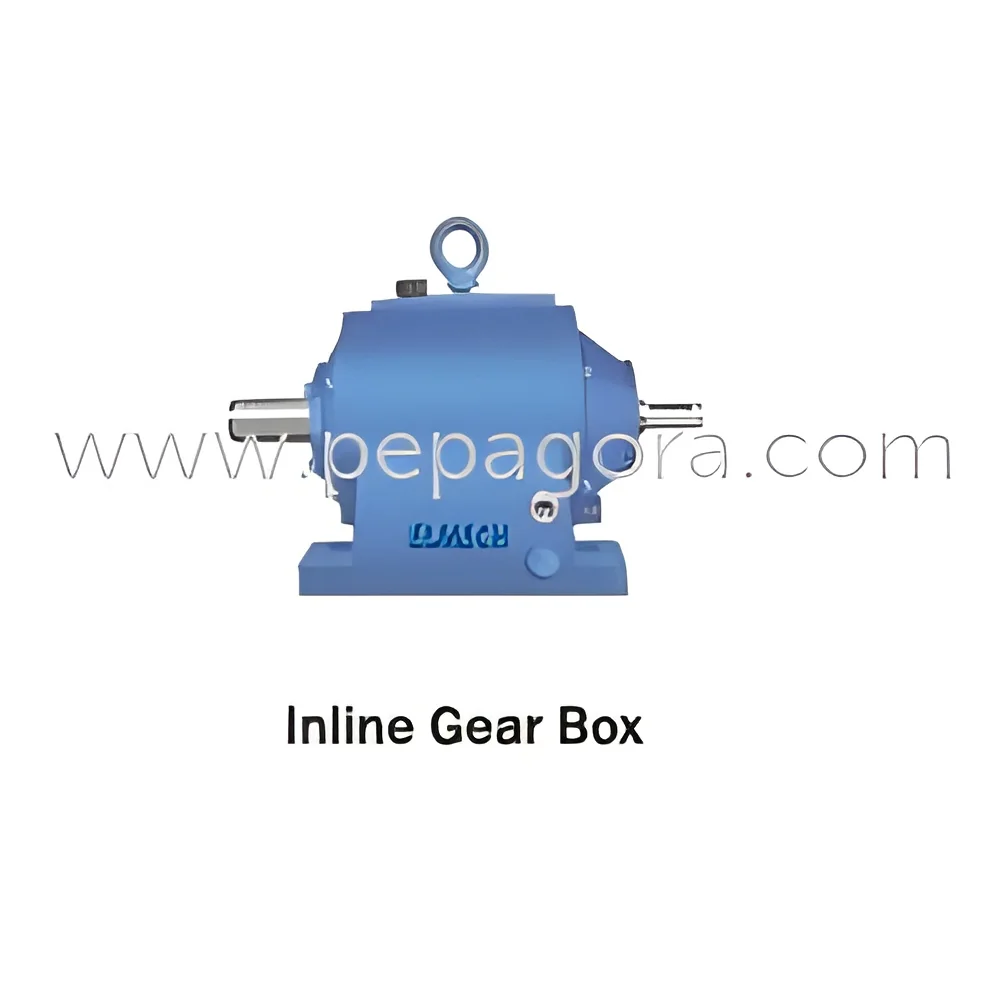
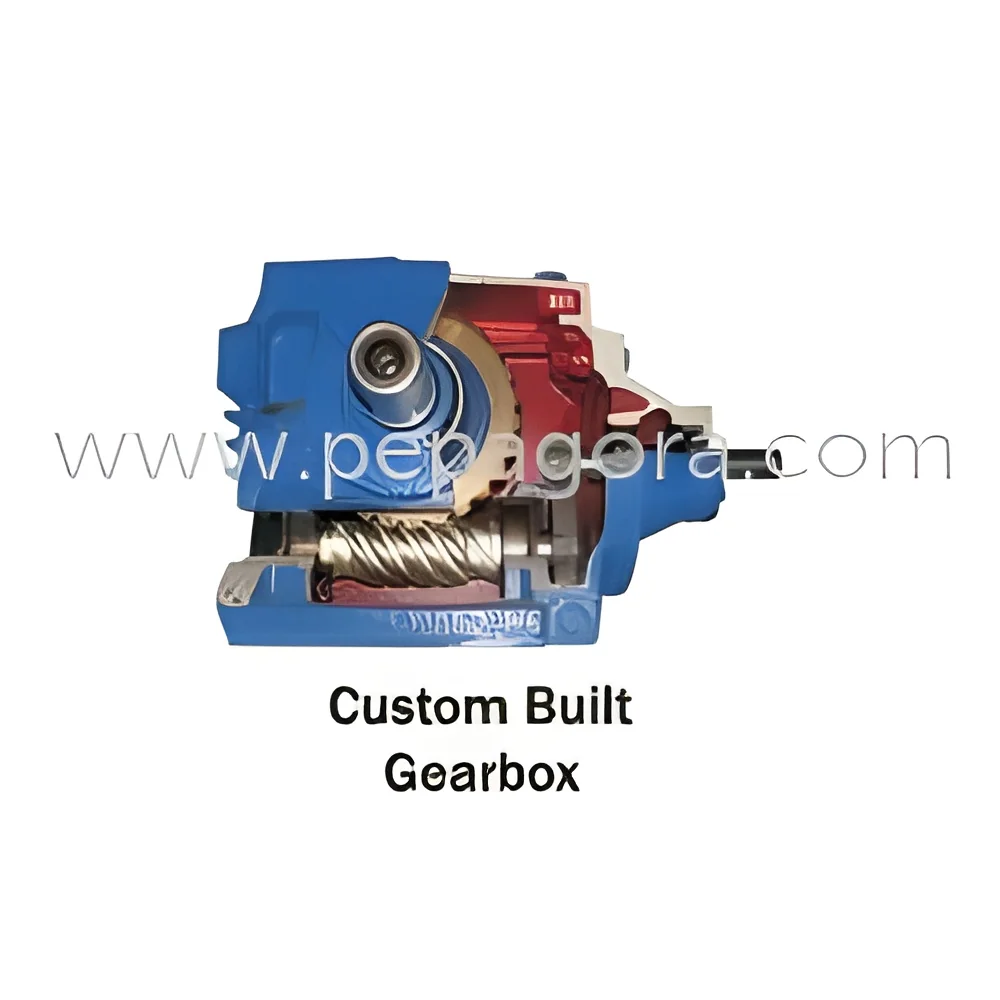
Heavy duty industrial gearboxes represent engineered solutions for demanding power transmission requirements in construction and manufacturing sectors. These components are precision manufactured using advanced techniques and premium materials to ensure reliable performance under extreme conditions. Each gearbox undergoes rigorous quality control measures to guarantee it meets exact specifications for torque capacity, speed ratios, and operational efficiency. The focus on durability and precision engineering results in components that deliver consistent performance while withstanding the challenges of heavy industrial applications. This attention to detail ensures that every gearbox integrates seamlessly with existing machinery while providing long service life and minimal maintenance requirements.

These gearboxes find essential applications across multiple industrial sectors where reliable power transmission is critical. Construction companies utilize them in heavy equipment like exc...
Heavy duty industrial gearboxes represent engineered solutions for demanding power transmission requirements in construction and manufacturing sectors. These components are precision manufactured using advanced techniques and premium materials to ensure reliable performance under extreme conditions. Each gearbox undergoes rigorous quality control measures to guarantee it meets exact specifications for torque capacity, speed ratios, and operational efficiency. The focus on durability and precision engineering results in components that deliver consistent performance while withstanding the challenges of heavy industrial applications. This attention to detail ensures that every gearbox integrates seamlessly with existing machinery while providing long service life and minimal maintenance requirements.

These gearboxes find essential applications across multiple industrial sectors where reliable power transmission is critical. Construction companies utilize them in heavy equipment like excavators, cranes, and concrete mixers where consistent performance under heavy loads is mandatory. Manufacturing facilities integrate these components into production lines, material handling systems, and processing equipment to maintain operational continuity. The mining industry depends on them for conveyor systems and extraction machinery operating in challenging environments. Agricultural operations benefit from their robustness in tractors and harvesting equipment, while material handling sectors rely on their durability for logistics and warehouse automation systems. Each application benefits from gearboxes specifically engineered to handle sector-specific challenges and operational demands.

Investing in heavy duty industrial gearboxes delivers substantial business value through enhanced operational reliability and reduced downtime. The precision engineering and quality construction minimize the risk of unexpected failures that can disrupt production schedules and increase maintenance costs. These components are designed for long service life, reducing replacement frequency and associated expenses. The efficient power transmission contributes to lower energy consumption and improved overall equipment effectiveness. This reliability translates into better project completion rates, consistent production output, and improved profitability. The reduced maintenance requirements and extended service intervals further contribute to lower total cost of ownership while ensuring equipment remains operational when needed most.

Key Features:
- Heavy duty construction for demanding industrial environments and continuous operation
- Precision engineered components for optimal torque transmission and efficiency
- High grade materials selected for durability and resistance to wear
- Rigorous quality control procedures throughout manufacturing process
- Designed for easy integration with various industrial machinery and equipment

Benefits:
- Enhanced operational reliability reducing unexpected downtime incidents
- Long service life minimizing replacement frequency and associated costs
- Efficient power transmission contributing to lower energy consumption
- Reduced maintenance requirements and extended service intervals
- Consistent performance under heavy loads and challenging conditions
Specifications
| Additional Information | |
|---|---|
| Country of Origin | India |
Application
Our heavy duty industrial gearboxes are built to withstand extreme operating conditions in construction and manufacturing environments. They provide consistent torque transmission and speed control for machinery requiring high load capacity and long service life. These gearboxes maintain performance reliability even under continuous heavy loads and harsh working conditions.
These precision components serve critical functions across multiple industrial sectors where equipment failure is not an option. Construction companies rely on them for heavy machinery operation, while manufacturing plants integrate them into production lines and material handling systems. The robust design ensures compatibility with various industrial applications and simplifies integration with existing equipment setups.
- Power transmission systems for construction excavators, cranes, and concrete mixing equipment
- Driving conveyor belts and material handling systems in manufacturing facilities
- Industrial processing machinery including presses, rollers, and production line equipment
- Heavy machinery in mining operations requiring durable power transmission components
- Agricultural equipment such as tractors and harvesters needing reliable gear systems
Trade Details
| Available Stock | In Stock |
| Sample Availability | No |
Payment Terms
| Payment Terms |
|
Company Profile
Elmech Engineering Company, Gujarat
 Gujarat, India
Construction•Manufacturer•Retailer•Importer / Exporter
Factory Details
Factory SizeBelow 1000 sqm
Annual Production Capacity0
Heavy Duty Industrial Gearboxes for Construction and Manufacturing
Heavy duty industrial gearboxes deliver reliable power transmission for construction and manufacturing equipment. Precision engineered for durability, efficiency, and exact performance specifications in demanding applications.
Min. Order Quantity: 1 unit
Shipping
Shipping fee and delivery date to be negotiated. Contact supplier now for more details.
Elmech Engineering Company
 Gujarat, India
ConstructionManufacturer