
 IN
Elevator Car Frames & Slings
4 products available
What are Elevator Car Frames & Slings?
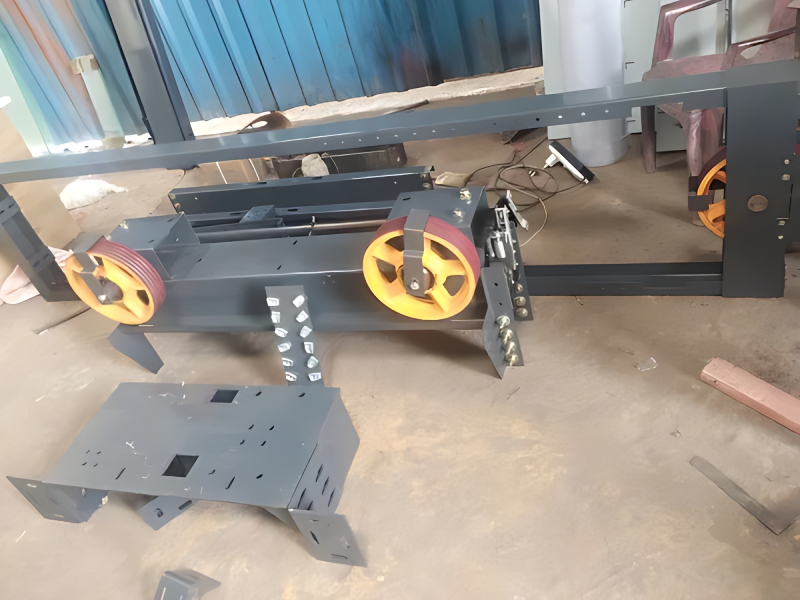
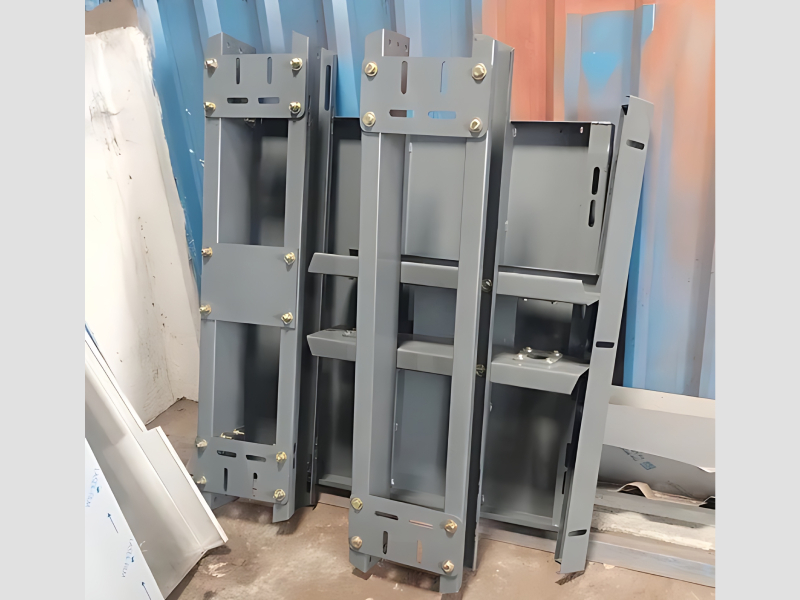
Elevator car frames and slings are essential components of elevator systems, designed to support and secure the elevator car during operation. The car frame is the structural part that houses the elevator car, providing the necessary strength and stability. The sling is a suspension mechanism that connects the elevator car to the hoisting system, allowing it to move vertically within the shaft. Together, these components ensure the safe and efficient functioning of elevators in various settings.
These products are primarily used in commercial buildings, residential complexes, and industrial facilities where vertical transportation is required. Their robust construction and design are critical in applications ranging from high-rise buildings to shopping malls, ensuring that elevators operate smoothly and safely, even under heavy loads. In the context of the growing demand for efficient transportation solutions in urban areas, the significance of high-quality elevator car frames and slings continues to increase, making them a vital part of the elevator industry.
Key Features and Specifications
Elevator car frames and slings come with several important features that enhance their performance and reliability. Understanding these specifications is crucial for businesses that rely on elevators for daily operations.
Key specifications include:
1. Structural Integrity
- Designed to withstand heavy loads and provide stability.
- Typically constructed from high-strength steel or aluminum.
2. Load Capacity
- Varies depending on the model but can support weights ranging from 1000 kg to 5000 kg.
- Essential for ensuring safe operation in commercial and industrial settings.
3. Installation Compatibility
- Designed to fit a variety of elevator systems and shaft dimensions.
- Customizable options may be available to accommodate specific needs.
4. Corrosion Resistance
- Many frames and slings feature protective coatings to prevent rust and deterioration.
- Important for longevity, especially in humid environments.
5. Safety Features
- Equipped with safety mechanisms to prevent freefall and ensure passenger safety.
- Compliance with international safety standards, enhancing reliability.
6. Maintenance Requirements
- Minimal maintenance needed when constructed from high-quality materials.
- Regular inspections recommended to ensure continued safety and performance.
7. Weight
- Lightweight designs available to enhance energy efficiency.
- Reduces the overall load on the elevator system.
8. Compliance Standards
- Meets various industry standards, including CE certification for quality assurance.
- Important for regulatory compliance in different regions.
In summary, understanding the key features and specifications of elevator car frames and slings is vital for making informed purchasing decisions. These specifications not only impact the performance of the elevator system but also influence its safety and durability over time.
Common Applications and Use Cases
Elevator car frames and slings are utilized across a broad spectrum of industries, each taking advantage of their unique properties.
1. Commercial Buildings: In office towers and retail spaces, these components ensure efficient vertical transport for employees and customers, supporting heavy loads during peak hours.
2. Residential Complexes: High-rise apartments rely on robust elevator systems for quick and safe movement between floors, enhancing residents' convenience and accessibility.
3. Industrial Facilities: Manufacturing plants and warehouses utilize elevators for transporting goods and materials, where reliable car frames and slings are crucial for operational efficiency.
4. Hospitals: Elevators in healthcare settings require sturdy frames and slings to safely transport patients, staff, and medical equipment, often under strict safety regulations.
5. Hotels: In hospitality, elevators must provide a smooth experience for guests while accommodating luggage and service carts, making durable components essential.
6. Shopping Malls: High-footfall areas need reliable elevators to manage the flow of shoppers, emphasizing the importance of quality frames and slings.
7. Airports: Elevators in airports serve a critical role in transporting passengers and luggage, where safety and efficiency are paramount.
Product Variants and Subcategories
Elevator car frames and slings come in diverse variants to meet specific application needs. This diversity allows businesses to select the most suitable option for their requirements.
Standard Frame Design: This is the most common variant, characterized by its robust construction and ability to support high loads. It is ideal for general-purpose elevators in commercial buildings.
Heavy-Duty Frame Design: Designed for industrial applications, this variant features enhanced strength and load capacity, suitable for transporting heavy machinery and materials in factories.
Compact Frame Design: Ideal for space-constrained environments, this design offers a streamlined profile without compromising strength, making it perfect for residential buildings.
Suspension Sling Systems: These systems provide flexible support for elevator cars and can accommodate various load capacities. They are essential in applications requiring quick and efficient vertical transport.
Benefits and Advantages
Elevator car frames and slings offer numerous benefits that enhance the overall performance of elevator systems.
1. Enhanced Safety: Built-in safety mechanisms minimize the risk of accidents, ensuring the safety of passengers and goods.
2. Durability: High-quality materials ensure that frames and slings withstand wear and tear, extending the lifespan of the elevator system.
3. Efficient Vertical Transport: Reliable designs facilitate smooth and quick movement between floors, increasing operational efficiency in various settings.
4. Customization Options: Many manufacturers offer tailored solutions to meet specific requirements, allowing businesses to optimize their elevator systems.
5. Compliance Assurance: Products that meet industry standards provide peace of mind for businesses regarding safety and regulatory compliance.
6. Cost-Effectiveness: Investing in quality elevator frames and slings can reduce maintenance costs and improve the overall efficiency of the elevator system.
Buying Guide for B2B Buyers
When sourcing elevator car frames and slings, businesses should consider several key factors to ensure they make informed decisions.
1. Quality Assessment: Examine the construction materials and design specifications to ensure they meet industry standards for safety and durability. Look for products that have been tested and certified.
2. Supplier Verification: Vet suppliers by checking their reputation, customer reviews, and compliance with international standards. A reliable supplier is crucial for long-term partnerships.
3. Pricing and MOQ: Understand the pricing structure and minimum order quantities. Compare quotes from multiple suppliers to find the best value without compromising quality.
4. Delivery and Lead Times: Discuss logistics and delivery schedules with suppliers to ensure timely installation. Consider how lead times may affect overall project timelines.
5. Compliance Requirements: Be aware of local and regional regulations that may impact the selection of elevator components. Ensure that the products purchased meet all necessary compliance standards.
Compliance and Certifications
Elevator car frames and slings must adhere to various quality standards and certifications to ensure safety and reliability. Among the most relevant are ISO 9001 and CE certification, which signify that the products meet international quality management and safety standards.
ISO 9001 outlines a framework for quality management systems, ensuring that manufacturers maintain high production standards. CE certification indicates compliance with European health, safety, and environmental protection standards, making it essential for products sold in Europe.
Additionally, safety and testing requirements are critical to the industry. Manufacturers must conduct rigorous testing to verify that their products can withstand operational stresses and meet safety guidelines. Compliance with regional regulations ensures that the products are suitable for the specific markets in which they will be used.
By prioritizing compliance and certifications, businesses can mitigate risks associated with safety and performance, ensuring that their elevator systems operate efficiently and securely.
Why Source Elevator Car Frames & Slings from Pepagora?
Pepagora offers a trusted platform for sourcing elevator car frames and slings, delivering several key advantages to B2B buyers.
Verified Supplier Network: Pepagora maintains a network of verified suppliers, ensuring that buyers have access to high-quality products from reputable manufacturers. This network is crucial for businesses looking to establish reliable partnerships.
Streamlined RFQ Process: The platform simplifies the request for quotation (RFQ) process, allowing buyers to quickly obtain competitive quotes from multiple suppliers. This efficiency saves time and facilitates informed decision-making.
Trade Assurance and Support: Buyers can benefit from trade assurance programs that protect their investments. Pepagora provides support throughout the purchasing process, enhancing buyer confidence.
Regional Coverage: With a focus on India, the GCC, and Southeast Asia, Pepagora has a broad reach, connecting businesses with suppliers across these regions. This geographic coverage ensures that buyers can find suitable products tailored to their local markets.
In conclusion, choosing Pepagora for sourcing elevator car frames and slings offers distinct advantages, enhancing the purchasing experience and ensuring access to quality products.


 India

 India
Frequently Asked Questions
What are Elevator Car Frames & Slings?
Elevator Car Frames & Slings are essential components used in elevator systems to support the elevator car and connect it to the hoisting mechanism. The frame provides structural integrity, while the sling holds the elevator car and enables smooth vertical movement.
What are the different types of Elevator Car Frames & Slings?
There are several types of Elevator Car Frames & Slings, including single and double rail slings, and various frame designs tailored for different elevator types. The selection often depends on the specific application, load capacity, and design preferences.
How do I choose the right Elevator Car Frames & Slings?
Choosing the right Elevator Car Frames & Slings involves considering factors such as the weight capacity, dimensions, and compatibility with the elevator system. It's also important to assess the materials used for durability and maintenance requirements.
What are the standard specifications for Elevator Car Frames & Slings?
Standard specifications for Elevator Car Frames & Slings typically include load capacity, dimensions, material type (usually steel or aluminum), and safety features. Compliance with international safety and performance standards is also crucial.
What is the price range for Elevator Car Frames & Slings?
The price range for Elevator Car Frames & Slings can vary widely based on specifications, materials, and supplier. Generally, prices can start from a few thousand rupees and go up to several lakhs for custom or high-capacity options.
What quality standards apply to Elevator Car Frames & Slings?
Quality standards for Elevator Car Frames & Slings include compliance with safety regulations such as IS, EN, or ASME codes. Manufacturers often conduct tests to ensure durability, load-bearing capacity, and resistance to wear and tear.
Where can I find Elevator Car Frames & Slings suppliers in India?
Elevator Car Frames & Slings suppliers in India can be found through B2B marketplaces like Pepagora, industry trade shows, and manufacturer directories. It is advisable to check reviews and certifications before selecting a supplier.
Can Elevator Car Frames & Slings be customized?
Yes, Elevator Car Frames & Slings can be customized to meet specific requirements such as size, load capacity, and material. Many manufacturers offer customization options to cater to unique project needs.
What is the typical minimum order quantity for Elevator Car Frames & Slings?
The typical minimum order quantity (MOQ) for Elevator Car Frames & Slings varies by supplier, but it generally ranges from one unit for standard products to larger quantities for custom orders. It's best to check with the supplier for specific MOQ details.
What is the typical lead time for Elevator Car Frames & Slings?
The typical lead time for Elevator Car Frames & Slings can range from a few weeks to several months, depending on the complexity of the order and the manufacturer's capacity. Custom orders may require longer lead times.
Why Businesses Trust Pepagora
Thousands of companies trust Pepagora to source smarter and sell faster
Expand Your Sales Globally

Source Smarter,Grow Faster
