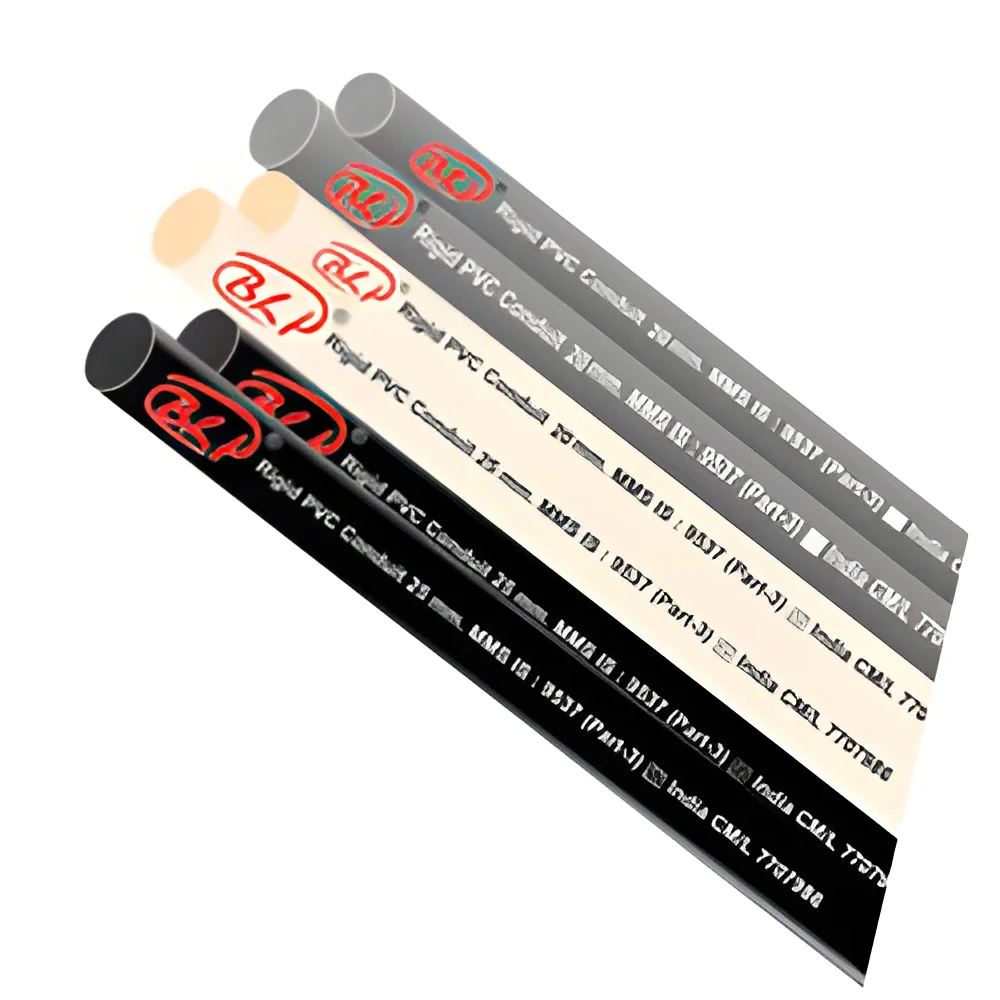
What are Electrical & Plumbing Fixtures for Prefabs?
Electrical and plumbing fixtures for prefabricated buildings are essential components designed for efficient installation and operation in modular construction. These fixtures include a variety of products such as lighting systems, electrical outlets, switches, piping, faucets, and drains. They are engineered to meet specific operational standards while ensuring compatibility with prefabricated structures.
The primary uses of these fixtures are in residential, commercial, and industrial applications where rapid assembly and installation are required. Prefabricated buildings, often constructed off-site and transported to their final location, rely on these fixtures for quick setup and functionality. Businesses in sectors like construction, real estate, and temporary facilities benefit significantly from these products, as they streamline the building process and enhance overall project efficiency.
In the context of the construction industry, the demand for prefabricated solutions continues to grow due to their cost-effectiveness and reduced construction time. Electrical and plumbing fixtures play a critical role in this market, ensuring that prefabs meet safety and functionality standards while also accommodating the specific needs of various projects.
Key Features and Specifications
Electrical and plumbing fixtures for prefabs come with a range of features and specifications that cater to the needs of different applications. These specifications ensure that the fixtures are reliable, efficient, and compliant with industry standards.
Key specifications include:
1. Material Composition
- Typically made from durable materials such as PVC, copper, or stainless steel.
- Provides resistance to corrosion and wear for long-term use.
2. Voltage Rating
- Designed to operate within specific voltage ranges, commonly 120V or 240V.
- Ensures compatibility with standard electrical systems.
3. Flow Rate
- Plumbing fixtures often have defined flow rates, which can vary based on application needs.
- Standard ranges typically fall between 1.5 to 2.5 GPM for faucets.
4. Temperature Resistance
- Fixtures are designed to withstand a range of temperatures.
- Specific ratings are typically based on application requirements; data not available for precise ranges.
5. Compliance Standards
- Fixtures generally meet international standards such as CE certification.
- Ensures that products are safe and reliable for consumer use.
6. Installation Type
- Fixtures can be categorized by installation method, such as surface-mounted or recessed.
- This affects ease of installation and aesthetic considerations.
7. Energy Efficiency
- Many electrical fixtures are designed to be energy-efficient.
- LED lighting options are often available, reducing energy consumption.
8. Safety Features
- Many plumbing fixtures incorporate features to prevent leaks and ensure safe operation.
- Electrical fixtures may include surge protection to safeguard connected devices.
In summary, the selection of electrical and plumbing fixtures for prefabs should be guided by these key specifications to ensure optimal performance and compliance.
Common Applications and Use Cases
Electrical and plumbing fixtures for prefabs are utilized across various sectors, enhancing the functionality and efficiency of modular buildings.
1. Residential Construction: These fixtures are vital for modular homes, providing necessary electrical and plumbing systems to ensure comfort and utility.
2. Commercial Spaces: Prefabricated offices and retail spaces benefit from quick installation of fixtures, facilitating immediate operation for businesses.
3. Industrial Facilities: Factories and warehouses often use prefab structures, relying on robust fixtures to support machinery and employee needs.
4. Temporary Structures: Events, emergency shelters, and temporary housing use electrical and plumbing fixtures for immediate and reliable services.
5. Educational Institutions: Modular classrooms and administrative buildings utilize these fixtures to create functional learning environments.
6. Healthcare Facilities: Prefabricated clinics and hospitals require specialized fixtures to meet health and safety standards.
7. Hospitality Industry: Hotels and resorts are increasingly adopting prefabricated guest rooms with integrated fixtures for efficient construction and quick guest turnover.
Product Variants and Subcategories
The diversity of electrical and plumbing fixtures for prefabs allows for various configurations tailored to specific needs.
Compact Electrical Panels: These panels are designed for small prefabricated units, providing essential circuit management in limited spaces. They are easy to install and come equipped with safety features.
Modular Plumbing Systems: These systems offer flexible configurations for various plumbing needs in prefab buildings. They allow for quick assembly and disassembly, making them ideal for temporary applications.
Energy-Efficient Lighting Fixtures: These fixtures are designed to offer lighting solutions that reduce energy consumption. They are commonly used in residential and commercial prefabs to enhance sustainability.
On-Demand Water Heaters: These fixtures provide instant hot water solutions for prefab bathrooms and kitchens, optimizing space and energy use.
Benefits and Advantages
Investing in electrical and plumbing fixtures for prefabs offers several advantages for businesses looking to enhance efficiency and reduce costs.
1. Time Efficiency: Prefab fixtures are designed for rapid installation, significantly reducing construction time compared to traditional methods.
2. Cost-Effectiveness: Utilizing prefabricated solutions minimizes labor costs and material waste, leading to overall cost savings.
3. Versatility: These fixtures can be customized to fit various applications, allowing for greater flexibility in design and function.
4. Quality Assurance: Many fixtures come with industry certifications, ensuring they meet established safety and performance standards.
5. Reduced Maintenance: Durable materials and advanced designs often lead to lower maintenance needs, enhancing long-term value.
6. Streamlined Logistics: Prefabricated components simplify the supply chain, making it easier to manage and deliver projects on time.
Buying Guide for B2B Buyers
When sourcing electrical and plumbing fixtures for prefabs, it is essential to consider several key factors to ensure optimal selection.
1. Quality Assessment: Look for fixtures that adhere to industry standards and certifications, ensuring they are manufactured to high-quality specifications.
2. Supplier Verification: Vet suppliers by reviewing their track record, certifications, and customer feedback to ensure reliability and product quality.
3. Pricing and MOQ: Assess pricing structures and minimum order quantities to align with budgetary constraints and project needs.
4. Delivery and Lead Times: Factor in logistics and delivery times, ensuring that suppliers can meet your project timelines without delays.
5. Compliance Requirements: Ensure that fixtures meet local and international compliance regulations to avoid any legal or safety concerns during installation.
Compliance and Certifications
Electrical and plumbing fixtures for prefabs must adhere to various compliance standards to ensure safety and reliability.
Relevant quality standards such as ISO 9001 guarantee that manufacturers follow systematic quality management processes. This standard is recognized globally and enhances product trustworthiness.
Industry certifications like CE are crucial, indicating that the products meet European health, safety, and environmental protection standards. This certification is often required for products sold in Europe and many other markets.
Safety and testing requirements are paramount for both electrical and plumbing fixtures. These products frequently undergo rigorous testing to ensure they can withstand operational stresses and environmental factors.
Regional compliance considerations may vary, necessitating that suppliers understand local regulations governing electrical and plumbing installations. This compliance is essential for ensuring that prefabricated structures are safe and legally compliant.
Why Source Electrical & Plumbing Fixtures for Prefabs from Pepagora?
Pepagora provides a trusted platform for sourcing electrical and plumbing fixtures for prefabs with several key advantages that cater to B2B buyers.
Verified Supplier Network: Pepagora has established a robust network of verified suppliers. Each supplier undergoes a rigorous vetting process to ensure that they meet high standards for quality and reliability, giving buyers peace of mind.
Streamlined RFQ Process: The request for quotation (RFQ) process on Pepagora allows buyers to easily compare multiple suppliers. This efficiency helps businesses make informed decisions based on competitive pricing and product specifications.
Trade Assurance and Support: Pepagora offers trade assurance to protect buyers during transactions. This support includes dispute resolution mechanisms, ensuring that buyers receive the products as promised.
Regional Coverage: With a strong presence in India, the GCC, and Southeast Asia, Pepagora provides extensive regional coverage. This geographic reach enables buyers to access a wide range of products while benefiting from localized support and expertise.

 IN
IN

 India
India