IN
IN₹
Apparel & Fashion
Description
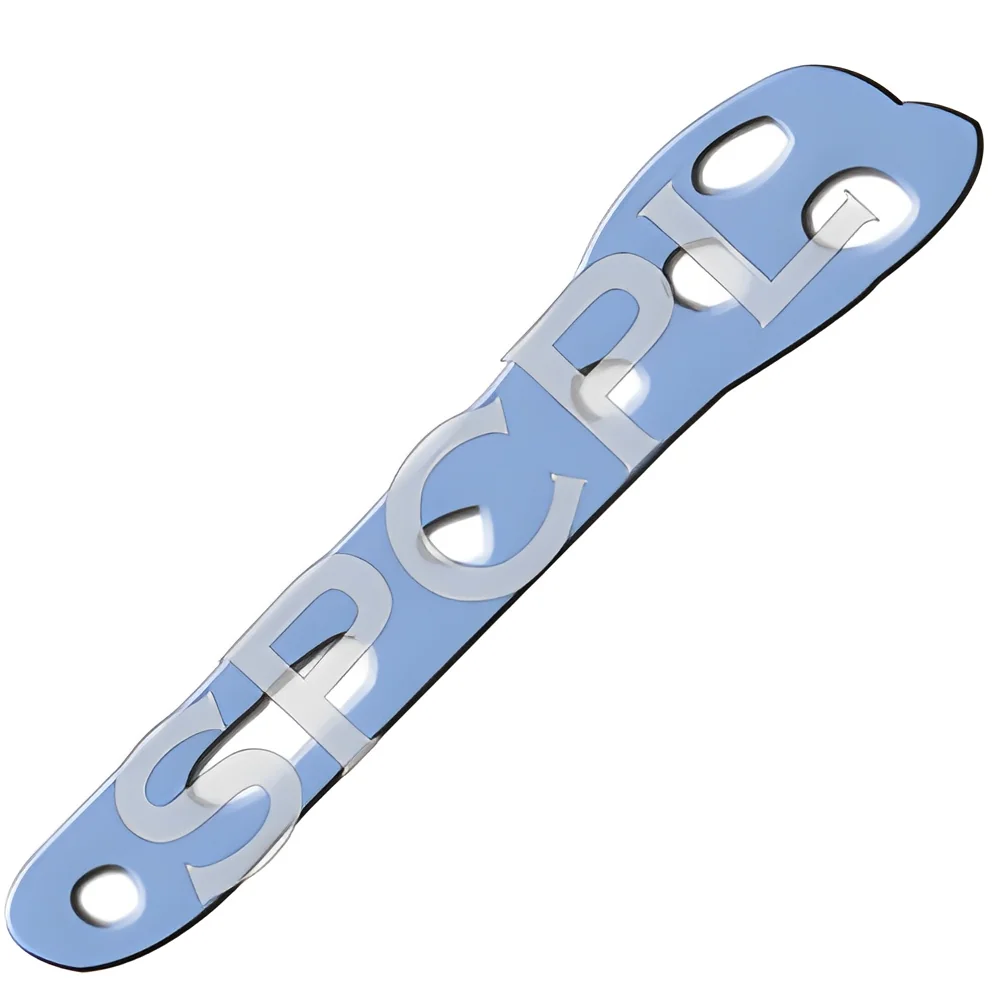
The anatomical proximal humerus plate represents advanced orthopedic implant technology designed specifically for proximal humerus fracture management. This left-right specific plate features an anatomical contour that mirrors the natural shape of the humeral head and neck, ensuring optimal bone contact and stability. Manufactured from medical-grade stainless steel or titanium, the implant offers excellent biocompatibility and mechanical strength. Available in various hole configurations ranging from 4 to 18 holes, it provides surgeons with flexibility in screw placement based on fracture patterns and bone quality. The plate's design facilitates minimal soft tissue irritation while maintaining strong fixation throughout the healing process, making it a trusted choice for orthopedic professionals worldwide.

This specialized orthopedic implant serves multiple healthcare sectors including trauma centers, orthopedic hospitals, and specialized surgical facilities. Trauma surgeons utilize t...
The anatomical proximal humerus plate represents advanced orthopedic implant technology designed specifically for proximal humerus fracture management. This left-right specific plate features an anatomical contour that mirrors the natural shape of the humeral head and neck, ensuring optimal bone contact and stability. Manufactured from medical-grade stainless steel or titanium, the implant offers excellent biocompatibility and mechanical strength. Available in various hole configurations ranging from 4 to 18 holes, it provides surgeons with flexibility in screw placement based on fracture patterns and bone quality. The plate's design facilitates minimal soft tissue irritation while maintaining strong fixation throughout the healing process, making it a trusted choice for orthopedic professionals worldwide.

This specialized orthopedic implant serves multiple healthcare sectors including trauma centers, orthopedic hospitals, and specialized surgical facilities. Trauma surgeons utilize these plates for acute fracture management while orthopedic specialists employ them in elective revision surgeries. The medical device finds extensive application in both public healthcare institutions and private hospital networks. Sports medicine facilities use these implants for athlete shoulder injuries, while geriatric orthopedic departments rely on them for age-related fracture treatments. The product meets the needs of various healthcare providers from large hospital networks to specialized orthopedic clinics, demonstrating its versatility across different medical environments.

The anatomical proximal humerus plate delivers significant business value through its proven reliability and surgical effectiveness. Medical device distributors and healthcare providers benefit from reduced surgery times and improved patient outcomes, leading to higher patient satisfaction and lower revision rates. The implant's quality construction ensures consistent performance, reducing the risk of implant failure and associated complications. This reliability translates into long-term cost savings for healthcare institutions through reduced complication rates and improved surgical efficiency, making it a smart investment for medical suppliers and healthcare facilities seeking dependable orthopedic solutions.

Key Features:
- Anatomical design contoured to match proximal humerus anatomy
- Available in medical-grade stainless steel and titanium materials
- Multiple hole configurations from 4 to 18 holes for surgical flexibility
- Left and right specific designs for precise anatomical matching
- Compatible with both locking and non-locking screw systems

Benefits:
- Enhanced surgical precision through anatomical contour matching
- Superior biocompatibility with medical-grade material options
- Increased surgical flexibility with multiple hole configurations
- Improved patient outcomes with side-specific implant designs
- Versatile fixation options accommodating various surgical techniques
Specifications
| Additional Information | |
|---|---|
| Country of Origin | India |
Application
The anatomical proximal humerus plate is specifically engineered for complex shoulder fracture management. Its contoured design matches natural bone anatomy, providing stable fixation for proximal humerus fractures. Surgeons appreciate the precise fit that reduces operative time and improves alignment accuracy during osteosynthesis procedures, making it ideal for trauma and orthopedic surgical settings where precision and reliability are paramount.
This orthopedic implant supports various surgical approaches for humeral head and neck fractures. Available in multiple hole configurations from 4 to 18 holes, it accommodates different fracture patterns and patient anatomies. The plate's compatibility with locking and non-locking screws offers surgeons versatile fixation options for both simple and complex cases, ensuring optimal outcomes across diverse patient populations and clinical scenarios.
- Open reduction and internal fixation of proximal humerus fractures in trauma surgery
- Revision surgeries for failed previous fracture fixations in orthopedic departments
- Complex shoulder reconstruction procedures in specialized orthopedic centers
- Treatment of osteoporotic fractures in elderly patient populations
- Sports injury management for athletes with shoulder fractures
Trade Details
| Available Stock | In Stock |
| Sample Availability | No |
Payment Terms
| Payment Terms |
|
Company Profile

Bharucha Associates, Gujarat
 Gujarat, India
Gujarat, IndiaHealth & Personal Care•Distributor / Wholesaler•Retailer•Importer / Exporter
Factory Details
Factory SizeBelow 1000 sqm
Annual Production Capacity0
Orthopedic Anatomical Proximal Humerus Plate Stainless Steel Titanium
Premium anatomical proximal humerus plate for left and right sides, designed for precise fracture fixation. Made from medical-grade stainless steel or titanium with multiple hole options for optimal surgical flexibility and patient outcomes.
Min. Order Quantity: 1 unit
Shipping
Shipping fee and delivery date to be negotiated. Contact supplier now for more details.
Bharucha Associates
 Gujarat, India
Gujarat, IndiaHealth & Personal CareDistributor / Wholesaler