
 IN
Door Operators & Safety Sensors
15 products available
What are Door Operators & Safety Sensors?
Door operators and safety sensors are essential components in the automation of door systems, designed to enhance convenience, security, and accessibility. Door operators are mechanical devices that facilitate the opening and closing of doors, often automatically, while safety sensors are devices that detect obstacles and ensure safe operation. Together, these systems improve user experience and ensure compliance with safety regulations.
Primarily, door operators and safety sensors are utilized in commercial and industrial settings where doors need to be frequently accessed. They are commonly found in environments such as hospitals, airports, shopping malls, and manufacturing facilities. These products play a crucial role in maintaining efficient operations and ensuring the safety of personnel and visitors. As automation continues to expand across various sectors, the demand for reliable door operators and safety sensors has also increased, making them vital components in modern infrastructure.
The relevance of door operators and safety sensors in various industries cannot be overstated. They contribute to improved operational efficiency, reduced labor costs, and enhanced safety measures. With the ongoing technological advancements in automation, the market for these products is expected to grow significantly, offering opportunities for businesses to invest in advanced solutions that meet their specific operational needs.
Key Features and Specifications
Door operators and safety sensors come with a range of features and specifications tailored to enhance functionality and safety. Understanding these specifications is crucial for selecting the right products for your business needs.
Key specifications include:
1. Power Source
- Electric or battery-operated options
- Voltage ranges typically between 12V to 24V
2. Operation Type
- Sliding, swinging, or folding mechanisms
- Manual override options available
3. Safety Features
- Infrared or laser detection for obstacle recognition
- Emergency stop mechanisms to halt operation
4. Environmental Ratings
- Indoor or outdoor suitability
- Resistance to moisture and dust (IP ratings)
5. Control Systems
- Integration with access control systems
- Programmable settings for operation modes
6. Installation Requirements
- Compatibility with various door types and sizes
- Mounting options for ease of installation
7. Compliance Standards
- Adherence to safety regulations like CE marking
- Compliance with local building codes
In summary, choosing the right door operators and safety sensors involves understanding these key features and specifications to ensure optimal performance and safety in your business environment.
Common Applications and Use Cases
Door operators and safety sensors serve various industries, providing tailored solutions to enhance security and accessibility.
1. Healthcare: In hospitals and clinics, automatic door operators facilitate easy access for patients and staff, while safety sensors prevent accidents in high-traffic areas.
2. Retail: Shopping malls and stores utilize automatic doors to enhance customer flow and improve the shopping experience, with safety sensors ensuring that doors do not close on customers.
3. Manufacturing: Factories benefit from automatic doors that streamline operations and improve workflow, with safety sensors protecting workers from door-related accidents.
4. Hospitality: Hotels and restaurants use door operators to provide seamless entry for guests, ensuring a welcoming atmosphere while maintaining safety.
5. Transportation: Airports and train stations rely on automatic doors to manage passenger traffic effectively, with safety sensors ensuring smooth movement.
6. Educational Institutions: Schools and universities implement these systems to improve accessibility for students and staff, particularly for those with disabilities.
7. Government Buildings: Public offices utilize automatic door systems to enhance security and facilitate access for visitors.
Product Variants and Subcategories
There is a diverse range of door operators and safety sensors available to meet varying business needs. Each variant offers unique features and applications.
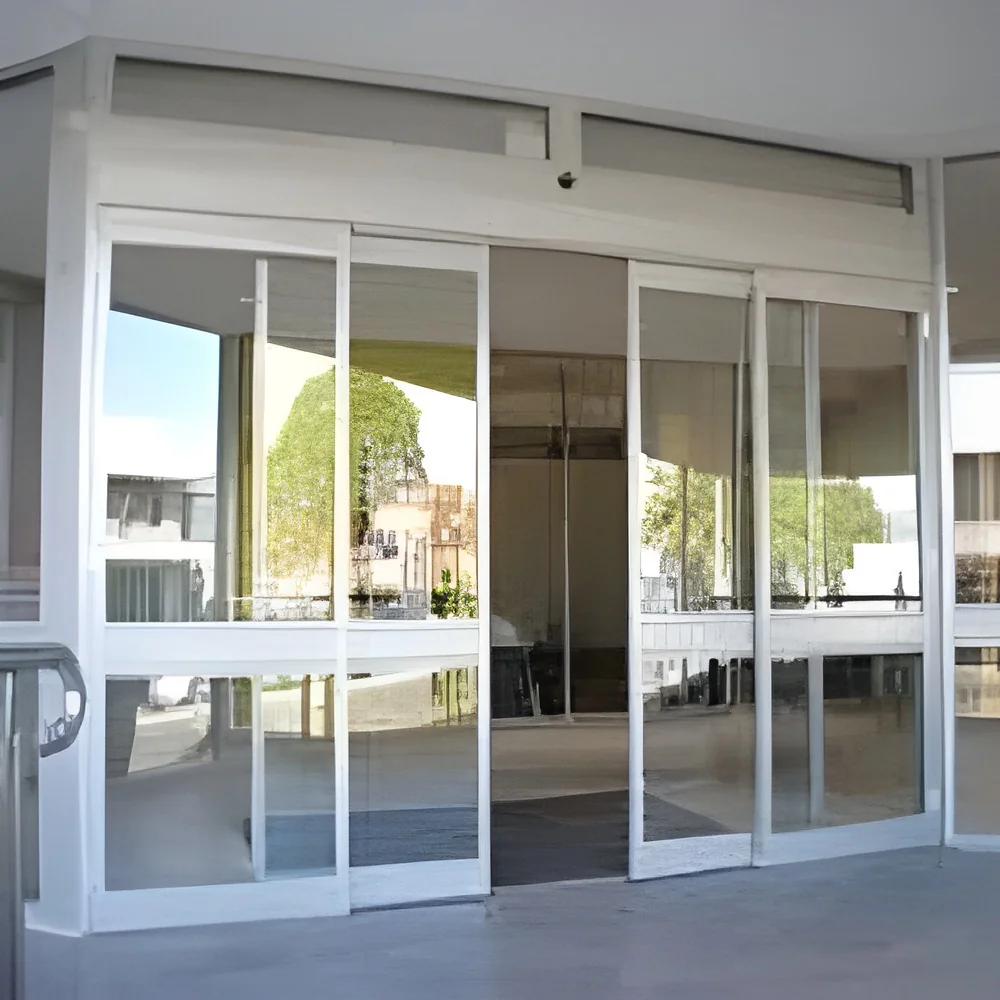
Automatic Sliding Door Operators: These operators are designed for high-traffic areas, allowing doors to open and close smoothly. They are ideal for retail stores and hospitals, providing convenience and accessibility.
Swing Door Operators: Suitable for both manual and automatic operation, these systems are commonly used in commercial buildings. They offer flexibility and are often equipped with safety sensors for added protection.
Folding Door Operators: Designed for large openings, folding door operators provide efficient space management and are perfect for venues like convention centers and airports.
Safety Sensors: These devices can be standalone products or integrated into door systems. They detect obstacles and ensure safe operation, making them critical in environments with high foot traffic.
Benefits and Advantages
Investing in door operators and safety sensors offers numerous benefits that enhance operational efficiency and safety.
1. Improved Accessibility: Automatic doors enable easy access for individuals with disabilities, ensuring compliance with accessibility standards.
2. Enhanced Safety: Safety sensors prevent accidents by detecting obstacles, reducing the risk of injuries in high-traffic areas.
3. Operational Efficiency: Automating door operations reduces the need for manual intervention, streamlining processes and improving workflow.
4. Cost Savings: By reducing energy consumption and wear and tear on door systems, businesses can achieve significant cost savings over time.
5. Increased Security: Automated doors can be integrated with security systems, enhancing overall safety and protecting assets.
6. Customization Options: Many systems offer customizable features, allowing businesses to tailor solutions to their specific needs.
Buying Guide for B2B Buyers
When sourcing door operators and safety sensors, several factors should be considered to ensure a successful purchase.
1. Quality Assessment: Evaluate the quality standards of the products, looking for certifications such as CE. Ensure that the products meet industry benchmarks for reliability and performance.
2. Supplier Verification: Vet suppliers to ensure they have a reputation for quality and reliability. Check reviews, ask for references, and assess their track record in the industry.
3. Pricing and MOQ: Understand the pricing structures and minimum order quantities. Compare quotes from different suppliers to find the best value without compromising on quality.
4. Delivery and Lead Times: Consider the logistics involved in your order. Ensure that suppliers can meet your required timelines for delivery to avoid disruptions in operations.
5. Compliance Requirements: Be aware of local regulations and compliance needs. Ensure that the products you choose adhere to relevant safety and building codes.
Compliance and Certifications
Compliance with industry standards is crucial when sourcing door operators and safety sensors. Relevant quality standards include ISO 9001, which focuses on quality management systems, ensuring that products meet customer and regulatory requirements.
Additionally, products must often adhere to specific safety and testing requirements to ensure they are safe for use in commercial and industrial environments. Certifications such as CE indicate that products meet European safety standards, which is critical for market acceptance.
Regional compliance considerations may vary, so it is important for businesses to be aware of the specific regulations in their area. This includes understanding local building codes and safety regulations that may impact product selection and installation.
Why Source Door Operators & Safety Sensors from Pepagora?
Pepagora provides a trusted platform for sourcing door operators and safety sensors, offering several key advantages to B2B buyers.
Verified Supplier Network: Pepagora partners with a network of verified suppliers who meet strict quality and reliability standards. This ensures that buyers have access to high-quality products that fulfill their specific needs.
Streamlined RFQ Process: The request for quotation (RFQ) process is designed to be efficient and user-friendly. Buyers can easily submit their requirements and receive competitive quotations from multiple suppliers.
Trade Assurance and Support: Pepagora offers trade assurance programs that protect buyers during transactions. This ensures peace of mind, knowing that there is support in case of any issues with the order.
Regional Coverage: With a strong presence in India, the GCC, and Southeast Asia, Pepagora is well-positioned to meet the needs of businesses across these regions. This geographic reach allows for efficient service and support, ensuring timely delivery and assistance.


 India

 India

Frequently Asked Questions
What are Door Operators & Safety Sensors?
Door Operators & Safety Sensors are devices designed to automate and enhance the safety of door operations. Door operators facilitate the opening and closing of doors, while safety sensors prevent accidents by detecting obstacles in the door's path.
What are the different types of Door Operators & Safety Sensors?
There are various types of Door Operators, including automatic, manual, and sliding door operators. Safety Sensors can include infrared sensors, photoelectric beams, and pressure-sensitive mats, each serving a distinct purpose in ensuring safe door operation.
How do I choose the right Door Operators & Safety Sensors?
Selecting the right Door Operators & Safety Sensors involves assessing your specific needs, such as door type, frequency of use, and safety requirements. Additionally, consider factors like compatibility with existing systems and the environment in which they will be installed.
What are the standard specifications for Door Operators & Safety Sensors?
Standard specifications for Door Operators & Safety Sensors typically include power requirements, operational speed, weight capacity, and sensor range. Compliance with industry standards such as ISO and ANSI is also crucial for ensuring safety and reliability.
What is the price range for Door Operators & Safety Sensors?
The price range for Door Operators & Safety Sensors can vary widely based on type, features, and manufacturer. Generally, basic models start around INR 5,000, while advanced systems with integrated safety features can exceed INR 50,000.
What quality standards apply to Door Operators & Safety Sensors?
Door Operators & Safety Sensors must comply with various quality standards, including ISO 9001 for quality management systems and specific safety standards like EN 16005 for automatic doors. Adhering to these standards ensures reliability and user safety.
Where can I find Door Operators & Safety Sensors suppliers in India?
You can find Door Operators & Safety Sensors suppliers in India through B2B marketplaces like Pepagora, industry trade shows, and business directories. Online platforms often provide comprehensive lists of manufacturers and distributors.
Can Door Operators & Safety Sensors be customized?
Yes, many manufacturers offer customization options for Door Operators & Safety Sensors to meet specific client requirements. Customizations can include size, features, and integration with other systems.
What is the typical minimum order quantity for Door Operators & Safety Sensors?
The typical minimum order quantity (MOQ) for Door Operators & Safety Sensors varies by supplier but often ranges from 5 to 10 units. It's advisable to check with individual suppliers for their specific policies.
What is the typical lead time for Door Operators & Safety Sensors?
The typical lead time for Door Operators & Safety Sensors can range from 2 to 6 weeks, depending on the supplier and customization requirements. It's important to confirm lead times when placing an order.
Why Businesses Trust Pepagora
Thousands of companies trust Pepagora to source smarter and sell faster
Expand Your Sales Globally

Source Smarter,Grow Faster
