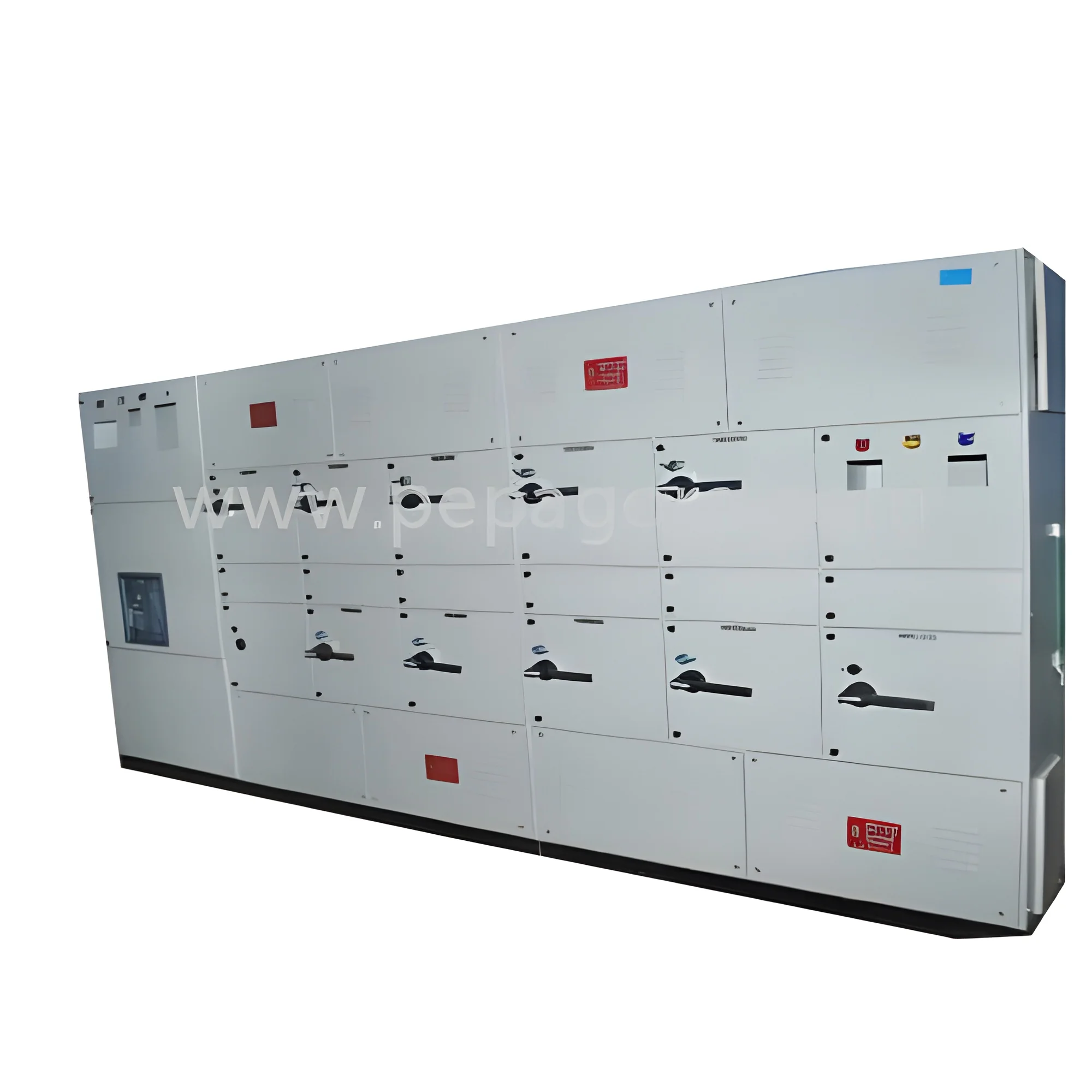
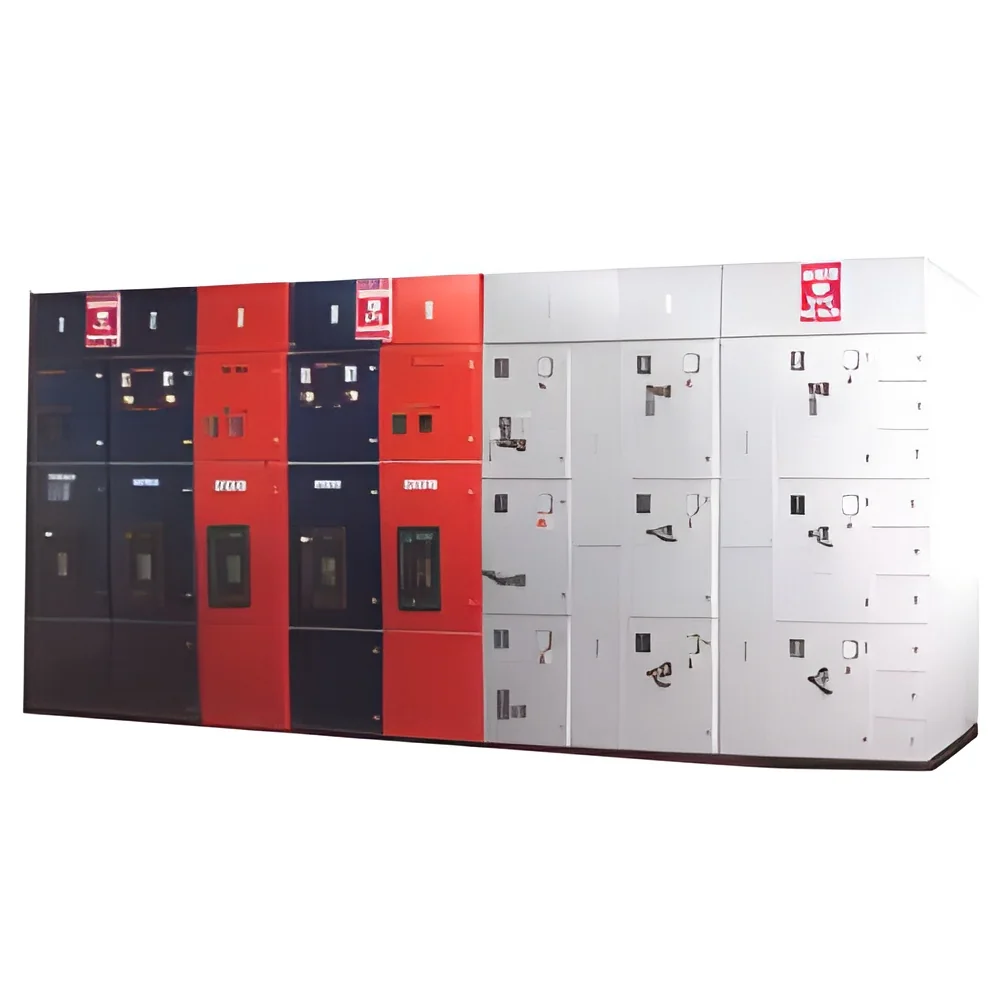
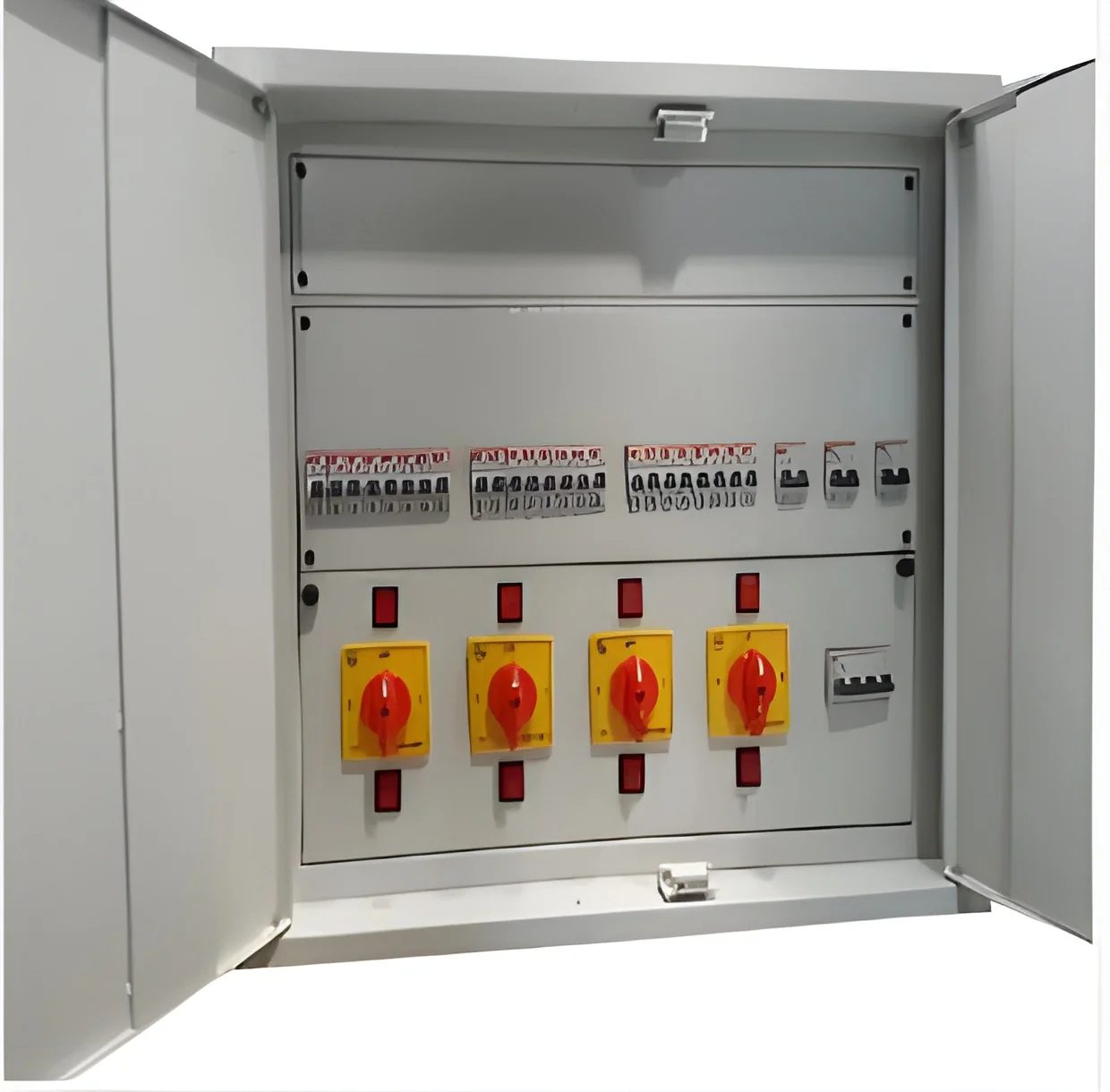
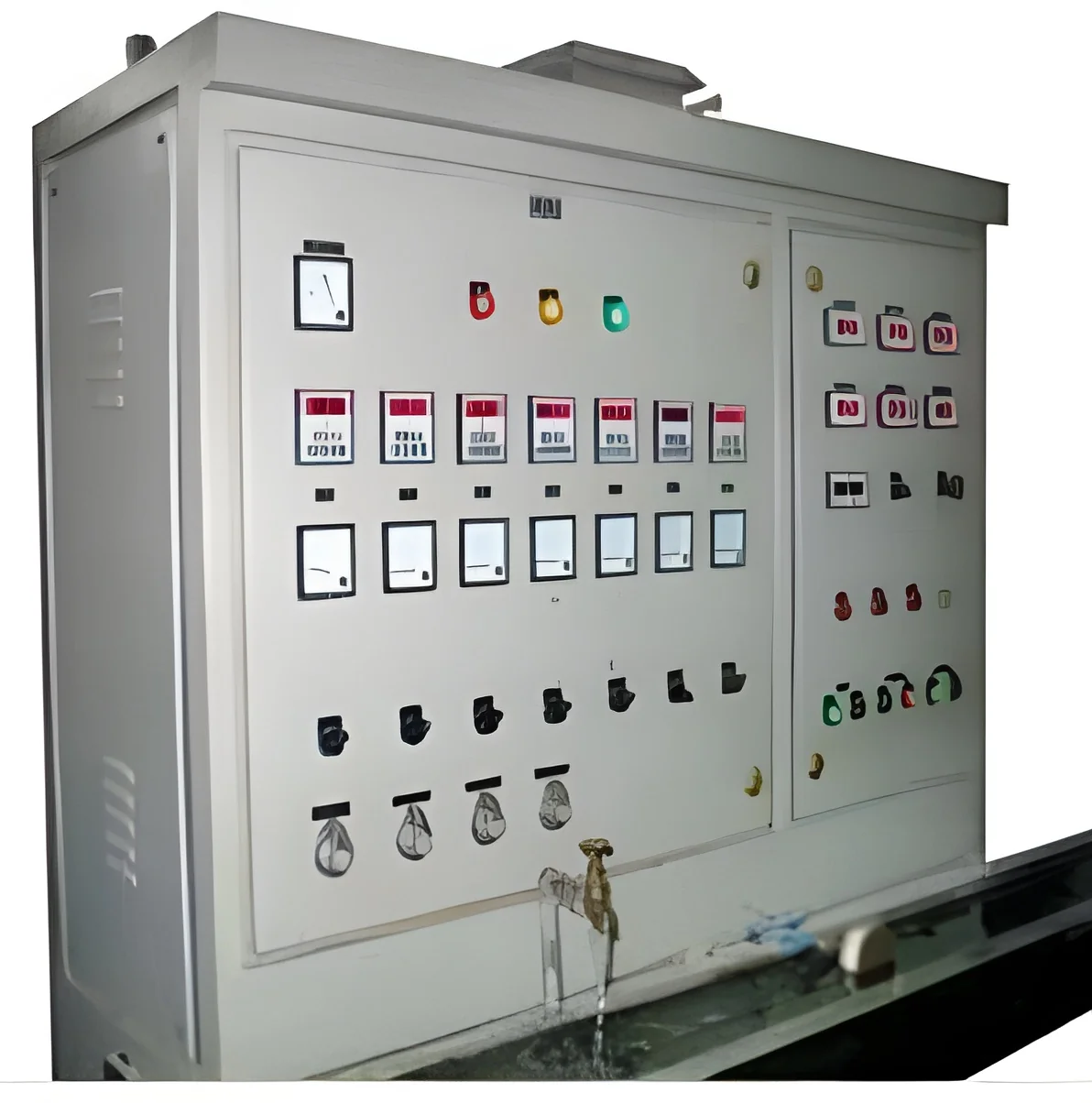
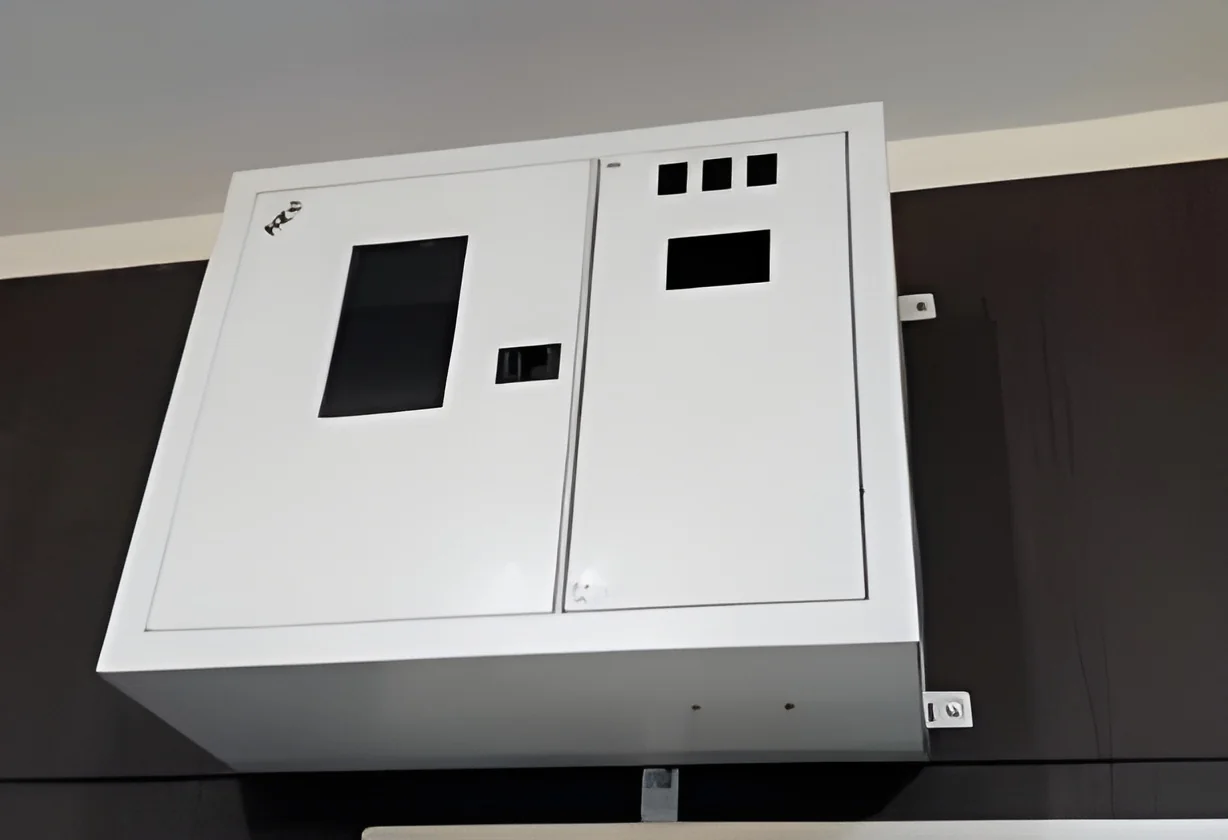
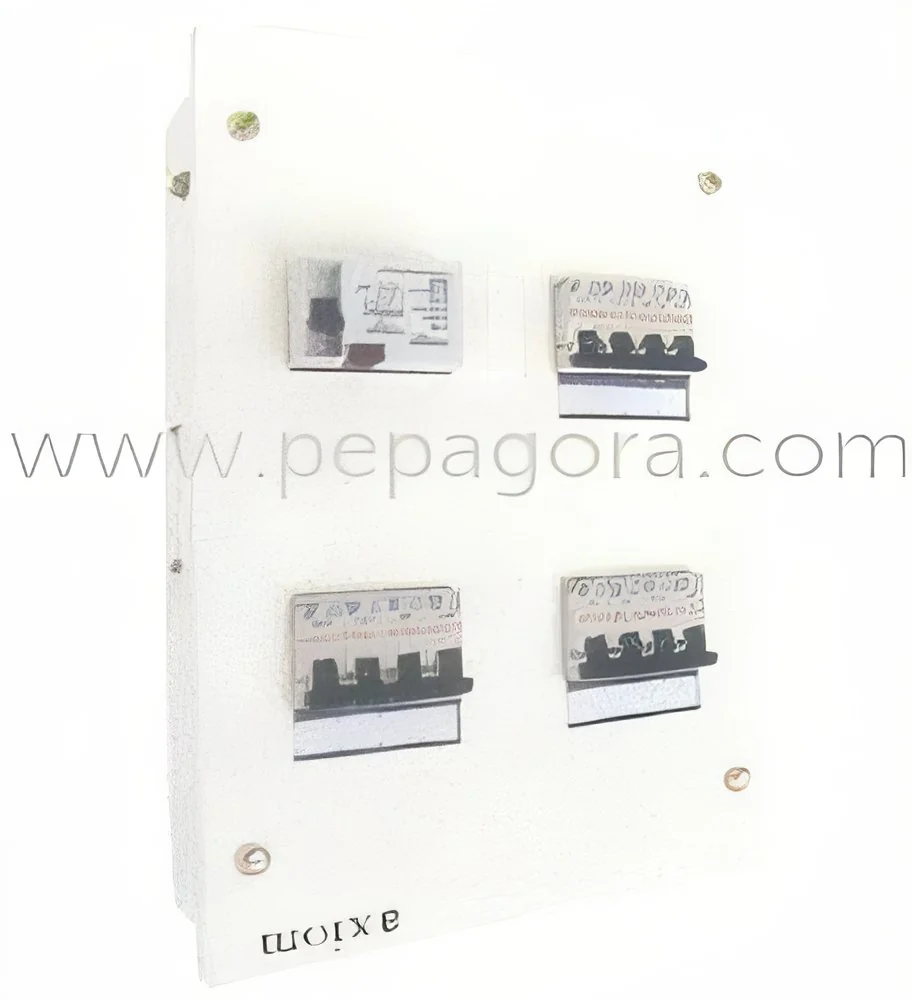
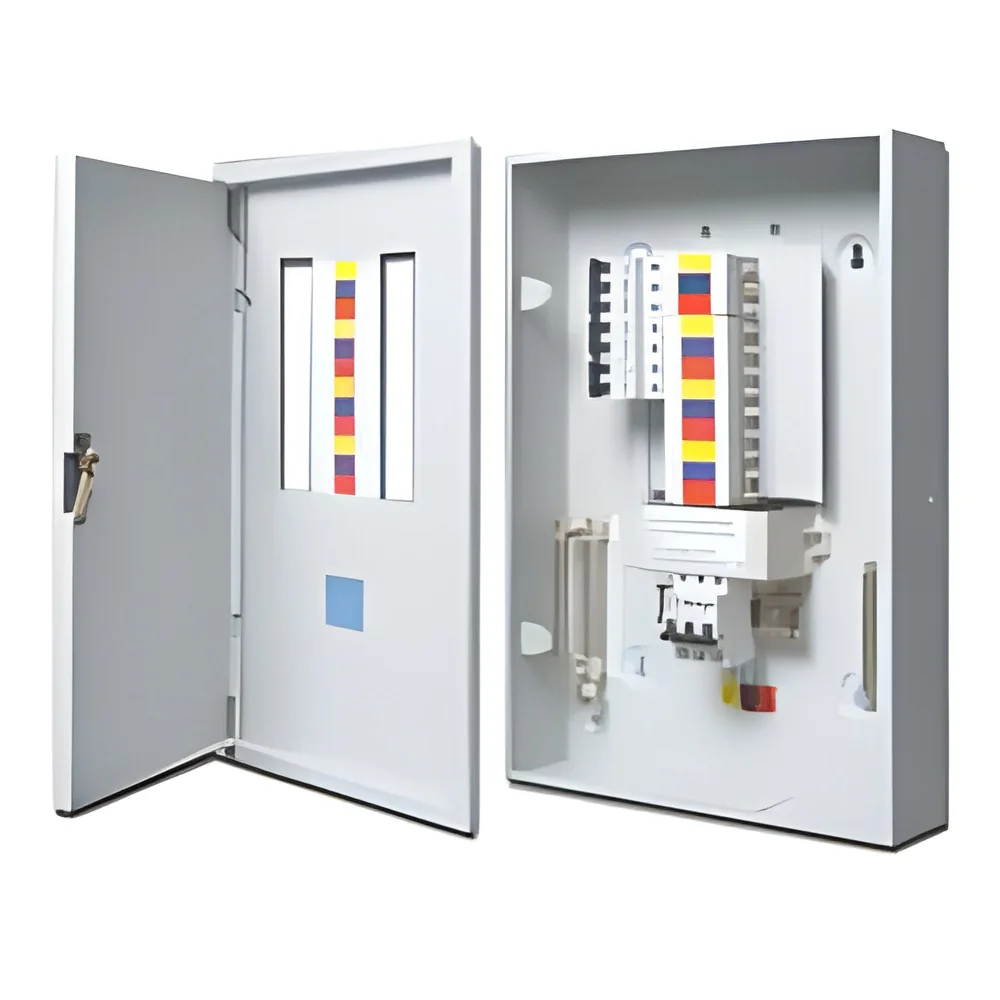
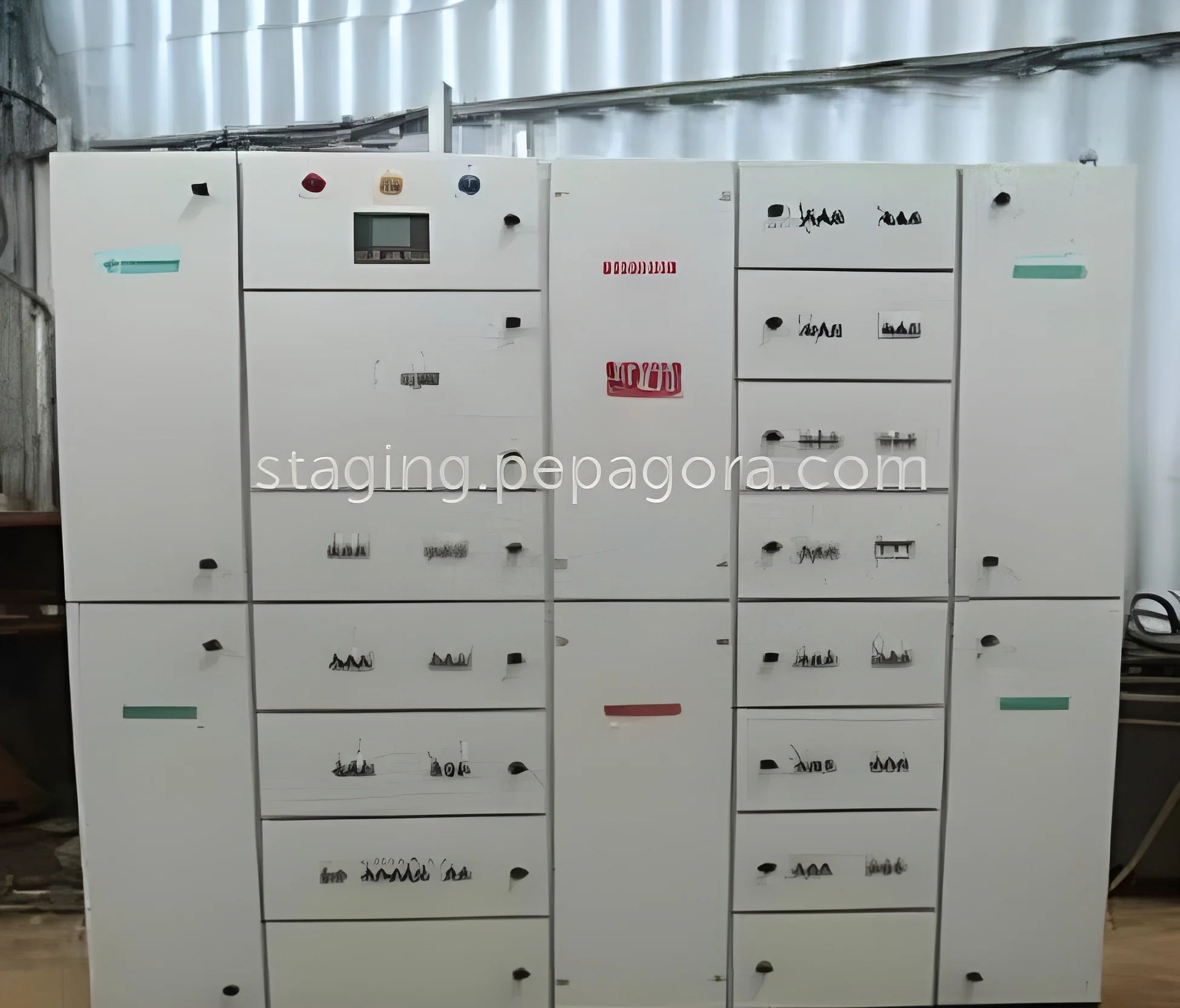
Key Features and Specifications
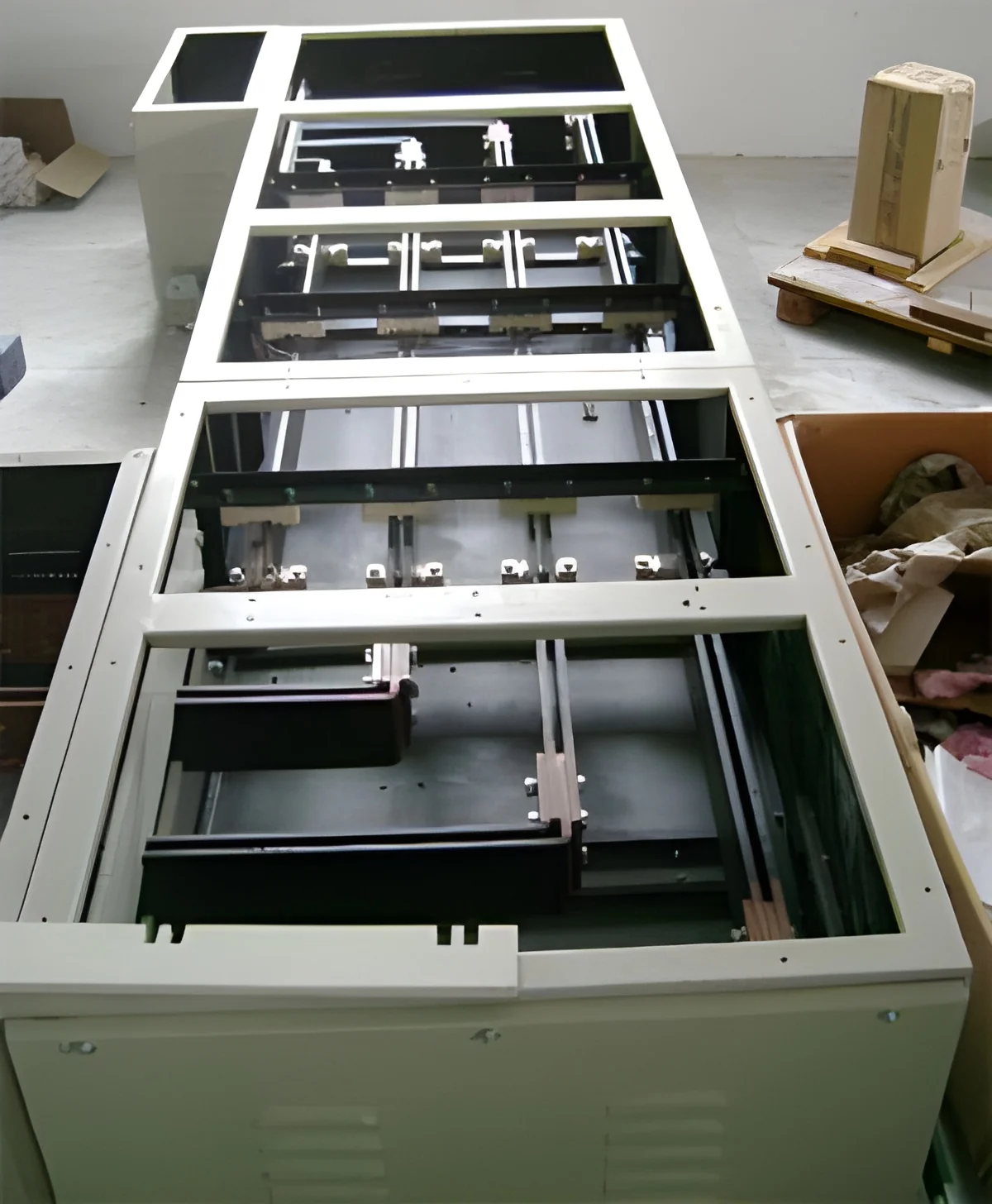
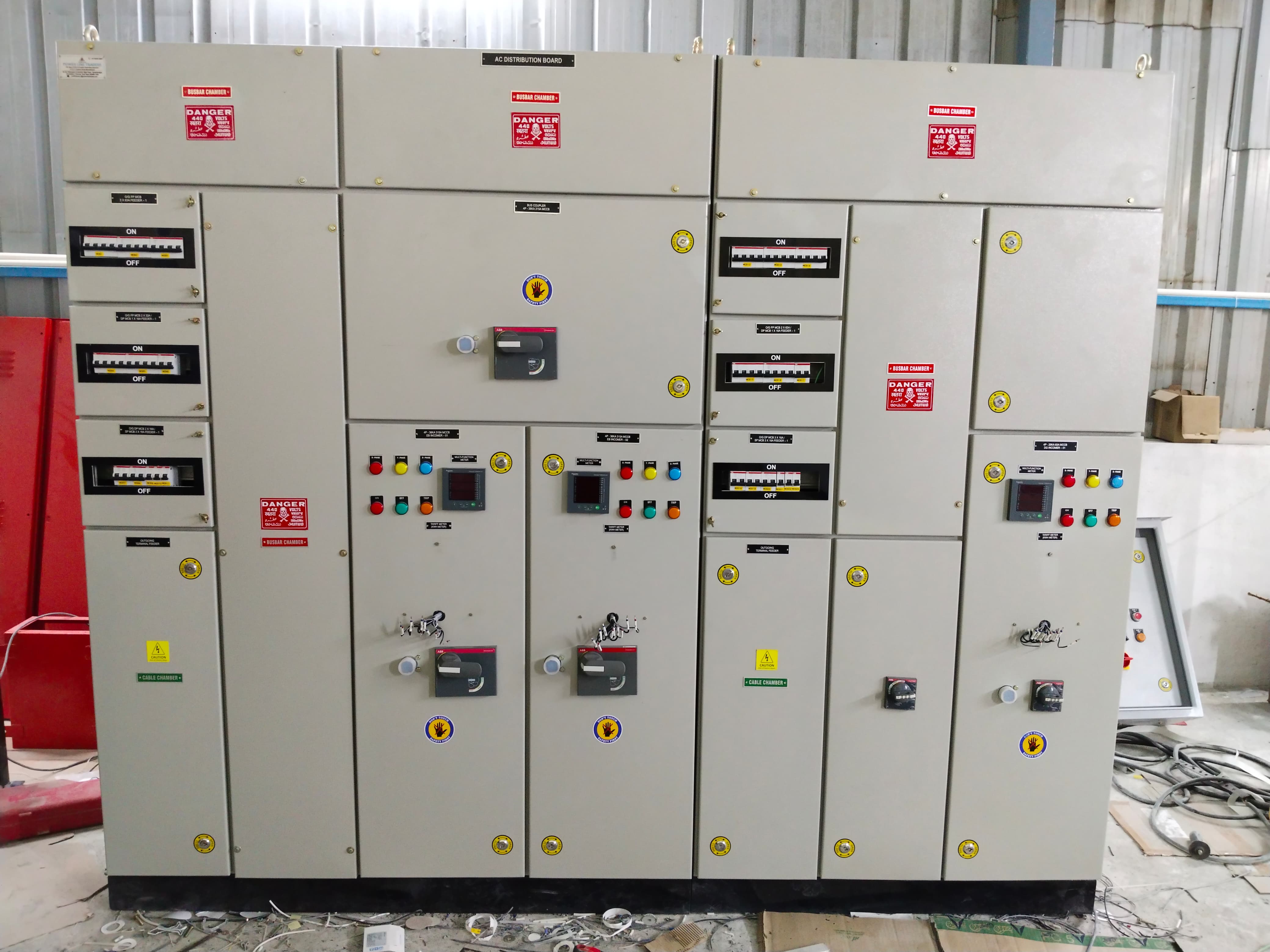
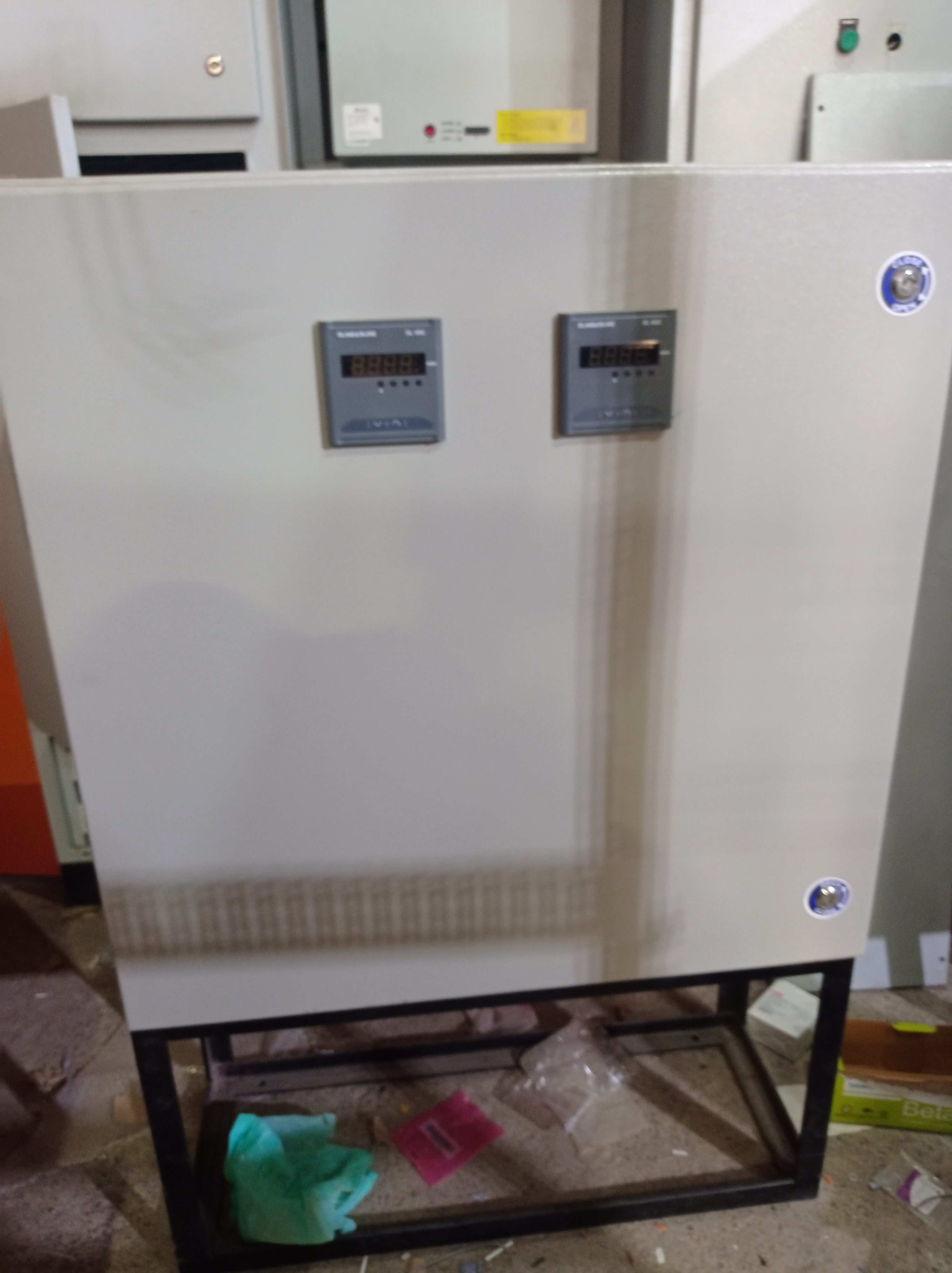
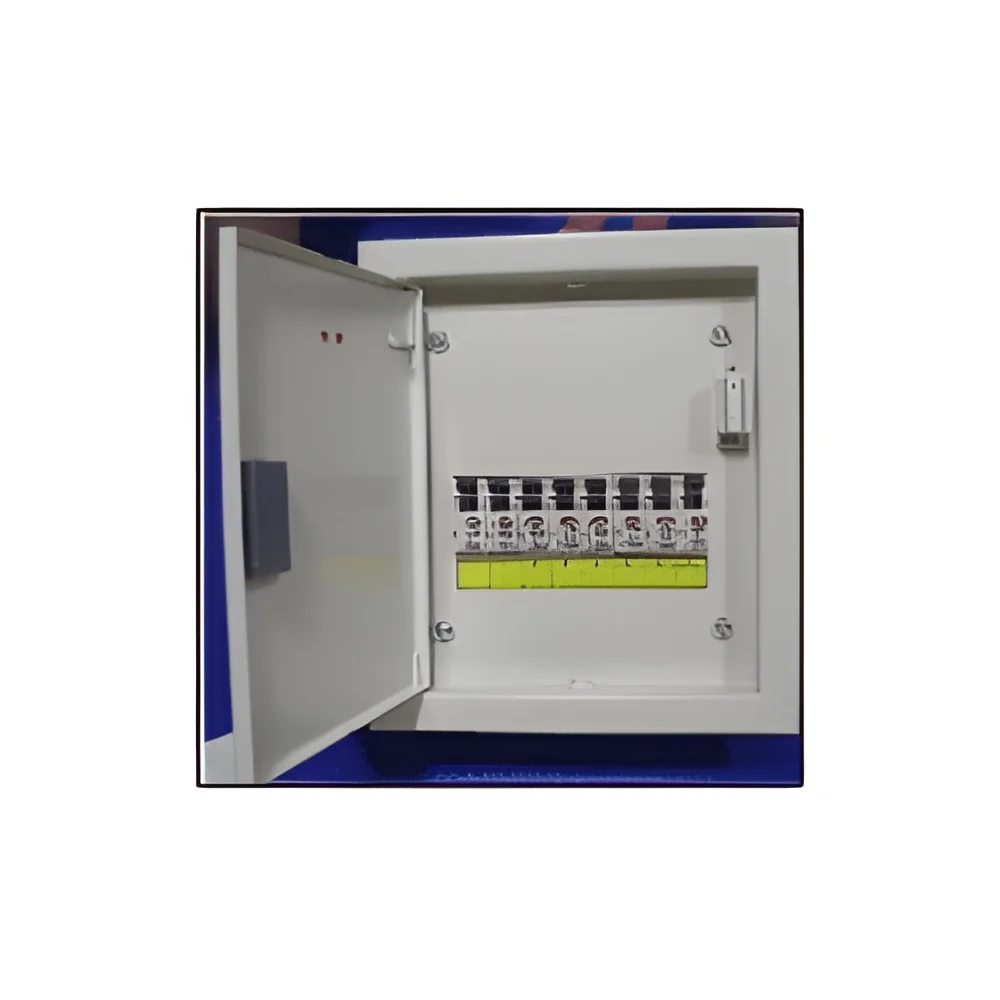
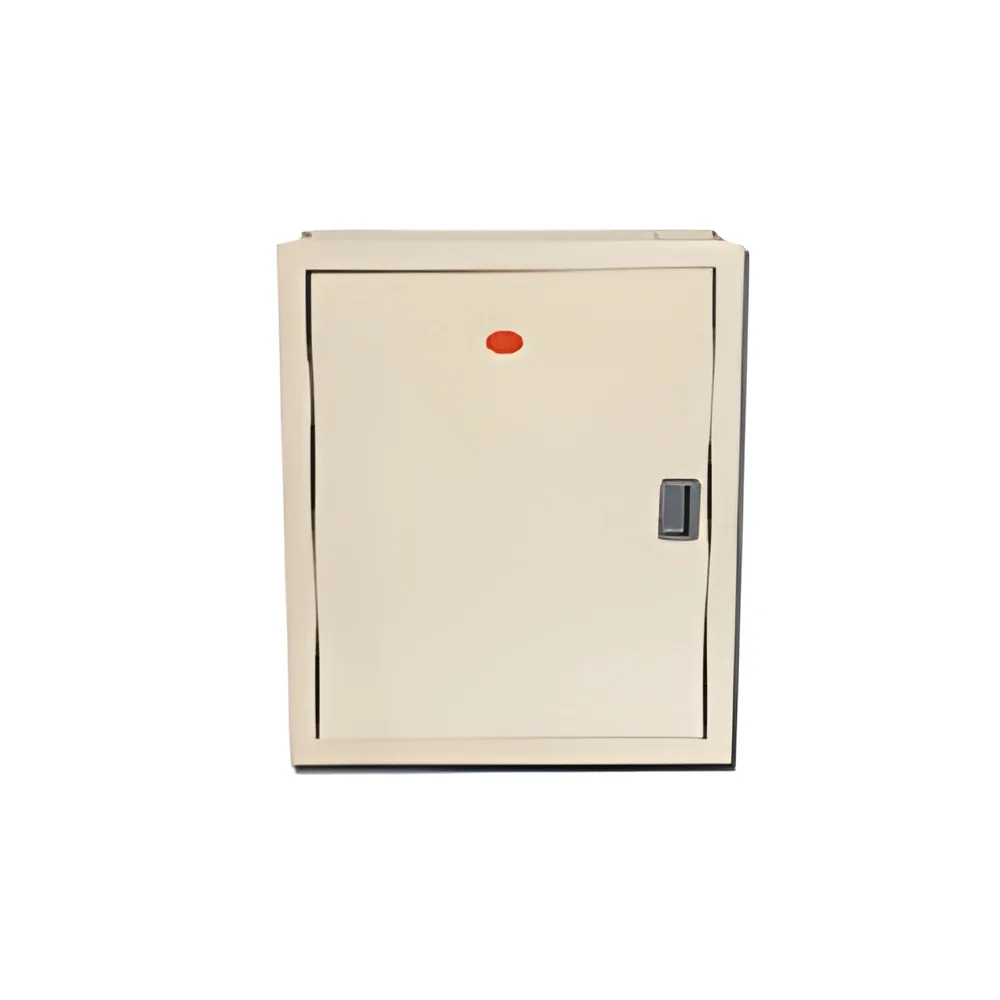
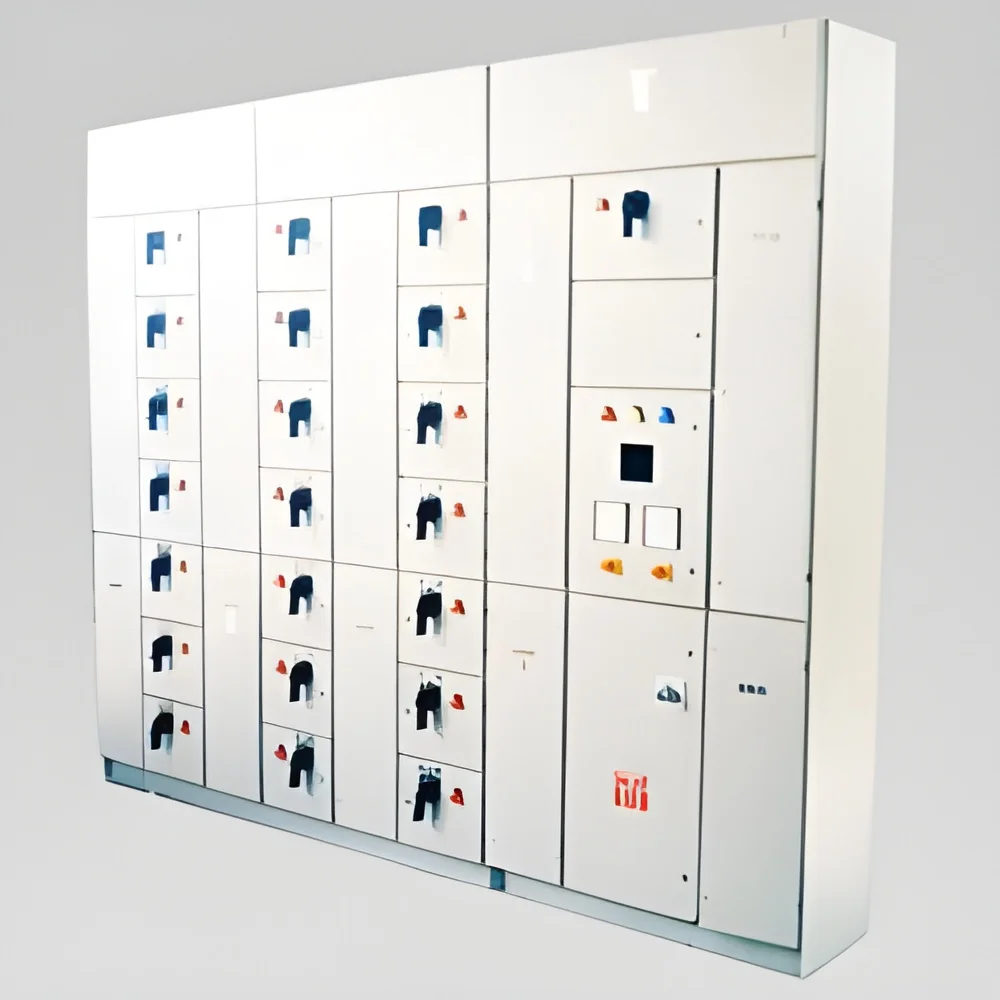
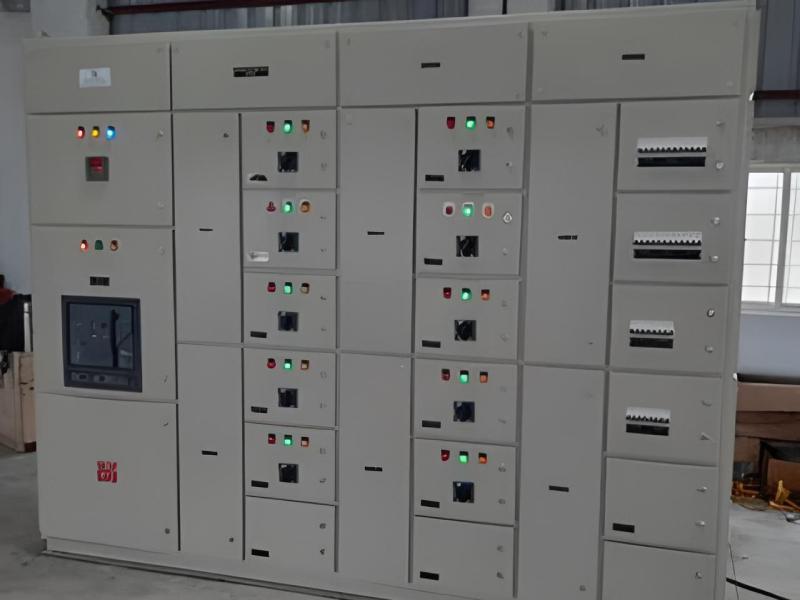
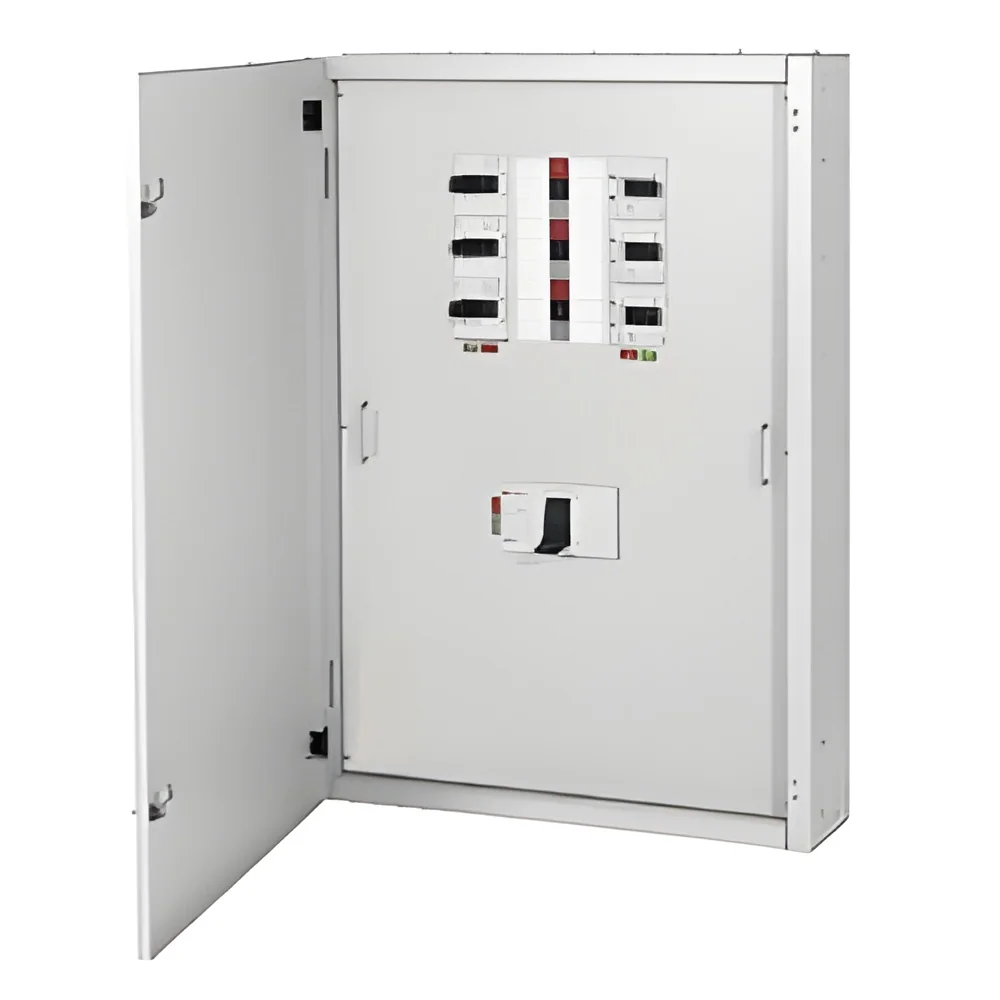
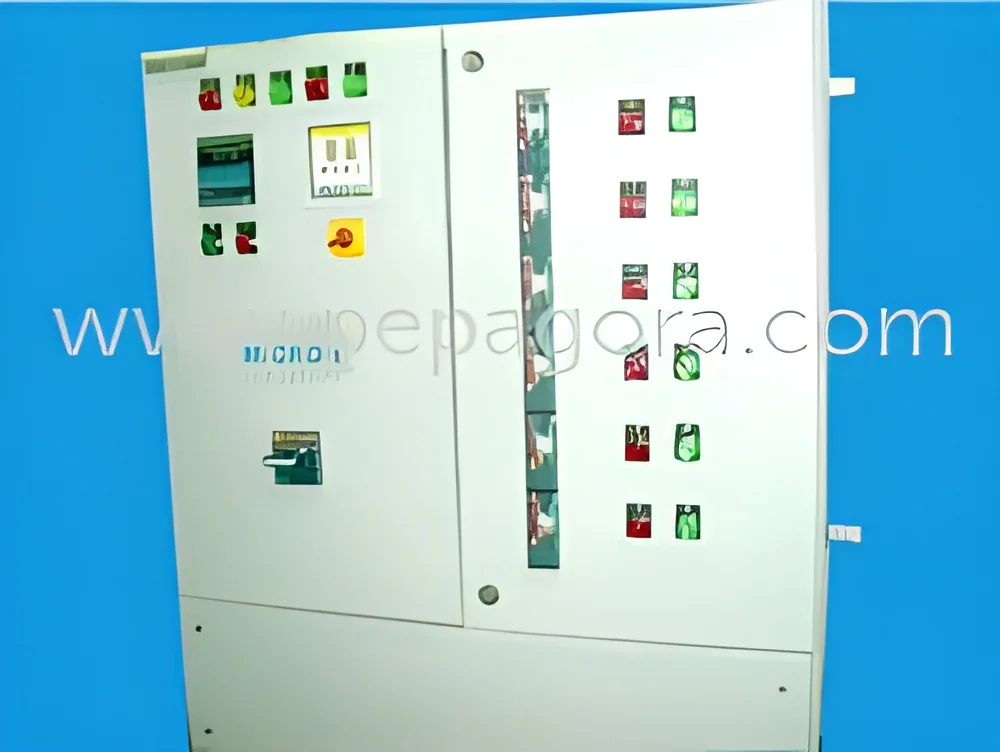
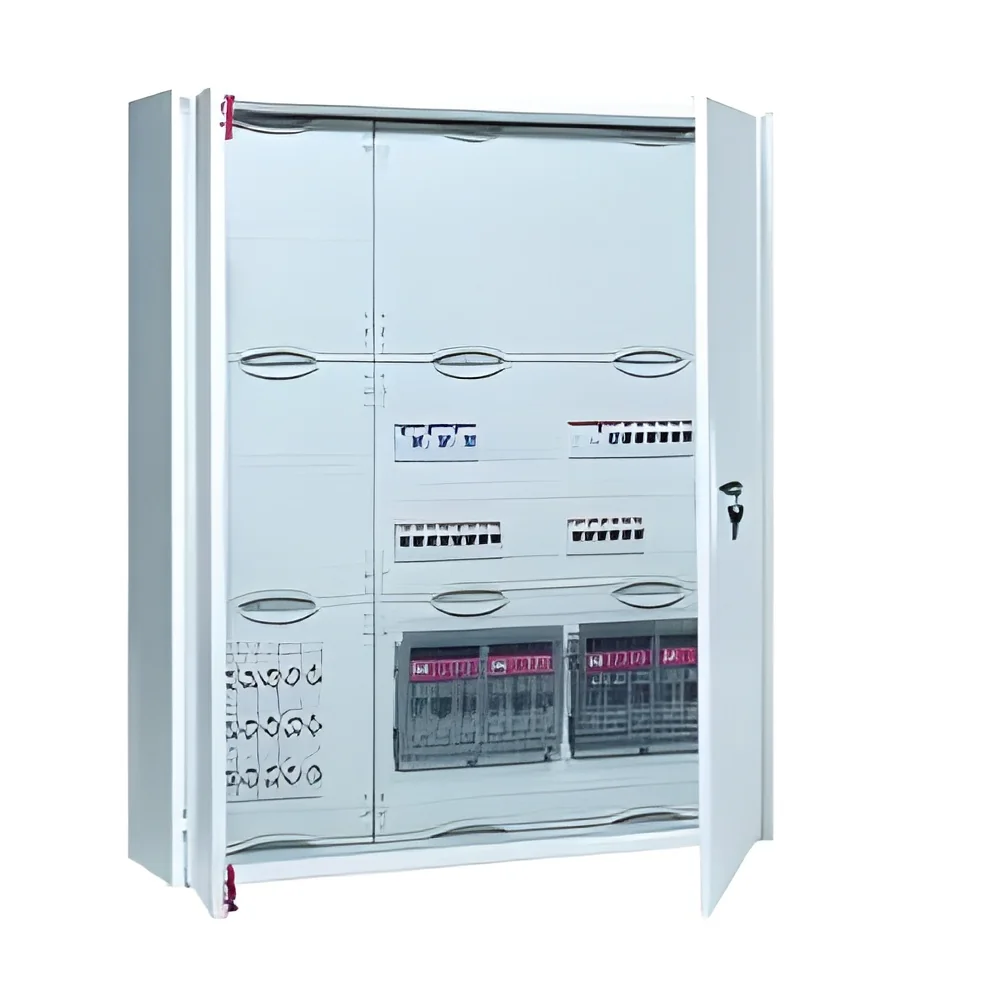
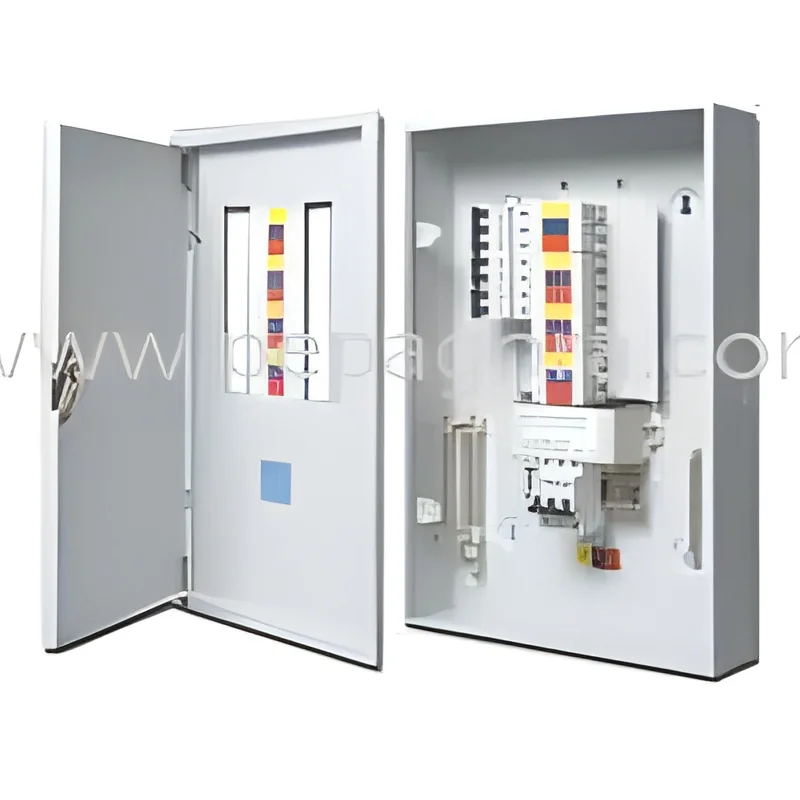
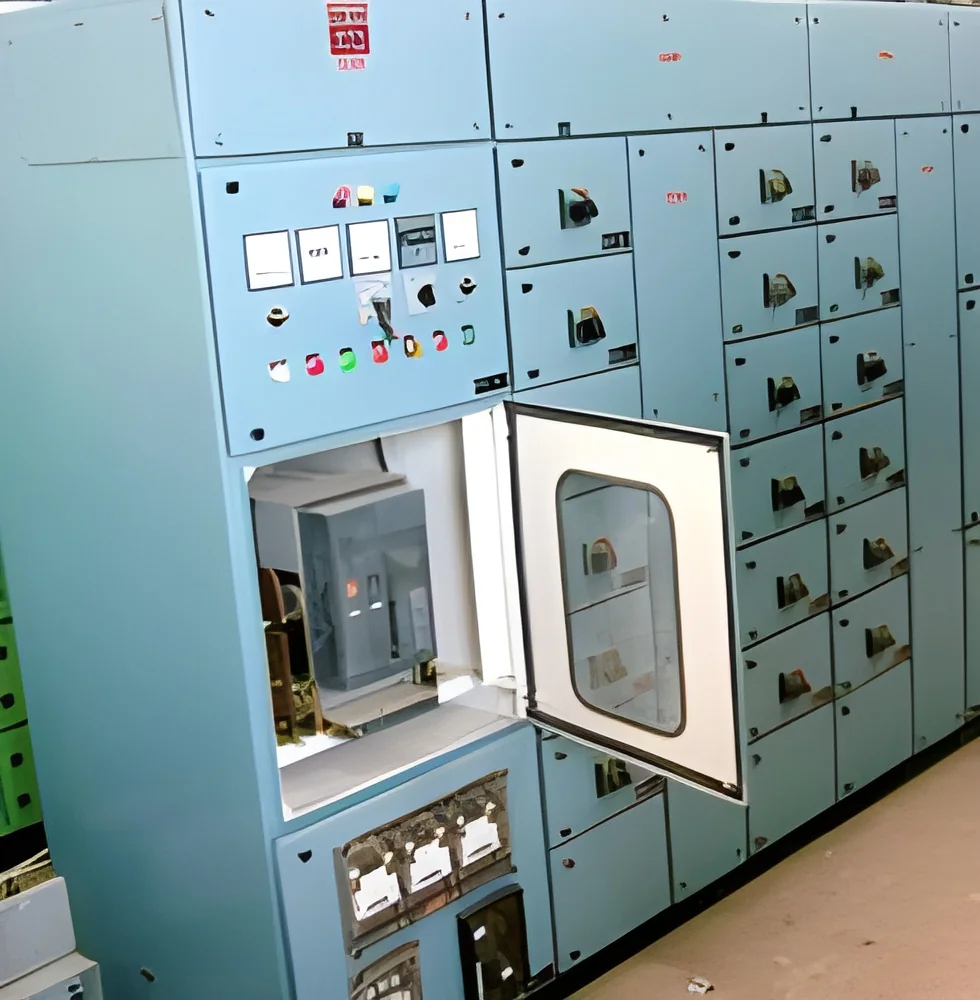
Distribution Boards come with a variety of features and specifications that enhance their functionality and reliability. These specifications are crucial for ensuring optimal performance in various applications. When selecting a distribution board, it is important to consider the following key specifications:
1. Circuit Capacity
- This specification indicates the number of circuits the distribution board can handle.
- Typical ranges may vary from 12 to 36 circuits, depending on the model.
2. Voltage Rating
- Voltage rating refers to the maximum voltage the distribution board can safely manage.
- Common voltage ratings include 230V for single-phase and up to 400V for three-phase systems.
3. Enclosure Type
- The enclosure protects internal components from environmental factors.
- Options include metal and plastic enclosures, with ratings for IP protection.
4. Busbar Rating
- This specification defines the current-carrying capacity of the busbar system.
- Ratings can range from 100A to over 1000A, depending on the application.
5. Breaker Type
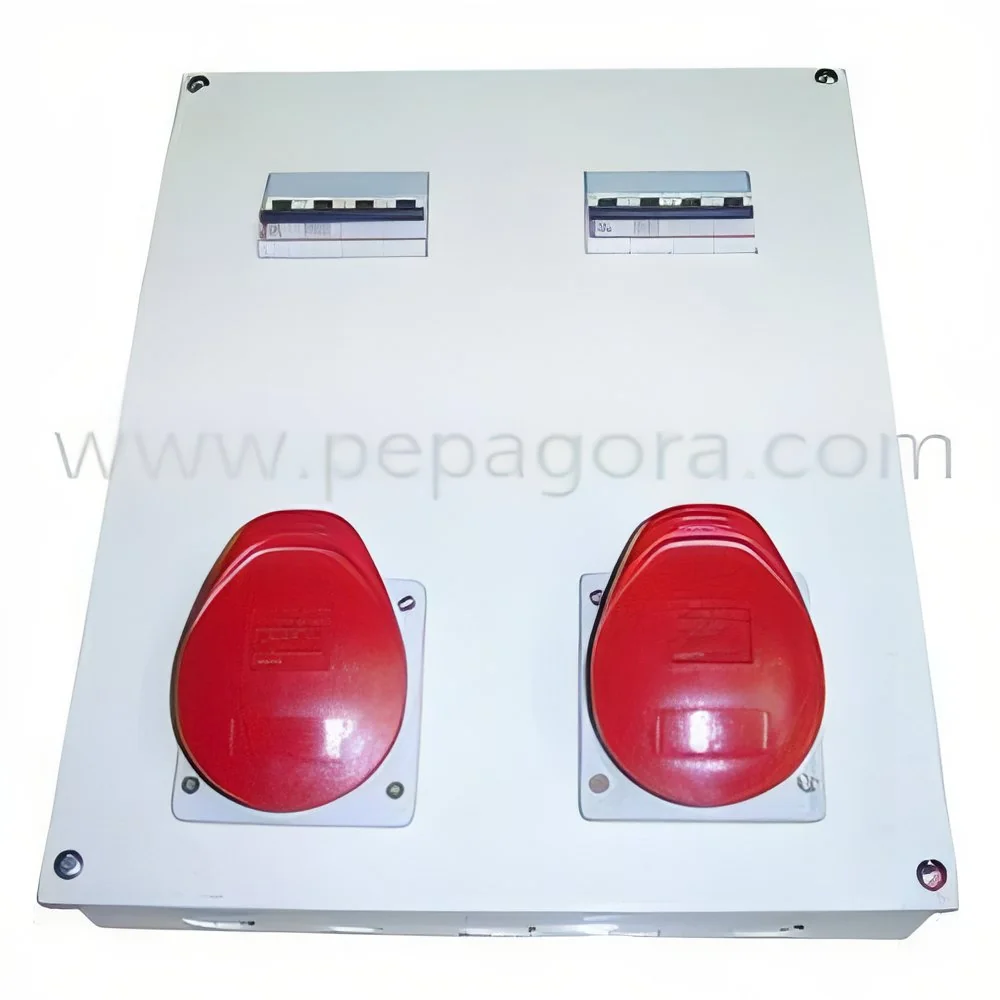
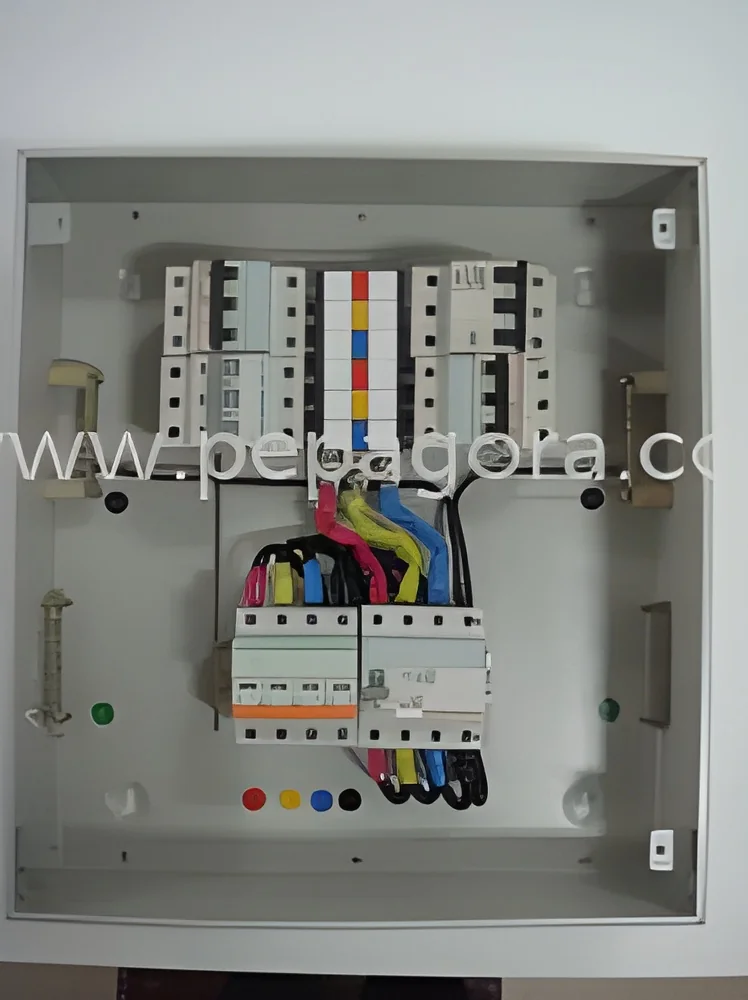
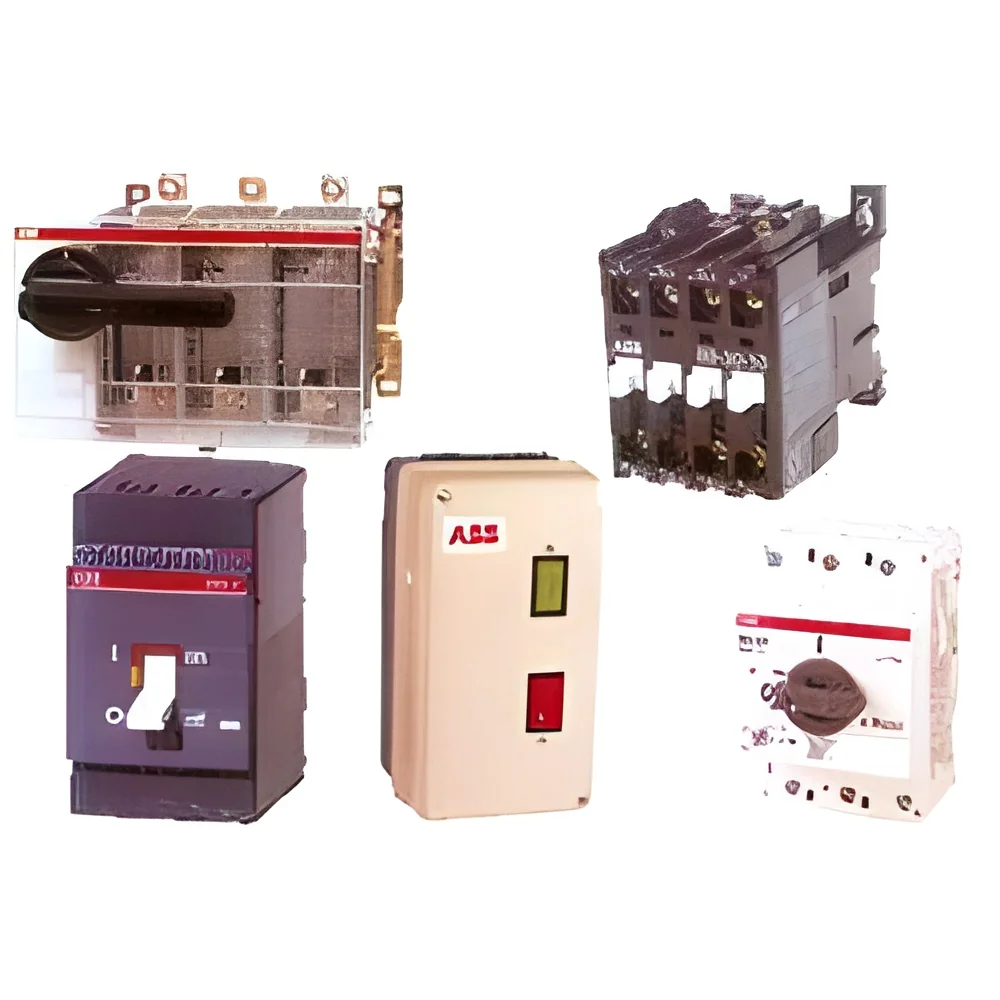
- Distribution boards may feature different types of circuit breakers, such as MCBs or RCCBs.
- Each type serves specific protection requirements against overloads or earth faults.
6. Mounting Style
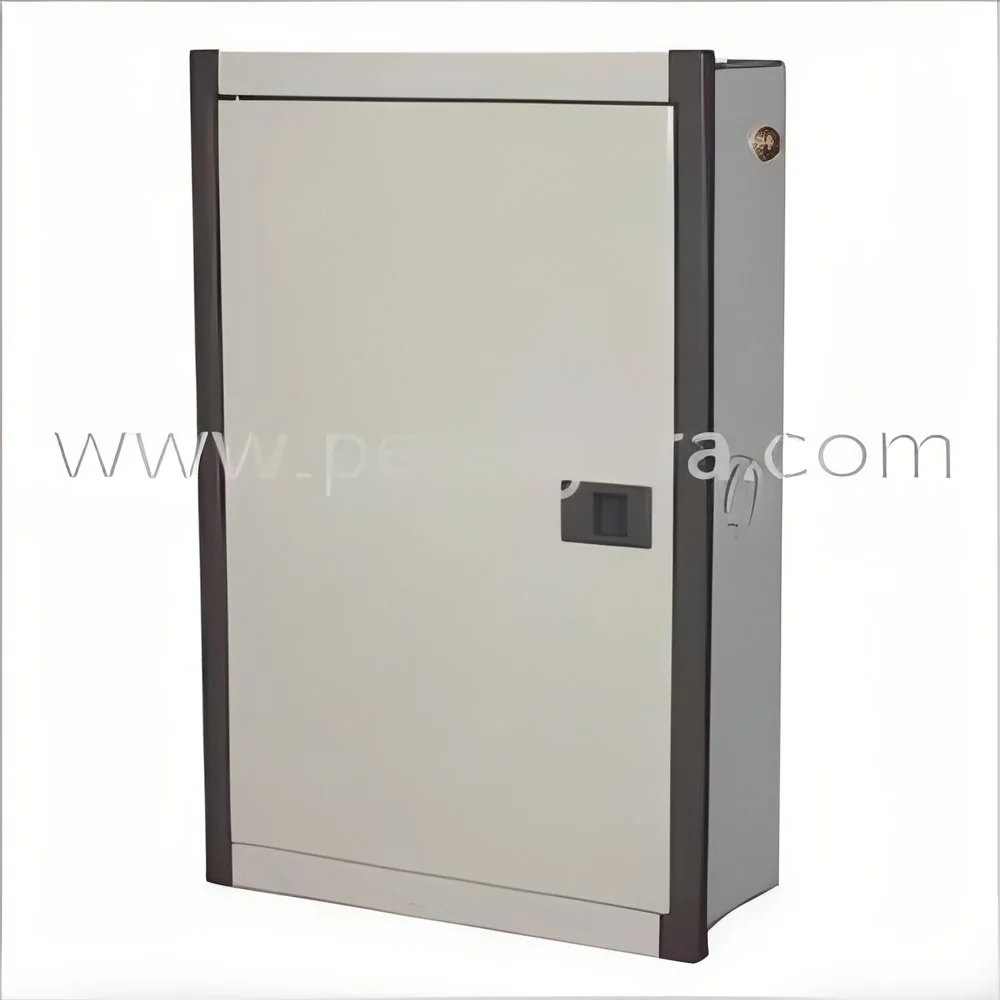
- Mounting options include surface-mounted or flush-mounted boards.
- The choice depends on installation preferences and space availability.
7. Compliance Standards
- Distribution boards must meet certain industry standards and regulations.
- Compliance with standards such as CE and ISO is often required.
8. Additional Features
- Some models come with monitoring capabilities and advanced safety features.
- These may include surge protection and remote monitoring systems.
In summary, understanding the key features and specifications of distribution boards is essential for selecting the right model for specific applications. Proper specifications ensure that the distribution board performs effectively and safely in various operational environments.
Common Applications and Use Cases
Distribution Boards are widely utilized across a range of industries, demonstrating their versatility and critical role in electrical management.
1. Manufacturing: In manufacturing facilities, distribution boards manage power for heavy machinery and production lines, ensuring consistent and safe operation.
2. Construction: In construction sites, these boards distribute electricity to various tools and equipment, maintaining safety and compliance on site.
3. Commercial Real Estate: In office buildings and retail spaces, distribution boards provide power to lighting, HVAC systems, and other essential services.
4. Healthcare: In hospitals and clinics, distribution boards are crucial for powering medical equipment while ensuring safety and reliability.
5. Telecommunications: In telecom facilities, distribution boards manage power distribution for servers and network equipment, supporting continuous operations.
6. Hospitality: In hotels and resorts, they ensure a reliable power supply for guest services, lighting, and entertainment systems.
7. Data Centers: In data centers, distribution boards are vital for managing power to servers and cooling systems, ensuring optimal performance and uptime.
Product Variants and Subcategories
Distribution Boards come in various configurations and designs to suit different applications and environments.
Standard Distribution Boards
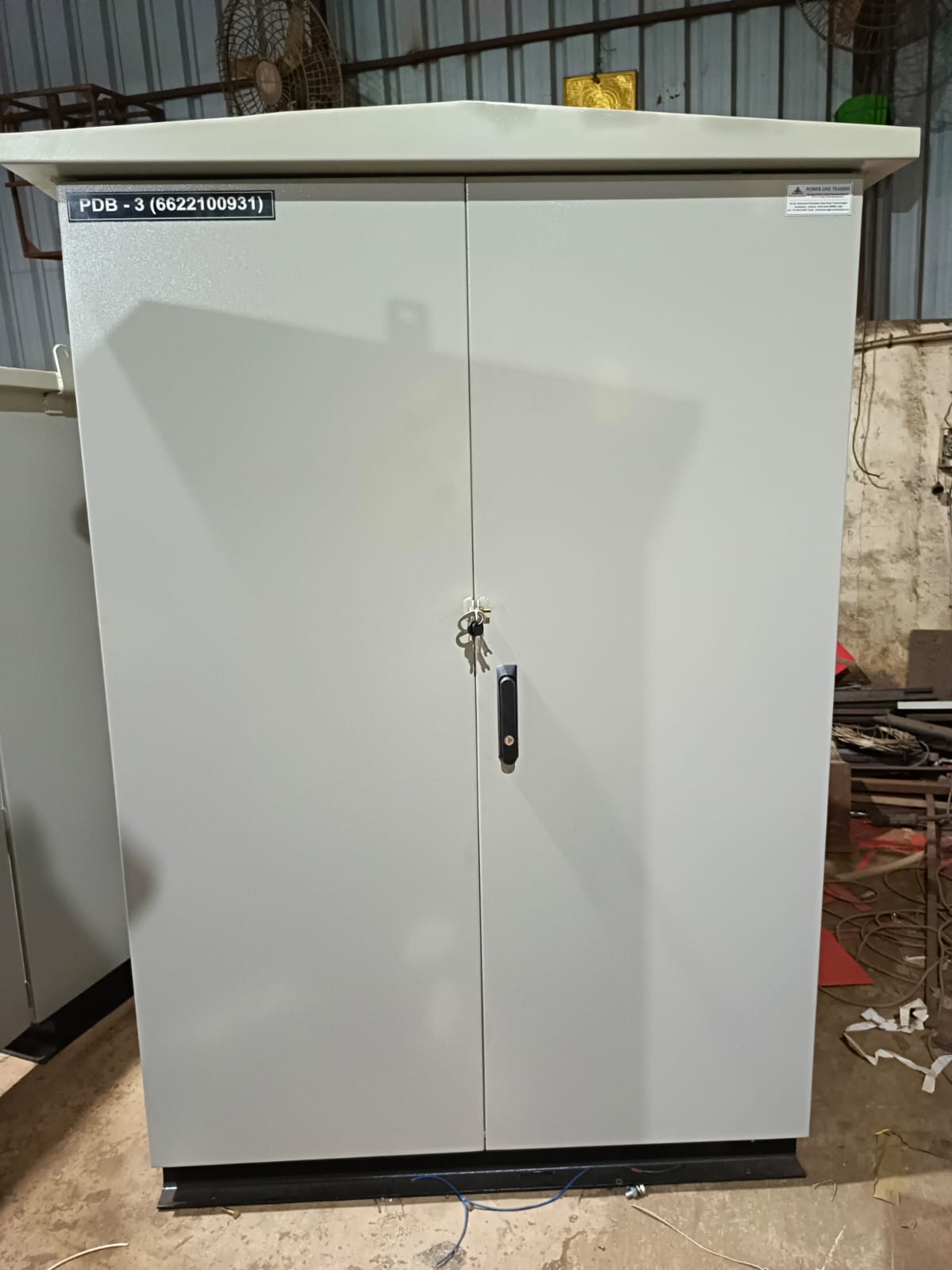
These boards are designed for general use in commercial and industrial settings. They typically house multiple circuit breakers and offer flexibility in circuit management.
Modular Distribution Boards
Modular designs allow for easy expansion and customization. These boards enable businesses to add or remove circuits based on their changing power needs.
Smart Distribution Boards
Equipped with monitoring capabilities, these boards provide real-time data on energy usage and system health. They are ideal for organizations looking to optimize energy efficiency.
Benefits and Advantages
Choosing the right Distribution Board brings several advantages to businesses and facilities.
1. Enhanced Safety: Distribution boards provide essential circuit protection, reducing the risk of electrical fires and equipment damage.
2. Improved Efficiency: By managing electrical distribution effectively, these boards help optimize energy consumption and minimize downtime.
3. Easy Maintenance: With clear labeling and organization, distribution boards simplify maintenance and troubleshooting processes.
4. Scalability: The modular nature of some distribution boards allows businesses to scale their electrical systems as needed without significant upgrades.
5. Compliance Assurance: Using certified distribution boards ensures adherence to industry standards and regulatory requirements, enhancing operational credibility.
6. Cost-Effectiveness: Investing in quality distribution boards can lead to long-term savings by reducing energy waste and maintenance costs.
Buying Guide for B2B Buyers
When sourcing Distribution Boards, B2B buyers should consider several critical factors to ensure they make informed decisions.
1. Quality Assessment: Evaluate the build quality and materials used in the distribution board. Look for certifications that indicate compliance with industry standards.
2. Supplier Verification: Vet potential suppliers by checking their credentials, customer reviews, and track record in delivering quality products. A reliable supplier can ensure consistent product quality.
3. Pricing and MOQ: Understand the pricing structure and minimum order quantities (MOQ) required by suppliers. This information helps in budgeting and managing inventory effectively.
4. Delivery and Lead Times: Inquire about the delivery timelines and lead times for orders. Timely delivery is crucial for project schedules and operations.
5. Compliance Requirements: Ensure that the distribution boards meet all necessary regulatory and safety standards. Compliance with local and international standards is vital for operational safety.
Compliance and Certifications
Compliance and certifications are crucial aspects of Distribution Boards, ensuring safety and reliability in electrical management.
Distribution Boards must meet various quality standards, such as ISO 9001, which focuses on quality management systems. This standard ensures that manufacturers adhere to consistent quality control processes.
In addition to quality standards, certifications like CE are important. CE marking confirms that the product complies with European safety and environmental protection legislation.
Safety and testing requirements are also essential in the production of distribution boards. These requirements ensure that the boards can withstand electrical loads and provide adequate protection against faults.
Furthermore, regional compliance considerations may vary. It is important for manufacturers and suppliers to be aware of local regulations and standards that impact the design and operation of distribution boards.
Why Source Distribution Boards from Pepagora?
Pepagora offers a reliable platform for sourcing Distribution Boards, providing significant advantages to buyers.
Verified Supplier Network: Pepagora ensures that all suppliers are thoroughly vetted, offering buyers peace of mind regarding product quality and supplier reliability. This verification process helps mitigate risks associated with sourcing.
Streamlined RFQ Process: The Request for Quotation (RFQ) process on Pepagora is designed to simplify the sourcing experience. Buyers can quickly compare quotes from multiple suppliers, saving time and effort in procurement.
Trade Assurance and Support: Pepagora provides trade assurance, ensuring that buyers are protected throughout the purchasing process. This support adds an extra layer of security when sourcing crucial components like distribution boards.
Regional Coverage: Pepagora has extensive regional coverage, including India, the GCC, and Southeast Asia. This geographic reach allows buyers to access a diverse range of suppliers and products, catering to various market needs.
By choosing Pepagora, businesses can enhance their procurement process and ensure they are sourcing high-quality Distribution Boards that meet their operational requirements.

 IN
IN



 India
India