
 IN
Demountable Partition Structures
3 products available
What are Demountable Partition Structures?
Demountable Partition Structures are flexible, movable wall systems designed to create distinct areas within a larger space. They are typically constructed from lightweight materials, allowing for easy installation and reconfiguration. These partitions can be dismantled and relocated without damaging the structural integrity of the building, making them a practical choice for modern workspace designs.
These structures are primarily used in various business environments, including offices, conference rooms, and retail spaces. They facilitate efficient space utilization by allowing businesses to adapt their layouts quickly as needs change. Companies can increase or decrease space as required, fostering a more dynamic and responsive work environment. As organizations increasingly focus on flexibility, the demand for demountable partitions has grown across numerous industries.
In the current market context, demountable partitions are especially relevant for businesses looking to optimize their operational efficiency. Industries such as technology, finance, and education are leveraging these structures to create versatile environments that support collaboration and innovation. This adaptability aligns with modern architectural trends that prioritize open spaces while maintaining privacy and functionality.
Key Features and Specifications
Demountable Partition Structures offer numerous features that cater to diverse business needs. These partitions are designed for quick assembly and disassembly, allowing businesses to adapt their spaces without significant downtime. Additionally, they can be customized to fit specific design aesthetics and functional requirements.
Key specifications include:
1. Material Composition
- Typically made from lightweight materials such as aluminum and glass
- Offers durability while ensuring ease of movement
2. Height and Configuration Options
- Available in various heights to suit different ceiling designs
- Configurable as full-height or half-height partitions depending on privacy needs
3. Acoustic Performance
- Designed to provide sound insulation between spaces
- Achieves noise reduction ratings suitable for office environments
4. Aesthetic Finishes
- Available in a range of colors and finishes
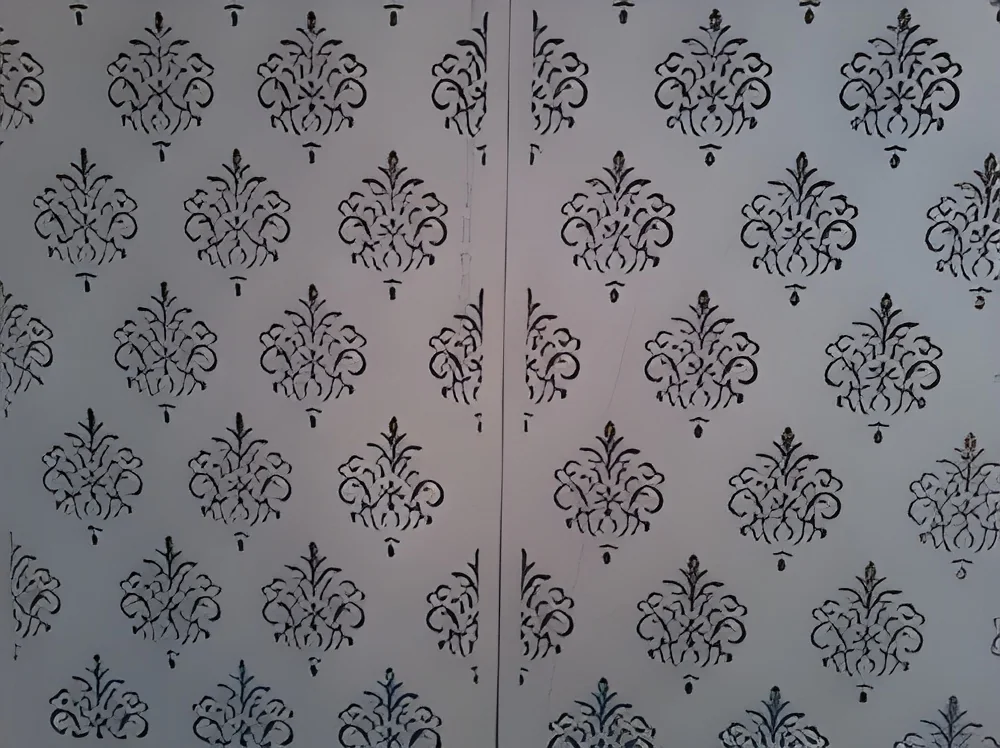
- Can be customized to match brand identity and interior design schemes
5. Installation Flexibility
- Quick to install and dismantle, requiring minimal tools
- Allows for easy reconfiguration without professional assistance
6. Compatibility with Technology
- Designed to accommodate electrical and data cabling
- Supports integration with modern office technologies
7. Sustainability Features
- Made from recyclable materials, contributing to eco-friendly practices
- Can be reused and relocated multiple times, reducing waste
8. Safety Standards
- Complies with relevant safety regulations and building codes
- Ensures a secure and stable installation in commercial environments
In summary, the features and specifications of Demountable Partition Structures make them an ideal solution for businesses seeking flexibility and efficiency in space management.
Common Applications and Use Cases
Demountable Partition Structures are versatile and can be used across various sectors.
1. Office Spaces: These partitions are widely used to create individual workstations or collaborative areas, optimizing the layout for productivity.
2. Educational Institutions: Schools and universities utilize demountable partitions to create adaptable learning environments that can be modified for different teaching styles.
3. Retail Environments: Retailers use these structures to design temporary displays or changing rooms, allowing for quick layout adjustments based on seasonal promotions.
4. Healthcare Facilities: Hospitals and clinics implement demountable partitions to create private examination rooms or patient areas that can be reconfigured as needed.
5. Conference Centers: These spaces often utilize partitions to create breakout rooms or flexible meeting areas, enhancing the usability of large venues.
6. Manufacturing Plants: In industrial settings, demountable partitions help delineate work areas for safety and efficiency while maintaining the ability to adapt space layouts.
7. Hospitality: Hotels leverage these structures for event spaces that can be transformed for different functions, maximizing their venue utility.
Product Variants and Subcategories
Demountable Partition Structures come in various forms to meet different needs.
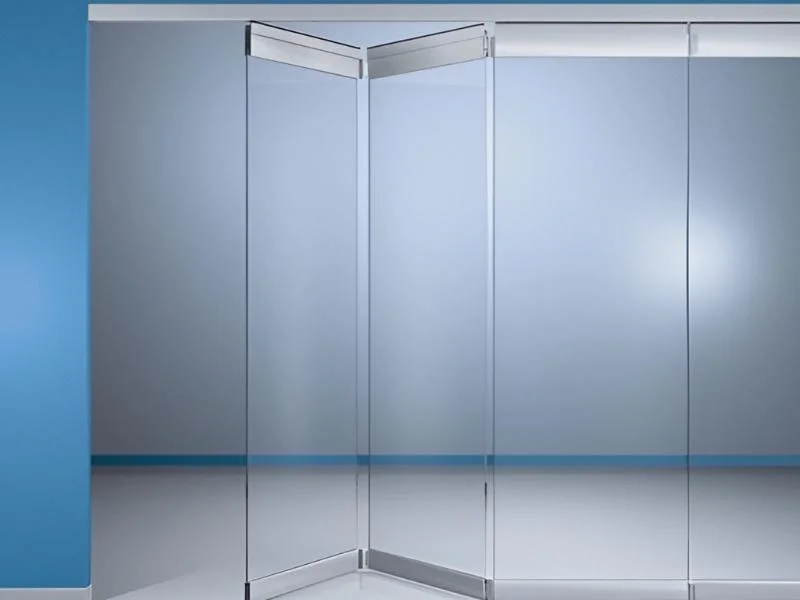
Glass Partitions: These offer a modern aesthetic while providing transparency and natural light in office settings. They are ideal for creating open environments while maintaining a sense of separation.
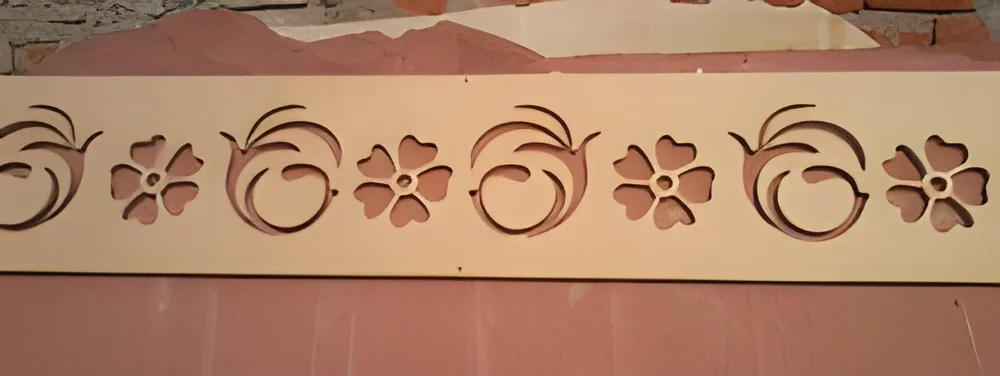
Solid Partitions: Constructed from durable materials, solid partitions provide increased privacy and sound insulation. They are well-suited for private offices or meeting rooms.
Modular Partitions: These allow for a high degree of customization and flexibility, enabling businesses to change layouts easily as their needs evolve.
Foldable Partitions: Designed to maximize space, foldable partitions can be expanded or retracted based on requirements, making them ideal for multi-purpose areas.
Benefits and Advantages
Demountable Partition Structures offer numerous benefits that enhance operational efficiency.
1. Flexibility: Businesses can quickly adapt their environments to meet changing needs, whether for growth or reorganization.
2. Cost-Effectiveness: The ability to reuse and relocate partitions reduces the need for costly renovations and construction.
3. Time Efficiency: Quick installation and disassembly minimize downtime during reconfigurations, allowing businesses to maintain productivity.
4. Aesthetic Appeal: Customizable designs enable businesses to create visually appealing spaces that reflect their brand identity.
5. Improved Collaboration: Open layouts foster collaboration and communication among teams, enhancing overall productivity.
6. Sustainability: These partitions promote environmentally friendly practices through their reusable and recyclable nature.
Buying Guide for B2B Buyers
When sourcing Demountable Partition Structures, several key factors should be taken into consideration.
1. Quality Assessment: Buyers should evaluate the materials and construction quality to ensure durability and performance meet industry standards. Look for certifications that indicate compliance with safety and quality benchmarks.
2. Supplier Verification: It is essential to vet suppliers for their reliability and reputation in the market. Consider their track record, customer reviews, and industry experience before making a decision.
3. Pricing and MOQ: Understand the pricing structure and minimum order quantities required by suppliers. This helps in budgeting and ensures that the purchase aligns with business needs.
4. Delivery and Lead Times: Assess the logistics involved in the delivery process, including estimated lead times. Timely delivery is crucial for maintaining project schedules.
5. Compliance Requirements: Ensure that the partition structures comply with relevant local regulations and industry standards. This includes safety, fire codes, and environmental considerations.
Compliance and Certifications
Demountable Partition Structures must adhere to various quality and safety standards to ensure they meet industry requirements.
ISO 9001 is a critical standard that ensures organizations maintain effective quality management systems. Compliance with this standard indicates that a supplier is committed to delivering high-quality products consistently.
CE certification is another vital standard that confirms compliance with EU legislation, ensuring that products meet safety, health, and environmental protection requirements.
Safety and testing requirements are essential to verify that the partitions can withstand various environmental factors and maintain structural integrity. This includes assessments for fire safety, acoustics, and durability.
Regional compliance considerations may vary, so it is crucial to understand specific local regulations that apply to the installation and use of demountable partitions in different markets.
Why Source Demountable Partition Structures from Pepagora?
Pepagora serves as a trusted platform for sourcing Demountable Partition Structures, providing several key advantages to buyers.
Verified Supplier Network: Pepagora boasts a robust network of verified suppliers who meet strict quality and safety standards. This ensures buyers can source reliable products with confidence.
Streamlined RFQ Process: The platform simplifies the request for quotation (RFQ) process, allowing buyers to receive competitive quotes from multiple suppliers quickly. This efficiency helps in making informed purchasing decisions.
Trade Assurance and Support: Pepagora offers trade assurance, providing buyers with protection and support throughout the purchasing process. This commitment fosters trust and reliability in transactions.
Regional Coverage: With a wide geographic reach across India, the GCC, and Southeast Asia, Pepagora connects buyers with suppliers in various regions, facilitating easy access to quality demountable partition solutions.
In conclusion, sourcing Demountable Partition Structures from Pepagora ensures businesses can leverage a trusted network, efficient processes, and comprehensive support in their purchasing journey.





Frequently Asked Questions
What are Demountable Partition Structures?
Demountable Partition Structures are modular wall systems that can be easily assembled, disassembled, and reconfigured. They are designed for flexibility in office spaces and other environments, allowing for quick changes in layout without significant construction work.
What are the different types of Demountable Partition Structures?
There are several types of Demountable Partition Structures, including glass partitions, solid panels, and acoustic partitions. Each type serves different purposes, such as enhancing natural light, providing privacy, or minimizing sound transmission within spaces.
How do I choose the right Demountable Partition Structures?
Choosing the right Demountable Partition Structures involves considering factors such as the intended use of the space, desired aesthetics, soundproofing needs, and budget. Consulting with manufacturers or suppliers can also provide insights into the best options for your specific requirements.
What are the standard specifications for Demountable Partition Structures?
Standard specifications for Demountable Partition Structures typically include dimensions, material types, fire ratings, and acoustic performance ratings. It is important to review these specifications to ensure compliance with local building codes and project requirements.
What is the price range for Demountable Partition Structures?
The price range for Demountable Partition Structures can vary widely based on materials, design complexity, and installation requirements. Generally, prices can range from INR 500 to INR 2000 per square foot, depending on the specifications and features chosen.
What quality standards apply to Demountable Partition Structures?
Demountable Partition Structures are subject to various quality standards, including ISO certifications, fire safety standards, and acoustic performance criteria. Adhering to these standards ensures durability, safety, and functionality in commercial applications.
Where can I find Demountable Partition Structures suppliers in India?
You can find Demountable Partition Structures suppliers in India through online B2B marketplaces like Pepagora.com, industry trade shows, or by searching through manufacturer directories. It's advisable to evaluate suppliers based on their reputation, product range, and customer reviews.
Can Demountable Partition Structures be customized?
Yes, Demountable Partition Structures can be customized to meet specific design and functional requirements. Customization options may include different materials, finishes, sizes, and configurations to suit individual client needs.
What is the typical minimum order quantity for Demountable Partition Structures?
The typical minimum order quantity (MOQ) for Demountable Partition Structures can vary by supplier but usually ranges from 50 to 100 square feet. It's best to confirm with individual manufacturers or suppliers for their specific MOQ policies.
What is the typical lead time for Demountable Partition Structures?
The typical lead time for Demountable Partition Structures can range from 4 to 8 weeks, depending on the complexity of the order and the supplier's production capacity. It's advisable to discuss lead times with suppliers during the ordering process to plan accordingly.
Why Businesses Trust Pepagora
Thousands of companies trust Pepagora to source smarter and sell faster
Expand Your Sales Globally

Source Smarter,Grow Faster
