
 IN
Coveralls & Overalls
10 products available
What are Coveralls & Overalls?
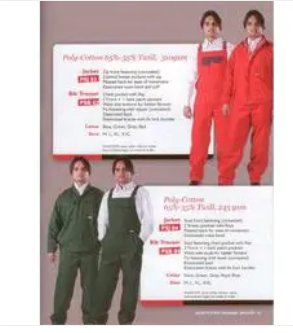
Coveralls and overalls are protective garments designed to offer full-body coverage in various industrial and commercial environments. Coveralls typically feature a one-piece design that covers the entire body, including arms and legs, while overalls are often a two-piece outfit consisting of a bib top and pants. Both types of garments are made from durable materials to withstand harsh conditions and provide safety against various hazards.
These garments are primarily used in industries such as manufacturing, construction, agriculture, and healthcare. They serve to protect workers from dirt, chemicals, and physical hazards while also providing a layer of insulation in colder environments. Their versatility makes them essential in many workplaces, ensuring that employees can perform tasks safely and efficiently.
The market for coveralls and overalls has expanded as industries increasingly prioritize worker safety and compliance with regulations. As a result, manufacturers are developing innovative materials and designs to meet evolving industry needs. This growth reflects a broader trend toward enhanced worker protection and comfort in the workplace.
Key Features and Specifications
Coveralls and overalls come with a variety of features and specifications that cater to different industrial needs. These specifications ensure that the garments provide necessary protection, comfort, and functionality.
Key specifications include:
1. Material Composition
- Typically made from cotton, polyester, or a blend of both.
- Offers durability and resistance to wear and tear.
2. Safety Ratings
- Complies with international safety standards such as CE marking.
- Ensures that garments meet specific safety criteria relevant to the industry.
3. Size Range
- Available in a range of sizes to accommodate various body types.
- Ensures a proper fit, which is crucial for safety and comfort.
4. Closure Type
- Features zippers, snap buttons, or hook-and-loop fasteners for secure closure.
- Allows for easy wear and removal.
5. Pockets and Storage
- Includes multiple pockets for tools and personal items.
- Enhances functionality in work environments.
6. Breathability
- Designed with breathable fabrics to promote airflow.
- Reduces discomfort during extended wear in warm conditions.
7. Insulation
- Some variants include insulation for warmth in colder climates.
- Ideal for outdoor work during winter months.
8. Customization Options
- Available for branding or specific company requirements.
- Enhances corporate identity while ensuring uniformity among workers.
These specifications are crucial in selecting the right coveralls and overalls for specific applications and industries.
Common Applications and Use Cases
Coveralls and overalls are utilized across various industries due to their protective features and practical designs.
1. Manufacturing: In manufacturing environments, coveralls protect workers from chemicals, dust, and physical hazards while providing ease of movement during assembly tasks.
2. Construction: Construction workers wear overalls to shield themselves from debris, heavy machinery, and varying weather conditions, ensuring safety on job sites.
3. Agriculture: Farmers use these garments to protect against mud, fertilizers, and pesticides while allowing for flexibility during manual labor.
4. Healthcare: In healthcare settings, coveralls are essential for preventing contamination and protecting staff from hazardous materials.
5. Automotive: Mechanics often wear coveralls to protect against grease and grime while working on vehicles, providing both safety and convenience.
6. Food Processing: In food processing facilities, coveralls help maintain hygiene and prevent contamination, following industry standards.
7. Oil and Gas: Workers in the oil and gas sector rely on durable coveralls to protect against hazardous materials and harsh environmental conditions.
Product Variants and Subcategories
Coveralls and overalls come in various styles and designs to meet specific needs across industries.
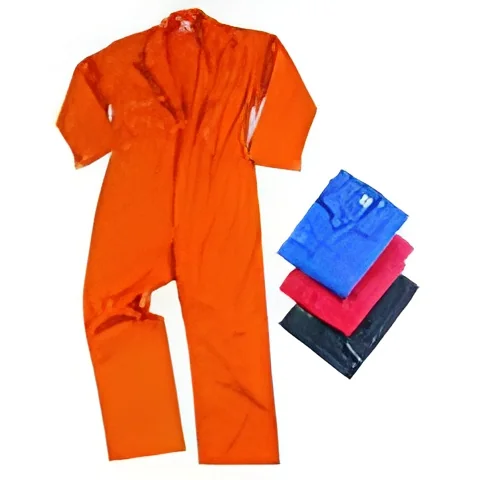
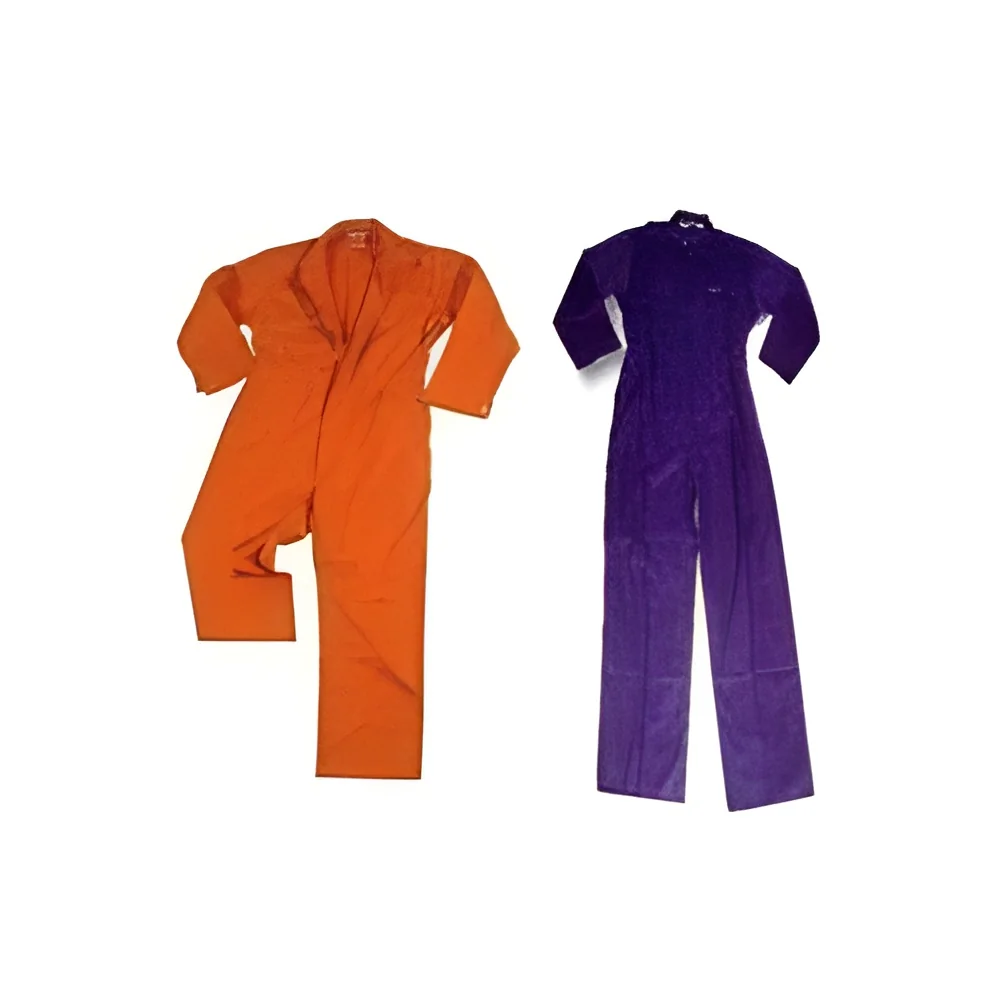
Standard Coveralls
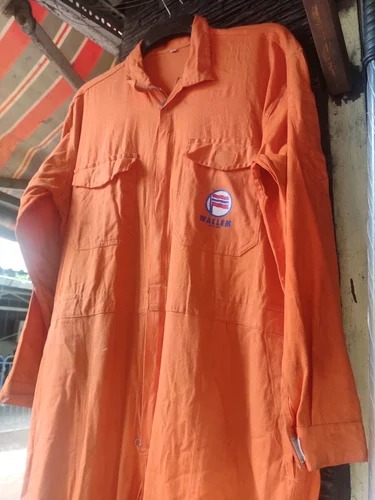
These are traditional one-piece garments designed for maximum coverage. They are ideal for environments where full-body protection is necessary. Features may include reinforced seams and multiple pockets for functionality.
Insulated Coveralls
These coveralls are designed for cold weather applications. They provide additional insulation while maintaining mobility, making them suitable for outdoor work during winter months.
Flame-Resistant Overalls
These overalls are made from specialized materials that resist ignition and reduce the risk of burns. They are commonly used in industries like oil and gas, where exposure to flames is a concern.
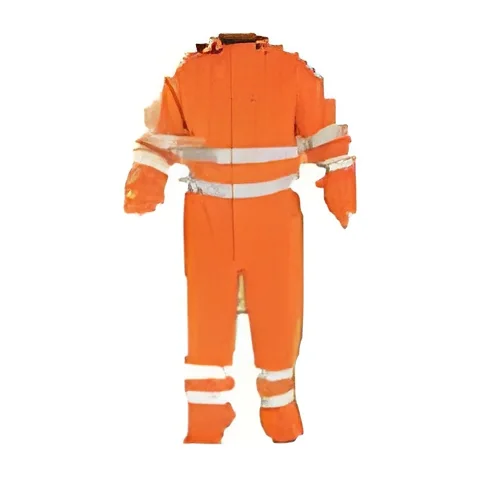
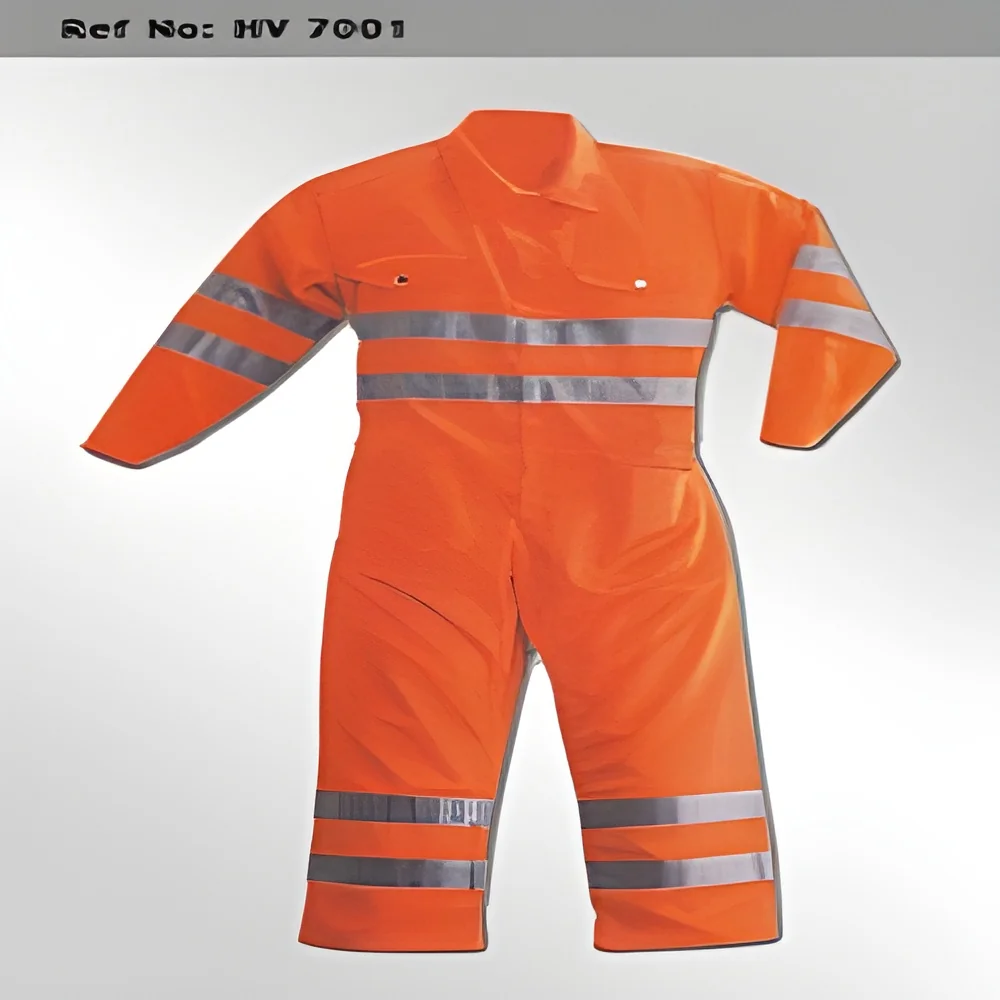
Reflective Coveralls
In environments with low visibility, reflective coveralls enhance worker safety. They are equipped with reflective strips that increase visibility, making them suitable for roadwork and night shifts.
Benefits and Advantages
Coveralls and overalls offer numerous benefits that enhance worker safety and comfort.
1. Enhanced Protection: The primary advantage is the level of protection they provide against environmental hazards, chemicals, and physical injuries.
2. Durability: Made from robust materials, these garments are designed to withstand heavy use and last longer, reducing the need for frequent replacements.
3. Comfort and Mobility: Many designs prioritize comfort and allow for ease of movement, which is crucial for workers engaged in physically demanding tasks.
4. Versatility: Coveralls and overalls can be used across various industries, making them a versatile choice for businesses with diverse needs.
5. Compliance with Regulations: Wearing appropriate protective clothing helps companies meet safety regulations, reducing liability and enhancing workplace safety.
6. Custom Branding: Businesses can customize these garments with logos, fostering team identity and professionalism in the workplace.
Buying Guide for B2B Buyers
When sourcing coveralls and overalls, B2B buyers should consider several critical factors.
1. Quality Assessment: Evaluate the material quality and construction to ensure durability. Look for products that meet industry standards and safety regulations.
2. Supplier Verification: Vet suppliers thoroughly to ensure reliability and credibility. Check for certifications and customer reviews to gauge their reputation.
3. Pricing and MOQ: Understand the pricing structure and minimum order quantities. This helps in budgeting and planning for inventory management.
4. Delivery and Lead Times: Discuss logistics with suppliers to ensure timely delivery. Consider lead times that align with project schedules.
5. Compliance Requirements: Familiarize yourself with any regulatory compliance needed in your industry. This includes safety standards and certifications that coveralls and overalls must meet.
Compliance and Certifications
Coveralls and overalls must adhere to various compliance and certification standards to ensure safety and quality. Relevant quality standards include ISO 9001, which focuses on quality management systems, and HACCP, which is essential in food safety. Compliance with these standards assures buyers of product reliability and consistency.
Industry certifications such as CE marking indicate that the garments meet European safety requirements. This certification is crucial for products sold in European markets, ensuring they are safe for use in various applications.
Additionally, safety and testing requirements are essential in verifying that coveralls and overalls can withstand hazardous conditions. Buyers should also be aware of regional compliance considerations, as different countries may have specific regulations governing the production and use of protective clothing.
Why Source Coveralls & Overalls from Pepagora?
Pepagora provides a trusted platform for sourcing coveralls and overalls, offering several key advantages to B2B buyers.
Verified Supplier Network: Pepagora ensures that all suppliers are thoroughly vetted for quality and reliability. This helps buyers make informed decisions and reduces the risk associated with sourcing.
Streamlined RFQ Process: The platform features an efficient Request for Quotation (RFQ) system. Buyers can easily request quotes from multiple suppliers, facilitating comparison and selection based on price and quality.
Trade Assurance and Support: Pepagora offers trade assurance to protect buyers throughout the transaction process. This includes support for any disputes that may arise, ensuring a secure purchasing experience.
Regional Coverage: With a strong presence in India, the GCC, and Southeast Asia, Pepagora connects buyers with local and international suppliers. This geographic reach helps businesses source products that meet their specific needs while benefiting from regional expertise.


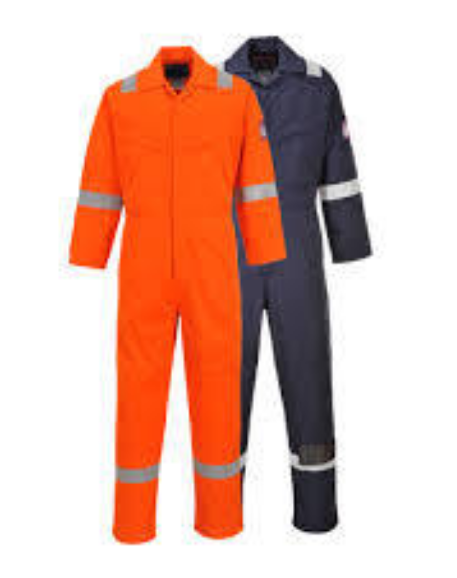

 India
 India
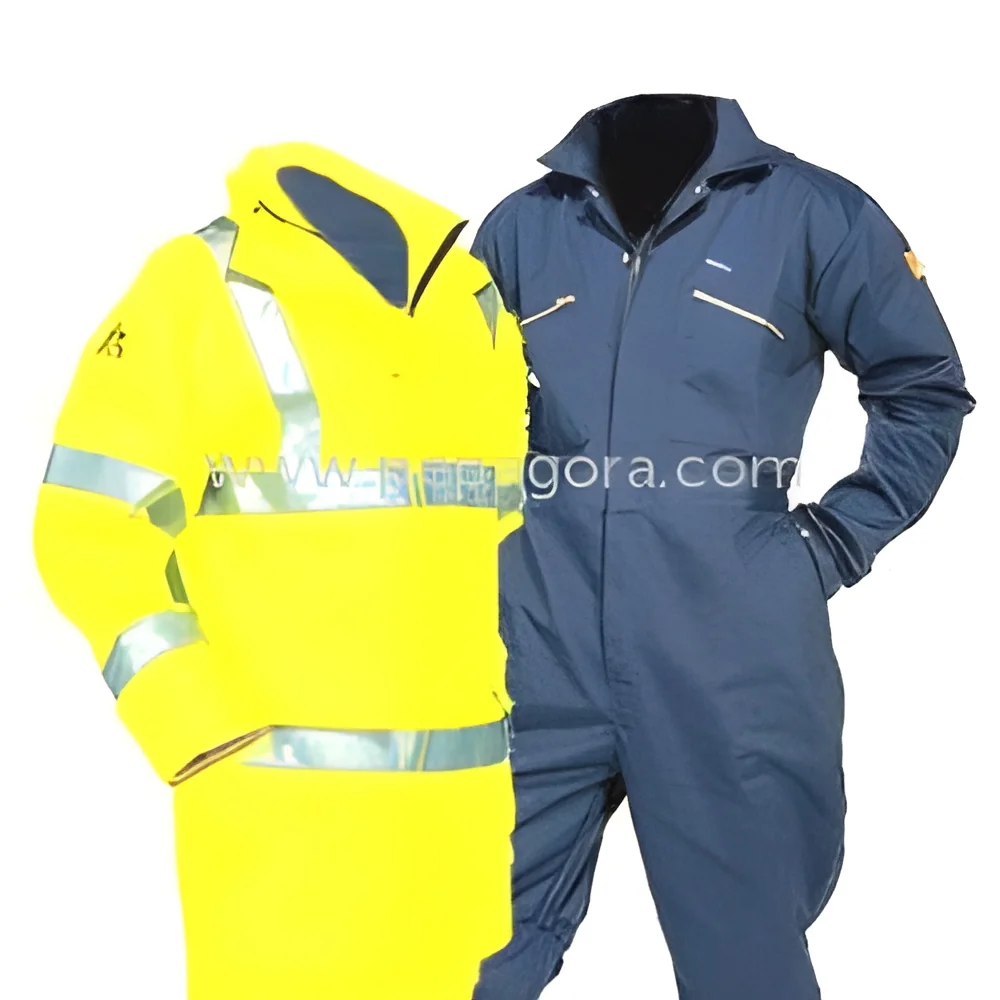
 India
 India
 India

Frequently Asked Questions
What are Coveralls & Overalls?
Coveralls and overalls are one-piece garments designed to provide full-body protection. They are commonly used in various industries, including construction, manufacturing, and agriculture, to shield the wearer from dirt, debris, and hazardous materials.
What are the different types of Coveralls & Overalls?
There are several types of coveralls and overalls, including insulated, flame-resistant, and high-visibility options. Each type is tailored for specific environments and uses, ensuring that the right protection is provided based on the job requirements.
How do I choose the right Coveralls & Overalls?
When selecting coveralls or overalls, consider factors such as the intended use, material, size, and any specific safety features required. It is also important to assess the climate and working conditions to ensure maximum comfort and protection.
What are the standard specifications for Coveralls & Overalls?
Standard specifications for coveralls and overalls typically include materials used (such as cotton, polyester, or blends), weight, breathability, and safety ratings. Additionally, they may have specific features like reinforced stitching, pockets, and closures.
What is the price range for Coveralls & Overalls?
The price range for coveralls and overalls can vary widely based on the material, brand, and features. Generally, you can expect prices to range from a few hundred to several thousand Indian Rupees.
What quality standards apply to Coveralls & Overalls?
Quality standards for coveralls and overalls often include compliance with safety regulations such as ISO, ANSI, or local safety standards. These standards ensure that the products provide adequate protection and durability for the intended use.
Where can I find Coveralls & Overalls suppliers in India?
You can find coveralls and overalls suppliers in India through various online B2B marketplaces, trade shows, and industry directories. Platforms like Pepagora offer a comprehensive list of manufacturers and suppliers that can meet your needs.
Can Coveralls & Overalls be customized?
Yes, many manufacturers offer customization options for coveralls and overalls. This can include personalized sizing, color choices, and the addition of logos or branding to meet specific requirements.
What is the typical minimum order quantity for Coveralls & Overalls?
The typical minimum order quantity (MOQ) for coveralls and overalls can vary depending on the supplier and the specific product. Generally, MOQs can range from 50 to 100 units, but it's best to check with individual suppliers for their specific terms.
What is the typical lead time for Coveralls & Overalls?
The typical lead time for coveralls and overalls can range from a few days to several weeks, depending on factors such as the supplier's inventory, customization requests, and order volume. It's advisable to confirm lead times with the supplier before placing an order.
Why Businesses Trust Pepagora
Thousands of companies trust Pepagora to source smarter and sell faster
Expand Your Sales Globally

Source Smarter,Grow Faster
