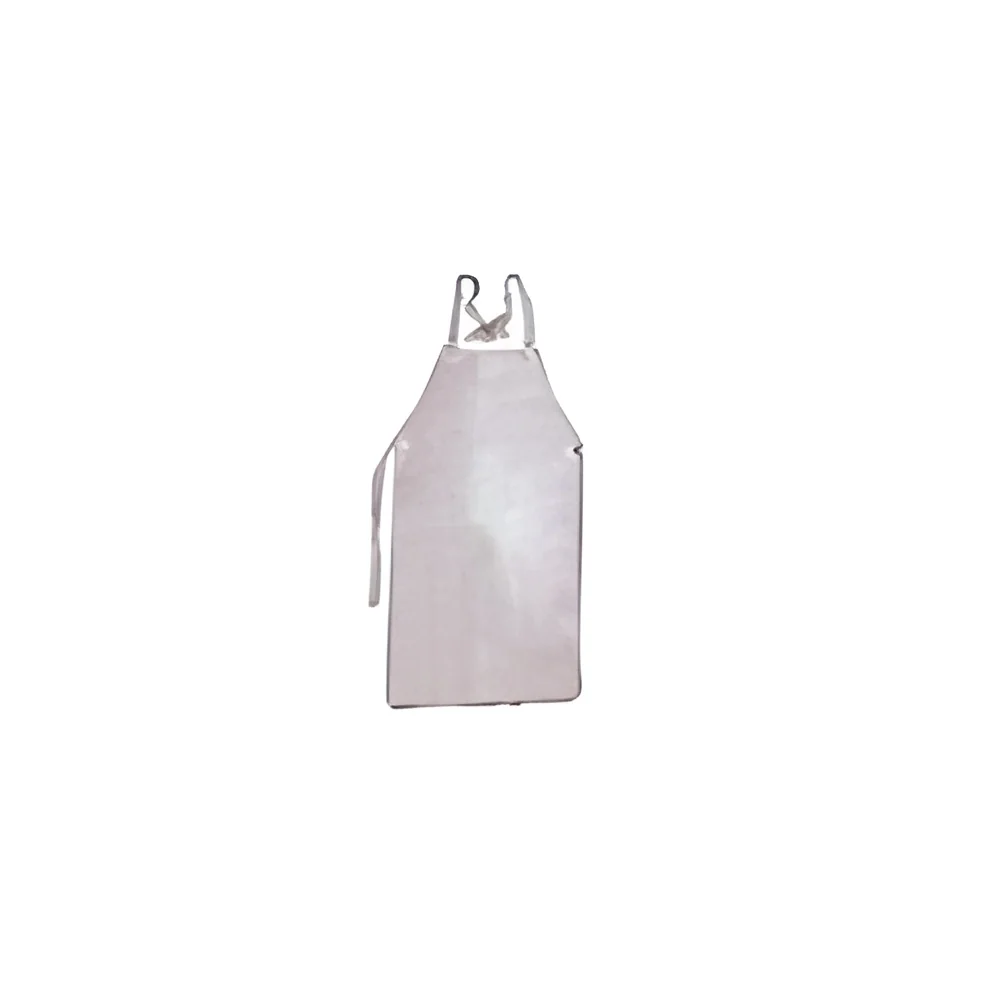
What are Protective Aprons?
Protective aprons are specialized garments designed to shield the wearer from hazardous materials and substances in various work environments. These aprons are typically constructed from durable, resistant materials that provide a barrier against liquids, chemicals, heat, and other potential dangers. They are essential for ensuring safety and compliance in many industrial settings.
The primary uses of protective aprons can be found across multiple sectors, including manufacturing, healthcare, food processing, and laboratories. In these environments, employees are often exposed to harmful agents that could pose health risks. Wearing protective aprons helps prevent direct contact with such substances, thereby reducing the likelihood of injuries and ensuring worker safety. The growing emphasis on workplace safety regulations has led to an increased demand for protective aprons in the market.
As industries evolve and safety standards become more stringent, protective aprons play a critical role in maintaining compliance with health and safety regulations. Businesses are increasingly looking for reliable protective gear that not only meets regulatory requirements but also enhances operational efficiency. This has positioned protective aprons as a vital component of personal protective equipment in diverse industrial applications.
Key Features and Specifications
Protective aprons come with a range of features and specifications to meet different operational needs. Understanding these specifications is crucial for businesses looking to select the right protective gear for their employees.
Key specifications include:
1. Material Composition
- Typically made from materials such as PVC, polyester, or polyethylene
- Designed for high durability and resistance to chemicals and liquids
2. Size Range
- Available in various sizes to accommodate different body types
- Standard sizes usually include small, medium, large, and extra-large
3. Length Options
- Varying lengths from waist-length to full-length aprons
- Full-length options provide additional coverage for the wearer
4. Closure Types
- Features different closure mechanisms such as ties, snaps, or Velcro
- Closure type can affect the ease of use and comfort
5. Weight
- Varies depending on material and design; lightweight options are available
- Heavier aprons may offer more protection but can be less comfortable
6. Chemical Resistance
- Engineered to withstand specific chemicals and substances
- Important for industries such as chemical manufacturing and food processing
7. Heat Resistance
- Some models are designed to provide protection against high temperatures
- Essential for environments involving hot materials or processes
8. Care Instructions
- Easy-to-clean materials for convenient maintenance
- Some aprons may be machine washable, while others require hand washing
In summary, selecting the right protective apron involves understanding its key features and specifications. Businesses must consider their specific needs and operational environments to ensure maximum safety and effectiveness.
Common Applications and Use Cases
Protective aprons are utilized in a wide range of industries where safety and hygiene are paramount.
1. Healthcare: In hospitals and clinics, protective aprons are used by medical personnel to guard against exposure to bodily fluids and hazardous materials during procedures.
2. Food Processing: Workers in food production environments wear protective aprons to prevent contamination and protect against spills and splashes from food products and cleaning agents.
3. Manufacturing: In factories, protective aprons shield employees from chemicals, abrasives, and heat during various manufacturing processes.
4. Laboratories: Laboratory personnel use protective aprons to safeguard against spills of hazardous chemicals and biological materials during experiments and tests.
5. Automotive: In automotive repair shops, technicians wear protective aprons to protect against oils, greases, and other automotive fluids.
6. Education: In educational settings, protective aprons may be used during science experiments to protect students and instructors from chemicals and other hazardous materials.
7. Agriculture: Farmers and agricultural workers use protective aprons to guard against pesticides and fertilizers while handling crops and livestock.
Product Variants and Subcategories
Protective aprons come in various forms to suit different applications and industries.
Chemical Resistant Aprons
These aprons are specifically designed to protect against hazardous chemicals. They are made from materials that resist penetration and degradation from chemical exposure, making them ideal for laboratories and chemical plants.
Heat Resistant Aprons
Used in applications involving high temperatures, these aprons are constructed from heat-resistant materials. They provide essential protection for workers in environments such as metalworking and glass manufacturing.
Disposable Aprons
Lightweight and single-use, disposable aprons are commonly used in food processing and healthcare settings. They offer convenience and hygiene, reducing cross-contamination risks.
Customizable Aprons
Some suppliers offer customizable protective aprons that can be tailored to specific requirements. These may include different sizes, colors, or printed logos for branding purposes.
Benefits and Advantages
Investing in protective aprons has several benefits for businesses and their employees.
1. Enhanced Safety: Protective aprons provide a crucial barrier against hazardous materials, reducing the risk of injuries and exposure.
2. Compliance with Regulations: Wearing protective aprons helps businesses meet industry safety standards and regulations, ensuring a safer workplace.
3. Improved Hygiene: In food and healthcare sectors, protective aprons help maintain hygiene and prevent contamination, which is vital for product safety and employee health.
4. Durability: High-quality protective aprons are designed to withstand wear and tear, making them a cost-effective solution for businesses.
5. Versatility: With various designs and materials available, protective aprons can be used across multiple industries, enhancing their utility.
6. Comfort: Many modern protective aprons are designed for comfort, allowing employees to wear them for extended periods without discomfort.
Buying Guide for B2B Buyers
When sourcing protective aprons, several factors should be considered to ensure the right fit for your business needs.
1. Quality Assessment: Evaluate the quality of materials and construction. Look for durable, resistant materials that can withstand the specific hazards present in your industry.
2. Supplier Verification: Verify suppliers to ensure they have a history of reliability and quality. Request references and check for industry certifications to ensure credibility.
3. Pricing and MOQ: Understand the pricing structure and minimum order quantities. Compare quotes from different suppliers to secure the best deal while considering quality.
4. Delivery and Lead Times: Discuss logistics with suppliers to understand delivery schedules and lead times. Make sure they can meet your operational timelines.
5. Compliance Requirements: Ensure that the protective aprons meet applicable safety standards and regulations relevant to your industry. This may include certifications like CE.
Compliance and Certifications
Protective aprons must adhere to relevant quality standards to ensure safety and effectiveness. Standards such as ISO 9001 focus on maintaining quality management systems, ensuring that manufacturers produce consistent and high-quality products.
Industry certifications, including CE marking, signify that the protective aprons comply with European health, safety, and environmental protection legislation. This certification is essential for products sold in European markets, ensuring they meet required safety standards.
Safety and testing requirements also play a critical role in the manufacturing of protective aprons. Compliance with testing protocols ensures that the aprons perform as intended under specified conditions, providing the necessary protection for users.
Additionally, regional compliance considerations may vary, so it is imperative for businesses to understand local regulations concerning personal protective equipment to ensure full compliance.
Why Source Protective Aprons from Pepagora?
Pepagora offers a trusted platform for sourcing protective aprons, providing several key advantages for businesses.
Verified Supplier Network: Pepagora connects buyers with a network of verified suppliers, ensuring that products meet high-quality standards and regulatory requirements. This minimizes the risk associated with sourcing.
Streamlined RFQ Process: The platform features a user-friendly request for quotation (RFQ) system, allowing businesses to efficiently compare bids from multiple suppliers. This simplifies the procurement process and saves valuable time.
Trade Assurance and Support: Pepagora provides trade assurance and buyer protection, giving businesses peace of mind when placing orders. This support ensures that buyers are protected throughout the purchasing process.
Regional Coverage: With a strong presence in markets like India, the Gulf Cooperation Council (GCC), and Southeast Asia, Pepagora offers extensive regional coverage. This makes it easier for businesses to find suitable suppliers within their geographic area while accessing a wider selection of protective aprons.

 IN
IN