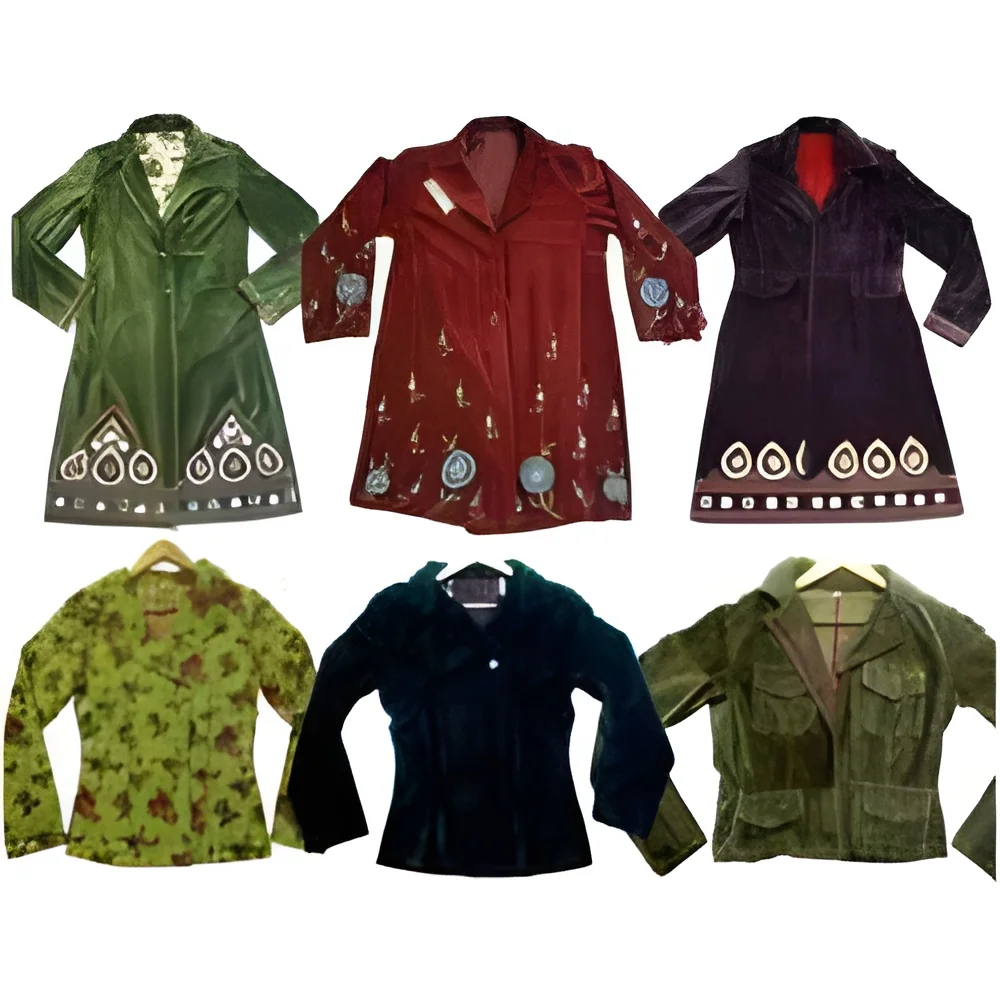
What are Work Jackets?
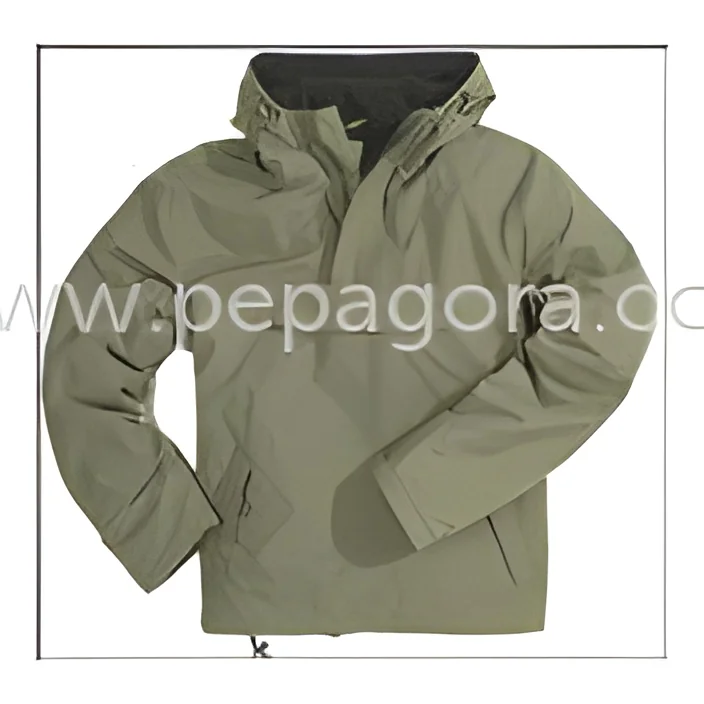
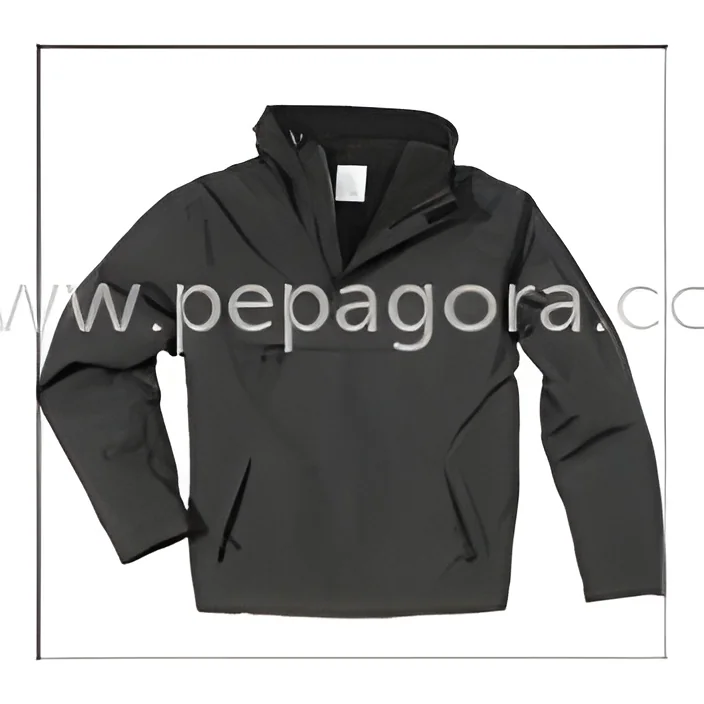
Work jackets are specialized outerwear designed for professionals working in various industrial sectors. These jackets provide essential protection against environmental factors, such as cold, wind, and moisture. They are typically made from durable fabrics that can withstand the rigors of demanding work conditions, ensuring that wearers remain comfortable and safe throughout their tasks.
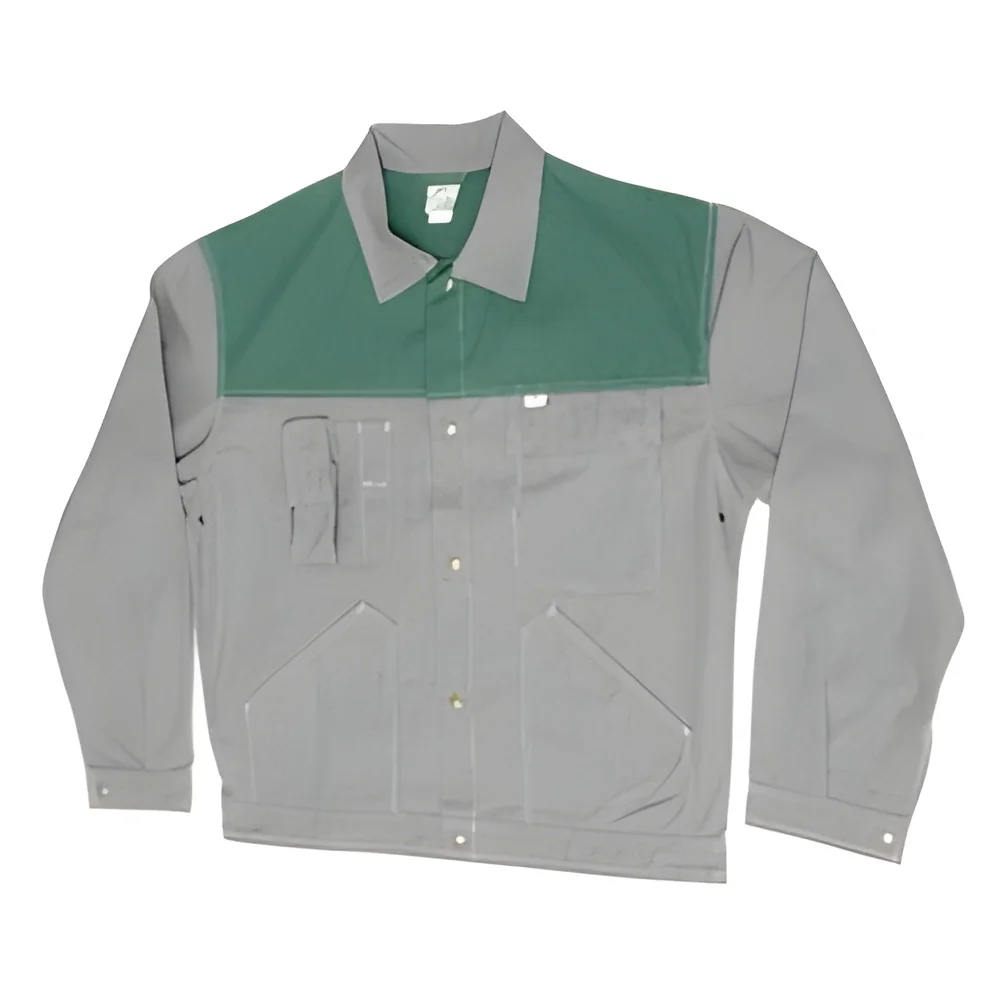
These garments are commonly used in industries such as construction, manufacturing, warehousing, and transportation. Work jackets often feature functionalities like reinforced seams, pockets for tools, and reflective strips to enhance visibility. Their design caters to the practical needs of workers, making them an integral part of many businesses' uniforms.
The relevance of work jackets in today's market stems from the growing emphasis on worker safety and comfort. With strict regulations and standards in place, companies are increasingly investing in high-quality workwear that meets industry requirements. This has led to a diverse range of work jacket options tailored to specific industry needs, ensuring that businesses can provide their employees with suitable protective gear.
Key Features and Specifications
Work jackets are equipped with various features that enhance their functionality and performance. These features ensure that the jackets meet the specific needs of different industries and work environments.
Key specifications include:
1. Fabric Type
- Commonly made from materials such as polyester, cotton, or blends
- Should provide durability and resistance to wear and tear
2. Waterproofing
- Many work jackets include waterproof coatings or membranes
- Essential for outdoor work in wet conditions
3. Insulation
- Options range from lightweight to heavy insulation
- Important for maintaining warmth in cold environments
4. Breathability
- Fabrics often designed to allow moisture vapor to escape
- Helps keep the wearer dry and comfortable
5. Pockets and Storage
- Features multiple pockets for tools and personal items
- Practical design for easy access while working
6. Reflective Elements
- Jackets may include reflective strips for visibility in low-light conditions
- Important for safety in hazardous work environments
7. Closure Systems
- Various options such as zippers, buttons, or Velcro
- Ensures secure fit and ease of use
8. Customization Options
- Many suppliers offer customization for branding and specific needs
- Allows companies to tailor jackets to their branding requirements
In summary, work jackets are designed with a range of specifications that cater to the demands of various industries. Understanding these features helps businesses select the right jackets for their workforce.
Common Applications and Use Cases
Work jackets are versatile garments used across various industries to enhance safety and comfort.
1. Construction: In construction, work jackets protect employees from harsh weather conditions while providing durability for rugged tasks. They often include pockets for tools and reinforced seams for added strength.
2. Manufacturing: In manufacturing environments, work jackets serve to keep workers warm in cold facilities. They offer pockets for easy access to tools and materials, facilitating efficient work processes.
3. Warehousing: Workers in warehouses benefit from work jackets that provide mobility and comfort. These jackets often feature breathable fabrics to accommodate active movements and ensure that employees remain dry during strenuous activities.
4. Transportation: In transportation sectors, work jackets help keep workers visible and safe on the job. Reflective elements are crucial for those working near roadways or in low-light conditions.
5. Agriculture: Agricultural workers use jackets that protect against varying weather conditions while providing ease of movement. Features like waterproofing can be essential for outdoor tasks.
6. Oil and Gas: In this sector, work jackets are designed to withstand harsh environments. They must provide safety without compromising on comfort, which is vital for long hours of work.
7. Emergency Services: Work jackets for emergency responders are designed to be durable and functional, offering protection while allowing for the quick access of essential tools.
Product Variants and Subcategories
Work jackets come in a variety of styles and configurations to meet diverse needs in the workforce.
Insulated Work Jackets: These jackets are designed for cold environments, featuring heavy insulation and windproof capabilities. They are ideal for outdoor workers during winter months, ensuring warmth without sacrificing mobility.
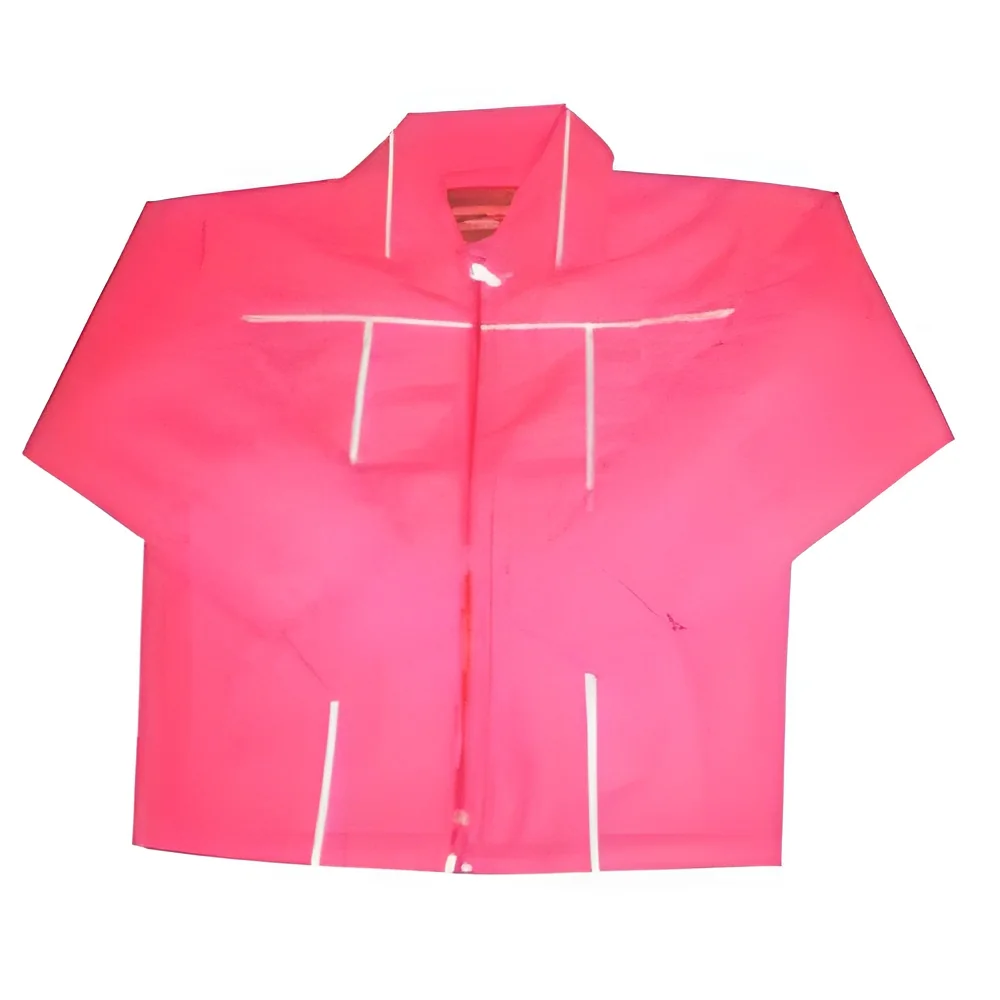
Hi-Vis Work Jackets: Tailored for safety, these jackets include high-visibility colors and reflective strips. They are commonly used in construction, transportation, and emergency services, ensuring that workers are easily seen in low-light conditions.
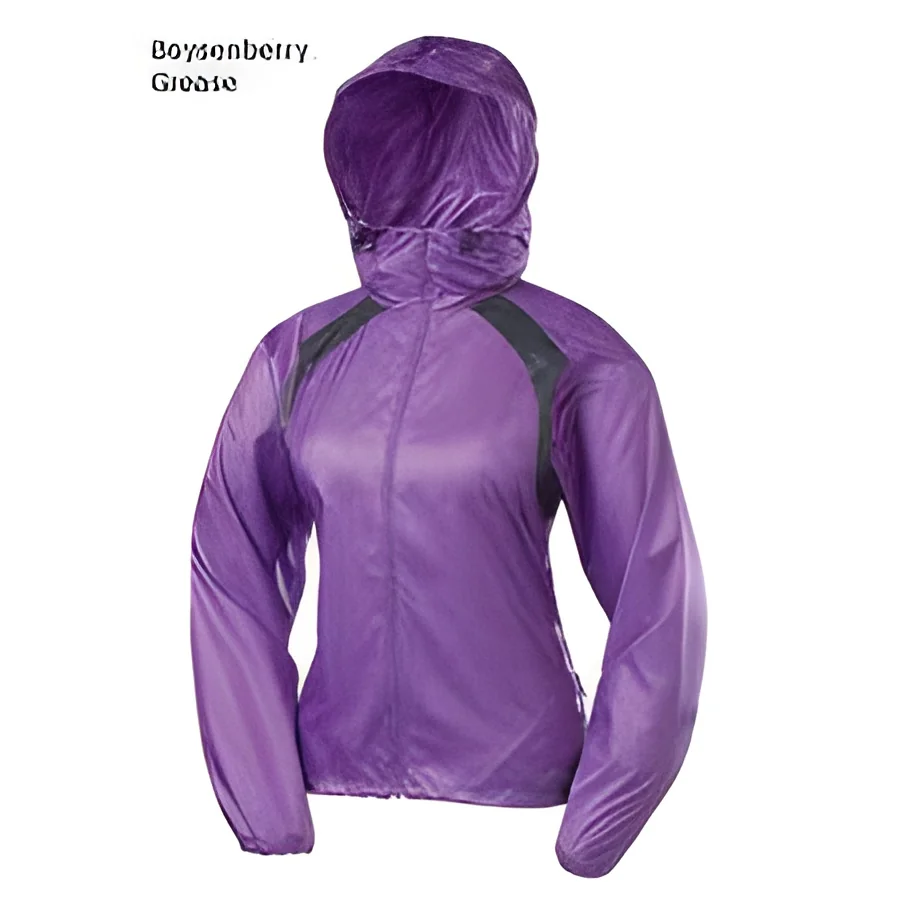
Lightweight Work Jackets: These are ideal for moderate climates, providing protection without excessive bulk. They are versatile and often used in industries where layering is essential.
Waterproof Work Jackets: Designed for wet conditions, these jackets feature waterproof materials and seams. They are critical for outdoor work, ensuring that employees stay dry and comfortable.
Benefits and Advantages
Work jackets offer numerous benefits that enhance employee safety and comfort.
1. Enhanced Safety: Work jackets often include safety features like reflective strips and reinforced seams, which help protect workers in hazardous environments.
2. Comfort and Mobility: Many jackets are designed with ergonomic features that allow for ease of movement, ensuring that employees can perform their tasks efficiently.
3. Weather Protection: These jackets help shield workers from adverse weather conditions, such as rain, wind, and cold, allowing them to remain focused on their work.
4. Durability: Constructed from high-quality materials, work jackets are built to withstand the rigors of demanding work environments, providing long-lasting use.
5. Professional Appearance: Work jackets can enhance a company's professional image, especially when customized with logos and branding, promoting team unity and brand recognition.
6. Cost-Effectiveness: Investing in quality work jackets can reduce replacement costs and improve employee satisfaction, leading to lower turnover rates and improved productivity.
Buying Guide for B2B Buyers
When sourcing work jackets for your business, several factors should be taken into consideration to ensure you make the best choice.
1. Quality Assessment: Look for jackets made from durable materials that meet industry standards. Check for features such as reinforced seams and weatherproofing to ensure longevity.
2. Supplier Verification: Vet potential suppliers thoroughly to ensure they can deliver quality products consistently. Consider their reputation, experience, and customer reviews.
3. Pricing and MOQ: Evaluate the cost of jackets and the minimum order quantity (MOQ) to ensure it aligns with your budget and needs. Compare offers from multiple suppliers to find the best deal.
4. Delivery and Lead Times: Understand the logistics involved in the delivery of jackets. Confirm lead times to ensure that products arrive when needed, avoiding delays in your operations.
5. Compliance Requirements: Ensure that the work jackets meet relevant safety and regulatory standards for your industry. This may include certifications such as CE and adherence to ISO guidelines.
Compliance and Certifications
Work jackets must often meet specific quality standards to ensure safety and effectiveness in the workplace. Relevant standards include ISO 9001, which focuses on quality management systems, and HACCP for safety in food-related industries. Companies should also be aware of Good Distribution Practice (GDP) guidelines, particularly in sectors where the integrity of the work environment is crucial.
Industry certifications, such as CE marking, are vital for demonstrating compliance with European health, safety, and environmental protection standards. These certifications confirm that the jackets have been tested and meet necessary safety requirements.
Additionally, organizations should consider regional compliance needs. Different countries may have specific regulations that apply to workwear, emphasizing the importance of sourcing jackets that adhere to local laws and standards.
Why Source Work Jackets from Pepagora?
Pepagora offers a trusted platform for sourcing work jackets with several key advantages.
Verified Supplier Network: Pepagora connects buyers with a network of verified suppliers, ensuring that the products meet high-quality standards. This reduces the risk of sourcing from unreliable manufacturers.
Streamlined RFQ Process: The platform features a user-friendly request-for-quotation (RFQ) system. This allows buyers to efficiently compare quotes from multiple suppliers, streamlining the procurement process.
Trade Assurance and Support: Buyers benefit from trade assurance programs that protect their purchases. Pepagora provides support to help resolve any issues that may arise during the sourcing process.
Regional Coverage: With a strong presence in India, the GCC, and Southeast Asia, Pepagora facilitates access to a wide range of work jackets tailored to specific regional needs. This broad coverage ensures that businesses can find suitable products regardless of their location.

 IN
IN