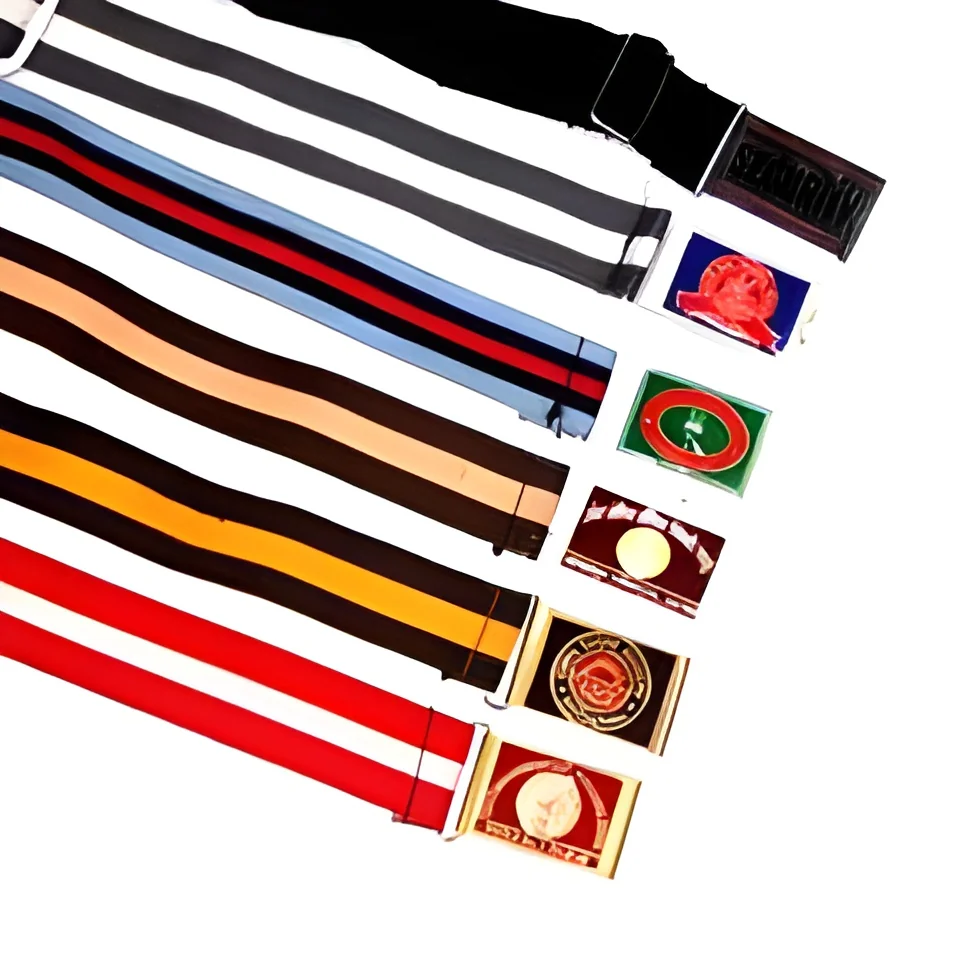
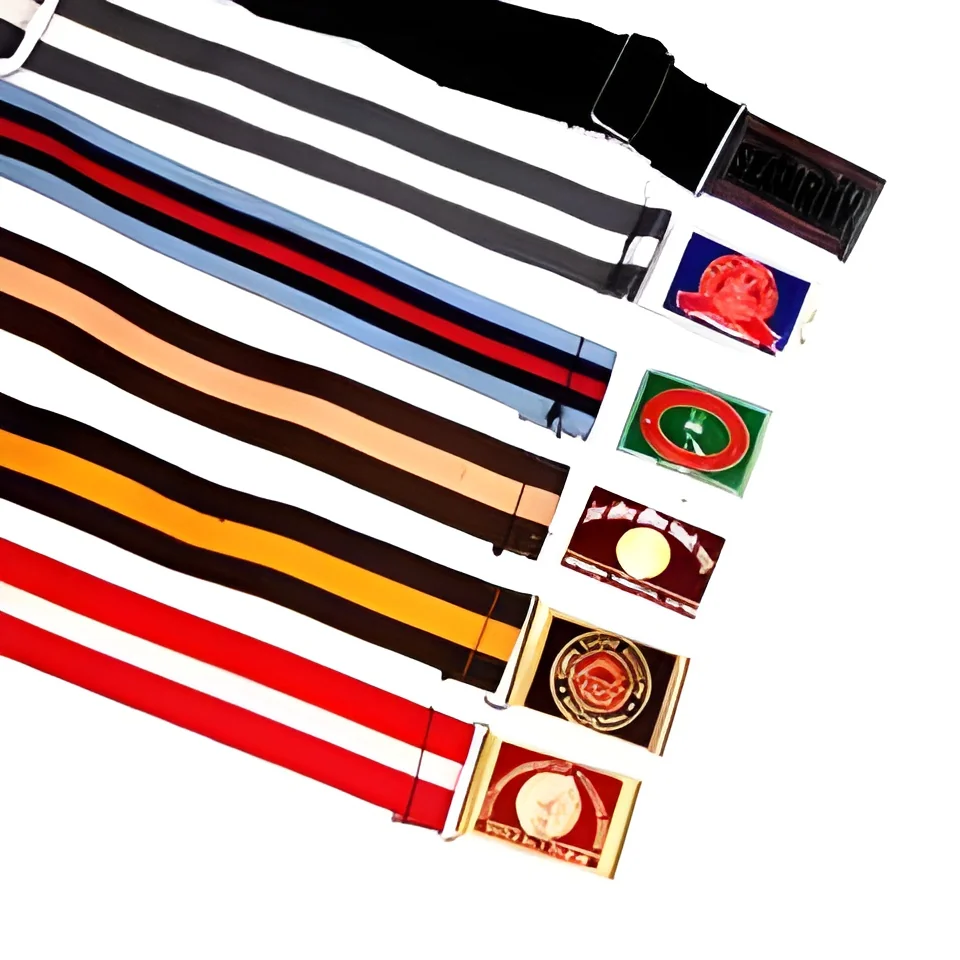
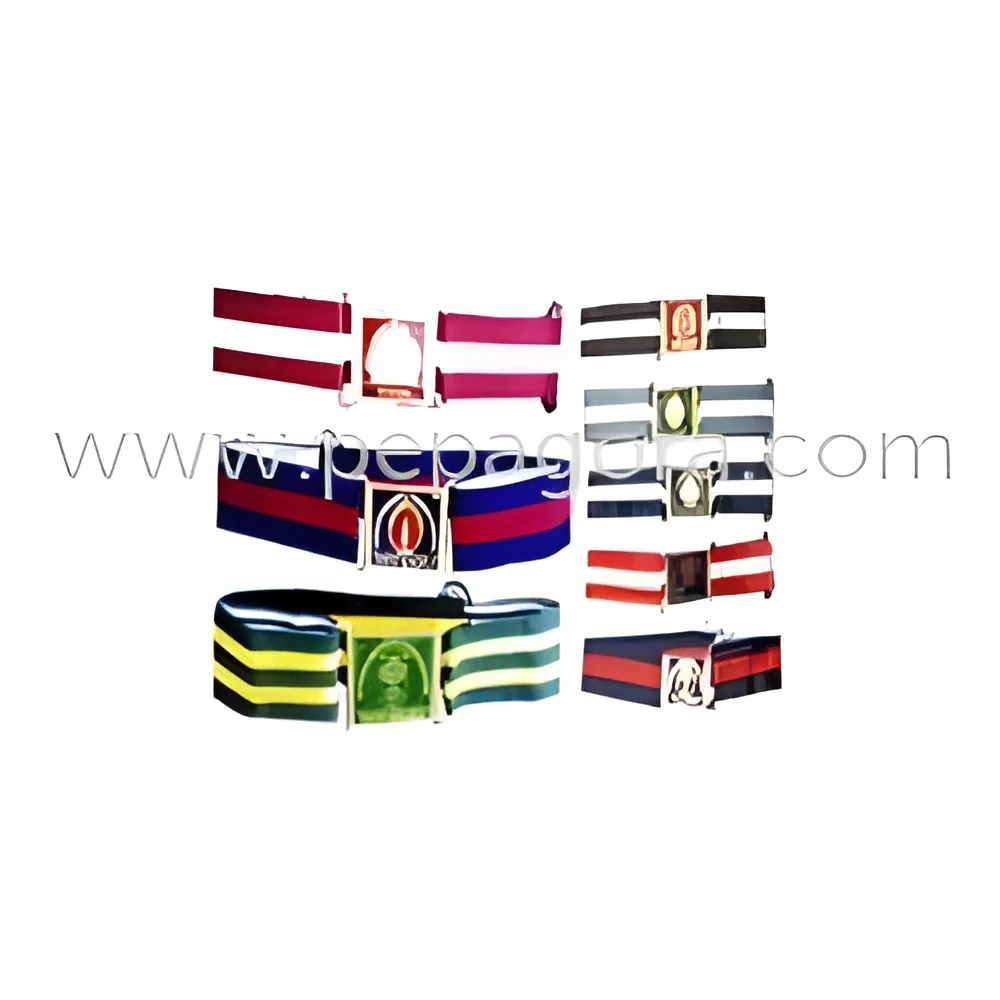
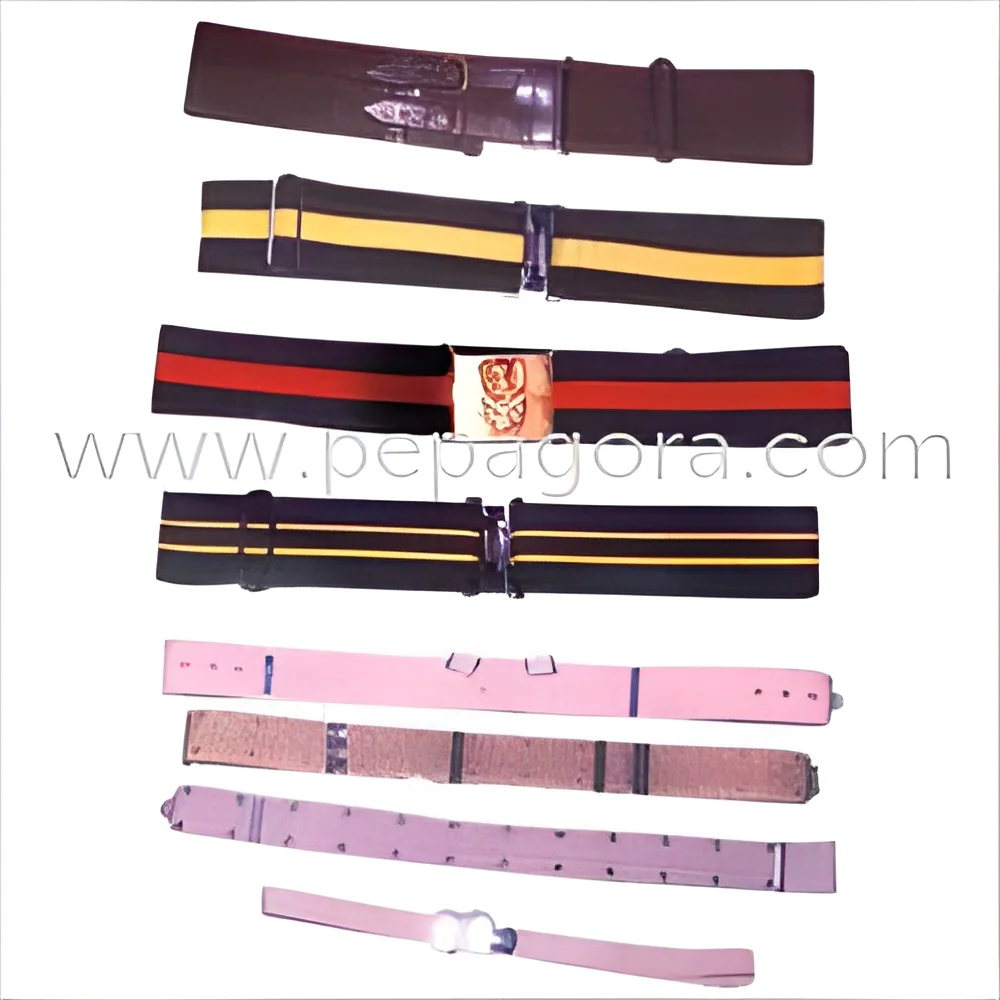
What are Uniform Belts?
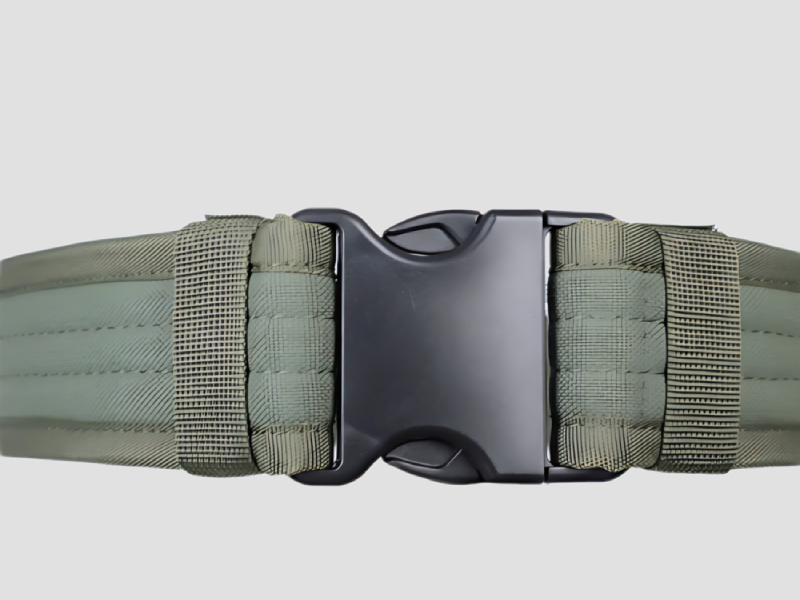
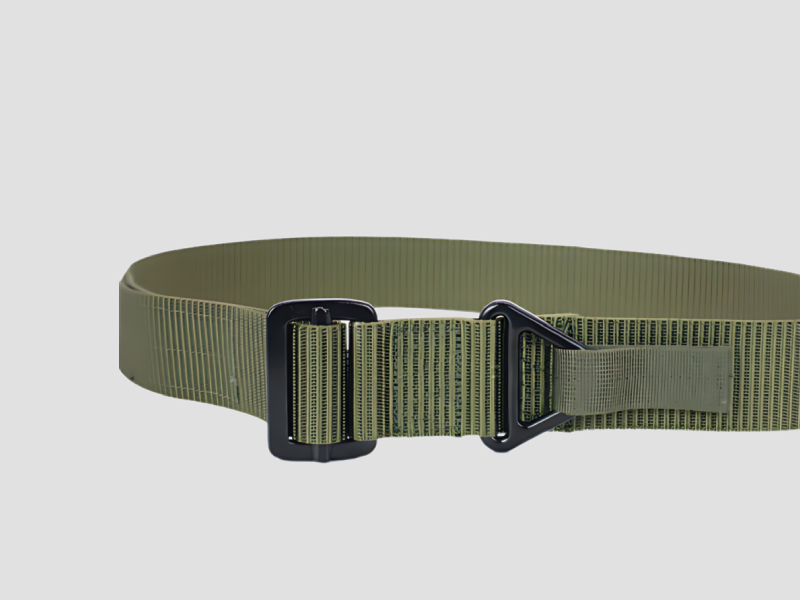
Uniform belts are essential components of professional attire, used to enhance the overall appearance and functionality of uniforms across various industries. These belts are designed to provide a polished look while also serving practical purposes, such as holding up trousers securely. Typically made from durable materials, uniform belts may feature various designs and fastening mechanisms to cater to different needs and preferences.
Primarily, uniform belts are utilized in sectors such as hospitality, healthcare, law enforcement, and corporate environments. They not only contribute to a cohesive and professional appearance but also play a role in safety and identification. For example, in the hospitality industry, staff uniforms often include belts that match the overall theme, while in sectors like law enforcement, belts are critical for carrying equipment and gear. The relevance of uniform belts in these settings underscores their importance in maintaining a professional standard and enhancing employee functionality.
The global market for uniform belts is expanding, driven by the growing demand for uniforms in various industries. As businesses strive to present a professional image, the need for high-quality uniform belts has become increasingly significant. With a focus on durability and style, manufacturers continue to innovate in design and materials, ensuring that these products meet the evolving needs of businesses and their employees.
Key Features and Specifications
Uniform belts come with a variety of features and specifications that cater to different business requirements. Understanding these specifications is essential for making informed purchasing decisions.
Key specifications include:
1. Material Composition
- Typically made from leather, polyester, or nylon.
- Offers durability and resistance to wear and tear.
2. Width
- Standard widths range from 1 to 2 inches.
- Varies based on industry standards and personal preference.
3. Length
- Available in various lengths to accommodate different waist sizes.
- Custom lengths may be available upon request.
4. Buckle Type
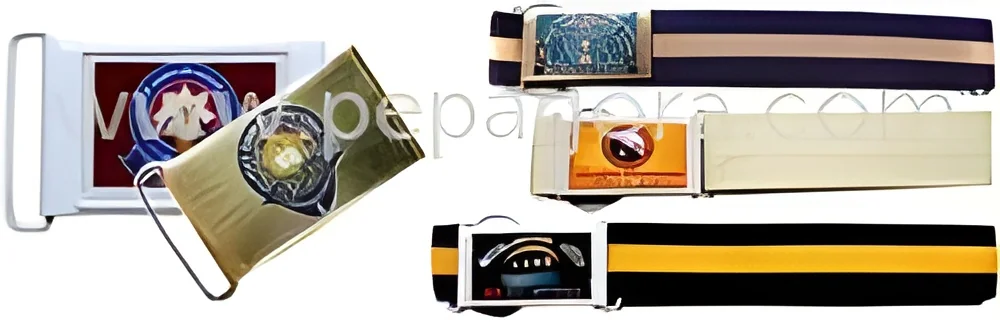
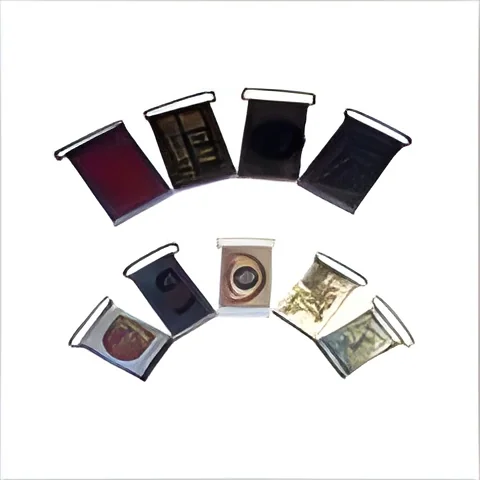
- Options include metal, plastic, or customized buckles.
- Designed for ease of use and secure fastening.
5. Color Options
- Wide range of colors to match different uniforms.
- Custom color options may be available for branding.
6. Stitching Quality
- Reinforced stitching for increased durability.
- Various stitching patterns to enhance aesthetic appeal.
7. Brand Customization
- Options for logo embroidery or printing.
- Helps in brand promotion and uniformity.
8. Compliance with Standards
- Adherence to industry-specific regulations.
- Ensures safety and quality assurance.
In summary, uniform belts are versatile products with a range of features that cater to the diverse needs of businesses. Understanding these specifications can help buyers select the right belt for their requirements.
Common Applications and Use Cases
Uniform belts find applications across numerous industries, each with specific use cases that highlight their importance.
1. Hospitality: In hotels and restaurants, uniform belts are used to complement staff uniforms, ensuring a polished and professional appearance. They may also serve functional roles, such as holding tools or accessories.
2. Healthcare: In medical settings, staff may wear uniform belts to secure scrubs and carry essential items like pens or small medical tools, contributing to efficiency and professionalism.
3. Law Enforcement: Police and security personnel utilize sturdy uniform belts to support holsters and equipment. These belts are designed for durability and ease of access to essential gear.
4. Corporate: Many corporate environments require staff to wear uniforms that include belts, enhancing the professional look while ensuring comfort during daily activities.
5. Retail: In retail settings, uniform belts are often used by employees to maintain a consistent appearance, making it easier for customers to identify staff members.
6. Transportation: Employees in the transportation sector often wear uniforms with belts to ensure their clothing remains secure while they perform their duties.
7. Education: School staff may wear uniforms that include belts, contributing to a unified appearance that reflects the institution's values.
Product Variants and Subcategories
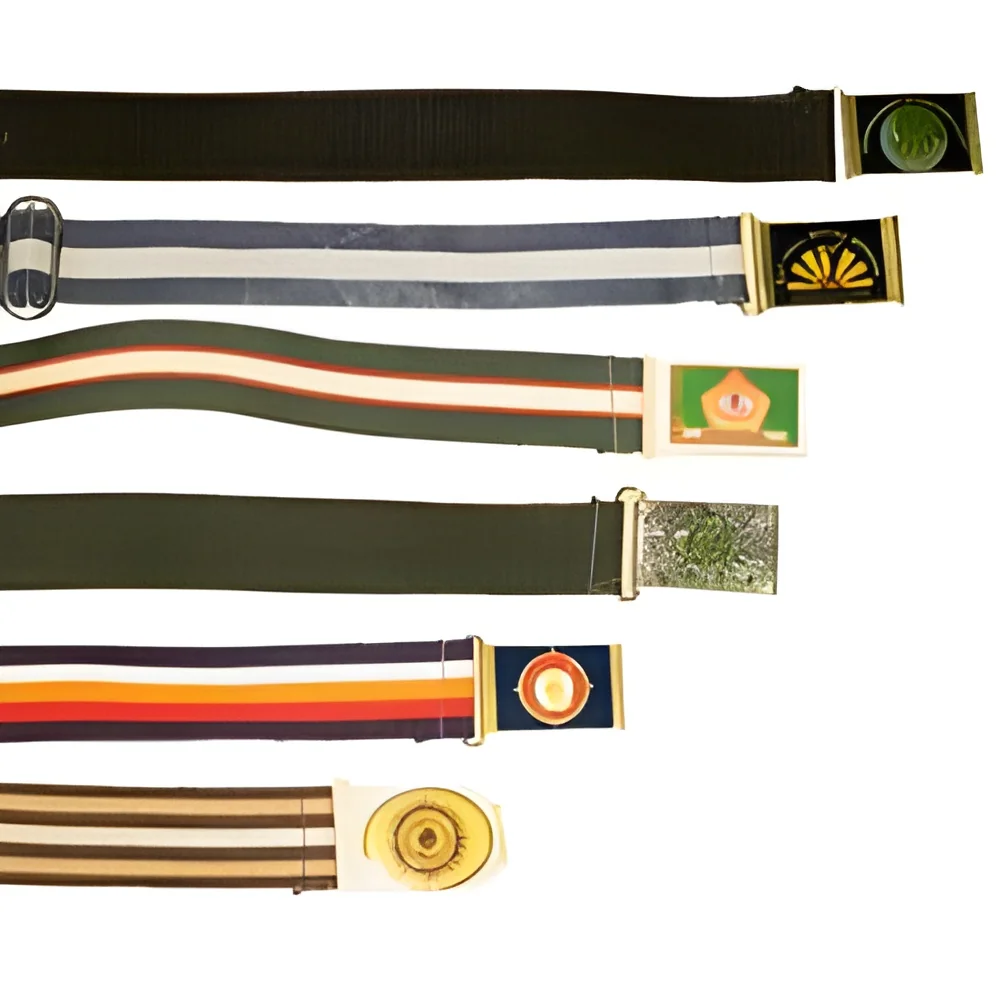
Uniform belts are available in various styles and designs, catering to the diverse needs of different sectors. This diversity allows businesses to choose belts that align with their brand image and functionality requirements.
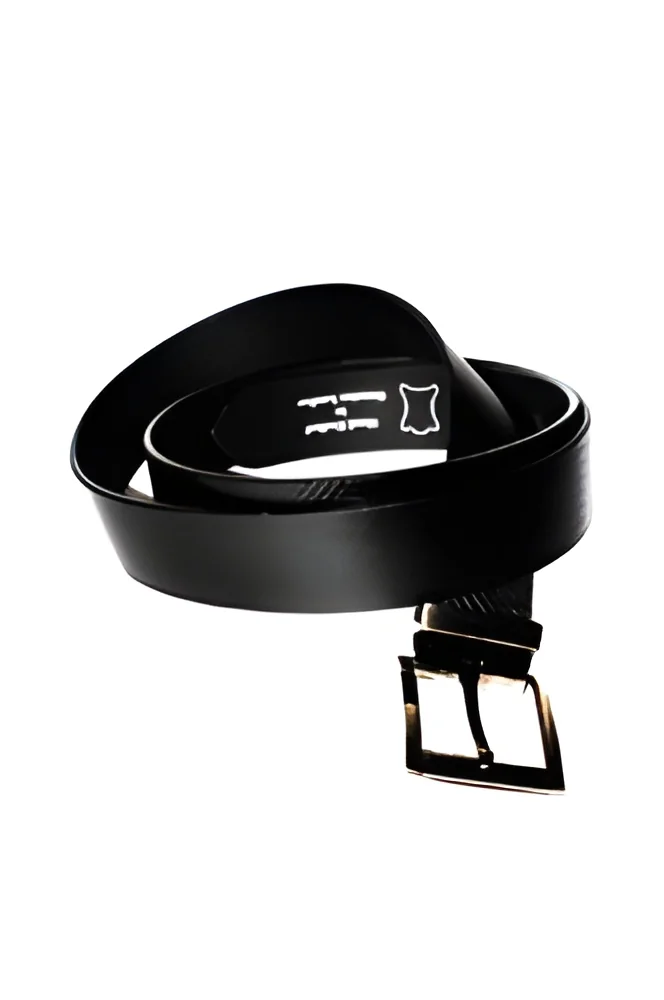
Leather Uniform Belts: These belts are crafted from high-quality leather, offering a classic and professional look. They are often used in formal settings and can be customized with logos for branding purposes.
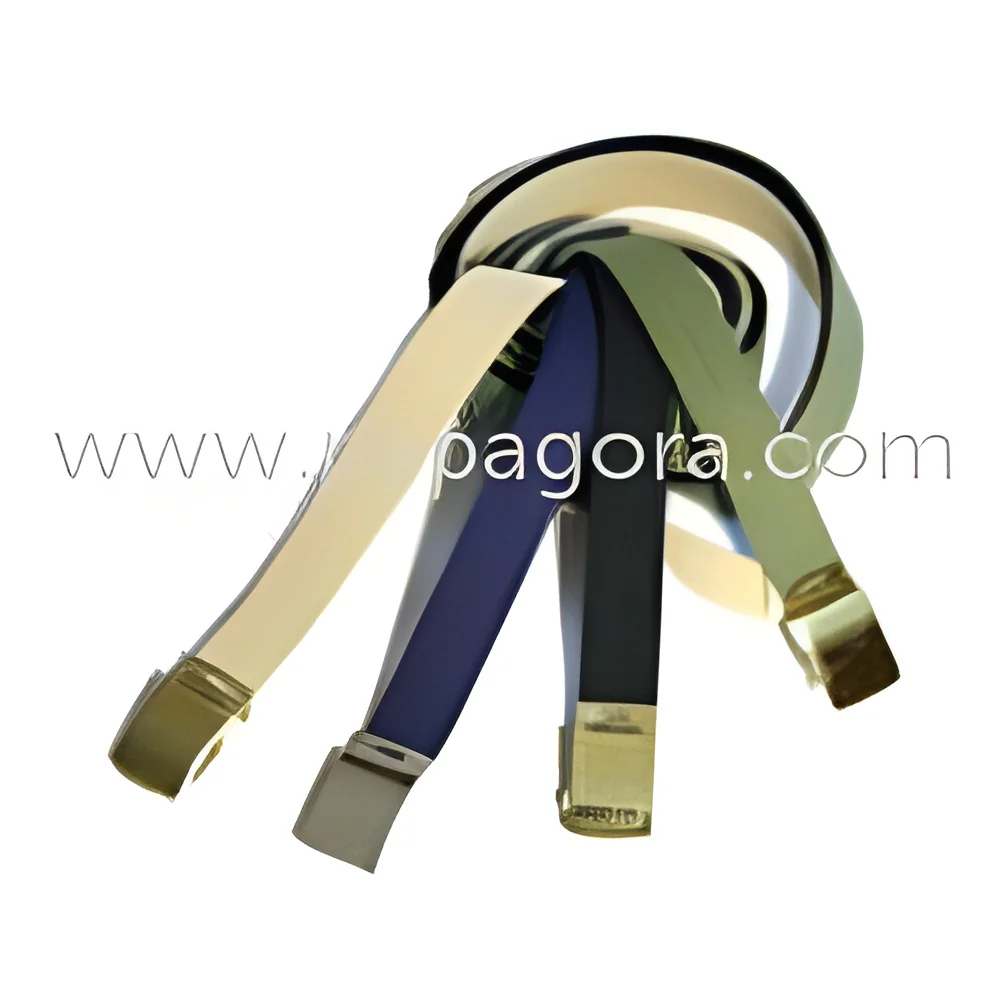
Nylon Uniform Belts: Lightweight and durable, nylon belts are ideal for industries that require flexibility and comfort. They are commonly used in healthcare and hospitality settings.
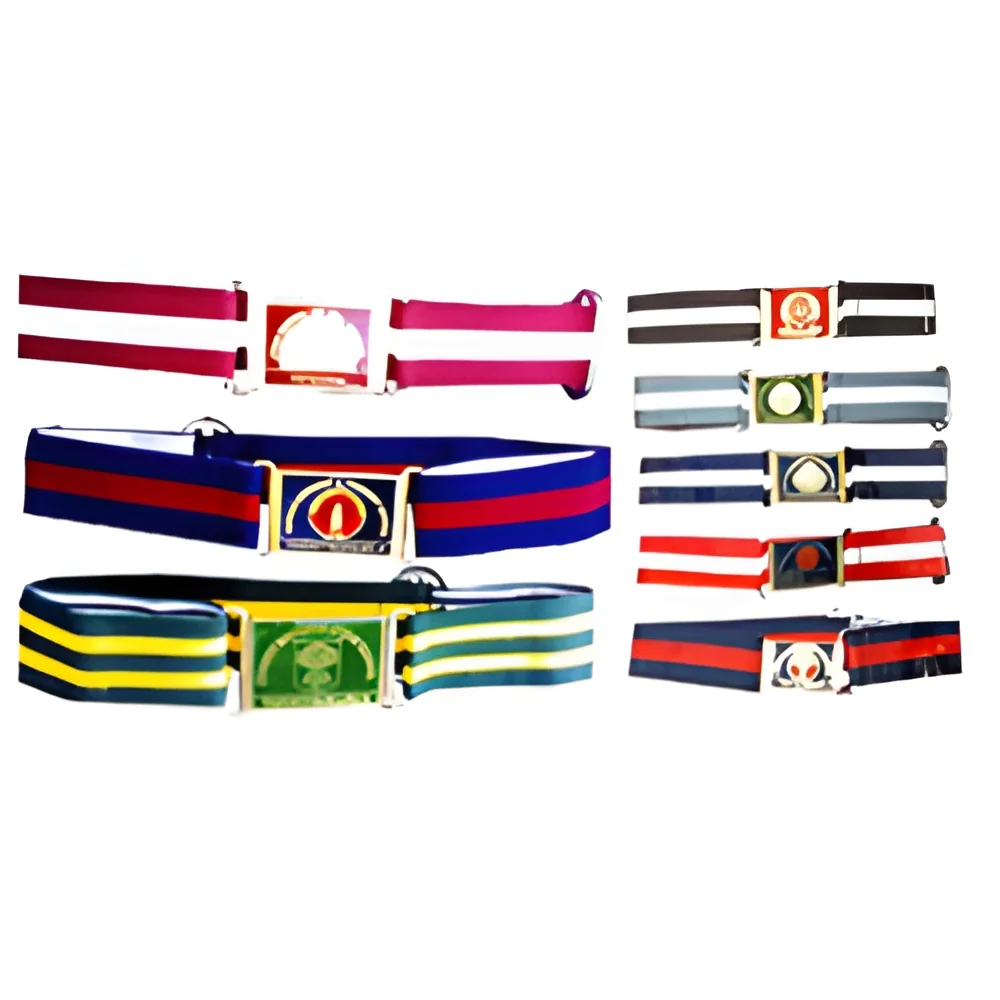
Adjustable Uniform Belts: Featuring adjustable designs, these belts provide a customizable fit for different body types. They are particularly useful in environments where staff may require varied waist sizes.
Reinforced Uniform Belts: Designed for heavy-duty use, reinforced belts are suitable for law enforcement and security personnel. They offer added strength and durability to hold equipment securely.
Eco-Friendly Uniform Belts: Made from sustainable materials, these belts cater to businesses focused on environmental responsibility. They provide a modern alternative for eco-conscious companies.
Benefits and Advantages
Choosing the right uniform belts offers several benefits that can enhance business operations and employee satisfaction.
1. Professional Appearance: Uniform belts contribute to a cohesive and polished look, promoting a professional image for businesses.
2. Enhanced Functionality: Many belts are designed to hold essential tools or accessories, improving efficiency and convenience for employees.
3. Durability: High-quality materials ensure that uniform belts withstand daily wear and tear, providing long-lasting value for businesses.
4. Brand Recognition: Customizable options allow companies to showcase their brand, fostering recognition and loyalty among customers.
5. Comfort: Well-designed belts provide comfort for employees, allowing them to perform their duties without distractions.
6. Versatility: Uniform belts can be used across various industries, making them a practical investment for businesses with diverse needs.
Buying Guide for B2B Buyers
When sourcing uniform belts, it is crucial for B2B buyers to consider several factors to ensure they select the best products for their needs.
1. Quality Assessment: Evaluate the materials and construction of the belts. Look for durability and comfort to ensure they withstand daily use.
2. Supplier Verification: Vet potential suppliers to ensure they have a good reputation and can provide quality products consistently.
3. Pricing and MOQ: Understand the pricing structure and minimum order quantities to make informed budget decisions and avoid unexpected costs.
4. Delivery and Lead Times: Discuss logistics with suppliers to ensure timely delivery, especially if the belts are needed for an upcoming event or season.
5. Compliance Requirements: Check for any industry-specific regulations that the belts must meet, ensuring compliance with safety and quality standards.
Compliance and Certifications
Uniform belts must adhere to specific compliance and certification standards to ensure quality and safety in various applications. One of the key quality standards is ISO 9001, which outlines criteria for establishing a quality management system. This certification helps ensure that products meet customer and regulatory requirements consistently.
Additionally, certifications such as CE are important for products sold in European markets, indicating compliance with health, safety, and environmental protection standards. Safety testing requirements may also apply, particularly in industries like healthcare and law enforcement, where durability and reliability are critical.
Furthermore, regional compliance considerations may vary, so it is essential for buyers to be aware of local regulations that may influence product specifications and certifications. This ensures that uniform belts not only meet business needs but also comply with the necessary legal requirements in their respective markets.
Why Source Uniform Belts from Pepagora?
Pepagora provides a trusted platform for sourcing uniform belts, offering several key advantages that cater to B2B buyers.
Verified Supplier Network: Pepagora prioritizes supplier verification to ensure that buyers have access to reputable manufacturers. This helps in building trust and ensures quality products.
Streamlined RFQ Process: The platform features a user-friendly Request for Quotation (RFQ) system, allowing buyers to easily request quotes from multiple suppliers. This streamlines the purchasing process and saves time.
Trade Assurance and Support: Pepagora offers buyer protection through trade assurance, providing peace of mind when making purchases. This support extends to resolving any issues that may arise during the transaction process.
Regional Coverage: With a strong presence in India, the GCC, and Southeast Asia, Pepagora ensures geographic reach for buyers looking for uniform belts. This allows businesses to source products locally while accessing a wide variety of options.
By choosing Pepagora, businesses can confidently source uniform belts that meet their specific needs while benefiting from a supportive purchasing environment.

 IN
IN