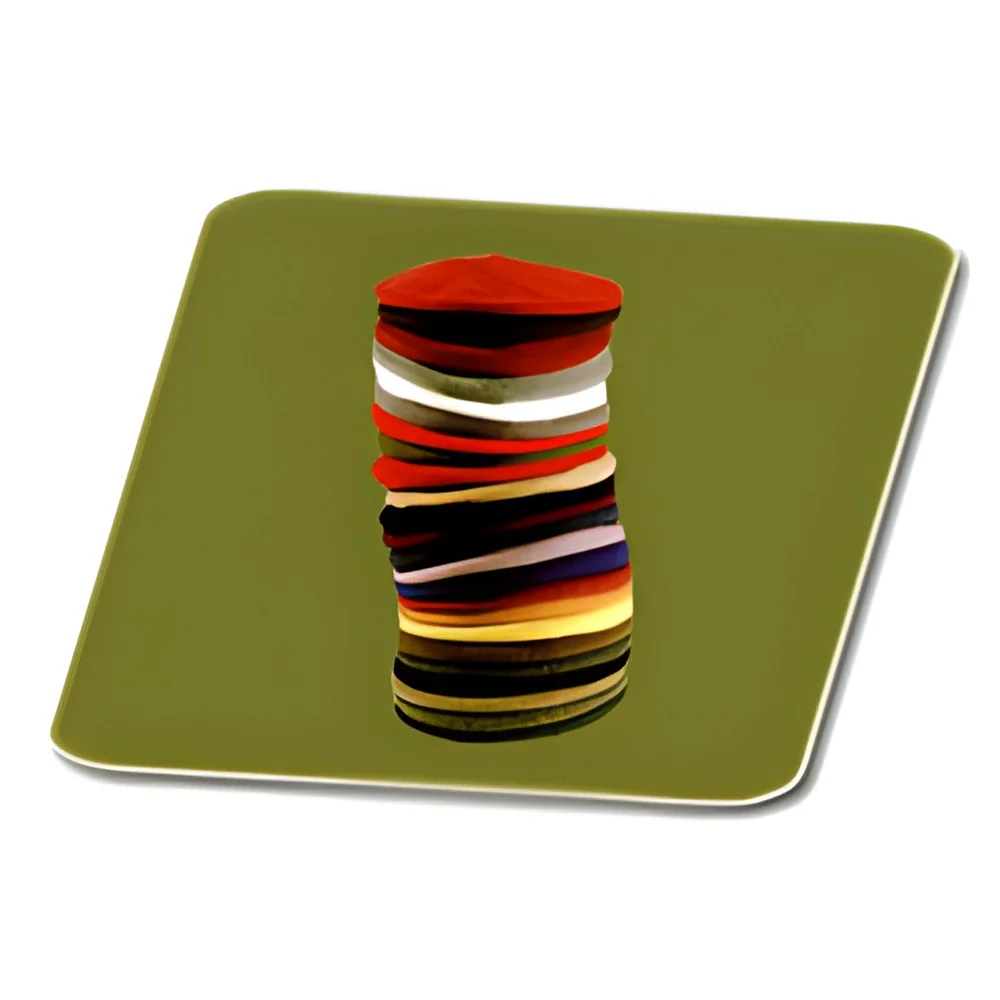
What are Uniform Caps?
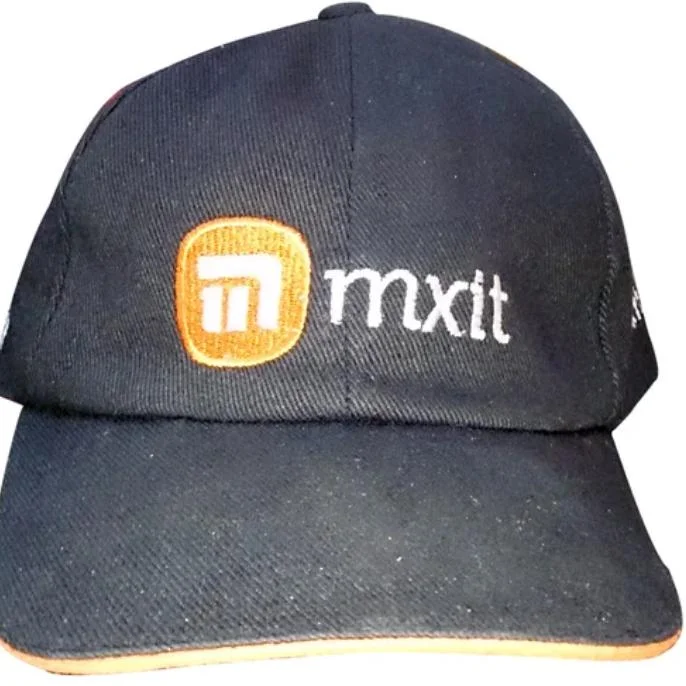
Uniform caps are specialized headwear designed to provide a consistent and professional appearance in various work environments. Typically made from durable materials, these caps are often used in settings such as restaurants, healthcare facilities, and industrial workplaces. The primary purpose of uniform caps is to enhance brand identity while ensuring that employees adhere to specific dress codes.
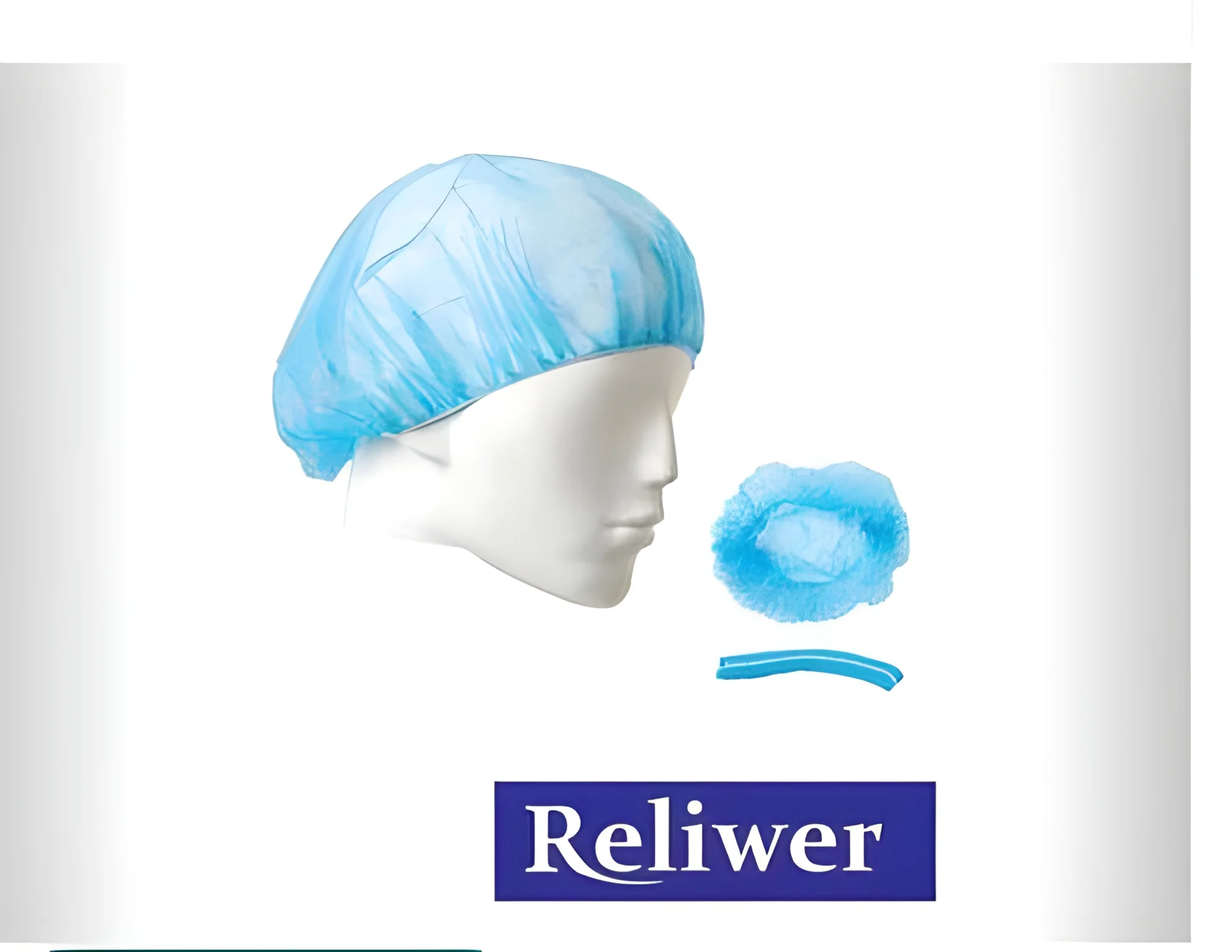
These caps serve multiple business applications, including food service, healthcare, and manufacturing. In the food industry, they help maintain hygiene standards by preventing hair from contaminating food. In healthcare, they contribute to a sterile and professional atmosphere. Additionally, in industrial settings, uniform caps protect workers from debris and harsh conditions, making them essential for safety as well as aesthetics.
The market for uniform caps is growing as companies increasingly recognize the importance of branding and employee presentation. With a variety of styles and materials available, businesses can find options that suit their specific needs while complying with industry regulations.
Key Features and Specifications
Uniform caps come with several key features that enhance their functionality and appeal. Understanding these specifications is essential for making an informed purchasing decision.
Key specifications include:
1. Material Composition
- Often made from cotton, polyester, or a blend
- Offers durability and breathability
2. Size Range
- Available in various sizes to accommodate different head sizes
- Adjustable fits for comfort
3. Style Options
- Includes chef hats, baseball caps, and beanies
- Suitable for diverse industry requirements
4. Customization Options
- Can be embroidered with company logos
- Available in various colors to match branding
5. Care Instructions
- Machine washable and easy to maintain
- Resistant to fading and wear
6. Compliance Standards
- May meet specific industry regulations
- Ensures safety and hygiene in the workplace
In summary, uniform caps are designed with practical features that cater to the needs of various industries, ensuring both style and functionality.
Common Applications and Use Cases
Uniform caps are widely used across multiple sectors, each with specific applications.
1. Food Service: In restaurants and catering, uniform caps help maintain hygiene standards and promote a professional image among staff.
2. Healthcare: In hospitals and clinics, medical staff often wear caps to create a sterile environment and enhance patient trust.
3. Manufacturing: In factories, uniform caps protect workers from dust and debris, ensuring safety while promoting a unified company image.
4. Hospitality: Hotels and resorts use uniform caps for staff to create a cohesive and attractive appearance for guests.
5. Retail: In retail settings, uniform caps can help employees stand out, promoting brand identity and customer service.
6. Transportation: In logistics and delivery services, uniform caps can identify employees while ensuring safety in various environments.
7. Education: Schools and universities may require staff to wear uniform caps for identity purposes, facilitating a professional atmosphere.
Product Variants and Subcategories
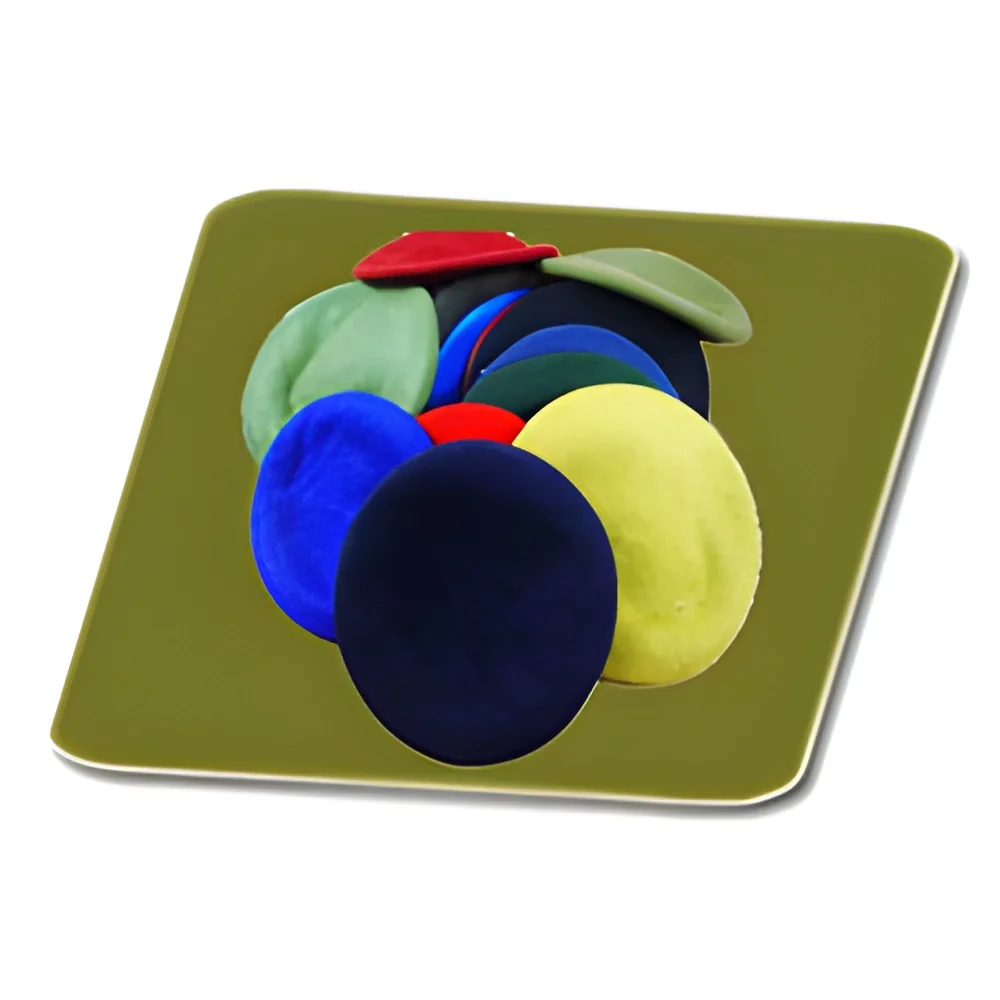
Uniform caps come in a range of variants to meet the diverse needs of businesses.
Chef Hats: These are tall, pleated hats traditionally worn by chefs. They signify rank in the kitchen and help with hygiene by keeping hair contained.
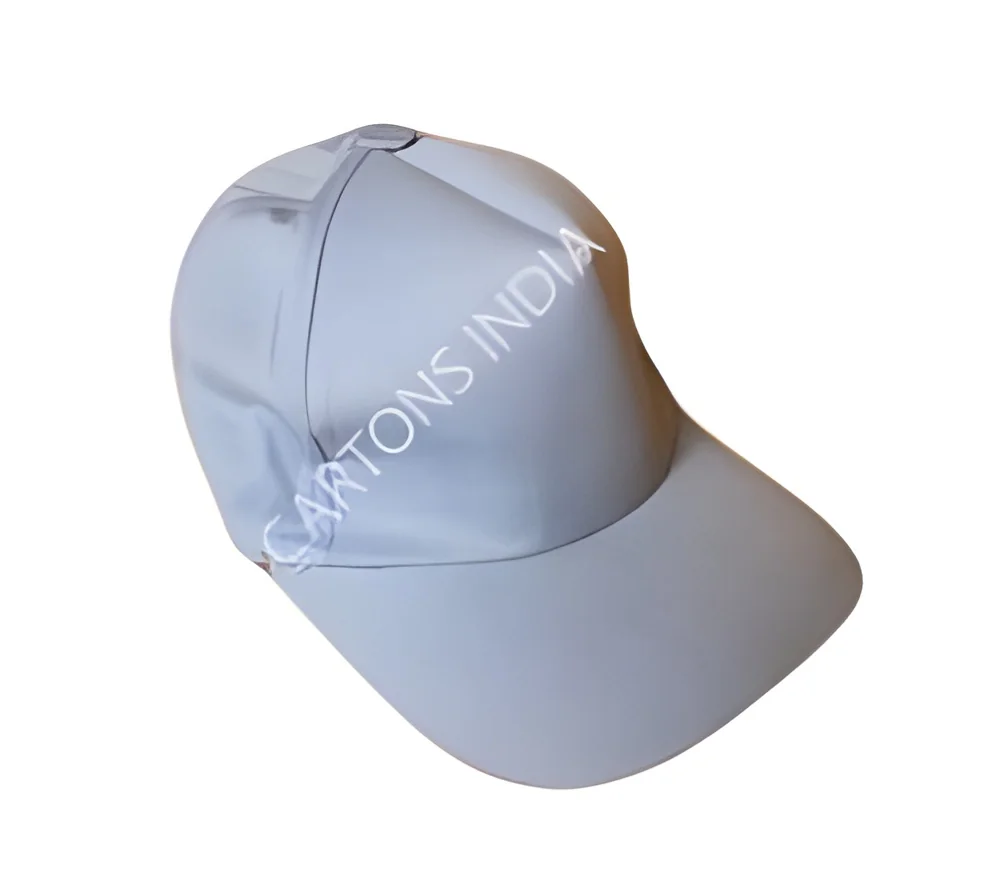
Baseball Caps: Popular for casual and outdoor settings, these caps offer a relaxed fit while providing sun protection.
Beanies: Often used in colder environments, beanies are snug and keep the head warm while still conveying a uniform look.
Adjustable Caps: These caps feature adjustable straps to ensure a comfortable fit for all employees, making them versatile across different team members.
Benefits and Advantages
Uniform caps offer several key benefits that can enhance both employee experience and company image.
1. Professional Appearance: Uniform caps contribute to a cohesive and professional look, boosting brand identity.
2. Hygiene Standards: In food and healthcare industries, wearing caps helps maintain cleanliness and safety, reducing contamination risks.
3. Employee Morale: Providing uniform caps can foster a sense of belonging among employees, enhancing team spirit.
4. Custom Branding: With options for customization, businesses can incorporate logos and colors that resonate with their brand identity.
5. Versatile Styles: A wide variety of styles allows businesses to choose options that best fit their industry while meeting functional needs.
6. Easy Maintenance: Uniform caps are typically machine washable and durable, making them cost-effective over time.
Buying Guide for B2B Buyers
When sourcing uniform caps, there are several crucial factors to consider to ensure a successful purchase.
1. Quality Assessment: Evaluate the material and construction of the caps. Look for durable fabrics that can withstand regular use and washing.
2. Supplier Verification: Vet potential suppliers to ensure they have a solid reputation and can provide quality products consistently.
3. Pricing and MOQ: Determine your budget and inquire about minimum order quantities. This can impact overall cost and availability.
4. Delivery and Lead Times: Consider logistics and shipping times, especially if you have specific deadlines for when the caps are needed.
5. Compliance Requirements: Be aware of any industry-specific regulations that the caps must meet, ensuring they adhere to safety and hygiene standards.
Compliance and Certifications
Uniform caps must adhere to various quality standards and certifications to ensure safety and reliability in the workplace. Commonly recognized standards include ISO 9001, which focuses on quality management systems, and HACCP, which is critical in food safety management.
Additionally, industry certifications such as CE indicate compliance with European safety standards, providing assurance to buyers about the product's safety and effectiveness.
It's also essential to consider safety and testing requirements, as uniform caps may need to pass specific tests based on the industry they are used in. Lastly, regional compliance considerations may vary, so it is essential for buyers to be aware of local regulations that apply to their business operations.
Why Source Uniform Caps from Pepagora?
Pepagora is a trusted platform for sourcing uniform caps, offering several key advantages to B2B buyers.
Verified Supplier Network: Pepagora connects buyers with a network of verified suppliers, ensuring that all products meet high-quality standards and compliance requirements.
Streamlined RFQ Process: The platform features a simple and efficient request for quotation process, allowing buyers to receive competitive pricing and options tailored to their needs.
Trade Assurance and Support: Buyers benefit from trade assurance, which protects transactions and offers support throughout the purchasing process, ensuring a seamless experience.
Regional Coverage: With a strong presence in regions like India, the GCC, and Southeast Asia, Pepagora offers extensive geographic reach, making it easier for businesses to source uniform caps that meet their specific requirements.

 IN
IN