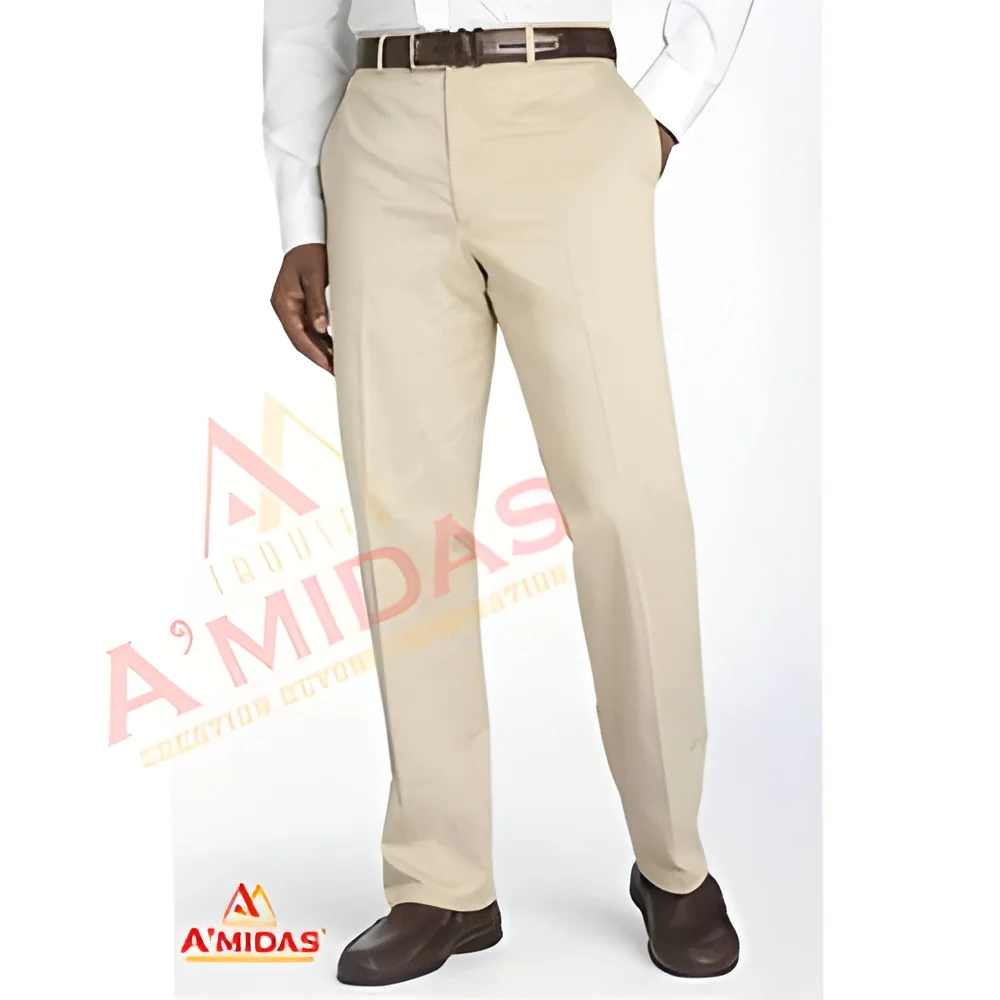
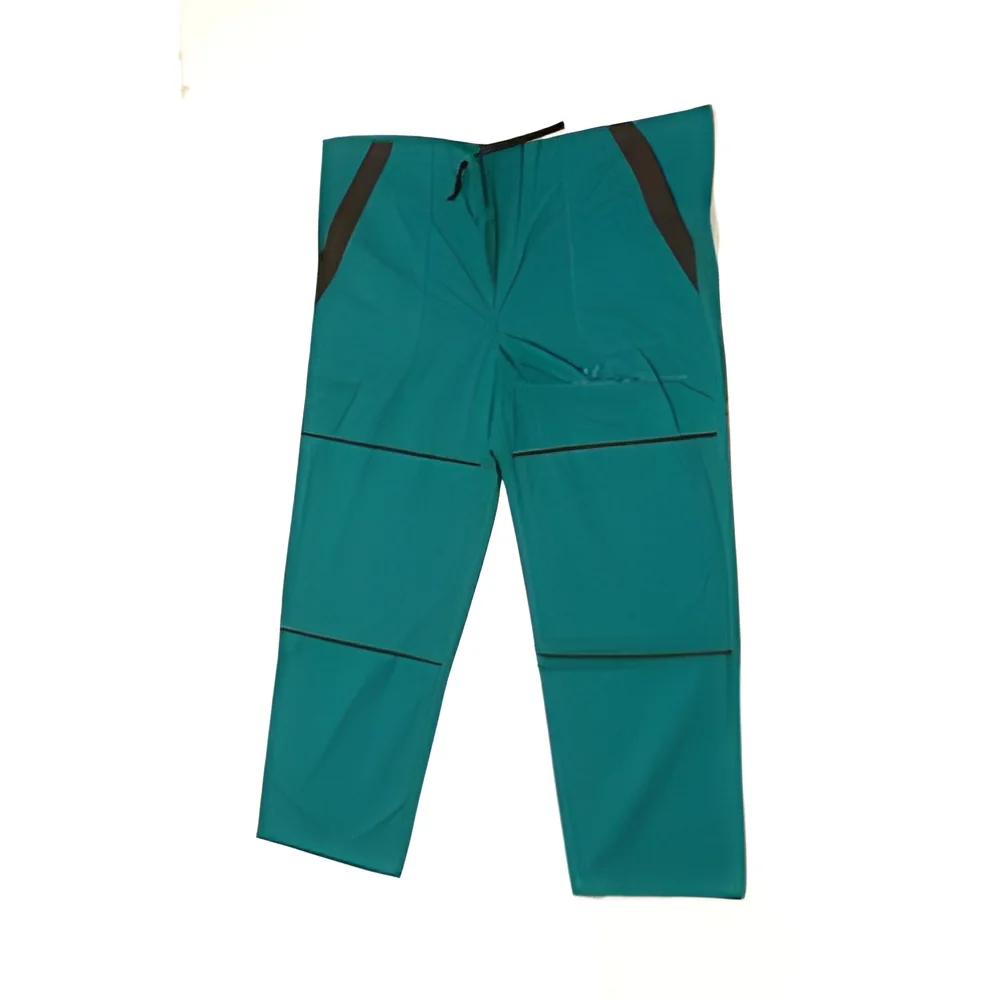
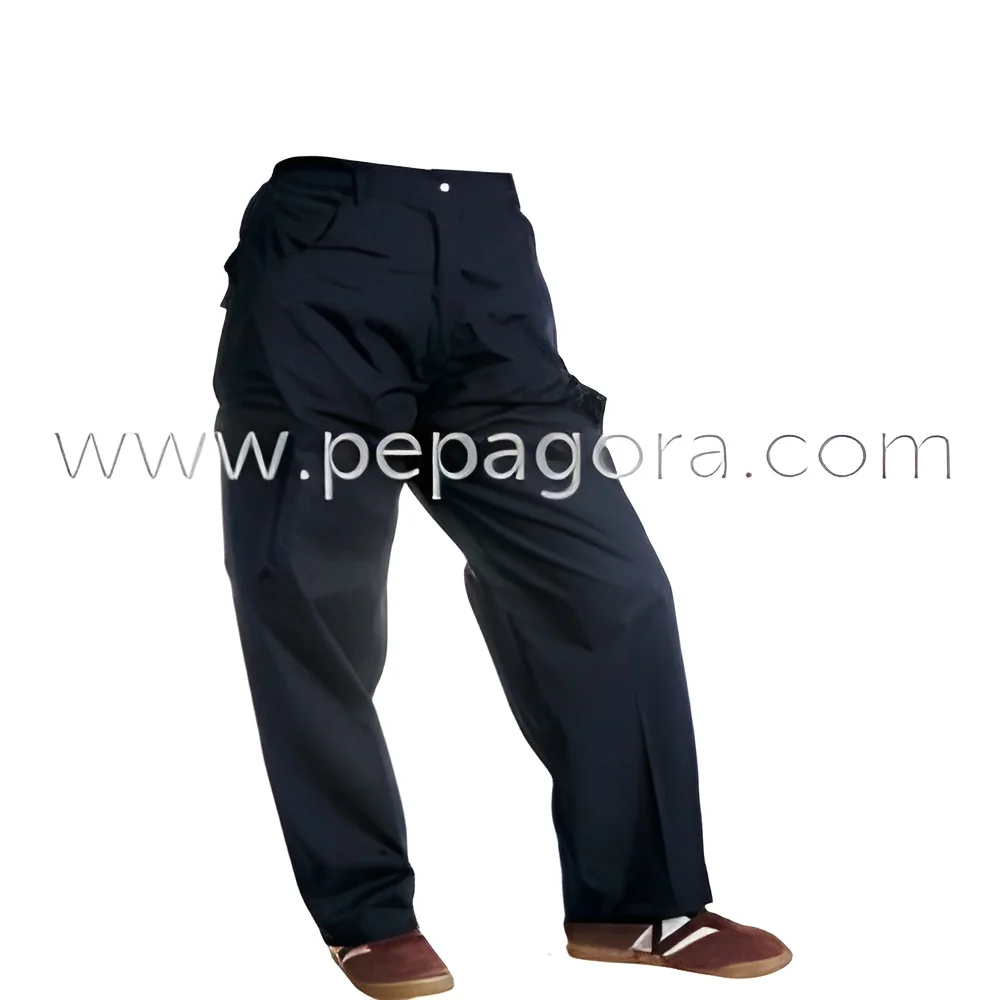
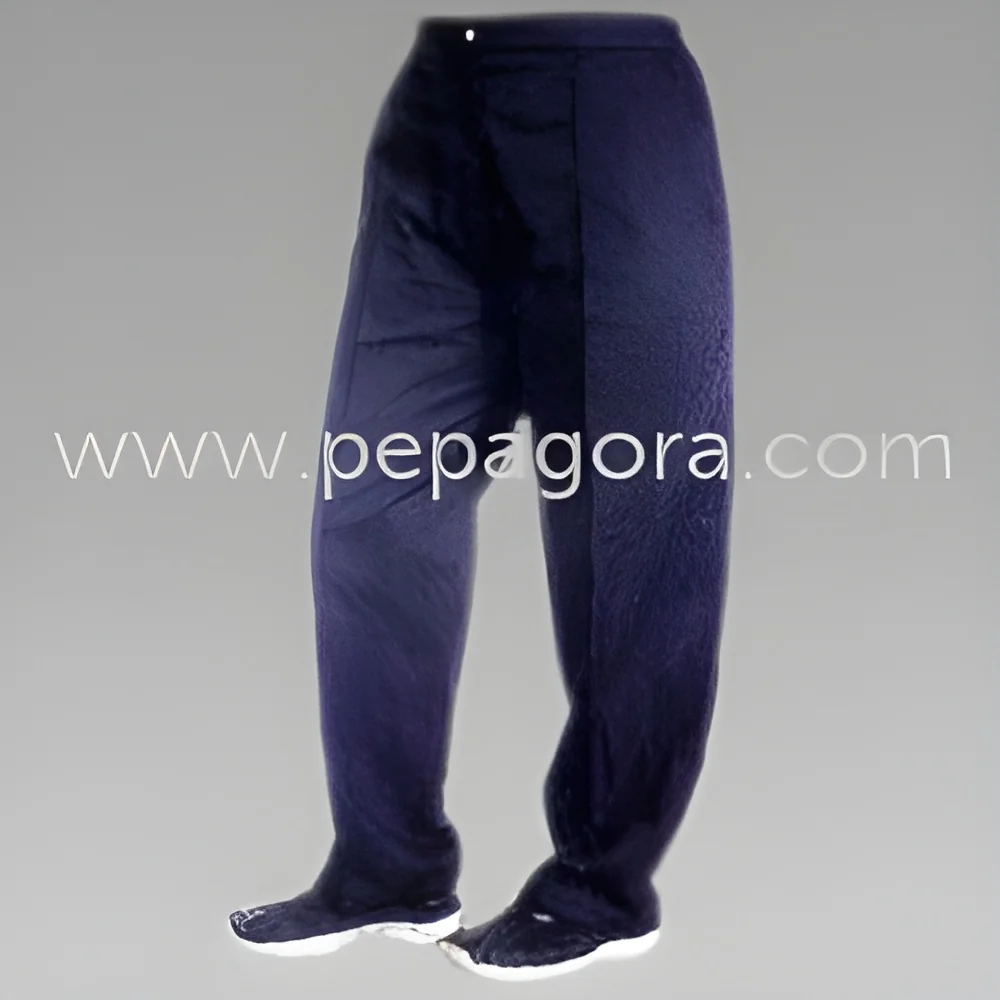
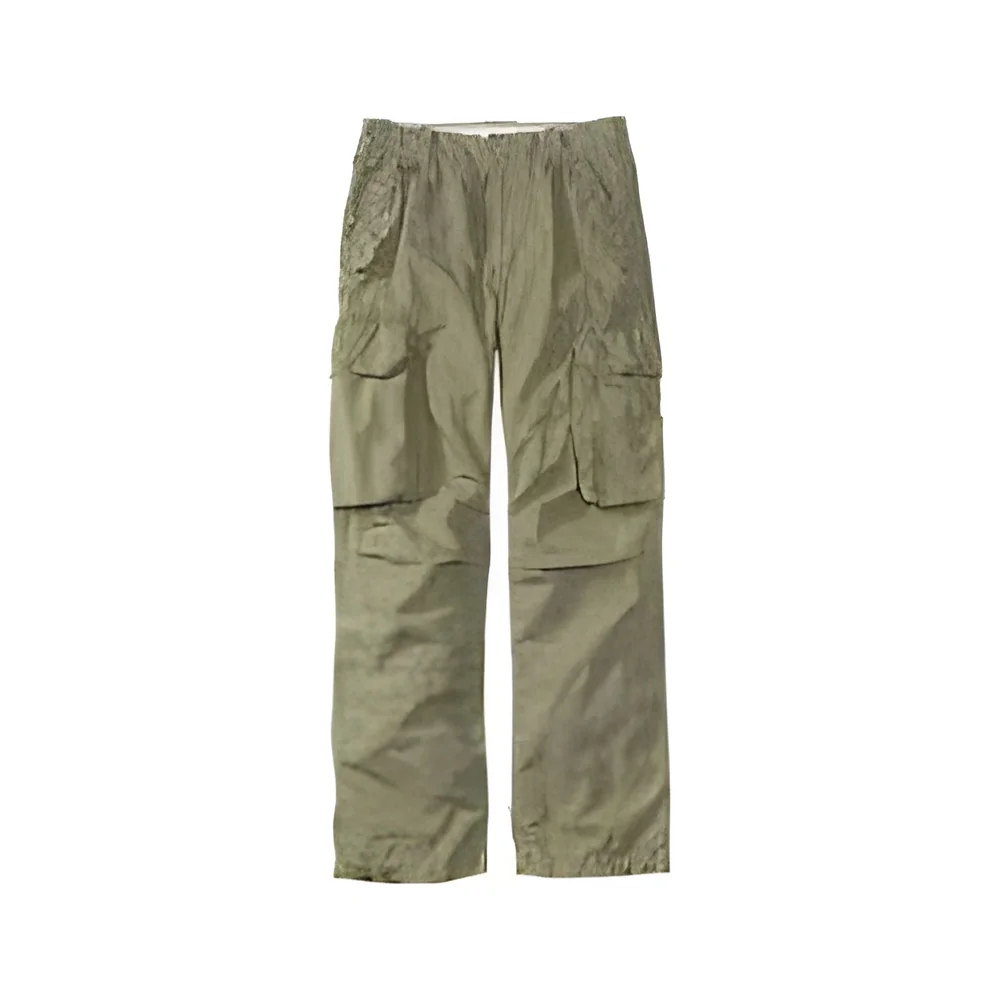
What are Work Trousers?
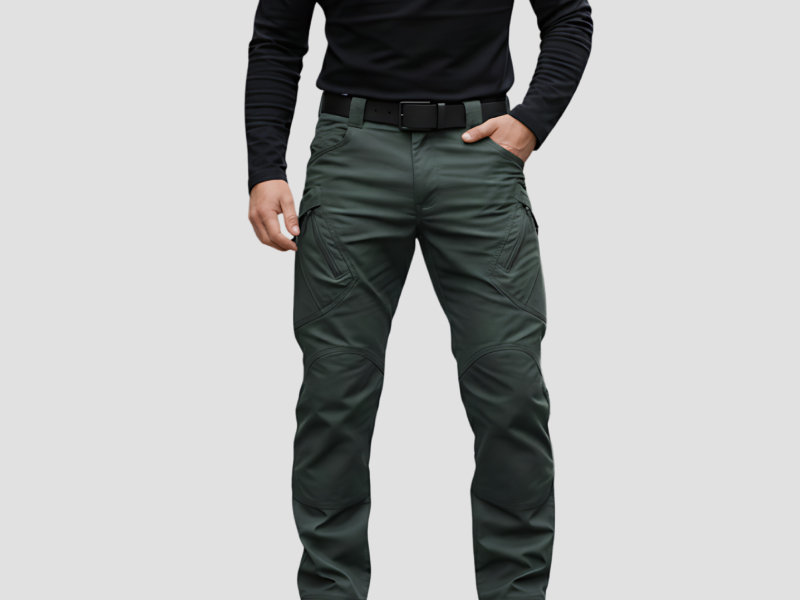
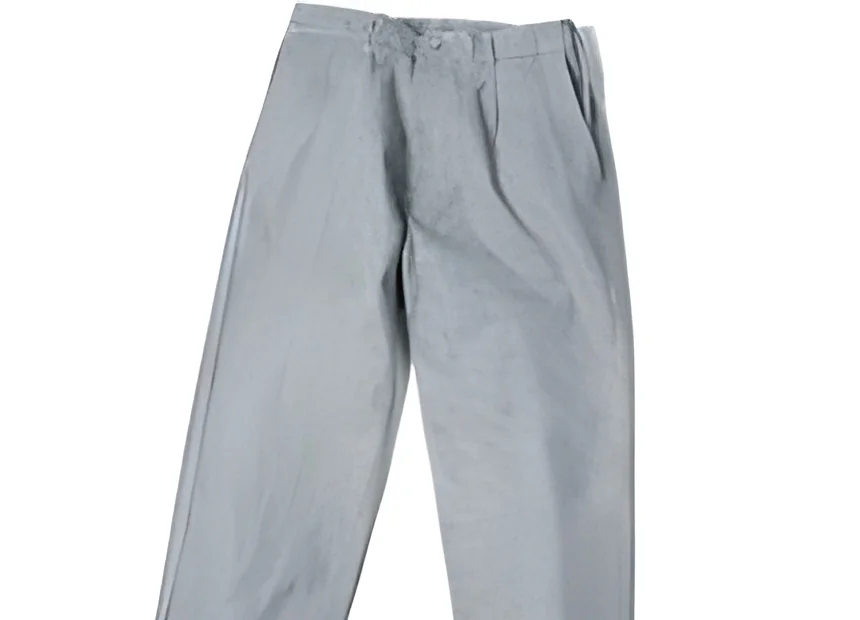
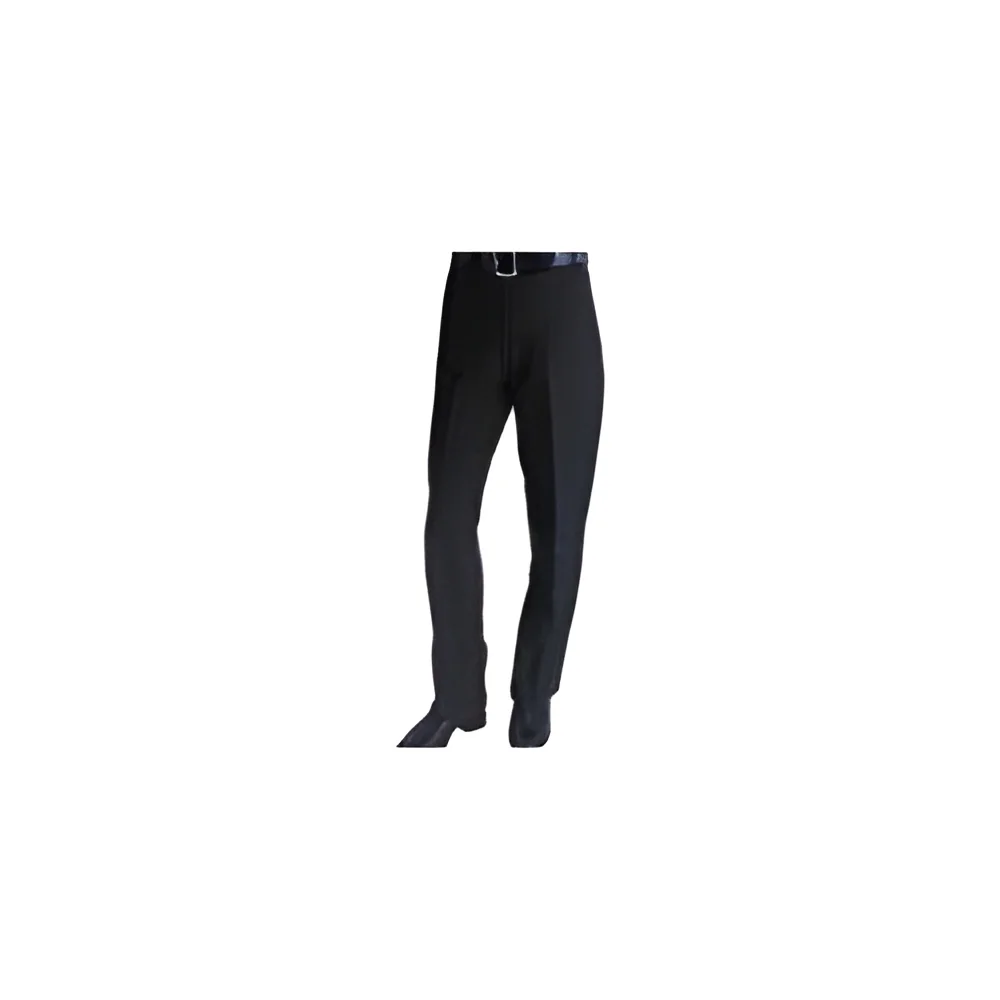
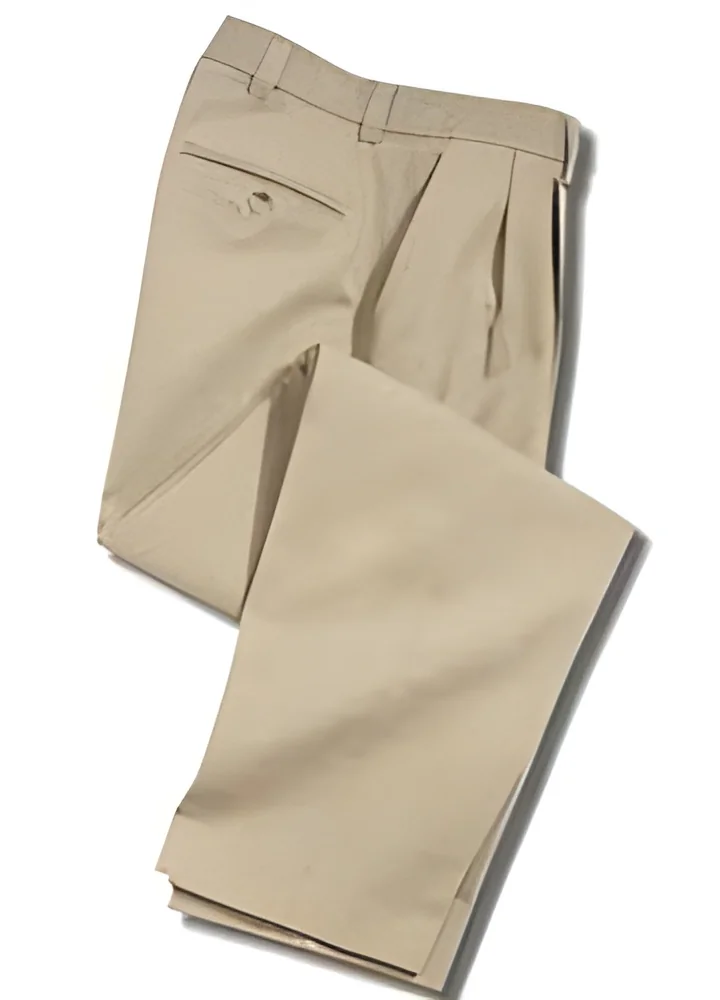
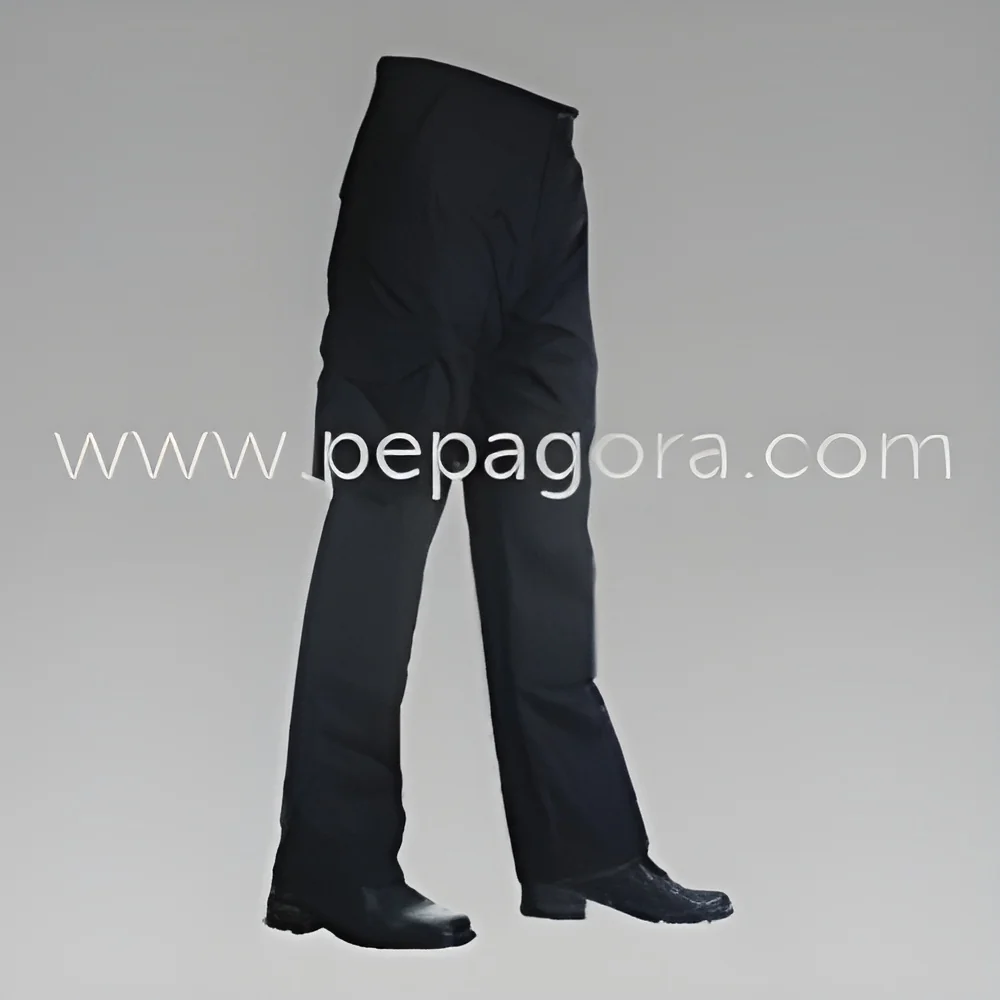
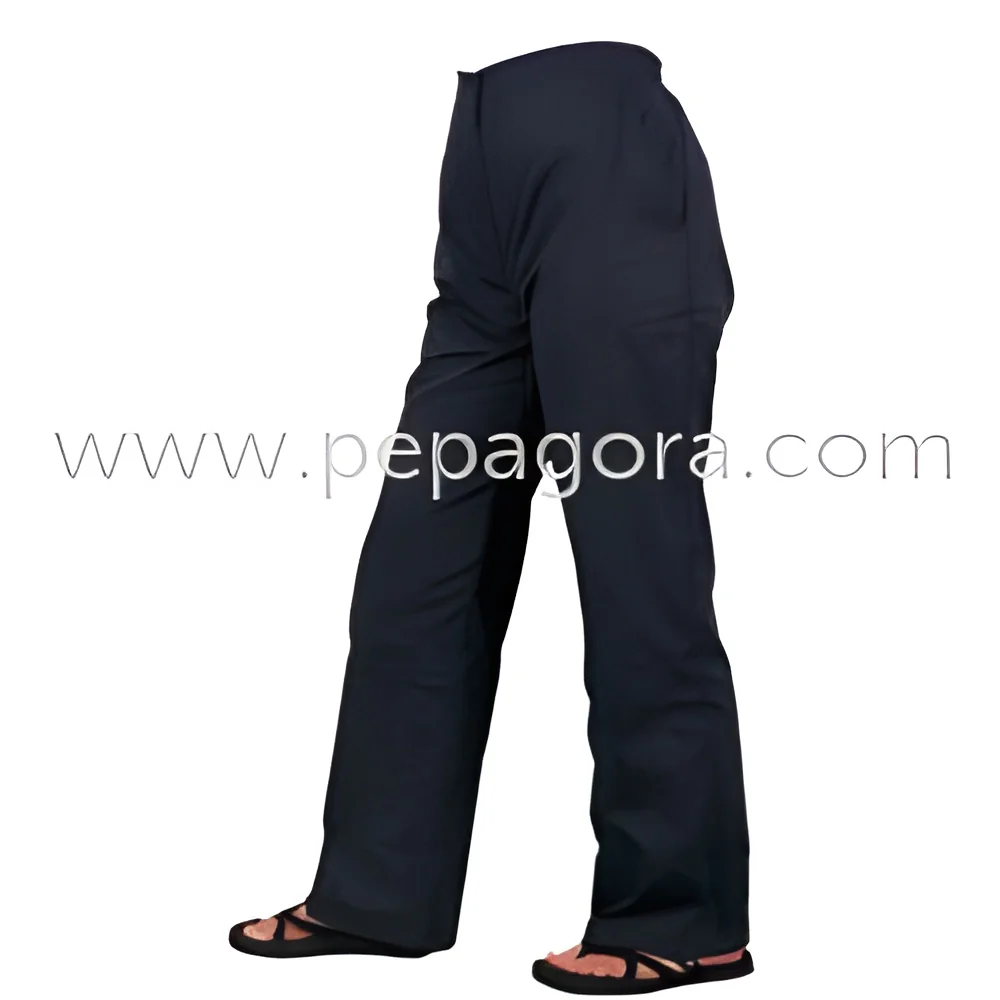
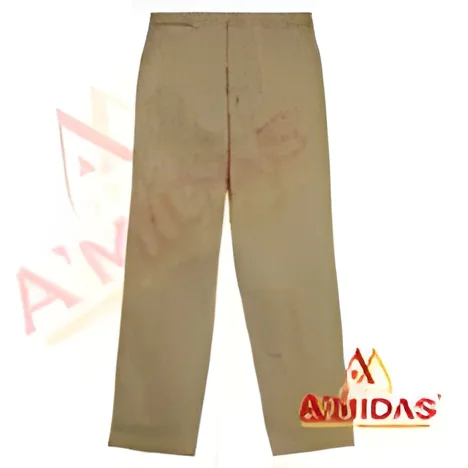
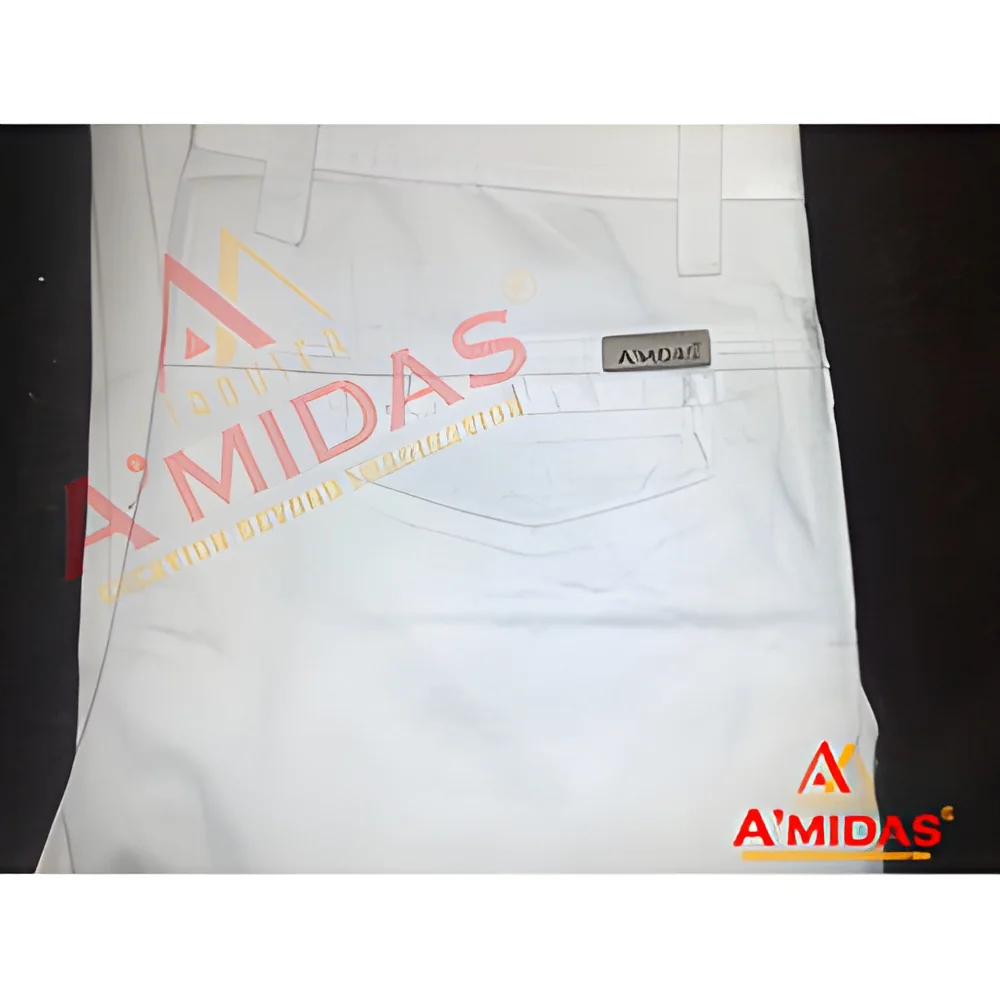
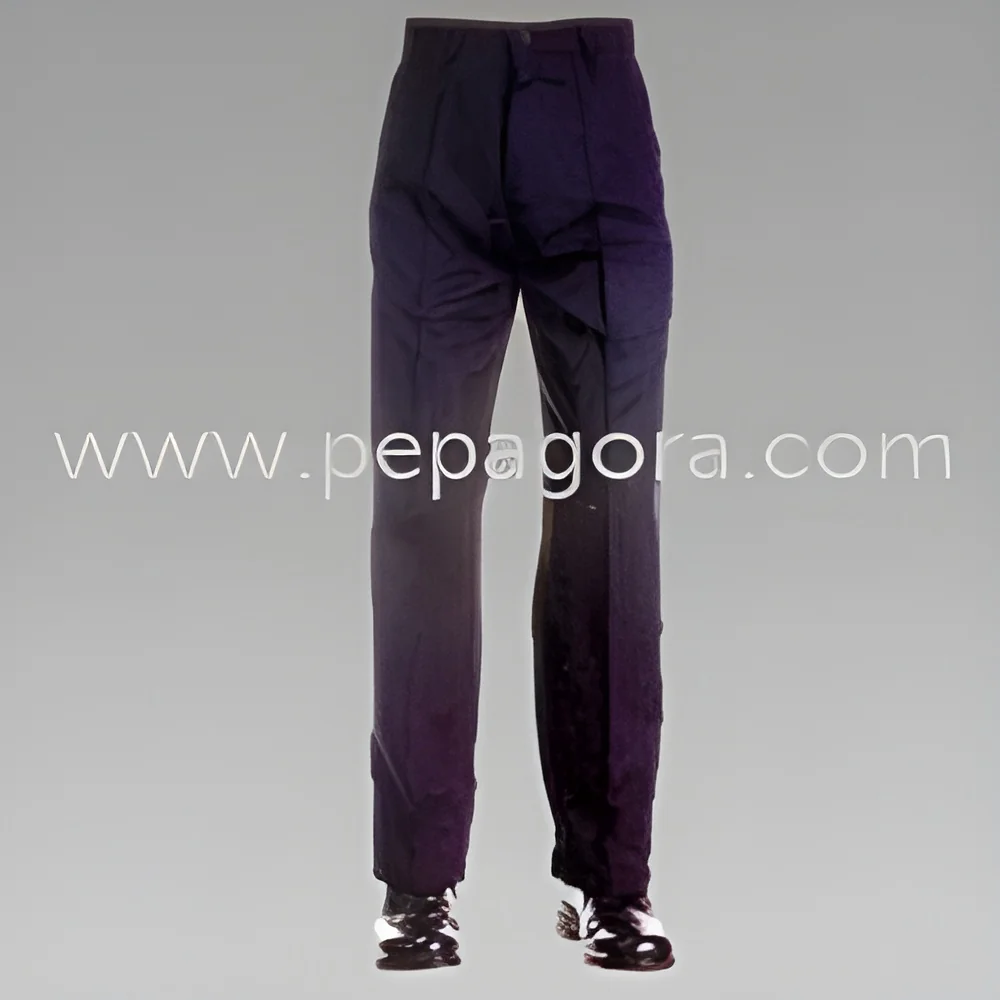
Work trousers are specialized garments designed for professionals who operate in various industrial environments. These trousers are crafted to provide durability, comfort, and protection. They are typically made from robust materials that can withstand the rigors of physical labor while offering features that enhance user experience, such as pockets for tools and reinforced seams for added strength.
These trousers are essential in various business applications, including construction, manufacturing, and service industries. Workers in these fields require clothing that not only meets safety standards but also allows freedom of movement and comfort during long hours of work. Work trousers are designed to accommodate these needs, ensuring that employees can perform their tasks efficiently without compromising on safety or comfort.
In the current market context, work trousers have gained significant relevance across multiple industries. As safety regulations become more stringent, the demand for high-quality workwear has increased. Companies are now investing in durable and functional work trousers to enhance employee safety and productivity, making these garments a vital part of the industrial apparel market.
Key Features and Specifications
Work trousers come with a variety of features and specifications tailored to meet the needs of different industries. These specifications help buyers select the right product based on their requirements.
Key specifications include:
1. Fabric Composition
- Typically made from a blend of cotton, polyester, or other synthetic materials.
- Provides durability and resistance to wear and tear.
2. Reinforced Seams
- Double-stitched seams to enhance durability.
- Prevents ripping and increases longevity.
3. Pocket Design
- Multiple pockets for tools and personal items.
- Some models include reinforced pockets for added functionality.
4. Safety Standards Compliance
- Meets industry standards such as CE certification.
- Ensures protection against workplace hazards.
5. Fit and Comfort
- Available in various fits such as regular, slim, and relaxed.
- Designed for ease of movement and comfort during extended wear.
6. Weather Resistance
- Some trousers are treated for water and stain resistance.
- Provides comfort in various weather conditions.
7. Breathability Features
- Fabric options that allow airflow.
- Helps reduce sweat and increase comfort.
8. Customization Options
- Possibility for branding or specific modifications.
- Tailored to meet company requirements.
In summary, the diverse features and specifications of work trousers make them adaptable to a wide range of working environments, ensuring that businesses can find solutions that meet their specific needs.
Common Applications and Use Cases
Work trousers find applications in numerous industries, providing workers with the necessary protection and comfort.
1. Construction: In the construction industry, work trousers are essential for workers who face physical demands and potential hazards. They provide durability and pockets for tools, ensuring efficiency on the job site.
2. Manufacturing: Manufacturing workers benefit from work trousers designed for heavy-duty tasks. These trousers often feature reinforced seams and safety compliance, helping to protect against workplace accidents.
3. Automotive: In the automotive sector, work trousers are used by technicians and mechanics who require functional clothing. They provide durability and convenient pockets for tools and parts.
4. Landscaping: Workers in landscaping need trousers that are tough yet comfortable for outdoor work. Features such as breathability and moisture resistance are essential for this application.
5. Warehousing: In warehousing environments, work trousers help workers carry out tasks efficiently while ensuring safety. They often include multiple pockets for tools and inventory management.
6. Hospitality: In the hospitality industry, staff wear work trousers that combine professionalism with comfort. These trousers are designed for ease of movement while maintaining a polished appearance.
7. Healthcare: Healthcare professionals require work trousers that are both functional and easy to clean. These trousers often feature moisture-wicking fabrics and pockets for medical tools.
Product Variants and Subcategories
Work trousers are available in a range of variants to cater to different professional needs.
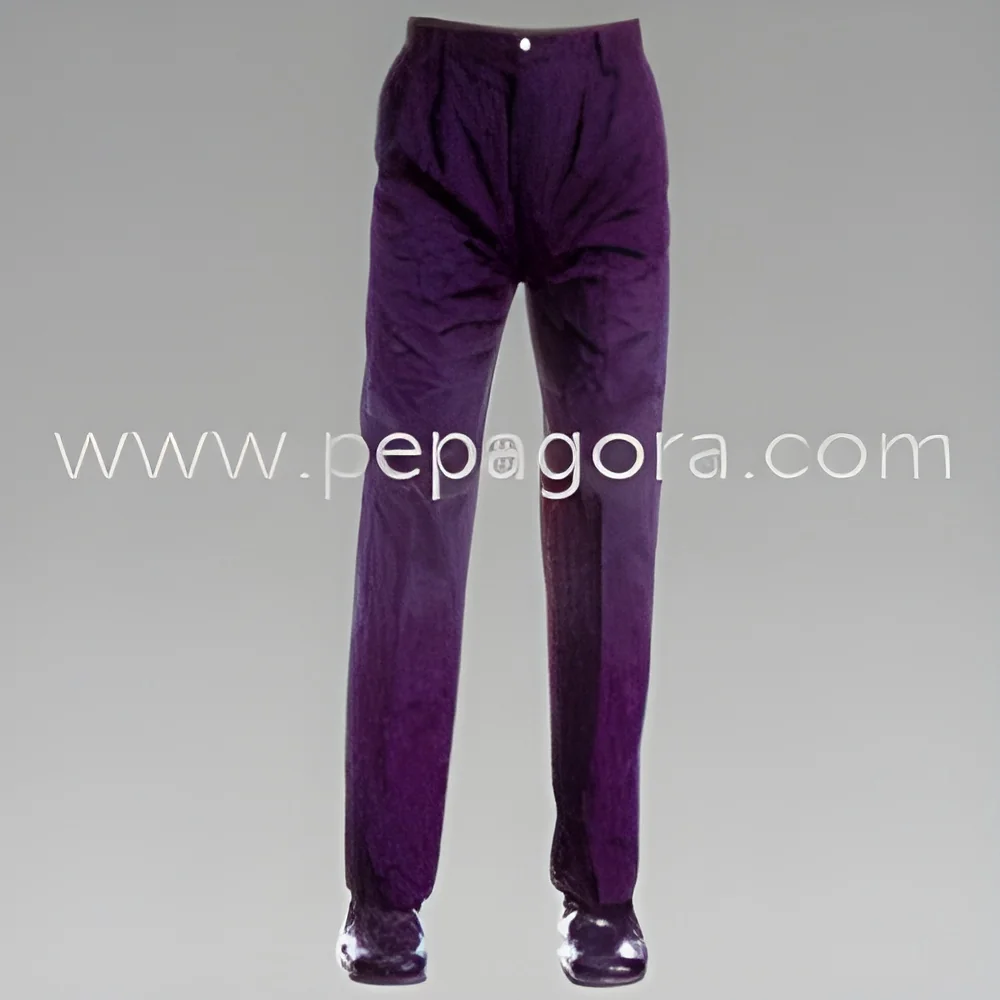
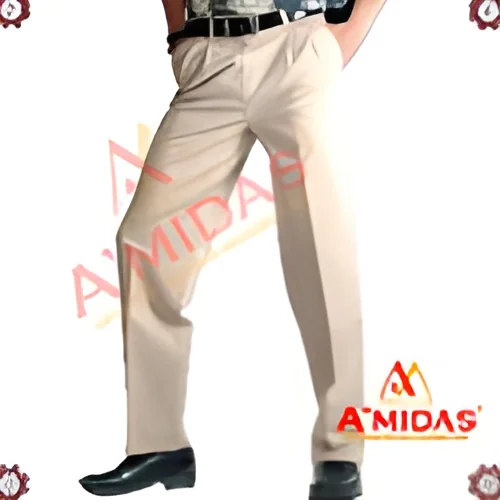
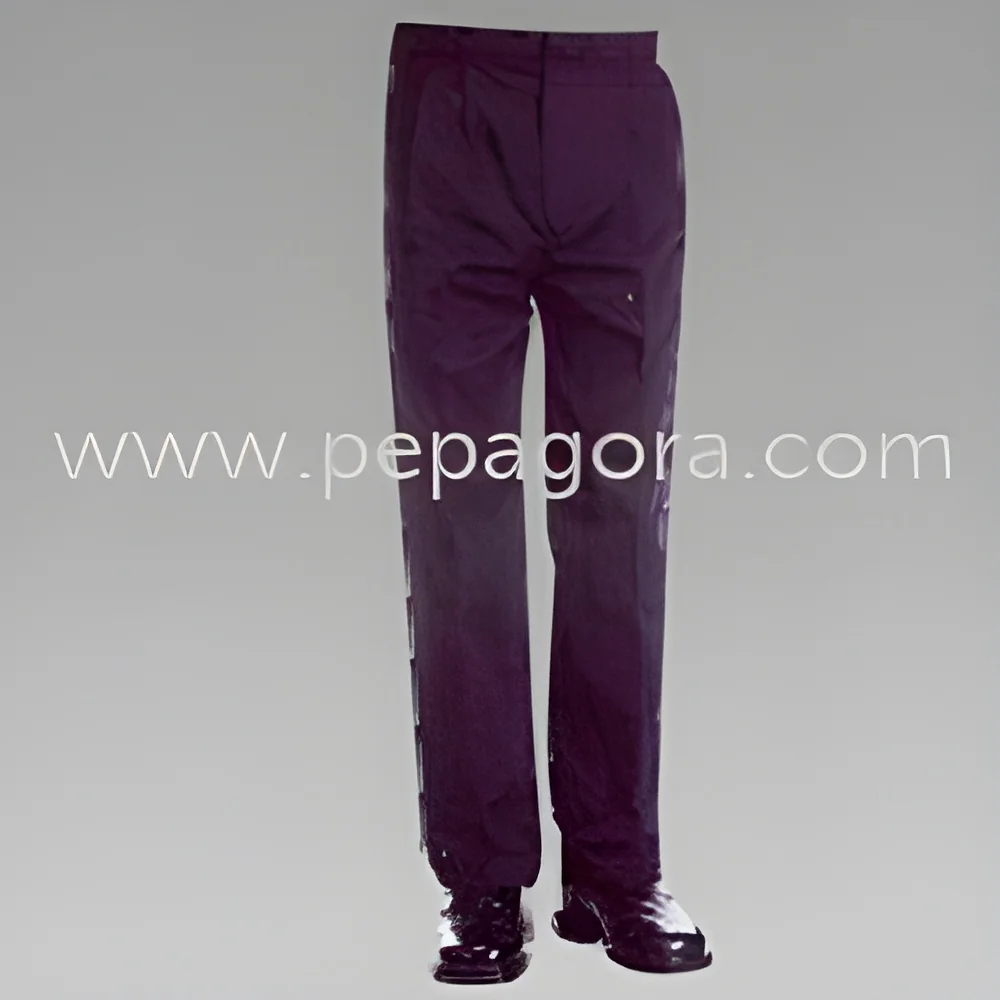
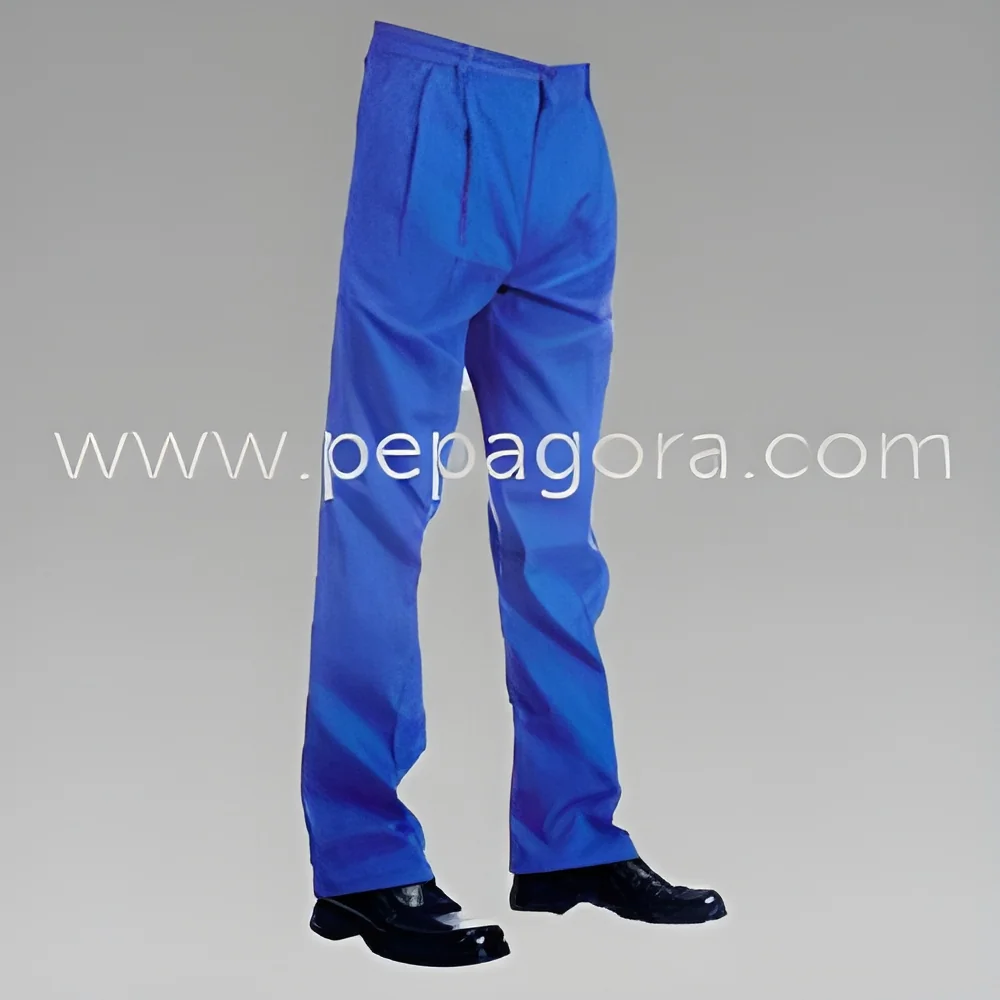
Standard Work Trousers: These are the most common type, designed for general use across various industries. They typically feature multiple pockets and are made from durable fabrics suitable for tough environments.
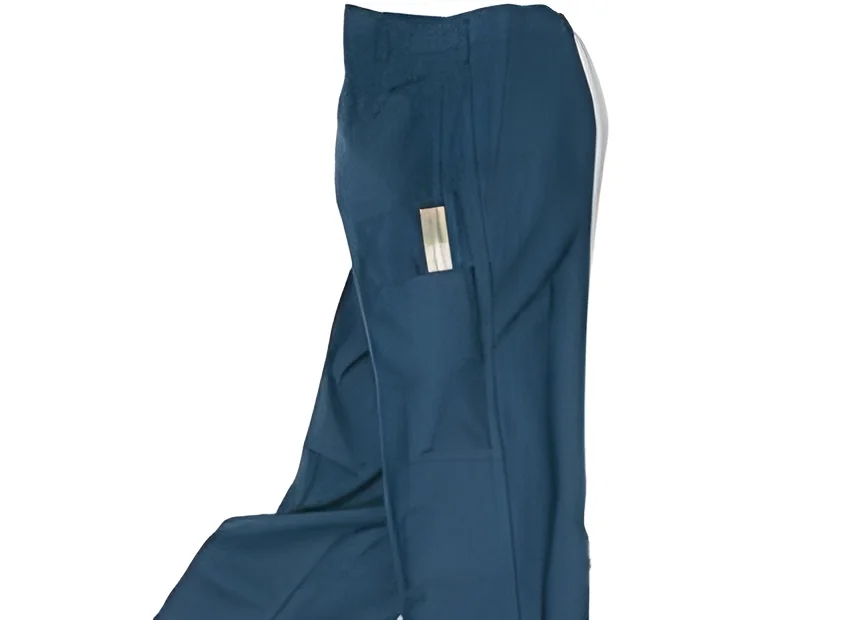
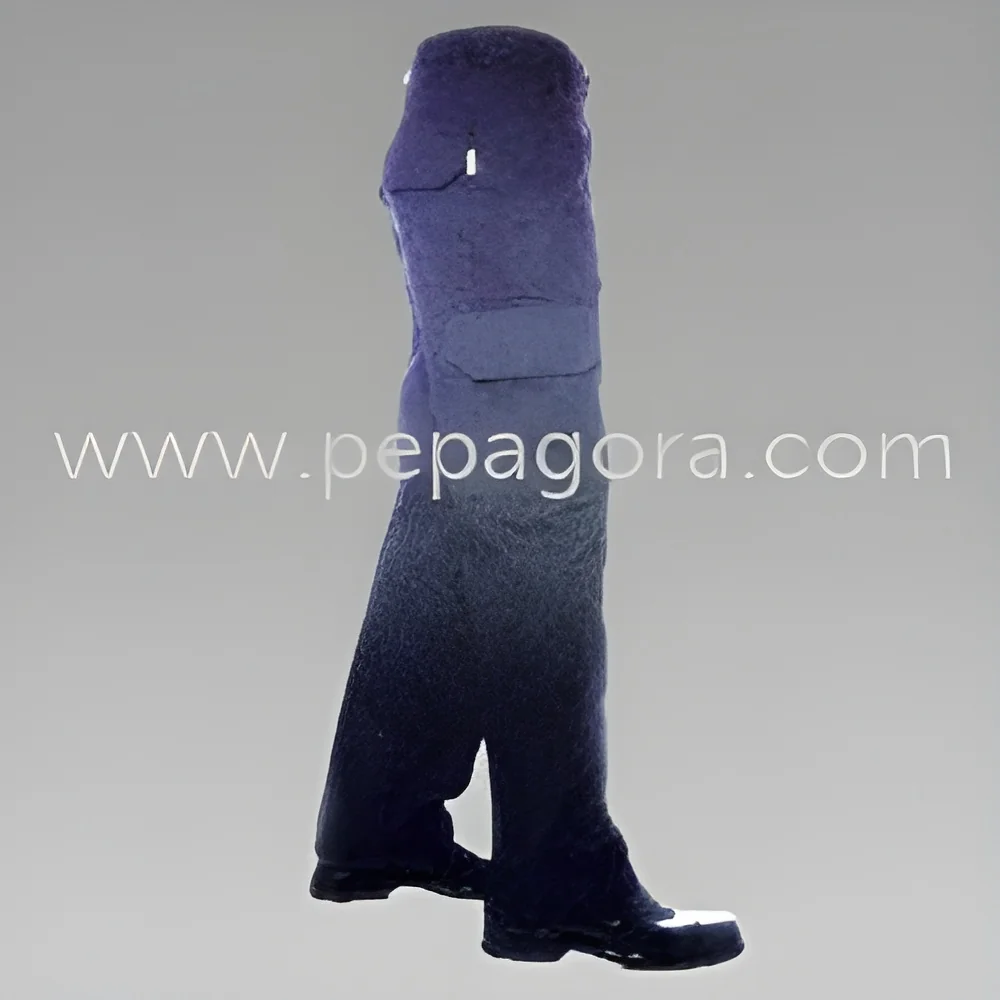
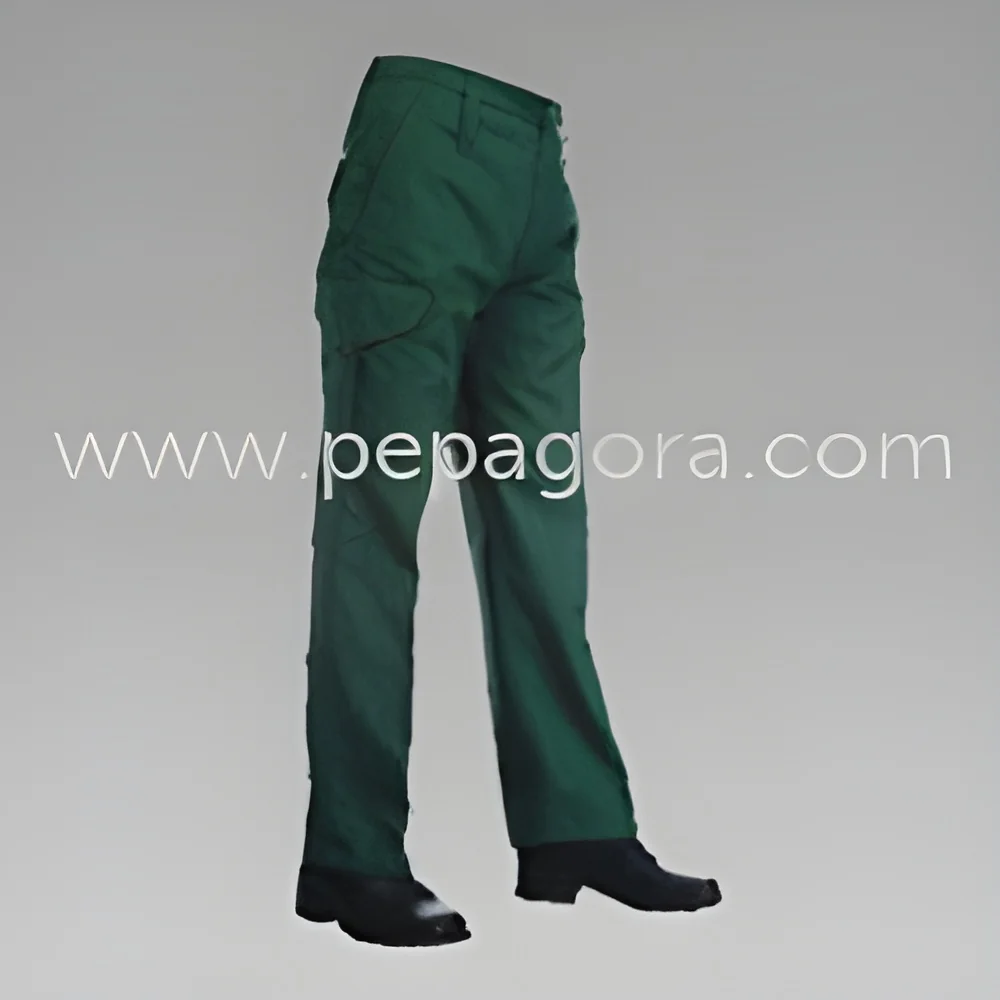
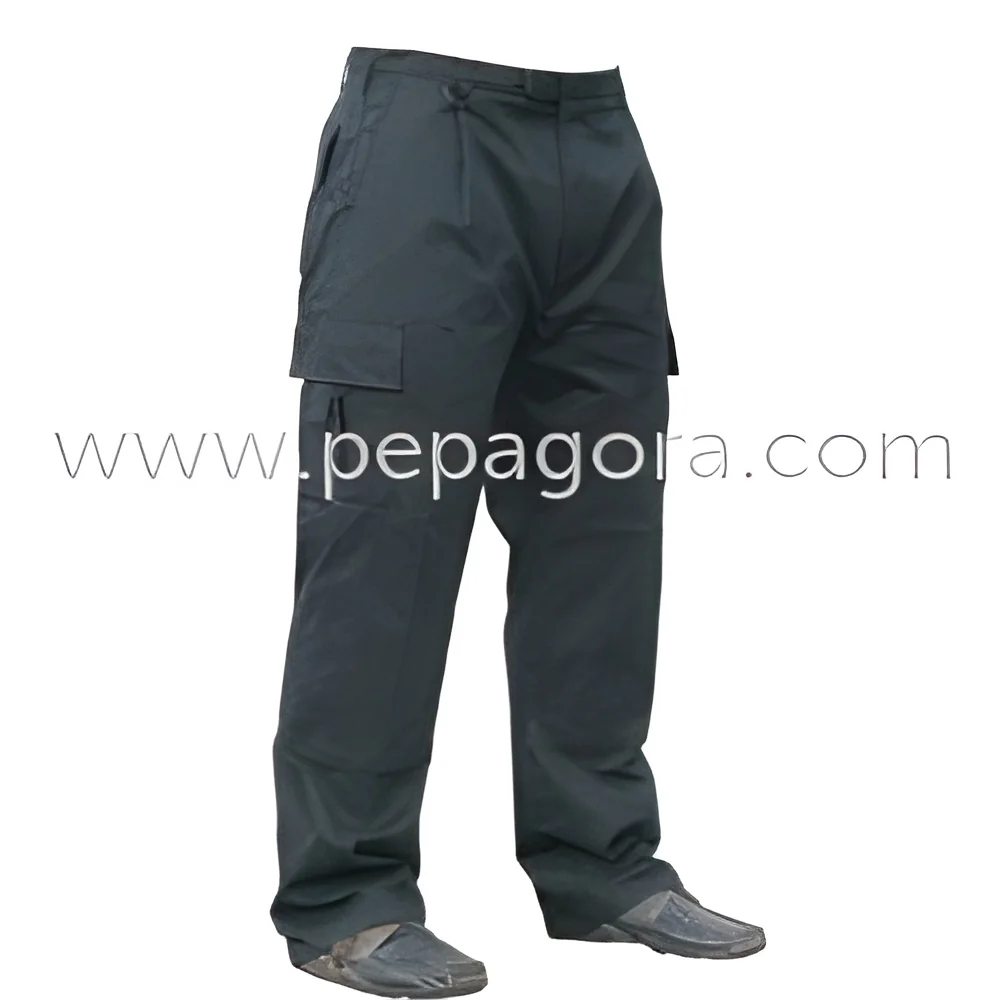
Cargo Work Trousers: Cargo trousers include additional pockets and compartments, making them ideal for workers who require extra storage for tools and equipment. They are popular in construction and maintenance roles.
High-Visibility Work Trousers: Designed for safety, these trousers are made with bright colors and reflective strips. They are essential for workers in low-light conditions, such as road construction.
Waterproof Work Trousers: These trousers are treated to resist water, making them suitable for outdoor work in wet conditions. They are commonly used in landscaping and construction.
Benefits and Advantages
Work trousers provide numerous benefits that enhance safety and productivity in the workplace.
1. Enhanced Safety: Work trousers are designed to meet safety standards, providing protection against workplace hazards which reduces the risk of injuries.
2. Greater Comfort: With features that promote comfort, such as breathable fabrics and ergonomic designs, workers can perform their tasks more efficiently without discomfort.
3. Increased Durability: Made from tough materials, work trousers are built to withstand the rigors of daily wear in challenging environments, leading to longer-lasting use.
4. Versatile Applications: Their adaptability to various industries ensures that businesses can find suitable options to meet specific needs, enhancing workforce satisfaction.
5. Improved Functionality: The inclusion of multiple pockets and tool holders allows workers to keep essential items handy, improving overall efficiency and productivity.
6. Customization Options: Many suppliers offer customization, allowing businesses to tailor work trousers to their branding and specific functional requirements.
Buying Guide for B2B Buyers
When sourcing work trousers for your organization, consider several critical factors to ensure you make informed decisions.
1. Quality Assessment: Evaluate the fabric and construction quality to ensure the trousers can withstand the demands of your work environment. Look for details like reinforced stitching and fabric strength.
2. Supplier Verification: Vet potential suppliers to ensure they have a good reputation and the ability to meet your quality and delivery requirements. Check for customer reviews and certifications.
3. Pricing and MOQ: Understand the pricing structure and minimum order quantities. Compare offers from different suppliers to ensure you get the best value for your investment.
4. Delivery and Lead Times: Consider the logistics involved in sourcing work trousers. Discuss lead times with suppliers to ensure timely delivery that aligns with your operational needs.
5. Compliance Requirements: Ensure that the work trousers meet relevant safety standards and regulations specific to your industry. This consideration is crucial for maintaining workplace safety.
Compliance and Certifications
Work trousers must adhere to various compliance and certification standards to ensure safety and quality.
Relevant quality standards include ISO 9001, which assesses the quality management systems in place at manufacturing facilities. Compliance with HACCP and GDP is also important in specific industries, particularly those related to food safety and pharmaceuticals.
Industry certifications, such as CE marking, indicate that the trousers meet European safety standards. This certification provides assurance to buyers regarding the product's safety features and quality.
Safety and testing requirements are critical, particularly in industries such as construction and manufacturing, where workers face significant risks. Testing for durability, safety, and functionality is essential for product approval.
Regional compliance considerations should also be taken into account, as different regions may have specific regulations regarding workwear. Understanding these requirements can help buyers ensure their selections are compliant with local laws.
Why Source Work Trousers from Pepagora?
Pepagora provides a trusted platform for sourcing work trousers, offering several key advantages to buyers.
Verified Supplier Network: Pepagora connects buyers with a network of verified suppliers, ensuring that all partners meet high-quality standards and compliance requirements. This verification process enhances trust and reduces risks associated with sourcing.
Streamlined RFQ Process: The Request for Quotation (RFQ) system simplifies the procurement process, allowing buyers to easily request quotes from multiple suppliers. This efficiency saves time and enables better decision-making.
Trade Assurance and Support: Pepagora offers trade assurance to protect buyers throughout the transaction process. This support includes assistance with disputes and guarantees that products meet agreed-upon specifications.
Regional Coverage: With a strong presence in India, the GCC, and Southeast Asia, Pepagora ensures that buyers can access a wide range of work trousers suitable for their specific regional needs, enhancing convenience and reach.

 IN
IN