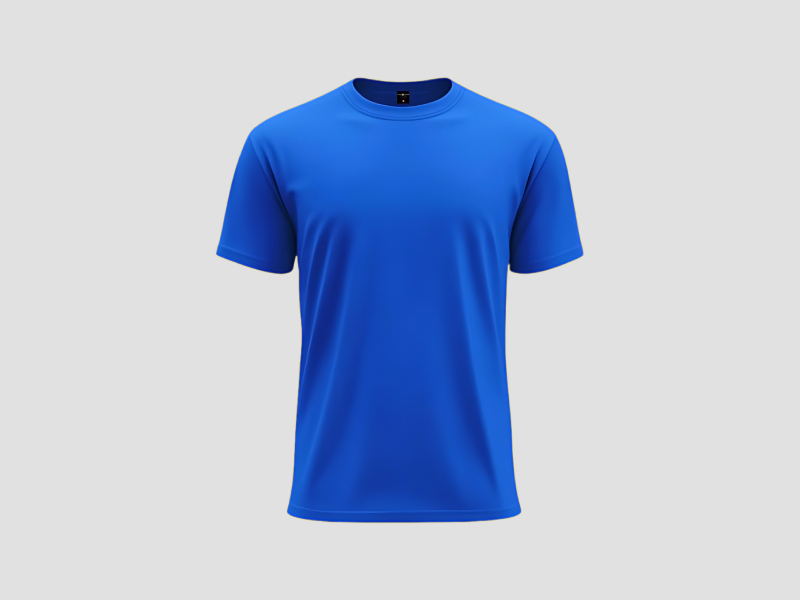
What are Work Shirts?
Work shirts are specialized garments designed for use in a variety of industrial and professional settings. They are typically constructed from durable materials that can withstand the rigors of demanding work environments. These shirts often feature practical elements such as reinforced stitching, pockets, and moisture-wicking properties to enhance comfort and functionality.
The primary applications of work shirts span several sectors, including construction, manufacturing, healthcare, and hospitality. In these industries, work shirts provide both protection and a professional appearance. Workers may wear them as part of a uniform or as standalone attire designed to meet workplace safety and hygiene standards.
In the current market, work shirts are increasingly relevant due to the growing emphasis on workplace safety and professional image. Companies are investing in high-quality work apparel that not only meets regulatory requirements but also enhances employee comfort and productivity. As a result, the demand for work shirts continues to rise across various industries.
Key Features and Specifications
Work shirts offer a range of features tailored to meet the needs of diverse industries. Understanding these specifications is crucial for making informed purchasing decisions.
Key specifications include:
1. Fabric Composition
- Typically made from cotton, polyester, or blends.
- Ensures durability and comfort.
2. Fit Type
- Available in various fits including regular, slim, and relaxed.
- Allows for freedom of movement and comfort.
3. Sleeve Length
- Options include short sleeves, long sleeves, and 3/4 sleeves.
- Adaptable for different weather conditions and work environments.
4. Color Options
- Available in multiple colors to suit branding or personal preference.
- Darker colors often preferred for industrial settings to hide stains.
5. Pocket Design
- Features may include chest pockets, tool pockets, and hidden pockets.
- Enhances functionality and convenience.
6. Moisture Management
- Many work shirts incorporate moisture-wicking technology.
- Keeps the wearer dry and comfortable in hot conditions.
7. Safety Features
- Some shirts are designed with reflective materials for visibility.
- Essential for outdoor or low-light working environments.
8. Washing and Care Instructions
- Many are machine washable and resistant to fading.
- Ensures ease of maintenance for frequent use.
In summary, work shirts combine functionality, comfort, and safety, making them an essential component of many work uniforms.
Common Applications and Use Cases
Work shirts are versatile garments that serve a variety of industries effectively.
1. Construction: Workers in construction often wear durable work shirts that protect against wear and tear while offering comfort. Features like reinforced stitching and pockets for tools are common.
2. Manufacturing: In manufacturing environments, work shirts are designed to be functional and easy to clean. Many include moisture-wicking properties to keep workers dry.
3. Healthcare: Healthcare professionals frequently wear work shirts made from breathable and easy-to-sanitize fabrics. These shirts often feature pockets for carrying essential tools and equipment.
4. Hospitality: In the hospitality sector, work shirts are typically designed for a polished appearance. They may include logo embroidery and are made from materials that allow for ease of movement.
5. Transportation: Workers in transportation industries often utilize work shirts that are both comfortable and durable, providing a professional look while accommodating various tasks.
6. Retail: Retail employees may wear work shirts that reflect the brand’s identity. These shirts are typically designed for comfort to accommodate long hours of customer interaction.
7. Agriculture: Agricultural workers benefit from work shirts that offer protection from the elements while allowing for ease of movement. Lightweight and breathable fabrics are often preferred.
Product Variants and Subcategories
Work shirts come in various styles to cater to different needs and preferences within the workplace.
Short Sleeve Work Shirts: These are ideal for warmer climates and provide breathability. They are often made from lightweight fabrics that are easy to move in.
Long Sleeve Work Shirts: Suitable for cooler weather, long sleeve options offer additional protection from the sun and elements. They often feature adjustable cuffs for a better fit.
High-Visibility Work Shirts: Designed for safety, these shirts come in bright colors and reflective strips to enhance visibility in low-light conditions. They are essential for outdoor and roadside work.
Flame-Resistant Work Shirts: These shirts are made from materials that are resistant to flames and heat. They are critical for workers in industries such as oil and gas, welding, and electrical.
Benefits and Advantages
Investing in quality work shirts offers numerous benefits for businesses and their employees.
1. Enhanced Safety: Work shirts designed with safety features help protect employees from workplace hazards, reducing the risk of accidents.
2. Professional Appearance: A uniform work shirt promotes a cohesive and professional image, enhancing company branding and reputation.
3. Comfort and Functionality: Work shirts made from breathable and flexible materials improve employee comfort, leading to increased productivity.
4. Durability: High-quality work shirts stand up to the wear and tear of demanding environments, reducing the frequency of replacement.
5. Customization Options: Many suppliers offer customization, allowing companies to add logos or specific design features to their work shirts.
6. Compliance with Regulations: Many work shirts meet industry standards, helping businesses comply with safety and health regulations.
Buying Guide for B2B Buyers
When sourcing work shirts, it is essential to consider several key factors to ensure you make the best purchasing decision.
1. Quality Assessment: Evaluate the fabric and construction quality of work shirts. Look for durable materials that offer comfort and withstand frequent washing.
2. Supplier Verification: Vet suppliers to ensure they have a good reputation and meet industry standards. Check for customer reviews and business credentials.
3. Pricing and MOQ: Understand the pricing structure and minimum order quantities (MOQ) required by suppliers. Ensure that these align with your budget and needs.
4. Delivery and Lead Times: Confirm the expected delivery times and logistics arrangements. Timely delivery is crucial for maintaining inventory levels.
5. Compliance Requirements: Ensure that work shirts comply with any relevant industry regulations and standards. This may include safety certifications or specific material requirements.
Compliance and Certifications
Compliance and certifications are critical when sourcing work shirts. Many work shirts meet international quality standards such as ISO 9001, which ensures consistent quality in manufacturing processes. This standard helps businesses maintain high levels of customer satisfaction.
Additionally, industry certifications like CE are important for work shirts used in safety-critical environments. These certifications demonstrate that the products have been tested and meet safety requirements.
Safety and testing requirements vary by industry, so it is essential to verify that the garments meet the necessary criteria for the specific applications they will be used in. Regional compliance considerations may also apply, depending on the location where the shirts will be distributed and used.
Why Source Work Shirts from Pepagora?
Pepagora provides an excellent platform for sourcing work shirts, offering a range of advantages that benefit B2B buyers.
Verified Supplier Network: Pepagora ensures that all suppliers in its network have been thoroughly vetted. This gives buyers confidence in the quality and reliability of the products they purchase.
Streamlined RFQ Process: The request for quotation (RFQ) process is designed to be straightforward, allowing buyers to easily compare prices and features from multiple suppliers in a single platform.
Trade Assurance and Support: Pepagora offers trade assurance, providing buyers with protection throughout the purchasing process. This includes support for any issues that may arise after the purchase.
Regional Coverage: With a strong presence in regions such as India, the GCC, and Southeast Asia, Pepagora serves a diverse range of markets, making it easier for buyers to find suitable work shirt suppliers locally and regionally.

 IN
IN